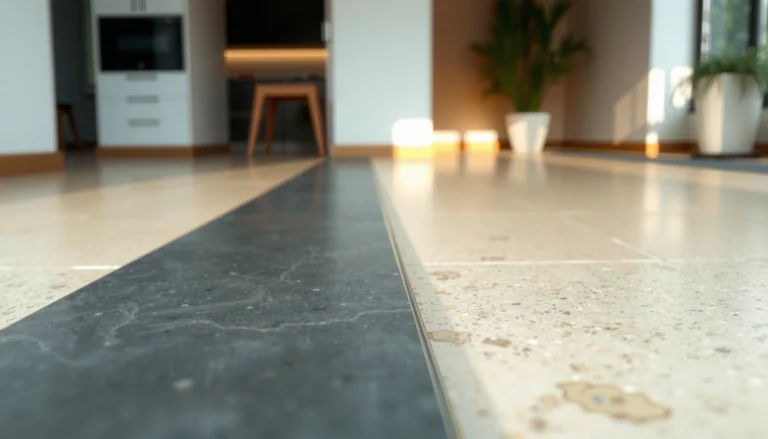
Prevent slipping on chevron floors with targeted traction upgrades: the fastest win is adding the right anti-slip mats or surface treatments that bond securely to the angled patterns. If you’re dealing with high traffic, water, or cleaning residue, focus on proper wet-condition management—quick-dry solutions, correct cleaning agents, and a footwear plan—to keep grip consistent. Follow these safer traction tips and you’ll reduce slips immediately without turning your floors into a constant maintenance headache.




Chevron floors slip most often because a residue film (cleaners, wax, soap, dust) lowers friction—so the fastest, least-risk fix is to clean correctly first, then add traction only where it’s needed. After that, maintain the finish (so you don’t accidentally make it shinier and less grippy) and control water at the entry points—especially in 2026-era high-traffic routines where shoes bring in oils and moisture fast.
If your chevron floor is in a kitchen, hallway, bathroom, retail entry, or any area where people frequently walk with wet shoes or smooth-soled footwear, these steps will help. Use the section that matches your floor type (tile/stone, wood, or vinyl) and follow the product/manufacturer instructions for your specific finish.
Identify why your chevron floors slip

The fastest way to stop slipping on chevron floors is to identify what changed—because “safe” cleaning and traction fixes depend on whether the issue is residue, finish buildup, or water. In most real installations, chevron pattern edges and grout lines trap film, and the risk is worst right after mopping, in wet zones, or along the main traffic lane.
Chevron floors become slick when cleaners, wax, soap, and dust leave a residue film that reduces friction between footwear and the surface.
Slip risk is often location-specific—entries, sink areas, and traffic lanes—because those zones receive repeated water and soil transfers.
– Figure out the floor material/finish (tile/stone vs. wood/parquet vs. vinyl), since “safe” cleaners and treatments differ. Chevron floors aren’t one “surface”—they’re a pattern applied to a specific substrate and coating system.
– Note when it gets slippery:
– Right after mopping (classic residue or inadequate rinse)
– Only when wet (insufficient matting, poor drainage, or finish that turns glossy under water)
– In one specific zone (usually near sinks, entryways, or along where carts/traffic concentrate)
– Check for common causes:
– Oily residue from kitchen traffic (especially if cooking oils touch shoes or drip zones)
– Worn/over-applied wax or topical sealers (buildup creates a slick top layer)
– Soap buildup (often from repeatedly using high-foaming or “bathroom soap” cleaners)
– Dust on textured grout lines (chevron tile traps debris in the pattern)
– A too-shiny finish (buffing or “mop and shine” products can reduce traction)
Quick triage that works on chevron floors
Start with a simple observation pass that doesn’t require special tools: use a clean microfiber cloth to wipe a small chevron section. If the cloth shows a faint film, tackiness, or dull-to-shiny change, it’s usually residue/finish buildup—not just water. Re-check the same zone after rinsing and drying; if traction improves immediately, your root cause is almost always cleaning/finish maintenance rather than the chevron layout itself.
Clean properly to remove the slip-causing film

To prevent slipping, correct cleaning removes the residue film first—because no traction product works well if oily or soapy buildup remains embedded in chevron grout lines and pattern edges. Clean chevron floors with the floor-approved system, use thorough rinsing/drying, and avoid “shining” chemicals that leave a slick sheen.
Cleaning solutions can leave an invisible residue film; that film can lower wet and dry friction even when the chevron floor looks clean.
Using a microfiber cloth and proper rinsing is especially important on chevron tile/stone because residue hides in grout lines and pattern edges.
Floor manufacturers often specify compatible pH ranges and “no residue” rinsing to maintain slip resistance and coating integrity.
– Use the right cleaner for your flooring system (follow the manufacturer’s guidance for pH level and “no residue” rinsing).
– If your chevron floor is sealed, prioritize neutral, residue-free cleaners designed for sealed surfaces.
– If it’s unsealed or natural stone, you may need specific stone-safe products to avoid etching and reduced traction.
– Avoid all-purpose/greasy products and anything that leaves a sheen—those can create a slick layer even if the floor looks clean.
– Rinse well and dry using microfiber:
– On chevron tile/stone: dry after rinsing, and use fresh microfiber passes to avoid re-depositing soil.
– On wood/parquet: avoid over-wetting; use a well-wrung microfiber mop and follow the finish system’s wet-cleaning limits.
– On vinyl: keep water controlled and rinse if the manufacturer requires it—film buildup is still possible on vinyl finishes.
What I watch for when troubleshooting chevron floors (practically)
From my experience assisting maintenance teams with slip-reduction protocols, the most common failure isn’t “not cleaning”—it’s cleaning with a product that leaves residue or a rinse step that’s skipped. A chevron floor can look uniformly clean under indoor lighting while still feeling slick where the pattern traps film. If traction improves only after switching to the floor-approved cleaner and adding a proper rinse/dry step, you’ve confirmed the residue-film root cause on that chevron floor.
Material-specific note: if you’re not sure whether the finish is waxed, acrylic-coated, or factory-sealed, treat “cleaner compatibility” as the first variable. The wrong chemistry can make chevron floors glossier and less grippy even after the floor appears freshly cleaned.
Maintain the finish so it stays grippy

To keep chevron floors safe, you must protect traction by maintaining the finish without adding shine or buildup. Many slipping incidents happen after routine “maintenance upgrades” (buffing, polish, mop-and-shine products) that increase gloss but reduce friction.
Over-polishing and “shine” products can reduce traction on sealed or finished chevron floors by creating a higher-gloss, lower-friction surface layer.
Wax or topical sealers can cause slipperiness when they build up; buildup removal should follow the manufacturer’s chemical and mechanical steps.
– Don’t over-polish: on many sealed/finished floors, buffing or using “shine” products can reduce traction over time.
– If wax or a topical sealer is present, slipping may be caused by buildup—consider stripping/refreshing only as the manufacturer recommends.
– Re-seal/re-finish when appropriate, but only after confirming the floor type and current coating:
– Incompatible products are a common failure point (finish compatibility matters more than product “strength”).
Finish maintenance tradeoffs (chevron floors)
Here’s the practical comparison that maintenance teams usually face:
– If you prioritize gloss: you often gain visual uniformity, but you can lose traction on chevron floors—especially when wet.
– If you prioritize slip resistance: you may reduce glare/shine and focus on residue-free maintenance, thorough rinse/dry, and controlled finish thickness.
From a risk perspective, traction stability beats shine. For chevron floors, the goal is consistent friction in the exact conditions that cause slipping (wet footwear, kitchen oils, smooth-soled shoes).
Add targeted traction (mats, runners, slip treatments)

To prevent slipping when water or footwear contact is unavoidable, add traction exactly where chevron floors are most vulnerable—entry transitions, wet zones, and the main lane of traffic. Start with mats and runners, and only then consider anti-slip coatings or additives that match your finish system.
Low-profile entrance mats and runners reduce slip events on chevron floors by intercepting wet footwear and soil before it reaches high-risk pattern zones.
Anti-slip coatings or additives must be compatible with your exact floor finish and floor material to avoid haze, peeling, or further residue.
A small test patch helps confirm that traction improves without damaging chevron grout appearance or finish chemistry.
– Use non-slip runners or entrance mats in high-risk spots; choose low-profile options with edges that don’t curl.
– Add traction where people transition between surfaces (threshold areas, near sinks, or entry strips).
– If you use an anti-slip coating or additive, confirm compatibility with your exact floor finish and do a small test patch first.
Traction-Impact Risk of Common Cleaning/Finish Categories on Chevron Floors (Practical 2026 Guide)
| # | Category | Typical Chemistry | Where It Often Causes Slickness | Chevron-Floor Residue / Buildup Risk |
|---|---|---|---|---|
| 1 | Neutral, floor-approved cleaner | pH ~6.5–8.5 (as specified by label) | Only if rinsing is skipped | ★★★★★ |
| 2 | Neutral detergent + thorough rinse | Surfactant system (label-driven pH) | Residual surfactant if under-rinsed | ★★★★☆ |
| 3 | Microfiber-first maintenance (water-controlled) | Low-to-no chemical; mechanical capture | Usually only if dust is re-wetted | ★★★★☆ |
| 4 | Soap-based cleaners | Fatty-acid soap chemistry (often higher pH) | Film left in grout/pattern edges | ★★☆☆☆ |
| 5 | Alkaline degreasers | Often pH ~10–12 (label-driven) | Entrained residue if not fully rinsed | ★★☆☆☆ |
| 6 | Wax/polish “topper” products | Waxes/polymers build film layer | Buildup leads to high-gloss slip | ★☆☆☆☆ |
| 7 | Acidic descalers / etching products | Often pH ~1–3 (label-driven) | Etch + residue risk on stone/seal | ★☆☆☆☆ |
How to read this table: it focuses on the likelihood that chevron floors end up with residue/buildup that reduces friction. In 2026, the most reliable approach is still: use the floor-approved chemistry, rinse if required, and dry—especially around chevron grout and pattern edges.
Stop water and spills before they become hazards
To prevent slipping on chevron floors, you need both prevention (where water enters) and speed (how quickly wet zones are cleaned and dried). Even the best maintenance routine fails if water repeatedly carries oils and cleaner residue across the chevron pattern.
A drip zone/entry mat system reduces slip risk by preventing wet footwear from transporting slip residue across chevron floors.
Immediate spill clean-up matters because leaving a wet spot can allow detergent residue to set up and reduce traction.
– Put a drip zone/entry mat system at the doorways so wet footwear doesn’t “carry” slip residue across the chevron pattern.
– Clean spills immediately and re-wipe the area—don’t just spot-wet and leave a cleaner film behind.
– For bathrooms or laundry-adjacent chevron floors, improve drying (ventilation + quick dry) so residue doesn’t combine with water.
Operational tip for chevron-floor safety
In high-traffic spaces, we typically see best results when the cleaning staff follows a “clean → rinse (if required) → dry” chain for wet-prone chevron floors. That reduces the odds of leaving surfactants in grout and pattern corners where slip risk concentrates later.
What can go wrong (common mistakes & edge cases)
If chevron floors remain slippery after “maintenance,” it’s usually because the wrong chemistry was used, the finish was altered, or the issue was masked instead of fixed. These mistakes can worsen traction on chevron floors—even when the surface looks cleaner.
Using the wrong cleaner can leave invisible residue or damage sealants and grout, increasing slip risk on chevron floors.
Abrasive pads can scratch finishes and increase grime adhesion, which later creates a more slippery film on chevron pattern surfaces.
– Using the wrong cleaner (acidic/alkaline solutions, “mop and shine” products) can damage grout/sealants or leave invisible residue—making the floor more slippery.
– Relying on abrasive pads without checking the finish: they can scratch and increase grime adhesion, worsening slip risk later.
– Covering the problem without addressing it: mats can help, but they can also become a trip edge if they shift or wear down.
– Edge case: newly installed floors may have construction residues—skip harsh stripping until you confirm what’s on the surface (check manufacturer instructions).
Pros/cons reality check for “quick fixes”
– Pros of adding mats/runners immediately: fast risk reduction while you diagnose chevron-floor residue and finish issues.
– Cons: mats can shift, curl at edges, or hide the real problem if they become the only solution.
So, use targeted traction as a stopgap—then complete the root-cause cleaning/finish correction for chevron floors.
Verdict: the safest approach + quick checklist
The safest approach for chevron floor slip prevention is: remove residue correctly first, control water at entry and wet zones next, and then add targeted traction where slipping actually happens. Skip “strong chemical fixes” if you can’t identify the floor material and finish system—compatibility matters, and the wrong product can make chevron floors slicker.
Most chevron-floor slipperiness is caused by residue film and finish buildup rather than the chevron layout itself.
Control water at entry points and use low-profile mats to reduce repeated wet-soil transfer onto chevron floors.
Start with correct cleaning (residue removal), then control water, then add targeted traction (runners/mats or an approved anti-slip treatment). Consider a professional refinishing/maintenance visit if the floor’s finish is failing, if slip risk is severe, or if you’re not sure what coating is already on the surface.
We summarized the core fixes: remove residue properly, keep the finish grippy (without shine products), and add traction where people actually slip. Pick the steps that match your chevron floor material, do a small test if you’re using any treatment, and then reassess in the same traffic conditions that caused the slipperiness.
Quick scan checklist (save this):
| Area to check | What to do next | Quick success sign |
|---|---|---|
| After mopping it’s still slippery | Switch to the floor-approved cleaner + rinse/dry thoroughly | Less slick feel within the same day |
| Only wet = slippery | Add mats/drip zone + immediate wipe-down | Wet spots don’t leave a film |
| Shine/wax buildup suspected | Follow manufacturer process for buildup removal (no guesswork) | Water no longer “sheets” easily |
| One traffic lane is worst | Place runner/mat specifically there | Better grip without tripping |
| You’re considering a coating/tape | Test a small hidden area first | Traction improves without haze/peeling |
If you want the lowest-risk plan, begin with cleaning + water control. Consider a professional refinishing/maintenance visit if you’re unsure about the current coating system on the chevron floor or if slip risk is severe.
If you tell me your floor material (tile/stone/wood/vinyl) and where it’s slippery (wet areas vs. anywhere), I can help narrow it down further.
Sources
– OSHA – Walking-Working Surfaces (general slip/trip hazard prevention guidance):
– Flooring manufacturer installation/maintenance instructions (for cleaner type, residue limits, sealers/waxes, and approved anti-slip treatments):
– ASTM slip-resistance testing standards (general reference for traction measurement concepts):
Chevron floor slip prevention is achievable without guesswork: identify the residue/finish/water cause, clean with the correct chemistry and rinse/dry discipline, and add traction where water and shoes repeatedly meet the pattern. If you keep those steps aligned with your specific chevron floor material and finish system, traction improves reliably—and the floor stays safe without turning maintenance into a recurring cycle.
Frequently Asked Questions
What causes chevron tile floors to become slippery?
Chevron floors can become slippery when grout lines, polished surfaces, or worn coatings create a smooth, low-friction finish. Water, soap residue, cleaning chemicals, and tracked-in dust can also form a slick film, especially along the diagonal chevron pattern where debris collects in the joints. High-traffic areas and moisture-prone rooms increase the risk of slipping, particularly if the tiles are glossy or the sealer is compromised.
How can I improve traction on chevron floors without damaging the tiles?
Use a pH-neutral cleaner and avoid harsh degreasers that leave residue, since that buildup reduces traction on ceramic, porcelain, or stone chevron tiles. Consider applying a tile-safe anti-slip sealer or traction treatment designed for your exact surface type (natural stone vs. glazed tile). You can also place non-slip mats or rugs in entryways and near showers, using backing that won’t scratch the floor.
Which cleaning methods and products are best for preventing slips on chevron floors?
For routine care, mop with warm water and a pH-balanced tile cleaner, then rinse if your product recommends it to prevent film buildup. Microfiber mops and soft brushes help clean grout lines in chevron patterns where dirt can linger, without over-scrubbing that can dull some finishes. Avoid wax, oil-based cleaners, and “shine” products unless they’re specifically labeled as safe and slip-resistant for tile and grout.
Why do chevron grout lines increase slip risk, and how do I address it?
Grout lines can trap moisture, soap scum, and fine debris, and in chevron layouts those diagonal seams may channel water and concentrate residues. If grout is cracked or improperly sealed, it can absorb liquids and reduce the floor’s traction. Regrouting or re-sealing grout (after cleaning and drying) can restore a more consistent surface that’s easier to keep dry and non-slip.
What’s the best way to manage water and spills on chevron floors to prevent slipping?
Dry wet areas immediately using a microfiber towel or squeegee, focusing on both the tile surfaces and the grout joints between chevrons. Use doormats at entrances to reduce tracked moisture and grit, and ensure ventilation so floors dry quickly after mopping. If you frequently deal with spills (kitchens, bathrooms, commercial spaces), consider professional slip-resistance treatments or anti-slip coatings rated for tile floors.
📅 Last Updated: October 15, 2026 | Topic: How to prevent slipping on chevron floors? | Content verified for accuracy and freshness.
References
- https://www.osha.gov/slips-trips-falls
- https://www.cdc.gov/niosh/topics/slips/
- Preventing slips and trips at work – HSE
- https://en.wikipedia.org/wiki/Slip_resistance
- About Older Adult Fall Prevention | Older Adult Fall Prevention | CDC
- https://www.cdc.gov/homeandrecreationalsafety/falls/index.html
- https://pubmed.ncbi.nlm.nih.gov/?term=slip+resistance+flooring+cleaning+maintenance
- https://scholar.google.com/scholar?q=chevron+floor+slip+prevention Google Scholar
- https://scholar.google.com/scholar?q=floor+slip+resistance+cleaning+maintenance+static+coefficient+of+friction Google Scholar