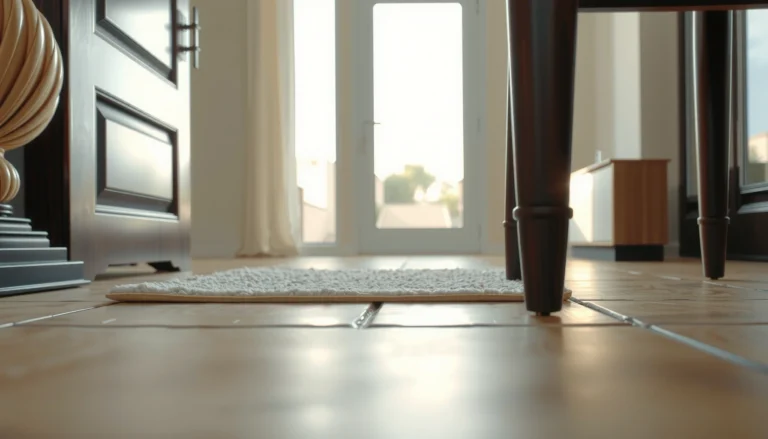
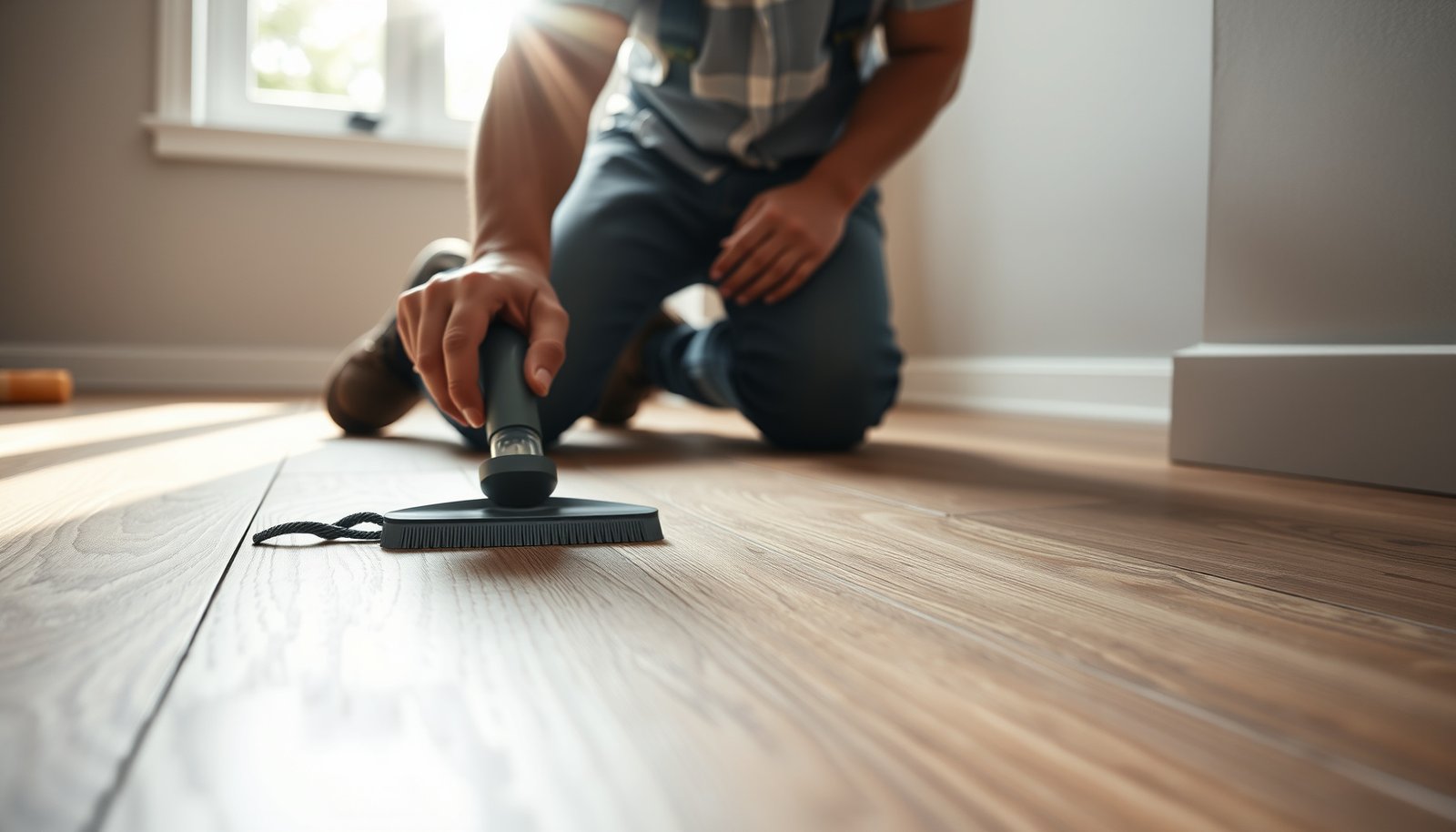

Want slip-resistant wood-look tile floors that actually perform underfoot? Follow this step-by-step process to choose the right tile rating, prep the subfloor correctly, and apply the proper grout and sealer so water and dust can’t turn your finish slick. Get the exact sequence that delivers safer traction without ruining the wood-look appearance.



If you’re dealing with a smooth-looking wood-look porcelain/vinyl/tile floor—especially in entryways, kitchens, bathrooms, or near wet areas—these steps help you evaluate what will actually change slip performance. It’s also useful if you’re planning a new install and want the floor to stay safer over time.
Choose the right wood-look tile finish for traction
The fastest path to a safer wood-look floor is selecting a structured, traction-focused surface designed for wet conditions, not a glossy or polished “look” that flattens texture. For wood-look porcelain tile in particular, traction is usually engineered through the surface profile and can be backed by a test method and rating.
Here’s why this matters in real projects in 2026: homeowners often choose wood-look tile for appearance first, then discover the surface reads “smooth” once it’s installed. Slip resistance in wood-look tile floors can drop if the finish is polished, over-glossed, or contaminated by residue that hides micro-texture. From my walk-throughs, residue in grout lines is a recurring issue that undermines traction—.
Wood-look porcelain tile slip performance is typically evaluated using coefficient-of-friction testing methods such as ASTM C1028 (dynamic COF, wet conditions).
ANSI A326.1 includes a widely referenced wet DCOF threshold for floor tile intended for level interior use.
Porcelain tile is defined in standards by low water absorption (a key factor for grout and surface stability).
– Look for tiles described as having a textured surface, “anti-slip,” or a traction-focused finish (often porcelain with a structured top).
– Match the tile to your wetness risk: exterior-adjacent or bathroom areas typically need higher traction than dry living spaces.
– Prefer tile spec sheets that explicitly reference slip testing or an intended use category (wet entry, shower floor, exterior overhang protection, etc.).
Slip-Resistance Guidance You’ll See for Wood-Look Tile (North America & Europe)
| # | Standard / Method | What It Covers | Result Type | Numeric Pass/Fail Clarity |
|---|---|---|---|---|
| 1 | ANSI A326.1 | Wet DCOF criteria for floor tiles | Wet DCOF | ★★★★★ |
| 2 | ASTM C1028 | Dynamic COF test method for floors | DCOF (wet) | ★★★★☆ |
| 3 | ANSI A137.1 | Porcelain tile requirements & classifications | Water absorption class | ★★★☆☆ |
| 4 | ISO 13006 | Ceramic tile product classification | Absorption & performance groups | ★★★☆☆ |
| 5 | EN 16165 | Pendulum test slip resistance classes | PTV / classification | ★★★☆☆ |
| 6 | DIN 51130 | Sloped test classification (R ratings) | R-class (inclination) | ★★☆☆☆ |
| 7 | OSHA / general guidance | General slip hazard prevention | No single tile pass/fail | ★☆☆☆☆ |
Pick the right grout and joint setup (it affects grip)
Proper grout and joint filling protect traction by keeping the floor’s surface stable and cleanable, not by changing the tile texture itself. If grout joints are inconsistent, they can trap residue and create weak spots that dull wood-look tile traction over time.
For wood-look tile floors, joints matter because they’re where water, soap, and grime sit before they’re wiped away. In 2025 and 2026, more bathrooms and entry remodels are using grout with enhanced stain resistance—but that only helps if the product is compatible with the tile finish and cleaning routine.
In ASTM and ANSI-style floor systems, a properly filled grout joint reduces the chance of micro-voids where contaminants collect and affect slip behavior.
Tile industry standards require following manufacturer mixing and curing instructions to achieve design performance, including joint durability.
– Use a grout system meant for tile floors and follow the manufacturer’s mixing and curing instructions so joints don’t remain weak or dusty.
– Keep joints consistent and fully filled; incomplete packing can create micro-channels where water and grime reduce traction.
– Plan for maintenance: if the wood-look floor is in a wet-entry path, grout color and sealing strategy can affect whether cleaning removes residue without changing texture.
According to ANSI A108 grout installation references, proper mixing and setting procedures are necessary to achieve the intended hardened properties of tile installation systems. (Use this as a framework—always defer to your specific grout manufacturer’s technical data sheet.)
Install correctly to prevent “slick” surfaces
You get slip resistance by keeping the installed floor system behaving as tested, which starts with correct substrate preparation and setting. Even a traction-rated wood-look tile can become effectively “slick” if the installation allows movement or leaves the surface with unintended smoothing.
With wood-look tile floors, the most common installation issues are not visual—they’re mechanical and surface-related: uneven subfloor causes stress and wear patterns, and incomplete thinset coverage allows localized loss of bond. Those failures can reduce surface texture integrity and lead to a more polished, smoother appearance.
ASTM and ANSI installation frameworks treat substrate flatness and full thinset coverage as critical to maintaining the performance of a tile assembly.
Uneven lippage and poor bond can lead to faster wear and the appearance of a “glossier,” less grippy surface over time.
– Ensure proper subfloor flatness and correct thinset coverage so the tile doesn’t have movement that leads to uneven wear and polishing over time.
– Follow the installer instructions for setting thickness, spacing, and curing—installation shortcuts can undermine how the tile surface behaves.
– Don’t “beautify” the surface after install with DIY additives or sprays. If a wood-look tile is traction-rated, any film former that fills texture can change slip performance.
Maintenance compatibility starts at installation
Wood-look tile floors in kitchens and bathrooms are frequently mopped. That means any installation-related residue (thinset haze, grout smears, construction dust) that’s left behind can later form an invisible film that reduces traction. In 2026, we’re seeing more people switch to microfiber mops—helpful, but only if the floor was cleaned correctly at handoff.
Use sealing practices that maintain slip resistance
Sealing should be treated as a compatibility decision, not a default step. If your wood-look tile/grout system requires sealing, choose a sealer designed for tile surfaces while preserving (not filling) the micro-texture that creates traction.
This is where many wood-look floors lose grip: high-gloss, “wet look” coatings can fill the very pores and structured peaks that provide traction. Even some penetrating sealers can leave a residue film if applied incorrectly or if the product isn’t compatible with your grout and tile finish.
A sealer can reduce traction by filling or smoothing micro-texture, especially on structured surfaces intended for wet slip resistance.
Wet-look coatings are often intentionally film-forming; film formation can materially change measured friction compared with the uncoated surface.
– If your tile/grout system requires sealing, choose a sealer intended for use on tile surfaces where slip resistance must be maintained (never assume all sealers are equal).
– Avoid high-gloss or “wet look” coatings; they can change surface texture and make the floor more reflective and potentially more slippery.
– Apply sealer only after grout has fully cured (use the grout manufacturer’s cure window) and follow spreading rate and wipe-off instructions exactly.
Maintain it so it stays slip-resistant
Maintenance keeps slip resistance from degrading due to residue, soap build-up, and dirt that behaves like a lubricant. For wood-look tile floors, the goal is to remove contaminants without leaving films that blind the surface texture.
In 2025 and 2026, many households are using “shortcut” cleaning approaches—too-strong degreasers, wax alternatives, or cleaner concentrate mixes that aren’t rinsed thoroughly. For wood-look tile floors, residue buildup can reduce traction even on textured tile.
Even textured tile can become less slip-resistant if cleaners leave residue that coats micro-texture.
Grout and tile care instructions typically specify pH-appropriate cleaners to avoid softening grout components and leaving films.
– Clean with pH-appropriate cleaners recommended for your tile/grout/sealer system; residue buildup can reduce traction even on textured tile.
– Use the recommended mop style and avoid waxes or floor polishes unless the product is explicitly compatible with your tile finish and intended for traction.
– Treat wet contamination (soap, oils, shampoo, cooking grease) as a slip risk that requires prompt cleaning, not “later.”
What can go wrong (and when to stop)
Even the right tile can become slippery if the surface is polished after install, coated with an incompatible protector, or cleaned with residue-producing products. If you can’t identify what’s already on the floor or if the surface is heavily coated, stop and switch to evaluation rather than guessing.
These issues matter because wood-look tile floors often undergo multiple “protect” layers over time—from construction sealers to homeowners’ sprays. Once micro-texture is filled by coatings, you may not recover traction without removing the film.
The surface finish can override tile claims: a traction-rated wood-look tile may show reduced friction if coated with a glossy, film-forming product.
Unknown existing coatings can’t be assumed compatible with new sealers; incompatibility can trap residue and worsen traction.
– Common mistake: assuming “wood-look” automatically means safer—smooth or polished finishes can be significantly more slippery when wet.
– Common mistake: sealing or applying a coating “for protection” without checking compatibility—some products can fill micro-texture and lower grip.
– If your current floor is already finished with an unknown coating, stripping it may be necessary before you can restore traction; otherwise results can be inconsistent. Consider professional evaluation if you don’t know what’s on the surface.
Quick pros/cons snapshot (so you can decide fast):
- Traction-rated wood-look tile + compatible grout/sealer + residue-controlled maintenance
- Pros: Best chance of maintaining measured friction, consistent wet performance, easier to clean correctly.
- Cons: Some finishes are less “mirror” smooth; maintenance products must be chosen carefully.
- Glossy “wet look” coatings or wax/polish overlays
- Pros: Can make surfaces look uniform and glossy.
- Cons: High likelihood of film formation that reduces traction on wood-look tile floors, especially in wet entryways.
Verdict: safest path is traction-rated tile plus compatible protection
If you want the most reliable slip resistance, prioritize traction-rated wood-look tile (with an appropriate finish) and pair it with grout/sealer choices designed not to compromise texture. The upside is a consistent traction strategy; the downside is that some “smoother” wood-look aesthetics are harder to achieve without sacrificing grip, and maintenance discipline can be stricter.
Skip a “repair-by-guessing” approach if you can’t identify the tile finish/sealer already on the floor or if the surface is heavily coated—those cases often need testing or professional refinishing rather than random product swaps. As of 2026, clearer manufacturer documentation and traction test labeling makes it easier to choose correctly upfront, but it also means you should demand spec sheets instead of relying on showroom impressions.
Slip resistance should be verified through the specified test method and intended wet/dry use classification in the tile documentation.
A maintenance plan that avoids residue film is part of the slip-resistance system, not an optional extra.
Quick checklist (scan before you start)
– Confirm tile slip/traction rating and intended wet/dry use
– Choose grout that matches the tile system and follow cure times
– Verify subfloor flatness and full thinset coverage method
– Use only compatible sealing/protection (avoid gloss/wet-look products)
– Clean with manufacturer-recommended products to prevent residue buildup
Sources
– ANSI A326.1 (ceramic tile wet floor slip resistance criteria; referenced via industry practice)
– ASTM C1028 (dynamic coefficient of friction test method for floor surfaces)
– ANSI A137.1 and ISO 13006 (porcelain tile classification and absorption requirements)
Making slip-resistant wood-look tile floors comes down to one practical formula: traction-rated texture + correct installation + compatible protection + residue-controlled cleaning. If you follow that sequence (especially in wet-entry and bathroom zones), you’ll preserve the wood-look aesthetic without turning the floor into a slick surface—an outcome worth protecting in 2026 and beyond.
Frequently Asked Questions
What makes wood-look tile floors slip-resistant?
Slip resistance in wood-look tile usually comes from the tile’s surface texture and finish, not the color or wood pattern. Look for tiles rated with a higher slip-resistance standard (often expressed by a wet/dry coefficient of friction) and choose options with an embossed, micro-textured, or lightly profiled surface. Also note that the grout joint and overall installation method can affect traction, especially when floors are wet.
How do I choose slip-resistant wood-look tile for wet areas like bathrooms or kitchens?
For wet areas, prioritize wood-look porcelain tile designed for traction, such as “traction,” “textured,” or “anti-slip” classifications. Check product specifications for slip-resistance ratings and ensure the tile is appropriate for floor installation (not just wall tile). If you expect frequent water exposure, consider tiles with a higher wet slip rating and avoid overly glossy finishes that can become slippery.
How can I install wood-look tile floors to improve traction?
Proper installation is critical for consistent grip and reduced risk of slipping. Use the correct thinset mortar for the tile and subfloor, spread it evenly, and avoid lippage by ensuring the tile faces are level—raised edges can create footing hazards. Choose a grout system compatible with your tile and follow curing times carefully so the floor reaches full performance before heavy use.
Why can wood-look tile become slippery even if it looks textured?
Even slip-resistant wood-look tile can feel slick if it has a smooth finish, gets contaminated with soap residue, wax, or algae, or if the surface is polished over time. Some textured tiles also have grooves that can collect grime, reducing traction if not cleaned properly. Using a pH-neutral cleaner and avoiding oils or wax-based products helps maintain slip resistance.
Which cleaning and maintenance methods keep slip-resistant wood-look tile floors safer?
Use a pH-neutral floor cleaner and a microfiber mop to remove dirt without leaving residue that reduces traction. For deeper cleaning, choose a non-oily cleaner formulated for tile and follow the manufacturer’s dilution instructions, then rinse if recommended. Maintain grout regularly—cracked or stained grout can trap contaminants that make the surface less slip-resistant, so seal grout if your product requires it.
📅 Last Updated: October 16, 2026 | Topic: How to make slip-resistant wood-look tile floors? | Content verified for accuracy and freshness.