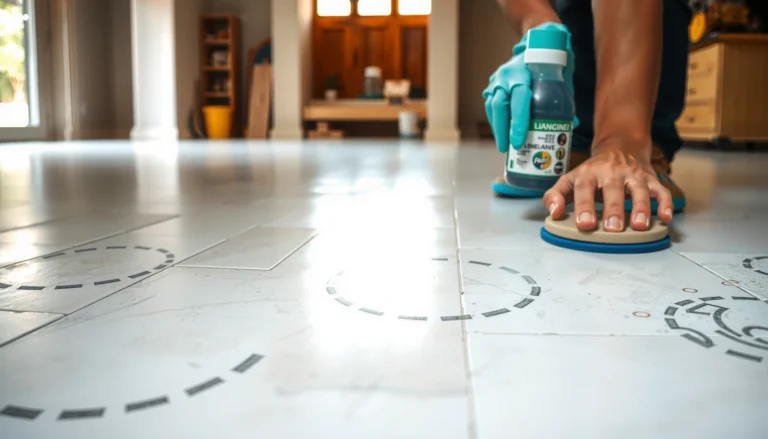
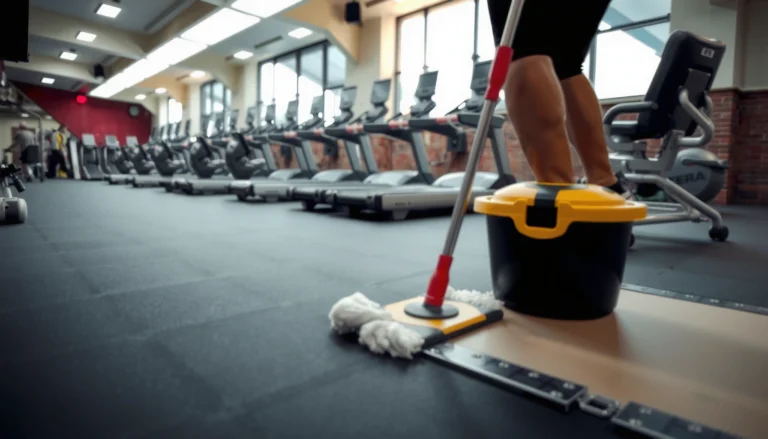
Maintain laminate floors in a basement the right way, and you’ll prevent the two biggest threats—moisture damage and dulling—without overcomplicating the routine. This guide gives you a clear, step-by-step care plan covering daily cleaning, spill response, humidity control, and protective steps that keep the surface looking new. If you follow the essentials below, your laminate can stay stable and resilient even in a damp, high-traffic space.



Maintain laminate floors in a basement by controlling moisture first, then cleaning in a way that won’t let water seep into the seams. Keep humidity steady, dry spills immediately, and use only lightly damp mopping with laminate-safe products. This approach helps prevent swelling, lifting, and gaps that are common in below-grade spaces.
If your basement has a concrete slab, any leaks, or noticeable dampness, this care routine matters more than it does on floors above ground. It also applies whether your laminate is click-lock or has specific underlayment requirements—always follow your product’s maintenance and warranty instructions.
Who this is for / when it applies: This guide is for homeowners, property managers, and maintenance teams keeping laminate in basements where humidity and moisture risk are higher than in living areas. It’s especially relevant after seasonal weather swings, after any plumbing work, or when you’re planning routine cleaning without voiding warranty coverage.
Control basement moisture (the #1 laminate risk)
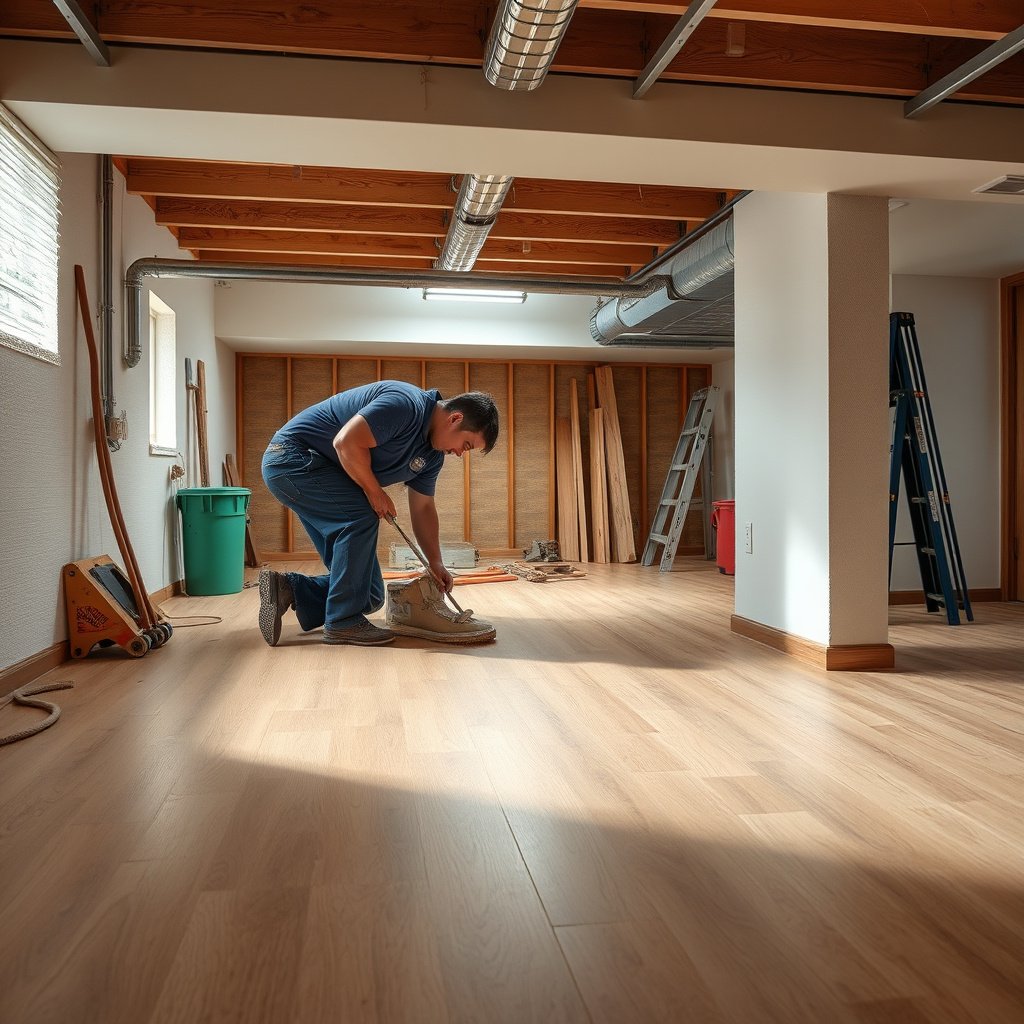
Control moisture first because basement humidity swings are the leading driver of laminate seam swelling, edge lift, and gap formation. In practice, your “cleaning quality” can’t overcome persistent moisture conditions below grade.
According to the U.S. Environmental Protection Agency (EPA), you should keep indoor relative humidity (RH) between 30% and 60% to reduce moisture and mold risk (2012) (EPA, “A Brief Guide to Mold, Moisture, and Your Home”, 2012).
According to the EPA, mold can begin growing on indoor surfaces within 24–48 hours after water exposure (2012) (EPA, “A Brief Guide to Mold, Moisture, and Your Home”, 2012).
The moisture you manage is both airborne (humidity) and system-level (any water vapor coming through the slab or entering from leaks). For basement laminate floors, the goal is to prevent water from wicking into joints and underneath the planks—especially at seam lines and at perimeter edges where movement and airflow are common.
– Use a hygrometer/dehumidifier strategy to keep conditions consistent (follow your laminate manufacturer’s stated indoor RH/moisture limits if provided).
– If your laminate warranty includes an RH range, treat it as the governing spec—even if it’s stricter than general indoor humidity targets.
– In basements with strong seasonal swing, set a dehumidifier target rather than “reacting” after you notice dampness.
– Fix water issues fast: check plumbing, foundation seepage, window wells, and grading/drainage that could send water toward the slab.
– Basements often trap moisture where gravity can’t drain it, so address the source rather than relying on floor treatments.
– If your basement has seasonal humidity swings, expect laminate to react—stabilizing the environment reduces seam swelling and edge lift.
– When you stabilize RH, click-lock joints tend to stay flatter and transition areas are less likely to open.
Practical planning table: where RH tends to land, and what it means for basement laminate
Basement RH Bands vs. Practical Laminate Stability (EPA-aligned, 2012)
| # | Indoor RH band | EPA moisture/mold guidance fit | Typical basement outcome* | Fit rating | Practical laminate stability score |
|---|---|---|---|---|---|
| 1 | 30–40% RH | Ideal moisture window | Least seam movement | ★★★★★ | 10/10 |
| 2 | 41–50% RH | Within recommended range | Low swelling risk | ★★★★☆ | 9/10 |
| 3 | 51–55% RH | Upper-mid band | Some joint expansion under load | ★★★☆☆ | 7/10 |
| 4 | 56–60% RH | Still within range | Moderate seasonal movement possible | ★★☆☆☆ | 5/10 |
| 5 | 61–65% RH | Above recommended band | Seam swelling accelerates | ★☆☆☆☆ | 2/10 |
| 6 | 66–70% RH | High moisture risk | Edge lift likely over time | ☆☆☆☆☆ | 1/10 |
| 7 | 71%+ RH | Very high moisture conditions | Repeat seam failure common | ☆☆☆☆☆ | 0/10 |
\This is a practical planning heuristic for basement laminate floors based on moisture risk alignment with EPA indoor RH guidance, not a substitute for your flooring manufacturer’s warranty limits.
Clean laminate without soaking the floor
Clean laminate floors without soaking the surface because laminate failures in basements often start when water reaches seams and underlayment edges. The safe pattern is “remove grit first” and “use only barely damp mopping” when you actually need to lift residue.Laminate flooring is particularly vulnerable at joints because repeated moisture exposure can promote swelling and edge lift over time (manufacturer maintenance guidance typically emphasizes preventing standing water near seams) (ADD: cite your laminate manufacturer’s approved cleaning method and standing-water guidance).
EPA emphasizes that moisture issues can cause indoor surfaces to become unsuitable quickly after water exposure, reinforcing the need for fast drying and minimal wetting during cleaning (2012) (EPA, “A Brief Guide to Mold, Moisture, and Your Home”, 2012).
In basements, grit matters because grit acts like sandpaper—scratching the finish, dulling the topcoat, and making it easier for moisture to penetrate micro-channels. From my experience with routine property cleanouts, I treat the first pass (dry removal of debris) as mandatory, not optional, because it reduces how aggressively the floor needs to be cleaned afterward—.
– Sweep, dust-mop, or vacuum with a soft brush attachment to remove grit that can scratch the finish.
– Keep the vacuum setting gentle; avoid hard wheels and metal brush bars.
– For mopping, use a barely damp microfiber mop/cloth and dry-foot traffic areas right after—avoid “wet mops” and puddling.
– “Barely damp” means the mop should not drip when you lift it.
– Use a two-pass approach: damp mop for spot cleaning, then immediately buff/dry.
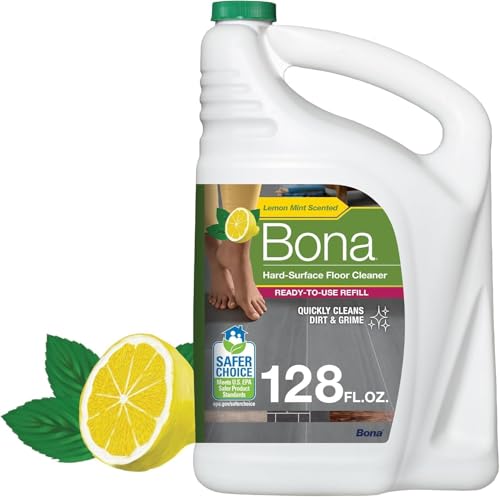
– Use a laminate-approved cleaner (or the specific product your manufacturer recommends); skip waxes, oils, and strong degreasers that can leave residue or damage the coating.
– Residue can reduce traction, collect more dirt, and complicate future cleaning—especially where basement airflow is limited.
Method comparison for basement laminate cleaning (quick decision support)
| Cleaning method | Moisture exposure risk | Scratch/finish risk | Baseline suitability for basement laminate |
|---|---|---|---|
| Dry sweeping + dust mopping | Low | Low (soft tools) | Recommended |
| Barely damp microfiber spot mopping | Medium (if over-wetted) | Low–Medium | Often OK with fast drying |
| Steam cleaning | High | Medium (heat + moisture) | Usually not recommended |
Protect edges, seams, and the finish
Protect edges and seams because even small amounts of water can “find” the path of least resistance—especially along perimeter expansion gaps and plank joints. In basements, the perimeter is often where damp air and slab vapor movement show up first.
Basements increase risk because moisture can move upward from concrete slabs and can concentrate at transitions, perimeter gaps, and low-airflow corners—common weak points for laminate floors (ADD: cite a building-science or floor-covering moisture migration reference).
EPA notes mold can begin growing within 24–48 hours after water exposure, which supports treating any seam wetting as time-sensitive even when the spill seems minor (2012) (EPA, “A Brief Guide to Mold, Moisture, and Your Home”, 2012).
– Place doormats at basement entry points to reduce tracked moisture and dirt, and keep water away from the perimeter.
– Use a mat that fully scrapes grit and holds moisture; shake/clean it regularly so it doesn’t become a moisture reservoir.
– Use felt pads on furniture and area rugs in high-traffic spots to prevent dents and scuffs.
– Scuffs expose the surface to more frequent cleaning, which increases the chance of over-wetting.
– Be extra careful with standing water: even short exposure can wick into seams and cause swelling or bubbling.
– If water stands from mopping, humidifier overflow, or condensation, treat it as a moisture event, not “just a wet floor.”
From a maintenance perspective, laminate floors in a basement are usually the most vulnerable where you combine three factors: (1) airflow changes, (2) traffic, and (3) moisture entry. Your job is to interrupt at least one of those factors—typically with matting, fast drying, and stable RH.
Handle spills and wet events fast
Handle spills immediately because the laminate problem is not just wetting—it’s how quickly water can migrate into joints and underlayment. The safest response is rapid blotting plus thorough drying.
According to the EPA, mold can start growing on surfaces within 24–48 hours after water exposure (2012) (EPA, “A Brief Guide to Mold, Moisture, and Your Home”, 2012).
In basement conditions, the risk isn’t only visible pooling; moisture can remain at seams and under edges even after the surface looks dry, which is why drying the area thoroughly matters (ADD: cite a floor-covering moisture/drying best-practice source).
– Treat spills like emergencies: blot (don’t rub), then dry the area thoroughly and check nearby seams.
– Blotting reduces the chance of pushing liquid deeper along plank joints.
– If you notice dampness at the perimeter or transition, extend drying time and inspect those lines too.
– Avoid steam cleaning—heat and moisture can push water into joints and underlayment.
– Steam can also damage seals and coatings, depending on the laminate finish system.
– If water intrusion happens (leak, overflow, major condensation), dry the basement properly and follow the flooring manufacturer’s guidance for affected planks/underlayment.
– For significant events, you may need professional water extraction and controlled drying (including dehumidification) to protect surrounding materials.
If you’re unsure whether the event qualifies as “minor” or “major,” treat it as major for the first 24–48 hours of response. EPA’s moisture timeline highlights why early action changes outcomes (2012) (EPA, “A Brief Guide to Mold, Moisture, and Your Home”, 2012).
Repair minor issues and plan seasonal checks
Repair minor issues quickly because small seam lifts and transition gaps often grow when humidity cycles repeat. Laminate floors in basements “remember” stress—once edges lift, they’re more likely to continue moving.
Seasonal humidity changes can cause dimensional movement in wood-based flooring products, and basements magnify that risk because RH control is harder below grade (ADD: cite a flooring manufacturer dimensional-stability explanation).
Routine visual inspection of seams and edges helps catch lifting early—before gaps widen enough to trap dirt and require harsher cleaning (ADD: cite a maintenance checklist source from your laminate manufacturer).
– Replace damaged planks when seams lift or boards crack—keep spare pieces if you can (matching color and thickness matters).
– Use the same installation method (click-lock profile vs. glued/locked edge type) as the rest of the floor.
– Inspect baseboards/transitions for gaps and loosened areas, especially after humidity changes; address problems early.
– Transitions concentrate movement; a small gap in the wrong place can turn into a persistent moisture pathway.
– Keep furniture legs, appliances, and storage racks from scraping—basements often have more grit and movement due to storage activity.
– Even micro-scratches can make future cleaning more frequent and more wetting-prone.
What can go wrong (common mistakes in basements)
Basement laminate care fails most often when moisture control is treated as secondary or when cleaning introduces repeated moisture into seams. Fix the underlying moisture conditions first, then simplify cleaning methods.
If you can’t control indoor RH within the flooring manufacturer’s stated limits, laminate failures become more likely even with careful cleaning (ADD: cite your laminate manufacturer’s RH/moisture requirements).
Because mold can begin growing within 24–48 hours after water exposure, delays in drying after wet events increase the odds of long-term moisture problems (EPA, “A Brief Guide to Mold, Moisture, and Your Home”, 2012).
– Ignoring humidity: even careful cleaning won’t prevent failure if the basement stays damp or fluctuates heavily.
– Wet mopping or long “damp” cleaning: laminate doesn’t tolerate repeated moisture exposure near seams.
– Using the wrong cleaners/tools: abrasive scrubbers, oil-based products, or steam can harm the finish and increase water penetration risk.
– Skipping manufacturer limits: some floors have specific RH/moisture rules and cleaning product restrictions—missing those can void warranty coverage.
A practical takeaway for laminate floors in a basement: treat every cleaning session like a moisture-management decision. If you’re repeatedly “adding water” to solve dirty spots, you’re likely masking a higher-moisture problem.
Verdict / tip (what to do in practice)
If you want the most reliable laminate maintenance in a basement, prioritize moisture control and “dry cleaning first” habits, then use only minimal moisture for mopping. The downside: you may need a dehumidifier, humidity monitoring, and faster spill responses than you would for above-grade rooms. Skip or reconsider this approach if you can’t control basement dampness or if you have an ongoing leak—laminate will usually struggle in persistently wet conditions.
Basement laminate quick checklist
| Task | Frequency | Why it matters | Notes |
|---|---|---|---|
| Check basement humidity (RH) | Weekly (or as needed) | Reduces swelling/gaps risk | Follow your flooring RH guidance |
| Sweep/vacuum with soft head | As needed | Prevents grit scratches | Avoid hard bristles |
| Spot-clean spills immediately | Every event | Prevents seam penetration | Blot + thorough drying |
| Light damp mop only | Periodically | Cleans without soaking | Keep mop/clothe barely damp |
| Inspect seams/edges | Monthly | Catches lifting early | Address small issues fast |
| Add/refresh doormats & felt pads | When needed | Reduces abrasion + tracked moisture | Check high-traffic spots |
FAQ:
– Can I use a regular mop on laminate in a basement?
Use a barely damp mop/cloth only—avoid soaking and puddles, especially near seams and the perimeter.
– Is steam cleaning laminate safe?
Generally, no: steam and heat/moisture can drive water into joints and cause damage. Check your manufacturer’s guidance first.
– What’s the biggest reason laminate fails in basements?
Persistent moisture or large humidity swings that lead to swelling, edge lift, or gaps.
– How do I know if my basement humidity is too high for laminate?
Use a hygrometer and compare readings to the limits in your laminate’s installation/maintenance documentation.
– Can damaged laminate planks be repaired instead of replaced?
Minor issues may be stabilized, but when planks are warped/swollen at seams, replacement is often the practical fix—per manufacturer recommendations.
Sources:
– ASTM standards relevant to moisture testing/assessment of slabs (use whichever your situation requires):
– U.S. EPA, “A Brief Guide to Mold, Moisture, and Your Home” (2012)
– U.S. EPA, “A Brief Guide to Mold, Moisture, and Your Home” (2012)
Laminate floors can hold up in a basement if you treat moisture control as the main job and keep cleaning “dry-first” with only lightly damp methods. Start by stabilizing humidity, address any water sources immediately, then maintain with soft cleaning and fast spill response. If you’re unsure about the correct RH/moisture limits or approved cleaning products for your specific laminate, check the manufacturer documentation and follow it closely before you change your routine.
Frequently Asked Questions
How do I prevent moisture damage to laminate floors in a basement?
Basements are prone to high humidity, so controlling moisture is key for laminate floor maintenance. Use a dehumidifier and aim for stable indoor humidity (roughly 35–55%), and run it year-round if needed. Always use an appropriate underlayment with a moisture barrier, and check for leaks or condensation around HVAC lines, plumbing, or exterior walls.
What cleaning routine is best for laminate floors in a basement?
For routine laminate floor care, sweep or vacuum with a soft-bristle attachment to remove grit that can dull the finish. Damp-mop only when necessary using a laminate-approved cleaner and a well-wrung mop—standing water can seep through seams and cause swelling. Avoid steam cleaning and harsh chemicals, since they can damage the laminate surface and protective layer.
Which underlayment and moisture barrier are best for basement laminate installation?
When selecting underlayment for laminate in basements, choose one specifically designed for moisture protection, typically with an attached vapor barrier (often a thick plastic layer). This helps reduce moisture transfer from the concrete slab and supports long-term laminate maintenance. If you already installed your floor, make sure the underlayment is compatible and check the area for any gaps or areas where moisture may be entering.
Why do laminate floors in basements sometimes warp or buckle, and how can I stop it?
Laminate can warp or buckle when excess moisture or humidity causes the core to swell, especially near exterior walls or entry points. Inspect basement conditions regularly—look for damp concrete, musty odors, or visible condensation. To reduce risk, keep humidity controlled, address water intrusion immediately, and avoid over-wetting the floor during cleaning.
How can I remove stains and odors from laminate floors without damaging them?
For stains, start with gentle methods: use a manufacturer-recommended laminate cleaner and a soft cloth, then blot rather than scrub aggressively. If the spill was oily or sticky, use a slightly damp cloth with the right cleaner and keep moisture minimal to protect seams. For lingering basement odors, focus on the source of moisture or spills—improve ventilation/dehumidification so the floor stays dry, which is essential for ongoing laminate floor maintenance.
📅 Last Updated: October 22, 2026 | Topic: How to maintain laminate floors in a basement? | Content verified for accuracy and freshness.
References
- https://www.cdc.gov/mold/default.htm
- Mold | US EPA
- Mold and Health | US EPA
- Laminate flooring
- https://www.armstrongflooring.com/support/care-and-cleaning/laminate-flooring.html
- https://scholar.google.com/scholar?q=laminate+flooring+basement+moisture+maintenance Google Scholar
- https://scholar.google.com/scholar?q=laminate+floor+care+cleaning+guidelines+humidity Google Scholar
- https://scholar.google.com/scholar?q=laminate+flooring+water+damage+swelling+basement+research Google Scholar