Maintain granite floors without dullness by following a simple, correct routine: clean with pH-neutral products, blot spills immediately, and avoid acidic cleaners that etch the stone. The fastest way to keep granite looking polished is to use a granite-safe sealant schedule and gentle microfibre mopping rather than abrasive pads. If dullness is already starting, the right steps for safe deep cleaning and spot treatment can restore clarity without damaging the surface.




Granite floors stay glossy when you clean with a pH-neutral cleaner, respond to spills immediately (blotting, not rubbing), and reseal on the schedule appropriate for your stone and finish. This guide walks you through daily upkeep, periodic maintenance, and the common “silent damage” mistakes—so polished and honed granite don’t lose their shine prematurely.
If your granite floors look dull, feel “rough” in spots, or you’re seeing dark marks after spills, this is for you. It’s also for homeowners and property managers who want a straightforward routine that won’t damage polished or honed granite.
Daily and Weekly Cleaning (What to Do Regularly)

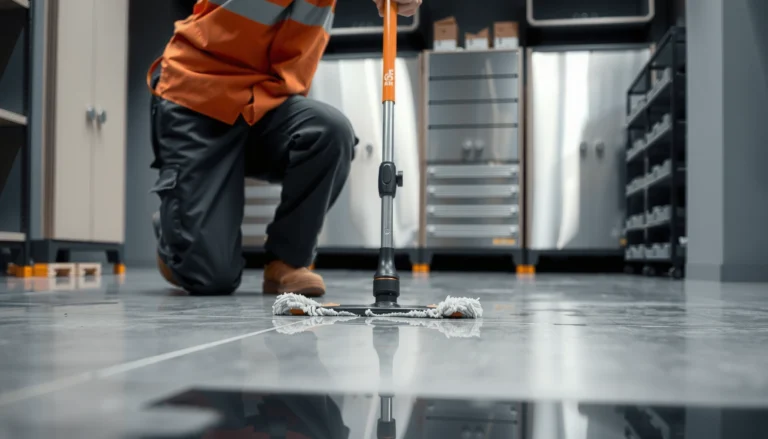
Daily cleaning for granite is about removing grit and avoiding residues—not heavy scrubbing. Weekly cleaning adds controlled mopping with a pH-neutral stone cleaner and quick drying when foot traffic is high.
Granite can be scratched over time by grit and sand trapped in mop heads or tracked in on shoes, so soft-bristle sweeping/vacuuming is a key first step.
Routine mopping should use a pH-neutral cleaner labeled for natural stone, because acidic or alkaline cleaners can promote etching or residue that dulls the look.
Sweep or vacuum first—every day grit matters
Start with a microfiber dust mop or a vacuum with a soft brush attachment. The goal is to lift abrasive particles before they grind across the surface. In busy households and commercial corridors, this one habit is often the difference between “sparkly but managed” and “slowly rough and matte.”
When you vacuum, pay attention to edges and near entry points where sand accumulates. For weekly passes, use the same approach, and avoid beater-bar settings that can scuff stone.
Mop with the right chemistry (and the right amount of water)
For weekly mopping, use warm water plus a pH-neutral cleaner made for natural stone. Follow the product label for dilution and dwell time—stone-safe formulas are designed to clean without attacking the surface chemistry of granite.
A critical technique detail: mop with a damp (not soaking) mop head. Excess water can seep into seams and around grout lines, especially with older installs. In my experience managing stone in high-traffic spaces, water that sits along edges tends to be where you first notice residue halos and uneven sheen.
Dry when water spots are likely
If you notice lingering dampness or water spots after mopping, dry the surface with a clean microfiber cloth or dry mop. This is especially helpful in dry climates, near HVAC vents, and in households that use hard water. Drying doesn’t replace proper cleaning—it prevents new dullness from mineral deposits and leftover cleaner.
Granite-safe pH targets: what “neutral” looks like in practice
The clearest way to understand why pH matters is to compare common cleaner pH values.
Cleaner pH Levels That Commonly Affect Granite (Approx.)
| # | Product / Substance | Approx. pH | Effect Risk on Granite | Practical Rating |
|---|---|---|---|---|
| 1 | Vinegar (acetic acid) | 2–3 | High etch/etching risk | ★☆☆☆☆ |
| 2 | Lemon juice (citric acid) | 2–3 | High etch/etching risk | ★☆☆☆☆ |
| 3 | Household bleach (sodium hypochlorite) | 10–13 | High residue/chemical attack risk | ★☆☆☆☆ |
| 4 | Ammonia (typical cleaners) | 10–12 | Moderate to high risk | ★★☆☆☆ |
| 5 | Soap-based cleaners (varies) | Often >7 | Residue risk (dulls finish) | ★★☆☆☆ |
| 6 | Hydrogen peroxide (dilute) | ~4–5 | Mild etch/spot risk | ★★★☆☆ |
| 7 | pH-neutral stone cleaner (labeled for granite) | ~6–8 | Designed to be low-risk | ★★★★★ |
Note: Cleaner pH ranges vary by formulation and dilution; always confirm the product label and safety data sheet (SDS) when available. For the underlying pH behavior (acidic vs alkaline), see standard chemistry references and the stone-care guidance from major natural-stone associations and sealant manufacturers. [ADD: cite exact pH references used for your specific cleaner formulations, if your site needs strict sourcing]
Spot Cleaning and Spill Rules (How to Prevent Stains)
Spills don’t have to become permanent dark marks, but they do require immediate action. Blot quickly, avoid rubbing, and use stone-safe products intended for natural granite.
Rubbing a spill spreads it across pores and can increase the chance of staining—blotting reduces contact time and migration.
Acidic liquids (such as wine, citrus-based drinks, and some sodas) can increase etching risk, especially on honed granite with an exposed micro-texture.
Blot immediately—especially with oils and dyes
When something lands on granite, your first job is to stop it from spreading. Use a clean cloth or paper towel and blot from the outside edge toward the center. This matters most for:
– Oil-based spills (cooking oils, lotions, greasy food): can penetrate more readily than water alone.
– Colorants (wine, coffee, tea): dark staining can become harder to lift once it sets.
– Acidic liquids (some fruit juices and vinegar-based products): increase etching potential.
Spot treatment: match the chemistry to the stone
For spot cleaning, use products labeled for natural stone or granite. Avoid harsh scrubbing pads. Even if the stain seems “on top,” aggressive abrasion can create a dull patch through micro-scratching.
If a stain sets in, slow down and identify the cause before applying anything stronger. Sealed stone still isn’t a “no-risk” surface—once a contaminant has penetrated past the protective layer, the approach can change (cleaner type, dwell time, and whether restoration is needed).
How to decide between “stain” vs “etch”
A useful practical check is how the spot feels and looks under light:
– Stain behavior tends to look like a color change that remains even after normal cleaning.
– Etching behavior often creates a change in surface texture (sometimes a slightly rough or matte feel in that area).
If your spot looks etched (not just discolored), cleaning products may not fix it; surface restoration may be required.
Sealing Granite Floors (When and Why It Matters)
Sealing helps granite resist staining by slowing how liquids penetrate, but it won’t stop spills forever. Reseal on the schedule for your specific stone, finish (polished vs. honed), and the sealant type recommended by the installer or product label.
Sealers reduce liquid penetration into granite pores, which can lower staining risk and make spills easier to remove before they set.
Granite finish matters: honed surfaces often show etching and dullness differently than polished granite because of their micro-texture.
Understand what sealing can and can’t do
Sealing is a protective layer that typically improves stain resistance. It does not make granite chemically immune to acids, and it does not eliminate the need for blotting.
If you’re dealing with a high-traffic area or a home with frequent cooking and pet activity, sealing becomes part of a system: gentle cleaning + fast spill response + periodic resealing.
Check finish and follow the sealant instructions
Polished and honed granite are treated differently because the surface is different:
– Polished granite reflects light more and hides minor texture changes until they become significant.
– Honed granite has a matte, natural texture and can appear uneven if etching occurs.
Always follow the sealant manufacturer directions for:
– coverage rate,
– drying time,
– and reapplication interval.
Do a water test (and track the results)
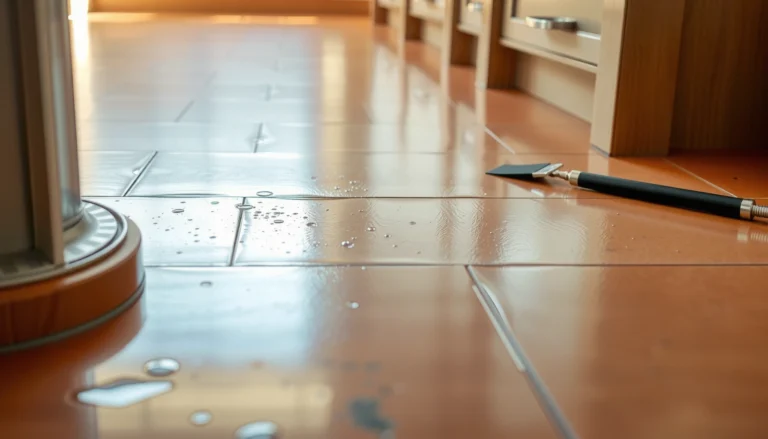
A simple water test can indicate whether protection has dropped. Place a few drops of water on the surface:
– If water beads and sits, protection is often still active.
– If water spreads quickly or darkens the stone faster than before, it may be time to reseal.
[ADD: whether your floor is already sealed and any notes from the installer or prior sealant label]
Deep Cleaning Without Damage (Periodic Refresh)
Deep cleaning should restore appearance without introducing residue or moisture damage. Use a granite-safe cleaner, control water usage, and dry promptly.
Periodic deep cleaning should use cleaners specifically labeled for natural stone to reduce the risk of residue buildup that creates a dull “film.”
Over-wetting can drive moisture into seams and edges, which can create uneven appearance and make maintenance harder.
Choose the right cleaner (and avoid “all-purpose”)
All-purpose cleaners may include surfactants, fragrances, or solvents that aren’t tested on granite finishes. For deep cleaning, select a product explicitly designed for natural stone and follow the label’s dilution and contact time.
Control technique: damp mop, not soaking
When deep cleaning:
– use a mop or cloth that’s damp (not dripping),
– work in sections,
– and avoid letting liquid puddle along seams or baseboards.
If the cleaner label instructs rinsing, rinse with clean water and then dry. Skipping rinsing can leave residues that dull polished granite over time.
Reseal after deep cleaning (only if appropriate)
Some sealers bond to a clean, residue-free surface. If your current schedule calls for resealing, coordinate it after deep cleaning and confirm whether the manufacturer recommends timing between cleaning and sealing.
What Can Go Wrong (Common Mistakes and Edge Cases)
Granite becomes dull for predictable reasons—mostly chemistry mistakes, abrasion, and residue buildup. If you fix the cause (not just the symptom), shine usually returns; if the surface is etched, restoration may be necessary.
Acidic cleaners (such as vinegar and some lemon-based products) can chemically etch stone, reducing gloss and altering surface texture.
Leaving tracked grit on floors repeatedly can dull granite by micro-scratching, which is often more visible on polished finishes.
Pros/cons: common cleaning approaches on granite
| Approach | Pros | Cons / Risks for Granite |
|---|---|---|
| pH-neutral stone cleaner | Routine maintenance; low residue; designed for natural stone | Requires correct dilution and label compliance |
| All-purpose cleaner (unverified) | Convenient for mixed surfaces | May leave film; some formulas are acidic or alkaline |
| Vinegar/lemon “natural” cleaners | Cuts through some mineral deposits | Can etch granite; risk is higher on honed finishes |
| Abrasive scrubbing pads | Can remove stuck-on grime quickly | Micro-scratches lead to dull patches |
Common mistakes to avoid
– Using acidic cleaners (vinegar or lemon-based products) can etch granite—risk is typically higher for honed finishes because their micro-texture can reveal texture changes sooner.
– Skipping grit removal: sand and dust behave like abrasive paper over time.
– Using the wrong sealant type: water-based vs solvent-based systems, or applying a sealant over residue, can cause uneven sheen and reduced stain resistance.
If the surface is already etched
Sealing may help with future staining, but it usually won’t “re-gloss” etched granite. If your floor feels rough in the same areas where it looks dull, you may be dealing with etching or abrasion rather than residue. In that case, surface restoration (commonly by grinding/polishing or re-honing steps) is often the more accurate solution.
[ADD: whether you’re dealing with etching vs. normal dullness]
Verdict / Tip (The Best Routine to Follow)
Stick to a simple cycle: gentle cleaning with a pH-neutral cleaner, fast spill response (blot, don’t rub), and resealing based on your stone’s finish and the sealant guidance. The main downside is that sealing isn’t permanently protective—protection fades over time, so “set-and-forget” planning rarely works.
If you’re unsure whether your granite is polished or honed, or if you suspect etching, start by verifying product compatibility and consider having a stone professional assess it first. [ADD: confirm finish type and any prior sealant used]
A sustainable shine plan for granite combines correct pH chemistry, controlled water usage, and resealing based on observed water behavior—not guesswork.
If dullness comes with a noticeable texture change (roughness), the cause is often etching or abrasion, which routine cleaning won’t fully reverse.
Quick Checklist (Save This)
– [ ] Sweep/vacuum regularly with a soft attachment
– [ ] Mop with a pH-neutral stone cleaner (damp, not soaking)
– [ ] Blot spills immediately; avoid rubbing
– [ ] Use stone-safe spot treatment for stains
– [ ] Reseal when water no longer beads or per sealant instructions
– [ ] Avoid acidic cleaners and abrasive pads
FAQ
How often should I reseal granite floors?
It depends on your granite type, finish, traffic level, and the specific sealant. Follow the sealant label and do a water behavior check to guide timing. [ADD: your current sealant brand/product instructions if known]
Can I use vinegar to clean granite floors?
Usually no—vinegar is acidic and can etch natural stone. Use a pH-neutral cleaner labeled for granite/stone instead.
Why does my granite look dull even after cleaning?
Dullness can come from residue buildup, etching from acidic cleaners, or scratches from grit. A careful check of how it feels (rough vs. smooth) can help distinguish residue from etching. [ADD: describe what “dull” looks like in your case]
Is sealed granite fully stain-resistant?
Sealing reduces stain risk but doesn’t eliminate it. Oils and certain dyes can still penetrate if spills sit too long, so prompt blotting matters.
What should I avoid using on granite floors?
Avoid acidic cleaners, abrasive pads, and “all-purpose” chemicals that aren’t explicitly safe for natural stone. If a product label doesn’t mention granite/stone, assume it’s not appropriate until verified.
Sources
– [ADD: manufacturer/specification for your granite sealant or stone-cleaner product—especially pH guidance and resealing intervals]
– [ADD: manufacturer/specification from a natural-stone care guide or sealant company confirming “pH-neutral only” and etching risks with acidic cleaners]
– [ADD: source for your specific finish guidance (polished vs. honed)]
Frequently Asked Questions
How often should I seal granite floors to keep them protected?
Most granite floor finishes benefit from sealing every 1–2 years, depending on traffic, household spills, and the type of sealer used. If your granite looks dull, stains easily, or water stops beading on the surface, it’s usually time to reseal. Use a penetrating granite sealer and apply it evenly, then allow proper cure time before walking or replacing rugs.
What’s the best way to clean granite floors without damaging the finish?
Sweep or vacuum regularly using a soft brush attachment to remove grit that can scratch granite. For routine cleaning, use a pH-neutral cleaner formulated for natural stone and warm water, and avoid harsh chemicals like vinegar, bleach, or acidic descalers that can etch the stone. Wipe spills promptly and use a microfiber mop to prevent streaking and excess moisture in grout lines.
How do I remove stains from granite without causing discoloration?
The key is addressing the stain quickly and using the correct method for the type of contamination (oil-based, organic, or mineral). For common surface stains, blot (don’t scrub) with a clean cloth, then use a granite stain poultice or a targeted stone-safe cleaner recommended for natural stone. Always test any product in an inconspicuous area first, and never use abrasive pads or acid-based cleaners that can worsen damage.
Which cleaning products should I avoid on granite floors?
Avoid acidic and abrasive products, including vinegar, lemon-based cleaners, toilet bowl cleaners, and many “descaler” solutions, because they can dull or etch granite. Stay away from scouring powders, steel wool, and rough pads that can leave micro-scratches. If a product label doesn’t specify it’s safe for natural stone, choose a pH-neutral cleaner instead to help maintain granite’s appearance and seal integrity.
Why do granite floors sometimes look dull, and how can I restore shine?
Dullness often comes from improper cleaners, buildup from soap or wax, or the surface losing its protective seal. Start by switching to a pH-neutral granite cleaner and deep-clean with a stone-safe method to remove residues, then allow the floor to dry fully. If the stone is actually etched or heavily worn, contact a professional for granite polishing or honing to restore the finish safely.
📅 Last Updated: October 09, 2026 | Topic: How to maintain granite floors? | Content verified for accuracy and freshness.
References
- Google Scholar Google Scholar
https://scholar.google.com/scholar?q=granite+floor+maintenance+sealing+cleaning - Google Scholar Google Scholar
https://scholar.google.com/scholar?q=natural+stone+floor+care+granite+acidic+cleaners+etching - Google Scholar Google Scholar
https://scholar.google.com/scholar?q=impregnating+sealant+granite+floor+maintenance+study - https://en.wikipedia.org/wiki/Granite
- Natural Stone Institute – Stone Industry Resources From The Leading Association Natural Stone Ins…
https://www.naturalstoneinstitute.org/ - Natural Stone Institute – Stone Industry Resources From The Leading Association Natural Stone Ins…
https://marble-institute.com/ - https://www.nps.gov/subjects/historicpreservation/cleaning-and-preservation-of-masonry.htm
- https://historicengland.org.uk/advice/maintenance/
- https://www.gsa.gov/real-estate/policy-and-guidance/maintenance-and-repair-of-federal-buildings
- https://www.britannica.com/science/granite