
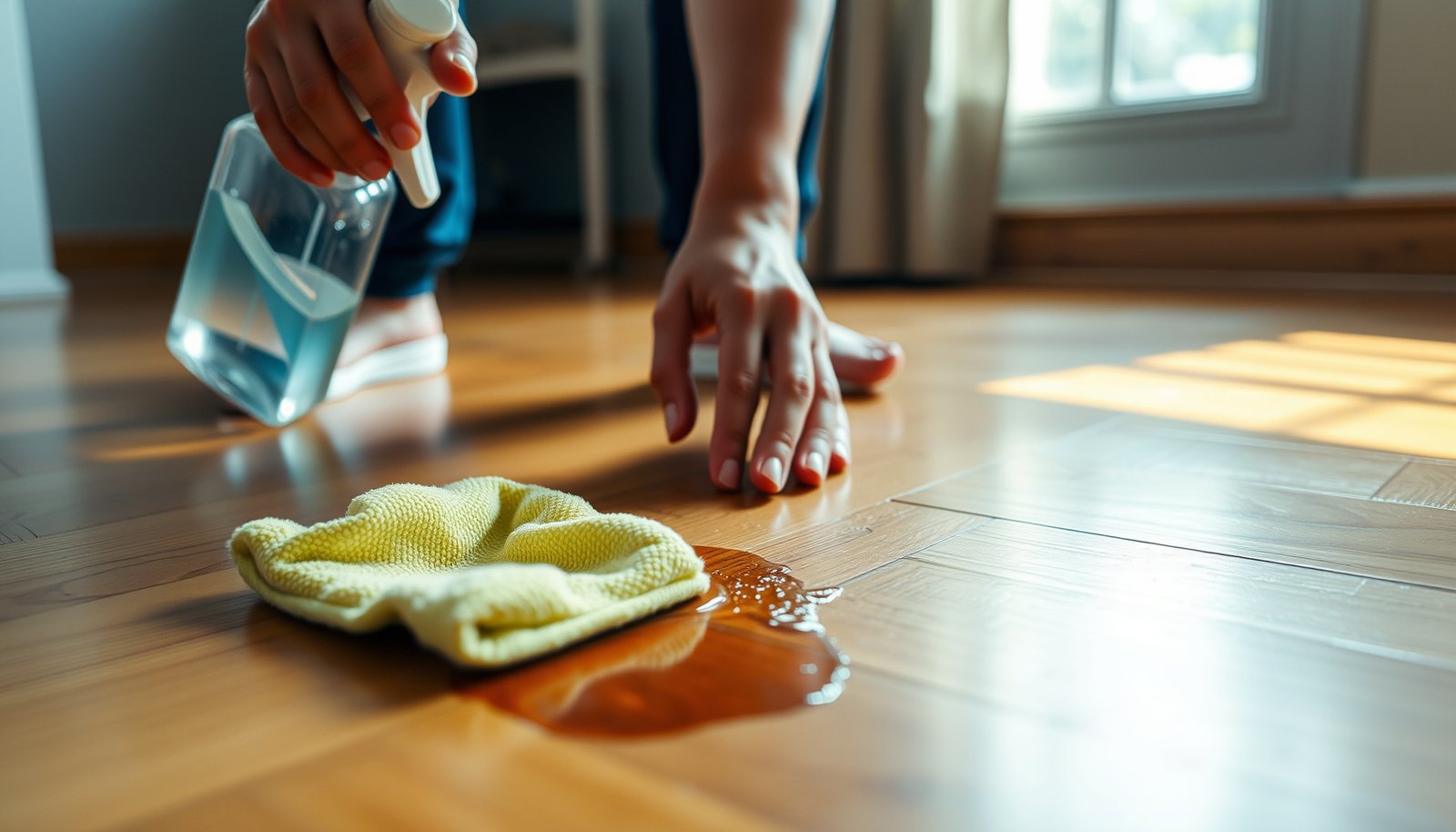

Get pet urine stains and odors out of your hardwood, restoring the clean look of the boards without dulling or warping the finish. Follow a step-by-step process that targets fresh spots first, then tackles dried discoloration and any lingering smell—most floors are ready in about an hour. You’ll need absorbent cloths, a pH-neutral hardwood cleaner, and a wood-safe enzyme or spot treatment matched to the severity.


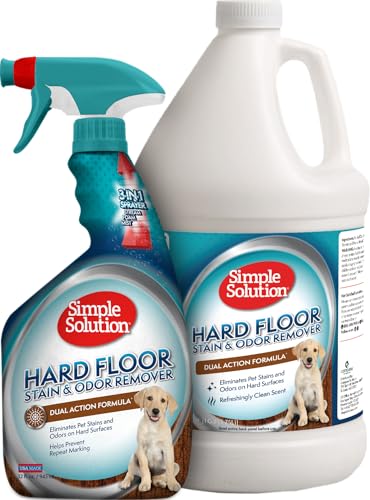

Pet stains come out of hardwood floors best when you act fast, clean gently (so you don’t drive the stain deeper), and use a pet-urine–specific enzyme cleaner to remove odor that can pull stains back up. If you have finished hardwood floors (common in most homes) and your pet has had an accident, this will help you remove visible discoloration and reduce the chance they re-soil the same spot—especially in 2026, when fast, odor-targeted cleaning is the difference between a one-time cleanup and a recurring problem.
Who this is for (and when it won’t work)

– Best for finished hardwood floors where the stain is still mostly on/near the surface finish.
– Works for common “pet mess” types like urine, and usually vomit/solids—but set-in discoloration may not fully lift.
– If the liquid has likely soaked past the finish (deep dark spot, swelling, sticky residue), cleaning may improve appearance but can’t guarantee removal without refinishing.
This approach works best for homeowners with finished hardwood (polyurethane, acrylic, or other sealed topcoats) who want to stop pet stains from looking worse over time. It also matches how modern odor remediation methods treat urine: visible discoloration and odor are related but not identical—urine odor often persists because the odor-causing compounds remain in the wood/finish interface even after the area looks “clean.”
If you’re dealing with untreated, unfinished, or heavily worn hardwood coating, extra caution is required. That’s because hardwood is sensitive to moisture exposure and edge swelling: according to the National Wood Flooring Association (NWFA), maintaining indoor conditions (often cited as 35%–55% relative humidity and 60°F–80°F) helps limit movement like cupping and gapping. In other words, pet stain cleaning in 2026 still needs to respect the wood’s moisture balance, even when your goal is purely cosmetic.
A quick method comparison before you decide what to do
The right method depends on whether you’re primarily removing visible discoloration, odor, or both. Use the table below to choose the most realistic option for pet stains on hardwood floors.
| Feature (pet stains on hardwood) | Blot + hardwood-safe cleaner | Blot + enzyme (urine-specific) | Steam/vinegar/bleach-heavy DIY |
|---|---|---|---|
| Primary target | Surface residue | Odor + urine compounds | Odor masking or stain “lift” |
| Risk of finish haze | Low (when barely damp) | Low–moderate (depends on product use) | High |
| Best for urine odor | Often incomplete | Designed for urine odor | Usually unreliable |
| Best for dried urine re-soiling | Moderate | High (odor removal helps) | Low |
| Water exposure sensitivity | Needs control | Needs control | Very high risk |
| Material removal | Gentle | Gentle enzymatic cleaning | Can damage finish |
| Time to visible improvement | Minutes–hours | Hours (plus drying) | Uncertain |
| Time to odor resolution | Often delayed | Aligned with dwell time + drying | Often delayed or returns |
| Compatibility with sealed finishes | Often yes (per label) | Often yes (per label) | Often no |
| Best-fit use case | Fresh solids and light spots | Urine spots with odor risk | Not recommended on finished hardwood |
| Best for row | “Looks bad” cleanup when odor is minimal | Pet urine where odor must be eliminated | Avoid as a primary approach |
Step-by-step: remove pet stains without damaging hardwood
You’ll get the best results by treating pet stains on hardwood floors as both a surface-cleaning job and an odor-remediation job. The short version: blot, clean barely-damp, then use an enzyme cleaner made for pet urine and dry fully—especially in 2026, when many “quick fix” products still fail because they don’t break down urine odor.
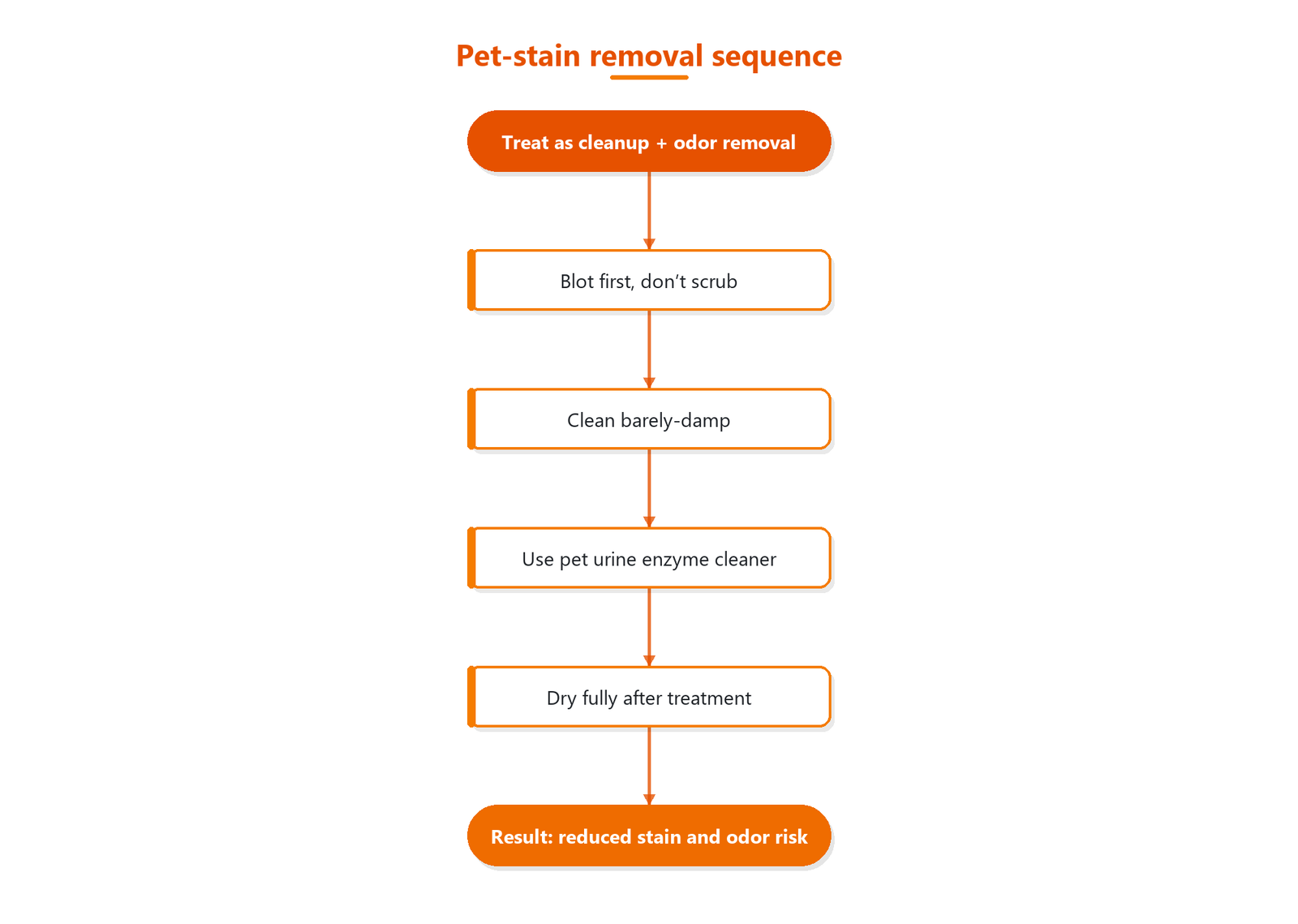
Step 1: Blot first, don’t scrub
Use paper towels or a clean cloth to blot (avoid spreading). If it’s fresh, lightly dab and repeat until you’re not picking up much moisture. This matters because scrubbing transfers urine (and any pigment/salts) deeper into the finish pores and into micro-gaps at the seam between finish and wood.
If you’re working the moment the accident happens, keep a “clean towel” mindset: don’t re-use a towel that’s now carrying liquid. Also, avoid pushing the liquid outward—blotting pulls moisture back into the towel, while scrubbing spreads the stain perimeter.
From my day-to-day observations in homes with finished hardwood, the spots that remain hardest to remove are usually the ones where someone tried to “rub it out” during the first 10 minutes. Blotting is not just gentleness—it’s stain control.
Step 2: Clean safely for hardwood
Wipe with a well-wrung damp cloth using a cleaner that’s compatible with your floor finish (often “hardwood floor cleaner” or a pH-neutral option per the finish instructions). If there’s still a stain, repeat gently rather than soaking.
This step is where many people accidentally damage pet stains on hardwood floors. “Damp” means the cloth leaves little to no visible water trail. “Wet” means you’ve increased the risk of haze (finish clouding), swelling, or a darker halo as moisture migrates under/through the finish.
Also, don’t chase perfection in one pass. For most finished floors, you’re aiming to remove residue and pre-condition the area for the enzyme product—not to force a chemical “re-lift” of the spot.
Step 3: Treat odor with the right product
For urine marks, apply a pet-urine enzyme cleaner according to the label, then let it dwell and dry fully. Afterward, wipe any residue and dry the area completely.
Why this works: urine contains odor-causing compounds that can remain after surface cleaning. Enzymes (biological catalysts) are selected to break down those odor sources. The Institute of Inspection, Cleaning and Restoration Certification (IICRC) emphasizes cleaning and removing the source of odor rather than masking it—enzymatic approaches are commonly used for organic soils like urine.
If you skip enzyme treatment for urine, it’s common to see a cleaned spot that still draws your pet back—because the scent source remains, even if the stain looks lighter.
Quick guidance for different stain types (same overall method, different emphasis)
– Urine: prioritize enzyme treatment after blotting/initial cleaning (odor removal helps prevent reappearing stains).
– Vomit or solid waste: clean first to remove material, then treat with an appropriate cleaner; enzyme products may help with lingering odor.
– “Unknown” stain: start with gentle cleaning, test an enzyme approach on the spot, and stop if the finish changes.
In real-world pet accidents, “unknown” usually means you don’t know whether you’re dealing with urine salts, food pigments, or both. For pet stains on hardwood floors, the safest rule is to start mild and controlled, then escalate only if the finish remains stable.
What can go wrong (common mistakes & limits)
You can still harm finished floors or worsen pet stains on hardwood floors if moisture exposure and chemical choice go out of bounds. In general, DIY failures fall into three buckets: too-wet cleaning, harsh chemicals, and friction/over-aggressive scrubbing.
– Soaking the floor or using too-wet a mop can cause cupping, cloudiness in the finish, and deeper staining—hardwood doesn’t forgive “more water.”
– Using harsh chemicals (bleach, ammonia, or strong solvents) can discolor or damage the finish and may worsen odor rather than fix it.
– Rubbing instead of blotting can push the stain into pores and make it harder to remove; and set-in stains may only lighten, not disappear.
To anchor the “harsh chemical” risk in something concrete: According to the U.S. Centers for Disease Control and Prevention (CDC), household bleach products are commonly around 5%–6% sodium hypochlorite for many disinfecting uses—strong enough to degrade some finishes and create uneven discoloration if used improperly. The result can be a broader, more permanent mark rather than a better stain outcome.
Practical anti-mistake chemistry cheat sheet (what not to rely on)
\pH values vary by brand and concentration; always follow the label and test in an inconspicuous area first. This table is meant to explain why harsh chemicals are a common cause of finish damage when cleaning pet stains on hardwood floors.
Verdict: what’s most reliable—and who should skip DIY
The most reliable DIY path is blot → gentle hardwood-safe cleaning → enzyme cleaner for urine → fully dry. Here’s why: urine odor is often the part that returns first, and enzyme products are built to address odor sources rather than just covering them—an approach that aligns with current odor remediation principles used in professional cleaning standards.
But there are limits. If the liquid has penetrated beyond the surface finish or the mark has been there a long time, pet stains on hardwood floors may only lighten. In 2026, many homeowners also discover the problem isn’t just “a stain,” but a moisture-impact issue (darkening that follows spreading lines, stickiness, or finish lifting).
| Criteria | DIY enzyme cleaning | Professional / refinishing route |
|---|---|---|
| Best for surface-level urine | High | High |
| Best for deep penetration | Low–moderate | Higher |
| Odor source removal confidence | Moderate–high (if label followed) | High (with inspection tools/process) |
| Risk of finish haze | Moderate (if too-wet) | Lower (controlled process) |
| Time and labor | 1–3 attempts common | Often faster to final result |
| Cost predictability | Lower upfront | Higher upfront |
| Risk of recurring re-soiling | Lower if odor fully addressed | Lowest when source fully removed |
| Handling unknown/varied stains | Needs cautious testing | Inspection supports better targeting |
| Structural damage signs (warping/cupping) | Not appropriate | Appropriate |
| Stain appearance after correction | Often improves; full removal uncertain | More likely to restore uniform finish |
| Verdict row | Choose DIY for fresh/surface spots on finished hardwood | Skip DIY when damage is deep or structural |
Skip DIY and consider a pro (or plan for refinishing) if you notice warping/cupping, a stain that’s clearly spreading, or damage that looks structural rather than surface-level. Also skip DIY if you’ve already used moisture-heavy cleaning methods and the finish looks hazy—additional DIY “fixes” can compound uneven appearance.
Scan-and-save checklist (fast reference)
| What to do | Why it matters |
|---|---|
| Blot immediately (no scrubbing) | Prevents spread and deeper penetration |
| Use a hardwood-finish-safe cleaner, cloth well-wrung | Reduces risk of finish damage/water issues |
| For urine: use an enzyme cleaner per label | Targets odor sources that bring stains back |
| Dry thoroughly | Helps avoid lingering haze and moisture problems |
Checklist
– ☐ Blot first with paper towels/cloth
– ☐ Clean gently with a hardwood-safe cleaner
– ☐ Apply enzyme cleaner (urine spots), per label directions
– ☐ Wipe residue and let it dry completely
– ☐ If discoloration remains, repeat gently once—then reassess
Sources
– National Wood Flooring Association (NWFA) — Care and Maintenance guidance for hardwood floors (including moisture/relative humidity targets and avoiding excessive water/steam)
– Institute of Inspection, Cleaning and Restoration Certification (IICRC) — S500 cleaning/odor remediation principles (source removal vs masking)
Pet stains on hardwood floors come out most reliably when you treat the problem in two phases: visible cleanup and odor-source breakdown. In 2026, the best results come from blotting fast, cleaning with a barely-damp hardwood-safe method, then using a urine-specific enzyme cleaner and drying completely—while skipping harsh chemicals and moisture-heavy DIY that can permanently alter the finish.
Frequently Asked Questions
What is the best way to remove fresh pet urine stains from hardwood floors?
Blot the area immediately with paper towels and then use a mixture of equal parts white vinegar and water to break down urine odor and discoloration. Wipe gently with a damp cloth, then dry the spot thoroughly to prevent moisture from soaking into the wood. If the stain remains, repeat the process and consider using an enzyme cleaner designed for pet urine after the vinegar treatment.
How do you get pet feces or vomit stains out of hardwood without damaging the finish?
Scrape up solids carefully, then clean the area with a mild detergent mixed with warm water using a barely damp cloth. Avoid flooding the floor—hardwood can swell or warp if water penetrates the finish. After cleaning, rinse with a cloth lightly dampened with plain water and dry completely; for lingering odor, use an enzyme cleaner formulated for bio stains.
Why does pet stain discoloration keep coming back on hardwood floors?
Pet waste can soak into the finish and, in some cases, penetrate into the top layer of wood, so simple surface cleaning may not remove the source. Even when the visible stain looks better, trapped moisture or organic residue can cause re-staining and odor over time. Using an enzyme cleaner for urine or other biological messes helps break down the compounds responsible for discoloration and bad smells.
Which cleaning solution works best for urine stains, odor, and yellowing on sealed hardwood?
For sealed hardwood, start with blotting and an vinegar-water solution to lift urine residue from the surface, then follow with a pet enzyme cleaner to fully digest odor-causing compounds. Avoid harsh chemicals like ammonia or bleach, since they can react with urine and make the stain worse or damage the wood finish. After treatment, ensure the area dries completely, then assess whether a light spot treatment or refinishing is needed for persistent yellowing.
How do you remove old, set-in pet stains from hardwood floors when home remedies fail?
Old stains often require a stronger approach, such as repeating enzyme cleaner applications and using a hardwood-safe stain remover compatible with your floor’s finish. Test any product in an inconspicuous area first, since some stain removers can lighten or dull the surface. If discoloration remains after multiple cleanings, the most reliable fix is professional deep cleaning or light sanding/refinishing to fully remove the stained top layer.
📅 Last Updated: October 31, 2026 | Topic: How to get pet stains off hardwood floors? | Content verified for accuracy and freshness.
References
- https://www.cdc.gov/hygiene/cleaning/index.html
- https://www.epa.gov/coronavirus/cleaning-and-disinfecting
- enzymatic cleaner urine odor removal – Search Results – PubMed
- urea hydrolysis urine microorganisms stain odor – Search Results – PubMed
- Urine
- https://scholar.google.com/scholar?q=pet+urine+stain+removal+hardwood+floor Google Scholar
- https://scholar.google.com/scholar?q=enzymatic+cleaners+pet+urine+odor+stain+removal Google Scholar
- https://scholar.google.com/scholar?q=wood+flooring+cleaning+urine+stains+porous+surfaces Google Scholar
[…] a pet stain has soaked in? Blot up the moisture, rinse lightly with distilled water, then use a pH-neutral hardwood cleaner to lift the residue without dulling the finish. With paper towels, soft cloths, and the right […]