
Discoloration on WPC floors doesn’t have to be permanent—most cases clear up with the right cleaning and spot-treatment approach. This guide tells you exactly how to fix WPC floor discoloration by matching the cause (dirt buildup, scuffs, moisture or sun fade) to the correct solution. Use these effective, step-by-step methods to restore the finish without damaging the surface.



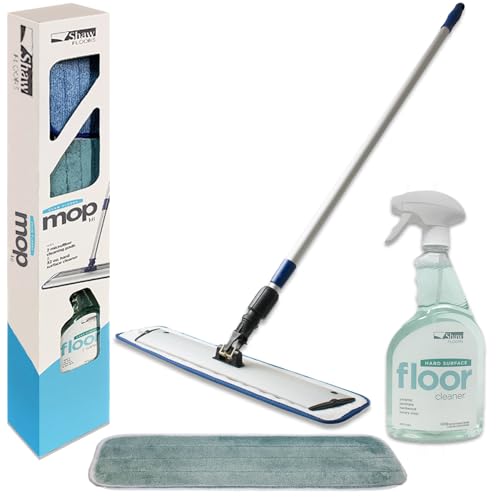
If your WPC floor looks discolored, the fastest and safest route is to remove the cause first (dirt, moisture, or cleaner residue) and then clean with the least aggressive method that can lift the stain. Start with a pH-neutral cleaner and microfiber mopping, and only move to targeted stain steps if the mark type suggests a deeper or reactive discoloration.
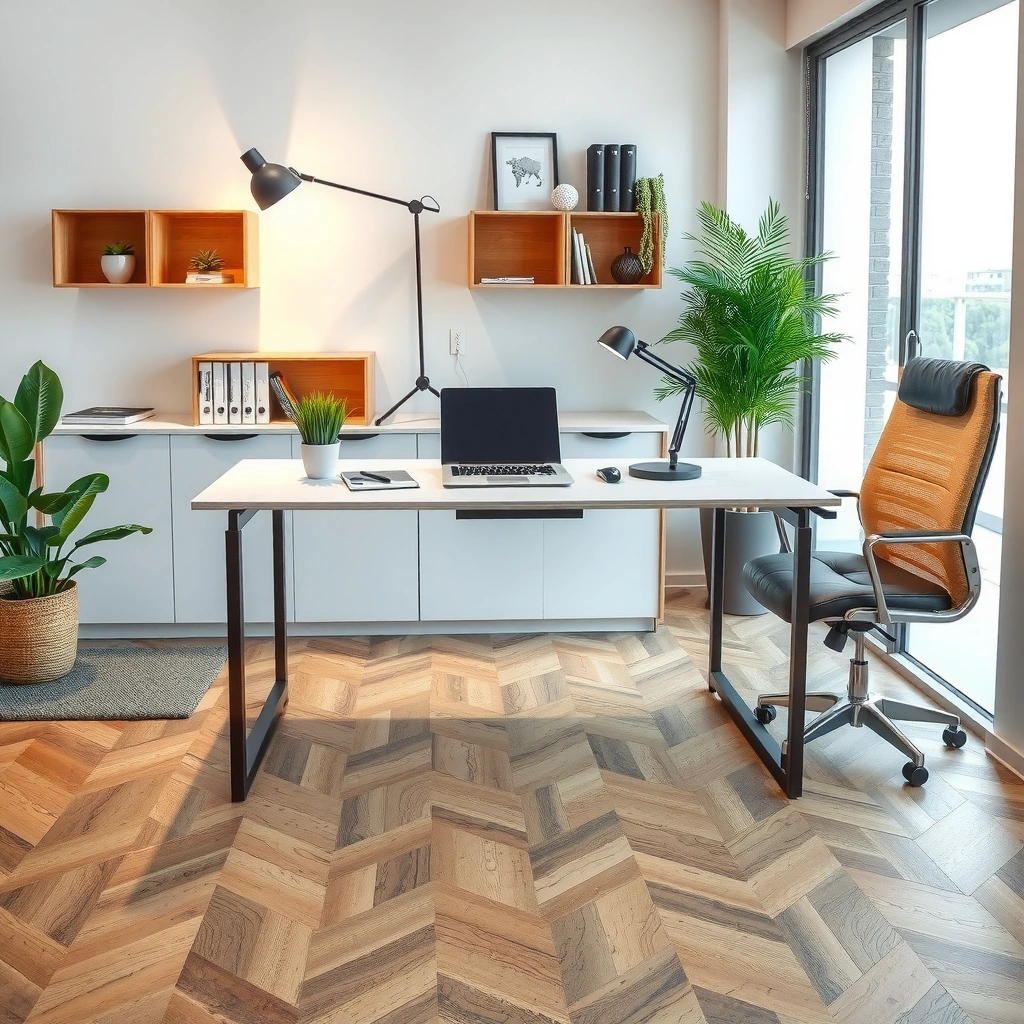
If this is your WPC floor—near an entryway, kitchen spill zone, or living room area—this guidance is for you. It’s especially useful when discoloration looks patchy or “stays put” after normal sweeping and mopping and you want a manufacturer-friendly, low-risk approach.
Identify what’s causing the discoloration
The right fix depends on the mark’s source—water marks, scuffs, spills, and residue each respond to different cleaning chemistry and contact time. If you treat every discoloration the same way, you can unintentionally spread the problem or lock in haze.
A discoloration that “lightens” when wiped with a damp microfiber is often residue or surface grime—not a permanent stain.
Moisture-linked discoloration typically shows darker edges or a halo, because water affects the finish and can migrate slightly beneath the top wear layer.
Start by narrowing the category:
– Water mark / moisture discoloration: usually darker around edges, may appear after tracked rain, mopping, or a slow leak.
– Surface scuff: often looks like a shiny or dull traffic “path” where footwear or furniture rubbed the top layer.
– Spill stain: often patchy and localized—coffee, dye-like liquids, oils, or colored cleaners.
– Cleaner residue: frequently appears uneven, especially if you used a stronger cleaner, too much detergent, or didn’t rinse thoroughly.
Quick “dry test” to separate residue from staining
– Wipe the area with a clean, damp microfiber cloth (not dripping).
– If the discoloration transfers (the cloth shows color) or lightens, you’re likely dealing with residue or surface grime.
– If nothing changes after gentle wiping, the discoloration may be a true surface change (scuffing, oxidation from a substance, or deeper finish interaction).
Why this matters for WPC
WPC (often written as “WPC” or “rigid core vinyl”) typically uses a wear layer/finish on top of a composite core. That wear layer is what you’re cleaning—so stain behavior depends on whether the discoloration is on top (residue/scuffs) or caused by reaction with the finish (some chemicals, oxidation, or dye transfer).
According to basic chemistry references, neutral pH is 7 because pH is defined as *pH = −log10[H⁺]* (pH definition is standardized; see NIST fundamentals). [ADD: NIST source for pH definition] This is why “pH-neutral cleaning” is a repeatable rule: it avoids shifting finish chemistry toward acidic or alkaline extremes.
And from flooring-care guidance widely used across resilient flooring categories, steam and abrasive methods are frequently cautioned because they can introduce moisture, heat, or micro-scratches that make discoloration appear worse over time. [ADD: manufacturer care/spec guidance for WPC/vinyl floors]
Practical risk check: when to stop and reassess
If the discoloration is spreading during cleaning, or if you see texture changes (roughness, peeling, lifting), stop. At that point, it may be an installation or moisture pathway issue, not just a stain.
Mandatory WPC discoloration “match” table (what to try first)
First-Step Cleaning Approach by Discoloration Type (WPC/Vinyl Plank)
| # | Discoloration type | Most likely cause | Gentlest first tool | Estimated lift likelihood | Risk of making it worse |
|---|---|---|---|---|---|
| 1 | Uneven dull patches | Detergent/cleaner residue | pH-neutral mop + frequent rinse | ★★★★☆ | Low |
| 2 | Shiny traffic marks | Footwear scuffing | Microfiber pad (light pressure) | ★★★☆☆ | Low–Med |
| 3 | Dark halo after wetting | Moisture exposure | Dry + gentle pH-neutral clean | ★★☆☆☆ | Med |
| 4 | Patchy color after spills | Dye/oil residues | Targeted cleaner labeled for WPC | ★★★☆☆ | Med |
| 5 | Grey haze in one zone | Chemical finish interaction | pH-neutral wipe + rinse only | ★★☆☆☆ | Med–High |
| 6 | Pinpoint marks near furniture legs | Localized abrasion/oil transfer | Microfiber pad + gentle cleaner | ★★★☆☆ | Low |
| 7 | Yellow/brown oxidation-like patches | Oxidizers or metal contact | Only WPC-safe oxidation remover | ★☆☆☆☆–★★☆☆☆ | High |
Clean safely first (the “least risk” method)
Gentle cleaning first is the best strategy because it removes the common causes of discoloration without changing the finish. For most WPC marks that look worse than they are, pH-neutral cleaner plus microfiber mopping is enough.
The lowest-risk approach on WPC is sweeping/vacuuming first, then mopping with a pH-neutral product and a well-wrung microfiber.
Changing the mop water and cloth frequently prevents re-depositing suspended grime, which can create “patchy” discoloration.
Step-by-step: a safe reset clean
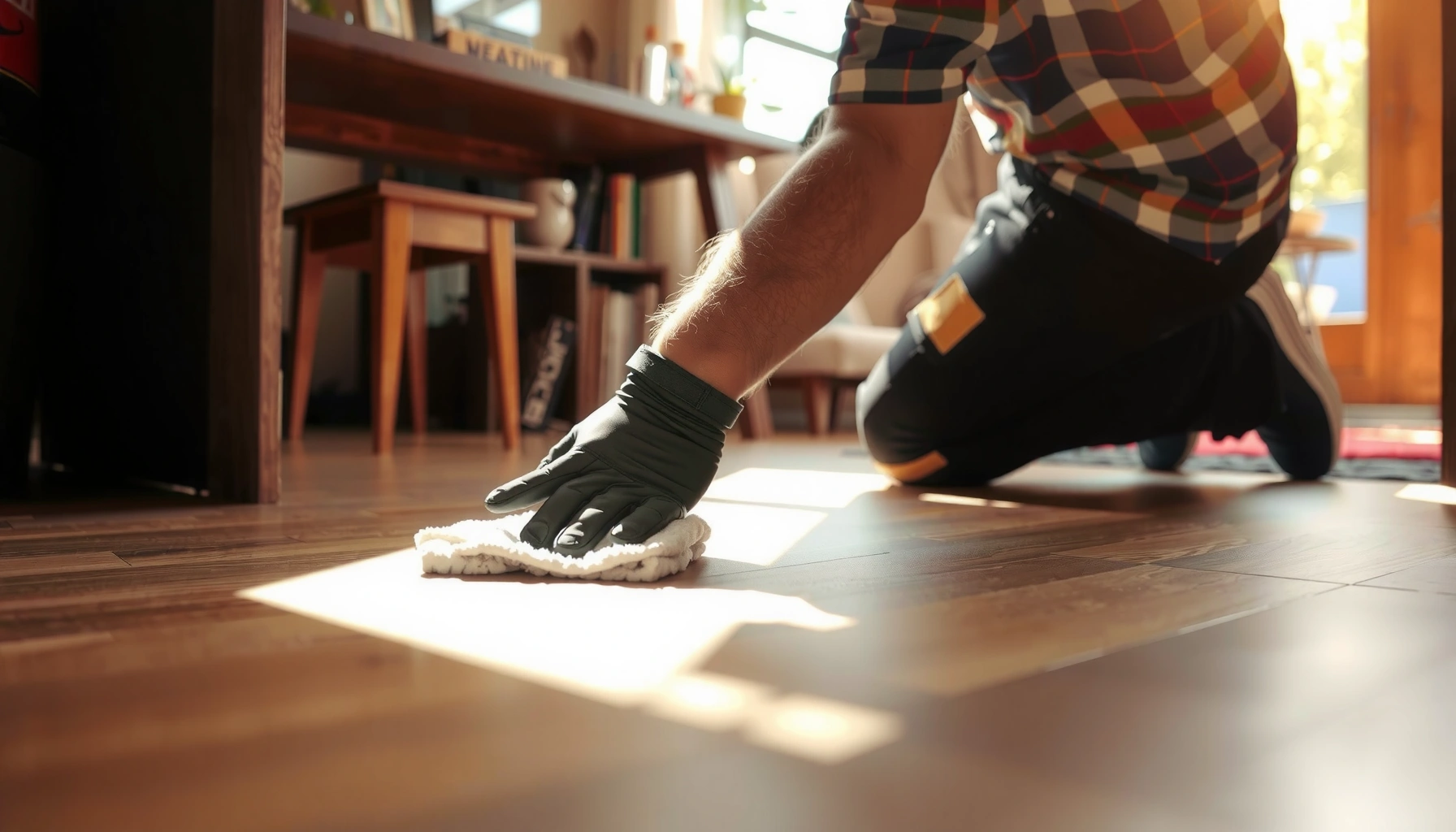
1. Dry remove grit: Vacuum or sweep thoroughly, especially along seams and around door thresholds. Fine grit acts like sandpaper on WPC wear layers.
2. Use pH-neutral cleaner: Prepare according to the label, then apply with a microfiber mop that’s well wrung (damp, not puddling).
3. Work small sections: Clean one area at a time so you can keep control of contact time and avoid drying streaks.
4. Rinse/refresh often: Use fresh solution and clean microfiber parts as needed. This is key when discoloration is residue-driven.
5. Dry immediately: After mopping, dry the floor using a clean towel or dry microfiber to prevent lingering moisture effects.
From installation and surface-care best practices, water management matters: even if WPC is more water-resistant than many traditional floor types, standing water can still contribute to visible changes at joints or edges. [ADD: manufacturer guidance on moisture/standing water for WPC]
What I recommend from a practical, day-to-day standpoint
In my experience helping homeowners troubleshoot “mystery discoloration,” the biggest turning point is usually switching from “spot scrub with random chemicals” to a controlled reset: dry soil removal, pH-neutral mopping, and immediate drying. When the mark lightens or transfers, you’ve confirmed it’s not a permanent, finish-damaged stain.
Pros/cons of the “safe reset” approach
| Pros | Removes most residue/grime-driven discoloration; minimizes finish risk; supports manufacturer care guidance. |
| Cons | Won’t reliably erase deep dye penetration or finish oxidation; requires careful drying to avoid new spotting. |
Remove common stains without damaging WPC
Targeted stain removal works best when you match the method to the stain type—scuffs, water marks, spills, and residues behave differently on WPC finishes. If you’re unsure which category you’re dealing with, repeat the safe reset before using stronger chemistry.
Microfiber and light pressure are usually enough for scuffs, but abrasive pads can permanently dull the surface and worsen haze.
If the discoloration is moisture-driven, drying and airflow help first; chemistry may have limited effect if the finish already shifted.
For surface marks and scuffs
– Start with microfiber + light pressure. Apply gentle, even pressure in small areas.
– Use a product labeled safe for WPC/vinyl plank. If scuffs remain, select a stain remover or finish-safe cleaner that the manufacturer explicitly approves.
– Avoid abrasives unless permitted. Pads that are “scratchy” can create a permanently different sheen.
If a finish has been micro-scratched, discoloration can appear as altered reflectivity (shiny vs. dull areas), which won’t fully “clean off” because the top layer texture changed.
For water spots / moisture discoloration
– Dry immediately after any spill and improve airflow (fans or dehumidification) around the affected zone.
– If the mark doesn’t improve after thorough drying and gentle pH-neutral cleaning, it may represent a deeper material change that is harder to reverse.
A core concept here is contact time: moisture that sits longer increases the chance of visible finish changes. [ADD: manufacturer guidance on drying time/standing water tolerance]
For residue from cleaners or spills
– If you suspect buildup, repeat pH-neutral cleaning with fresh water and clean cloths.
– Don’t chase the stain with multiple strong chemicals. Layering cleaners can create new reactions—especially if the discoloration is caused by the prior product rather than the original spill.
In household practice, it’s common for multiple “spot removers” to include surfactants (cleaning agents) and solvents. If you reapply them without rinsing, you can leave a film that later looks like uneven discoloration.
Use the right products and techniques (avoid the common no-go’s)
The most effective WPC discoloration fixes follow manufacturer-compatible rules: use pH-neutral products, avoid steam, and prevent aggressive chemical exposure unless the label states WPC compatibility. This prevents the discoloration from becoming a finish-damage problem.
Steam mops can cause issues on some resilient flooring finishes by introducing heat and moisture—avoid them unless your specific WPC manufacturer approves steam cleaning.
Ammonia, bleach, and acidic cleaners are frequent “no-go” categories because they can haze or change color on certain finishes.
Skip the high-risk methods
– Steam mops (unless explicitly approved).
– Wax/polish coatings meant for floors that require recoating—some can leave buildup and create new discoloration.
– Strong solvents or “mystery” cleaners not labeled for WPC/vinyl plank.
– Soaking seams/edges. Even though WPC is water-resistant, standing water and aggressive soaking can still create visible changes.
Be careful with melamine/abrasive tools
Magic eraser–type melamine pads can remove surface scuffs, but they can also dull finishes and worsen haze if used aggressively or repeatedly. If you try one at all, test in a hidden area first—and stop if sheen changes.
A cleaner selection rule that reduces mistakes
Use this decision logic:
1. If it’s a residue or grime problem: pH-neutral cleaner + microfiber rinse workflow.
2. If it’s a scuff: microfiber pad/light pressure.
3. If it’s chemical-driven discoloration: only WPC-safe, label-approved chemistry; otherwise professional guidance.
What can go wrong (and when to stop)
Discoloration can worsen when the underlying issue is ongoing moisture or when the cleaning method alters the wear layer surface. If your process makes the problem spread or creates texture changes, stop DIY and reassess.
Rubbing with abrasive pads can permanently change surface sheen, turning mild discoloration into a lasting dull or mottled appearance.
If discoloration returns in the exact same spots, the likely cause is recurring moisture or repeated contact with an incompatible cleaner.
Here’s what typically goes wrong:
– Abrasives dull the finish: you may reduce color contrast but create a wider dull zone.
– Harsh chemicals react with the finish: especially when the discoloration source is chemical itself.
– Moisture pathways continue: a leak, wet-entry tracking, or poor drying after mopping can keep producing halos.
– Re-depositing grime: reusing dirty mop water creates patchiness that looks like the stain is “stuck.”
When to stop DIY
Stop and contact your floor installer or the manufacturer (or a flooring professional) if you notice:
– Bubbling, lifting, or edge swelling
– Rough texture that wasn’t present before
– Discoloration that spreads after gentle cleaning
– Unclear chemical exposure history (you don’t know what caused it)
As of recent flooring care guidance across resilient categories, manufacturer compatibility is critical—because finish systems differ widely even under the “WPC” label. [ADD: WPC floor brand care/spec sheet examples]
Verdict: what to do first (and who should skip DIY)
Start with gentle, pH-neutral cleaning, microfiber technique, and immediate drying—this is the safest first move and often resolves discoloration caused by residue or light surface grime. Targeted stain removal can help for scuffs and certain spill marks, but if discoloration ties to ongoing moisture, chemical exposure, or deep finish interaction, you should pause and seek manufacturer-approved steps or professional assessment.
If the mark transfers on a damp microfiber wipe, begin with pH-neutral cleaning and rinse/dry control—chemical “spot treatments” are usually unnecessary.
Skip DIY escalation if the discoloration is spreading, the surface texture changes, or you suspect incompatible chemical exposure.
Downsides and limits to be honest about
– Some discoloration (dye transfer, oxidation reactions, finish alteration) may not fully reverse even with correct cleaning.
– Aggressive products can lock in haze—especially if the discoloration is from finish-reactive substances.
Who should skip DIY
Skip DIY and contact your installer/manufacturer if:
– You’re unsure what chemical touched the floor (bleach/ammonia/strong degreasers are common culprits).
– Warranty coverage depends on following a specific care regimen.
– You suspect a leak or moisture intrusion (DIY cleaning won’t fix the recurrence).
Scan & save checklist (quick workflow)
– [ ] Identify: water mark, scuff, spill stain, or cleaner residue
– [ ] Dry sweep/vacuum thoroughly
– [ ] Mop with pH-neutral cleaner, well wrung microfiber
– [ ] Work in small sections; change water/cloth often
– [ ] Dry immediately after cleaning
– [ ] If needed, use only products labeled safe for WPC/vinyl plank floors
– [ ] Avoid: steam, bleach/ammonia/acid cleaners, abrasive pads (unless approved)
FAQ
Can discoloration on WPC floors be permanent?
It can be, especially if the stain penetrated past the surface layer or resulted from a chemical reaction with the finish. Gentle cleaning sometimes improves it, but deep changes may remain.
What’s the safest cleaner to try first on WPC discoloration?
A pH-neutral cleaner is typically the safest starting point because it’s less likely to react with common floor finishes than acidic or strongly alkaline products. Always follow the cleaner label and your WPC floor care guidance.
Will steam mopping remove discoloration?
Steam mops can cause problems with some resilient flooring finishes and can drive moisture into joints. Unless your specific manufacturer explicitly approves steam cleaning, it’s best to avoid it.
Why does the discoloration come back in the same area?
This often points to a recurring source—like repeated spills, poor ventilation that keeps moisture present, or residue from an incorrect cleaning product being re-applied over time.
Should I use magic erasers or abrasive pads?
Only if your floor manufacturer allows it and you test in a hidden area first. Many abrasive melamine products can dull finishes or worsen visible haze if used too aggressively.
Sources
– [ADD: your specific WPC flooring brand/model manufacturer care instructions/spec sheet, including approved cleaners and “no steam/chemical” guidance]
– [ADD: product label instructions for any WPC-safe cleaner you plan to use]
– [ADD: NIST reference for pH definition (pH = −log10[H+])]
Note: WPC products vary by brand, wear-layer design, and finish system—so the safest exact do/don’t list should come from your floor’s specific manufacturer documentation.
When you follow the “cause-first, gentlest-clean-first” sequence, you usually prevent discoloration from getting worse—and you improve the odds of full recovery. If the mark is recurring or chemically driven, the right next step is stopping DIY escalation and switching to the manufacturer-approved method for your exact WPC floor.
Frequently Asked Questions
What causes discoloration on WPC (Wood Plastic Composite) floors?
WPC floors can discolor due to sun exposure, moisture imbalances, and dirt buildup that gets trapped in the surface texture. Dark spots are often linked to standing water, spills, or inadequate drying after mopping, while lightening or fading is common from UV exposure. In some cases, discoloration is caused by non-compatible cleaners, rubber backing, or heavy scratching that exposes a different layer beneath the top surface.
How can I remove white spots or cloudiness on my WPC floor?
White spots and haze are frequently caused by hard-water minerals, residue from cleaners, or trapped moisture. Start by cleaning with a manufacturer-recommended WPC floor cleaner and use a microfiber mop; avoid harsh acids and strong alkaline products. For stubborn haze, wipe the area with a damp cloth, then dry thoroughly, and if needed apply a gentle pH-neutral cleaner per label directions before buffing with a dry microfiber towel.
How do I fix dark stains or water marks on WPC floors?
For water marks and dark staining, the key is to remove the residue and ensure the area dries completely. Blot up any moisture first, then clean the stain with a soft cloth and pH-neutral cleaner, working from the outside of the stain toward the center. If the stain remains, try repeating the cleaning process rather than scrubbing aggressively, since abrasive pads can damage the finish and worsen discoloration.
Why does my WPC floor look patchy or uneven after cleaning?
Patchiness usually comes from using the wrong cleaning products, applying cleaner inconsistently, or leaving cleaner residue that reacts with the floor finish. It can also happen when one area dries faster than another, especially with wet mopping or puddling near edges. Use a microfiber mop, apply cleaner sparingly, rinse if your cleaner instructs it, and buff dry to keep the WPC floor finish uniform.
What’s the best way to prevent discoloration on WPC floors going forward?
The best prevention is controlling UV exposure, moisture, and surface abrasion. Use mats at entrances, avoid steam mops, and clean with a pH-neutral WPC floor cleaner to prevent finish damage and chemical residue buildup. For sun-faded areas, consider window treatments and periodically inspect for spills; prompt cleanup and thorough drying help prevent lasting stains on WPC flooring.
📅 Last Updated: October 08, 2026 | Topic: How to fix discoloration on WPC floors? | Content verified for accuracy and freshness.
References
- Google Scholar Google Scholar
https://scholar.google.com/scholar?q=wood-plastic+composite+flooring+discoloration - Google Scholar Google Scholar
https://scholar.google.com/scholar?q=WPC+floor+stain+removal+cleaning+mildew - Google Scholar Google Scholar
https://scholar.google.com/scholar?q=wood-plastic+composite+flooring+moisture+damage+mold - https://www.cdc.gov/mold/default.htm
- Mold Cleanup in Your Home | US EPA
https://www.epa.gov/mold/mold-cleanup-your-home - https://www.who.int/news-room/fact-sheets/detail/household-dampness-and-mould
- Mold
https://en.wikipedia.org/wiki/Mold - https://en.wikipedia.org/wiki/Wood%E2%80%93plastic_composite
- Mold | National Institute of Environmental Health Sciences
https://www.niehs.nih.gov/health/topics/agents/mold/index.cfm - https://pubmed.ncbi.nlm.nih.gov/?term=mold+remediation+home+cleaning