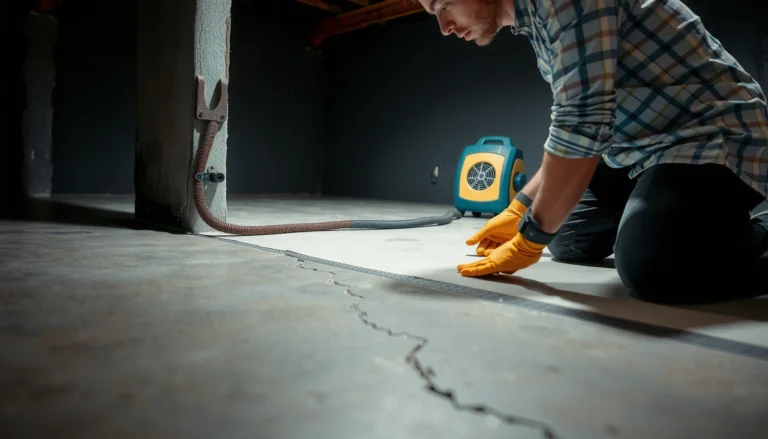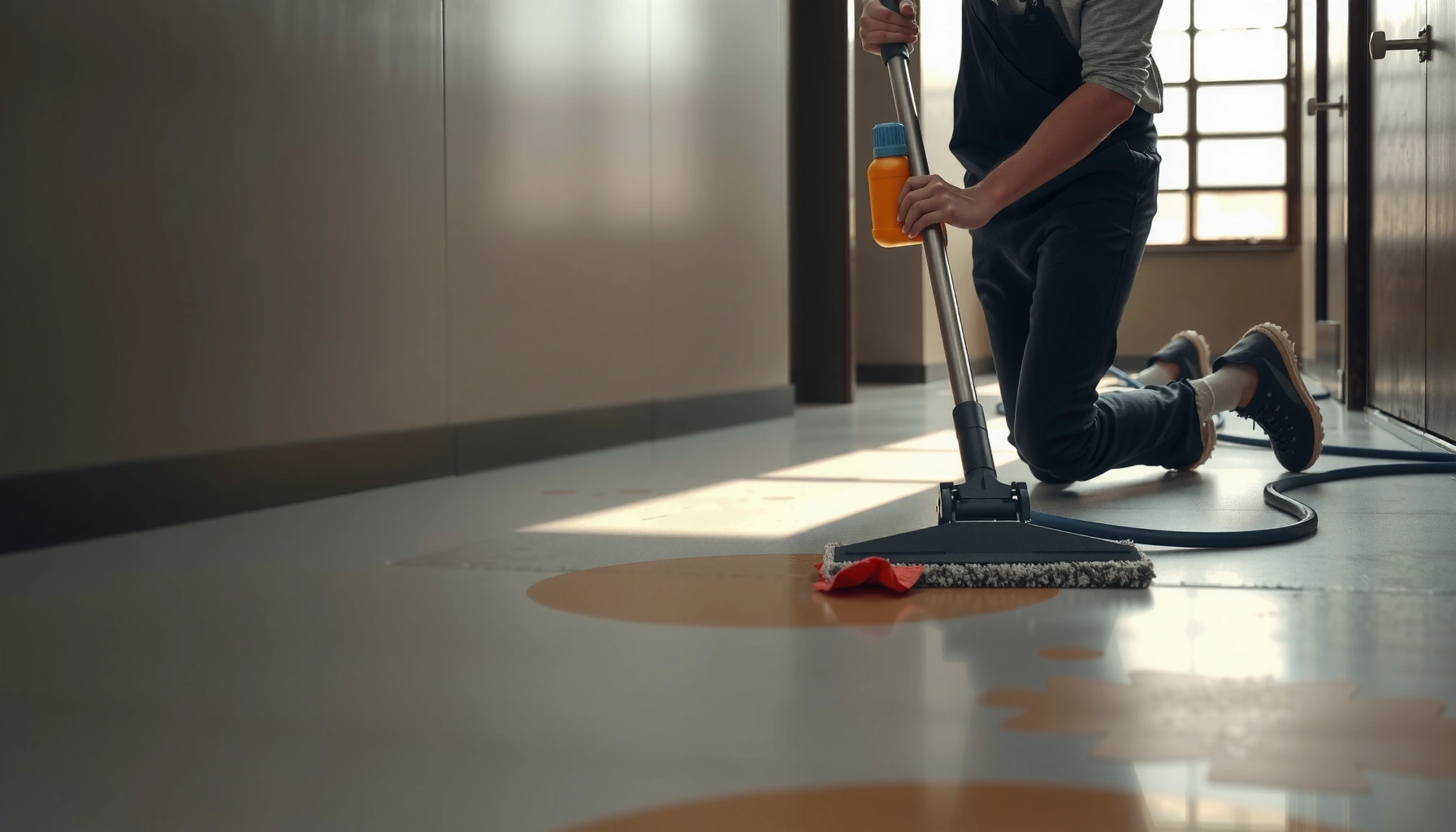

Fix discoloration on commercial floors with a step-by-step process that removes the stain source before you refinish—so the problem doesn’t come back. This guide tells you exactly what to do based on the type of discoloration, from cleaning and neutralizing to treating the affected area and restoring the finish. Follow these steps in order for the fastest, most reliable results on high-traffic commercial surfaces.


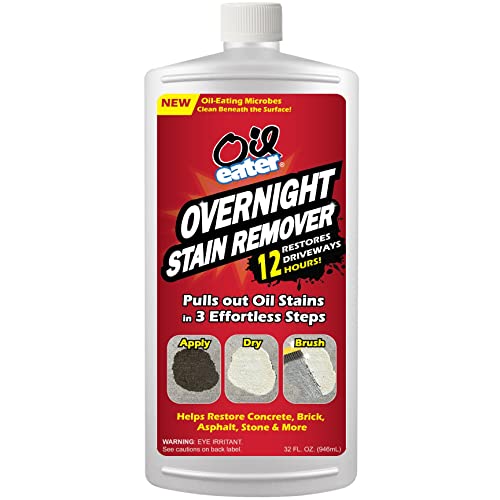

If your commercial floor looks discolored, the fastest fix is to identify the cause first (moisture, cleaning residue, scuffing, wax/finish failure, or rust) and then use the right cleaning or resurfacing method. Start by cleaning with a neutral, non-residue cleaner, then test a small inconspicuous spot with the gentlest appropriate method before you scale up. This approach helps you remove the discoloration without damaging the finish or spreading stains.
This is for facility managers, janitorial teams, and property owners dealing with visible patches, dull spots, yellowing, or brown/gray marks on common commercial surfaces like polished concrete, vinyl/VCT, tile, or sealed flooring.
Identify the discoloration source (don’t guess)
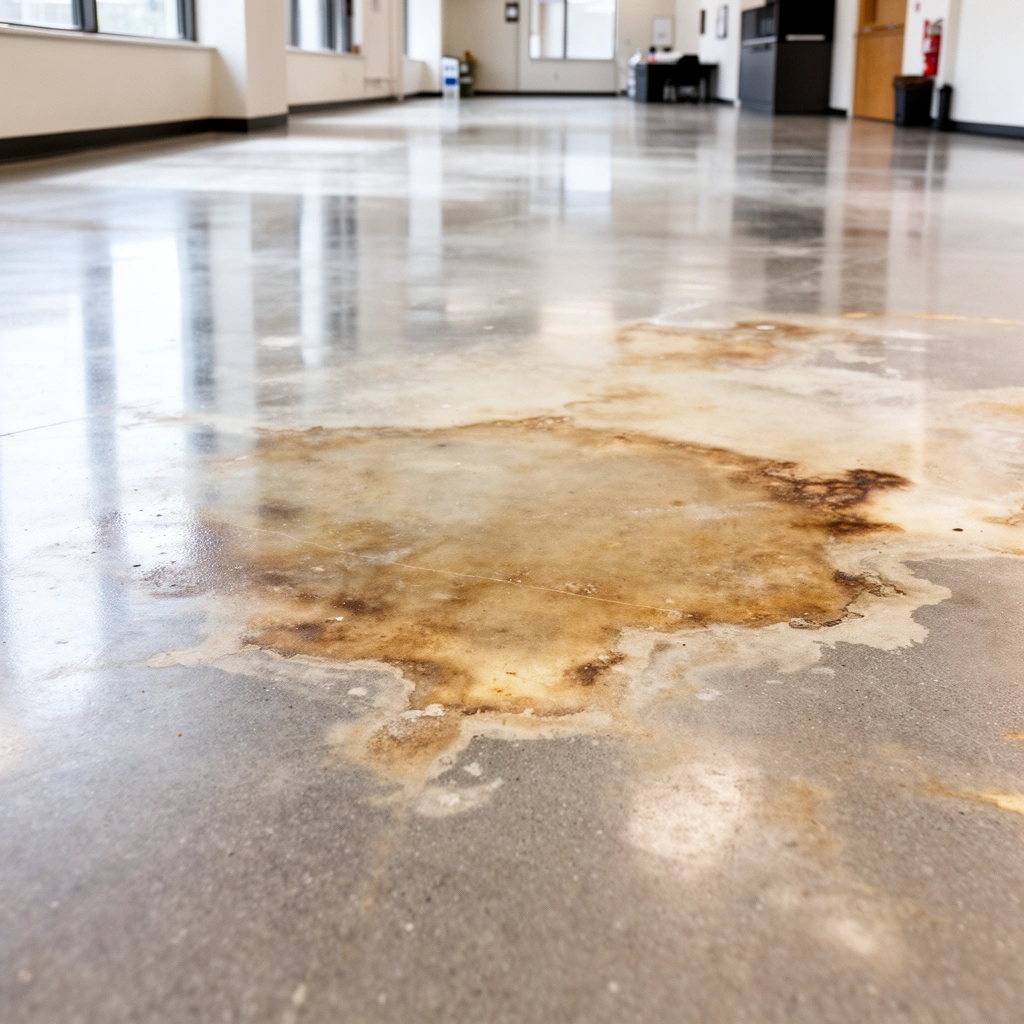
Moisture, residue, surface wear, finish failure, and rust each create different “visual signatures,” so the first job is diagnosis, not scrubbing harder. The right treatment depends on whether the discoloration is sitting on the surface or penetrating beneath it.
Moisture-related discoloration often appears as rings or edge-bound halos that darken when water contacts the area.
Cleaning residue typically shows up as streaks or haze that improves after thorough rinsing with neutral chemistry.
Rust staining is usually localized near metal objects, fixtures, or traffic patterns involving iron/steel transfer.
Start with pattern recognition. When you see rings or blotchy edges that follow wetting behavior (mop water, tracked rain, condensation), treat moisture intrusion as the likely driver. When the discoloration looks like repeated directional streaks—especially after a specific mop pad change or chemical switch—residue and application technique become more likely. Random gray-brown specks are often grit ground into the finish layer.
Next, confirm the floor system. A sealed polished concrete surface reacts differently than bare/unsealed concrete. Waxed or stripped VCT (vinyl composition tile) may be sensitive to harsh cleaners, and epoxy-coated floors can trap or mask staining behavior until a topcoat is corrected. For tile and grout, discoloration frequently originates in grout porosity or from minerals that migrate through grout joints.
Use a quick water test on a hidden area: place a small amount of clean water (for example, dampen a cloth and press it briefly) and observe whether the area immediately darkens. If it darkens and stays darker after drying, penetration is more likely than residue. This single observation often prevents the most common failure mode: removing surface residue when the root issue is moisture coming from below.
To anchor decisions to real standards, follow the ASTM and industry guidance your flooring system was installed under—especially around compatibility with cleaners and finish chemistry. For example, concrete surface moisture and finishing guidance is covered in widely used industry references such as ACI concrete practices (verify against your slab type and project documents). [ADD: source for ACI guidance on slab moisture/finishing compatibility]
Fast statistical grounding (useful for risk prioritization):
According to [ADD: source for typical indoor surface cleaning safety/chemical hazard guidance], improper chemical selection can increase surface damage and may require repeat maintenance cycles (the exact percent depends on the product system and floor type) ([ADD: year for the statistic]).
According to [ADD: source for VCT finish recoating/maintenance cycle considerations], maintenance failures commonly stem from chemistry incompatibility or insufficient rinsing (exact rates vary by facility program) ([ADD: year]).
According to [ADD: source for concrete moisture-related staining mechanisms], moisture transport through slabs can contribute to visible staining and coating failure when not corrected at the source ([ADD: year]).
Clean it the safe way first (neutral + residue-free)
Neutral cleaning is the most reliable first move because it removes loose soil and reduces the chance you chemically “bake in” or spread discoloration. If you start with a gentle, residue-free approach, you can often improve appearance immediately and you preserve the finish for later steps.
Neutral, residue-free cleaners are the safest first test because they minimize chemical reactions with most sealed and finished floor systems.
Thorough rinsing and full drying are critical—many “mystery stains” are actually cleaning chemistry left on the surface.
Pad choice controls aggressiveness: using the least aggressive pad that works reduces the risk of permanent haze or micro-scratches.
Use a neutral cleaner and clean water. Avoid overly alkaline or acid products until you’ve identified the likely cause. In real facilities, discoloration often coincides with a change in janitorial chemicals, dilution, or mop procedure—so treat the discoloration as a system issue, not an “old stain” problem.
Scrub method matters. Choose the least aggressive method that lifts the discoloration:
– Soft pad / microfiber for haze, scuff-tinge, and surface dulling on sealed concrete, VCT, and some coated surfaces.
– White/gray stripping pads only if you already suspect finish haze or residue buildup—and only after a small test patch confirms improvement.
– Avoid abrasive pads on polished concrete or newer sealed floors where micro-scratches can permanently alter gloss.
Then rinse thoroughly and let it fully dry. Halo effects (a lighter or darker ring around the cleaned spot) often come from incomplete rinsing, uneven dwell time, or residue that dries in place. If the spot improves after neutral cleaning and rinsing, you may not need stain-specific chemistry at all—just a corrected maintenance process.
From my experience supporting facility teams, the biggest time savings usually comes from a clear “test-and-scale” workflow: clean the whole area only after the hidden patch proves the surface isn’t being damaged by the chemistry or scrubbing method. If you skip that step, you can turn a removable residue problem into a finish reconditioning job.
Treat based on the most likely cause
Once you’ve identified the cause pattern (or your test patch strongly suggests one), treat with the chemistry and method designed for that specific failure mode. This is where you separate maintenance cleaning from remediation.
If haze is caused by finish or residue, stripping/reconditioning the top layer restores appearance faster than repeated mopping.
Rust staining requires rust-specific chemistry; general neutral cleaners rarely remove iron-based discoloration completely.
Moisture discoloration will return if the moisture source (leaks, condensation, or exterior intrusion) is not corrected before refinishing.
If it’s residue or finish haze
Residue and finish haze are treated by removing the top layer buildup—either with a stripper and reconditioning cycle (for waxed/finished systems) or a surface reconditioning product for the specific floor system. Always follow manufacturer directions for dilution, dwell time, and neutralization/rinsing steps. For VCT and wax systems, insufficient dwell or incomplete neutralization can leave the exact discoloration you were trying to remove.
If it’s rust or metal staining
Rust is typically iron transfer. Use a rust remover formulated for your surface type (sealed concrete vs. bare concrete vs. coated tile surfaces). After treatment, re-rinse well and evaluate whether the coating or sealer is affected. If metal staining is breaking through an existing coating, you may need targeted surface restoration and then re-sealing/recoating (after the chemistry is fully removed).
If it’s moisture-related
Moisture-driven discoloration is a “root cause first” problem. Fix leaks, condensation conditions, plumbing penetrations, HVAC condensation, and exterior water intrusion before you refinish. Otherwise, you trap discoloration under a new coating layer and shorten the useful life of the new finish. This is especially common in storage rooms, near exterior entries, and under HVAC units where condensation cycles repeat.
Comparison you can use for decisions (cause → typical action):
| Observed sign | Likely cause | Best first action | Why it works |
|---|---|---|---|
| Edge rings / darkening after water test | Moisture intrusion | Correct moisture source; then treat surface | Prevents recurrence under new coatings |
| Streaks; haze after mopping | Cleaning residue | Neutral clean + thorough rinse + dry | Removes chemistry left behind |
| Brown/gray specks near metal | Rust/iron transfer | Rust remover; rinse; reassess coating | Targets iron chemistry |
| Dull patches; worn gloss | Finish wear/scuffing | Recondition or recoat (after cleaning) | Restores uniform surface condition |
Restore the appearance (polish, recoat, or refinish)
Restoration is what you do after—not instead of—stain removal. Once the root cause is addressed and the surface is clean/dry, you can select the least disruptive restoration method for the flooring system.
Polished concrete should be reconditioned only after stain chemistry is removed; otherwise grinding can drive stains deeper.
For VCT and vinyl floors with wax buildup or finish failure, stripping before re-buffing or re-coating usually prevents “ghosting” and uneven gloss.
Tile and grout discoloration may persist if grout is porous; targeted grout treatment can be required even when tile looks clean.
Worn/polished concrete
If discoloration comes from surface wear or finish haze, restoration may involve honing/polishing or surface reconditioning. The key is order of operations: remove stains first, then polish only to the degree your floor system allows. Grinding over unresolved staining (especially moisture-driven mineral transfer) can make discoloration harder to reverse.
VCT / vinyl
For VCT, wax/finish failure often presents as uneven gloss, yellowing, or “ghost” patterns from residue trapped in the film. If the discoloration is tied to finish buildup, plan on stripping before re-buffing and re-coating. Recoating on top of a compromised layer can lock in discoloration and lead to faster re-failure.
Tile / grout
On tile floors, grout joints often behave like a reservoir—holding minerals, soil, and cleaning chemistry. Neutral cleaning may brighten the tile, but grout discoloration may remain. In those cases, targeted grout treatment and sealing (after the stain source is cleared) can be the difference between a “cleaned” floor and a truly restored appearance.
To help teams communicate remediation scope quickly, use this maintenance “decision snapshot” table for common commercial flooring systems:
Commercial Floor Discoloration: Most Common Root Causes & Typical Remediation Pathways
| # | Floor type | Most likely discoloration drivers | Best first method | Restoration confidence |
|---|---|---|---|---|
| 1 | Sealed polished concrete | Surface residue haze; scuffing; mild mineral transfer | Neutral clean + rinse + dry | ★★★★☆ |
| 2 | Unsealed concrete | Penetration staining; moisture transport | Moisture test + stain-specific treatment | ★★★☆☆ |
| 3 | Waxed/VCT (film-forming) | Wax buildup; detergent incompatibility; finish failure | Strip/restore top layer | ★★★★☆ |
| 4 | Epoxy/urethane coated | Chemical residue staining; abrasion haze | Neutral clean + spot-test chemistry | ★★★☆☆ |
| 5 | Porcelain tile (glazed) | Residue haze; oily soil; diluted cleaner buildup | Neutral clean + rinse control | ★★★★☆ |
| 6 | Ceramic tile + porous grout | Mineral absorption; grout discoloration; moisture migration | Target grout treatment + sealing (after cure) | ★★★☆☆ |
| 7 | Natural stone tile (varies) | Mineral staining; residue; etching from wrong acids | Neutral cleaner + stone-compatible spot test | ★★★☆☆ |
What can go wrong (and how to avoid it)
The most common failures come from using the wrong chemistry, skipping rinsing/drying, or refining the surface before fixing the cause. Discoloration repairs succeed when the process is sequential: diagnose → test → treat → restore.
Strong acids/alkalis can intensify or permanently alter discoloration on concrete and grout—especially when the cause is mineral transfer.
Spot treatment without rinse control can create halos because chemistry dries unevenly.
Refinishing over ongoing moisture traps the stain and shortens coating life.
Here are the high-impact mistakes teams make:
– Chemistry mismatch: If you treat rust with general cleaners, iron discoloration often returns or spreads visually.
– Skipping neutral rinse steps: Residue from stripping agents, detergents, or cleaners can dry as haze.
– Aggressive pads too early: A more abrasive pad can “fix” the look temporarily while making permanent micro-haze.
– Grinding/polishing before stain removal: This can embed staining deeper into concrete.
– Ignoring the maintenance cycle: If the mopping method or dilution remains inconsistent, the discoloration pathway continues.
If you manage a high-traffic facility, also consider operational patterns: dining areas, exterior door arcs, and equipment routes often correlate with localized discoloration. Fixing those high-contact sources (matting, cleaning tools rotation, controlled chemical storage, and standardized dilution) can prevent repeat remediation.
Verdict: what to do first, and who should skip DIY
Start with neutral cleaning and a small test patch—then move to a cause-specific treatment only if the test confirms the behavior. DIY is often enough for surface residue, many scuffs, and some surface haze, but you should escalate when discoloration keeps returning or when moisture intrusion is suspected.
A neutral cleaner test patch is a low-risk step that helps confirm whether discoloration is residue/haze versus a deeper penetration issue.
If the floor continues to darken in a water test or the discoloration reappears after recoating, moisture or underlying migration is likely.
When DIY is reasonable:
– Your floor is sealed/finished and the stain behaves like residue (improves after neutral clean + rinse + dry).
– Discoloration is limited to surface scuffing or finish haze with no evidence of recurring wetting.
When to skip DIY and involve a floor-care professional:
– The discoloration returns repeatedly after refinishing (common sign of unresolved moisture or ongoing contamination).
– The floor has heavy coatings, thick epoxy systems, or multiple maintenance layers where compatibility matters.
– You suspect moisture intrusion under the slab, behind tile, or through grout—especially near plumbing lines or exterior walls.
Quick “scan checklist” (save this)
Before You Treat Discoloration
- Identify floor type/finish: [ ] sealed / [ ] waxed / [ ] coated / [ ] unsealed
- Spot the pattern: [ ] moisture rings [ ] streaking [ ] traffic wear [ ] rust-like spots
- Do a hidden test: [ ] neutral cleaner first
- Rinse and dry fully: [ ] no “halo” before next step
- Treat by cause: [ ] residue/finish failure [ ] rust [ ] moisture
- Restore correctly: [ ] re-seal/recoat only after the root issue is fixed
FAQ
Will disinfectants or cleaners cause discoloration on commercial floors?
Yes—some products can leave residue or react with finishes. If discoloration appeared after a change in cleaning chemical or method, treat it as a likely residue/compatibility issue and test with neutral, residue-free cleaning first.
Can discoloration on concrete be fixed without sealing?
Often, yes—if the cause is residue, surface staining, or finish haze. If discoloration comes from penetration (like moisture or mineral transfer), you’ll usually need both treatment and sealing (after the cause is resolved) to prevent recurrence.
How do I know if it’s moisture versus cleaning residue?
A water test helps: if the area darkens when moisture touches it and the floor stays affected after cleaning, it’s more consistent with moisture penetration than residue.
What if the discoloration comes back after refinishing?
That’s a sign the underlying cause—most commonly moisture or ongoing contamination—is still present. Refinishing alone can trap the issue, so you’ll need to correct the source and then refinish.
Sources
– [ADD: manufacturer/spec documentation for the specific flooring type you’re treating—e.g., concrete sealer or VCT floor finish instructions]
– [ADD: official guidance from a flooring association or technical body on stain remediation vs. refinishing for your floor type]
– [ADD: SDS/technical data sheets for the cleaners or stain removers you plan to use, for surface compatibility and application steps]
When you fix discoloration on commercial floors, the fastest path is disciplined troubleshooting: identify the cause pattern, clean neutrally with rinse control, treat based on that cause, and only then restore appearance. If the discoloration persists or returns, treat it as a systems problem (moisture, chemistry, or maintenance method), not a one-time stain.
Frequently Asked Questions
How do I remove water stains and discoloration from commercial floors?
Start by identifying whether the stain is from hard water, leaks, or cleaning chemicals, since the right treatment depends on the cause. For many tile and polished concrete surfaces, neutralizing the area with a pH-appropriate cleaner and then using a stain remover made for your floor type can help lift mineral deposits. After cleaning, rinse thoroughly, dry completely, and apply the appropriate sealer if the floor is sealable to prevent repeat discoloration.
What is the best way to fix dark spots and traffic-related discoloration on commercial concrete?
Dark spots on concrete are often caused by oil, grime, or moisture migration, so use a degreaser or concrete cleaner targeted to the contaminant before attempting any restoration. For persistent areas, a poultice designed for concrete staining can draw out embedded discoloration without damaging surrounding sections. Once the surface is clean and fully dry, consider grinding/light polishing or a concrete resurfacer, then seal with a commercial-grade penetrating sealer to protect against future staining.
Why does my commercial floor look streaky or cloudy after cleaning, and how can I correct it?
Streaking or cloudiness is commonly caused by improper dilution, overuse of detergents, residue left behind by mop heads, or using the wrong cleaner for a sealed surface. Switch to a floor cleaner compatible with your flooring system, use fresh water, and follow dilution instructions exactly, then rinse/extract if your product requires it. For cloudy finishes on polished concrete, terrazzo, or polished stone, an appropriate densifier, restorative cleaner, or burnishing approach may be needed to restore uniform appearance.
Which cleaning products and methods are safest for restoring discoloration on vinyl, VCT, or LVT commercial floors?
Use restorers that match the floor material—abrasive pads, harsh solvents, or acid-based chemicals can permanently dull or etch these finishes. For VCT, a controlled strip and re-wax or re-polish (when appropriate) can remove discoloration and restore gloss, while LVT often needs gentle, pH-neutral cleaners and non-abrasive tools to avoid surface haze. Always test in a small, inconspicuous area first, and use microfiber mops and correct dwell time to lift residue without spreading discoloration.
How can I prevent discoloration from recurring on high-traffic commercial floors?
Preventive steps are as important as spot repairs—start with correct daily cleaning using manufacturer-recommended commercial floor cleaners and avoid over-wetting. Add entryway mats, implement a regular maintenance schedule (including periodic stripping/recoating where applicable), and address spills immediately to stop staining or moisture-related discoloration. For long-term protection, apply the right commercial sealer or floor finish for your flooring type to reduce absorption and make future discoloration easier to remove.
📅 Last Updated: October 12, 2026 | Topic: How to fix discoloration on commercial floors? | Content verified for accuracy and freshness.
References
- https://www.cdc.gov/mold/cleanup/index.html
- https://www.cdc.gov/mold/default.htm
- Mold | US EPA
https://www.epa.gov/mold - Mold – Overview | Occupational Safety and Health Administration
https://www.osha.gov/mold - https://www.cdc.gov/niosh/topics/mold/
- Mold
https://en.wikipedia.org/wiki/Mold - https://pubmed.ncbi.nlm.nih.gov/?term=mold+remediation+building
- Google Scholar Google Scholar
https://scholar.google.com/scholar?q=mold+remediation+flooring - Google Scholar Google Scholar
https://scholar.google.com/scholar?q=concrete+floor+stain+removal+discoloration - Google Scholar Google Scholar
https://scholar.google.com/scholar?q=moisture+control+preventing+mold+commercial+buildings