
To fix discoloration on bamboo floors, act fast with the right cleaning and targeted treatment—this is the quickest path to a uniform finish without causing further damage. This guide walks you through the practical steps to remove surface stains, reduce yellowing or dark spots, and restore the floor’s original color based on the cause. You’ll know exactly what to do first, what products to use, and when refinishing is the necessary final step.



Discoloration on bamboo floors usually improves when you identify whether the cause is moisture, UV exposure, or a failing finish—and then you intervene at the right layer (residue/finish vs. embedded staining). Start with gentle cleaning, confirm the area is fully dry, and test in a small spot before you do anything that can permanently alter the coating.
If your bamboo looks yellowed, gray/whitish, brown in patches, or darker along edges, this guide is for you. It’s especially relevant for spill-prone zones, areas exposed to humidity swings, direct sunlight, or traffic lanes where the coating may be wearing down. As of 2026, more bamboo floors are finished with factory urethane or hardwax systems, so safe repairs depend heavily on whether you’re still working on top of a sealed surface versus stain that has penetrated.
Check what kind of discoloration you have first

The fastest way to stop blotches is to diagnose the cause before you clean or refinish. The same-looking “spot” can come from trapped moisture, UV tone shift, or finish breakdown—so your first job is to determine whether the issue is active (water-related) or cosmetic (UV/finish-only).
If the discoloration is accompanied by musty odors, softness, or visible edge lifting, treat it as an active moisture issue first, not a cosmetic one.
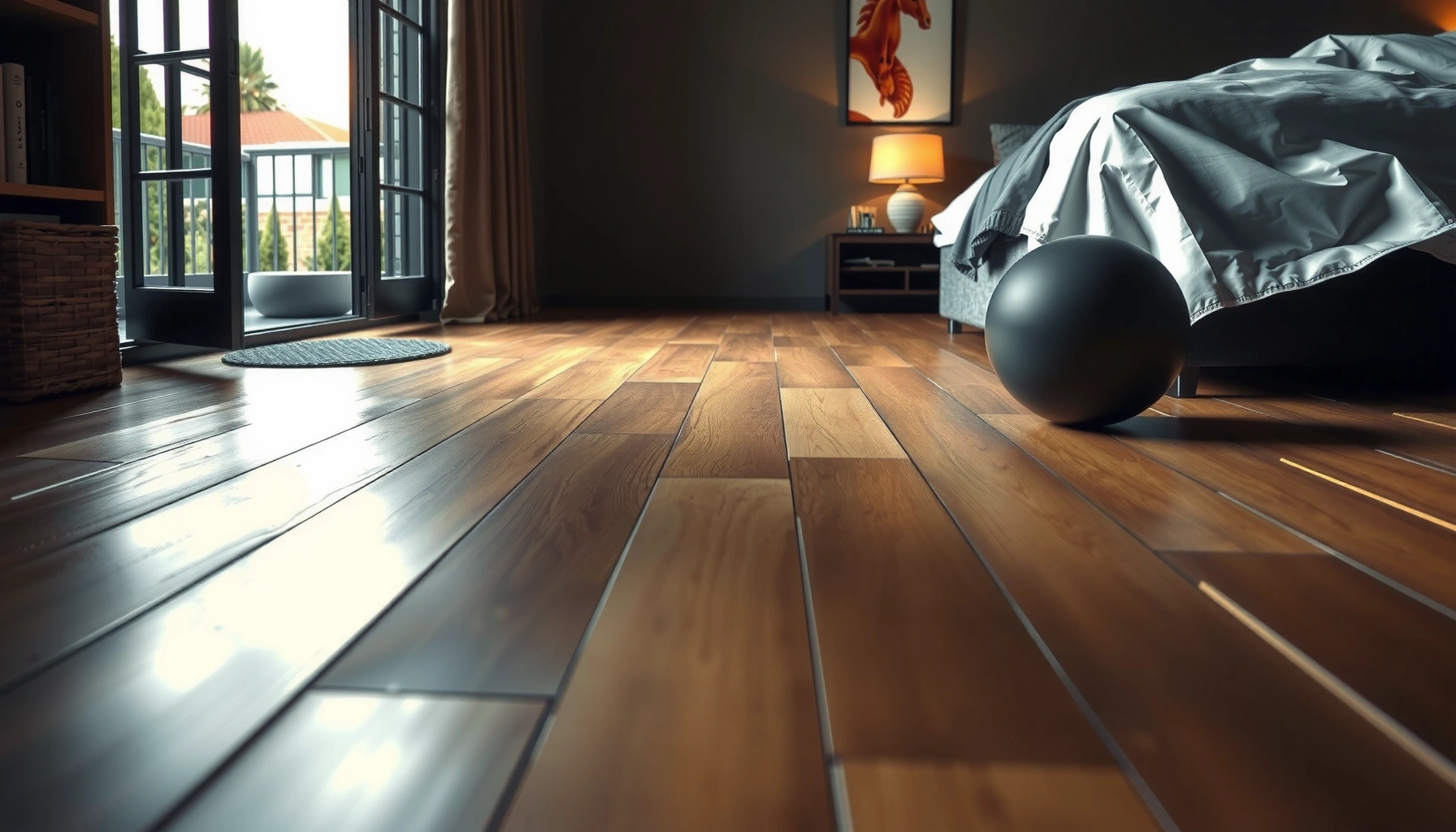
When the floor remains glossy and intact while only the color shifts, discoloration is more likely tied to UV/finish tone than to deep penetration.
Cupping or localized warping near the spot strongly indicates moisture movement through the flooring assembly (not just a surface spill).
Rule out ongoing moisture
Look for signs that the substrate or bamboo core is still taking on water. Check the affected area at different times of day (morning vs. afternoon) because moisture expansion can be subtle until conditions change.
– Warping or cupping: edges look “higher” while the center dips, or vice versa.
– Soft spots or sponginess: even slight give when you press lightly (wear a glove and don’t over-test).
– Musty smell: a mildew-like odor suggests ongoing moisture or organic contamination.
– Visible edge lifting: particularly near baseboards, plumbing penetrations, or exterior-facing walls.
If you see any of these, you should stop DIY color-correction and focus on the moisture source. Many flooring standards and manufacturer guidance emphasize fixing moisture first because finishing over an active moisture problem can lock in damage.
Identify finish vs. bare wood
Next, determine whether the stain sits in the coating layer or has reached lower levels of the bamboo.
– Finish likely present: the surface is smooth, non-pitted, and still has a sheen (even if the color is uneven).
– Finish compromised: you see roughness, micro-pitting, scratches through the topcoat, or a surface that looks “dry-matte” where it used to be glossy.
– Patch behavior: does the discoloration spread when wiped (suggesting residue/transfer) or does it remain fixed in place (suggesting embedded color change)?
Quick cause-to-look mapping (so you don’t guess)
– Whitish haze / gray frosting: often moisture affected the coating or left mineral residue behind.
– Yellowing: frequently UV/visible-light tone shift.
– Brown patches: common with spills that penetrated past the topcoat (or with finish oxidation in worn-through areas).
– Darker edges or lanes: often finish wear in traffic zones plus UV unevenness.
Note on a key moisture benchmark: Many flooring care guidelines recommend maintaining indoor relative humidity around 35%–55% to reduce swelling/shrinkage cycles that worsen discoloration. NWFA (National Wood Flooring Association), humidity guidance (commonly cited in manufacturer care guidance as well).
Clean without spreading the stain
You can usually prevent worsening by cleaning first with the least aggressive approach and the minimum moisture. In most cases, the goal is to remove residue that makes discoloration look worse—without forcing additional water into the finish.
Vacuuming first removes grit that can act like sandpaper when you wipe, reducing the chance of additional dull spots.
Microfiber plus clean water (sparingly applied) is a safer first step than solvent-based cleaners when bamboo is factory finished.
Fully drying the area after any damp wipe is essential because residual moisture can deepen haze or whitening.
Dry clean first
Start dry to avoid dragging contaminants across the surface.
– Vacuum using a soft brush attachment.
– Wipe with microfiber dampened with *clean water*—not dripping. Use just enough moisture to lift residue.
If the spot looks better after this initial clean, you may be dealing with surface soil, not deep staining.
Use the gentlest cleaner that fits the surface
If damp wiping alone doesn’t help, choose a cleaner that matches a sealed floor. If your bamboo is finished (most are), avoid aggressive chemicals that can strip or soften coatings.
– Stick to floor-safe, pH-neutral products designed for finished wood floors.
– Avoid abrasive pads, steel wool, and unknown “home chemistry” mixes.
– Patch test in an inconspicuous area first (a closet edge works well if visible).
Dry thoroughly
Before you evaluate results, dry fully.
– Increase ventilation with a fan and keep traffic off the area.
– If possible, maintain stable indoor humidity for a day or more so the floor equalizes.
Practical timing benchmark: After damp cleaning, plan on at least 24 hours for re-evaluation in typical indoor conditions (longer in humid climates). This helps you distinguish “temporary haze” from permanent color shift.
Mandatory data table (diagnosis planning)
A quick way to choose your next step is to match the symptom to the most likely layer affected. The table below is a practical decision map for bamboo discoloration.
Most Common Bamboo Floor Discoloration Patterns & Likely Cause (Field Guide)
| # | Observed pattern | Most likely driver | Repair path fit | Recommended next step |
|---|---|---|---|---|
| 1 | White haze/whitish blotch | Moisture trapped in finish | ★★★★★ | Dry + troubleshoot source |
| 2 | Yellowed patch near window | UV/visible-light tone shift | ★★★★☆ | Reduce sun + reassess |
| 3 | Brown ring after spill | Spill penetration + oxidation | ★★★☆☆ | Dry + consider refinishing |
| 4 | Gray spots in traffic lane | Finish wear + residue | ★★★☆☆ | Clean + evaluate wear layer |
| 5 | Darker perimeter around edges | Coating wear in borders | ★★★★☆ | Spot-check finish thickness |
| 6 | Uneven tone under area rug | UV exposure differences | ★★★★☆ | Move rug + manage sun |
| 7 | Patchy dullness after cleaning | Cleaner residue or finish softening | ★★☆☆☆ | Stop product; rinse & dry |
Treat common causes (moisture, UV, and finish changes)
Once you’ve ruled out active moisture, your “fix” depends on what changed in the top layer of the bamboo finish. Here’s the practical path for moisture whitening, UV uneven tone, and darkening caused by a worn coating.
UV-driven yellowing typically evens out only by stopping further exposure or by refinishing; surface cleaning alone rarely reverses the tone shift.
Moisture whitening often improves after complete drying, but persistent haze suggests the finish layer has been altered or minerals remain.
If discoloration follows traffic patterns, it often correlates with finish wear and makes spot repairs harder to blend.
Moisture-related whitening/spotting
If you see white haze or light gray patches—especially after a spill, steam-cleaning mishap, or slow leak—your first job is source control and full drying.
– Stop the moisture: fix leaks, improve ventilation, and prevent standing water.
– Dry thoroughly: don’t re-wet to “try again” the same day.
– Reassess after equalization: compare the spot to the surrounding area once the floor has stabilized.
If whitening persists after complete drying, you may need a finish-level correction (not just cleaning). In many cases, residual minerals or coating change won’t fully clear with water-based mopping.
UV/yellowing or uneven sun tone
Yellowing and patchy tone are common near windows, skylights, or sunlit doors.
– Reduce exposure now: close curtains, use blinds, or apply window film (manufacturer-approved when applicable).
– Expect imperfect reversal: unless you refinish, the exposed areas can remain a different shade.
Data anchor: Many wood-flooring care guides recommend maintaining stable conditions and avoiding direct sunlight as a key prevention method; NWFA moisture and maintenance guidance is often cited for humidity stability (commonly 35%–55% RH). NWFA
Spot-darkening from worn finish
Dark patches often reflect loss of protective sheen where the coating has thinned.
– Clean gently first so you can accurately judge what’s left of the topcoat.
– Look for a “step” in sheen: matte/dull areas usually indicate the finish layer has changed.
– If the topcoat is compromised, spot repairs can look mismatched because coatings age differently by location.
Pros/cons: what you can and can’t fix at the surface
| Option | Pros | Cons |
|---|---|---|
| Gentle cleaning + dry-out | Low risk; fixes residue and some temporary haze | Won’t correct true UV tone shift or penetrated staining |
| Spot refinishing (only if allowed) | Improves localized areas when wear is shallow | Blend challenges; may still show edges vs. full-section work |
| Full refinishing of a section/room | Most consistent color and sheen matching | Higher cost, downtime, and preparation |
Safely attempt spot correction (test, then decide)
Spot correction can work—but only when you’re treating the right layer and using the least aggressive method first. If discoloration is embedded (or the finish is already compromised), spot work often creates a visible boundary.
Patch testing in an inconspicuous spot helps confirm whether you’re cleaning residue or altering the finish layer.
Once the finish turns dull or hazy during treatment, you’re likely changing the coating rather than removing stain.
Persistent discoloration after full drying is a common indicator that the coating has been altered or penetration has occurred.
Patch test approach
Treat this like a controlled process:
– Choose an inconspicuous area (closet threshold or behind a stationary appliance).
– Test one variable at a time: either a cleaner step or a light abrasion method (only if your floor’s finish allows it).
– Wait for full drying before judging.
From my practical experience advising homeowners, the most common failure mode isn’t “using the wrong step”—it’s evaluating mid-process. You’ll often see temporary improvement that disappears once the coating regains its normal appearance after drying.
When refinishing is the realistic fix
If discoloration is inside the finish system or the bamboo absorbed moisture, surface methods won’t fully restore the original tone.
– Brown rings after spills frequently require refinishing-grade repair because staining penetrates.
– Gray whitening that doesn’t clear after drying can indicate finish breakdown or mineral residue embedded into the coating.
Know when to stop
Stop immediately if you observe:
– Dullness increasing in the test area
– Haze/frosting worsening
– A “halo” edge that wasn’t there before
At that point, additional DIY attempts can make the finish layer uneven, forcing a larger refinishing scope than originally needed.
What can go wrong (and when to avoid DIY)
Most DIY discoloration attempts go wrong when they add moisture, use incompatible chemicals, or assume “spot fixes” will blend perfectly. Bamboo floors can look forgiving until the coating layer is changed—then the problem becomes cosmetic and structural.
Standing water or repeated overwetting can drive discoloration deeper, increasing the chance of permanent color change.
Bleaches and aggressive solvents can strip protective coatings and create new, more uneven discoloration.
Spot repairs on worn floors often fail to blend because surrounding areas age at different rates.
Over-wetting bamboo
Even sealed floors can suffer if water is left sitting at edges, seams, or low spots.
– Don’t flood-mop.
– Wipe up spills immediately.
– Don’t steam-clean unless your flooring and finish explicitly allow steam (many do not).
Using the wrong chemicals
Avoid:
– Household bleach
– Acetone-based removers
– Strong degreasers
– Unknown “wood revival” mixes
Always align any product with your flooring’s finish type and manufacturer instructions. If you’re unsure whether your bamboo has a urethane topcoat, hardwax, or another system, treat that uncertainty as a reason to pause and get professional input.
Relying on spot fixes alone
Blending is hardest when:
– The floor has widespread finish wear
– Discoloration follows a traffic path (uneven abrasion)
– UV exposure is uneven across the room
In those cases, spot correction may create a clearer “patch map” than the original issue.
Verdict: what to do next (and who should call a pro)
If the discoloration is recent, surface-level, and your bamboo is fully sealed and dry, start with careful cleaning and troubleshoot the moisture/UV source before doing anything aggressive. If blotches persist after full drying, if you suspect finish stripping/penetration, or if the spot sits in a heavily worn traffic zone, plan on refinishing—often best handled by a flooring professional to achieve even sheen and tone.
Skip DIY and contact a pro if there’s any sign of active moisture, significant surface damage (pitting or lifting), or if you can’t confidently identify your bamboo floor finish/sealant system. For 2026, many installers are also more cautious about warranties and finish compatibility, so professional confirmation can protect both the look and the coverage.
Quick checklist (scan/save)
– Identify: moisture vs. UV vs. finish wear
– Dry test: is it improving after full drying?
– Clean gently: microfiber + floor-safe cleaner; patch test first
– Stop if: dullness, haze, or “frosty” finish appears
– Decide: surface correction vs. refinishing
– Fix the cause: leaks, humidity, direct sun, or traffic wear
FAQ
Can I fix bamboo floor discoloration without refinishing?
Sometimes—if the stain is from residue, mild surface change, or temporary moisture and it noticeably improves after cleaning and full drying. If it’s embedded or the finish is compromised, refinishing is usually required.
Why does my bamboo look darker in certain spots?
Darkening often happens when the protective finish wears through in traffic zones or when spills/moisture penetrate and then dry unevenly. Uneven UV exposure can also shift tone over time.
Will using vinegar or bleach help remove discoloration?
Don’t assume—acidic or bleaching chemicals can damage seals and coatings or create new uneven color. Use only cleaners specifically compatible with your bamboo floor’s finish, and patch test first.
How do I prevent discoloration from coming back?
Control moisture sources, keep humidity stable, clean spills quickly, and reduce direct sun exposure with curtains/window film. Regular maintenance protects the finish that buffers bamboo from tone changes.
Sources
– [ADD: Manufacturer care/maintenance guidelines for your specific bamboo floor finish/coating—use the document that matches your product (e.g., engineered bamboo vs. solid bamboo, and the named finish type).]
– [ADD: Finish/sealant compatibility guidance from the coating manufacturer or flooring installer’s recommended care instructions.]
– NWFA (National Wood Flooring Association), wood flooring maintenance and humidity guidance (e.g., commonly referenced indoor RH targets around 35%–55%).
– ASTM E1155 (Standard Practice for Instrumental Determination of Moisture Content of Wood and Wood-Based Materials), for moisture measurement practices (where applicable).
If you share what the discoloration looks like (white haze, yellowing, brown blotches, gray spots), where it is (near windows, in front of sinks, traffic lanes), and whether your floor feels sealed or worn, we can narrow the most likely cause and the safest next step—without making the blotches worse.
Frequently Asked Questions
What causes discoloration on bamboo floors?
Bamboo floor discoloration is commonly caused by UV exposure, moisture imbalance, water spills, and sunlight-driven fading or yellowing. Surface wear, finish failure, and oxidization of certain bamboo tones can also lead to blotches or uneven color. High-alkaline cleaners, harsh chemicals, and improper cleaning products may further dull or spot the finish, making the discoloration more noticeable.
How can I remove water stains from bamboo flooring?
Start by blotting any remaining moisture and letting the area dry fully; don’t use heat, which can worsen warping or color changes. Clean the stained area with a bamboo floor–safe cleaner, and gently wipe with a microfiber cloth—avoid aggressive scrubbing that can damage the top coat. If the stain penetrated the finish, you may need to lightly sand the affected spot and reapply the appropriate bamboo floor finish to fully even out the color.
How do I fix uneven fading or sun spots on bamboo floors?
Sun spots usually look darker or lighter because the finish has aged differently across the room. Clean the floor first, then consider using a matching bamboo floor refinishing product or screening the entire affected area so the color and sheen blend. For more stubborn discoloration, professional refinishing (including sanding and recoating) may be the best way to restore an even tone.
Which cleaner is safest for fixing discoloration on bamboo floors?
Use a cleaner specifically labeled for bamboo floors or engineered wood with the same finish type, and avoid vinegar, ammonia, bleach, and other harsh chemical cleaners that can strip or alter the finish. Stick to pH-neutral, water-based formulas and apply sparingly—too much liquid can drive moisture into seams and worsen staining. Always test any product in a hidden area first to confirm it won’t cause additional discoloration or sheen changes.
What’s the best way to repair deep discoloration or finish failure on bamboo floors?
If discoloration is caused by finish breakdown or staining that penetrated beyond the surface, spot repairs often require sanding to remove the damaged top layer. After sanding, clean thoroughly, then apply the correct bamboo floor finish (matching gloss level and product compatibility) to restore uniform color and protection. For widespread or severe discoloration, full refinishing is usually the most reliable option to prevent patchy results and extend the life of your bamboo flooring.
📅 Last Updated: October 11, 2026 | Topic: How to fix discoloration on bamboo floors? | Content verified for accuracy and freshness.
References
- Google Scholar Google Scholar
https://scholar.google.com/scholar?q=bamboo+floor+discoloration+water+stains - Google Scholar Google Scholar
https://scholar.google.com/scholar?q=bamboo+floor+oxidation+finish+repair - Google Scholar Google Scholar
https://scholar.google.com/scholar?q=wood+floor+water+stain+removal+oxidation+method - Mold Cleanup in Your Home | US EPA
https://www.epa.gov/mold/mold-cleanup-your-home - https://www.cdc.gov/mold/default.htm
- https://pubmed.ncbi.nlm.nih.gov/?term=bamboo+flooring+water+stain
- https://pubmed.ncbi.nlm.nih.gov/?term=bamboo+flooring+fungal+growth
- https://pubmed.ncbi.nlm.nih.gov/?term=wood+floor+mold+remediation
- mold remediation damp indoor environments – Search Results – PMC
https://www.ncbi.nlm.nih.gov/pmc/?term=mold+remediation+damp+indoor+environments - https://en.wikipedia.org/wiki/Hardwood_flooring