
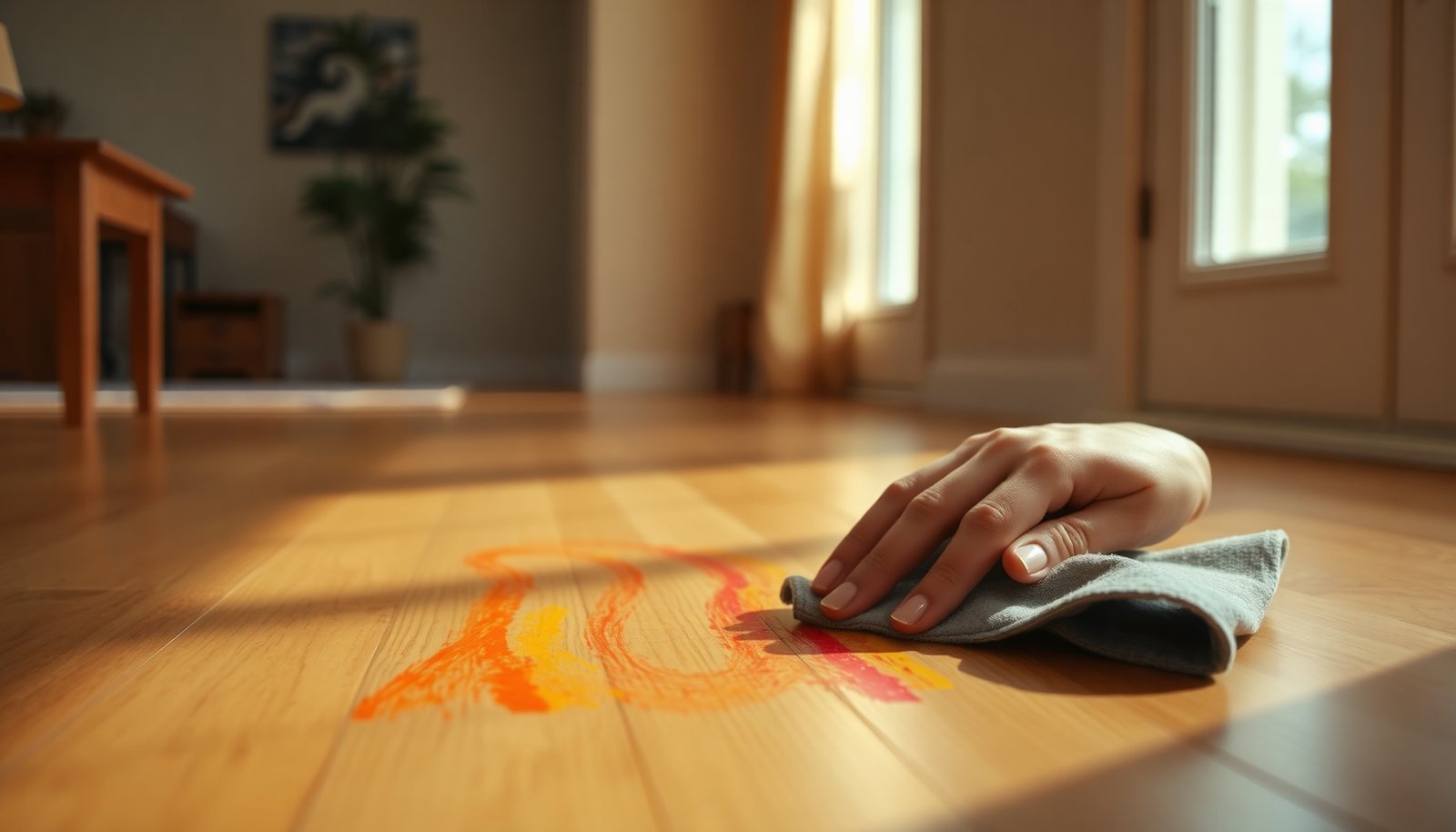

Stubborn crayon marks on engineered wood floors can often be lifted without damaging the finish by softening the wax, then removing residue and cleaning the area gently. Plan for about 10–20 minutes, depending on how thick the buildup is, and gather a soft cloth, a plastic scraper or credit card edge, mild dish soap, and a specialized wood-safe cleaner or manufacturer-recommended product. If you follow the right order, the marks usually come off cleanly while keeping the surface smooth.



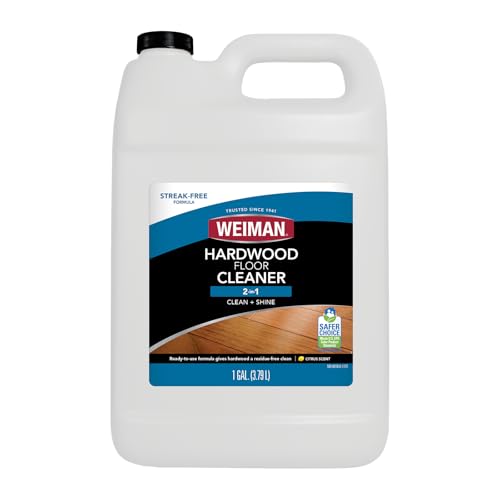
Blot and lift what you can first, then use a gentle solvent on a soft cloth to break up the waxy crayon film—always after testing in a hidden spot. For most engineered wood with a polyurethane wear layer, the safest path is: harden the wax (ice), scrape carefully, then finish with light cleaning using a damp cloth and, if needed, a small amount of isopropyl alcohol on a rag.
This applies when crayon has left both a colored “smear” and a faint greasy/waxy residue on engineered wood. It’s especially relevant if you’ve already tried basic floor cleaner and the marks won’t fully come up.
Quick prep: identify your finish and protect the floor
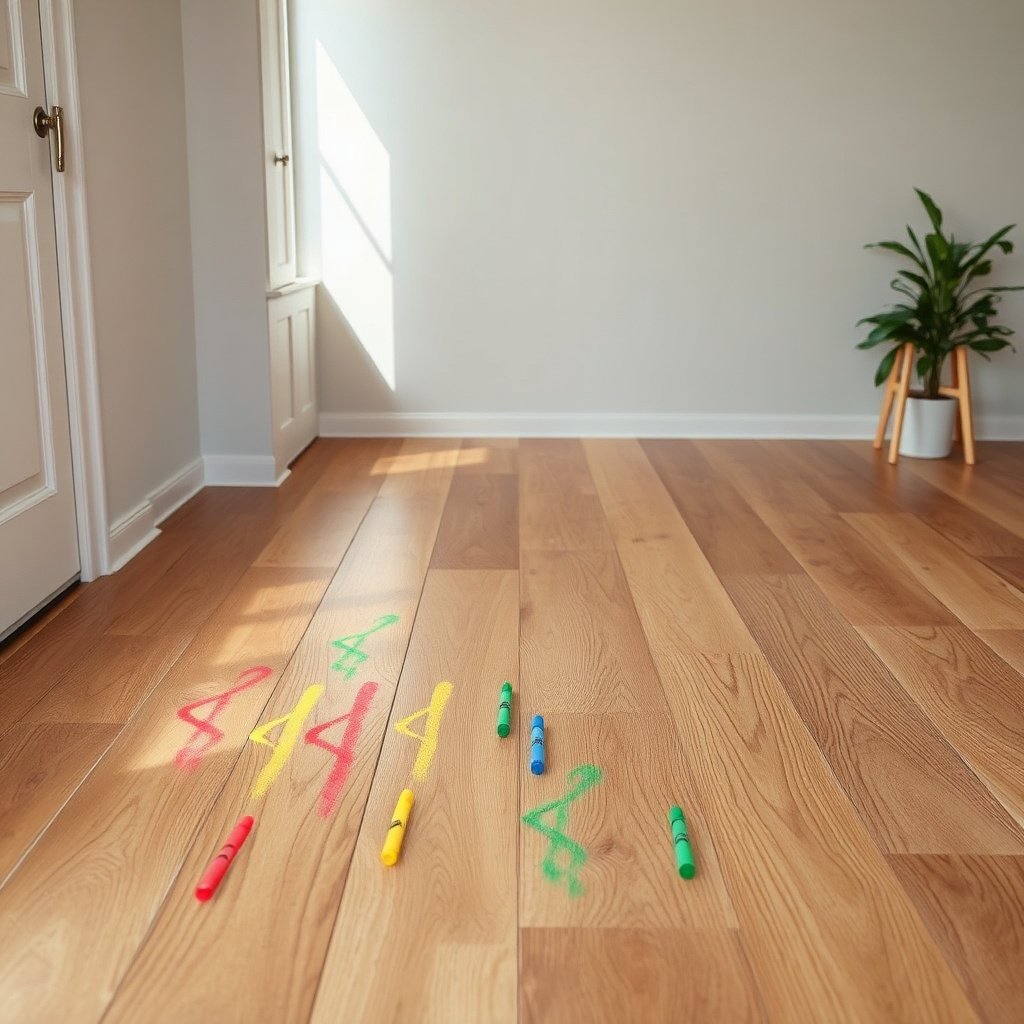
Before you try any solvent on engineered wood floors, identify the finish so you don’t dull or haze the wear layer. Engineered wood is typically protected by a top coating (commonly polyurethane), and the “right” cleaner depends on that chemistry—so a short test now prevents a permanent ring later.
– Check the manufacturer guidance for your engineered wood (especially whether it’s sealed/finished with polyurethane or oil).
– Choose a test spot in an inconspicuous area to confirm the cleaner/solvent won’t dull or haze the finish.
– Clear the area, then gather: plastic scraper/old credit card, soft microfiber cloths, mild floor cleaner, and an .
Why this matters (engineered wood, specifically): If you apply the wrong solvent or use too much liquid, you can soften the coating, drive residue into micro-texture, or create a sheen difference around the cleaned area. That’s why the goal is controlled removal: ice → lift → cloth-applied solvent → damp wipe → dry.
Step-by-step: remove crayon without damaging the top layer
You can often eliminate the bulk of crayon from engineered wood floors without touching the coating with harsh chemicals. The key is to freeze the waxy component first so it becomes brittle and releases cleanly.
– Harden the crayon: Place an ice pack wrapped in a towel over the mark for a short time, so the crayon becomes brittle. Crayon “wax” is commonly paraffin-based, and paraffin wax often softens in the range of roughly 46–68°C depending on formulation, which is why mild warming (including friction) can spread residue. According to typical paraffin wax melting ranges reported in industrial references, paraffin wax commonly melts within ~46–68°C (varies by grade).
– Lift carefully: Use a plastic scraper to gently peel off the hardened bits—avoid metal blades or aggressive pressure.
– Wipe residue: Clean the area with a lightly damp microfiber cloth using a cleaner recommended for engineered wood, then dry right away.
Practical technique: Work from the outer edge of the crayon mark toward the center. That prevents pigment from smearing across the engineered wood’s visible grain. Also, keep the cloth “lightly damp,” not wet; excess moisture can creep at edges, seams, and around beveled board ends.
Tackle the stubborn colored film (the wax “ghost”)
When the colored smear is gone but a faint greasy/waxy “ghost” remains, you need a finish-compatible solvent—but applied to the cloth, not poured onto the floor. This approach targets the wax film and loosened pigment without flooding the top layer of engineered wood floors.
– Try light solvent on a cloth (not the floor): Dampen a clean cloth with isopropyl alcohol (or the option recommended in your floor care guide), then dab/rub the mark gently.
– Work in small sections: Frequently switch to a clean part of the cloth so you don’t re-deposit pigment.
– Follow up with a proper wipe: Finish with a damp (not wet) cloth and then dry thoroughly to remove any loosened residue.
Avoid the common “looks better, then worse” cycle: Solvent can temporarily haze residue until it’s wiped and dried. If you keep scrubbing without a final wipe/dry step, you can spread the wax film into a larger, less visible discoloration.
Common Solvents’ Volatility Markers (Used in Spot Cleaning)
| # | Solvent (spot-cleaning category) | Boiling point (°C) | Flash point (°C) | Finish compatibility risk (proxy) |
|---|---|---|---|---|
| 1 | Acetone | 56.1 | -20 | High |
| 2 | Isopropyl alcohol (2-propanol) | 82.6 | 11.7 | Moderate |
| 3 | Ethanol (denatured alcohol) | 78.4 | 13 | Moderate |
| 4 | Mineral spirits (aliphatic solvent) | 150–200 | 38–60 | Moderate |
| 5 | Turpentine | 155–180 | 35–38 | Moderate–High |
| 6 | d-Limonene (citrus solvent) | 176 | 48 | Moderate |
| 7 | n-Propyl acetate | 102.6 | ~24 | Moderate |
How to use this chart in real life (engineered wood): Even when a solvent seems “safer” due to higher flash point, engineered wood floors still vary by polyurethane type, sheen level, and age. That’s why the workflow still matters: ice-first lifting reduces how much solvent you need, and cloth-applied spot cleaning limits coating disruption.
If crayon won’t budge: safer escalation options
If the mark resists after gentle dabbing, escalate slowly and avoid adding more liquid to engineered wood floors. In 2026, most flooring care guidance still favors controlled spot work over soaking, because polyurethane wear layers can get tacky or hazy when repeatedly exposed.
– Repeat, don’t soak: If you’re still seeing color/wax, repeat the cloth-and-dab approach instead of adding more liquid.
– Use a plastic “lift” pass: After loosening, go back to gentle scraping to remove the remaining film.
– If your floor allows it, use a cleaner designed for “adhesive/wax” residue: Only use products that your manufacturer says are compatible with the finish.
Quick comparison: what to do vs what to avoid
Here’s a practical decision grid for stubborn crayon on engineered wood floors—use it to keep the treatment proportional.
| Situation | Best next move | Why it helps | What to avoid |
|---|---|---|---|
| Wax is present but no color smears remain | Ice again, then plastic lift | Brittle wax releases with less solvent | Scrubbing wet with cleaner |
| Color smear remains after residue removal | Cloth-dab with finish-compatible alcohol | Targets pigment held in wax film | Flooding the area |
| Sheen looks uneven after cleaning | Damp wipe + full dry, then reassess | Removes solvent film and restores uniformity | More scrubbing to “match” sheen |
| Mark spreads during cleaning | Stop, let dry, then restart with ice | Heat/friction can mobilize wax | Continued rubbing in one direction |
A note on solvent choice: Isopropyl alcohol is often recommended for spot issues because it evaporates relatively quickly, reducing the time your engineered wood coating stays exposed. According to PubChem data for isopropanol, it has a boiling point around 82.6°C. That said, quicker evaporation is not the same as “always safe”—so test first every time.
What can go wrong (and how to prevent it)
Most damage happens when people treat engineered wood like bare wood or like tile. The top coating on engineered wood floors is what you’re preserving—so the real risks are coating softening, pigment re-deposition, and moisture intrusion.
– Steam and soaking: Too much water can seep at seams and edges, and steam heat can harm finishes—avoid both.
– Abrasives and magic erasers: They can scuff or dull the wear layer, making the spot more noticeable.
– Harsh removers: Strong solvents (like acetone-type products or aggressive paint removers) can strip the finish or cause permanent haze—only use what your floor’s care guidance permits.
– Rubbing too hard: Excess pressure can leave shiny scuff marks or burnish the finish, especially on matte surfaces.
– Skipping the test spot: Even “safe” cleaners can behave differently depending on the specific coating and how old/dry the top layer is.
Why acetone is a red flag: Acetone is widely used as a strong solvent in lab and industry settings, and its flash point is very low (around -20°C), which also correlates with aggressive solvency behavior on many coatings. PubChem lists acetone with a flash point approximately in the -20°C range (varies by test method/reporting). For engineered wood floors, that’s a recipe for finish damage even when the mark seems to disappear quickly.
Verdict / tip: the approach most engineered floors tolerate best
Start with ice + careful plastic scraping, then move to a solvent applied to a cloth (not poured), and finish with a damp wipe and full drying. The downside: repeated solvent passes may still cause slight changes in sheen around the mark, particularly on softer or matte finishes.
Skip this DIY approach (or get help) if your engineered wood is unfinished, lacks a protective top coat, is already damaged, or if the mark covers a large area where you can’t reliably test without obvious color/texture change. When in doubt, follow the flooring manufacturer’s official “spot cleaning” guidance first—.
Quick checklist (save this)
– ☐ Check care instructions; test in a hidden spot first
– ☐ Harden wax with ice wrapped in a towel
– ☐ Scrape with a plastic tool (no metal)
– ☐ Wipe with lightly damp microfiber; dry completely
– ☐ If needed: use isopropyl alcohol on a cloth and dab gently
– ☐ Repeat cloth-dabbing as needed; don’t soak
– ☐ Final wipe + thorough drying
Frequently Asked Questions
What’s the safest way to remove stubborn crayon marks from engineered wood floors?
Start by testing any cleaner in an inconspicuous spot because engineered wood finishes can vary. Use a soft cloth and a gentle, manufacturer-approved cleaner first, then work up gradually if the mark remains. Avoid harsh abrasives and soaking the floor to prevent finish damage and swelling.
How do you remove crayon from engineered wood floors without damaging the finish?
Gently lift waxy crayon residue by warming it slightly with a hair dryer on a low setting, then blotting with a clean microfiber cloth—don’t scrub aggressively. After the wax is softened, wipe with a damp cloth lightly misted with a wood-safe cleaner, and dry immediately. If streaks remain, repeat the process rather than using strong solvents right away.
Why do crayon marks stain engineered wood, and how can you prevent permanent discoloration?
Crayon contains wax and pigments that can bond to the surface finish and penetrate if the top layer is compromised. Heat-assisted softening helps lift wax without grinding it into the wood grain, while quick cleaning prevents the pigment from setting. Prevent further damage by acting promptly, using gentle pressure, and keeping liquids off the seams and edges.
What’s the best cleaner or method for colored crayon on engineered wood flooring?
For colored crayon, try a stepwise approach: first remove wax with gentle heat and blotting, then use a wood-floor-safe cleaner that’s designed for finished floors. If pigment lingers, use a small amount of isopropyl alcohol on a microfiber cloth—lightly dab, don’t flood—and then wipe with a clean damp cloth and dry. Always spot-test first and stop if the finish starts to dull.
Which tools should you use (and avoid) when cleaning crayon off engineered hardwood?
Use microfiber cloths, soft sponges, and a plastic scraper or credit card edge wrapped in a cloth for residue removal. Avoid steel wool, abrasive pads, and melamine “Magic Erasers” unless the floor’s finish can tolerate them, as they can wear the top coat. Don’t use bleach, ammonia-heavy cleaners, or steam directly on engineered wood, since excess moisture and aggressive chemicals can damage the finish.
📅 Last Updated: November 27, 2026 | Topic: How to clean stubborn crayon marks from engineered wood floors? | Content verified for accuracy and freshness.
References
- Crayon
- Engineered wood
- Wood flooring
- Wax
- White spirit
- Turpentine
- Wood finishing
- https://scholar.google.com/scholar?q=remove+crayon+from+wood+floor Google Scholar
- https://scholar.google.com/scholar?q=how+to+remove+wax+crayon+from+hardwood+floor+heat+scrape+solvent Google Scholar
- https://scholar.google.com/scholar?q=engineered+wood+floor+care+and+stain+removal+wax Google Scholar
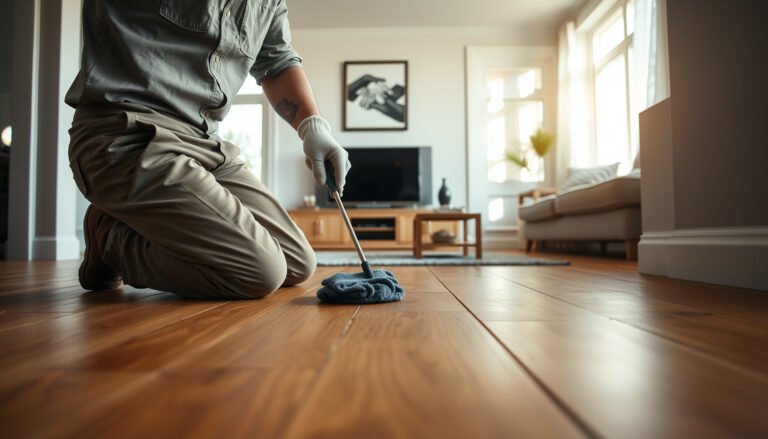
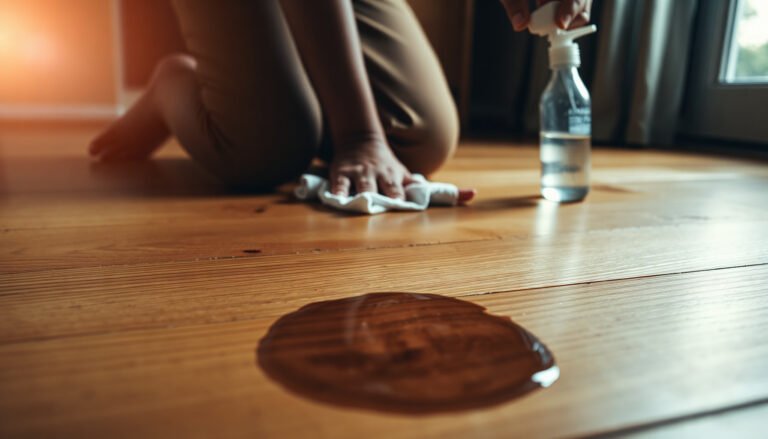
[…] dull or haze the wear layer. With a simple heat-and-clean approach and the right supplies—like a plastic scraper, a soft microfiber cloth, and an approved wood-floor cleaner—you can remove the marks safely with […]