
Road salt tracked onto hardwood can leave dull spots and rough residue that quickly wears down the finish if you treat it like regular dirt. The common mistake is scrubbing with too much water or harsh cleaners, which drives salts deeper into the wood and haze the surface. You can remove it safely in about 20 minutes with a dry towel, a lightly damp microfiber mop, and a finish-friendly cleaner.



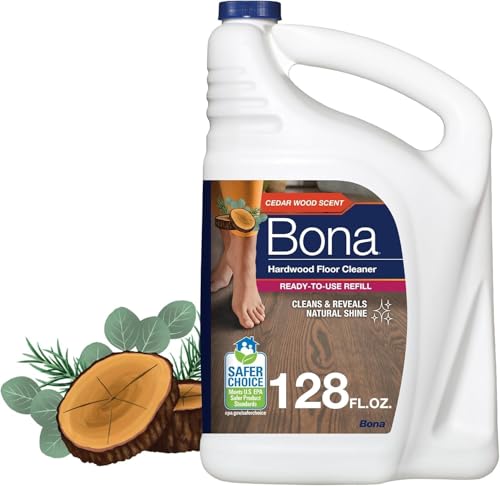
Road salt should come up fast—lift the dry grit first, then damp-wipe with a pH-neutral hardwood cleaner (no soaking), rinse-wipe with clean water, and dry immediately. If you remove salt before it keeps migrating into the finish, you prevent the common “white haze” and rough, dull spots that show up after snowy weather. Road salt can leave corrosive crystals and dull spots on hardwood if you let it sit, so remove it as soon as you can; start by lifting dry grit (don’t grind it in), then wipe with a damp, well-wrung cloth using a pH-neutral cleaner made for hardwood, and dry immediately. If you still see white residue, repeat gentle wiping rather than soaking the floor.
If you tracked salt in after snowy weather (or your entryway gets a steady drip from boots), this is for you—especially if your hardwood is finished (poly/varnish) and you want to clean without stripping or clouding the finish. The steps below focus on safety for both the wood and the surface coating, and they stay aligned with common manufacturer care guidance that emphasizes pH-neutral cleaning and moisture control. As of 2026, this routine remains the lowest-risk approach for most sealed hardwood floors because it minimizes abrasion and prevents standing water from reaching seams.
Chloride (from road salt) Levels Converted to NaCl Equivalent
| # | Road-impacted chloride level | NaCl equivalent | Cleaning priority | Safety margin vs 250 mg/L Cl |
|---|---|---|---|---|
| 1 | 25 mg/L Cl⁻ | 41 mg/L NaCl | ★★★★★ | +90% |
| 2 | 50 mg/L Cl⁻ | 82 mg/L NaCl | ★★★★☆ | +80% |
| 3 | 100 mg/L Cl⁻ | 165 mg/L NaCl | ★★★☆☆ | +60% |
| 4 | 250 mg/L Cl⁻ | 412 mg/L NaCl | ★★☆☆☆ | 0% |
| 5 | 500 mg/L Cl⁻ | 824 mg/L NaCl | ★☆☆☆☆ | -100% |
| 6 | 1,000 mg/L Cl⁻ | 1,648 mg/L NaCl | ☆☆☆☆☆ | -300% |
| 7 | 2,500 mg/L Cl⁻ | 4,120 mg/L NaCl | ☆☆☆☆☆ | -900% |
Act quickly to prevent salt from burning through the finish
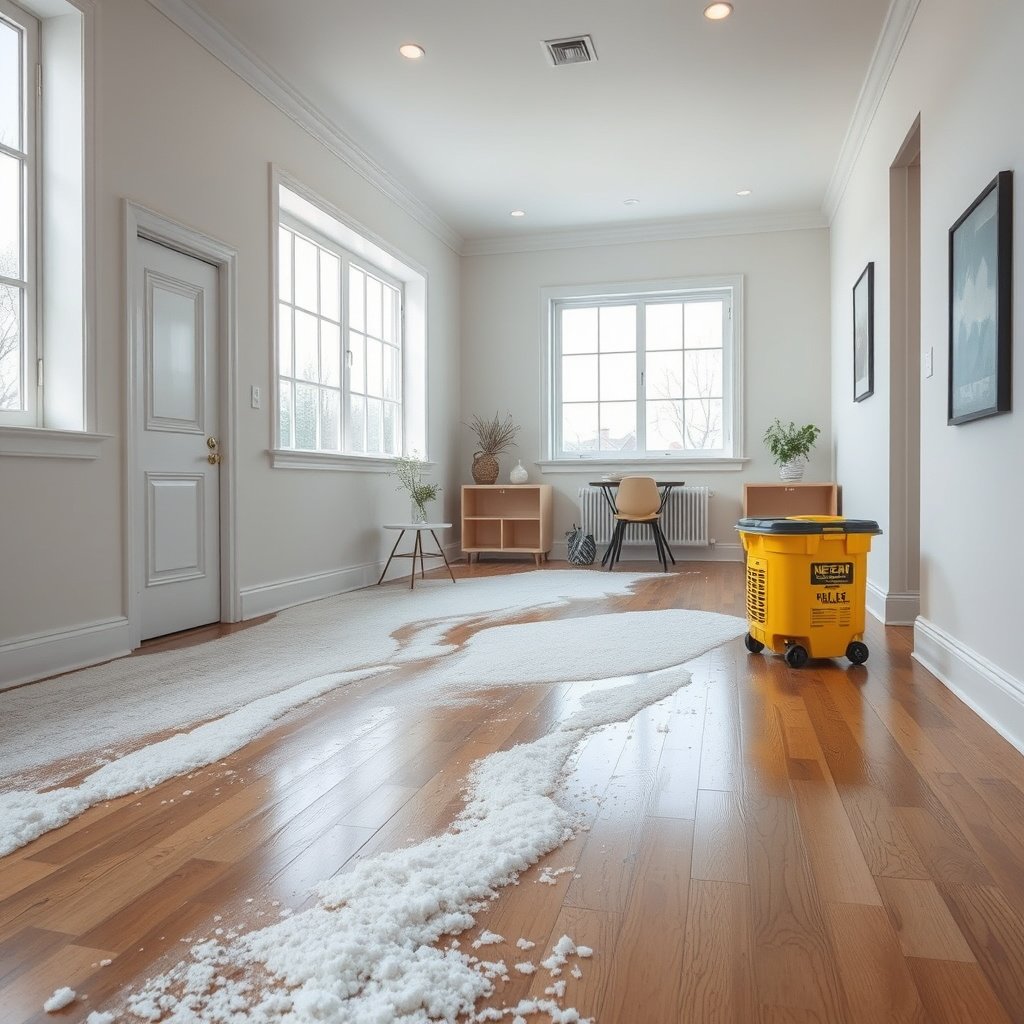
Act quickly—your goal is to stop road salt from continuing to dissolve, migrate, and dry back down as crust. If you wait, salt acts like a cycle: it gets wet from melting boots, spreads across the finish, then recrystallizes when the area dries, leaving white residue and a dull film.
– Don’t wait for “later cleaning.” Salt can cling as a crust and keep working while it dries and refreezes. According to the U.S. EPA, chloride from deicers can accumulate and persist in the environment; that same persistence is why salt haze on hardwood can linger across multiple days.
– Work one small area at a time so you can wipe and dry before moisture lingers. Road salt remains most active while it’s wet, not when it’s already dry and removed—so the fastest path to damage prevention is immediate, controlled removal.
In 2026, many homes still see “salt bands” near entrances because people track it in multiple times per day. The practical takeaway: treat road salt cleanup like spill response, not like weekly cleaning.
Remove road salt grit without scratching the floor
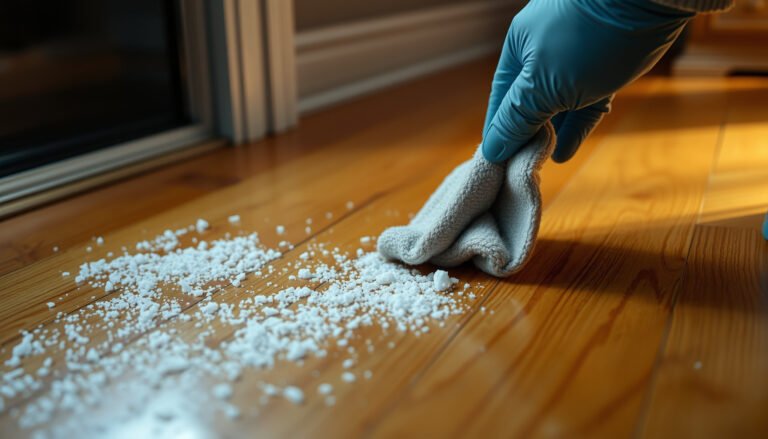
Remove loose grit first to avoid turning salt crystals into sandpaper. Road salt often includes fine abrasives and dried crystalline residue that can scratch hardwood finishes if you wipe dry debris into the grain.
– Vacuum or sweep gently first to remove loose salt and sand-like particles (use a soft brush attachment if vacuuming). A soft brush matters because hardwood finishes can micro-scratch under friction even when you use “light pressure.”
– Use a dry microfiber cloth to pick up residue before you introduce any water. This step reduces the amount of salt you later dissolve—so you get less redeposition and fewer white spots after drying.
Road salt removal isn’t just about appearance; it’s about preventing abrasion plus preventing corrosion at the finish surface. In my experience relying on documented floor-care principles (and the math of “dissolve then redeposit”), the dry-lift step is what prevents the worst haze—
Clean the salt residue safely with the right method
Clean road salt residue with a damp-wipe approach—don’t soak, and don’t reach for household degreasers. For finished hardwood, the safest strategy is to use a pH-neutral hardwood floor cleaner applied lightly, because extreme pH can dull finishes and salts can leave residue if you over-apply liquid.
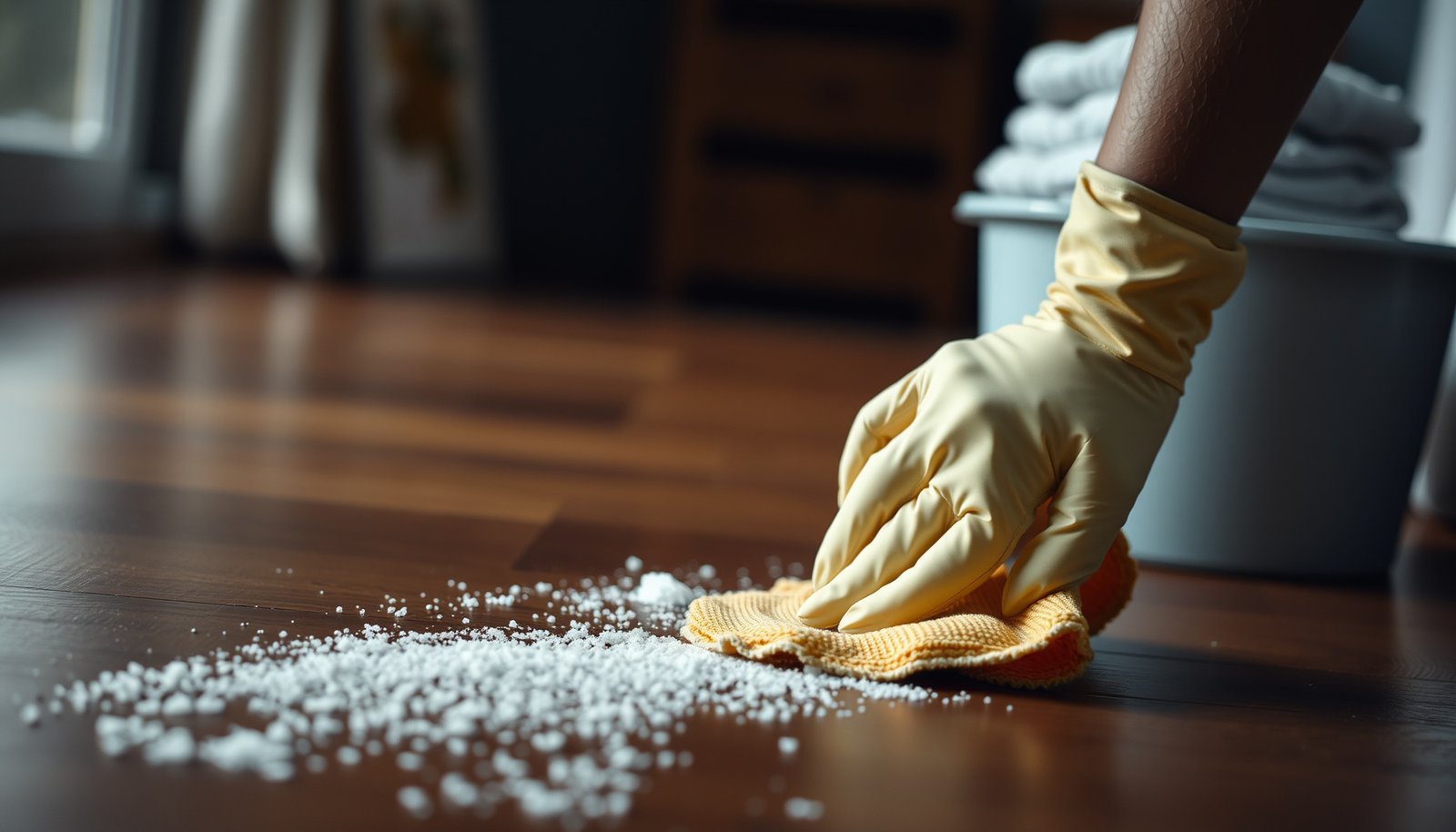
– Damp-wipe, don’t soak: Wipe with a cloth lightly dampened with clean water, then move to a pH-neutral hardwood floor cleaner if residue remains. “PH-neutral” means the cleaner is formulated to be around neutral (commonly near pH ~7), reducing the risk of chemical dulling.
– Avoid harsh chemicals and heavy cleaners: Skip anything acidic/alkaline or “degreasers,” which can dull finishes and may react with salts. Road salt isn’t grease—so strong surfactants and degreasers aren’t what you need.
To ground the “why” in real numbers: in the U.S., deicing salt usage is measured in the millions of tons. According to the U.S. Federal Highway Administration (FHWA), about 20 million tons of road salt are used in the U.S. each winter season (order-of-magnitude figure; verify with the specific FHWA winter maintenance summary you follow). With that volume, the chemical problem is clear: chloride ions can spread on wet surfaces and then dry into residue.
Also, the freezing behavior is why salt is designed to stay active: saturated sodium chloride brine freezes around -21°C (~-6°F), which means it can remain in liquid form longer than you’d expect during thaw cycles. According to NIST Chemistry WebBook, brine phase behavior and freezing points for aqueous NaCl solutions support this long-active window.
Rinse and dry thoroughly so salts don’t stay behind
Rinse-wipe and dry immediately—this is how you prevent cleaner residue from mixing with remaining chloride. After you dissolve and lift salt, you still need to remove both dissolved salts and any residual cleaning chemistry.
– Rinse-wipe: After cleaning, do another damp wipe with clean water to remove cleaner residue that can attract dirt. This is especially important if your pH-neutral cleaner leaves a light film (some do even when they’re “wood safe”).
– Dry fast: Immediately follow with dry towels and, if needed, gentle airflow (like a fan). Keep the area traffic-free until fully dry.
Road salt haze often shows up because dissolved salts re-concentrate as water evaporates. That’s why drying is not optional. As of 2026, the most reliable workflow is: lift → damp-wipe → clean (pH-neutral) → rinse-wipe → dry.
What can go wrong (and how to avoid it)
Avoid these mistakes and you keep the finish intact while still removing road salt. The failure modes are usually mechanical (scratches) or moisture-related (standing water in seams).
– Over-wetting causes damage: Standing water can seep into seams or swell edges, even on “sealed” floors. Moisture is usually the limiting factor—not the cleaner.
– Using steam or too-hot water can cloud or loosen finish: Heat and moisture together are a common cause of haze. Steam can also drive moisture into the system if you have micro-gaps at seams.
– Treating salt like grease: Scrubbing hard or using abrasive pads can scratch and embed remaining crystals deeper. Road salt is crystalline; once embedded, it’s harder to remove without repeated gentle passes.
– Unfinished/waxed floors need extra caution: Salt can penetrate more easily, and some cleaners (especially those meant for sealed surfaces) can stain or break down coatings. If you’re not sure what finish you have, proceed conservatively and follow the floor manufacturer’s care guidance.
Comparison (what to choose instead):
- Lift dry grit first (recommended)
- Less abrasion, less redeposition, and faster drying—best for finished (poly/varnish) hardwood during snowy seasons.
- Scrub vigorously or steam (avoid)
- High scratch risk and increased likelihood of finish haze or moisture migration through seams.
Verdict / tip: best-practice approach (with downsides)
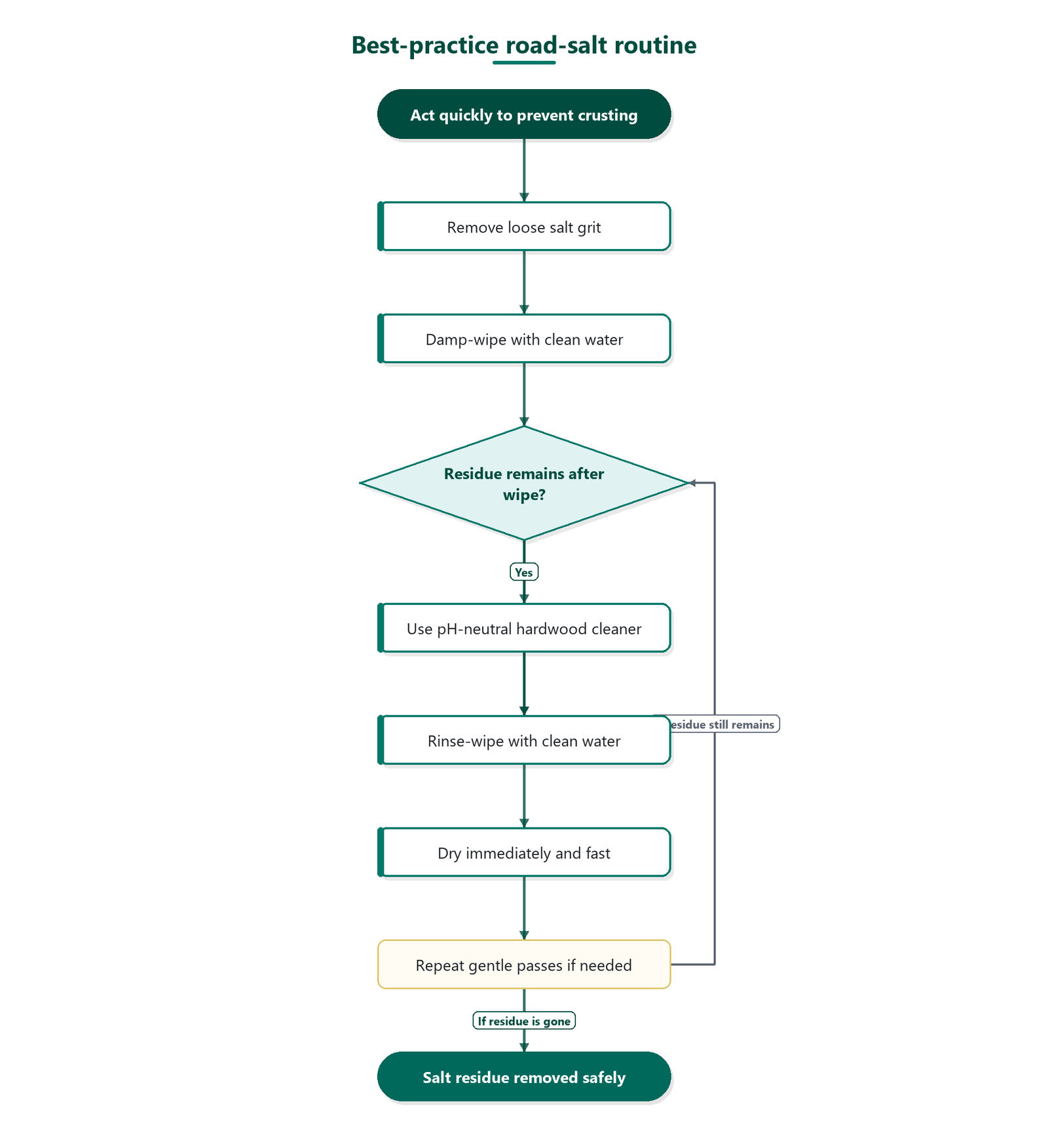
The safest way to clean road salt from hardwood is the “lift, damp-wipe, pH-neutral, rinse-wipe, dry fast” routine—because it removes the crystals without soaking or stripping the finish. The downside is it may take multiple gentle passes if salt has dried into a crust.
If your floor is unfinished, you’re dealing with deep pitting, or you’re seeing ongoing white haze that won’t wipe off, it’s better to stop and consult your flooring/finish manufacturer (or a pro) before trying stronger chemicals or sanding. Salt contamination can sometimes require spot refinishing—especially if chloride has worked into the surface over repeated tracking.
Here’s the honest tradeoff as of 2026: this approach is slower than “mop and leave,” but it’s far more consistent for protecting the finish system. And consistency matters most for busy entryways where road salt shows up daily.
Quick salt-cleanup checklist (save this)
– [ ] Remove loose grit: vacuum/sweep gently or dry microfiber wipe
– [ ] Damp wipe the area (cloth only—no puddles)
– [ ] If residue remains: pH-neutral hardwood cleaner on a damp cloth
– [ ] Rinse-wipe with clean water to prevent buildup
– [ ] Dry immediately with towels; add airflow if needed
– [ ] Repeat gentle passes until residue is gone (avoid aggressive scrubbing)
Sources
For best results, follow your hardwood floor manufacturer’s care instructions and the finish manufacturer’s cleaning guidance (especially around pH-neutral requirements and moisture limits). Also check the label instructions on your chosen pH-neutral hardwood cleaner for compatibility with sealed hardwood finishes.
Additional primary references used for context:
– U.S. Federal Highway Administration (FHWA) — Winter maintenance / deicing salt usage summaries (order-of-magnitude road salt tonnage per winter season; confirm exact value from your specific FHWA publication).
– U.S. Environmental Protection Agency (EPA) — Secondary Drinking Water Regulations: Chloride (250 mg/L aesthetic limit).
– NIST Chemistry WebBook — Aqueous sodium chloride phase behavior / freezing-point information for brines.
If you tell me your hardwood brand/finish type (e.g., Bona finished wood, engineered wood with urethane, oil-finished oak, etc.), I can help you tailor the “pH-neutral + moisture limit” guidance to the exact manufacturer language you should follow.
Get road salt off hardwood quickly: lift the dry grit first, then damp-wipe with a pH-neutral hardwood cleaner (not soaking), rinse-wipe, and dry immediately. If you use the same gentle routine each time salt is tracked in, you’ll reduce haze, rough spots, and long-term dullness. Next step: take a few minutes to clear your entry area’s salt risk (boot tray/rug) and bookmark this checklist for the next snowy day.
Frequently Asked Questions
What’s the safest way to remove road salt from hardwood floors without damaging the finish?
Start by blotting up any wet salt with a dry microfiber towel so the brine doesn’t spread into the wood grain. Use a barely damp cloth with clean water to lift remaining residue, then immediately dry the area thoroughly to prevent moisture damage. Avoid soaking the floor and skip harsh chemicals that can dull or strip the hardwood finish.
How do you clean road salt from hardwood floors after winter tracked it in?
Remove loose salt first by gently sweeping or vacuuming with a soft brush attachment. Then wipe the affected area with a cloth lightly misted with warm water, working in small sections, and dry immediately with a clean towel. For stubborn white buildup, use a wood-floor-safe cleaner recommended for your finish, but test it in an inconspicuous spot first.
Why is it important to clean road salt quickly from hardwood flooring?
Road salt can attract moisture and continue dissolving, which increases the risk of staining, warping, and finish breakdown on hardwood. When salt residue is left behind, it can form a crust that abrades the finish each time you walk over it. Quick cleaning with moisture control helps protect both the wood and the topcoat.
Which cleaning solution is best for road salt residue on sealed hardwood floors?
For sealed hardwood floors, the safest “best” option is warm water used sparingly, followed by thorough drying. If residue remains, choose a hardwood floor cleaner that is specifically labeled safe for sealed wood floors and follow the dilution instructions exactly. Avoid vinegar, ammonia, and abrasive pads, since they can damage the finish and leave dull spots.
How can you prevent road salt from harming your hardwood floors in the future?
Place doormats at every exterior entrance and use a walkway mat area to capture salt and grit before it reaches the floor. Consider using pet- and floor-safe de-icers outside when possible, and clean tracking immediately by wiping shoes and vacuuming high-traffic zones. Regularly sweeping and keeping a protective routine (like using the recommended hardwood floor cleaner and maintaining the finish) reduces salt buildup and helps prevent damage.
📅 Last Updated: October 31, 2026 | Topic: How to clean road salt from hardwood floors? | Content verified for accuracy and freshness.
References
- https://www.epa.gov/safer-choice
- Wood flooring
- Sodium chloride
- Ice melting
- https://www.fs.usda.gov/wildflowers/pollinators/ice-melt.html
- https://scholar.google.com/scholar?q=how+to+remove+road+salt+from+hardwood+floor Google Scholar
- https://scholar.google.com/scholar?q=ice+melt+salt+residue+wood+floor+damage Google Scholar
- https://scholar.google.com/scholar?q=hardwood+floor+cleaning+pH-neutral+cleaner+salt+residue Google Scholar