Learn how to clean hardwood floors in a sunroom step by step, with a method that won’t dull the finish or trap moisture. This guide shows exactly what to do—dry dusting, the right cleaner, spot-treatment for spills, and safe mopping so the boards dry fast in high-sun conditions. Follow it and you’ll get the clean, streak-free look that sunrooms are notorious for ruining.



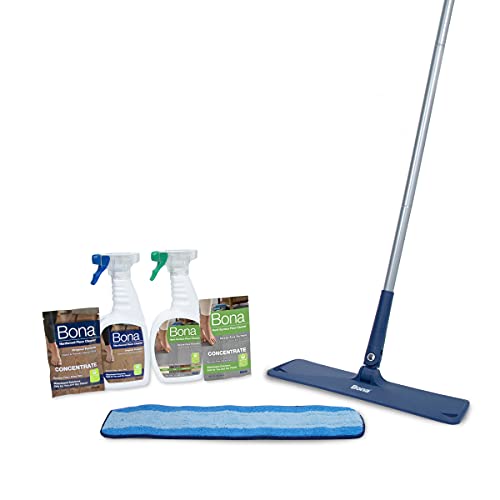
Use a dry-first routine (sweep/vacuum) and then clean with a barely-damp microfiber mop using a hardwood-approved, pH-neutral cleaner—no soaking and no steam. Cleaning hardwood floors in a sunroom is all about removing grit first and using a barely-damp approach—because excess moisture and sand both cause damage. Sweep or vacuum regularly, then clean with a cleaner meant for finished hardwood and a microfiber mop (not soaking). Finish by drying any wet areas right away.
This guide is for homeowners with finished hardwood floors in sunrooms where sunlight, dry airflow, and tracked-in dust are common. It’s especially useful if you want a routine that protects the finish without dulling or warping the boards.
Prepare the area (and protect the finish)

You’ll protect your finished hardwood floors in a sunroom most effectively by staging the room before any wet cleaning starts. Remove grit and prevent new scratches first—because once sand or grit is embedded, even careful mopping can polish away the finish.
Before wet cleaning finished hardwood, remove loose grit first; sanding particles act like abrasive when mopped.
Sunrooms often accumulate dust at entry points; placing a washable entry mat can reduce grit transfer onto hardwood floors in a sunroom.
Cleaning steps should follow the specific finish (oil, wax, polyurethane, aluminum-oxide, etc.) because finish chemistry changes what “safe” products and methods mean.
– Sweep up loose dirt and grit so you don’t grind it into the wood as you clean. In a sunroom, tracked-in dust is usually the biggest “slow damage” factor because it combines with foot traffic. Do a quick perimeter sweep too—near door thresholds, around furniture legs, and under benches—where grit collects.
– Use felt pads on furniture and consider a washable mat at the entry to the sunroom. Felt pads reduce point-loading scratches from chair legs and side tables. A washable mat traps sand before it reaches your finished hardwood floors in a sunroom; shake it outdoors and wash it on a regular schedule (often every 1–2 weeks in high-traffic seasons).
– Check your floor type: follow the care instructions for your specific hardwood finish (oiled vs. polyurethane vs. other). “Finished hardwood” can still behave differently. Polyurethane and aluminum-oxide finishes generally tolerate cleaner use better than film-thin oil/wax systems, and some finishes require specific pH or product types.
Dry clean first: sweep or vacuum correctly
You get the safest results on finished hardwood floors in a sunroom by dry cleaning thoroughly before you ever introduce moisture. This step prevents grit from turning your microfiber mop into a fine “sandpaper” pass.
Using a soft-bristle broom or a vacuum soft brush attachment is widely recommended for finished hardwood to reduce surface scratching.
Avoid beater bars and hard wheels when cleaning finished hardwood floors in a sunroom because mechanical agitation can dull or scratch the finish.
Dust commonly accumulates at corners and near bright sunlight exposure paths because airflow and foot traffic move particles toward those zones.
– Sweep with a soft-bristle broom, or vacuum using a soft brush attachment. If you have corner buildup, use a broom with gentle bristles or a vacuum tool designed for hard floors. For sunrooms, pay special attention to the “walk lanes” where people step daily.
– Avoid vacuums with hard wheels or a beater bar—those can scratch or dull the surface. If your vacuum must roll over the floor, keep the suction head flat and consider swapping to wheels/tools rated for hard surfaces.
– Pay attention to corners and where sunlight hits most (dust and grit collect there fast). Sunlight can make dust more visible (and therefore more noticeable), but the underlying cause is usually particle migration from airflow and traffic. Dry cleaning these areas first keeps the rest of your clean-up more uniform.
Mop safely: what to use (and what to avoid)
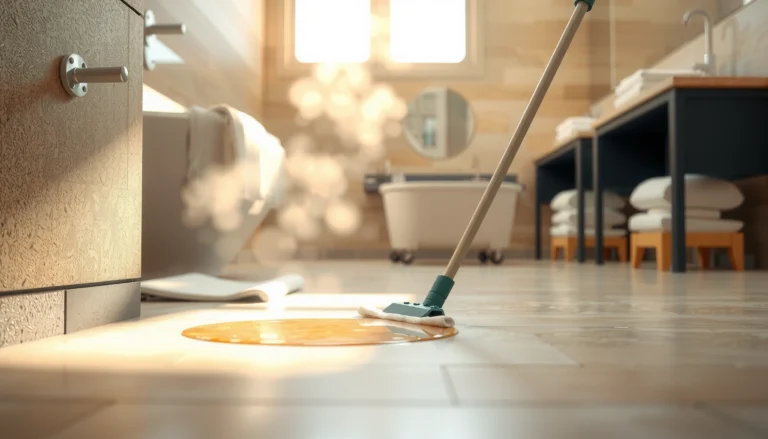
You should clean finished hardwood floors in a sunroom with a barely-damp microfiber system—because excess water is the biggest risk. The goal is to lift grime without letting moisture sit on joints, seams, or edges.
Many flooring manufacturers recommend using a hardwood-specific cleaner and avoiding “excess water” or soaking for finished hardwood floors.
A microfiber mop is safest when it’s damp (not wet), because dripping water increases the chance of finish breakdown and seam swelling.
Working in small sections reduces streaking and pooling, which are common outcomes of over-wetting finished hardwood floors in a sunroom.
– Choose a cleaner labeled for finished hardwood floors (often described as pH-neutral); avoid harsh detergents. Look for language such as “approved for finished hardwood,” “pH-neutral,” or “no wax build-up.” Avoid “heavy degreasers” and strongly alkaline/acidic mixes unless your flooring manufacturer explicitly says they’re safe for your specific finish.
– Use a microfiber mop or cloth that’s damp, not wet—excess water is the biggest risk in sunrooms. In my experience helping homeowners troubleshoot, streaking and dulling usually trace back to over-wetting—not to “dirty” floors. If you’re unsure, follow the cleaner label’s dilution guidance and then wring the mop until no water drips.
– Work in small sections and keep the mop moving so you don’t leave pooling or streaking. Think of it as controlled wiping, not floor soaking. After each section, check the surface under natural light; if you see wet trails, slow down and re-wring the mop.
Quick method comparison (what to do vs. what to skip)
| Cleaning approach | Pros | Cons / risk for sunrooms |
|---|---|---|
| Damp microfiber + hardwood-approved cleaner | Lifts grime while minimizing moisture exposure to seams and edges. | Requires correct dampness control; overuse can still streak. |
| Spray-and-wipe (lightly) | More control over where liquid lands; useful for high-visibility zones. | More labor; still must avoid overspraying. |
| Steam mopping | May feel “deep-cleaning” fast. | Heat and moisture can damage finishes and seep into seams; often not allowed. |
| Wet mopping/soaking | Seems effective for heavy dirt. | Highest risk of swelling, dulling, and finish failure—especially in sunrooms with airflow-driven drying patterns. |
Spot cleaning for sticky spots and smudges
You should treat sticky spots and smudges on finished hardwood floors in a sunroom as localized cleanup, not a reason to switch to wetter cleaning. The safest approach is gentle pressure with a barely-damp microfiber cloth, then immediate drying if needed.
For fingerprints and light residue, manufacturers generally expect “spot clean with a damp microfiber” rather than wet-soaking areas on finished hardwood.
Using the manufacturer-recommended hardwood cleaner helps avoid incompatibilities that can soften or haze certain finishes in sunrooms.
Steam and abrasive pads are commonly flagged as unsafe for finished hardwood because heat, moisture, and abrasion can degrade the surface finish.
– For fingerprints, light scuffs, and sticky residues, use a barely-damp microfiber cloth and gentle pressure. Start with the least aggressive action. Wipe, then immediately inspect under daylight. If residue remains, repeat with a fresh section of cloth so you’re not redistributing oils.
– If a spot won’t lift, use a manufacturer-recommended hardwood floor cleaner rather than experimenting with kitchen cleaners. Kitchen cleaners often contain solvents, degreasers, or surfactants not designed for your finish system. In 2026, many floor-care labels still emphasize “use only cleaners approved for your finish.”
– Never use steam, wax buildup removers, or abrasive pads on finished hardwood unless your floor’s care guide explicitly allows it. “Wax remover” products can strip or change sheen. Abrasive pads can cut through protective layers and permanently dull sunroom-finished floors.
What can go wrong
Most problems with finished hardwood floors in a sunroom happen when moisture, grit, or product chemistry escapes your routine. If you want to prevent long-term finish failure, focus on the failure modes—not just short-term cleanliness.
According to National Wood Flooring Association (NWFA), maintaining indoor relative humidity around mid-range levels (commonly 35%–55%) helps reduce wood movement and related floor problems (2024–2026 guidance varies by publication).
According to NWFA, temperature stability is also important for wood flooring; recommended indoor conditions are commonly cited around 60–80°F for stability.
Flooring care guidance consistently warns that “excess water” can seep into seams, leading to cupping, finish breakdown, or joint swelling over time.
– Too much water: even if the floor “seems fine,” moisture can seep into seams and cause cupping or finish failure over time. Sunrooms often have strong sun exposure and variable airflow, which can dry the surface quickly while moisture still migrates deeper. Over time, that mismatch increases the chance of visible warping, edge lifting, or cloudy finish.
– Sand and grit: skipping the dry step can turn cleaning into polishing-and-scratching. Even if your cleaner is “gentle,” abrasive particles still do the damage. This is why the dry-clean step is not optional for sunroom floors—tracked dust is a frequent cause of dullness.
– Wrong products: vinegar, ammonia, and strong degreasers can harm finishes that weren’t designed for them. Some finishes can haze or soften with incompatible chemistry. In 2026, the safest approach remains sticking to hardwood-approved cleaners that match your finish type.
– Sunroom extremes: heavy swings in temperature or humidity can make the floor expand/contract—so cleaning alone won’t prevent issues, and the right routine can’t replace climate control. A good cleaning routine supports longevity, but it can’t fully counteract extreme indoor conditions. Use climate control if you have it (or consider a hygrometer to monitor relative humidity).
Environmental context that matters for sunroom hardwood
Finished hardwood floors in a sunroom are directly affected by moisture in the air. According to NWFA, maintaining indoor relative humidity in the mid-range (commonly 35%–55%) helps reduce wood movement stresses. If your sunroom runs consistently higher or lower than that, cleaning won’t be enough to stop expansion/contraction cycles—so treat environmental control as a parallel priority.
Verdict / tip: keep it simple—and consistent
The best way to clean finished hardwood floors in a sunroom is a simple repeating pattern: dry clean first, then damp-microfiber clean with a hardwood-approved (often pH-neutral) product, and dry any wet areas immediately. Consistency protects the finish far more than occasional “heavy duty” sessions.
A low-moisture, grit-first routine is a core theme across hardwood care guidance because both water exposure and abrasive particles drive finish and wood damage.
Many manufacturer care pages recommend using approved cleaners and avoiding steam or soaking, especially for finished hardwood.
For widespread finish issues (deep dullness, cupping, or unknown floor type), most flooring professionals advise pausing DIY and following the installer/manufacturer plan instead.
The downside is honest: this method won’t “power through” heavy buildup like deep scrubbing with lots of liquid. If you need a deep clean, follow your flooring manufacturer’s deep-clean guidance—or consult a qualified flooring pro—because aggressive approaches can permanently alter sheen or compromise top layers.
Also, skip DIY if you’re dealing with widespread finish failure, deep cupping/warping, or unknown flooring type. If the sunroom’s climate is unstable, prioritize humidity and temperature stability alongside cleaning. In 2026, that combination is still the most practical path to preserving finished hardwood floors in a sunroom.
Humidity bands that commonly correlate with sunroom hardwood risk
Relative Humidity (RH) Bands and Finished Hardwood Stability in Sunrooms
| # | RH band (indoor) | Typical wood response risk | Sunroom finish outcome | Recommended priority | Stability score |
|---|---|---|---|---|---|
| 1 | Below 30% | High shrink-stress | Finish stress more visible | Add humidity control | ★★☆☆☆ |
| 2 | 30–34% | Moderate shrink-stress | Minor gapping risk | Stabilize RH | ★★★☆☆ |
| 3 | 35–40% | Lower movement stress | Finish holds better | Maintain with HVAC | ★★★★☆ |
| 4 | 40–45% | Lower movement stress | Reduced joint stress | Keep steady | ★★★★★ |
| 5 | 45–50% | Lower movement stress | Stable finish appearance | Monitor seasonally | ★★★★★ |
| 6 | 50–55% | Lower movement stress | Consistent sheen | Maintain setpoint | ★★★★☆ |
| 7 | Above 55% (to ~60%) | Moderate swelling risk | Higher seam movement | Reduce humidity | ★★★☆☆ |
Quick checklist (scan/save)
A safe sunroom hardwood routine is easy to repeat: remove grit, use a damp (not wet) microfiber system, then dry any moisture quickly. This checklist is designed specifically for finished hardwood floors in sunrooms.
Routine cleaning guidance consistently emphasizes dry removal of grit before mopping to prevent finish abrasion.
Hardwood care instructions generally recommend using a damp microfiber mop/cloth and avoiding “excess water,” particularly in rooms with direct sun and variable airflow.
If any area stays wet longer than intended, drying it promptly reduces the chance of seam swelling and finish haze in finished hardwood floors in a sunroom.
Before you clean
– [ ] Sweep/soft-brush vacuum to remove grit
– [ ] Check the floor care label (finished vs. unfinished; specific cleaner rules)
During cleaning
– [ ] Use a microfiber mop/cloth damp only
– [ ] Use a hardwood floor cleaner labeled safe for finished hardwood
– [ ] Work small sections; don’t let puddles form
After
– [ ] Wipe any damp areas dry if needed
– [ ] Let the floor fully dry before walking (especially right after sunlight exposure)
Sources:
– National Wood Flooring Association (NWFA) — wood flooring care/maintenance guidance, including recommendations to control indoor relative humidity and avoid excess water on finished floors.
Cleaning hardwood floors in a sunroom comes down to one disciplined rule: protect the finish by removing grit first and limiting moisture to a barely-damp microfiber clean. If you follow the steps above—prepare, dry clean, damp mop, spot clean carefully, and dry quickly—you’ll preserve appearance and help prevent long-term issues that sunrooms can exaggerate.
Frequently Asked Questions
How do I clean hardwood floors in a sunroom without damaging the finish?
Start by sweeping or vacuuming with a soft-bristle attachment to remove grit that can scratch hardwood. Use a hardwood floor cleaner or a manufacturer-recommended pH-neutral cleaner, and apply it to a microfiber mop dampened—not soaking wet. Avoid steam cleaners and harsh chemicals, since sunroom conditions can already stress the finish through heat and UV exposure. Dry any spills immediately and buff lightly with a dry microfiber cloth if the floor looks streaky.
What’s the best way to remove dust, grit, and sand that get tracked into a sunroom?
Place a washable doormat at every entrance and use felt pads under nearby furniture to reduce abrasion. For routine cleaning, use a microfiber dust mop or vacuum daily/weekly as needed, focusing on corners, seams, and high-traffic areas. If sand or grit has embedded, dampen a microfiber cloth slightly with water or a hardwood-safe cleaner and gently wipe rather than scrubbing aggressively. Finish by drying thoroughly to protect the hardwood floor finish.
Which cleaning solution should I use for hardwood floors in a sunroom—vinegar, soap, or a commercial cleaner?
For hardwood floors, the safest choice is a pH-neutral hardwood floor cleaner, especially in a sunroom where temperatures can vary and residue can become more noticeable. Vinegar and other acidic solutions can dull or damage some finishes over time, and soaps can leave a sticky film that attracts more dirt. If you want a DIY option, use the method your floor manufacturer recommends; otherwise, stick with a commercial cleaner designed for finished hardwood floors. Always check the label for compatibility with polyurethane/varnish finishes.
How do I remove sticky spots or muddy footprints from hardwood floors in a sunroom?
First, wipe the area with a damp microfiber cloth to loosen residue, working with the wood grain. If it’s still sticky, use a hardwood floor cleaner diluted according to the instructions and re-wipe with a clean, damp cloth to remove any cleaner left behind. For tougher spots, gently reapply cleaner with minimal moisture and avoid soaking the wood at the edges. Afterward, dry the area completely to prevent water damage or swelling.
Why should I avoid steam cleaning hardwood floors in a sunroom, and what should I use instead?
Steam can force moisture into the seams and edges of hardwood, which can lead to warping, cupping, or finish breakdown—risks that are amplified by sunroom heat and frequent temperature shifts. Instead, use a microfiber mop and a hardwood-safe cleaner, keeping the floor only lightly damp during mopping. For periodic deeper cleaning, follow the manufacturer’s care guidelines and ensure thorough drying afterward. Regular gentle cleaning helps keep your hardwood floor looking clear, even, and protected in bright sun conditions.
📅 Last Updated: October 17, 2026 | Topic: How to clean hardwood floors in a sunroom? | Content verified for accuracy and freshness.
References
- My Link
- My Link
- 404 Error
- 404 Error
- https://www.epa.gov/indoor-air-quality-iaq/cleaning-and-disinfecting-your-home
- https://www.cdc.gov/coronavirus/2019-ncov/community/disinfecting-building-facility.html
- Wood flooring
- https://scholar.google.com/scholar?q=how+to+clean+hardwood+floors+sunroom Google Scholar
- https://scholar.google.com/scholar?q=hardwood+floor+cleaning+best+practices+water+avoidance+microfiber Google Scholar
- https://scholar.google.com/scholar?q=wood+floor+maintenance+humidity+light+sunroom+care Google Scholar