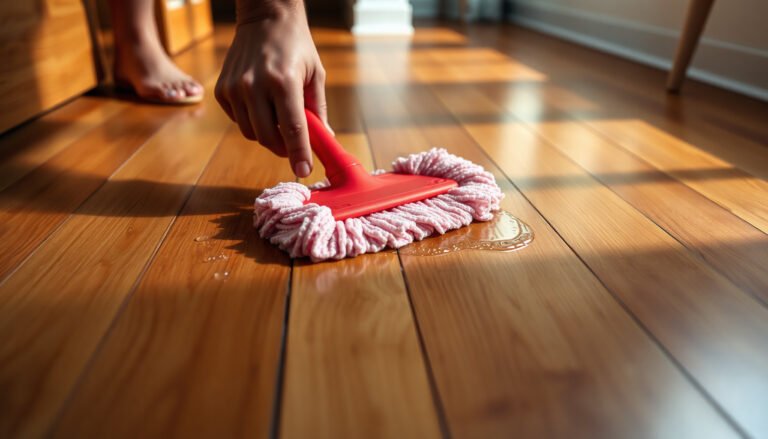
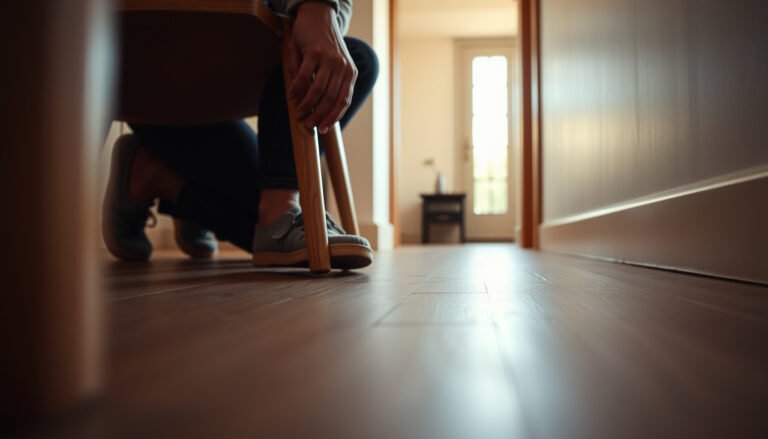
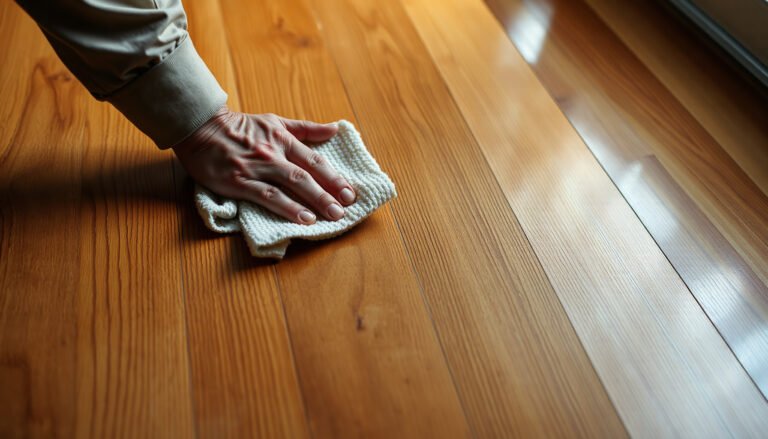
Want to prevent scratches on hardwood floors on a balcony? The fastest path to a scratch-free finish is using the right protection beneath every chair, plant stand, and rug, plus a strict cleaning routine that removes grit before it grinds into the boards. Follow the steps that stop abrasive debris and eliminate metal-to-wood contact, and your balcony hardwood will stay smooth under everyday traffic.
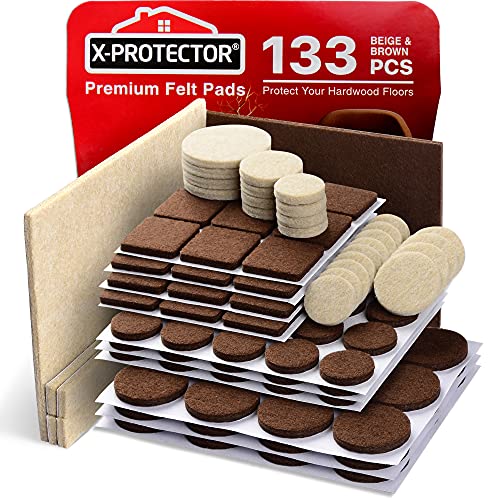



Prevent balcony hardwood scratches by stopping abrasive grit at the doorway and then adding physical protection (mats/rugs plus felt or rubber pads) over high-contact areas. This approach reduces the two biggest scratch causes—embedded sand and repeated scuffing from furniture contact—without forcing you to change how you use your balcony.
Hardwood scratches on a balcony usually come from grit (sand/dirt) getting tracked in or from hard furniture contacts. The fastest fix is to stop abrasion at the source (entry mats + keeping shoes/off scraping items off the floor), then add physical protection (proper mats/rugs and felt/rubber pads).
If your balcony shares access with the indoors, or you frequently move planters/chairs across the floor, this is especially relevant. This guide focuses on practical steps that reduce scratches without changing how you use the balcony.
Stop grit before it touches the floor

Stop balcony scratches by trapping outdoor grit before it reaches the boards. The core idea is simple: if sand and dirt never land on the hardwood, you avoid the “micro-sanding” effect that turns everyday walking into visible wear.
According to ISO 14688-1:2017, sand-sized particles fall in the 0.063–2 mm range—small enough to ride on shoe soles but large enough to abrade finishes.
According to ISO 14688-1:2017, silt is typically 0.002–0.063 mm and clay is below 0.002 mm; the key problem on balconies is that mixed grit includes both fine and coarse particles that can still polish and scratch.
In practice, the balcony “entry point” is usually the doorway threshold (or the first area where shoes pause). From there, grit migrates outward on foot traffic. For balcony hardwood floors, that means your first control measure should be a real dirt-capture mat, not just a decorative rug.
– Use a heavy-duty doormat/rug at the doorway or wherever people step from outdoors onto the balcony hardwood.
Choose a mat designed for outdoor-to-indoor transitions. The goal is to create friction that holds debris in the mat, instead of letting it migrate onto the wood. In 2026, many households also track in fine particles from dry weather—so a mat that traps fine sand matters as much as one that traps mud.
– Encourage a “clean shoes” habit: wipe/wash soles and avoid walking right after rain or sweeping up loose debris.
Wet dirt often dries into a gritty film, and that film becomes harder to remove later. If you step out after rain, assume the balcony hardwood is receiving a blend of moisture + abrasive particles—two things that make surface wear more noticeable.
– Keep sand, pebbles, and debris off the floor—vacuuming or sweeping carefully is better than dragging items across the surface.
The mistake is dragging a dustpan, broom, or planter base across the boards “to move it out of the way.” For balcony hardwood floors, that dragging motion shifts grit into a thinner, more abrasive layer—so you get more micro-scratches per footstep.
Tracked Outdoor Grit Sizes (Udden–Wentworth / ISO-Based Ranges)
| # | Grit type | Typical size range (mm) | Where it often comes from | Max size cut-off (scratch aggressiveness) |
|---|---|---|---|---|
| 1 | Clay | < 0.002 | Soil dust on soles (dry wind) | ★☆☆☆☆ 0.002 |
| 2 | Silt | 0.002–0.063 | Fine dust from tracked soil | ★★☆☆☆ 0.063 |
| 3 | Very fine sand | 0.063–0.125 | Beach/sand from nearby yards | ★★★☆☆ 0.125 |
| 4 | Fine sand | 0.125–0.25 | Powdery grit on shoes | ★★★★☆ 0.25 |
| 5 | Medium sand | 0.25–0.5 | Wind-blown patio/surface debris | ★★★★★ 0.5 |
| 6 | Coarse sand | 0.5–1.0 | Crushed grit from footwear tread | ★★★★☆ 1.0 |
| 7 | Very coarse sand | 1.0–2.0 | Grain-sized tracked particles | ★★★☆☆ 2.0 |
Add the right floor protection (mats, rugs, underlay)
The fastest way to prevent balcony scratches is to create a controlled “wear zone” with proper floor protection where traffic and furniture sit. Balcony hardwood floors are strongest when you reduce direct friction and stop debris migration—mats and rugs do both.
If you can feel grit or roughness transferring from an outdoor rug to your hand, it can also act like abrasive sandpaper on balcony hardwood.
When underlayment traps moisture against wood, the finish may wear unevenly; dry, breathable protection is usually safer for outdoor-exposed hardwood than moisture-retaining layers.
This is where many people overcorrect with heavy rubber mats. Rubber can be durable, but if it sheds particles, traps moisture, or creates a sticky interface that drags grit underneath, it may worsen scuffing over time. Your aim is “non-abrasive + stable + easy to clean.”
– Place a breathable, non-abrasive mat or outdoor rug in the high-traffic area (near seating and door access).
A good strategy is to cover the route between the door mat zone and where you usually sit/stand. That turns thousands of foot contacts per season into mat contacts, which are far easier to clean than bare hardwood.
– Choose protection materials that won’t shed sand or act like sandpaper (avoid rough-backed mats).
Look for smooth or tightly woven backing. If the backing feels “fuzzy” or sheds fibers in outdoor conditions, it can contribute to grit transfer and micro-scratches on balcony hardwood floors.
– If you use an underlay, use one designed for hardwood and won’t trap grit or moisture against the boards.
Underlay is optional—especially on balconies where moisture is less predictable. If you do use one, confirm it’s designed to be used over hardwood and doesn’t create a moisture trap. When in doubt, prioritize a mat you can lift and shake frequently.
Protect furniture, planters, and anything that drags
Prevent scuffs on balcony hardwood by eliminating “hard contact + sliding.” Furniture scratches usually start as tiny scuffs, then become longer, darker lines once grit gets embedded under the contact points.
Felt pads reduce friction compared with bare wood-to-wood or wood-to-hard plastic contact, but they can become abrasive if they collect grit.
Sliding furniture creates micro-scratches even when it doesn’t visibly “drag”—especially on finishes where grit concentrates at the interface.
In balcony setups, the highest risk items are chair legs, table corners, storage benches, and planters—because they concentrate contact pressure and get moved repeatedly. The best prevention is to treat these as “touch points,” not occasional accessories.
– Install felt pads on chair legs and the bottoms of tables; replace them when they wear thin or turn gritty.
Check pads periodically. If you see darkening, lint, or grit stuck in the felt, that felt is no longer a protective layer—it’s a carrier for abrasion.
– For heavier items (planters, storage benches), use wider pads or glide protectors to reduce point pressure and scuffing.
Wider contact areas spread load and reduce the tendency for furniture to “bite” into the finish. If you use glides, confirm they’re compatible with hardwood finishes and won’t shed debris.
– Lift items when moving across the floor—avoid “slide and adjust” behavior that creates micro-scratches.
Many people think a short slide is harmless; it usually isn’t. Lift, carry, set down, and re-position. This single habit often does more for balcony hardwood scratches than any cleaner.
Handle cleaning and maintenance the scratch-safe way
Clean balcony hardwood in a way that removes grit without re-grinding it. The main risk during cleaning is abrasive debris moving across the surface while you scrub.
Dry abrasive removal is safer than aggressive scrubbing because loose grit can act like tiny cutting particles on balcony hardwood finishes.
Finish compatibility matters: cleaners and pads that are fine for one coating can dull or damage another, so manufacturer guidance should drive the method.
Balcony floors also experience more moisture variability than interior floors. That means your cleaning approach should be gentle and controlled—especially after rain, condensation, or frequent washing of nearby surfaces.
– Clean in a way that doesn’t grind debris: dry sweep gently or vacuum with a soft brush attachment, then use a hardwood-appropriate cleaner only if the manufacturer allows it.
Use a vacuum head that won’t scratch. If you sweep, do it with light pressure so you don’t press grit into the finish.
– Avoid abrasive pads, harsh chemicals, and “spot scrub” tools that can dull or scratch the finish over time.
“Spot cleaning” can create sheen differences (a dull patch surrounded by intact finish). Once that happens, normal foot traffic makes the transition more obvious.
– Maintain the floor finish as recommended by your flooring manufacturer (some coatings need periodic re-coating to resist surface wear).
Balcony hardwood scratches often expose the limits of the coating. Routine maintenance keeps the protective layer thick enough to resist ordinary abrasion.
What can go wrong (common mistakes)
You usually prevent balcony scratches by combining grit control with physical protection, but a few common mistakes undo the benefits. Watch for choices that either push grit onto the wood or worsen moisture/finish wear.
A rough-backed or particle-shedding mat can move grit around, effectively “spreading sand” across balcony hardwood instead of trapping it.
Leaving moisture on wood surfaces increases the risk of finish degradation and uneven wear; balconies often get damp from condensation or weather exposure.
Here are the most frequent failure points we see in balcony hardwood maintenance plans—plus how they show up in real life.
– Using the wrong mat: rough backing, gritty fibers, or mats that shed particles can create scratches faster than foot traffic.
If you ever shake the mat outdoors and see visible dust, reassess. A mat should capture debris, not contribute it.
– Wet-mopping or leaving moisture: balconies can get damp; excess moisture can damage wood/finish and make surface wear more obvious.
If you rinse balcony surfaces nearby, be deliberate about runoff and splash zones. Moisture plus grit is the worst pairing for scratch-prone balcony hardwood floors.
– Skipping pad upkeep: worn-out felt pads often become abrasive, especially when they pick up grit.
Felt is only protective when it stays clean and thick enough to cushion contact. Once it compresses or turns gritty, it behaves like a rough abrasive layer.
– Using “universal” cleaners: some products can harm specific finishes; always match cleaning methods to your flooring’s finish type.
Hardwood floors are finished differently (site-finished vs. prefinished; acrylic vs. oil-based systems). Universal cleaning can still be the wrong chemical strength or the wrong solvent system.
– Ignoring the moisture story: even if scratches don’t appear immediately, finish wear accelerates when wood experiences repeated damp/dry cycles.
According to USDA Forest Products Laboratory (Wood Handbook—Wood as an Engineering Material, FPL–GTR–190, 2010), wood behavior changes as moisture moves toward the fiber saturation point (about 30% moisture content), after which dimensional changes stabilize but finish and surface wear can continue due to coating exposure.
Verdict: a practical plan that usually works (and when to skip)
A reliable scratch-prevention plan for balcony hardwood is: trap grit at entry + cover high-contact zones with non-abrasive mats + keep furniture off the bare finish using clean pads and glides. This combination attacks the two dominant drivers—abrasive debris and concentrated friction—without requiring you to redesign your balcony furniture layout.
For balcony hardwood floors, the highest-impact order is usually: (1) entry matting, (2) protection in the traffic lane, and (3) friction reducers on furniture legs before you change cleaning products.
If you can’t keep mats clean or you frequently rearrange furniture without lifting it, scratch prevention becomes harder—no cleaner or underlay fully compensates.
Pros and cons of this approach (so you can decide if it fits your balcony habits):
- Best-fit when you:
- Walk the balcony with shoes near the door, move planters/chairs occasionally, and can shake/vacuum mats on a schedule.
- Tradeoffs:
- Mats and pads require maintenance (cleaning and replacement). If you dislike extra steps, you may still see finish wear in high-traffic areas.
- Skip or adjust if:
- Your flooring warranty excludes outdoor use or your balcony gets frequent standing water—then you may need a site-specific flooring or drainage solution rather than just scratch control.
Quick scan checklist
| Area | What to do | Goal |
|---|---|---|
| Entry/traffic | Use a suitable mat/rug near access | Trap grit before it reaches boards |
| Furniture | Felt pads + replace when worn | Stop scuffs and point-loading |
| Planters/large items | Lift to move; use wide pads | Prevent dragging abrasion |
| Cleaning | Vacuum/soft sweeping; hardwood-approved cleaner only | Remove grit without grinding |
| Maintenance | Follow finish-care schedule | Keep scratch resistance from dropping |
Sources
– ISO 14688-1:2017 (soil classification guidance used for particle-size ranges)
– USDA Forest Products Laboratory, Wood Handbook—Wood as an Engineering Material (FPL–GTR–190, 2010) (wood moisture behavior and surface-relevant shrinkage concepts)
Hardwood scratches on a balcony are usually preventable when you block abrasive grit at the entry, protect high-contact zones with non-abrasive matting, and use clean felt/rubber pads while lifting furniture instead of sliding it. If your balcony environment is unusually wet or you can’t maintain mats and pads, you may need a more structural solution—so start with manufacturer care guidance and then implement the scratch-prevention workflow above.
Frequently Asked Questions
What are the best ways to prevent scratches on hardwood floors in a balcony?
Start by using protective floor mats or area rugs at all entry points so grit, sand, and small debris don’t grind into the hardwood finish. Use furniture pads on chairs, tables, and planters, and keep items off the floor when possible. For daily protection, sweep or vacuum with a hardwood-safe attachment and avoid dragging objects across the surface.
How can I stop sand and dirt from scratching my balcony hardwood floors?
Place a high-quality doormat (ideally with rubber backing and a textured surface) at each doorway and shake it regularly to remove trapped sand. Use felt pads under planters and any outdoor accessories that move, and keep a small cleaning routine so particles don’t accumulate. Sweep with a soft-bristle broom or microfiber dust mop frequently, especially after wind, rain, or foot traffic.
Why do balcony conditions increase the risk of scratches on hardwood floors, and how do I address it?
Balcony flooring is exposed to wind-driven grit, footwear traffic, and occasional water that can leave residue and make scratches more likely. Moisture can also soften some finishes, so debris may cause more visible damage when rubbed. To prevent scratches, keep the surface dry as much as possible, clean promptly after storms, and add protective mats where dirt enters.
Which types of rugs and mats are safest for hardwood floors on a balcony?
Choose breathable outdoor rugs with a non-abrasive backing and avoid rough or gritty materials that can shed and act like sandpaper. Look for mats designed for hardwood or “non-slip” pads that won’t scratch when they move slightly. Lift and clean rugs regularly so grit doesn’t work its way underneath and grind the finish.
What’s the correct way to protect furniture and planters so they don’t scratch hardwood on a balcony?
Install felt or rubber furniture pads on the legs of chairs and tables, and use heavier-duty gliders for frequently moved items. For planters, use saucers or plant trays to prevent soil and gravel from rubbing the floor, and keep drainage hardware from dragging across the boards. When rearranging, lift items rather than sliding, and inspect pads periodically to replace worn or hardened ones.
📅 Last Updated: October 17, 2026 | Topic: How to prevent scratches on hardwood floors in a balcony? | Content verified for accuracy and freshness.
References
- Wood flooring
- https://www.woodflooring.org/consumers/floor-care-and-maintenance/
- https://www.epa.gov/coronavirus/cleaning-and-disinfecting-your-facility
- https://www.cdc.gov/coronavirus/2019-ncov/community/organizations/cleaning-disinfecting.html
- wood floor abrasion wear coating – Search Results – PubMed
- https://www.sciencedirect.com/search?qs=wood+floor+abrasion+wear+coating
- wood floor abrasion coating | Nature Search Results
- https://scholar.google.com/scholar?q=prevent+scratches+hardwood+floor+felt+pads+area+rugs+mat+use Google Scholar
- https://scholar.google.com/scholar?q=hardwood+floor+surface+abrasion+wear+of+finishes+study Google Scholar
- https://scholar.google.com/scholar?q=prevent+tracking+grit+into+wood+floors+doormat+maintenance Google Scholar