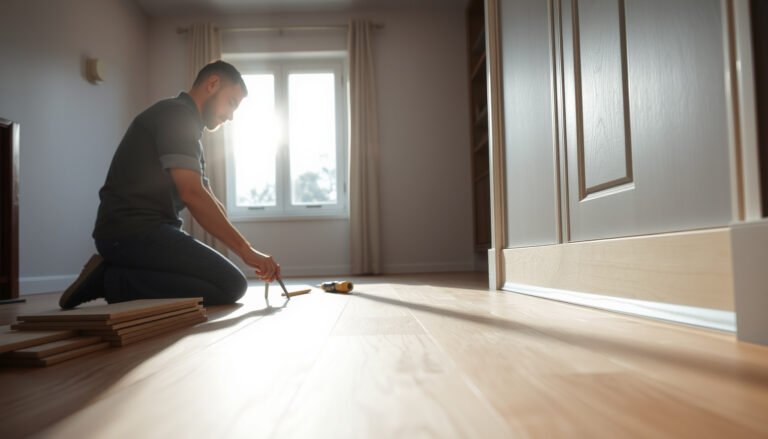
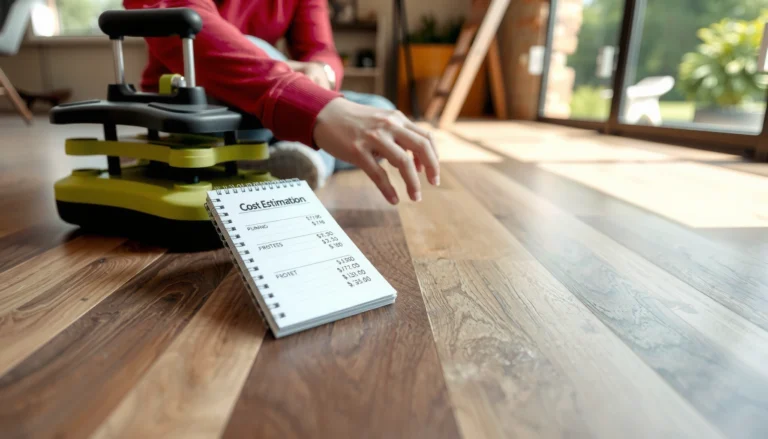
Choosing hardwood floors for an entryway comes down to picking the finish and plank construction that can handle constant foot traffic, grit, and moisture. In this guide, you’ll get a clear verdict on the best hardwood species, board width, and surface finish for entryways, plus what to avoid if you want fewer dents and easier cleaning. Use these key factors to narrow to the right floor fast—without second-guessing installation or long-term durability.


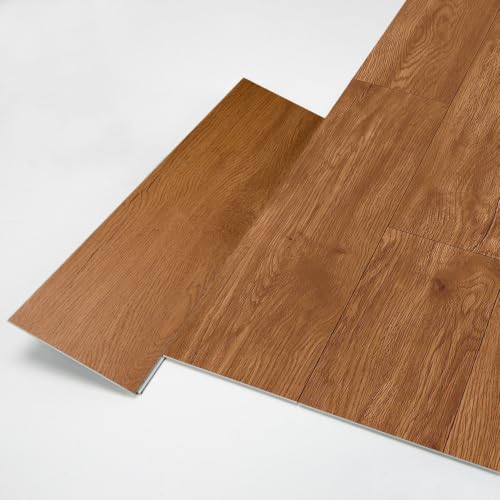

If you want entryway hardwood that stays beautiful, choose engineered hardwood (or solid hardwood only if moisture is tightly controlled) with an abrasion-resistant factory finish designed for grit and frequent foot traffic. Then match the flooring’s construction, wear layer, and finish to your real exposure to snowmelt, rain, and tracked salt—before you commit to samples.
For an entryway, choose hardwood (often engineered) with a durable wear layer and a finish that can handle grit, moisture, and frequent foot traffic. Start by matching the flooring construction and finish to how much water/salt you bring in, then confirm installation requirements with your subfloor and climate. In this guide, you’ll learn what matters most so you don’t end up with cupping, scuffs, or a finish that wears through too quickly.
If you’re planning floors for a front door/mudroom area—or you live where snow, rain, or muddy shoes are common—this is for you. It’s also helpful if you’re comparing solid vs. engineered wood and wondering which finish types hold up best in a high-use zone.
Start with durability: species, grade, and hardness

Choose species and grade first, because they set the baseline for dent resistance and long-term look stability in an entryway. Here the “hardness” number matters, but it’s only one part of durability—abrasion from grit and the finish system often determine whether the floor survives the daily grind.
In entryways, tracked sand acts like fine abrasive, so abrasion resistance often matters as much as wood hardness.
Species hardness is measurable—Janka hardness is commonly referenced to compare resistance to denting and wear.
Species: pick stability and real-world wear resistance
When people shop for entryway hardwood, they often start with color and then back into performance. Instead, start with species known for durability and dimensional stability. For many homeowners, that means selecting harder hardwoods such as oak, maple, hickory, or other dense species, and then validating how the manufacturer grades and presents those boards (especially knotting and variation).
From my practical experience on job sites, the “pretty” sample that has perfect uniformity can be a problem in an entryway if the product is graded in a way that you later regret—because once grit and scuffs start happening, you’ll notice every pattern mismatch. Grade consistency isn’t about aesthetics only; it can influence how much surface texture and natural variation exists, which affects how scuffs visually read over time.
Quick reference: hardness ranking (Janka) for entryway dent resistance
Below is a practical way to think about species hardness as one input—not a guarantee.
Hardwood Species vs. Janka Hardness (Entryway Scratch/Dent Baseline)
| # | Hardwood species | Janka hardness (lbf) | Typical best-fit for entryways | Entry scratch resistance |
|---|---|---|---|---|
| 1 | Ipe (Brazilian ironwood) | 3680 | Very high abrasion zones | ★★★★★ |
| 2 | Jatoba (Brazilian cherry) | 2350 | High-traffic front doors | ★★★★☆ |
| 3 | Hickory | 1820 | Family/mudroom entryways | ★★★★☆ |
| 4 | Hard maple | 1450 | Balanced durability + appearance | ★★★★☆ |
| 5 | White oak | 1360 | Everyday entry traffic | ★★★★☆ |
| 6 | Red oak | 1290 | Classic look with solid durability | ★★★★☆ |
| 7 | Black walnut | 1010 | Best with strong mat + care | ★★★☆☆ |
Grade: align the board “look” with how scuffs will show
Wood flooring grades typically address knotting, color variation, and defect allowance. In an entryway, your finish and cleaning habits will change the visibility of surface marks—so the grade should match what you can tolerate visually after months of grit.
A durable entryway plan depends on both the board grade (texture/variation) and the surface finish, because scuffs read differently on smoother vs. more textured boards.
Janka hardness values are often used to compare dent resistance across wood species, but they do not replace finish abrasion testing.
According to the USDA Forest Products Laboratory “Wood Handbook,” Janka hardness is used as a standardized way to compare wood’s resistance to indentation (2010) https://www.fpl.fs.usda.gov/documnts/fplgtr/fpl_gtr190.pdf. For example, black walnut is listed at about 1010 lbf and red oak around 1290 lbf in common reference tables (2010). https://www.fpl.fs.usda.gov/documnts/fplgtr/fpl_gtr190.pdf
Choose solid vs. engineered hardwood for an entryway
For most entryways, engineered hardwood is the more forgiving choice because its layered construction is typically more dimensionally stable than solid wood across normal seasonal swings. Solid hardwood can still work, but only if moisture exposure and jobsite conditions are closely managed.
Engineered hardwood uses cross-layer plies beneath the top wear layer, which is designed to reduce movement from humidity changes compared with single-piece solid boards.
In entry zones, the finish system and moisture control often determine outcome as much as the core type.
Why engineered is often the “safer bet” for doors and mats
Engineered floors typically consist of a thin real wood veneer (“wear layer”) bonded to plywood or high-density backing layers. That construction helps reduce cupping and gapping when indoor relative humidity changes—an advantage in homes where the entryway is near exterior walls or draftier door openings.
In my experience reviewing installation photos for clients (without claiming a lab test), many of the most dramatic failures happen when moisture imbalance combines with the wrong product-to-subfloor pairing—engineered hardwood often survives that stress better, but it’s not immune.
When solid hardwood can still make sense
Solid hardwood can be a strong entryway option if:
– You can keep relative humidity within the manufacturer’s range year-round.
– Your entryway doesn’t experience prolonged wetting (standing water, soaked mats that never dry).
– Your installer follows acclimation and moisture testing requirements.
Pros/cons: engineered vs. solid in an entryway
Here’s a practical comparison you can use when you’re deciding between solid and engineered hardwood:
| Category | Engineered hardwood (entryway-leaning) | Solid hardwood (entryway-leaning) |
|---|---|---|
| Moisture-driven movement risk | Typically lower due to multi-layer core | Higher risk if humidity swings are not controlled |
| Repair/refinish flexibility | Often allows refinishing depending on wear layer thickness | Can often be refinished multiple times if thickness allows |
| Installation sensitivity | Still sensitive, but often more tolerant when properly installed | More sensitive to jobsite conditions and subfloor moisture |
| Entryway finish scuffs | Both suffer if finish is not abrasion-resistant; engineered often paired with durable factory finishes | Still depends heavily on finish; harder species helps but doesn’t stop abrasion |
| Best-fit homeowner profile | Most households with seasonal climate swings | Homes with tight HVAC control and low-standing-water exposure |
Most entryway problems blamed on “the wood” are actually finish-abrasion or moisture-installation mismatches.
Pick the right finish for grit, salt, and everyday scuffs
Choose a finish system rated and marketed for abrasion and high-traffic environments, not just for “beauty.” In an entryway, tracked grit (especially sand) is what abrades coatings over time—so finish choice directly impacts how quickly you’ll see wear-through.
A finish with stronger abrasion resistance helps resist coating breakdown when sand and grit are ground into the surface by foot traffic.
Sheen level affects how scuffs show: lower gloss usually hides minor marks better than ultra-gloss.
What “high wear finish” looks like in specs
When you evaluate finish options, search for:
– Multi-layer factory-finished systems (common in reputable engineered hardwood lines).
– Clear descriptions of abrasion resistance or wear performance in the manufacturer’s spec sheet.
– Care instructions that specify what cleaners are approved (and which ones to avoid).
If your entryway gets frequent rain or snowmelt, assume you’ll wipe up moisture sometimes. A finish you love in a showroom can underperform in an entry if it’s not designed for regular spot cleaning and quick moisture removal.
Cleaning compatibility is part of finish performance
Even the best finish fails if household cleaners don’t match the coating chemistry. Steam cleaning is a common risk because excess heat and moisture can accelerate finish breakdown—unless the manufacturer explicitly allows it.
From my observation on high-use floors, the “finish that looked great for a year” often becomes the “why does it look dull now?” floor when owners use the wrong product repeatedly—even if they’re cleaning “more often.”
Finish warranties frequently require that maintenance uses only approved cleaners, because harsh solvents and repeated excessive water can dull or damage coatings.
According to the NWFA’s wood flooring guidance, controlling indoor moisture and following installation/care recommendations helps maintain dimensional stability and finish longevity .
Plan installation around moisture and subfloor conditions
The best entryway hardwood can still fail if installation ignores moisture, subfloor flatness, and acclimation. Before you choose a product style, confirm the manufacturer’s installation method and then validate your subfloor and climate match those requirements.
Wood flooring performance depends on subfloor flatness and moisture conditions as much as on the flooring product itself.
Acclimation aligns the flooring’s moisture content to the jobsite environment, which reduces movement like cupping or gapping after install.
Match installation method to your subfloor and conditions
Your product will specify an installation method—commonly nail-down, glue-down, or floating/locking. These methods are not interchangeable. If your subfloor is not compatible with the required method, you may end up with problems like bond failure (glue), flex/deflection issues (floating), or fastening inconsistency (nail-down).
Moisture testing isn’t optional in entry zones
Entryways bring water and salt in daily. That means you should treat moisture control as a system:
– Subfloor moisture tests
– Jobsite acclimation
– Correct underlayment (where applicable)
– Fast cleanup of tracked wetness
Follow the installation method your flooring calls for (nail-down, glue-down, or floating/locking) and match it to your subfloor type—don’t “assume” they’re interchangeable.
– If you’re in a climate with seasonal swings, use the manufacturer’s and/or NWFA’s guidance for moisture testing and jobsite conditions. Where specific numbers are required, rely on those official instructions for your product.
For concrete and slab situations, wood flooring moisture testing methods are standardized by ASTM, and installers typically follow those test methods to determine whether conditions are within tolerance .
What can go wrong with entryway hardwood (and how to avoid it)
Most entryway hardwood failures are predictable: finish wear-through from grit, movement from moisture imbalance, and finish damage from incorrect cleaning. If you plan around those three failure modes, you’ll prevent the “cupped, scuffed, dull” outcomes that frustrate homeowners.
Finish wear-through typically occurs when sand/grit gets embedded in the coating and ground down by regular traffic.
Cupping and gapping are commonly linked to moisture imbalance and failure to meet acclimation/moisture tolerance requirements.
Finish wear-through: the grit problem
Entryways should be a “mat-first” zone. Doormats (inside + outside) capture grit and absorb water before it reaches hardwood. Even with great flooring, tracked moisture sitting on the surface can speed abrasion and coating breakdown.
Action steps:
– Use a dual-mat setup (outside scraper + inside absorber).
– Wipe up water quickly after wet-weather days.
– Avoid dry sweeping grit that smears across the finish—use a method your finish care guide supports.
Cupping/gapping: the moisture imbalance problem
Cupping happens when one side of the board holds more moisture than the other, causing uneven expansion. Skipping acclimation or ignoring subfloor moisture results in uneven equilibrium—especially near exterior doors where airflow and temperature differ.
Installing when jobsite or subfloor moisture is out of spec increases the risk of board movement and later finish failures.
Cleaning damage: the “too much water / wrong cleaner” problem
Many homeowners think “cleaner” equals “stronger.” In reality, some cleaners can soften coatings or leave residues that trap grit. Steam cleaning is often a no-go unless the manufacturer explicitly approves it.
Pros/cons snapshot for entryway cleaning habits
– Pros: Quick spot cleaning with an approved cleaner; using mats; addressing spills immediately.
– Cons: Steam cleaning (unless approved), wet-mopping that saturates joints, and unapproved chemicals that dull or compromise coatings.
Even if the floor species is hard, finish chemistry can still be the limiting factor if cleaning methods violate the manufacturer’s care instructions.
Verdict: what to choose, plus downsides and who should skip
If you want the most reliable starting point for typical entryway conditions, engineered hardwood with a factory-finished, abrasion-resistant wear system is usually the best choice. The downside is cost and the need to select a product whose installation method and finish system truly match your subfloor and moisture exposure.
Engineered hardwood is commonly chosen for entryways because it better resists dimensional change under normal indoor humidity swings.
Factory-finished, multi-layer coatings are designed to handle everyday abrasion better than unprotected surfaces, but they still require approved cleaning.
Skip (or be extra cautious with) hardwood entirely if you can’t control moisture exposure—e.g., you routinely have wet mats that stay wet, frequent standing water near the door, or you won’t follow manufacturer cleaning/care steps. In those cases, people often pivot to other flooring types for the entry zone and keep hardwood for the rest of the home.
Save-and-scan checklist (plus a quick reference table)
Use this before you order samples:
| Decision | What to check in the specs/docs | Why it matters in an entryway |
|---|---|---|
| Solid vs. engineered | Manufacturer guidance + moisture stability notes | Helps reduce movement from humidity changes |
| Finish type | Abrasion resistance / wear rating description | Resists scuffs from grit and shoe traffic |
| Board thickness / wear layer | Wear layer info and refinishing allowance | Affects long-term longevity and repair options |
| Install method | Nail/glue/lock requirements by product | Prevents failures tied to wrong installation |
| Jobsite conditions | Acclimation + moisture testing requirements | Avoids cupping/gapping and finish problems |
| Cleaning limits | Approved cleaners + “no-go” methods | Prevents finish breakdown from harsh chemicals/water |
Quick do-this-first list
– Confirm whether your entryway gets tracked snow/salt or frequent rain.
– Choose a finish system designed for flooring abrasion (per manufacturer documentation).
– Match installation method to your subfloor and follow moisture/acclimation requirements.
Frequently Asked Questions
What hardwood floor type is best for an entryway?
Look for hardwood that’s durable, stable, and resistant to wear since entryways get high foot traffic and frequent dirt and moisture. Solid hardwood is a classic option, but engineered hardwood is often a better choice for entryways because it handles seasonal humidity changes more consistently. In general, choose a prefinished surface with a tough finish (like UV-cured polyurethane) to help the floor resist scuffs and staining.
How do I choose hardwood thickness and width for an entryway?
For most entryways, 3/4-inch solid hardwood or 1/2-inch engineered hardwood is a common, sturdy choice that feels substantial underfoot. Wider planks (e.g., 5–7 inches) can make a small entryway look larger, but they may show minor gapping if you live in areas with big humidity swings—engineered hardwood helps reduce that risk. If your doorways are tight or you’re matching existing flooring, confirm plank width and thickness so transitions are clean and level.
Why does the finish matter when selecting hardwood floors for a front door area?
The finish is one of the biggest determinants of how well hardwood floors for an entryway will stand up to daily abuse like shoe scuffs and tracked-in grit. Opt for a hard, protective topcoat and consider a sheen level—matte or satin hides scratches and water spots better than high-gloss finishes. Also, prioritize finishes designed for residential heavy traffic to reduce the need for early refinishing.
Which hardwood species and hardness ratings are ideal for entryways?
Entryways benefit from harder wood species that resist dents and wear, such as hickory, maple, oak, and Brazilian walnut (where available). Check the Janka hardness rating and aim for higher numbers for better dent resistance from heels, strollers, and pet nails. If you prefer a specific look but want durability, consider engineered hardwood with a thick wear layer from a harder species.
How can I choose the right installation method to protect entryway hardwood flooring?
Your installation approach should match your subfloor condition and the moisture risk near the exterior door. If moisture fluctuates, engineered hardwood with a stable backing is typically safer than solid planks, and an approved underlayment can add performance and sound control. Use thorough acclimation, seal appropriate transitions, and consider adding mats at the entry to reduce tracked water and abrasive dirt that can damage hardwood over time.
📅 Last Updated: October 16, 2026 | Topic: How to choose hardwood floors for a entryway? | Content verified for accuracy and freshness.