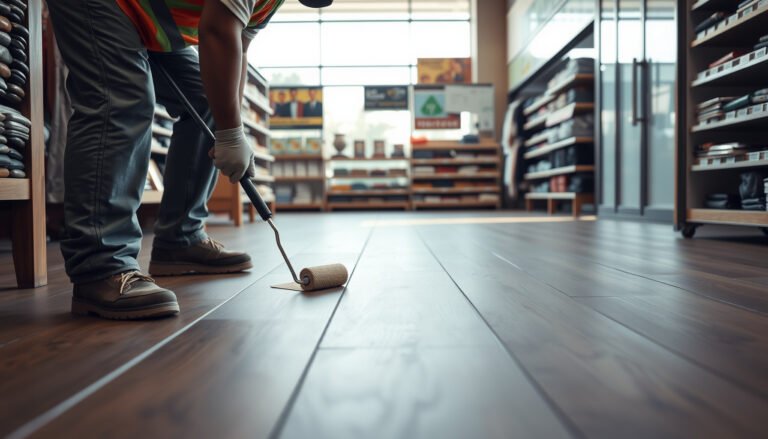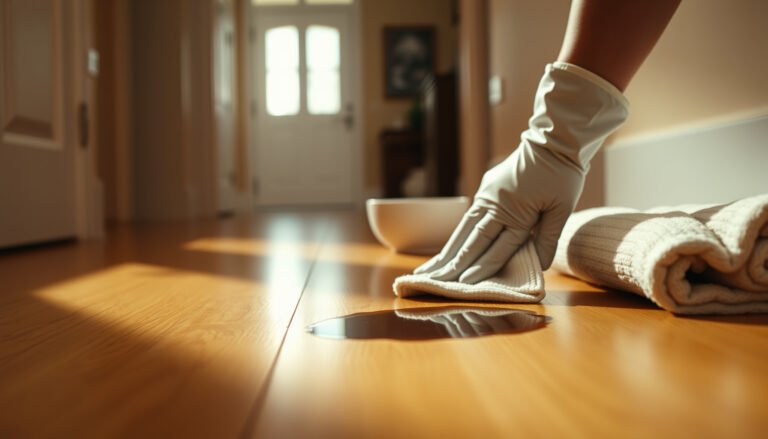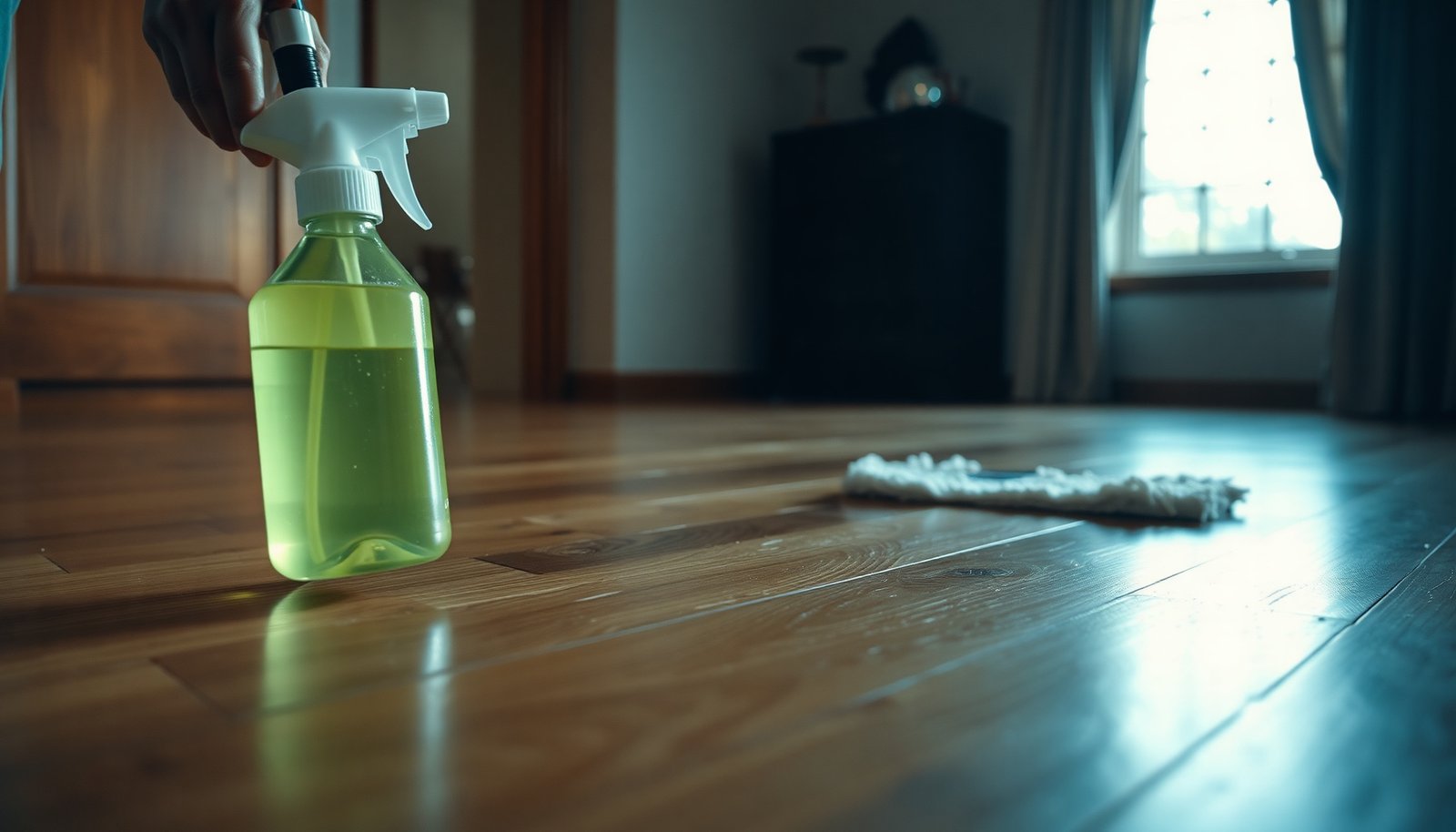

You kneel by that stubborn spot on your hardwood where pet odor lingers even after you’ve mopped, and you can tell it has soaked in. You can remove the smell and lift residues with a controlled, step-by-step cleaning using hardwood-safe supplies—an enzymatic pet odor remover, soft microfiber pads, and clean water—usually within 1–2 hours. Gather what you need first, then follow the order of cleaning so the next treatment actually works.




If your hardwood floors are holding onto pet odors, you’ll need to deep-clean the surface and then neutralize the smell where it’s soaked in—usually in grime, urine residue, or between seams. Start with gentle cleaning using an odor-safe approach, then use a targeted treatment only where the odor is strongest to avoid warping or discoloration. This matters most when the odor returns after drying or concentrates near a crate, bed, or a habitual “pee spot,” because that’s often where residue and microscopic staining have worked into the finish and seam edges.
This guide is for homeowners with hardwood (finished or sealed) who notice lingering “old accident” smells, even after mopping. It’s especially useful if the odor returns after the floor dries or seems to concentrate in one area near a crate, bed, or favorite spot.
Quick diagnosis: find the odor source (not just the spill)
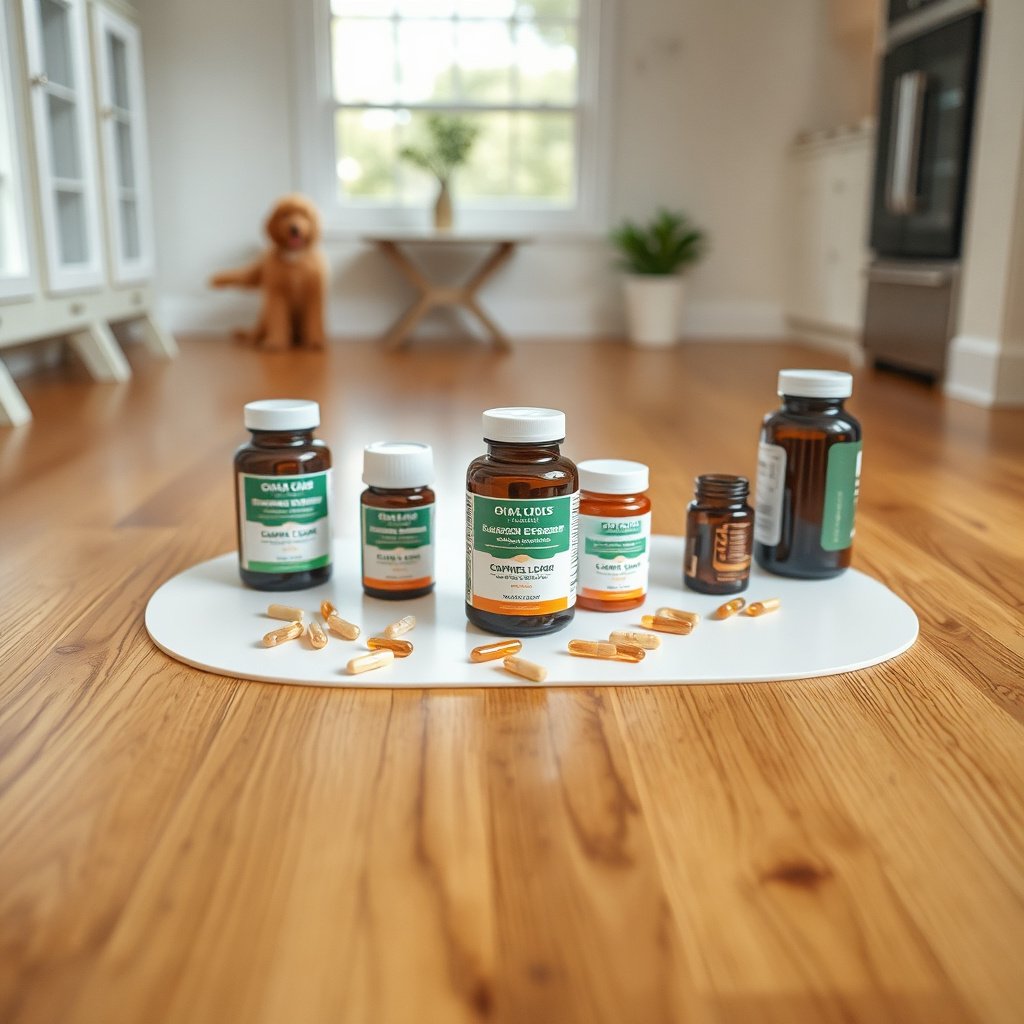
The fastest way to remove pet odors from hardwood floors is to confirm the source is still there—often it’s not the exact “spot” you originally saw. In my experience with odor mitigation for sealed floors, the smell usually follows the path of least resistance: seam lines, micro-cracks, and the gritty film that cleaning mops don’t lift reliably.
– Smell test: check the specific spots you notice most (around corners, under gates, near water bowls). Do this with good ventilation, and if needed, move slowly so you’re not “training your nose” to false cues from cleaning products.
– Look for indicators like discoloration, dull patches, or slightly tacky areas that suggest residue. Pet urine can leave a tacky, grime-attracting film that makes hardwood floors seem “clean” visually but smell strongly after the floor dries.
Also check patterns. If the odor appears strongest along the direction your mop travels, you may be redistributing residue rather than removing it—common on hardwood floors with visible seams or textured finishes. If the odor is worst at a specific doorway, the source may be tracked in from shoes or paws, meaning the “spill” isn’t the real origin.
Pre-clean the floor to remove odor-causing residue
Neutralizing pet odors only works when hardwood floors aren’t still covered in the grime that’s feeding the smell. Pre-cleaning lifts surface residue so the next step can reach what’s actually causing odor.
– Use a hardwood-safe cleaner and thoroughly wipe the area first—odor often comes from what’s left behind on the surface. Choose a cleaner that’s labeled for “finished/engineered/laminate/hardwood” use (wording varies by manufacturer) rather than a general-purpose degreaser.
– Avoid soaking: wring your mop well and keep the liquid off edges and seams as much as possible. On sealed or finished hardwood floors, excess moisture is a double risk: it can seep into seam gaps and it can also loosen grime into a slurry that later smells worse.
If the odor is localized, you can pre-clean only the affected zone. Work in passes: dampen the cloth/mop, wipe one section, then follow with a second pass using a clean, slightly damp microfiber to lift remaining residue. Finally, dry with a dry microfiber towel while you still have access to the area—fast drying reduces the chance that odor-carrying moisture lingers along seam edges.
What pre-cleaning should accomplish (so you don’t over-treat)
A good pre-clean doesn’t “fix” odor; it removes the surface film that can block odor-neutralizing chemistry from doing its job. Once hardwood floors are no longer tacky and the area is clean-looking, the likelihood of success in the neutralization step is much higher.
Hardwood Odor Removal: Cleaner Category vs. Finish Safety (Typical Values)
| # | Cleaner / treatment type | Typical pH | Best use in this problem | Hardwood safety (★/5) |
|---|---|---|---|---|
| 1 | Clean water + microfiber wipe | ~7 (neutral) | Lifts light residue before neutralizers | ★★★★★ |
| 2 | Hardwood-safe neutral cleaner | ~6–8 | Pre-cleaning without harsh chemistry | ★★★★☆ |
| 3 | Enzyme odor neutralizer (pet-formulated) | ~6–8 (commonly) | Targets organic urine residue | ★★★★☆ |
| 4 | Vinegar (typically 5% acetic acid) | ~2.4–3.4 | Sometimes used, but risky on finishes | ★☆☆☆☆ |
| 5 | Household ammonia cleaner | ~11–12 | Not recommended for urine-odor work | ☆☆☆☆☆ |
| 6 | Chlorine bleach (sodium hypochlorite) | ~11–12 (typical) | Never a first-line choice for hardwood finishes | ☆☆☆☆☆ |
| 7 | Hydrogen peroxide (commonly 3%) | ~3–4 (solution-dependent) | Sometimes used for discoloration—label first | ★★☆☆☆ |
Neutralize pet odors safely on hardwood
You get the best odor results on hardwood floors by neutralizing the chemistry that’s actually causing the smell—rather than masking it. For most “old accident” odors, that means using a pet-formulated odor neutralizer designed to break down organic urine components, with controlled dwell time and minimal moisture.
– Use an odor-neutralizing product formulated for pet urine/organic odors (follow the label for dwell time and application method). “Dwell time” is the period the product should remain wet on the surface to work as intended.
– If the product requires misting or applying solution, do it lightly and evenly—then allow full drying before walking on it. On hardwood floors, uneven saturation is what creates a patchy look and can intensify seam-edge staining.
Why this works: urine odor is strongly tied to organic residue (including breakdown byproducts) that persists even when the floor looks clean. When you neutralize pet odors at the source, you eliminate the material that microbes and residue films keep “releasing” over time.
As of 2026, the most reliable approach for sealed hardwood floors is label-driven dwell time plus full dry time—because finish chemistry varies (polyurethane, urethane, aluminum-oxide, oil-modified systems, etc.). If you don’t control dwell time and drying, you risk “partial treatment,” where hardwood floors smell better temporarily and then rebound.
Moisture limits matter more than people expect
Wood movement isn’t only about soaking buckets. It’s about keeping water long enough to penetrate edges and seams. According to USDA Forest Products Laboratory, most wood begins to experience maximum swelling behavior as moisture content rises toward the fiber saturation range (commonly cited around ~30% moisture content), which is far beyond what you’d want to approach on installed floors. The practical takeaway for hardwood floors is simple: stay light, stay targeted, and dry completely.
Treat seams and small areas without damaging the finish
You should treat seams and small zones because pet odors often sit in gaps and edges where hardwood floors can’t be cleaned evenly. The goal is to reach the problem micro-area without flooding finish boundaries that are prone to dulling.
– For edges, grooves, and gaps, work with a damp microfiber cloth or soft brush instead of pouring cleaner. Pouring cleaner increases the chance it creeps under trim or into seam pockets.
– Spot-treat only the affected sections; repeated heavy applications across the whole floor can dull or shift sheen. Uniform “whole-floor” treatments can also leave a visible halo around the treated area, especially on satin or semi-gloss finishes.
A practical method: after pre-cleaning, apply neutralizer to a microfiber (not directly to the floor), then press it into the seam line with minimal liquid. Re-wet only if the product’s label requires additional application. This “microfiber transfer” technique reduces edge flooding while keeping enough product on the targeted spot.
Also avoid abrasive pads. Even if your finish is sealed, scuffing along hardwood floors seams can create a rougher surface that holds grime—and makes future odor removal harder.
When the smell won’t leave: limits and “what can go wrong”
If the odor persists, it usually means hardwood floors have a deeper issue than surface residue, or the treatment process damaged the finish. The biggest risk is assuming one more round of cleaning will fix it when the underlying residue is no longer accessible at the surface.
– Finish damage risk: harsh cleaners (especially strong acids/ammonia/bleach-type mixes) can strip or cloud the surface. On hardwood floors, pH extremes can also change how the finish reflects light, making treated areas look darker or patchy.
– Hidden absorption: if odor has penetrated beyond the finish (for example, long-standing urine), surface cleaning may never fully remove it without more invasive steps. In that case, the odor source may be in the wood substrate or in seam-edge pathways.
– Over-wetting: too much moisture can swell wood or loosen finish at seams—always dry completely. Dimensional movement is why professionals focus on humidity control in addition to cleaning.
Another “what can go wrong” factor is indoor environment. According to National Wood Flooring Association (NWFA), controlling indoor relative humidity helps prevent cupping and gapping in wood flooring systems (often cited in the general range of about mid-30s% to mid-50s% RH). If your home is very dry or very humid in 2026, hardwood floors may shift slightly between cleaning attempts, which can re-expose odor-bearing seam paths.
Verdict: what we’d do first (and who should skip)
The best first move for persistent pet odors on hardwood floors is a careful pre-clean followed by a label-directed odor neutralizer applied only to the strongest spots. Then you repeat only where the smell remains—because “more” isn’t always “better” when finish protection and moisture control are involved.
– Start with pre-cleaning, then a pet-odor neutralizer made for sealed floors, and repeat only for the exact spots that still smell.
– Skip DIY treatments and consider a professional/wood refinishing if the odor is persistent after multiple careful spot treatments, the wood shows cupping/warping, or the finish is already failing.
Who should skip immediately: if your hardwood floors show swelling, visible finish breakdown, peeling, or widespread dulling after even light cleaning, continue experimenting and you can worsen the condition. Also skip DIY if you’re dealing with large areas or multiple repeated accidents—deep remediation may require specialized cleaning, sealant/finish work, or localized refinishing.
If you’re unsure whether your floor is sealed/finished, you should identify the finish type before you apply any neutralizer. Unfinished hardwood absorbs liquids more easily, and the “light, targeted, fully dry” rule becomes even more critical.
Scan-and-save checklist
You’ll get the most consistent results when you approach hardwood floors like a process: identify the source area, remove surface residue, neutralize the chemistry, and verify after full drying.
– [ ] Identify the strongest odor spots (and any discolored patches)
– [ ] Pre-clean with a hardwood-safe cleaner (no soaking)
– [ ] Apply a pet-odor neutralizer only to affected areas
– [ ] Keep application light near seams; don’t flood edges
– [ ] Let it dry fully before re-checking smell
– [ ] Stop using harsh chemicals if the finish dulls or clouds
If you’re working in 2026 with fluctuating indoor humidity, also consider checking that your room conditions are stable for a few days after treatment. Hardwood floors that keep moving can make odor issues appear “intermittent” even when the neutralizer worked.
Frequently Asked Questions
What’s the best way to remove pet urine odor from hardwood floors without damaging the finish?
Start by blotting fresh accidents with paper towels, then clean the area with a hardwood-safe cleaner that’s free of ammonia and harsh solvents. If the smell remains, use an enzyme-based pet odor remover designed for urine on wood because it breaks down odor-causing compounds rather than just masking them. Finish by drying thoroughly and, if needed, lightly buff the spot so the sheen blends with the surrounding floor.
How do I clean hardwood floors that have pet odors embedded in the wood grain?
Pet odors can soak into the finish and penetrate into the wood over time, so you need a treatment that reaches the source. Vacuum or dry-sweep first to remove debris, then apply an enzyme cleaner according to the label and allow it to dwell long enough to work. Use minimal moisture, keep the area well-ventilated, and repeat if the odor returns after the first dry cycle.
Which products are safest for cleaning hardwood floors with dog or cat odors?
Look for enzyme-based pet odor removers and hardwood floor cleaners labeled as safe for sealed wood floors. Avoid ammonia, bleach, and steam cleaners because they can damage the finish and may react with urine residues to create stronger odors. If your floor is not sealed or you’re unsure, spot-test any cleaner in an inconspicuous area first.
Why do pet odors come back after cleaning hardwood floors, and how can I prevent that?
Odors often return because cleaning solutions didn’t neutralize the compounds left behind, or because moisture spread contamination deeper into cracks and seams. To prevent recurrence, use an enzyme cleaner (not just disinfectants), limit water, and fully dry the treated area. After odor treatment, consider addressing causes like repeat marking (with training or deterrents) so you’re not constantly reintroducing new urine.
How can I deodorize hardwood floors after an accident when the urine has already dried?
Begin by cleaning the area gently with a hardwood-safe cleaner to remove surface residue, then apply an enzyme pet odor remover to reactivate and break down remaining urine compounds. Let it sit for the recommended time, then blot and dry completely—repeat treatments until the odor is gone. For persistent smells in older spots, you may need professional refinishing or sanding of the affected area to remove odor trapped in the finish.
📅 Last Updated: November 04, 2026 | Topic: How to clean hardwood floors covered in pet odors? | Content verified for accuracy and freshness.
References
- https://pubmed.ncbi.nlm.nih.gov/?term=enzymatic+cleaner+urine+odor
- https://pubmed.ncbi.nlm.nih.gov/?term=urease+cleaning+urea+ammonia
- urine odor enzymatic cleaner – Search Results – PMC
- Urine
- Enzyme
- https://scholar.google.com/scholar?q=pet+urine+enzymatic+cleaner+odor+removal Google Scholar
- https://scholar.google.com/scholar?q=hardwood+floor+pet+urine+cleaning+odor Google Scholar
- https://scholar.google.com/scholar?q=urea+to+ammonia+enzymes+cleaning+odors Google Scholar