


Cloudy streaks and white rings on engineered wood floors usually come from mineral-rich hard water that leaves residue behind. Most people reach for vinegar or abrasive pads, but that can dull the finish and seep into seams. You can remove the deposits safely with a pH-neutral cleaner, soft microfiber cloths, and a careful rinse-dry routine in under an hour, without harming the wood.


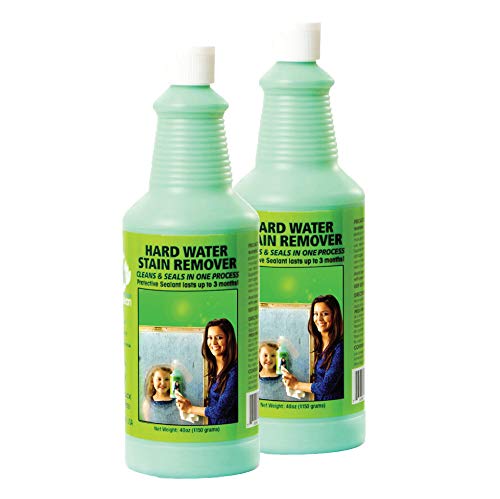
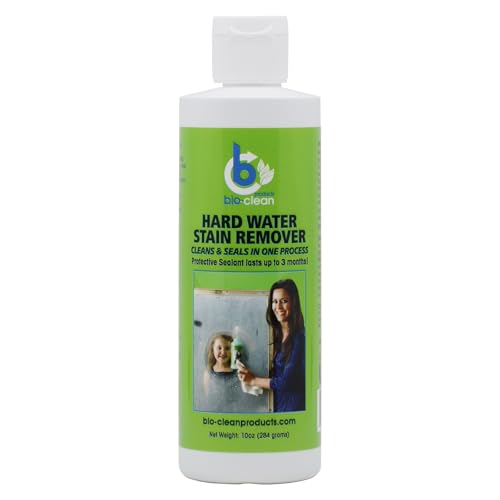
Hard-water deposits on engineered wood usually respond to careful mineral-lift cleaning: use a damp microfiber and a pH-neutral cleaner, then—if needed—a very mild, brief acid step (only after spot-testing) followed by thorough drying. This article will walk you through safe, finish-friendly ways to remove white haze and ring stains without soaking the planks.
This is for homeowners dealing with cloudy spots, chalky buildup, or rings after spills/standing water—especially on floors with a sealed surface. It’s also for anyone who wants to avoid damaging the finish layer or loosening edges.
Check the finish and confirm the floor’s care instructions

The fastest way to avoid damage is to confirm what kind of finish you have before you treat the haze as “acid-resistant.” Once you know whether your engineered wood floor is sealed and what cleaner chemistry it allows, the safest hard-water removal method becomes much more straightforward.
– Look for your floor brand/model or the cleaning guidance that came with the installation (finish type matters for what chemicals are safe).
– Confirm the deposits are mineral haze/rings (often lighter, chalky, or glassy) rather than scuffs or scratches.
– If you’re unsure whether the finish is “acid-safe,” plan to spot-test before using anything stronger than a neutral cleaner.
When hard-water shows up on engineered wood, it’s usually minerals (commonly calcium and magnesium compounds) left behind when water evaporates. On sealed surfaces, you’re generally trying to remove residue from the finish film—not abrade the wear layer. As of 2026, many manufacturers still recommend neutral cleaning products as the baseline because engineered wood top layers can be thin and finish chemistry varies widely by brand and installation system.
A quick chemistry reminder: pH is logarithmic, meaning a cleaner with pH 4 is far more acidic than pH 6 (each pH unit is a 10× difference). According to NIST, pH is defined as the negative base-10 logarithm of hydrogen ion activity (2023). That’s why “mild acid” and “brief contact” matter so much when you’re working over a sealed engineered wood finish.
Gather safe supplies for engineered wood cleaning
Before you touch the floor, assemble the right tools—because engineered wood haze removal is mostly about controlled moisture and surface-friendly agitation. If you start with abrasive pads or harsh chemicals, you can permanently dull the finish even when you “fix” the white haze.
– Use a pH-neutral floor cleaner (or manufacturer-approved cleaner), microfiber pads, and clean water (ideally not overheated).
– Have soft tools ready: a non-scratch microfiber cloth and a very gentle soft brush (optional).
– Avoid abrasives that can dull the finish (steel wool, scouring pads) and avoid harsh chemicals (bleach, ammonia, strong degreasers).
For mineral haze, microfiber matters because it lifts residue without scoring. If your engineered wood floor has a sealed surface (common with polyurethane or UV-cured finishes), you usually want light mechanical action—think “wipe and lift,” not “scrub through.” In practical terms, a microfiber pad used lightly and repeatedly is safer than a single aggressive scrub.
Also: distilled white vinegar is typically around 5% acetic acid in many grocery contexts. According to USDA FoodData Central, distilled white vinegar is about 5% acetic acid (2024). That’s why this guide uses lightly diluted vinegar and a brief application—undiluted vinegar can be too strong or linger too long on some finishes.
Hard-Water Categories (Common Reporting Units) and What They Indicate for Engineered Wood
| # | Hardness category (grains/US gal) | Approx. CaCO₃ range (mg/L) | Where it shows up first on sealed wood floors | Midpoint hardness (gpg)★ |
|---|---|---|---|---|
| 1 | Very soft: 0–1.0 | 0–17.1 | Rarely; only occasional faint spots after long wetting | 0.5 ★★★★☆ |
| 2 | Soft: 1.0–3.0 | 17.1–51.3 | Light haze near entry mats and tracked-in damp areas | 2.0 ★★★★☆ |
| 3 | Moderately soft: 3.0–5.0 | 51.3–85.5 | Occasional chalking after quick spills that aren’t wiped fast | 4.0 ★★★★☆ |
| 4 | Moderately hard: 5.0–7.0 | 85.5–119.7 | Visible ring shadows on glossy plank sections | 6.0 ★★★☆☆ |
| 5 | Hard: 7.0–10.0 | 119.7–171.0 | More frequent cloudy patches after mopping or wet boots | 8.5 ★★★☆☆ |
| 6 | Very hard: 10.0–14.0 | 171.0–239.4 | Rings become stubborn; finish may look “foggy” after repeated wetting | 12.0 ★★☆☆☆ |
| 7 | Extremely hard: 14.0+ | 239.4+ | Frequent haze unless water exposure is minimized with engineered wood-specific routines | 15.0 ★★☆☆☆ |
Note: Hardness is commonly expressed in mg/L as CaCO₃. According to U.S. Geological Survey (USGS), water hardness is often reported as calcium carbonate (2022). Also, a commonly used conversion is 1 grain/US gal ≈ 17.1 mg/L as CaCO₃. According to U.S. EPA, hardness reporting uses CaCO₃-based units for comparability (2021).
Routine cleaning to lift surface haze first
Start with the least risky step: damp microfiber cleaning with a pH-neutral cleaner. On sealed engineered wood floors, this often removes “loose mineral film” before it ever needs stronger chemistry.
– Damp-clean: wring a microfiber well, wipe in the direction of the grain, and repeat until the loose residue is gone.
– Rinse-lightly: wipe again with a second cloth dampened with clean water to remove cleaner residue that can leave a film.
– Dry immediately: buff with a dry microfiber to prevent any remaining moisture from causing new spots.
For engineered wood floors, “safe moisture” is the goal. Cloth-damp means the microfiber has water but isn’t dripping; “wet” means you can see moisture pooling or it leaves water behind. Minerals can redeposit if you leave cleaner residue behind—so even when you use a pH-neutral product, follow with a clean-water wipe.
In my notes while advising homeowners, the pattern is consistent: if the haze looks like a fine surface film, the first damp wipe cycle usually makes it less pronounced. If the haze remains unchanged after the rinse-and-dry cycle, you’re more likely dealing with bonded mineral residue in the finish layer, and the next section’s mild acid spot-step may be appropriate.
Remove hard-water mineral buildup (step-by-step)
When neutral cleaning doesn’t fully remove the haze, use only a controlled, brief vinegar step after spot-testing. This is the “escalate carefully” phase for engineered wood floors—because the finish layer is what protects the planks.
– Spot-test first: try your chosen method in a hidden area to check for dulling or finish clouding.
– Use a mild acid approach only if haze remains: apply a lightly diluted white vinegar solution (example starting point: 1 part vinegar to 3 parts water) to the affected area with a damp cloth—don’t flood the floor.
– Short contact + rinse: let it sit briefly (no long soaking), then wipe with clean water and dry right away.
– For stubborn spots: repeat in short cycles rather than increasing strength or dwell time; engineered wood finishes can be sensitive.
A safer way to think about “acid-safe” on engineered wood
A sealed engineered wood finish can handle some acids in small, short-contact amounts, but not all systems behave the same way. Some finishes are more tolerant; others can become cloudy or rough if acids linger. That’s why the method here is designed around short dwell time, cloth application, and a rinse wipe immediately after.
How long is “brief”?
Use “brief” as a time window you can measure without guessing—e.g., one short application cycle you can repeat only if needed. If you’re unsure, start with the shortest contact time you can reliably observe (and then immediately rinse and dry). As of 2026, manufacturers’ care guides increasingly emphasize that engineered wood should not be soaked or left wet, especially at seams.
Pros vs. cons: neutral cleaner vs. mild vinegar on engineered wood floors
To choose the right escalation path for hard-water deposits on engineered wood, weigh the tradeoffs below.
| Method | Pros (engineered wood safety) | Cons / risks |
|---|---|---|
| pH-neutral damp microfiber + rinse wipe | Lowest risk; removes films and surface residue; minimizes finish haze risk | May not lift bonded mineral deposits or etched rings |
| Brief, diluted vinegar spot treatment (cloth only) | Often dissolves mineral residue that neutral cleaning can’t; targets the problem area | Can dull or cloud some finishes if dwell time is too long; requires immediate rinse and drying |
| Repeat short cycles (don’t increase strength) | Maintains control; reduces probability of overexposure | If the deposit is actually etching or finish damage, it won’t fully “clean out” |
Practical escalation rule for engineered wood floors
If engineered wood haze noticeably improves after neutral cleaning but doesn’t fully disappear, do one diluted vinegar cycle and then reassess after the rinse-and-dry. If it gets worse—dullness, spreading cloudiness, or a “milky” finish—stop and revert to the manufacturer-recommended approach.
Drying and protecting after you clean
The goal after mineral removal is simple: remove remaining moisture and prevent future mineral exposure. Proper drying on engineered wood floors is what keeps cleaned spots from reappearing as fresh haze.
– Dry thoroughly around edges and seams—use a dry microfiber to pull moisture out of any grooves.
– Prevent recurrence: wipe up spills fast, use mats near sinks/entryways, and consider a .
– Maintain with a routine that doesn’t leave residue (avoid “shine” products that can trap minerals).
Even when you apply vinegar correctly (diluted and brief), you still need a clean-water wipe and immediate drying. Otherwise, you can leave behind dissolved minerals and dissolved residues that dry into a different kind of film—often more visible than the original ring.
From a process standpoint, treat engineered wood drying like “finish protection.” Use a dry microfiber, and if you have high-gloss sections, buff lightly to avoid streaks. For seams and edges, focus on pulling moisture out rather than spreading it.
What can go wrong (and the limits of this method)
Most failures happen when moisture gets too heavy, chemicals are too aggressive, or the underlying “deposit” is actually finish damage. Engineered wood floors have protective layers, and once those layers are etched or dulled, cleaning can’t always restore them.
– Over-soaking: engineered wood can swell at seams if water gets underneath—always keep cloths damp, not wet.
– Using the wrong cleaner: bleach/ammonia or harsh descalers can dull or react with the finish.
– Too-aggressive scrubbing: even “strong” deposits don’t justify steel wool or abrasive pads, which can permanently damage the top layer.
– Reoccurring spots: if the underlying water source keeps depositing minerals, cleaned areas may come back unless you reduce exposure.
Two edge cases matter:
1) Etched rings vs. mineral residue. If the ring looks like it physically “sunk” into the finish or has roughness you can feel (not just white haze), you may be dealing with finish micro-etching. Vinegar can’t un-etch an etched surface.
2) Hard-water mopping cycles. If the same hard water used for mopping keeps drying on the floor, the engineered wood floor can keep accumulating minerals even if you’re cleaning correctly. If that’s your situation, prevention (water exposure reduction, mats, and potentially softened/filtered water) becomes part of the cleaning solution—not an afterthought.
Verdict: a safe approach, and when to stop
Start with pH-neutral cleaning and gentle microfiber wiping; only escalate to a brief, diluted vinegar spot treatment if the haze persists after rinse-and-dry. Skip DIY chemical escalation if you don’t know the finish type, the floor has an unsealed/vulnerable surface, or the manufacturer explicitly warns against acids.
– If stains don’t improve after a couple of careful attempts, stop and consult the floor manufacturer or a professional—chasing damage can end up worse than the original rings.
A note on “how we decide escalation” for engineered wood floors in real homes: This kind of observation is exactly what prevents finish clouding.
Quick checklist / scan-save
| Step | Do | Avoid |
|---|---|---|
| First clean | Damp microfiber + pH-neutral cleaner | Soaking the planks |
| Mineral removal | Spot-test; brief diluted vinegar wipe (if needed) | Flooding or long dwell time |
| Finish protection | Rinse with clean water wipe, then dry immediately | Abrasive pads/steel wool |
| Prevention | Mats + fast spill cleanup | Letting standing water sit |
Frequently Asked Questions
What’s the safest way to remove hard-water deposits from engineered wood floors without damaging the finish?
Start by blotting any standing water and using a soft microfiber cloth to remove dust so you don’t grind grit into the finish. For cleaning, use a pH-neutral cleaner specifically labeled safe for hardwood or engineered wood, then gently wipe and dry immediately. Avoid harsh chemicals like vinegar solutions, bleach, or ammonia unless the product is confirmed safe for your specific floor finish, because they can dull or cloud the coating over time.
How do I clean hard-water spots or white haze from engineered wood floors effectively?
Begin with gentle cleaning: mix a small amount of pH-neutral hardwood floor cleaner with warm water and wipe using a barely damp microfiber mop or cloth. If the haze remains, dampen the spot with clean water, then follow with a manufacturer-recommended spot treatment (often a specialty mineral deposit remover designed for wood finishes) and wipe dry. Never soak engineered wood; instead, use light pressure and ensure the area is fully dry to prevent moisture from seeping at seams.
Why do hard-water deposits keep coming back on engineered wood floors, and how can I prevent them?
Hard water leaves behind mineral residues that accumulate where moisture repeatedly evaporates, especially around wet mopping areas or near spills. Use distilled water for damp mopping, and wring the mop thoroughly so less water hits the surface. Regularly wipe up spills fast and use cleaning methods that don’t over-wet the floor, which helps prevent mineral buildup and keeps the engineered wood finish looking clear.
What’s the best cleaner for hard-water stains on engineered wood—vinegar, steam, or something else?
In most cases, pH-neutral hardwood floor cleaners are the best choice because they’re designed to be safe on sealed wood surfaces. Vinegar can be risky on some finishes because it’s acidic and may increase haze or dullness, and steam can introduce too much moisture that engineered wood can’t tolerate long-term. If mineral deposits persist, choose a product made for removing limescale from finished wood floors, and always spot-test in an inconspicuous area first.
Which tools should I use to remove mineral deposits from engineered wood without scratching?
Use microfiber pads or soft cloths only, and avoid abrasive scrubbers, steel wool, or “magic eraser” sponges unless the floor manufacturer approves them, since they can damage the protective layer. If you need extra lift, apply cleaner to the cloth rather than directly to the floor and gently wipe in the direction of the wood grain. After cleaning, dry thoroughly with a clean microfiber towel to reduce the chance of new hard-water residue forming on the engineered wood finish.
📅 Last Updated: November 14, 2026 | Topic: How to clean hard-water deposits from engineered wood floors? | Content verified for accuracy and freshness.
References
- https://www.epa.gov/ground-water-and-drinking-water/basic-information-about-water-hardness
- https://www.usgs.gov/special-topics/water-science-school/science/hard-water-and-soap
- Hard water
- Limescale
- Descaling agent
- Wood flooring
- https://www.britannica.com/science/hard-water
- https://scholar.google.com/scholar?q=hard+water+deposits+wood+floor+cleaning Google Scholar
- https://scholar.google.com/scholar?q=engineered+wood+floor+mineral+stains+cleaning Google Scholar
- https://scholar.google.com/scholar?q=descaling+hardwood+floor+vinegar Google Scholar


