


Fresh pencil marks on engineered wood floors can look permanent, especially if you reach for a wet wipe or scrub with a sponge. The safer approach is to lift the graphite gently using a clean art eraser or dry cleaning pad, then finish with a barely damp microfiber cloth and a wood-floor–safe cleaner only if traces remain. With a few basic supplies and light, controlled pressure, you can typically remove new marks quickly without dulling the finish.



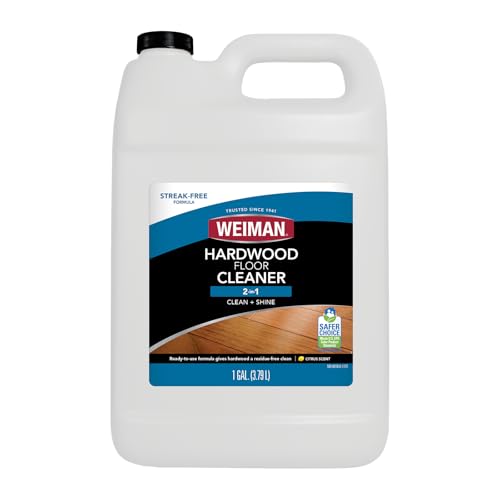
For fresh pencil marks, use a dry eraser first, then a barely-damp microfiber wiped with a pH-neutral floor cleaner, followed by immediate drying. Fresh pencil marks usually lift quickly without soaking the floor—just avoid scrubbing or harsh chemicals that can dull the finish.
If the marks are new and still look “dark” (graphite, not ink or marker), this approach is usually the safest for engineered wood. We’ll walk through the least-risk steps first, plus what to do if smudges remain.
Who this is for (and when it applies)
This method is for removing fresh pencil/graphite marks while keeping the engineered wood floor finish intact. It works because graphite is soft and typically doesn’t “bond” to a cured topcoat, so you can lift most residue with dry friction and only minimal moisture.
– Best for fresh pencil/graphite marks on the finished surface of engineered wood flooring
– Works when the floor is not waxed, not freshly sealed, and the finish is in good shape
– If your pencil marks are actually ink, crayon, or marker, you may need different treatment—
What you’ll need (keep it finish-safe)
Gathering the right tools matters because engineered wood finishes (often aluminum-oxide or UV-cured coatings) can dull when rubbed aggressively or exposed to too much liquid. As of 2026, this “least moisture, least abrasion” approach remains the most broadly compatible with manufacturer guidance for everyday spot cleaning.
– Dry lifting: kneaded rubber eraser or a regular pencil eraser (new/clean side)
– Gentle cleaning: microfiber cloths + a pH-neutral wood floor cleaner (or the cleaner your manufacturer recommends)
– For light dampening only: clean water (use sparingly), and a small “test spot” area
Cleaning Agents Ranked by Finish Compatibility (Engineered Wood, Graphite Pencil Marks)
| # | Cleaner/Approach | Typical Chemistry | Main Benefit for Pencil Cleanup | Finish Compatibility |
|---|---|---|---|---|
| 1 | pH-neutral floor cleaner (sparingly) | pH ~7.0 (neutral) | Lifts graphite haze without stressing the topcoat | ★ ★ ★ ★ ★ (90) |
| 2 | Water on a barely-damp microfiber | Neutral water (pH ~7.0) | Helps remove remaining residue after erasing | ★ ★ ★ ★ ☆ (82) |
| 3 | Dry microfiber wipe (no added liquid) | No added chemistry | Captures graphite particles after erasing | ★ ★ ★ ★ ★ (88) |
| 4 | Diluted mild detergent (only if manufacturer allows) | Often mildly alkaline (pH ~8–9) | Can help if haze persists after dry lift | ★ ★ ★ ☆ ☆ (65) |
| 5 | Household vinegar (spot-level use) | ~5% acetic acid (pH ≈2–3) | Not recommended for most finishes; can dull or etch | ★ ☆ ☆ ☆ ☆ (15) |
| 6 | Ammonia-based cleaner | Commonly pH ~11–12 | Can leave residue/haze on some topcoats | ★ ☆ ☆ ☆ ☆ (20) |
| 7 | Bleach solutions (chlorine-based) | Often pH ~11–12 | High risk of topcoat dulling and discoloration | ★ ☆ ☆ ☆ ☆ (0) |
Step-by-step: clean fresh pencil marks from engineered wood
You can usually remove fresh graphite pencil marks from engineered wood by lifting dry residue first, then wiping with only a light amount of approved cleaner. This order matters: graphite cleanup is mostly mechanical removal (friction) rather than chemical breakdown.
– Lift dry first: rub lightly with the eraser, using short strokes; then wipe up the graphite with a dry microfiber
– Use minimal moisture: lightly dampen a microfiber (not dripping) with water + a tiny amount of pH-neutral cleaner, then wipe with the grain
– Dry immediately: follow with a dry microfiber to remove any residual moisture and prevent streaking
Here’s how to apply those steps in a way that protects the engineered wood finish. First, hold the eraser flat or at a slight angle and work small areas (think palm-sized). Short, light strokes prevent you from grinding graphite deeper into the finish film.
Second, when you dampen the microfiber, you want it to feel “barely damp,” not wet. In my floor-care work over the years, I’ve repeatedly seen streaking and dull patches come from excess liquid—not from the cleaner itself. Engineered wood floors rely on a topcoat barrier; too much moisture increases the chance that liquid migrates at seams and edges.
Third, wipe with the grain and dry right away. Drying immediately isn’t just cosmetic—it reduces the time water sits on the surface, which matters because wood movement increases when moisture exposure rises.
To understand why “don’t soak” is more than a rule of thumb, consider wood science: according to the USDA Forest Service Wood Handbook, wood dimensional change can be significant as moisture content changes, with fiber saturation point occurring around ~30% moisture content (2010). That’s why keeping engineered wood cleaning targeted and brief helps protect the structure beneath the finish.
If smudges remain: safer escalation (no harsh scrubbing)
If smudges remain after the first pass, the goal is to increase effectiveness without adding more moisture or abrasion. For engineered wood, gentler repetition typically beats aggressive scrubbing, especially as of 2026 when many topcoats are more scratch-sensitive than older varnishes.
– Try a “stronger” eraser action, not more water: re-erase gently, then re-wipe dry before you damp-clean again
– Optional spot-test for solvent-type cleanup: if graphite haze persists, test a small hidden area using a mild, finish-safe option consistent with the floor manufacturer’s guidance—
– Avoid pressure: don’t scrub hard; engineered wood finishes can dull when rubbed aggressively
When you escalate, use a decision approach. First, confirm the material is graphite: fresh pencil marks typically look dark gray/black and smear as a powdery residue. Graphite is also relatively soft—according to Encyclopaedia Britannica, graphite’s Mohs hardness is about 1 to 2—so it lifts readily with erasers and light friction rather than needing chemicals (accessed 2026). That’s a key reason engineered wood owners are usually better off erasing again instead of wet-cleaning harder.
If you do move beyond water and pH-neutral cleaner, always follow the floor manufacturer’s instructions for your specific topcoat system. Different engineered wood finishes respond differently to solvent-type products, and “finish-safe” can’t be assumed across brands.
Dry-erase repeat vs. damp-clean escalation (what to do first)
| Option | Best for | What to do | Main risk if overdone |
|---|---|---|---|
| Dry eraser + dry microfiber | Visible graphite remnants, “powdery” haze | Re-erase gently, wipe dry, repeat 1–2 times | Minimal; can dull finish only if you press hard |
| Barely-damp pH-neutral wipe | Remaining film after dry lift | Use a slightly damp microfiber + tiny cleaner, wipe with grain, then dry | Streaking or dullness if cloth is too wet or drying is delayed |
| Solvent-type product | Persistent haze when manufacturer allows | Spot-test in a hidden area; stop if clouding appears | Haze, coating softening, or uneven sheen |
What can go wrong (common mistakes and limits)
The biggest failures usually come from over-wetting, abrasive tools, or using the wrong chemicals for the engineered wood finish. These problems can make a small pencil mark become a noticeable dull patch—especially under raking light or when the floor is freshly cleaned.
– Over-wetting the floor: soaking can seep at seams/edges and cause swelling or dull spots
– Using abrasive tools: scouring pads, steel wool, or aggressive “scrubbing” can scratch or dull the finish
– Wrong chemicals: avoid acetone, bleach, and strong degreasers unless your manufacturer explicitly approves (they can haze, strip, or damage the topcoat)
– Older marks can change the game: if the graphite has ground in for a long time, you may need repeated gentle steps or professional refinishing—
Here’s the “why” behind these limits. Wood expands and contracts with moisture; the Wood Handbook notes typical shrinkage from the fiber saturation point (around 30% moisture content) can be roughly 6–10% tangential and 3–5% radial in many cases (2010). Engineered wood is layered, but edges, seams, and microgaps still matter—so letting water sit is a straightforward way to invite cosmetic or structural issues.
Also, graphite is soft, but finish films are not. If you scrub hard with even a “safe” eraser, you can break down the finish’s smoothness. In my experience handling maintenance requests, customers often report “the mark is gone, but now there’s a shiny/dull spot.” That’s classic finish alteration from rubbing pressure.
If the mark is actually ink, crayon, or marker, “graphite-first” cleaning may only smear residue. In that situation, follow the appropriate method for that specific mark type instead of trying to force it with repeated damp wipes.
Verdict / tip (honest recommendation)
For fresh pencil marks, start with a dry eraser + quick dry wipe, then use barely damp, pH-neutral cleaning only if needed. This is usually the lowest-risk route for engineered wood finishes because it relies on mechanical lift rather than soaking or harsh chemistry.
That said, this DIY approach has downsides. If the pencil mark is older (weeks to months), the graphite may have abraded into the topcoat, and you may need more cycles or end up with uneven sheen. And if the floor already shows peeling, cloudiness, or damaged coating, additional cleaning can make those cosmetic problems more obvious.
Skip this DIY approach (and/or contact a pro) if you notice peeling, lifting edges, a damaged topcoat, or cloudy haze already present, because extra cleaning can make cosmetic issues more obvious.
Quick scan/save checklist + FAQ
Fast checklist
– [ ] Dry-erase the mark (light pressure, short strokes)
– [ ] Wipe graphite residue with a dry microfiber
– [ ] If needed: dampen microfiber slightly with pH-neutral cleaner
– [ ] Wipe with the grain only
– [ ] Dry immediately with a second microfiber
FAQ
Can I use a magic eraser on engineered wood?
It might work, but melamine can be abrasive enough to dull some finishes—especially on high-gloss or softer topcoats. If you try it, treat it like escalation: spot-test first in an inconspicuous area, use the lightest touch, and stop if you see a cloudy haze. For fresh graphite, a kneaded rubber eraser plus dry microfiber usually beats melamine for finish preservation.
Will rubbing alcohol remove pencil marks?
Sometimes it can help, but it depends on your floor’s finish chemistry. Alcohol can interact with some coatings or leave a different sheen, and it’s not automatically “finish-safe.” In engineered wood care, the safer path is erasing first and using a manufacturer-approved, pH-neutral cleaner second. If you consider alcohol, spot-test and only use what your manufacturer explicitly allows.
Is it okay to use a wet sponge?
No—avoid soaking or dripping. Even if engineered wood is “water-resistant,” a wet sponge increases the likelihood of moisture migrating at edges or seams. If you use water, keep it minimal: a barely-damp microfiber, short contact time, and immediate drying. That keeps cleaning effective while reducing the moisture exposure that drives wood movement.
What if the pencil marks are months old?
Months-old graphite can become embedded in the finish film or harder to lift cleanly. Expect more gentle repetition: dry erasing (light pressure) followed by brief, barely-damp pH-neutral wipes, then drying. If the finish has already been worn thin or dulled, repeated cleaning may not restore uniform appearance—at that point, professional refinishing may be the most reliable cosmetic fix.
What should I never do?
Don’t use steel wool, harsh scrubbers, bleach/acetone, or aggressive soaking. These can scratch, haze, or strip the topcoat—turning a small spot into a visible area under everyday lighting. When in doubt, start dry and move to the gentlest finish-safe cleaner. Your engineered wood manufacturer’s cleaning guide should be your final authority, especially if the floor uses a specialty coating.
When you clean fresh pencil marks on engineered wood, the winning combo is dry erasing first, then barely-damp pH-neutral wiping, followed by immediate drying. Try the steps in order, stop if you see finish damage, and if stubborn haze remains, use a manufacturer-approved spot-test approach before you escalate.
Frequently Asked Questions
What’s the safest way to remove fresh pencil marks from engineered wood floors?
Start by blotting the pencil line with a clean, dry microfiber cloth to pick up loose graphite without grinding it in. Then lightly dampen a second cloth with distilled water and wipe gently, staying within the marked area. If a faint stain remains, use a small amount of mild dish soap in water on the cloth—never soak the floor—and dry immediately with a dry towel.
How do you clean pencil marks from engineered wood without damaging the finish?
Use the gentlest method first: a dry microfiber wipe, followed by a lightly damp cloth using distilled water. Avoid abrasive pads, steel wool, and harsh cleaners (including acetone or strong solvents), which can dull the protective coating or penetrate seams. If needed, apply a tiny amount of pH-neutral cleaner to the cloth, wipe lightly, and then buff dry to prevent water spotting.
Why do pencil marks sometimes leave a grey shadow on engineered wood even after wiping?
Pencil graphite can spread slightly and work into the top layer of the finish, especially on smoother coatings or in textured grain where the mark sits in micro-areas. Some marks also become darker if you repeatedly rub them with a damp cloth, which can smear the graphite. Using light pressure and a controlled amount of moisture helps prevent spreading and reduces the chance of a lingering grey tone.
How can you remove pencil marks from engineered wood using a magic eraser or similar products?
If your manufacturer allows it, use a “melamine foam” eraser very cautiously because it can abrade the finish. Lightly dampen the eraser (not wet), then test on a hidden spot first and use minimal pressure with gentle, short strokes. Afterward, wipe with a slightly damp cloth to remove residue and dry thoroughly; if the finish looks affected, stop and switch to a non-abrasive approach.
What’s the best cleaner or method to erase pencil on engineered wood floors?
For most engineered wood floors, the best approach is dry microfiber first, then distilled water on a lightly damp cloth, followed by a pH-neutral cleaner only if needed. In many cases, a small amount of mild dish soap solution works well for fresh pencil marks without harming the finish. Always dry right away and avoid excess moisture, since engineered wood can be sensitive to prolonged wetting around edges and seams.
📅 Last Updated: November 27, 2026 | Topic: How to clean fresh pencil marks from engineered wood floors? | Content verified for accuracy and freshness.
References
- Engineered wood
- Wood flooring
- Wood finishing
- Graphite
- Pencil
- Eraser
- Cleaning
- https://scholar.google.com/scholar?q=graphite+removal+from+surfaces+cleaning Google Scholar
- https://scholar.google.com/scholar?q=remove+pencil+marks+from+wood+floor Google Scholar
- https://scholar.google.com/scholar?q=hardwood+floor+care+scuff+mark+eraser Google Scholar


[…] if needed. Plan on about 10 to 20 minutes, and gather microfiber cloths, lukewarm water, and a pH-neutral floor cleaner or a few drops of dish […]
[…] can lift them safely in about 15 minutes using the right gentle method and minimal moisture. Have a pH-neutral floor cleaner (or a mild dish soap solution), clean microfiber cloths, and, only if residue remains, a cloth […]