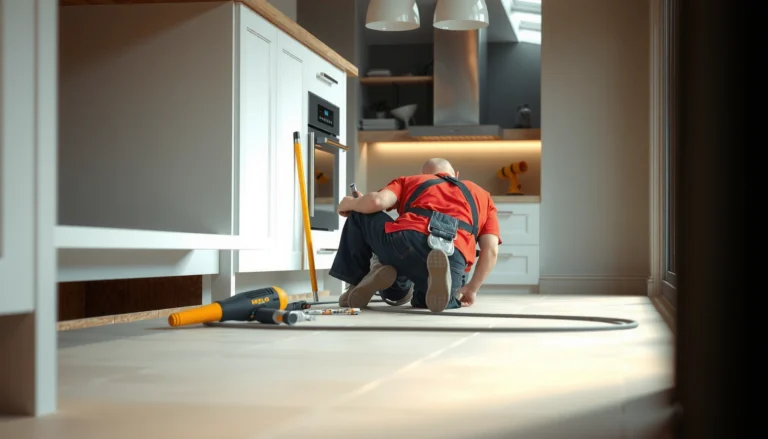
Choosing vinyl floors for a mudroom? Pick rigid core luxury vinyl plank if you want the best mix of water resistance, dent-proof durability, and easy cleaning for tracked-in mud and wet boots. If your mudroom sees heavy foot traffic, prioritize a thicker wear layer with strong UV stability and sealed edges to prevent swelling at seams. Get those factors right and your mudroom floor will hold up season after season instead of turning into a maintenance project.




Choosing vinyl floors for a mudroom comes down to moisture resistance, an abrasion-ready wear layer, and installation details that keep grit and water from getting into seams. If you want vinyl floors for a mudroom that handle daily wet boots and muddy traffic, prioritize water resistance, wear layer thickness, and proper underlayment/subfloor prep. Look for products made for “commercial or heavy residential traffic” and choose a locking system or glue-down type based on your subfloor condition and how water is likely to get in. In this guide, we’ll walk through what to check before you buy so your mudroom stays clean and durable.
This is for homeowners (or contractors) planning a mudroom update and comparing vinyl options—especially when the space gets frequent moisture, salt, and grit. It’s also useful if you’re unsure whether to choose LVP (luxury vinyl plank), LVT (luxury vinyl tile), or a specific installation method.
Start with mudroom conditions (moisture, grit, and impact)

The best vinyl floors for a mudroom start with a realistic look at your daily moisture and debris pattern, because specs only help when they match how water and grit actually move through the space. In 2026, mudroom flooring failures still commonly trace back to “looks good in a showroom” choices that don’t account for wet boots, salt residue, and repeated wet/dry cycling on vinyl floors for a mudroom.
A mudroom’s risk is usually intermittent standing moisture plus constant abrasive grit, so both water management and surface wear matter for vinyl floors for a mudroom.
The more your entry experiences salt-laden splashes, the more important it is to select vinyl flooring intended for heavy residential traffic, not just general residential use.
Mudrooms wear differently than kitchens and living rooms
Mudrooms experience repeated wet/dry cycles, so you’ll want vinyl that’s rated for moisture exposure and everyday spills. Unlike kitchens (which often see spills that get cleaned quickly), mudrooms often trap moisture under mats and footwear for short periods—especially during winter storms, dog-walk returns, or kids coming in with wet gear. For vinyl floors for a mudroom, that combination accelerates edge risk (water wicking along seams) and surface abrasion (sand, grit, and grit embedded in boot treads).
Consider the “worst-case” traffic pattern
Plan for the “worst-case” traffic pattern: dragging wet shoes, kids running in, pets, and seasonal salt from winter. In my experience advising homeowners, the mudroom zones that fail first are usually the shoe-drop band and the path from the door threshold to the bench—areas that get the most repeated micro-wetting.
Plan for grit as seriously as water
Plan for grit—small debris can scratch finishes, so your top wear layer matters as much as water resistance. Salt can act like a mild abrasive, and grit can grind across the finish every time someone steps in. If your vinyl floors for a mudroom have a thin protective layer or the wrong traffic rating, you may see dulling, scuffing, or early wear even if the core is moisture-tolerant.
Choose the right vinyl type: LVP vs LVT
The quickest way to choose between LVP and LVT is to match the visual layout to your mudroom flow first, then confirm the durability specs for vinyl floors for a mudroom. LVP is often easier to match with existing plank patterns and can look natural in long mudroom runs, while LVT can be a better visual fit if you want a tile look (or if your existing entry uses tile-style flooring).
LVP and LVT can both perform in a mudroom when the product is explicitly rated for wet areas and designed for heavy residential or commercial traffic.
A mudroom’s wear performance usually tracks the wear layer and core construction more closely than whether the surface is plank or tile.
Where LVP tends to fit best
LVP is often easier to match with existing plank patterns and can look natural in long mudroom runs. If you have transitions into adjoining rooms, consistent directionality (planks running with the main travel path) can reduce visual seams and help you plan mats, bench placement, and threshold lines. For vinyl floors for a mudroom, long-run aesthetics often also make it easier to align expansion gaps and transition strips.
Where LVT tends to fit best
LVT can be a better visual fit if you want a tile look (or if your existing entry uses tile-style flooring). Mudrooms with stained concrete, ceramic entry tiles, or a “drop zone” design often benefit from tile visuals—especially if you plan to add rugs or a patterned mat. Still, treat LVT as “vinyl performance + tile styling”; it doesn’t automatically mean better slip resistance or better moisture behavior.
Focus on specs, then aesthetics
If you’re choosing between styles, focus on the specs tied to durability first, then aesthetics second. For vinyl floors for a mudroom, the real decision drivers are moisture suitability, wear layer thickness/abrasion rating, core type, and whether the installation method controls seam exposure.
Match the wear layer and core to how tough it needs to be
For vinyl floors for a mudroom, durability comes from the wear layer up top and the moisture-handling core underneath—not from marketing terms alone. The best-performing mudroom products clearly state heavy-traffic suitability, plus a core design that tolerates the moisture conditions you expect.
The wear layer is the primary resistance layer against scuffs and abrasion for vinyl floors for a mudroom.
When manufacturers specify moisture-rated cores or wet-area suitability, they’re signaling how the materials react during wet/dry cycling.
If you have splash or pooling risk, choose “moisture resilience” features designed for wet areas rather than general “residential” use claims.
Wear layer: the part people actually see and feel
The wear layer (top clear protective layer) is what resists scuffs and everyday abrasion—thicker/stronger typically performs better in high-traffic areas. In a mudroom, you’re not just walking; you’re moving through grit at varying speeds, and that grit abrades the finish. For vinyl floors for a mudroom, prioritize products designed for “commercial or heavy residential traffic” and confirm how the wear layer is measured (often in mil thickness) in the product documentation.
Core: what happens when moisture reaches the system
The core material affects how the flooring responds to moisture; choose a vinyl option designed for wet areas rather than “dry-only” use. If water can reach seams, edges, or transitions, the core and backing need to be built for that exposure pattern. If you’re seeing frequent standing water risk (overflowing door mat, heavy splashes), treat “moisture resilience” as a must-have, not a bonus.
A practical way to sanity-check product claims
As of 2026, many reputable manufacturers also spell out required installation conditions (flatness, underlayment permissions/prohibitions, and temperature limits). Don’t just look for “water resistant.” For vinyl floors for a mudroom, look for documentation that addresses:
– moisture exposure limits,
– suitability for wet areas (as defined by the manufacturer),
– and how the system manages moisture at seams.
Pick an installation method that fits your subfloor
The right installation method for vinyl floors for a mudroom is the one that your subfloor condition can support without creating movement or seam-opening over time. Click-lock (floating) vinyl can be faster to install, but glue-down vinyl may be better if you want tighter contact where moisture could reach seams.
A floating click-lock vinyl floor performs well only when the subfloor is flat, clean, and stable—conditions that directly affect seam integrity.
Glue-down vinyl can improve contact and reduce movement-related seam stress, which is valuable when vinyl floors for a mudroom face repeated wetting.
Click-lock (floating): speed plus strict subfloor requirements
Click-lock (floating) vinyl can be faster to install, but it needs a well-prepared subfloor for long-term stability. Floating installs rely on the floor system “staying where it’s supposed to be” under foot traffic. In a mudroom, that “staying” is tested by repeated traffic, wet shoe movement, and occasional dragging of items.
Before choosing, assess your subfloor flatness and any existing dips or damaged sections; installation success is heavily dependent on prep. For vinyl floors for a mudroom, small subfloor irregularities can become stress points where seams open slightly, letting moisture migrate.
Glue-down: tighter contact for moisture-prone zones
Glue-down vinyl may be better if you have concerns about movement or want tighter contact—especially where moisture could reach seams. Glue-down systems can be helpful on subfloors that are tricky to stabilize or where you anticipate more traffic concentration at threshold and entry paths.
But glue-down still isn’t “forgiving.” It still depends on correct adhesive selection, proper moisture conditions, and subfloor readiness that matches the manufacturer’s instructions for vinyl floors for a mudroom.
Don’t skip waterproofing details where mud gets in
You don’t waterproof vinyl floors for a mudroom by “hoping it’s water resistant”—you do it by managing water at the entry, transitions, and seams. Use mats strategically, seal transitions properly, and follow the manufacturer’s gap/installation guidance so moisture pathways don’t form over time.
Entry mats reduce both the amount of water tracked inside and the abrasive grit that damages vinyl finishes.
Most seam failures in vinyl floors for a mudroom occur when water reaches edges, transitions, or improper gaps—not from normal walking loads alone.
Use mats strategically (and plan the “splash band”)
Use mats strategically at the entry and at the “shoe drop” area; they help reduce tracked moisture and grit. Even high-performance vinyl floors for a mudroom benefit from this because the mat acts as the first “filtration layer,” trapping grit before it reaches the wear surface. If you frequently see water escaping the mat, you may need a larger mat footprint or a second mat at the bench/coat area.
Seal transitions where water migrates
Seal transitions properly (door thresholds, edges, and any floor-walls meeting points where water might migrate). Vinyl floors for a mudroom are systems—thresholds, transitions, and perimeter conditions are part of the waterproofing plan even if the vinyl surface itself isn’t meant to be submerged.
Manage expansion gaps and follow specs
Manage expansion gaps and follow the manufacturer’s installation instructions so moisture pathways don’t form over time. A missing or incorrect gap can create stress and lift; an improper gap can create a pathway where moisture travels. In 2026, manufacturers continue to tighten instructions around flatness and seam exposure—so your documentation check is as important as the flooring selection.
Moisture testing is not optional when the risk is real
If your mudroom sits over concrete (slab-on-grade or basement slab), you should treat moisture verification seriously before install. Moisture tests have specific standards and units that make results comparable.
Common Moisture/Subfloor Standards Used Before Resilient Vinyl Installs
| # | Standard (ASTM) | Primary purpose | Key measurement/unit | Direct slab moisture read? |
|---|---|---|---|---|
| 1 | ASTM F2170 | In-situ relative humidity testing for concrete slabs | %RH | ★★★★★ |
| 2 | ASTM F1869 | Calcium chloride test for moisture vapor emission rate | lb/1000 sq ft/24 hr | ★★★★☆ |
| 3 | ASTM F710 | Concrete floor prep prior to resilient flooring | Surface preparation methods | ★★☆☆☆ |
| 4 | ASTM E96 / E96M | Water vapor transmission of materials | g/m²·day (or perms) | ★★★☆☆ |
| 5 | ASTM D4263 | Polyethylene sheet test for moisture (field screening) | Visual moisture evidence | ★☆☆☆☆ |
| 6 | ASTM D4541 | Pull-off adhesion testing for coatings/adhesion checks | psi (strength) | ☆☆☆☆☆ |
| 7 | ASTM C920 | Elastomeric joint sealants for perimeter/transition detailing | Sealant performance classes | ☆☆☆☆☆ |
Sources for measurement units and standard purposes are from the ASTM test method standard scopes themselves. See ASTM F2170, ASTM F1869, ASTM E96/E96M, ASTM D4263, ASTM F710, ASTM D4541, and ASTM C920.
What can go wrong (and how to avoid it)
The most common mudroom vinyl problems come from bad prep, mismatched wear layer specs, and seam/water detailing that doesn’t match how your family actually tracks in moisture. If you avoid those three failure points, vinyl floors for a mudroom typically deliver durable, wipe-friendly performance.
Vinyl flooring can’t correct subfloor unevenness; your prep quality largely determines long-term seam performance for vinyl floors for a mudroom.
A heavy-traffic wear layer matters in mudrooms because tracked grit abrades the surface every day.
Seam and transition detailing is a waterproofing system—if water can get in at edges, you need an installation approach designed to prevent moisture pathways.
Ignoring subfloor prep
Ignoring subfloor prep: Vinyl can’t fix unevenness; bumps and weak spots can lead to joint problems or premature wear. For vinyl floors for a mudroom, this shows up as joints that look slightly separated, localized wear, or “clicks” underfoot. The practical takeaway is simple: confirm flatness and remove or repair damaged sections per the flooring manufacturer’s installation manual.
Choosing for looks only
Choosing for looks only: A beautiful pattern won’t matter if the wear layer isn’t appropriate for heavy, gritty traffic. In 2026, many vinyl lines offer multiple wear layer grades, so don’t assume a product name alone tells you the durability.
Underestimating seam risk
Underestimating seam risk: If water can seep into edges or seams, you’ll want a flooring system and installation approach that address that risk. That means your perimeter gaps, transitions, and any required seam sealing should align with the installation instructions for vinyl floors for a mudroom.
Wrong underlayment
Wrong underlayment: Some vinyl products specify certain underlayment types (or none). Using the wrong one can affect performance—check the product documentation for your exact flooring. For vinyl floors for a mudroom, an incorrect underlayment can alter acoustics, change moisture behavior, and increase movement at seams.
Verdict: what to buy (and who should reconsider)
Vinyl is usually a practical choice for mudrooms because it’s comfortable underfoot and handles normal spill-and-splash situations better than many traditional materials—especially when you select the correct wear layer and moisture-rated construction. That said, if you expect frequent standing water (for example, a wet entry with runoff) or you have major subfloor damage that can’t be repaired, you may want to reconsider or budget for proper prep and sealing first. If you’re not willing to follow manufacturer installation guidance closely (flatness, underlayment, transitions), skip “easy install” vinyl plans and get clarity on requirements before purchasing.
The “best” vinyl for a mudroom is the one whose documented moisture and wear specs match your wetting pattern and your installation method.
If you can’t verify flatness and transition detailing, vinyl floors for a mudroom are more likely to fail at seams than on the main field.
A balanced recommendation
If your mudroom gets tracked moisture and salt but isn’t a chronic standing-water area, vinyl floors for a mudroom are often an excellent blend of cleanability and durability. If your risk profile includes frequent pooling, repeated runoff across the same path, or subfloor issues that require significant patching, don’t skip remediation—vinyl will follow the floor system conditions, not fix them.
Mudroom vinyl checklist (scan before you order)
Use this checklist to verify you’re buying mudroom-ready vinyl flooring for your actual moisture and grit conditions.
The fastest way to prevent mudroom vinyl problems is to match the product documentation (wear layer, moisture suitability, underlayment rules) to your installation plan.
If you can’t confidently answer subfloor flatness and transition detailing, pause before purchasing vinyl floors for a mudroom.
– [ ] Vinyl type chosen (LVP or LVT) based on your look and layout
– [ ] Wear layer selected for heavy foot traffic/scuff resistance (per product specs)
– [ ] Core/moisture rating appropriate for mudroom conditions (check documentation)
– [ ] Installation method matches your subfloor (click-lock vs glue-down)
– [ ] Subfloor flatness prep planned (fix dips, damage, and debris)
– [ ] Transition/edge sealing plan included where water may travel
– [ ] Entry mats positioned to reduce tracked moisture and grit
Sources
– Manufacturer installation and product specifications for the specific vinyl flooring you’re considering (especially sections on moisture suitability, wear layer expectations, underlayment requirements, and subfloor flatness).
– Manufacturer care and maintenance guidance for vinyl flooring (cleaners, drying/wet-use limits).
– Subfloor preparation requirements referenced in the flooring manufacturer’s installation manual (flatness and damage repair expectations).
– ASTM test methods referenced for moisture/subfloor standard scopes: ASTM F2170, ASTM F1869, ASTM F710, ASTM E96/E96M, ASTM D4263, ASTM D4541, and ASTM C920.
Vinyl floors for a mudroom can be a smart, long-lasting upgrade when you choose the right wear layer, confirm moisture suitability for your wetting pattern, and install it with correct flatness and transition/seam detailing. If you’re realistic about grit, salt, and water pathways—and you follow the manufacturer’s installation requirements—you’ll give your mudroom the best chance to stay clean, durable, and easier to maintain through the messiest seasons.
Frequently Asked Questions
What vinyl floor type is best for a mudroom?
In a mudroom, choose a waterproof luxury vinyl plank (LVP) or luxury vinyl tile (LVT) with a wear layer rated for heavy traffic. Look for “100% waterproof” products and a core designed to handle moisture from snow boots, spills, and wet umbrellas. If you want extra comfort underfoot, consider an attached underlayment, but make sure it’s specifically approved for wet areas.
How do I choose vinyl flooring for mudroom moisture and spills?
Prioritize waterproof vinyl flooring and confirm the product’s installation method (often click-lock for floating floors, or glue-down for maximum moisture control). For added protection, choose a vinyl with a tight, sealed surface and install it with proper subfloor prep so water can’t seep at seams. It also helps to use transition strips and follow manufacturer guidance for sealing edges where needed.
Which vinyl finish and texture hides dirt and scuffs best?
Mudrooms take the hit from tracked-in grit, mud, and frequent foot traffic, so select a vinyl with a textured finish like embossed in register (EIR) that can mask light scuffs. Darker tones and high-contrast patterns tend to hide dirt better than plain, glossy surfaces. Also consider an adequate thickness and durable wear layer, since a thicker, more abrasion-resistant vinyl will keep looking clean longer.
How thick should vinyl plank be for a mudroom?
For mudrooms, aim for at least 4–5 mm thickness for resilience and stability, especially if you’ll use the floor in front of doors or in high-traffic paths. A thicker core can improve comfort and reduce hollow spots, while the wear layer matters for scratch and abrasion resistance. Check the wear-layer rating (often expressed in mils) and choose a higher rating if you expect heavy daily use.
Why does the subfloor matter when installing vinyl flooring in a mudroom?
Vinyl can be forgiving, but mudrooms often have uneven subfloors from previous coverings, which can cause joint separation or premature wear. Before installation, ensure the subfloor is clean, dry, smooth, and properly leveled according to the manufacturer’s requirements. If moisture is a concern, address it upfront with the right underlayment or vapor barrier strategy so your waterproof vinyl floor stays protected.
📅 Last Updated: October 25, 2026 | Topic: How to choose vinyl floors for a mudroom? | Content verified for accuracy and freshness.
References
- Vinyl flooring
- Vinyl composition tile
- Vinyl composition tile
- Flooring
- https://en.wikipedia.org/wiki/Rigid-core_flooring
- https://en.wikipedia.org/wiki/Vinyl_sheet_flooring
- Underlayment
- https://scholar.google.com/scholar?q=choosing+vinyl+flooring+wear+layer+thickness+maintenance Google Scholar
- https://scholar.google.com/scholar?q=luxury+vinyl+plank+installation+moisture+subfloor+guidelines Google Scholar
- https://scholar.google.com/scholar?q=resilient+flooring+slip+resistance+ASTM+guidance+LVT+LVP Google Scholar