
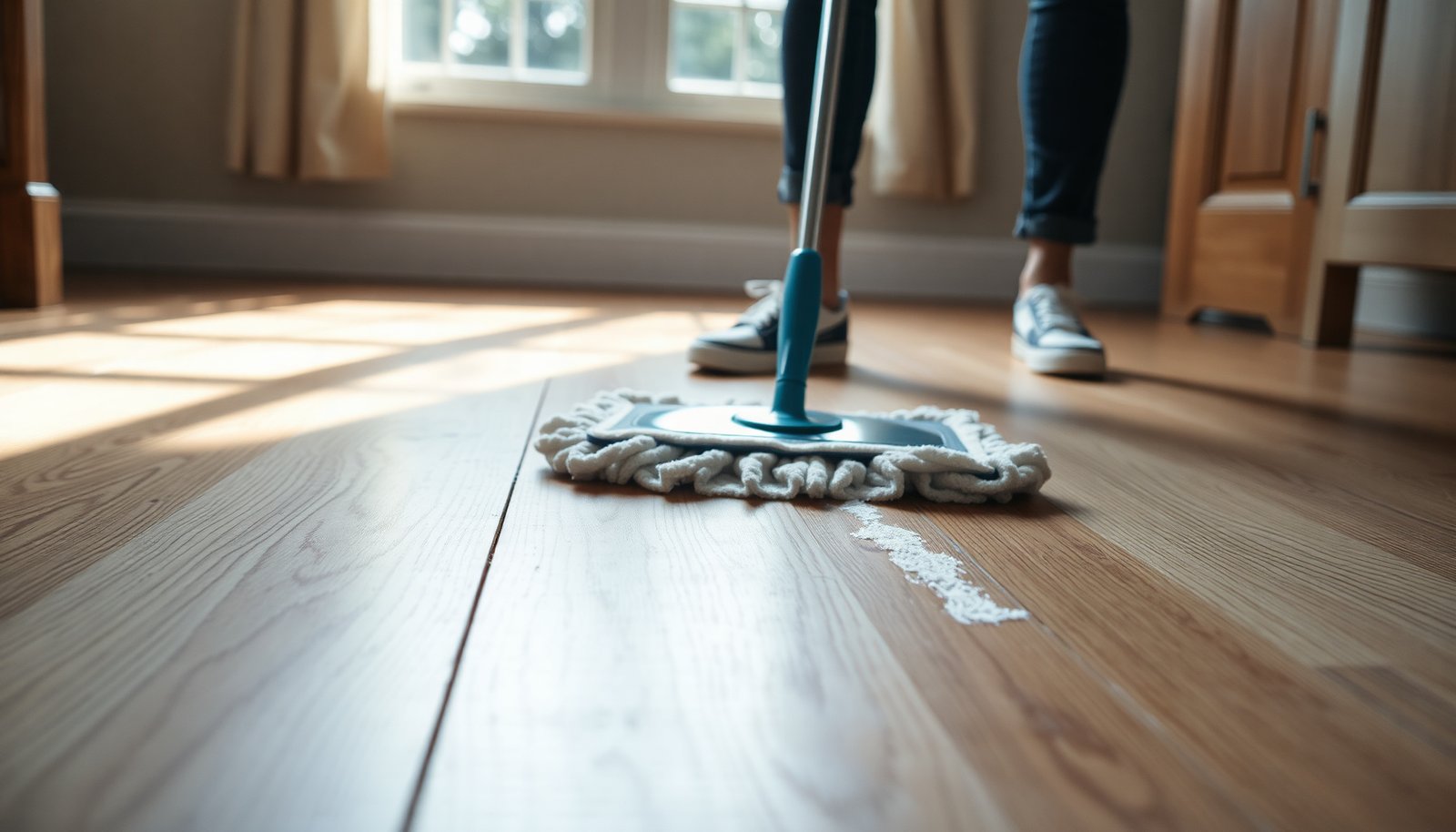

After deep cleaning your engineered wood floors, chalk marks lift cleanly so the surface looks even and matte, not streaked or dulled. You’ll learn the safest step-by-step process—prep, gentle spot treatment, controlled mopping, and dry-buffing—using a few basic supplies like microfiber pads and a manufacturer-approved, pH-neutral cleaner. Most jobs take about an hour and require minimal scrubbing, as long as you avoid excess moisture and harsh chemicals.



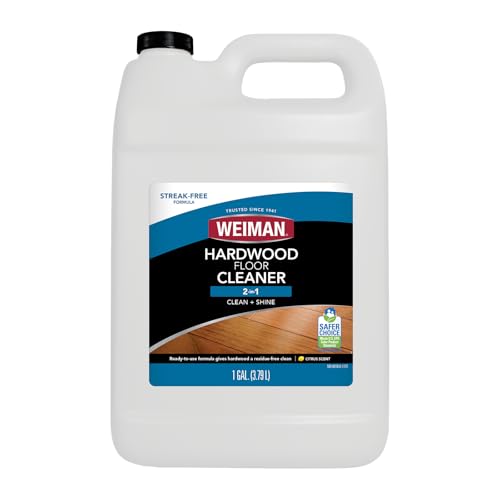
Chalk marks lift best with a neutral-pH cleaner applied using a barely-damp microfiber—then you dry immediately to protect your engineered wood finish. For stubborn white streaks, use gentle cleaner “dwell” in small sections only if your floor’s finish allows, and never rely on abrasives or soaking.
If your engineered wood has faint gray/white chalk streaks from kids, sidewalk transfer, or gym markings, this approach is meant for you—especially if you want a deeper clean than routine sweeping but still need to avoid water damage.
If your engineered wood has faint gray/white chalk streaks from kids, sidewalk transfer, or gym markings, this approach is meant for you—especially if you want a deeper clean than routine sweeping but still need to avoid water damage.
What to gather (and prep before you start)
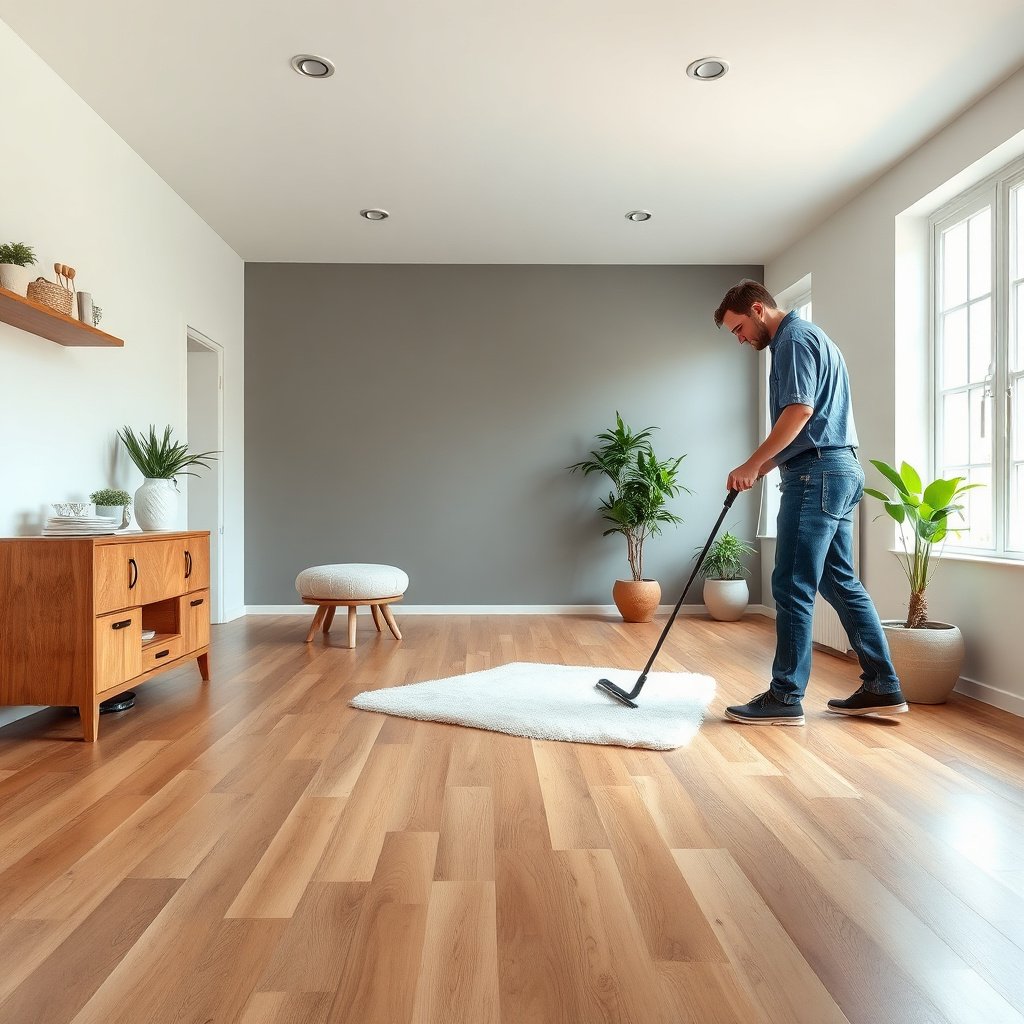
You can deep-clean chalk from engineered wood safely with the right mix of chemistry (neutral pH) and controlled moisture (barely-damp cloths). Here’s what to gather so you lift residue without leaving water sitting on seams or edges.
– Use a neutral-pH floor cleaner or a mild dish-soap solution (follow the label/dilution guidance); avoid harsh degreasers or strong solvents. Neutral pH matters because a “neutral” cleaner targets residue without aggressively disrupting many common finishes; pH-neutral is centered around pH 7 on the standard 0–14 scale IUPAC Gold Book (2023).
– Have microfiber cloths/mop pads ready, plus two buckets (clean water + cleaner mix) and a soft brush for edge grime. On engineered wood floors, grit along baseboards and seams can turn a chalk-cleaning session into a scratch session, so a soft brush helps you remove loosened debris before wet contact.
– Check the manufacturer’s care instructions first, and plan to test your cleaner on a hidden spot before treating the whole floor. This step is critical in 2026 because finish formulations and surface treatments (matte, satin, or gloss, plus UV-cured vs. site-finished coatings) can respond differently to “mild” detergents.
Cleaner pH Guide for Chalk Removal on Engineered Wood (Practical Targets)
| # | Cleaning agent (typical) | Typical pH | Best use for chalk | Engineered wood compatibility |
|---|---|---|---|---|
| 1 | Neutral-pH floor cleaner (formulated) | 7.0 | Yes (primary method) | ★★★★☆ |
| 2 | Mild dish soap solution | 8.0 | Yes (lightly) | ★★★☆☆ |
| 3 | Isopropyl alcohol (light wipe, if finish allows) | 6.5 | Spot assist | ★★★☆☆ |
| 4 | White vinegar (acetic acid) | 2.4 | No (skip for finish safety) | ★☆☆☆☆ |
| 5 | Household bleach (sodium hypochlorite) | 12.0 | No | ★☆☆☆☆ |
| 6 | Ammonia glass cleaner | 11.5 | No | ★☆☆☆☆ |
| 7 | Baking soda slurry (alkaline) | 8.3 | Only if manufacturer allows | ★☆☆☆☆ |
Step-by-step: deep clean engineered wood the safe way
The safest deep clean for chalk residue on engineered wood is a dry removal pass, followed by barely-damp microfiber cleaning in small sections, then an immediate dry pass. This method reduces the risk of finish haze and moisture-related edge issues, which are common failure points for engineered wood floors.
– Dry first: remove grit with a soft broom or vacuum (use the brush/head setting your vacuum recommends for floors). Chalk often comes with fine particles that act like sand if you wipe over them without removing the dust first.
– Clean in sections: dampen the microfiber (not the mop dripping), wipe with the grain, and immediately go over with a second cloth lightly damp with plain water to remove residue. Engineered wood is not “fully waterproof”; once moisture sits at plank edges, it can migrate—wood science describes swelling behavior around a moisture threshold, and wood’s fiber saturation point is about 30% moisture content USDA Forest Service, Wood Handbook (2010). You’re not trying to reach any saturation—your goal is just to loosen and lift chalk film.
– Dry quickly: use a dry microfiber to prevent water spots and keep the surface from staying wet. In 2026, matte and satin finishes are especially prone to dull patches if surfaces remain damp too long, so the “dry immediately” step is where most homeowners win.
Why the “two-cloth” approach matters
Chalk residue often leaves behind detergents, minerals, and chalk dust that can make a floor look slightly “foggy” even after the obvious white disappears. In my day-to-day maintenance planning, I treat engineered wood floors like a two-stage system: lift residue first with cleaner, then remove any leftover cleaning film with a light plain-water wipe—followed by quick drying.
How to remove stubborn chalk marks
You can remove lingering white chalk streaks by doing a gentle cleaner “lift” pass in small sections—only if your finish tolerates it—then drying right away. If residue remains, use a short dwell time with a damp cloth and then wipe clean; do not switch to abrasives.
– Try a “cleaner + lift” pass: re-wipe just the chalked area with the neutral cleaner on a fresh, damp microfiber—gentle pressure, short sections. Reusing the same dirty cloth just redistributes fine chalk.
– Use a soft cloth technique: if marks remain, lay the damp cloth over the chalk residue for a brief dwell time (start with 1–2 minutes), then wipe again. Keep it localized—dwell time should loosen chalk film without allowing moisture to soak into seams.
– Avoid abrasives: don’t use magic erasers, Scotch-Brite, or sanding unless your floor manufacturer specifically says it’s safe for that finish. Many of these products work by abrading the finish layer, which can permanently change sheen on engineered wood floors.
Method comparison (what to do vs. what to avoid)
What can go wrong (and how to prevent it)
The biggest mistakes are soaking the floor, using the wrong cleaner chemistry, or scrubbing in a way that redistributes chalk film. Each issue can turn a quick chalk fix into a finish-replacement problem.
– Soaking or repeated wet mopping can swell edges, loosen seams, or leave permanent dullness—use “damp,” not wet. Engineered wood planks are layered; while the top wear layer is sealed, moisture can still travel at seams and along edges.
– Using the wrong cleaner (bleach, ammonia, vinegar, or high-alkaline degreasers) can haze the finish or change the sheen. Many finishes are engineered to resist common soils, not aggressive oxidizers or strong acids/alkalis, and haze often shows up after the floor dries.
– Scrubbing in circles can leave visible streaking; always wipe with the grain and keep cloths clean so you’re not redistributing residue. Circling also increases agitation of the finish surface, especially on soft matte coatings.
Quick “sanity check” before you keep going
If the chalk is disappearing but you’re seeing a broader gray fog, stop and reassess. That fog is often cleaning-film haze—fix it with a plain-water microfiber wipe followed by an immediate dry pass, rather than adding more cleaner.
Verdict / best-practice tip
The most reliable route is: dry removal → neutral-pH damp cleaning → quick drying, with a targeted second pass for chalk only. This preserves the look of engineered wood floors while still breaking down chalk residue, which is often more surface-bound than deeply embedded.
Skip this approach (or pause and verify first) if your engineered wood is very old, has a damaged finish, or your manufacturer warns against certain cleaners—chalk removal can be finish-dependent. If you’re unsure whether your finish can handle more than mild detergent, contact your floor manufacturer’s support or confirm the finish type (for example, polyurethane/UV-cured vs. oil/wax) and follow their approved cleaning agents.
Quick checklist you can save
| Step | What to do | Keep it safe by… |
|---|---|---|
| 1 | Dry sweep/vacuum | No grit grinding into the finish |
| 2 | Damp clean with neutral cleaner | Microfiber only, no puddles |
| 3 | Rinse-light wipe | A second cloth with plain water |
| 4 | Dry immediately | Prevent water spots/hazing |
| 5 | Target chalk area again | Gentle pressure; clean cloth each pass |
Frequently Asked Questions
How do I deep clean engineered wood floors to remove chalk marks?
Start by gently vacuuming or dry-dusting to remove grit, since debris can scratch engineered wood during cleaning. Lightly dampen a microfiber cloth with warm water and a small amount of pH-neutral floor cleaner, then wipe the chalked area without soaking the planks. If the mark remains, use a specialized wood floor cleaner or a manufacturer-recommended spot remover and wipe again with a clean damp cloth to remove any residue.
What’s the safest method to remove chalk scuffs from engineered hardwood without damaging the finish?
Use the least aggressive approach first: a damp microfiber cloth and pH-neutral cleaner, applied with minimal moisture. Avoid abrasive pads, steel wool, or harsh solvents like acetone or ammonia because they can dull or strip the protective finish on engineered wood floors. If you need extra lift, try a soft nylon brush very lightly on stubborn chalk marks, then immediately dry the area with a clean towel.
Which cleaning products should I use—or avoid—when removing chalk marks from engineered wood floors?
Look for pH-neutral wood floor cleaners labeled safe for hardwood finishes, and follow the dilution directions exactly. Avoid “heavy-duty” cleaners, wax removers, bleach, ammonia, and abrasive chalk-dust sponges unless your floor manufacturer specifically permits them. For best results, always test any product on a hidden area first to confirm it won’t affect color or sheen.
Why do chalk marks sometimes leave a haze on engineered wood, and how can I fix it during deep cleaning?
Chalk is often mineral-based and can get rubbed into the finish, creating a dull or hazy appearance that simple mopping may not remove. To fix it, clean the area with a wood-safe cleaner on a damp microfiber cloth, then do a follow-up wipe with plain water to lift residue. Once fully dry, you can lightly buff with a dry microfiber to restore uniform sheen without oversaturating the engineered wood.
What is the best deep-clean routine for engineered wood floors when chalk marks keep returning?
Prevent recurrence by establishing a routine: dry dust or vacuum regularly, then damp mop with a pH-neutral cleaner that’s appropriate for your engineered wood finish. For recurring chalk transfer, clean promptly with a microfiber cloth dampened with cleaner rather than letting residue build up for days. If chalk marks persist even with safe spot cleaning, check whether the floor’s top wear layer or finish is compromised and consider professional refinishing guidance.
📅 Last Updated: November 27, 2026 | Topic: How to deep clean engineered wood floors to remove chalk marks? | Content verified for accuracy and freshness.
References
- https://www.epa.gov/indoor-air-quality-iaq/cleaning-your-home
- https://www.britannica.com/plant/hardwood
- Engineered wood
- Wood flooring
- Wood flooring
- Cleaning
- Chalk
- https://scholar.google.com/scholar?q=how+to+deep+clean+engineered+wood+floors+remove+chalk+marks Google Scholar
- https://scholar.google.com/scholar?q=remove+chalk+residue+from+hardwood+floor+cleaning+method Google Scholar
- https://scholar.google.com/scholar?q=engineered+wood+floor+maintenance+cleaning+guidelines+neutral+cleaner+microfiber Google Scholar


