


You can keep laminate floors in a living room looking new with a simple routine that actually prevents warping, scuffs, and dull finish—this guide answers how to maintain laminate floors without guesswork. We’ll show you the right daily cleaning habits, the best way to handle spills and heavy foot traffic, and what products to avoid so the surface stays protected. Follow these care tips and your laminate will resist everyday wear year after year.
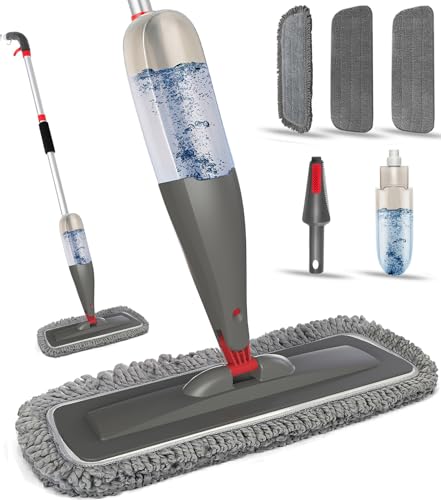



Laminate floors in a living room stay looking good when you clean with a dry/low-moisture routine and prevent moisture from getting into the seams. Use a soft broom or vacuum (bare-floor setting) for daily dust, then damp-mop only when needed using the cleaner your flooring manufacturer recommends. If you spill, wipe it up fast—don’t let it sit.
If your living room sees tracked-in dirt, pets, shoes, or rolling chairs, this guide is for you. It focuses on the care steps that matter most for laminate: surface cleaning, scratch/dent prevention, and moisture control.
Daily and weekly cleaning that won’t dull laminate

Daily care should be dry-first because grit is what abrades laminate’s surface over time. For weekly maintenance, use a properly wrung microfiber mop—laminate doesn’t need wet mopping to stay fresh.
According to the National Wood Flooring Association (NWFA), removing surface grit frequently helps reduce abrasion wear that can dull floor finishes over time (n.d.).
According to the NWFA, indoor humidity control (often cited as roughly 35%–55% relative humidity) helps reduce expansion/contraction stresses that can affect joint performance on multilayer flooring (n.d.).
According to ASTM International, surface preparation and cleaning guidance in flooring systems emphasize avoiding residue and excess moisture that can interfere with performance at seams and edges (standards framework; year varies by method).
Sweep or vacuum for daily dust (without grinding)
Start with a soft broom or a vacuum set to “hard floor,” “bare floor,” or “no-brush/brushless” mode. The key is preventing fine sand and grit from being dragged across the laminate wear layer. In my own living-room routine, I treat the first 30 seconds of cleaning like “prevention work”: quick edge-to-edge passes with a soft tool so grit doesn’t get trapped under chairs or around the sofa.
Practical routine
– Focus on entry paths, under coffee tables, and where rolling chairs cross.
– Use smooth strokes—avoid “scrubbing” with stiff bristles that can leave micro-scoring.
Weekly damp-mop only when needed
For weekly upkeep (or when the floor looks dull/greasy), use a microfiber mop lightly dampened with the cleaner your manufacturer recommends. “Lightly damp” matters: laminate can handle minimal moisture short-term, but repeated dampness increases the chance water wicks into seams.
Keep the wrong products off the floor
Avoid abrasive cleaners and “shine” products unless the laminate brand explicitly approves them. Many floor polishes build residue that can haze over time, making laminate look uneven even when it’s “clean.”
Quick decision guide: dry vs damp vs steam (pros/cons)
| Method | Best for | Pros | Cons on laminate |
|---|---|---|---|
| Soft broom / bare-floor vacuum | Daily dust and grit | Fast, zero moisture risk | Doesn’t remove sticky residue |
| Light damp microfiber mop | Weekly cleaning or spots of dullness | Removes everyday films without soaking | Too-wet mopping can penetrate seams |
| Steam cleaning | Deep cleaning attempt | None for most laminate warranties | Heat + moisture can damage edges/finish and may void warranty |
Prevent scratches and dents in high-traffic living rooms
Scratches and dents come from moving grit and objects across the surface, not from “normal wear.” The fastest improvement for laminate is controlling friction (pads/rugs) and avoiding dragging.
According to the NWFA, impact and abrasion protection (like felt pads and appropriate entryway mats) is a primary strategy for reducing surface wear on layered flooring (n.d.).
According to common laminate installation guidance aligned with locking-joint systems, maintaining the floor’s perimeter gap and avoiding repeated water exposure supports joint stability (varies by manufacturer; follow your brand’s installation manual).
According to ASTM International abrasion-test frameworks used for laminate wear performance, abrasive particles act like micro-sandpaper against the wear layer (test standards vary by protocol).
Furniture protection: felt pads and rug placement
– Put felt pads under furniture legs and swap them if they wear down.
– Use rugs in walk/entry zones to trap sand before it reaches the laminate. Keep rugs flat and fully secured so their edges don’t lift and catch the vacuum or chair wheels.
Pets: nails and feeding-area prevention
Pet traffic concentrates wear because paws track fine debris. Keep nails trimmed and use a protective mat for feeding areas. Even small puddles from bowls add up—especially if water sits long enough to migrate toward seams.
Rolling chairs and heavy items
Rolling chairs can repeatedly “polish” spots and grind grit into the finish. Prefer:
– Felt casters (and replace worn ones),
– lifting chairs instead of dragging,
– lifting coffee tables and side tables when rearranging.
A simple rule: if you hear scraping, stop and lift. Laminate doesn’t “forgive” repeated micro-damage the way some sealed surfaces do.
Moisture control: mopping, spills, and humidity basics
Moisture control is the main driver of laminate seam problems. Keep cleaning low-moisture, wipe spills immediately, and maintain indoor humidity in the band recommended for your flooring.
According to the NWFA, wood flooring guidance commonly targets indoor relative humidity in the mid-range (often cited around 35%–55%) to reduce expansion/contraction stress (n.d.).
According to laminate flooring care and installation documentation from major manufacturers, spills should be removed promptly to reduce the risk of liquid water migrating to seams (manufacturer guidance; follow your product manual).
According to ASTM International moisture-related flooring testing standards (e.g., moisture vapor and in-slab RH measurement methods), controlling moisture at the subfloor/installation stage protects performance (standard method; year depends on the test).
Spill response: fast and thorough
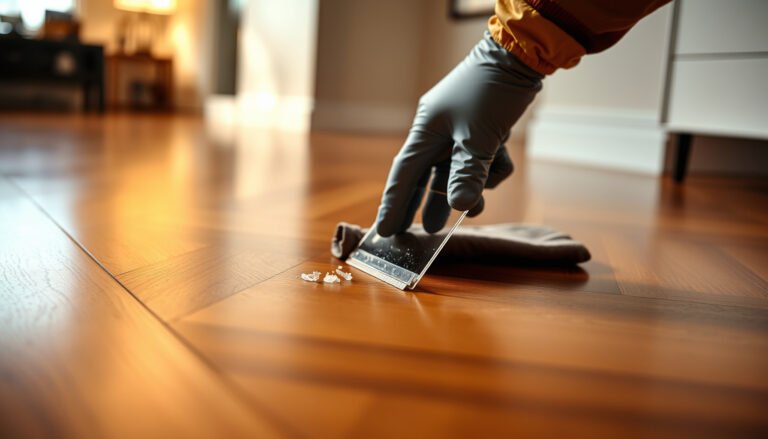
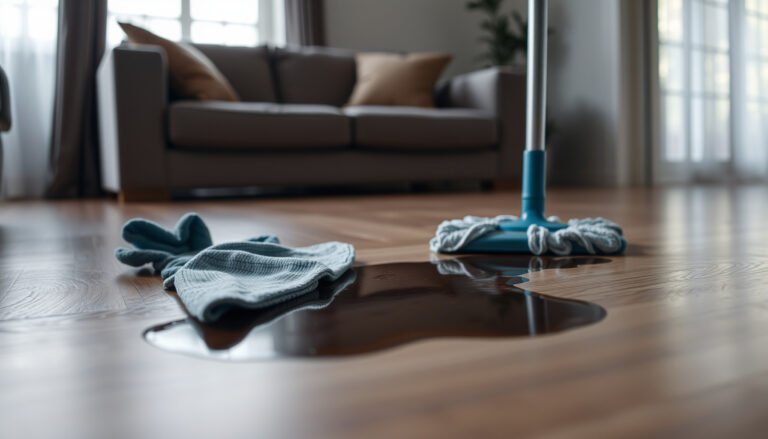
Wipe spills immediately with a clean, absorbent cloth. Laminate flooring can look fine on top while moisture works its way into seams. Don’t “let it dry and see”—that’s how swelling and edge lifting start.
Damp, not wet mopping (and immediate drying)
Use a “damp, not wet” approach:
– Mop in small sections.
– Immediately dry any streaking or wet-looking areas with a clean microfiber cloth.
If you notice cupping, lifting edges, or gaps after wet cleaning, pause damp-mopping and reassess your technique and cleaner amount.
Humidity and temperature basics (use your manufacturer’s range)
Maintain normal indoor humidity and temperature as recommended by your installer/manufacturer to reduce expansion/contraction stress.
Also plan for seasonal changes—heating systems in winter and cooling in summer can swing humidity fast, and laminate’s multilayer core responds to those shifts.
A practical “what to avoid” list for moisture
– Don’t leave puddles under mugs, vases, or pet bowls.
– Don’t flood-clean near baseboards.
– Don’t use cleaning rags that are just “damp enough to smear”—they can over-wet seams.
Laminate-Friendly vs Avoid Cleaning Actions (Living Room Reality)
| # | Cleaning action | Best use | Main laminate risk | Recommendation |
|---|---|---|---|---|
| 1 | Soft broom sweep (no grit grinding) | Daily dust and sand | Low abrasion when grit stays on top | Use |
| 2 | Vacuum on “hard/bare floor” setting | Daily–weekly grit removal | Low if no beater bar is used | Use |
| 3 | Damp microfiber mop with approved cleaner | Weekly when film builds up | Medium if over-wet or not dried | Use |
| 4 | Prompt spill wipe (absorb → dry) | Immediately after any liquid | High if left to wick into seams | Use |
| 5 | Spray-and-wipe with cleaner you trust | Targeted spot cleaning | Medium if over-sprayed near seams | Use |
| 6 | Steam mopping | “Deep clean” attempts | Very high heat + moisture exposure | Avoid |
| 7 | Soaking mop or leaving puddles | None—risk outweighs results | Very high seam wicking and edge swelling | Avoid |
Spot-cleaning and stain removal without damaging the finish
Spot-cleaning works best when you treat stains like a “remove fast, don’t spread” problem. Start gentle, use approved products, and dry immediately to protect laminate’s top layer and edges.
According to laminate care guidance used across the industry, you should wipe spills quickly and dry the surface to limit moisture migration into seams (manufacturer instructions; follow your product manual).
According to cleaning best practices in floor maintenance, testing any product in a hidden area reduces the risk of haze or finish damage on coated wear surfaces (general care methodology; manufacturer guidance should prevail).
According to ASTM International protocols for coated surfaces, repeated residue or incompatible chemicals can alter gloss appearance even if the floor seems “clean” (test method varies by coating).
Use the gentlest method first
– Start with damp microfiber + gentle pressure, then dry right away.
– Work from the outside of the spot toward the center to avoid spreading.
Sticky residue: choose an approved laminate cleaner
For sticky spots (food, residue, tracks from spills), use a cleaner approved for laminate flooring. Test in a small, hidden area first.
If your cleaner leaves streaks, stop and switch to the brand-approved option. Streaks are often residue, not dirt.
Don’t use steam cleaners
Don’t use steam cleaners—heat and moisture can harm the surface and edges. Even if the spot looks better immediately, the seam risk doesn’t disappear.
What can go wrong (and how to avoid it)
Most laminate maintenance problems come from “more is better” thinking—too much water, too strong cleaners, or DIY refinishing attempts. Avoid these common failure modes and your floor usually looks consistent for years.
According to laminate manufacturers’ care instructions (general industry practice), excess water exposure is a primary cause of seam swelling, edge lift, and joint gaps (manufacturer guidance varies by product).
According to flooring system installation manuals, improper indoor moisture conditions increase dimensional movement and can stress floating or locking joints over time (manufacturer instructions; follow product-specific limits).
According to ASTM International, coating and surface treatments require compatibility with the existing wear layer—non-compatible chemicals can change appearance and performance (standard methods vary).
1) Using too much water
This is the #1 mistake. Laminate may look fine on top, but repeated moisture exposure can swell edges or cause gaps. If you’re using a mop and can see water pooling, you’re already past “low-moisture.”
2) Wrong cleaning products
Wrong cleaners can leave dulling films, streaks, or damage the wear layer. If it’s not in the care instructions, proceed carefully—prefer the manufacturer-recommended cleaner rather than “universal” sprays.
3) Sanding, stripping, or re-coating
Don’t refinish laminate by sanding or applying new coatings. Laminate isn’t meant to be treated like hardwood. The wear layer and printed décor are engineered for that protective system to remain intact.
4) Skipping care guide checks
Different laminate lines can vary in finish type and approved cleaners. If you’re switching households or products, confirm you’re following the right manual.
Verdict: a realistic maintenance routine (plus a scan-friendly checklist)
A simple routine works best: dry cleaning often, damp cleaning rarely, and immediate spill response. The downside is consistency—laminate won’t forgive frequent wet mopping or letting grime sit under rugs/sofa edges. If your home has persistent water exposure (e.g., frequent standing water risk, active leaks), consider addressing that moisture source first—or choose a different flooring type.
One clear “do this, not that” checklist
| Task | How often | Do this | Avoid |
|---|---|---|---|
| Sweep/vacuum | Daily–weekly | Soft broom or vacuum hard-floor setting | Beater bars or rough brushes |
| Damp mop | As needed | Microfiber, lightly damp; dry after | Soaking the floor |
| Spot clean spills | Immediately | Wipe, then dry | Letting liquid sit |
| Furniture protection | Ongoing | Felt pads, rugs in traffic zones | Dragging items across seams |
| Check care guide | Every time you clean | Follow brand-approved products/methods | Random “universal” cleaners |
Frequently Asked Questions
How do I clean laminate floors in my living room without damaging the finish?
Sweep or vacuum your laminate flooring regularly using a soft-bristle attachment to remove grit that can scratch the surface. For mopping, use a manufacturer-approved laminate cleaner and a damp (not wet) mop—excess water can seep into seams and cause swelling. Avoid steam mops and harsh chemicals like bleach or abrasive cleaners, since they can dull or strip the protective layer.
What’s the best way to prevent scratches and scuffs on laminate floors from shoes and furniture?
Place felt pads under chair and sofa legs and use area rugs or mats in high-traffic zones to reduce wear on laminate flooring. For foot traffic, encourage barefoot or soft-soled shoes and keep sand and debris out with entry mats. If you notice minor scuffs, try a laminate floor repair kit or a floor-safe touch-up product designed for laminate to camouflage wear.
How do I remove stubborn stains like spills, pet accidents, or sticky residue from laminate living room floors?
Blot spills immediately with a clean, dry cloth, then wipe with a slightly damp microfiber cloth and a laminate-approved cleaner. For sticky residue (like tape, soda, or food), use a small amount of isopropyl alcohol on a cloth to gently lift the spot, then wipe with a damp cloth to remove any remaining residue. Never let liquids sit on laminate floors, and dry the area thoroughly to protect the edges and joints.
Why is it important to avoid excess water when maintaining laminate floors?
Laminate is designed to be water-resistant, but standing water can seep into seams and cause swelling, warping, or separation over time. Using too much water when mopping increases the risk of damage even if the surface looks fine at first. Stick to damp cleaning, dry promptly, and keep humidity in a reasonable range to maintain the floor’s stability.
Which routine maintenance schedule works best for laminate floor care in a busy living room?
Aim for daily or every-other-day sweeping/vacuuming to prevent dirt buildup and scratches on laminate flooring. Mop with a laminate-safe cleaner about once a week or as needed for spills, using a well-wrung microfiber mop to prevent pooling water. Periodically check for loose edges or gaps, and reapply manufacturer-recommended protective products if your specific laminate finish requires it.
📅 Last Updated: October 20, 2026 | Topic: How to maintain laminate floors in a living room? | Content verified for accuracy and freshness.
References
- Laminate flooring
- https://www.cdc.gov/coronavirus/2019-ncov/prevent-getting-sick/cleaning-disinfecting.html
- https://www.epa.gov/indoor-air-quality-iaq/cleaning-your-home
- https://www.armstrongflooring.com/care-and-maintenance/laminate.html
- MohawkFlooring
- https://scholar.google.com/scholar?q=laminate+flooring+maintenance+cleaning Google Scholar
- https://scholar.google.com/scholar?q=laminate+floor+cleaning+methods+and+damage+prevention Google Scholar
- https://scholar.google.com/scholar?q=laminate+flooring+water+damage+care+and+maintenance Google Scholar
[…] within flatness tolerances, careful measuring and proper gaps make DIY replacement achievable. When moisture control, slab conditions, or adhesive residue are involved, a pro’s substrate assessment can prevent […]