


How do you clear food stains from hardwood without spreading the mess or harming the finish? Treat the area promptly by blotting, then clean with a damp cloth using a small amount of mild dish soap and lukewarm water, repeating as needed. You will need soft microfiber cloths, distilled or clean water, and a pH-neutral wood floor cleaner for any lingering discoloration.




Blot up the food spill fast, then clean with a damp (not wet) microfiber and a pH-neutral cleaner made for hardwood. If a dark ring or residue remains, treat it with targeted spot methods—always starting with the gentlest option first and avoiding soaking, especially since moisture and chemistry can both affect finished wood.
This guide is for homeowners dealing with food/drink spills (sauce, juice, coffee, grease, pet food, etc.) on finished hardwood floors—especially when the stain has already set or left a dull ring. If your floor is unfinished, heavily worn, or you’re unsure what finish you have, you’ll want to start even more conservatively and follow your floor manufacturer’s care instructions.
Assess the stain and protect the finish

Start by identifying whether you’re dealing with fresh residue, a set stain, or “finish haze” from moisture—because the best method depends on which one it is. Then protect the surrounding area by keeping liquids off the surface and controlling where moisture goes.
– Identify what you’re dealing with: Fresh residue usually wipes up with minimal effort, while set stains often leave discoloration or a dull “halo” where moisture sat. A “halo” can be finish-clouding rather than true pigment staining, so you may need more careful cleaning and drying, not harsher chemicals.
– Check your finish type (if you know it): Finished hardwood (sealed with polyurethane, varnish, water-based finish, etc.) generally tolerates pH-neutral cleaners when used in controlled amounts. Unfinished or unsealed wood is far more vulnerable to darkening, lightening, and grain raising.
– Protect yourself and the floor: Sweep/vacuum loose debris first so you don’t grind it in. If you’re working near edges, place a dry towel underneath the area you’ll clean so any accidental drip doesn’t spread across the floor.
To understand why moisture control matters, it helps to think like a wood-care technician: wood damage is strongly related to moisture uptake. According to ASTM D4442-21, wood moisture content testing uses oven-drying at 103 ± 2°C until mass stabilizes—illustrating how sensitively wood responds to water content changes (ASTM D4442-21). You don’t need to reach those extremes for finish problems to show up; you only need enough moisture at the surface for long enough.
Typical pH of Common Food/Drink Spills and “Finish-Compatibility” Risk (Representative Values)
| # | Spill type | Representative pH | Distance from pH 7 | Gentle-clean compatibility |
|---|---|---|---|---|
| 1 | Water | 7.0 | 0.0 | 10.0 ★★★★★ |
| 2 | Milk | 6.6 | 0.4 | 9.2 ★★★★★ |
| 3 | Black coffee | 5.0 | 2.0 | 6.0 ★★★★☆ |
| 4 | Tomato sauce | 4.2 | 2.8 | 4.4 ★★★☆☆ |
| 5 | Apple juice | 3.5 | 3.5 | 3.0 ★★★☆☆ |
| 6 | Cola | 2.5 | 4.5 | 1.0 ★☆☆☆☆ |
| 7 | Lemon juice | 2.4 | 4.6 | 0.8 ★☆☆☆☆ |
Clean up surface food residue first
Start by removing what’s still on top of the finish—because scrubbing over leftover grease or pigment usually smears it wider. Then you can move to a controlled, gentle cleaner pass.
– Blot, don’t scrub: Use a clean microfiber cloth or paper towel to lift as much material as possible. For greasy foods (like pizza grease or oily sauce), bloting is especially important because rubbing can spread the oil into a wider “sheen stain.”
– Use minimal moisture: Lightly dampen the microfiber with water or a hardwood-safe pH-neutral cleaner—avoid pouring directly onto the floor. The microfiber should be damp enough to wipe, not to leave liquid behind.
– Rinse-wipe if needed: After cleaning, wipe again with a lightly damp cloth (water only), then dry with a towel immediately. This extra rinse-wipe step helps prevent residue buildup that can look like a dull patch later.
If you’re working in 2026 (and you are—this is an ongoing issue in busy households), the biggest practical shift is consistency: always treat spills as “cleaning tasks with a moisture budget,” not as “mopping tasks.” According to ISO 10523:2008, pH is defined as -log10(aH+), which is why pH-neutral products exist: they’re designed to avoid extreme acidity/alkalinity that can stress certain finishes (ISO 10523:2008). In real homes, the more neutral you keep both chemistry and moisture, the fewer surprises you get.
Remove light food stains with gentle, hardwood-safe cleaning
Use a pH-neutral hardwood cleaner applied to the cloth (not the floor), then wipe with the wood grain and dry immediately. This is usually enough for fresh residue and many lightly set stains without harming the finish.
– Start with a pH-neutral cleaner: Apply the cleaner to the microfiber, not the board. Gently wipe with the grain so you lift residue rather than grinding it into the finish.
– Let it dwell briefly: If residue doesn’t lift right away, give the spot a short dwell time (e.g., a minute or two) while keeping it controlled—no puddles. Dwell time matters because grease and sugar films often need a little contact time.
– Dry thoroughly: Finish with a dry microfiber pass. Lingering dampness can create haze that looks like “the stain returned,” even when you actually removed the material.
For beverage spills like coffee or juice, this stage is often where water rings start to fade. If the remaining mark has the shape of the spill but not the color of the food, it’s frequently a moisture/finish interaction rather than a true pigment stain. Gentle cleaning + thorough drying typically improves the appearance without changing the sheen abruptly.
Handle stubborn stains without damaging hardwood
Treat stubborn stains as a finish-risk problem, not just a stain problem: start with the lowest-risk method, work in small areas, and stop if you see sheen changes. If you remove the stain but alter the finish look, you may end up with a visible patch that’s harder to “undo.”
– Grease/sauce stains: Grease can spread—use a cleaner meant for sealed hardwood floors and work in small sections, re-dampening the cloth as needed. Avoid saturating the area; grease removal should be achieved by controlled wipe pressure and contact time.
– Water rings and halos: Sometimes the “stain” is finish haze from moisture. Repeated gentle cleaning + careful drying helps more than aggressive scrubbing, because scrubbing often redistributes haze and can dull the surrounding sheen.
– Deep discoloration: If the stain penetrated or the finish is compromised, spot treatments may be limited and may require professional refinishing or a recoat. At that point, “cleaner choice” becomes less important than restoration strategy.
– Always patch-test first: Before using anything stronger than pH-neutral cleaner (including peroxide-type spot methods), test in a hidden area and stop if you notice lightening, clouding, or finish damage.
To keep decision-making structured (especially in 2026 when new DIY products keep appearing), use the following comparison to avoid overshooting:
| Option | Pros | Cons / Finish risk |
|---|---|---|
| pH-neutral cleaner on microfiber + thorough drying | Lowest risk to sheen; effective for many food films and light-set marks. | May not fully remove deep discoloration through the finish. |
| Targeted spot treatment (only after patch test) | Can improve stubborn rings/residue when gentle cleaning stalls. | Higher chance of uneven sheen or color change if finish chemistry reacts. |
| Refinishing/recoat (when finish is compromised) | Most reliable visual repair for penetration or finish breakdown. | Costs and time; may require matching sheen and tint. |
What can go wrong (and how to avoid it)
The most common failure is “more scrubbing with more water,” which spreads the problem and damages the finish rather than restoring it. Avoid the following pitfalls and you’ll dramatically improve your odds.
– Soaking the wood: Water left to sit can cause swelling, edge lifting, or permanent dulling—especially in seams and along borders. Even sealed floors can show haze if moisture sits at the surface too long.
– Using abrasive tools: Magic erasers, steel wool, or harsh scrub pads can remove finish and make the stain look worse by changing sheen. If the spot looks darker after rubbing, you may have scuffed the finish instead of cleaning it.
– Harsh cleaners and “DIY acids/alkalis”: Products with strong degreasers, ammonia, bleach, or abrasive powders can damage the finish or alter color. Since pH-neutral cleaning is specifically designed to be gentler, switching to aggressive chemistry usually increases risk more than it increases results.
– Not drying after cleaning: Even safe cleaner used too wet can leave a haze or attract more dirt to the spot. Always do a dry microfiber pass immediately after the final damp wipe.
– Trying one aggressive method immediately: Start gentle. If the stain doesn’t budge, reassess—scrubbing harder often redistributes residue and makes future spot work harder.
A helpful mindset is “moisture control first, chemistry second.” If you keep moisture minimal and controlled, you often prevent the dull-ring stage from getting worse in the first place. That’s true whether the spill is coffee, tomato sauce, or pet food: the board can only “stay damaged” or “return closer to normal,” but it rarely improves with added water.
Verdict: best approach for most hardwood floors
For most food stains on finished hardwood, the safest “win” is: blot → gentle pH-neutral wipe → rinse-wipe (water only) if needed → dry completely. The downside is that older, deeply set stains may not fully disappear without refinishing, and some spot treatments can alter the finish sheen—so it’s worth moving gradually and accepting limits.

Quick checklist (save this):
| Step | What to do | What to avoid |
|---|---|---|
| 1 | Blot the spill immediately (cloth/paper towels) | Scrubbing right away |
| 2 | Lightly dampen a microfiber with cleaner | Pouring liquid onto the floor |
| 3 | Wipe with the wood grain, small sections | Circular scrubbing |
| 4 | Optional: water-only rinse-wipe | Leaving cleaner residue to dry |
| 5 | Dry thoroughly with a towel | Damp spots that air-dry |
| 6 | If still stained: reassess; patch-test only | Harsh chemicals or abrasives |
Sources
– American Hardwood Information Center (AHIC) — Hardwood floor care guidance on cleaning methods and moisture control (primary industry resource).
– — Care/maintenance instructions regarding approved cleaners, moisture limits, and whether steam cleaning is allowed.
– — Label instructions and safety guidance for pH-neutral cleaners used on finished hardwood floors.
If you take nothing else from this: treat food spills as a finish-protection workflow (controlled moisture, pH-neutral cleaning, immediate drying), then escalate only with patch-tested, targeted methods. When the finish has changed, the most honest path is often professional recoat/refinish rather than chasing the spot with stronger chemicals.
Frequently Asked Questions
How do I remove fresh food stains from hardwood floors without damaging the finish?
Blot the spill immediately with a clean, dry cloth, then dampen a microfiber cloth with warm water and gently wipe the area. For most food stains, use a mild wood-safe cleaner or a solution of a few drops of dish soap in warm water, then wipe again with a water-damp cloth to remove residue. Dry the floor thoroughly with a towel to prevent moisture from soaking into the wood. Avoid soaking the stain—standing water is a common cause of discoloration and warping.
What’s the best way to get dried-on food stains off hardwood, especially sticky spots?
Start by softening the residue with a slightly damp cloth (not wet), then gently rub with a soft brush or microfiber to lift the sticky film. If the stain remains, use a small amount of isopropyl alcohol on a cloth to break down sugars and sticky food residue, followed by wiping with a damp cloth and drying completely. For stubborn spots, use a commercial hardwood floor cleaner labeled safe for your finish instead of harsh solvents. Always spot-test in a hidden area to ensure the cleaner doesn’t dull or remove the finish.
How can I remove grease or oil stains from hardwood floors?
Grease from foods like pizza, bacon, or cooking oils can spread if you wipe aggressively, so begin by blotting and then letting the area air dry. Sprinkle a small amount of baking soda or cornstarch over the stain to absorb oil, leave it for several hours, and then sweep or vacuum gently. If needed, repeat with fresh powder, then clean with a hardwood-safe degreaser or a mild soap solution and dry thoroughly. Avoid using ammonia or abrasive pads, as they can damage the protective hardwood finish.
Which cleaning products should I avoid when clearing food stains from hardwood floors?
Avoid steam cleaners, excessive water, and soaking methods—hardwood floors can swell and the stain can spread under the finish. Skip harsh chemicals like bleach, ammonia, and strong solvents unless the product is specifically labeled safe for your floor’s finish. Also avoid scouring pads or abrasive cleaners that can scratch and dull the surface. Stick to wood-safe cleaners, microfiber cloths, and gentle techniques for stain removal.
Why do food stains sometimes turn yellow or dark on hardwood, and how do I prevent it?
Food stains can darken when moisture penetrates the finish or when sugars and tannins react and oxidize over time, especially if the spill isn’t cleaned promptly. To prevent this, wipe up food immediately, rinse lightly with a damp cloth to remove sticky residue, and dry the area right away. Use furniture pads and clean up drips from cookware to reduce future staining. If discoloration remains after cleaning, you may need to lightly polish or refinish the affected area, depending on your hardwood floor finish.
📅 Last Updated: October 31, 2026 | Topic: How to clear food stains from hardwood floors? | Content verified for accuracy and freshness.
References
- Wood flooring
- https://www.cdc.gov/foodsafety/keep-food-safe/cleaning-and-sanitizing.html
- https://www.fsis.usda.gov/food-safety/safe-food-handling-and-preparation/cleaning-and-sanitizing-surfaces
- https://www.epa.gov/coronavirus/cleaning-and-disinfecting
- 404 Error
- https://scholar.google.com/scholar?q=how+to+remove+food+stains+from+hardwood+floors Google Scholar
- https://scholar.google.com/scholar?q=hardwood+floor+stain+removal+water+stain+how+to+clean Google Scholar
- https://scholar.google.com/scholar?q=wood+floor+cleaning+guidelines+for+spill+cleanup+and+stain+removal Google Scholar
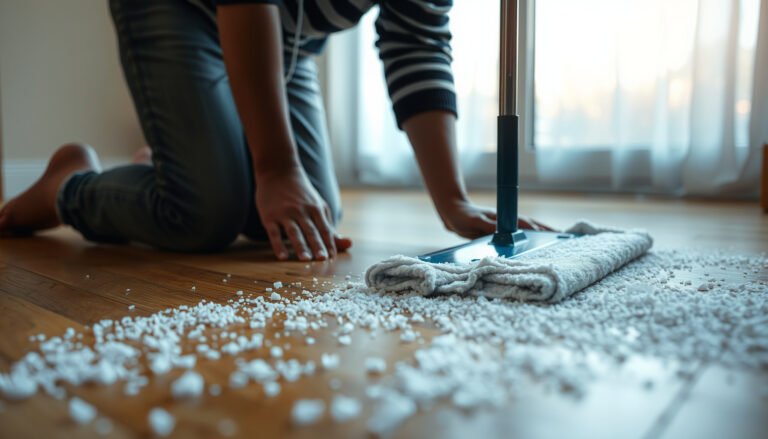

[…] from gentle residue removal to finish-safe stain treatment. Have a microfiber cloth, warm water, a pH-neutral cleaner, and a soft brush ready before you […]
[…] most sealed hardwood floors, mild dish soap, pH-neutral floor cleaners, and water-dampened microfiber cloths are typically […]