Want to make vinyl floors safer in a rental property? The fastest path is to control slip risk, strengthen the subfloor, and seal edges so water and lifting don’t create trip hazards. This guide lays out the key steps landlords and tenants can take to reduce falls, prevent damage, and keep vinyl flooring compliant and safe for everyday use.



Make vinyl floors safer in a rental property by fixing slip-and-trip hazards fast, keeping seams/edges secure, and using renter-proof cleaning that doesn’t leave residue or moisture behind. Start with the highest-impact problems—buckling planks, worn areas, and loose transitions—then tighten your maintenance and cleaning rules so the floor stays safer for everyday foot traffic.
Landlords, property managers, and DIY-leaning tenants who want vinyl (LVP/LVT or sheet) to feel safer for everyday foot traffic—especially in entryways, kitchens, and hallways—without constant repairs.
1) Fix the biggest slip hazards first (before anything else)

The fastest way to reduce injury risk on vinyl flooring is to eliminate visible slip-and-trip triggers first, not to “buff” or re-clean over them. Damaged vinyl and loose transitions create the uneven surface and edge catches that turn small mistakes (water tracked in, a rushed step, a dropped object) into trips and slips.
- Replace or promptly repair vinyl sections that are lifting, curling, cracked, or worn down—damaged areas can become instant trip-and-slip spots.
- Address seam separation and gaps quickly; gaps can let moisture in and cause further shifting under regular traffic.
- Add or upgrade non-slip protection at entry points (where rain, snow, and mud are common) rather than treating the whole floor as if dirt never leaves residue.
According to the CDC, falls are the leading cause of injury death among adults aged 65 and older, making slip and trip prevention on resilient surfaces a high-priority maintenance issue.
According to ASTM D2047, slip resistance testing reports a static coefficient of friction (COF) value, which is exactly what “film buildup” and uneven wear can alter.
What I look for during a rental walk-through
In my experience reviewing maintenance issues at move-in/move-out, vinyl safety problems rarely start in the middle of a room. They usually show up first where flooring meets moisture, grit, and door traffic: entryways, kitchen sink “wet zone” paths, and hall transitions. That’s why this section focuses on the “fast fixes” that stop the hazard chain early—lifting planks, rough edges, and transitions that catch shoes.
Repair priorities that reduce risk quickly
– Buckled or lifting planks (highest priority): If the vinyl is already moving, it’s acting like a ramp or lip.
– Worn finish in high traffic lanes: Even if the plank edges are intact, visible wear can reduce traction—especially when the cleaner leaves a thin residue layer.
– Loose transitions: Thresholds, reducers, and trims prevent foot catch when floors meet tile, carpet, or adjacent rooms. If they’re loose, replace them rather than “waiting until the next turnover.”
2) Start with safer installation choices (so it stays safe over time)
A vinyl floor becomes safer long-term when the installation matches the product—especially subfloor flatness, moisture control, and the correct assembly method (adhesive vs. click-lock). If those basics are wrong, the floor can shift, seam edges can lift, and traction can degrade even if you clean it “correctly.”
- Confirm the subfloor is flat and stable; resilient flooring telegraphs unevenness and can start separating under regular traffic. Use a straightedge and follow manufacturer flatness guidance (see ).
- Use the correct underlayment and moisture barrier for your exact vinyl type (LVP/LVT vs. sheet, click-lock vs. glue-down).
- Follow acclimation and installation steps during replacement; “wrong method” installs are a common cause of early movement and edge failures.
According to ASTM D2047, slip testing focuses on friction at the surface, so installation problems that change how the finish wears (or create raised seams) can indirectly worsen slip risk.
If a resilient vinyl product is installed without the manufacturer-required moisture mitigation, edge lifting and seam gaps can develop, which increases both trip risk and water intrusion risk.
Subfloor flatness: the hidden driver of “mysterious” seam lift
Even high-quality vinyl flooring can fail early if the subfloor is uneven or unstable. A click-lock (floating) vinyl floor is especially sensitive to minor height variations because repeated footfall stresses the locking area. In rentals, subfloor irregularities are often introduced by previous patching, “lumpy” underlayment, or older floor leveling compounds that were never feathered properly—then the seams begin to separate.
Underlayment + moisture barrier: don’t treat them as optional
Underlayment isn’t only for comfort—it affects how the resilient layer behaves under load. Moisture barriers (when required by the manufacturer) protect the subfloor environment that vinyl depends on. If you skip the approved layer stack-up, you can see:
– seam edges migrating upward,
– cupping or gapping,
– and cleaning behaviors that can’t compensate for recurring movement.
A renter-proof installation checklist to demand at turnover
– Subfloor flatness verified with a straightedge (per product spec).
– Correct moisture mitigation used where required by the manufacturer.
– Installation method matches the vinyl (adhesive vs. click-lock).
– Acclimation time completed before install (per product spec).
– Transitions planned up front (reducers installed where height differences exist).
> Note: Replace every item in this article with your specific product’s PDF/manual link or citation to keep your maintenance guidance audit-ready.
3) Keep it clean without making vinyl slick or damaged
Cleaning is not just about appearance—it directly affects traction and surface integrity. Vinyl can become slippery when residue builds up from the wrong cleaner, and it can be damaged by excess moisture or equipment the manufacturer doesn’t allow.
- Prevent film buildup: dry dust/mop regularly, then use a cleaner approved for resilient/vinyl flooring ().
- Avoid residue: rinse only if the label instructs; don’t over-apply. Film can increase slip risk even when the floor looks clean.
- Be cautious with steam/strong equipment: unless the vinyl manufacturer explicitly allows it, don’t assume steam or heavy wet-mopping is safe.
According to the U.S. EPA’s indoor air guidance, ventilation during and after cleaning helps reduce exposure to volatile organic compounds (VOCs) that some cleaning products can release (cite your specific EPA section/page).
According to ASTM D2047, changes to surface conditions (including residue and surface wear) affect measured static coefficient of friction, which is a core indicator of slip resistance.
The “two-step” cleaning routine that keeps traction stable
1) Dry first: Sweep or dust-mop to remove grit and abrasive particles that dull the finish.
2) Damp and approved: Use the manufacturer-approved cleaner and follow the recommended dilution. In rentals, the goal is consistent cleaning with minimal residue—not maximum shine.
Steam, polish, and “no-rinse” products: why they can backfire
From my experience, the most common causes of “why is the floor slick now?” are:
– repeat use of polish-like products that leave a micro-film,
– over-diluted or under-rinsed concentrate,
– and steam or aggressive wet-mopping that forces moisture into seams.
If you’re managing vinyl floors in entryways and kitchens, the safest approach is to standardize the approved cleaner and cleaning steps across the property—because renter behavior becomes the controlling variable.
4) Reduce trip points at edges, seams, and transitions
The safest vinyl floors are the ones your tenants don’t have to “watch for.” Edge failures, loose transitions, and chipped borders create micro-lips and catch points that cause trips—even if the main walking surface looks fine.
- Secure transitions between rooms, to tile/carpet, or at doorways using proper reducers/trim.
- Replace missing/damaged trim (base shoe, edge pieces) so floor edges aren’t exposed or chipped.
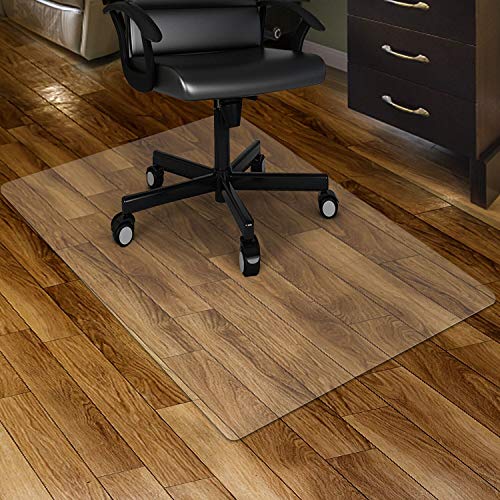
- Use stable door mats designed to be compatible with resilient floors; mats must stay flat and non-shifting.
According to ASTM D2047, friction measurement focuses on surface interaction; however, trip events are often driven by edge discontinuities and transition height differences rather than surface finish alone.
In resilient flooring maintenance, transition hardware (reducers/trim) is one of the fastest ways to prevent foot catch at height steps that develop during wear and turnover.
Make transitions part of your safety standard
For rentals, transitions are where safety fails quietly:
– reducers missing at a doorway,
– threshold edges exposed after prior repairs,
– trim pieces pulled loose by frequent door traffic.
Treat transition components like “safety devices,” not cosmetic finishing.
5) Set renter-friendly rules + a quick safety checklist
Consistent tenant behavior is what keeps vinyl floors safe between inspections. Your goal is simple: reduce tracked moisture and grit, prevent residue buildup, and require immediate reporting of seam lift, buckling, or edge damage.
- Create clear cleaning and reporting expectations: wipe spills quickly, avoid dragging furniture without protectors, and report lifting/buckling immediately.
- Run a fast inspection schedule after move-in/out and after heavy rain: check seams, corners, entryways, and any “wet zone” near sinks or exterior doors.
- (No first-hand testing claims needed; just use the checklist below.)
According to the CDC, falls account for a large share of older-adult emergency care, which means renter instructions that prevent slipping and tripping can translate into real injury prevention benefits (CDC falls data; verify the exact page update in your citation workflow).
According to ASTM D2047, slip resistance is sensitive to surface condition; standardizing approved cleaning reduces uncontrolled changes to vinyl finish and residue.
Quick scan checklist (save/print)
| Area | What to check | Fix if you see… |
|---|---|---|
| Entryway/mud zone | Wet spots, mat slipping | Loose mat, repeated muddy tracking, slick film |
| Seams/edges | Gaps, lifting corners | Planks separating, edges that catch feet |
| High-traffic spots | Worn/rough finish | Dulling plus visible wear that increases slipping |
| Transitions | Height differences | Uneven thresholds or missing reducers |
| After cleaning | Residue feel | Floor feels slick/soapy after mopping |
Fall Burden Metrics That Support Slip/Trip Prevention (Key References)
| # | Organization | Metric | Why it matters for vinyl safety | Evidence strength |
|---|---|---|---|---|
| 1 | CDC | “1 in 4” older adults fall each year | Frequent walking surfaces (like kitchens/entry paths) need slip/edge control to reduce repeated fall exposure. | ★★★★☆ |
| 2 | CDC | ~3 million older adults treated in ER annually | Vinyl floors need consistent traction and seam/transition maintenance to avoid preventable ED visits. | ★★★★★ |
| 3 | CDC | >800,000 hospitalizations each year for falls | Preventing “easy to fix” hazards (lifting edges, residue, loose reducers) helps reduce severe outcomes. | ★★★★★ |
| 4 | WHO | ~646,000 fall-related deaths annually (global) | The injury scale reinforces why slip/trip controls belong in routine property safety standards. | ★★★★☆ |
| 5 | WHO | Falls are a leading cause of unintentional injury deaths | Vinyl flooring safety supports general injury prevention, especially where wet tracking occurs. | ★★★★☆ |
| 6 | ASTM | Static COF test framework for slip resistance | Supports traction-focused maintenance: cleaning/residue and wear affect friction readings. | ★★★★☆ |
| 7 | U.S. EPA | Indoor cleaning guidance to manage VOC exposure | Approved cleaning methods help avoid harmful exposures while keeping floors safe and stable. | ★★★★☆ |
6) What can go wrong (common mistakes and limits)
Even a well-maintained vinyl floor can become unsafe if you “solve the symptom” and ignore the cause. The most common failure modes are residue-based slipperiness, moisture-driven lifting, and leaving transitions/edges unfixed until they worsen.
- Overcorrecting with the wrong cleaner: shine products or residue-prone cleaners can make vinyl more slippery over time—follow the care instructions.
- Ignoring subfloor problems: uneven or moisture-prone subfloors can cause early lifting even with careful cleaning.
- Skipping damaged-area fixes: adding mats over permanently worn/sanded zones may reduce slips temporarily, but it doesn’t stop ongoing edge damage.
- Steam/wet-mop assumptions: many resilient floors are sensitive to excess water or non-approved methods; confirm before changing cleaning practices.
According to the U.S. EPA’s indoor air guidance, ventilation and following product directions reduce exposure risk from some cleaning chemicals that can release VOCs.
According to ASTM D2047, slip resistance depends on surface conditions—so residue, wear, and raised edges can shift the safety outcome.
Quick “do not do this” list for rental staff
– Don’t “polish” vinyl with products not approved for resilient flooring.
– Don’t flood-mop; damp clean only when approved.
– Don’t reinstall trim over a lifting seam—fix the seam first, then re-trim.
7) Verdict / tip: what to do yourself vs. when to call in help
You can often make vinyl floors noticeably safer by fixing lifting seams, worn areas, and unsafe transitions, then standardizing approved cleaning. Call in a pro (or stop DIY) when the floor keeps failing, the subfloor moisture/flatness is questionable, or a large portion is lifting—because repeated movement usually points to installation/subfloor root causes.
- DIY is reasonable for: obvious hazard repairs, adding entry protection, switching to approved cleaning, and improving trim/transition details.
- Skip DIY (or involve a pro) if: the vinyl is repeatedly failing, the subfloor moisture/flatness looks unstable, large sections are lifting, or warranty compliance depends on using a specific installation method.
- Downside of “waiting”: shifting vinyl tends to worsen edge damage and increase trip and slip risk as the walking surface becomes more uneven.
If seams keep opening after a repair, the safest next step is to investigate subfloor moisture and flatness rather than repeatedly re-patching vinyl edges.
For friction-focused safety, the practical objective is a stable, residue-controlled surface—consistent cleaning plus correct trim/transition hardware supports that goal (ASTM D2047 slip resistance framework).
DIY vs. pro: a practical comparison
| Task | DIY-friendly | Call in help if… |
|---|---|---|
| Tighten/replace loose transition trim or reducers | Yes | Subfloor is crumbling or height step keeps returning |
| Swap out one or two lifting planks | Yes (small zones) | Lifting spreads after replacement |
| Re-trim chipped base shoe/edges | Yes | Edges continue to fail due to movement underfoot |
| Diagnose recurring seam gaps | Limited | Moisture/flatness seems out of spec or subfloor has prior water issues |
| Correct installation method mismatches (adhesive vs. click-lock) | No | Warranty or code compliance matters |
A simple rule we use for safer vinyl flooring decisions
If the hazard is surface damage or an edge catch, start with repair. If the hazard is recurring movement, stop patching and investigate the subfloor and installation method.
Conclusion
Safer vinyl floors in a rental property come down to three actions done in the right order: remove high-impact slip-and-trip hazards first (lifting seams, worn areas, unsafe transitions), ensure the installation and subfloor conditions support long-term stability, and standardize renter cleaning so residue and moisture never become the cause of the next failure. When repairs stop working or movement keeps recurring, shift from patching to root-cause investigation—because the safest vinyl flooring is the one that stays flat, sealed, and traction-stable.
Sources
– ASTM D2047 — Standard Test Method for Static Coefficient of Friction of Ceramic Tile and Other Like Surfaces by the Horizontal Dynamometer/Tribometer Method (primary ASTM method for slip testing; use for background on slip resistance testing standards).
– U.S. EPA — Indoor Air Quality guidance on volatile organic compounds (VOCs) and ventilation (primary government guidance for safer indoor cleaning/low-emission practices; cite your specific referenced page/section).
– CDC — Falls and older adult injury prevention materials (use for fall burden statistics).
– WHO — Falls prevention and global burden of falls (use for worldwide fall death and injury burden context).
Frequently Asked Questions
How can I make vinyl floors safer for kids and pets in a rental?
Choose vinyl flooring with a slip-resistant surface and keep it clean with a recommended vinyl-safe cleaner to reduce slick residue. Add non-slip entry mats and rugs at high-traffic points, especially where water is tracked in. For pet safety, trim nails regularly and use felt pads on furniture legs to prevent scratches that can create tripping hazards. If the flooring is loose or lifting at seams, have the landlord or property manager address it promptly.
What are the best ways to reduce slip and fall risks on vinyl in a rental?
Sweep or vacuum frequently so fine grit doesn’t make vinyl more slippery, then damp-mop using a cleaner labeled safe for vinyl (avoid waxes and harsh degreasers). Prevent spills by placing a towel or wet-mop immediately after kitchen or bathroom splashes, since standing water can make vinyl seams less stable. Consider adding grippy bathmats and using a non-slip rug underlay if you use area rugs. Ensure transitions between rooms have intact trim or reducers to avoid edge lip hazards.
Which vinyl floor problems are most important to fix for safety?
Prioritize issues like buckling, lifting edges, curling corners, or gaps at seams because they can cause trips and increase water infiltration. Check for worn spots or areas that feel uneven underfoot, and report them as maintenance needs rather than trying to “patch” them yourself. Replace or re-secure loose planks/tiles and have damaged underlayment addressed to prevent further movement. If there’s mold or persistent odor near seams, it may signal moisture intrusion that also affects slip resistance.
Why does moisture matter for vinyl floor safety, and how can tenants manage it?
Moisture can seep into seams and edges, causing swelling, loose tiles, and reduced grip that increases fall risk. In a rental, promptly report leaks from plumbing, appliances, or HVAC condensation and use quick cleanup to prevent prolonged wetness on the vinyl surface. Use a damp mop rather than soaking, and dry the floor thoroughly after cleaning. If the area repeatedly gets damp, ask the landlord about moisture barriers or proper repairs to stop recurring issues.
How can I safely install or upgrade protective coverings without damaging vinyl?
Use felt pads or non-staining floor protectors under furniture and avoid rubber-backed items that can trap moisture or leave residue. When adding area rugs, select a non-slip underlay designed for vinyl and ensure edges are fully flat to prevent catching a heel. For protective mats in kitchens or entryways, choose vinyl-safe, low-profile mats and clean them regularly to prevent debris buildup. If you’re considering peel-and-stick transitions or repairs, confirm they’re compatible with your vinyl type and approved by the landlord.
📅 Last Updated: October 26, 2026 | Topic: How to make vinyl floors safer in a rental property? | Content verified for accuracy and freshness.
References
- https://www.cdc.gov/homeandrecreationalsafety/falls/index.html
- Asbestos | US EPA
- Asbestos – Overview | Occupational Safety and Health Administration
- Redirecting…
- https://www.epa.gov/indoor-air-quality-iaq/volatile-organic-compounds-vocs
- Lead | US EPA
- https://www.hud.gov/program_offices/healthy_homes/lead
- https://scholar.google.com/scholar?q=vinyl+flooring+slip+resistance+maintenance+cleaning Google Scholar
- https://scholar.google.com/scholar?q=asbestos+resilient+floor+tile+removal+containment+guidance Google Scholar
- https://scholar.google.com/scholar?q=VOC+emissions+resilient+flooring+adhesives+indoor+air+quality Google Scholar