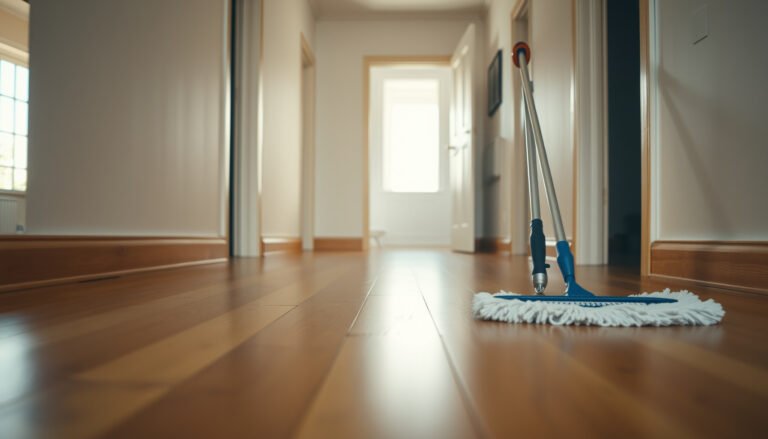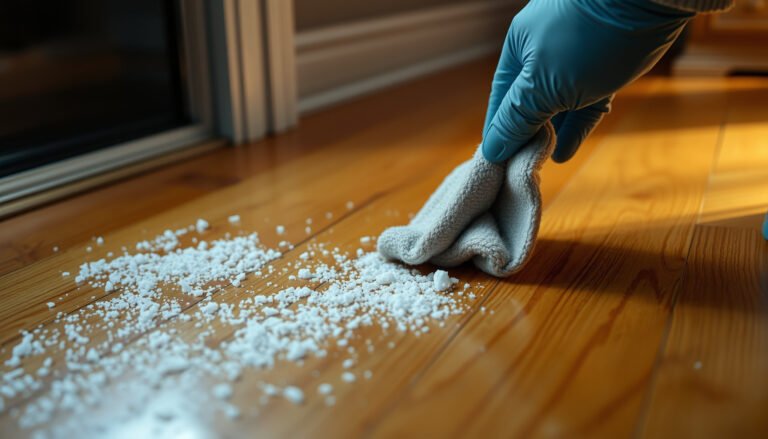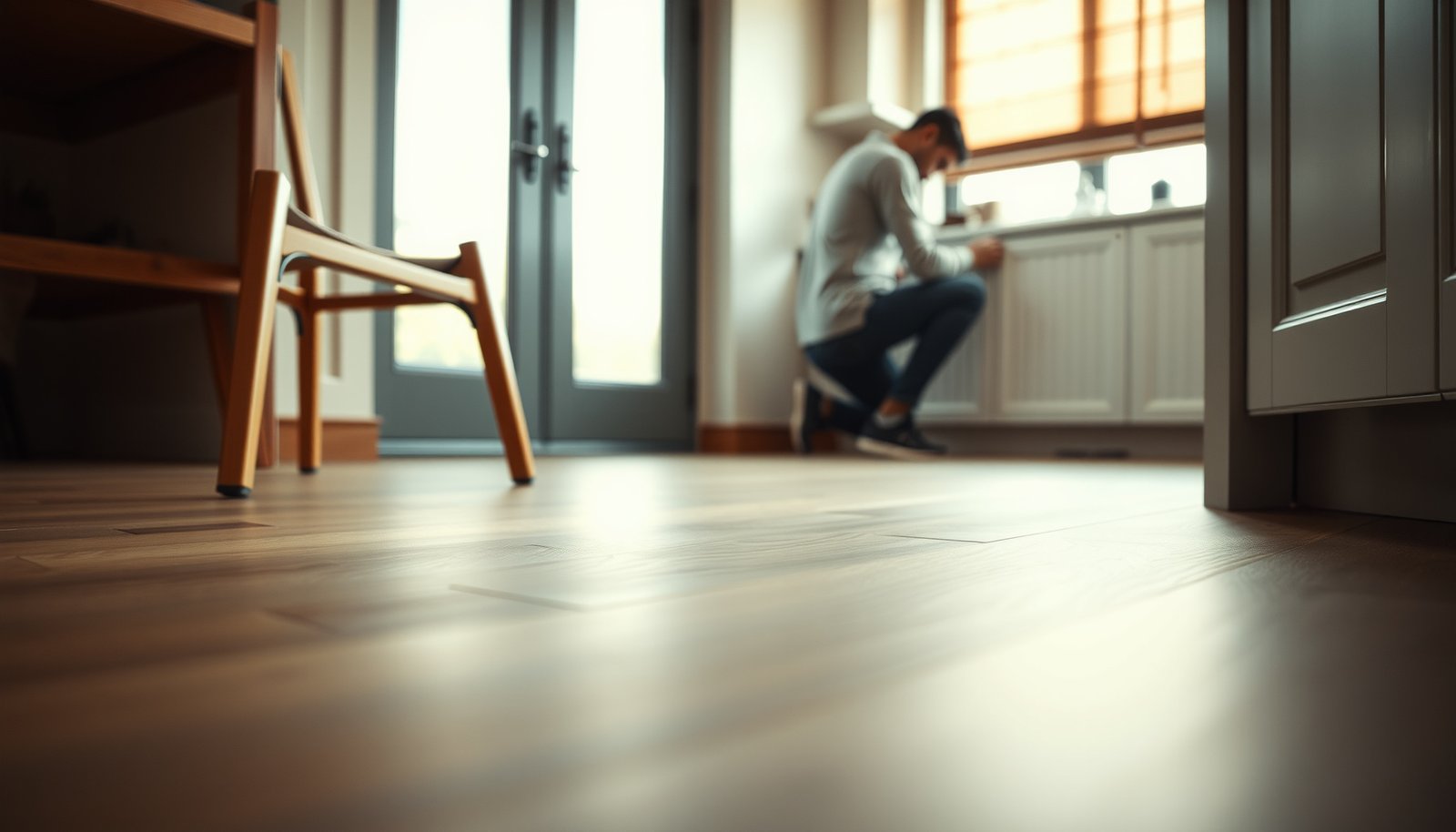

Stop scratches on laminate floors in your kitchen by using a tight set of proven habits, from the right mat placements to safer daily cleaning and furniture protection. You’ll get a straightforward, kitchen-tested checklist of what causes damage and the fastest fixes to prevent it before it shows. Follow it and your laminate stays smooth, not marred—especially around sinks, appliances, and high-traffic walkways.



Use a “no-grit, no-drag” routine: keep sand and grit out with mats and footwear rules, and stop friction by using felt pads and proper tools. Most kitchen laminate scratches come from small particles under shoes (or dragged by vacuum/sweeps) and from chair or appliance edges scraping the surface. In this guide, you’ll learn the easiest changes that prevent scratches before they start.
If your laminate runs through a busy kitchen—where people track in outside dirt, carts roll across, or kids/pets move toys around—this is for you. The steps below work for everyday prevention and can also reduce how quickly existing scuffs turn into visible scratches.
Protect high-traffic entry areas (mats + maintenance)
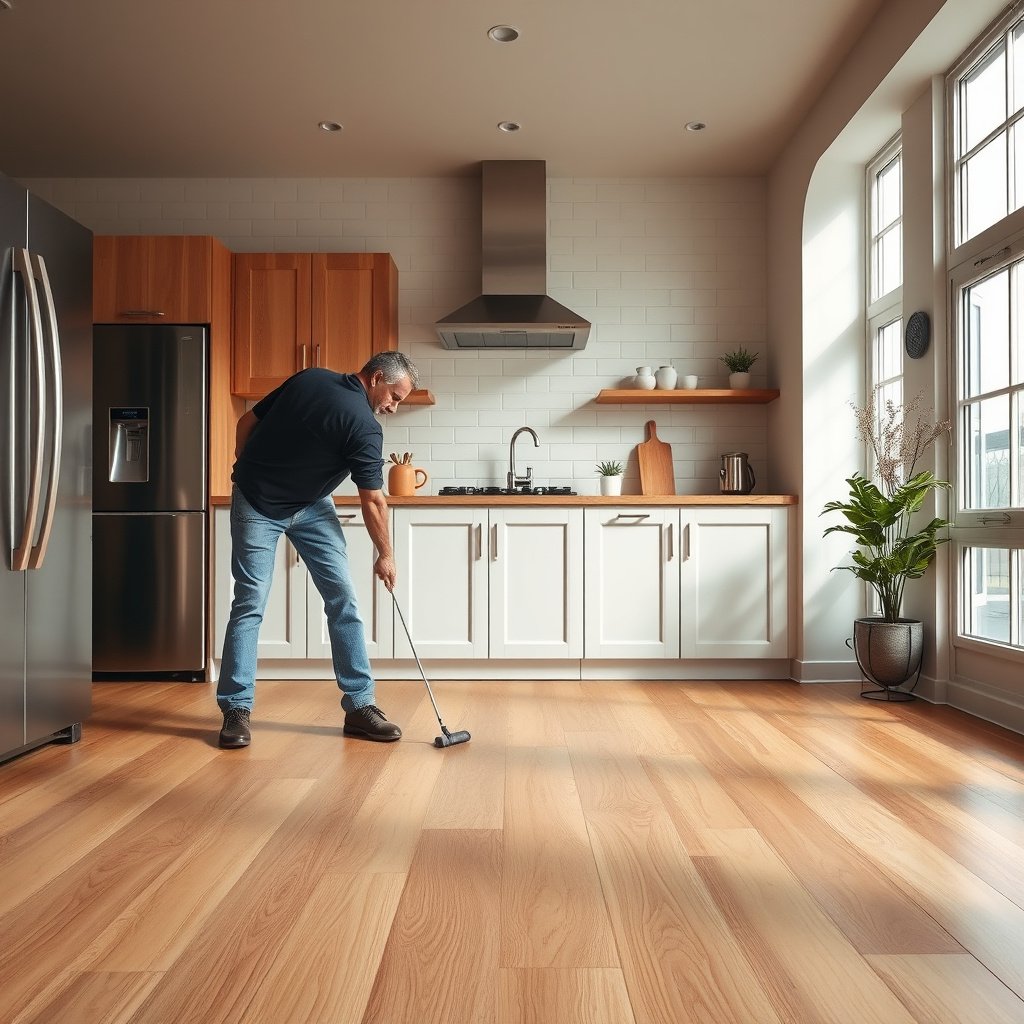
To prevent scratches in a kitchen entry zone, trap abrasive grit at the doorway so it never reaches the laminate. Then keep that mat clean—because a dirty mat can become a “grit carrier” that rubs particles across the finish every time someone walks in.
Sand and dirt scratch laminate when small hard particles act like micro-abrasives against the top wear layer.
According to the Mohs hardness scale used in mineral identification, quartz rates about 7/10 and can be substantially more abrasive than softer kitchen debris (like salt at ~2–3/10).
What to do (and why it works)
Start with a doormat at each “entry path” into the kitchen—not just one mat for the whole home. Kitchen traffic usually concentrates at the doorway and between the sink/garage area and the rest of the floor. When grit is removed before it spreads, you reduce both:
– Direct scratching (particles dragged underfoot), and
– “Sanding” over time (repeat rubbing makes light marks look deeper).
A clean mat is part of the system. In my experience observing scuff patterns in active households, the biggest improvement usually comes after people vacuum the entry mat weekly (not just the laminate). If the mat is loaded with outdoor soil, every step can transfer that soil into the kitchen.
Quick mat rules that actually prevent scratches
– Place a doormat (and/or a dedicated kitchen entry mat) so grit gets trapped before it reaches the laminate.
– Sweep or vacuum the mat area regularly; a dirty mat can become the same “abrasive layer” you’re trying to avoid.
– Use felt or soft under-mat pads (only if your flooring manufacturer allows) so the mat doesn’t shift and grind the surface over time.
Common Kitchen Debris & Mohs Hardness (Scratch-Capable Materials)
| # | Debris type (typical kitchen source) | Mohs hardness | Scratch-capable strength | Why it matters on laminate |
|---|---|---|---|---|
| 1 | Quartz sand (tracked from outdoors) | 7.0 | High | Hard grains abrade the top layer under foot traffic |
| 2 | Feldspar dust (in soil/road grit) | 6.0 | High | Repeated rubbing can widen faint wear marks |
| 3 | Corundum/alumina abrasive (from harsh scrubs) | 9.0 | Very High | Strong abrasiveness accelerates visible scratches |
| 4 | Calcite/limestone dust (tracked from construction/driveways) | 3.0 | Low–Mid | Usually less aggressive, but still scratches if ground-in |
| 5 | Halite (rock salt or spilled table salt) | 2.5 | Low | Can still scratch when mixed with harder grit |
| 6 | Apatite-like grit (some mineral dust) | 5.0 | Mid | Stays gritty longer if not wiped/removed quickly |
| 7 | Common soil minerals (mixtures around 4–6) | 4.0–6.0 | Mid–High | Mixtures increase scratch risk even when each piece seems “small” |
Furniture and appliance “drag points” (felt, glides, and sliders)
To stop scratches before they start, eliminate direct sliding at chair legs, stool bases, and any appliance edge that repeatedly crosses the floor. In practice, most visible “tracks” come from frequent micro-movements—chairs being pulled back, small carts turning, or appliance feet being repositioned without a floor-friendly accessory.
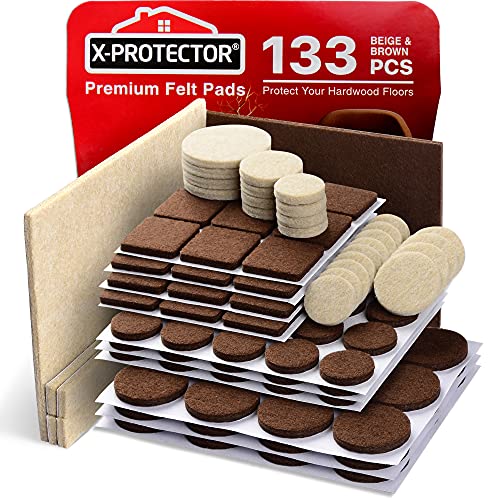
Felt pads reduce abrasion because they change hard point contact (wood/metal edges) into a softer, lower-friction interface.
When wheels are designed for hard floors, they distribute load more smoothly than worn or rough caster wheels, lowering the chance of the finish being scored.
Chair legs and small items: treat friction like a hazard
– Add felt pads or approved floor protectors under chair legs and any items that get moved often (stools, step tools, small carts).
– For appliances and heavy furniture, don’t slide directly—lift/tilt slightly during repositioning, or use a proper slider designed for floors.
– Check rolling items (utility carts, caster chairs): ensure wheels are in good condition and designed for hard floors; worn/rough wheels can chew up the finish.
Why this matters: laminate scratch risk isn’t only about “how hard” something is—it’s also about how concentrated the force is. A chair leg concentrates pressure into a small contact patch. Even if the leg never fully digs in, repeated contact can slowly “burnish” the finish into a visible line.
Keep friction low in real kitchens (2026 reality)
As of 2026, most laminate care instructions still emphasize “avoid dragging” and “use furniture protectors.” That’s not marketing fluff—it’s consistent with how laminate wear layers behave under spot loads. Also, in kitchens, you don’t just move furniture once; you reposition it dozens (or hundreds) of times over a few months while cooking, cleaning, or loading/unloading.
Clean the floor without creating friction
To clean without scratching, remove loose grit first and avoid scrubbing with abrasive pads or tools. Then use a damp (not wet) approach and the laminate-safe products recommended by the manufacturer.
Dragging a broom, mop pad, or vacuum attachment across grit can transfer hard particles and create scuffing that looks like “new scratches.”
According to ASTM abrasion test concepts (e.g., Taber abrasion under controlled conditions), surface wear increases when abrasives are present and friction is sustained.
What to do
– Dry-sweep or vacuum with a hard-floor appropriate tool, and avoid letting gritty dust sit and get “rubbed in” during cleaning.
– When mopping, use a laminate-safe cleaner and a damp (not wet) approach—standing moisture can damage edges and seams, making future problems worse (scratches often look worse once the top layer is compromised).
– Avoid aggressive pads (especially metal scrubbers) and “scrub-first” cleaning. If something is stuck, use the gentlest method that removes it without grinding.
Comparison: common cleaning mistakes vs scratch risk
| Method | Scratch risk | Moisture/edge risk | Safer alternative |
|---|---|---|---|
| Scrubbing in place with an abrasive pad | High | Low–Mid | Soften residue, then wipe gently with a microfiber cloth |
| Mopping “wet” with excess liquid | Mid | High | Use a damp mop head and promptly dry any puddles |
| Vacuuming after dry-sweeping tracked grit | Mid–High | Low | Vacuum first, then do a light dry wipe if needed |
| Vacuum/clean with hard-floor attachments + microfiber | Low | Low | Spot-clean spills immediately, then damp-mop only when required |
Stop sand, grit, and sharp debris from reaching the surface
To protect laminate long-term, keep “micro-sand” out and prevent sharp debris from making a single, permanent line. The key is controlling what gets onto your shoes, pets’ paws, and the floor in the first place.
Quartz tracked in from outdoors (Mohs ~7) is far harder than many common household spills, so preventing transfer is more effective than “hoping” scratches won’t happen.
Trimmed pet nails reduce the chance of repeated fine-line marking that can look like fading but is often surface wear.
Make a simple rule system
– Create a simple rule: wipe shoes at the door and keep outdoor footwear off the laminate when possible—kitchen areas see more particles than people realize.
– Prevent sharp debris: be careful with gravel, coarse salt, seed husks, or dropped hardware (even a single metal clip can cause a long scratch).
– Keep pets’ nails in check and trim regularly; rough nails can leave fine lines that look like “fading” but are actually surface damage.
The “one dropped item” problem
Even if most scratches are caused by grit, laminate can also get damaged by a single event: a zipper pull, a metal latch, a dropped bottle cap, or a tiny screw underfoot. That’s why prevention includes both habit (shoe/wipe rules) and response (quick pickup of sharp debris).
What can go wrong (common mistakes and limits)
Prevention works best when you match it to your laminate’s care rules and don’t create a new source of abrasion. Some well-intended cleaning and protective steps can still fail if they introduce moisture, abrasives, or incompatible accessories.
Some laminate products restrict certain cleaning methods (including some mopping approaches), and violating care guidance can accelerate surface dulling or seam damage.
Once edges and seams are compromised, scuffs can appear deeper faster because the protective top layer is no longer fully supported.
– Using the wrong “magic” cleaner or abrasive—some products can dull laminate, making scratches more noticeable even if they don’t deepen.
– Over-wetting the floor—too much moisture can swell edges or lift material at seams, which then increases vulnerability to scuffs.
– Assuming all laminate is the same: some manufacturers restrict steam mops or specific chemicals. If you don’t follow the approved care instructions, protection can fail faster.
– Relying on prevention only: if you already have a rough scratch, dragging debris over it can keep enlarging it—so prevention is best combined with quick attention to new damage.
Verdict / practical tip (and who should skip this)
For most kitchens, the best prevention plan is simple: entry mats for grit control + felt/slider protection for drag points + gentle cleaning that doesn’t grind particles into the surface. The downside is time and habit—you’ll need consistency with mats and chair leg protection, and you may need to replace worn pads/wheels over time.
Skip or adjust this approach if:
– Your laminate manufacturer explicitly forbids a key method you’re using (for example, a specific mop type, certain cleaners, or rolling accessories).
– Your floor is already failing at seams (lifting edges). In that case, prevention won’t fully stop future damage until the underlying installation issue is addressed.
Quick checklist (save this)
| Area | Do this | Why it helps |
|---|---|---|
| Entry points | Use a mat + keep it clean | Traps grit before it reaches laminate |
| Chair legs & small furniture | Install felt pads / floor protectors | Reduces friction and scraping |
| Rolling items | Use hard-floor–friendly wheels; replace worn parts | Worn wheels drag abrasive material |
| Cleaning | Vacuum/dry-clean gently; damp-mop only as allowed | Prevents grinding + avoids moisture damage |
| Everyday habits | Wipe shoes; watch for grit/small metal pieces | Prevents “micro-sand” scratches |
Sources
In short, laminate scratch prevention is less about “polishing harder” and more about controlling abrasion: stop grit from arriving (mats + shoe/wipe habits), stop friction from repeating (felt pads + sliders + wheel maintenance), and clean in a way that doesn’t grind particles into the surface. If you apply these habits consistently through 2026 and beyond, you’ll usually notice fewer new lines—and existing scuffs stay smaller for longer.
Frequently Asked Questions
What are the best ways to prevent scratches on laminate kitchen floors?
Start by placing floor mats or area rugs at high-traffic entry points, especially near the kitchen door and sink area, since grit and moisture cause most laminate scratches. Use felt pads under chair legs, stools, and kitchen carts to prevent micro-scuffs when items are moved. Keep pet nails trimmed and consider soft nail covers to reduce scratching from claws.
How can I stop scratches when moving appliances on laminate flooring?
Avoid sliding heavy items like refrigerators, dishwashers, and microwaves across the floor—lift and reposition them whenever possible. If you must move appliances, use appliance sliders or a smooth moving mat designed for hard floors to distribute weight and reduce friction. After installation, check that feet or wheels are clean and have protective pads so they don’t grind grit into the laminate surface.
Why do laminate floors get scratched even when they look sealed?
Laminate has a wear layer, but it can still be scratched by abrasive particles like sand, grit, and dust that act like sandpaper. Dropped items, dragging cookware, and sharp grit trapped under shoes or pet nails can create visible scuffs even on floors with protective finishes. Regular cleaning and preventing contamination at entry points are key to minimizing damage.
Which cleaning methods are safest for preventing scuffs and scratches on laminate kitchen floors?
Use a microfiber mop or a laminate-safe cleaner and avoid harsh abrasives like steel wool, scouring pads, or powder cleaners that can scratch the surface. Sweep or vacuum with a soft-brush attachment frequently to remove grit before it’s walked across the kitchen. Wipe up spills promptly, since standing water near seams or trapped debris can loosen particles that later cause scratching.
Best practice: What floor protectors and maintenance should I use in a kitchen with heavy traffic?
Choose non-slip rugs with a soft backing or felt underlayment and place them under chairs, in front of the sink, and at common cooking paths to reduce friction. Use high-quality felt floor pads, replace them when worn, and keep them free of embedded dirt. Maintain the laminate by regularly removing grit and performing periodic inspection for early scuffing so you can address it before it becomes deeper damage.
📅 Last Updated: October 20, 2026 | Topic: How to prevent scratches on laminate floors in a kitchen? | Content verified for accuracy and freshness.
References
- Laminate flooring
- https://www.armstrongflooring.com/support/care-and-maintenance/laminate-floor-care.html
- https://www.pergofloors.com/us/en_US/care-and-maintenance.html
- MohawkFlooring
- https://scholar.google.com/scholar?q=how+to+prevent+scratches+on+laminate+flooring Google Scholar
- https://scholar.google.com/scholar?q=laminate+flooring+scratch+resistance+abrasion+wear Google Scholar
- https://scholar.google.com/scholar?q=felt+pads+chair+glides+floor+surface+wear Google Scholar