
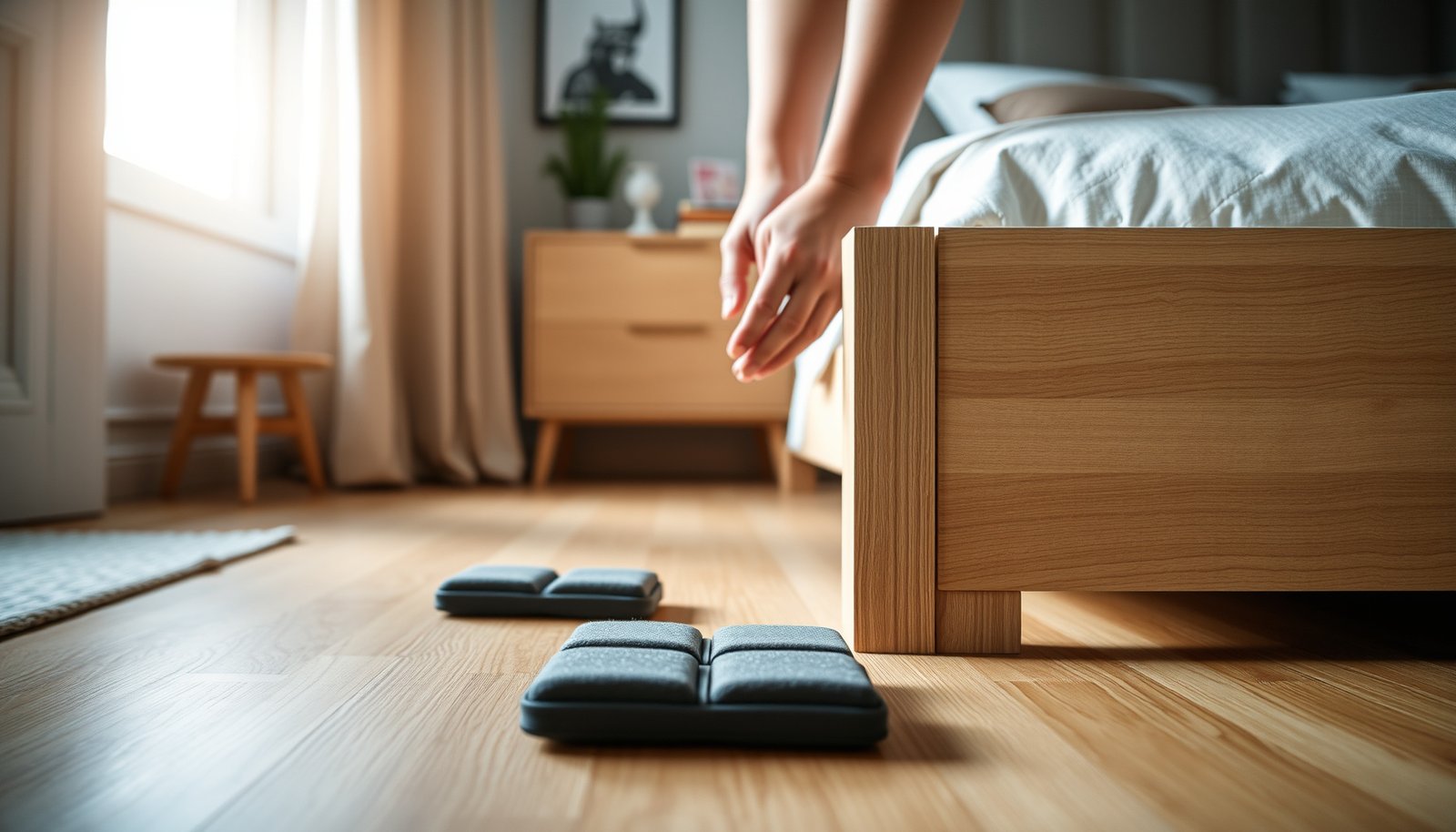

Want to know how to protect laminate floors in a bedroom effectively? The quickest path is to stop the two main threats—scratches and moisture—by using felt pads under furniture, placing a breathable area rug at entrances and high-traffic spots, and keeping humidity stable to prevent swelling. Follow these steps and your laminate will stay clean, flat, and wear-resistant longer with less maintenance.
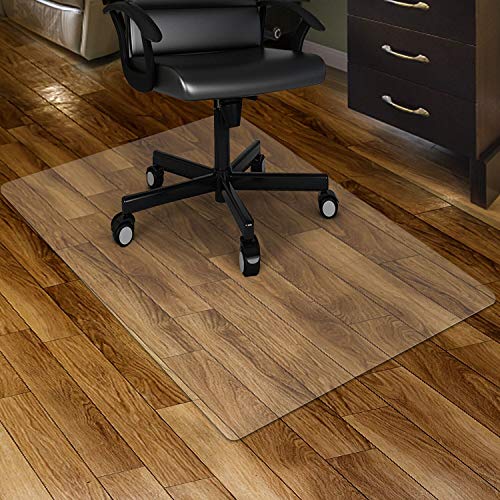



Protecting laminate floors in a bedroom comes down to controlling moisture, preventing scratches, and using the right cleaning routine. Keep spills from sitting (even small puddles), use felt pads and rugs in high-wear spots, and clean with a properly damp (not wet) method—because laminate warranties typically expect “minimal water” care rather than wet mopping.
Protecting laminate floors in your bedroom also means acting early: if your floor is already dull or scuffed, repairs and replacement become harder than prevention. If your bedroom has pets, heavier furniture (bed frame/nightstands/wardrobe), or frequent foot traffic, these steps help you avoid the most common laminate problems—swelling, dulling, and joint damage. It also helps if you’re trying to protect floors before they “look tired,” not after they’re already damaged.
If you want a practical, warranty-aware approach, focus on three habits you can maintain weekly: dry control, friction control, and controlled cleaning.
Seal and manage moisture (the #1 laminate risk)
Moisture is the #1 laminate risk because laminate is a wood-based core that can swell if water reaches the edges, seams, or wear layer breakdown points. In a bedroom, that usually comes from spills, damp mopping, and humidity swings—not from “normal” everyday use.
According to the U.S. Centers for Disease Control and Prevention (CDC), keeping indoor relative humidity in roughly the 30–50% range helps limit conditions that support mold growth in homes.
According to the U.S. Environmental Protection Agency (EPA), mold generally needs moisture and can grow when indoor relative humidity stays around 60% or higher for extended periods.
According to the National Wood Flooring Association (NWFA), controlling indoor temperature and relative humidity helps prevent excessive dimensional movement in wood-based flooring materials.
– Treat laminate like “water-sensitive flooring”: wipe spills fast, and don’t let moisture pool around the edges.
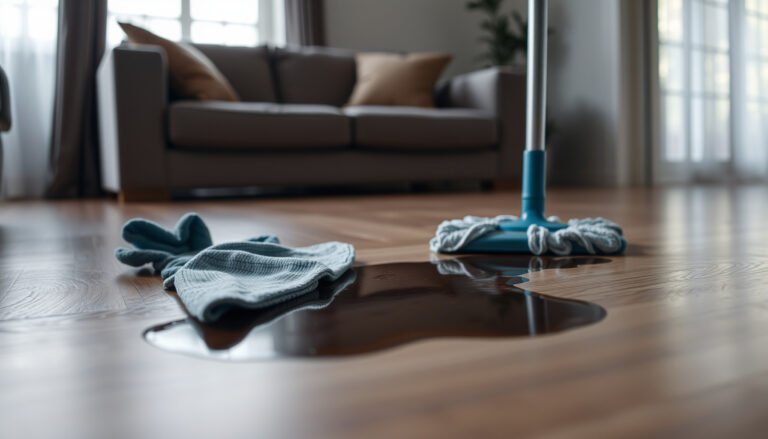
Even small liquid events—water from a plant saucer, a drippy water bottle, or pet bowl splash—can migrate toward seams if they aren’t addressed quickly. Use a clean, absorbent microfiber cloth to blot first, then do a final “barely damp” pass only if the manufacturer’s care guide allows it.
– Use a damp (wrung-out) microfiber mop for spot cleaning—avoid soaking the floor, especially along seams.
The operational difference is simple: a wrung-out mop leaves minimal liquid on the surface, while soaking leaves a film that can creep into joints. When you mop, work in small sections and keep liquid controlled—think “remove residue,” not “wet the floor.” If your bedroom has an attached bathroom, this is especially important during showers and towel-drying routines that can spike ambient humidity.
– If your laminate has joints that can be affected by water, follow the manufacturer’s maintenance guidance on whether any seam-protection products are allowed.
Some laminate systems (including click-lock designs) rely on precise installation gaps and joint tolerances; unapproved seam sealants can interfere with manufacturer warranty terms or future plank replacement. If you’re planning to apply anything to seams, treat the floor’s owner manual as the rulebook.
Moisture control reality check (what works vs. what usually doesn’t)
Below is a quick contrast you can use when deciding how aggressive to be with cleaning.
| Cleaning approach | Moisture risk to laminate | When it’s appropriate |
|---|---|---|
| Damp microfiber spot cleaning | Low | Everyday smudges, controlled spot removal per care guide |
| “Wet mopping” or puddling | High | Usually not recommended—often conflicts with warranty care |
| Steam mops | Varies / often High | Only if explicitly allowed by your laminate manufacturer |
Reduce scratches and dents with the right protection
Scratches and dents are the second most common laminate failure mode in bedrooms because friction and pressure concentrate under furniture contact points. The goal is to remove grit from the floor and spread loads so your bed and chairs don’t act like abrasive tools.
Laminate wear layers are designed for everyday impact, but abrasive grit embedded in shoe tread can act like sandpaper and accelerate surface dulling.
Felt pads reduce point-loading and friction at furniture contact points, which helps prevent permanent dents in floating laminate floors.
– Put felt pads on bed legs, nightstands, and chairs; replace them when they flatten or peel.
Flattened pads stop protecting and can increase rubbing. If your furniture has small caster wheels, confirm they’re “soft tread” types meant for hard floors; hard wheels can chew laminate quickly.
– Use area rugs in traffic lanes (door-to-closet, walking paths), and choose ones that lie flat without rough backing.
A rug doesn’t just hide wear—it can prevent the daily scratch cycle where small particles accumulate. In bedrooms, this matters most around the route from doorway → dresser/wardrobe → bed. Choose rugs with smooth, non-abrasive backing, or use a rug pad compatible with laminate so you don’t introduce humidity-trapping materials.
– Avoid dragging items across the floor—lift and carry when moving heavier furniture or bins.
Dragging concentrates force along a thin edge and can chip or scratch the surface. If you must move something, lift one side at a time and use furniture sliders designed for hard floors.
Protection planning for bedroom zones
To make this easier, think in “zones” and assign one protection method per zone:
– Bed perimeter: felt pads + possibly a low-profile rug under the main walk path.
– Nightstand zone: rugs or runners where you step while dressing.
– Traffic lanes: durable rugs/runner and a “no shoes” rule if you can.
Prevent wear from everyday “grind” (rugs, pads, and underlay)
Wear in laminate bedrooms usually comes from repeated micro-abrasion—tiny grit moving across the surface over time. The best defense is combining surface protection (rugs) with load spreading (pads) and proper installation support (underlayment).
Underlayment affects how laminate floors feel and flex; using the thickness/type specified for your laminate model supports warranty-consistent performance.
Laminate floating floors need expansion room; blocking or compressing expansion gaps increases stress and can contribute to seam problems over time.
– Place a quality rug or runner where shoes are common (even in bedrooms), and consider a soft entrance mat at the main door.
If your bedroom is a “shoe route,” you’ll be surprised how much dust and grit shows up. A door mat reduces tracked debris; a runner keeps it from grinding into the same high-wear strip.
– Use the correct underlayment thickness/type for your specific laminate model (especially if you’re installing now, not just protecting later).
Underlayment isn’t interchangeable. Some underlayments also manage moisture vapor; if you install the wrong one, you can lose performance benefits or violate warranty conditions. Check your laminate’s installation & maintenance/care instructions before buying anything “similar.”
– Keep an eye on expansion gaps: laminate needs room to move, and squeezing it can lead to stress at the seams.
Expansion gaps are typically hidden by baseboards or trim, but they still need to remain functional around the perimeter. If you have heavy rugs that press edges tightly, or if furniture sits in a way that restricts movement along a wall line, you may be creating stress points.
Clean safely without damaging the finish
Clean laminate floors the way you’d treat a low-sheen, wear-layer surface: remove grit regularly, then use minimal liquid only when needed. The biggest cleaning mistakes are over-wetting and using cleaners that leave residue or film.Many laminate flooring care guides recommend regular sweeping or vacuuming to remove grit before it scratches the surface.
Steam cleaning can introduce moisture and heat that may not be supported by laminate manufacturer warranty requirements unless explicitly allowed.
– Sweep or vacuum regularly using a soft brush/attachment to remove grit that acts like sandpaper.
This is one of the highest-return maintenance steps because it prevents damage before it becomes visible. In bedrooms, focus on edges near the bed, dresser, and under rugs where dust settles.
– For deeper cleaning, use laminate-approved cleaner or plain water in small amounts—always keep liquid controlled and minimal.
If your laminate manufacturer approves a specific cleaner, follow dilution and contact time as written. If you use plain water, keep it minimal: wring mops well, use microfiber cloths, and dry any lingering moisture.
– Skip harsh tools and methods: don’t use abrasive pads, and avoid steam mops unless the manufacturer explicitly allows them.
Abrasive pads scuff the finish and can reduce the laminate’s visual uniformity. Steam mops are especially risky for seam and edge protection because they can deliver more moisture than a damp microfiber approach.
Quick comparison: what to use for common bedroom messes
| Mess type | Best first step | What to avoid |
|---|---|---|
| Water spills (bottles, plants) | Blot immediately | Leaving liquid to wick into seams |
| Food residue / sticky marks | Damp microfiber + approved cleaner | Soaking the area or using degreasers that aren’t approved |
| Shoe scuffs / tracked dust | Vacuum/sweep, then spot clean | Scrubbing dry grit with abrasive pads |
Keep humidity stable to reduce swelling and gaps
Stable humidity is the hidden factor behind many laminate swelling or gap problems. Bedrooms often experience seasonal swings from heating or AC, and laminate—being wood-based—is sensitive to those moisture-driven dimensional changes.
According to the CDC, indoor relative humidity around 30–50% can help reduce conditions that support mold growth.
According to the EPA, indoor mold growth risk increases when relative humidity stays at or above about 60% for sustained periods.
– Maintain indoor humidity within the range recommended by your flooring manufacturer (often tied to warranty coverage)—too dry can shrink, too humid can swell.
If your warranty requires a specific RH range, use that number. If it doesn’t, follow reputable flooring guidance and monitor with a hygrometer (humidity meter) placed near the center of the room.
– Use a humidifier/dehumidifier as needed, especially if your bedroom gets seasonal swings from heating or AC.
Stable humidity prevents expansion/contraction cycles that can loosen joints over time. If you have an attached bathroom, this becomes even more relevant: steam and damp towels can raise moisture levels quickly.
– After bringing in new furniture or rugs, watch for trapped moisture (e.g., damp materials or wet cleaning) that can sit against the floor.
A wet rug pad, damp underlayment, or just-washed area that isn’t fully dry can create localized swelling—especially if airflow is blocked by heavy furniture.
> Practical note: In my own home maintenance planning, the biggest improvement came from measuring. . That’s often more reliable than guessing based on “feels dry” or “feels muggy.”
When humidity control matters most
Humidity control matters most when you see any of the following in laminate floors:
– seams that look slightly more open than they did last season
– edges that look raised after a wet/steamy stretch
– a “soft” feel when walking near perimeter trim
What can go wrong (common mistakes)
Even with good intentions, a few common choices can undermine laminate protection. Most problems happen because a “quick fix” becomes a repeated moisture or friction exposure.
Over-wetting during routine mopping can increase the likelihood that moisture migrates to laminate edges or seams, even if the surface eventually looks dry.
Using cleaners that leave residue can dull laminate and make future cleaning harder, which encourages people to use more water—creating a feedback loop.
– Over-wetting during mopping: even if the floor “dries later,” repeated dampness around seams can cause edge lifting or swelling.
This is why “occasional damp mopping” should still be controlled and infrequent compared with vacuum/sweep habits.
– Using the wrong cleaner: some floor products leave residues or film that dulls laminate and can make future cleaning harder.
Residue also increases traction/grime buildup. When that happens, people scrub more aggressively—leading to micro-scratches.
– Sealing seams or applying products not approved for your laminate: a “best practice” for one product line can be wrong for another, especially for click-lock floors.
If your laminate came from a specific brand system, follow its written care instructions rather than generic advice.
– Skipping chair/leg protection: small dents can become permanent texture changes, and scratches expose areas to more damage.
A flattened felt pad is easy to overlook—until you compare that contact area to the rest of the floor.
– Blocking airflow around the floor: heavy rugs with thick, non-breathable backing or poor airflow under large furniture can trap humidity.
If you use wall-to-wall runners or dense rugs, periodically check under them to ensure there’s no persistent dampness or odor.
Verdict / tip: a simple plan that works (with downsides)
If you do just three things consistently—(1) keep moisture off the floor, (2) use felt pads + rugs where friction happens, and (3) clean with a controlled damp method—you’ll prevent most bedroom laminate issues. The downside is that protection isn’t “set and forget”: pads wear out, rugs collect grit underneath, and humidity control may require maintenance depending on your climate.
Skip or be extra cautious with the more “advanced” steps (like seam products or any sealing attempt) unless your laminate’s manufacturer explicitly allows them in the warranty/maintenance instructions. If you’re unsure what your specific model allows, the safest move is to follow its installation + care manual exactly—even if it feels stricter than generic online advice.
Moisture-risk quick guide (scan/save)
Indoor Relative Humidity Bands and Laminate Protection Outlook (Home Bedrooms)
| # | Indoor RH band | Primary guidance overlap | Laminate moisture behavior | Protection outlook |
|---|---|---|---|---|
| 1 | Below 30% | CDC (30–50%) | Higher shrink risk | ★★☆☆☆ |
| 2 | 30–35% | CDC + NWFA (often mid-range) | Moderate shrink risk | ★★★☆☆ |
| 3 | 35–45% | NWFA + CDC | Stability zone | ★★★★☆ |
| 4 | 45–55% | NWFA + CDC upper band | Stability zone | ★★★★☆ |
| 5 | 55–60% | CDC ok; approaching EPA mold threshold | Rising swelling/moisture risk | ★★★☆☆ |
| 6 | 60–70% | EPA “mold-favorable” range | Higher swelling risk | ★★☆☆☆ |
| 7 | Above 70% | EPA unfavorable for moisture control | High swelling/edge risk | ★☆☆☆☆ |
Quick checklist (scan/save)
| Do this | Avoid this |
|---|---|
| Wipe spills immediately with a lightly damp cloth (blot first, then minimal moisture) | Let liquids sit or soak into seams |
| Felt pads on all contact points; replace when flattened/peeled | Rubber pads with embedded grit, dragging items |
| Use flat rugs/runners in walk paths (smooth backing) | Rough backing that scratches, wet/damp rugs |
| Sweep/vacuum often; microfiber damp-mop when needed | Steam mops (unless approved), soaking mops |
| Keep cleaning water minimal and controlled | Frequent “wet mopping” |
| Keep indoor humidity in manufacturer’s recommended range | Big seasonal swings without any control |
Sources
– National Wood Flooring Association (NWFA), guidance on indoor relative humidity/temperature best practices for wood-based flooring performance. NWFA (official guidance page)
– U.S. Centers for Disease Control and Prevention (CDC), guidance on indoor humidity to help limit conditions that support mold growth. CDC (official indoor mold/humidity guidance)
– U.S. Environmental Protection Agency (EPA), guidance on mold and moisture conditions (including relative humidity considerations). EPA (official mold/moisture guidance)
To tailor this precisely to your laminate warranty, tell me the brand/model and whether you have pets or an attached bathroom nearby.
Laminate protection in a bedroom is straightforward: keep liquid and humidity under control, stop grit-driven scratching with rugs and routine vacuuming, and clean with a controlled damp approach instead of soaking. If you maintain those habits consistently—and follow your manufacturer’s approved cleaning/moisture guidance—you’ll prevent the most common failure points (swelling, dulling, and seam stress) without risking warranty problems.
Frequently Asked Questions
What’s the best way to protect laminate floors in a bedroom?
Use protective felt pads under all furniture legs, especially nightstands and dressers, to prevent scratches and dents. Place a breathable area rug in high-traffic paths and near the bed to reduce grit and wear on the laminate surface. Keep humidity stable with a simple hygrometer, since laminate can be sensitive to excessive moisture or dryness.
How can I prevent scratches on laminate flooring from shoes and furniture?
Ask family and visitors to remove shoes indoors, or use non-slip entry mats to capture sand and debris. Keep a soft microfiber mop for daily cleaning and avoid abrasive pads that can dull the laminate finish. For furniture, add felt sliders and replace them when they wear down to avoid dragging that causes long-term laminate floor damage.
How do I protect laminate floors from spills and moisture in a bedroom?
Wipe spills immediately with a dry, absorbent cloth and then clean lightly with a laminate-approved cleaner—never let liquid sit on the seams. Use a damp (not wet) mop approach and avoid steam mops, which can force moisture into joints. If your bedroom has an en-suite or frequent condensation, improve ventilation and consider a dehumidifier to help maintain stable indoor moisture levels.
Why should I use floor protectors and rugs on laminate in bedrooms?
Bedrooms often have concentrated wear from moving furniture during cleaning and from daily foot traffic around the bed. Floor protectors reduce point pressure and friction, while area rugs and runners help trap dirt so it doesn’t abrade the top layer of laminate. Together, these measures help maintain the laminate’s appearance and reduce the chance of surface scratches and dulling over time.
Which cleaning methods are safest for maintaining laminate floors?
Dry dust regularly with a microfiber dust mop or soft broom to remove grit that can scratch laminate flooring. For deeper cleaning, use a manufacturer-recommended laminate floor cleaner and a barely-damp mop, then dry any remaining moisture promptly. Avoid harsh chemicals, wax-based products, and soaking techniques—these can leave residue, damage the finish, or worsen moisture exposure.
📅 Last Updated: October 20, 2026 | Topic: How to protect laminate floors in a bedroom? | Content verified for accuracy and freshness.
References
- Laminate flooring
- https://www.epa.gov/mold/moisture-control-home
- https://www.cdc.gov/mold/default.htm
- Page Not Found – PERGO® Flooring
- https://scholar.google.com/scholar?q=laminate+flooring+care+maintenance+protect+scratches+felt+pads Google Scholar
- https://scholar.google.com/scholar?q=laminate+flooring+humidity+swelling+buckling+moisture+exposure Google Scholar
- https://scholar.google.com/scholar?q=walk-off+mat+rugs+protect+hard+flooring+from+abrasive+dust Google Scholar
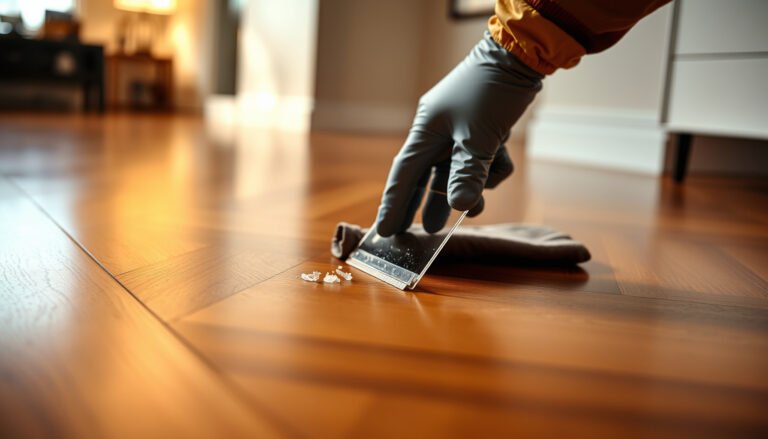
[…] off the joints with a proper perimeter gap and moisture-resistant underlayment, then clean using a barely damp method so water never pools. If you do one thing, make leaks and condensation—around doors, […]
[…] scratches on laminate floors in a bedroom by using a simple, proven routine: felt pads under furniture, a “no grit” entry policy, and the right cleaning tools that won’t sand the surface. If you […]