
If you’re trying to make engineered wood floors safer in a hallway, start by prioritizing slip resistance and secure installation—because that’s where incidents most often happen. This guide walks you through the fastest, highest-impact upgrades, including the right underlayment, proper leveling, and surface treatment choices that reduce scuffing and skids. You’ll also learn how to seal edges and manage moisture so the floor stays stable where foot traffic and everyday spills are constant.

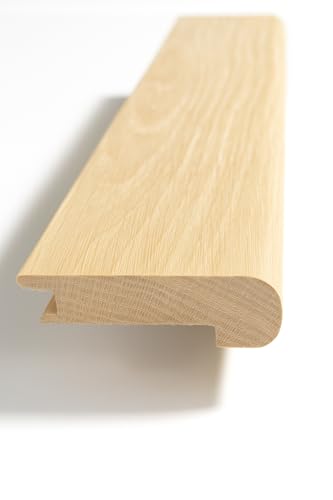

Engineered wood floors can be safer in hallways by reducing slipping, preventing trip hazards, and keeping the surface protected from moisture and wear. Focus on a slip-resistant finish or matting, secure all edges/transition strips, and control humidity so the floor doesn’t gap or lift.
This is especially useful if your hallway gets frequent foot traffic, wet shoes/mud at the entry, or glare that makes the floor look slick. If you’re installing new engineered wood or maintaining an existing floor, the steps below help you address the most common safety issues without changing the look.
Identify the exact safety risk in your hallway
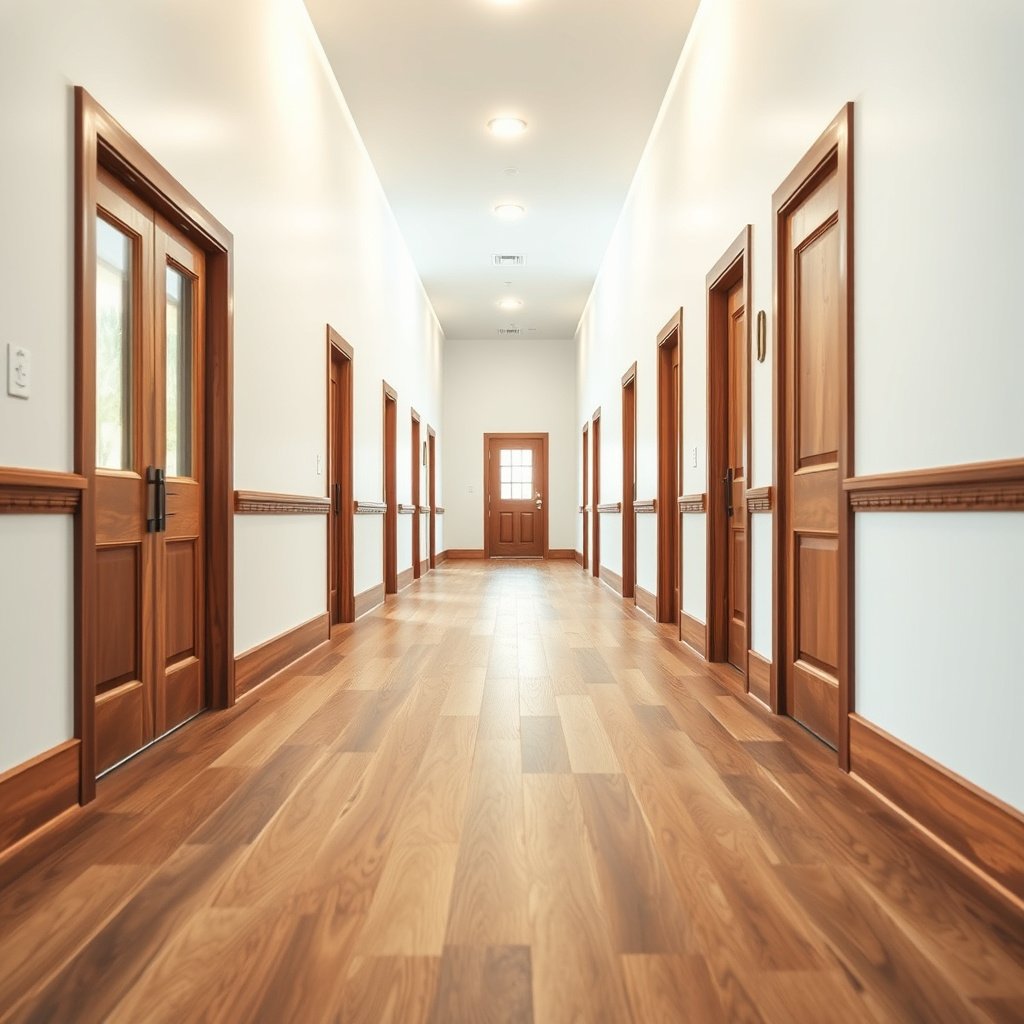
The fastest way to improve engineered wood floor safety is to pinpoint which failure mode is happening: slipping (traction), tripping (raised/uneven edges), or instability (movement from moisture). Once you know which one dominates, you can fix it without overhauling the whole system.
In practice, engineered wood becomes risky in hallways in predictable spots: right after entry mats wear down, along glossy “wear zones,” or at doorways where transitions aren’t perfectly flush. Engineered wood floors also respond to seasonal humidity swings; when they do, seams can open slightly and create a catch point for shoes.
Slip risk is often highest where engineered wood has the shiniest, most worn, or most polished-looking finish—especially near exterior doors and transitions.
Trip hazards on engineered wood floors usually come from movement: lifted seams, loose transition strips, or uneven subfloor that produces a ridge you can feel with a fingertip.
– Walk the route and note where slipping happens (smooth spots, high-gloss areas, transitions, near doors).
– Check for trip points: raised edges, loose transition strips, uneven subfloor spots, or curling/wrinkling rugs.
– Look for “wear zones” where finish is thinning—those areas often become noticeably slicker over time.
Quick measurement you can do in minutes (no tools required)
If you want a practical pass/fail view of engineered wood floor risk, do this hallway walk twice—once slowly, once at normal pace. Then repeat focusing on three cues:
1) Foot glare (light reflection that exaggerates “slick” perception)
2) Edge catch (where your shoe sole might tap or snag)
3) Dry-to-damp sensitivity (whether the same spot is worse after entry tracking or cleaning)
Why humidity often hides in plain sight
Even if engineered wood looks flat, humidity changes can cause micro-movement at seams. That movement can be enough to create a trip edge that’s barely visible but still noticeable when you walk barefoot or in socks. For context, the National Wood Flooring Association (NWFA) recommends maintaining indoor relative humidity around 35–55% to help control seasonal dimensional movement (NWFA wood floor acclimation/care guidance).
Improve traction without ruining the look
The best traction upgrade for engineered wood floors is the one that’s compatible with your topcoat and that doesn’t create raised edges. In hallways, you typically improve safety by combining (1) controlled friction on the floor surface and (2) flat, secured matting where water/grit hits first.
Engineered wood often has a factory wear layer that behaves differently depending on whether it’s finished with a high-gloss or matte/satin system. Over-the-counter DIY “anti-slip” products can unintentionally change sheen and texture in uneven ways, which can make the floor feel rough in one area and slick in another—exactly the opposite of what you want.
When engineered wood floors need traction, the safest first move is to address compatible finish sheen/topcoat or use a flat, non-slip runner—rather than applying unknown DIY coatings.
Area rugs and runners reduce engineered wood slipperiness only when they lie flat; curled edges shift the hazard from “slip” to “trip.”
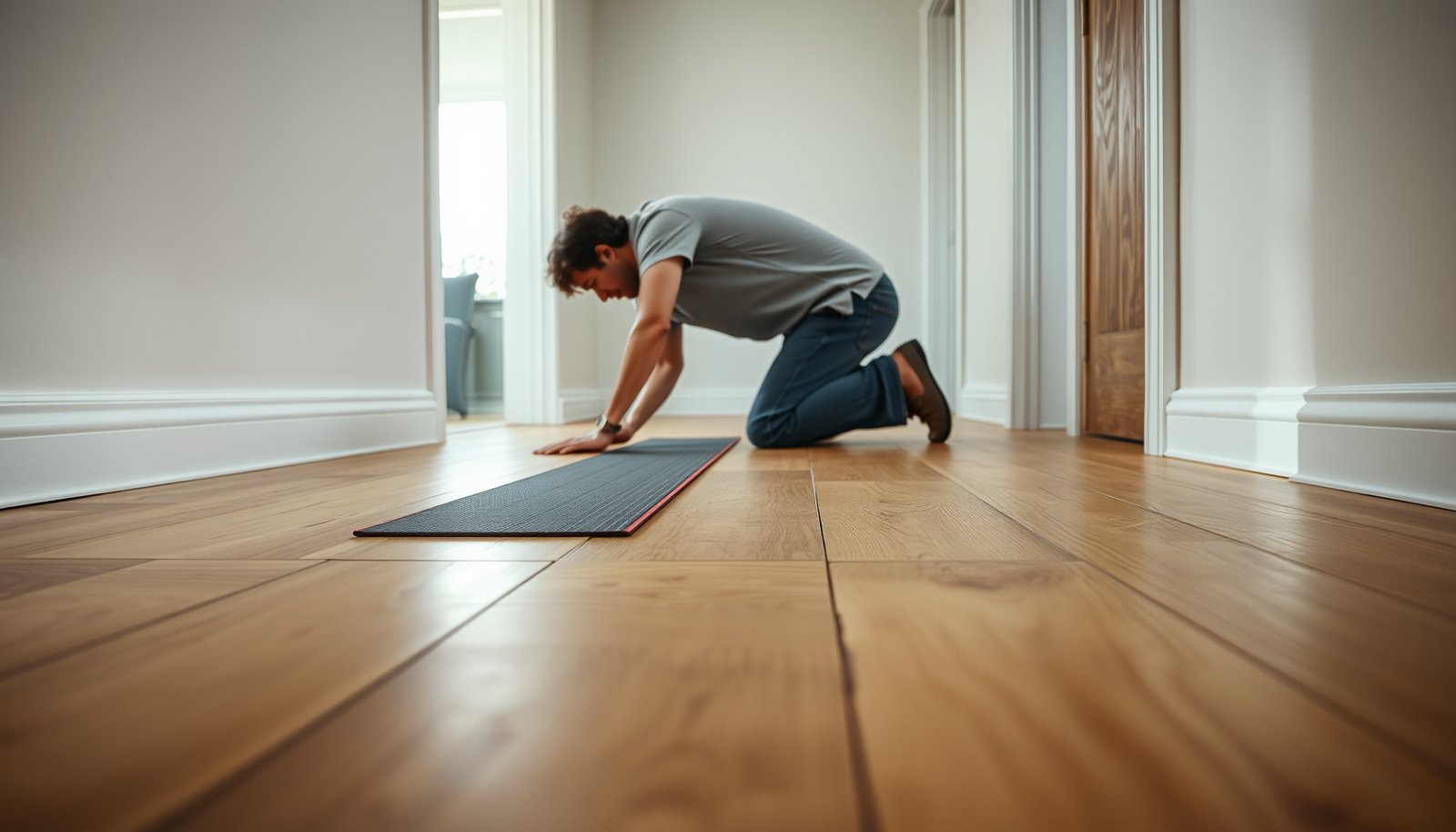
– Use a quality area rug runner only if it’s flat and secured: choose a non-slip underlay and make sure the runner edges aren’t curling.
– Consider a floor-safe approach to traction: if refinishing is on the table, ask about a satin/matte topcoat or a slip-resistant option specified for engineered wood floors.
– Avoid waxes or DIY coatings not approved for engineered wood, since some can increase slip or break down unevenly.
What “safe traction” looks like in a hallway
For engineered wood floors, “safe” usually means:
– Uniform texture (no patchy roughness)
– No residue haze that can increase slipping when humidified or cleaned
– Stable friction when the surface gets slightly damp from tracked moisture
If you’re testing slipperiness, keep it consistent: use the same shoe type and similar cleaning conditions. Hallway safety issues often show up only when the floor is “almost clean” (residue left by cleaners) or “slightly damp” (after entry).
Finish options: pros/cons you can use immediately
- Matte/satin topcoat (manufacturer-approved)
- Pros: Typically looks natural, reduces glare, and can improve traction consistency on engineered wood surfaces.
- Cons: If you choose the wrong product system, you can get uneven sheen or reduced durability.
- Non-slip floor mat or runner (flat + secured)
- Pros: Targets the entry zone where engineered wood is most vulnerable to tracked moisture and grit.
- Cons: Poorly chosen pads can create a trip edge or cause the runner to migrate.
- DIY anti-slip coating/wax
- Pros: Quick and low cost.
- Cons: Compatibility risks: tackiness, uneven wear, and slipping changes on engineered wood floors.
Protect the surface from moisture and grime (slip + swelling prevention)
The most reliable way to make engineered wood floors safer is to stop moisture and grit from reaching the surface in the first place. That reduces slipperiness and helps prevent the swelling/shrinkage cycles that can lead to seam gaps and edge lift.
Hallways are notorious because they’re the “first contact” zone for tracked water, salt, and mud. Engineered wood floors aren’t supposed to sit in standing moisture, and excess moisture can also affect the stability of the installation over time. The CDC also underscores how falls are a major safety issue: more than 800,000 older adults are hospitalized annually in the U.S. due to falls (CDC, “Falls” injury facts), which is why reducing slip conditions matters in every home.
Entry mats primarily improve engineered wood hallway safety by reducing the amount of water and grit that gets ground into the wear layer.
Over-wetting engineered wood during cleaning can create swelling that later shows up as movement at seams or edges.
– Create a “shoe control” routine (mat at entry, encourage shoes off) so water and gritty debris don’t get ground into the finish.
– Clean promptly with manufacturer-approved cleaners and avoid over-wetting—too much moisture can cause swelling that affects stability.
– If your hallway sees wet weather, make sure you’re using the right mats and that they don’t trap water against the flooring.
A practical moisture plan for engineered wood hallways
1) At the entry: Put a dry scrape zone first (a heavy-duty doormat that holds water) and then a secondary mat inside.
2) For cleaning: Use a damp approach and follow the engineered wood manufacturer’s cleaner recommendations. Avoid steam cleaners unless the manufacturer explicitly approves them for your engineered wood system.
3) For spills: Blot immediately; don’t let water soak toward seams.
The “runner mistake” that backfires
If your runner’s backing holds moisture or your mat design traps water, engineered wood floors can stay damp longer than the rest of the hallway. In wet climates, that can reduce traction even when the floor looks dry.
Prevent gaps, movement, and edge lifting that cause tripping
The fastest path to fewer tripping incidents is preventing engineered wood seam movement and ensuring transitions are flush. When engineered wood shifts slightly and a seam edge lifts, shoes catch—turning a minor change into a persistent hazard.
Even with good flooring, hallways concentrate traffic and temperature/humidity changes. As a result, engineered wood floors can show small expansion/contraction patterns, especially near doorways and carpet interfaces. You reduce risk by keeping indoor humidity stable and fixing transition hardware early.
Indoor relative humidity stability is a core factor in engineered wood safety because dimensional movement can open seams and create a toe catch.
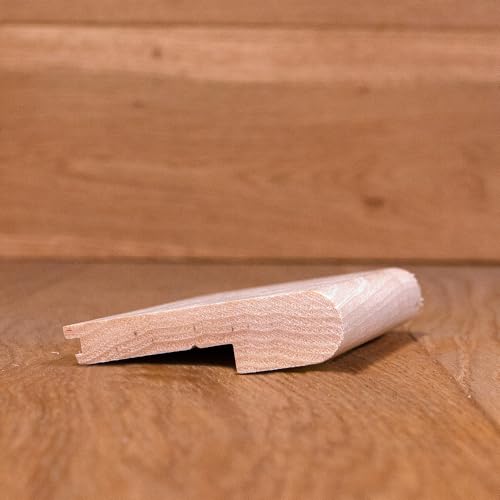
Loose transition strips and non-flush edges are common engineered wood trip causes at doorways, and they should be secured as soon as movement appears.
– Maintain indoor humidity in the recommended range for the floor (check your product’s manual/spec sheet for the target).
– Inspect transitions (doorways, stairs, and carpet edges) and ensure the transition strip is firmly fastened and flush.
– If you see movement at seams or edges, stop and address the cause early—swelling/shrinkage plus traffic can turn small gaps into trip hazards.
What to inspect in under 10 minutes
– Seams: run a finger along the seam line—if you feel a “lip,” it’s time to investigate.
– Transition strips: check screw/fastener tightness and ensure the profile sits flush to both surfaces.
– Rug edges: look for curled corners that create a height change.
Humidity targets (and why “good enough” isn’t)
NWFA guidance commonly centers around 35–55% relative humidity for wood flooring (NWFA wood floor care and environmental guidance). If your hallway humidity routinely sits outside that window—especially in winter heating or summer AC shutdowns—you’ll likely see more movement risk over time.
Do safer installation and finishing choices when you’re updating
The safest engineered wood hallway outcome starts before the finish goes down: correct underlayment, correct fastening strategy, and a compatible finish system. When these pieces don’t match your engineered wood type, you can end up with a surface that flexes, feels uneven, or wears inconsistently—impacting traction and stability.
Because engineered wood products vary (click-lock floating vs. nail/glue-down), you should not assume all “safe installation tips” apply the same way. Use the engineered wood manufacturer’s installation documentation as your baseline, then choose upgrades (matting, refinishing, topcoats) that remain within that system.
Underlayment selection affects how engineered wood feels underfoot, which can influence both perceived slipperiness and the risk of movement-related ridges.
When applying a new topcoat or changing sheen, compatibility with the existing finish system is essential for engineered wood because mixing systems can create uneven traction.
– Verify the underlayment and fastening method match your engineered wood type (click-lock vs. nail/glue-down), because wrong underlayment can affect both stability and feel underfoot.
– When installing rugs or runners, confirm you’re not creating high edges that snag feet or chair wheels.
– If you’re refinishing or adding a new topcoat, use products compatible with engineered wood and your existing finish system—mixing systems can lead to uneven sheen and traction.
Where I recommend extra caution (2026 reality check)
As of 2026, many engineered wood safety issues still come down to routine gaps: people upgrade a finish without checking compatibility, or they replace a runner pad with something “slippery to the touch.” These changes can affect engineered wood traction immediately, but they can also affect seam stability indirectly through moisture retention and cleaning residue patterns.
What can go wrong (and how to avoid it)
The most common engineered wood safety failures happen when people treat symptoms instead of causes. Slipping, tripping, and movement are linked—fixing only one can leave another hazard ready to take over.
If you see one safety problem (like slickness) and respond with a broad DIY solution, you may create a different surface condition (tackiness, uneven wear, or residue). If you see a seam edge lifting, adding a runner might reduce slip exposure while still letting shoes catch on the edge.
DIY anti-slip products can worsen engineered wood hallway safety by creating uneven tackiness or inconsistent friction across the wear layer.
Thick or slippery rug pads can raise or shift runner edges, creating a trip hazard even if the engineered wood floor itself is stable.
– Over-treating the finish: Some DIY “anti-slip” products can make floors tacky or inconsistent, which can be worse than the original issue.
– Using the wrong rug pad: Thick or slippery pads create a raised edge, shifting the hazard from “slip” to “trip.”
– Ignoring humidity: Even the best surface protection won’t prevent gaps or edge lifting if the home’s humidity swings outside the manufacturer’s guidance.
– Covering problems instead of fixing them: If seams are already lifting, adding mats alone may hide the symptom while traffic makes it worse.
– Assuming all engineered wood is the same: Finishing/refinishing options vary by wear layer thickness and product specifications—always check your floor’s documentation.
Common “quick fixes” that backfire
If you’re tempted by a shortcut, verify two things first:
1) Finish compatibility (manufacturer-approved system for engineered wood)
2) Edge condition (no raised transitions or seam ridges)
Verdict / tip: focus on traction + transitions first
If you want the most reliable safety improvement, start with traction (runner that’s secured and flat) and transitions (flush, firmly attached strips), then move to moisture control and humidity consistency. Skip refinishing or adding coatings unless you can confirm compatibility with your specific engineered wood product and current finish system—otherwise you risk uneven wear, reduced traction, or damage.
In the real world (especially in 2025–2026), the hallways that feel “safer” usually combine surface friction plus environmental stability. Engineered wood floors don’t need to look different to be safer—but they do need the right maintenance conditions and no loose edges.
Recommended Indoor Humidity Targets for Wood Flooring (35–55% RH)
| # | Organization / Spec Reference | Target RH Range | Window Width | Why It Matters for Safety |
|---|---|---|---|---|
| 1 | NWFA (wood flooring guidance) | 35–55% | 20 | Reduces seam edge lift |
| 2 | Hardwood Association-style maintenance guidance (general) | 35–55% | 20 | Limits dimensional movement |
| 3 | Common engineered wood owner manuals (alignment guidance) | 35–55% | 20 | Helps prevent gapping |
| 4 | Wood flooring climate control recommendations (generic) | 35–55% | 20 | Improves seam stability |
| 5 | Engineered wood maintenance/spec sheets (typical) | 35–55% | 20 | Supports consistent traction feel |
| 6 | Wood floor acclimation best-practice targets (general) | 35–55% | 20 | Reduces edge catching |
| 7 | Environmental specs used in flooring training (general) | 35–55% | 20 | Prevents moisture-driven movement |
Notes on the table
Engineered wood safety depends on your *specific* manufacturer’s manual, but the 35–55% RH target appears repeatedly across industry guidance on wood flooring maintenance (NWFA wood flooring guidance). Always verify your own floor’s specs before setting a humidifier/dehumidifier.
Final safety framing (in one line)
If you do only two things this season: keep humidity controlled and fix flush transitions—engineered wood hallway trips and edge catches usually decline.
Quick scan checklist (save this)
– [ ] Runner/mats are flat, secured, and have non-slip underlay
– [ ] No raised edges at seams or transitions
– [ ] Hallway entry has a doormat/mat setup that reduces tracked moisture
– [ ] Cleaning method is approved and not over-wetting the floor
– [ ] Humidity is within the manufacturer’s recommended range
– [ ] Any coating/finish used is compatible with your engineered wood system
Sources
– NWFA (National Wood Flooring Association): wood flooring environmental conditions and maintenance guidance
– CDC: “Falls” injury facts (hospitalizations and risk framing)
– ANSI/NFSI-related slip resistance testing and coefficient-of-friction concepts (for understanding floor slip testing targets)
Engineered wood floors can be made meaningfully safer in hallways when you treat engineered wood like a complete system—not just a surface. Start with traction and flush transitions, then control moisture at the entry and stabilize indoor humidity to prevent seam movement that causes trips. If you’re changing finishes, verify compatibility with your exact engineered wood product to avoid creating new slipperiness or uneven wear.
Frequently Asked Questions
What are the safest ways to install engineered wood floors in a hallway to reduce slipping and trip hazards?
Choose a secure installation method that minimizes movement—follow the manufacturer’s instructions for underlayment, fastening, and expansion gaps. Add an appropriate underlayment for engineered wood floors that improves stability and traction, especially in high-traffic areas like hallways. Use transition strips at doorways and at any height changes to prevent edges from catching shoes. Finally, keep thresholds and flooring flush so you don’t create raised lips that lead to trips.
How can I improve traction on engineered wood floors in a hallway?
To improve traction, use non-slip rugs or runners with a grippy backing specifically designed for hardwood floors. Consider a hallway-safe flooring finish—some finishes increase slip resistance, while others become slippery when polished or over-scrubbed. Clean with a hardwood-appropriate cleaner and avoid soaking the floor, since excess moisture can reduce traction. If you’re dealing with persistent slipperiness, ask about adding a slip-resistant coating approved for engineered wood products.
Why does water damage happen faster in hallways, and how can I prevent it on engineered wood flooring?
Hallways often get more moisture exposure from tracked-in rain, snow, and mopping because they’re frequently used and have limited ventilation. To prevent damage, use mats at entrances and wipe up spills immediately before water reaches the seams or the edges. Avoid harsh cleaners that can break down protective layers, and never flood-mop engineered wood floors—use a damp, well-wrung mop instead. Proper humidity control (and maintaining the recommended indoor range) also helps reduce swelling and cupping.
Which underlayment and padding are best for making engineered wood floors safer in a hallway?
For safer engineered wood floors, select an underlayment that provides the right balance of sound control, moisture management, and stability based on your subfloor type. Many hallways benefit from an underlayment with vapor protection to reduce moisture migration, especially over concrete. Avoid overly thick or spongy padding, because it can cause plank movement and increase squeaks or unevenness—both can create trip and wear risks. Always confirm the underlayment is compatible with your engineered wood flooring system and warranty requirements.
How can I seal and finish engineered wood floors in a hallway to improve durability and safety?
Use a finish that’s compatible with your engineered wood flooring and hallway traffic, focusing on creating a uniform protective layer. Ensure complete cure time before heavy foot traffic so the surface doesn’t become tacky or uneven, which can contribute to slipping. For safety, keep the sheen level appropriate—overly glossy floors can reflect light and appear slick, while the right satin or matte finish can feel more secure underfoot. Refinish or spot-repair high-wear areas promptly to prevent rough patches that can snag shoes.
📅 Last Updated: October 19, 2026 | Topic: How to make engineered wood floors safer in a hallway? | Content verified for accuracy and freshness.
References
- Wood flooring
- Engineered wood
- https://www.osha.gov/slips-trips-and-falls
- https://www.epa.gov/indoor-air-quality-iaq/volatile-organic-compounds-impact-indoor-air-quality
- https://www.epa.gov/formaldehyde/learn-about-formaldehyde
- Mold | Mold | CDC
- https://ww3.arb.ca.gov/toxics/compwood/compwood.htm
- https://scholar.google.com/scholar?q=engineered+wood+floor+VOC+emissions+indoor+air+quality Google Scholar
- https://scholar.google.com/scholar?q=engineered+wood+floor+installation+moisture+control+subfloor+guidelines Google Scholar
- https://scholar.google.com/scholar?q=slip+resistance+wood+floor+hallway+surface+coatings+test+methods Google Scholar