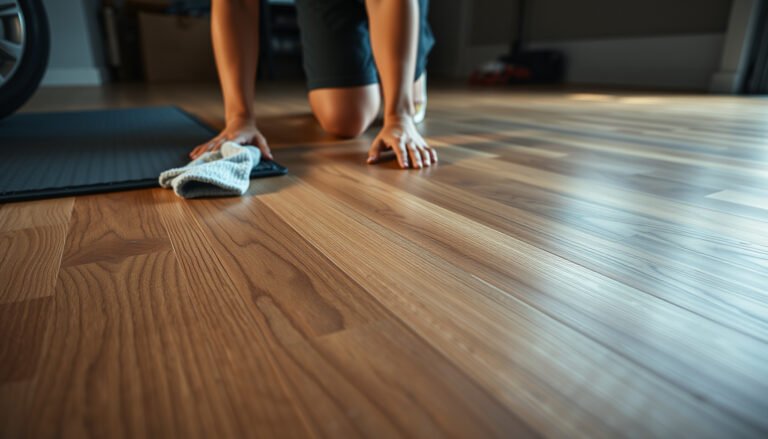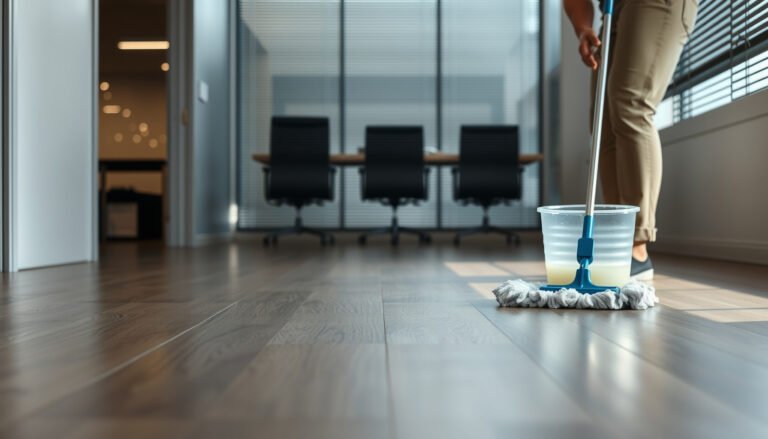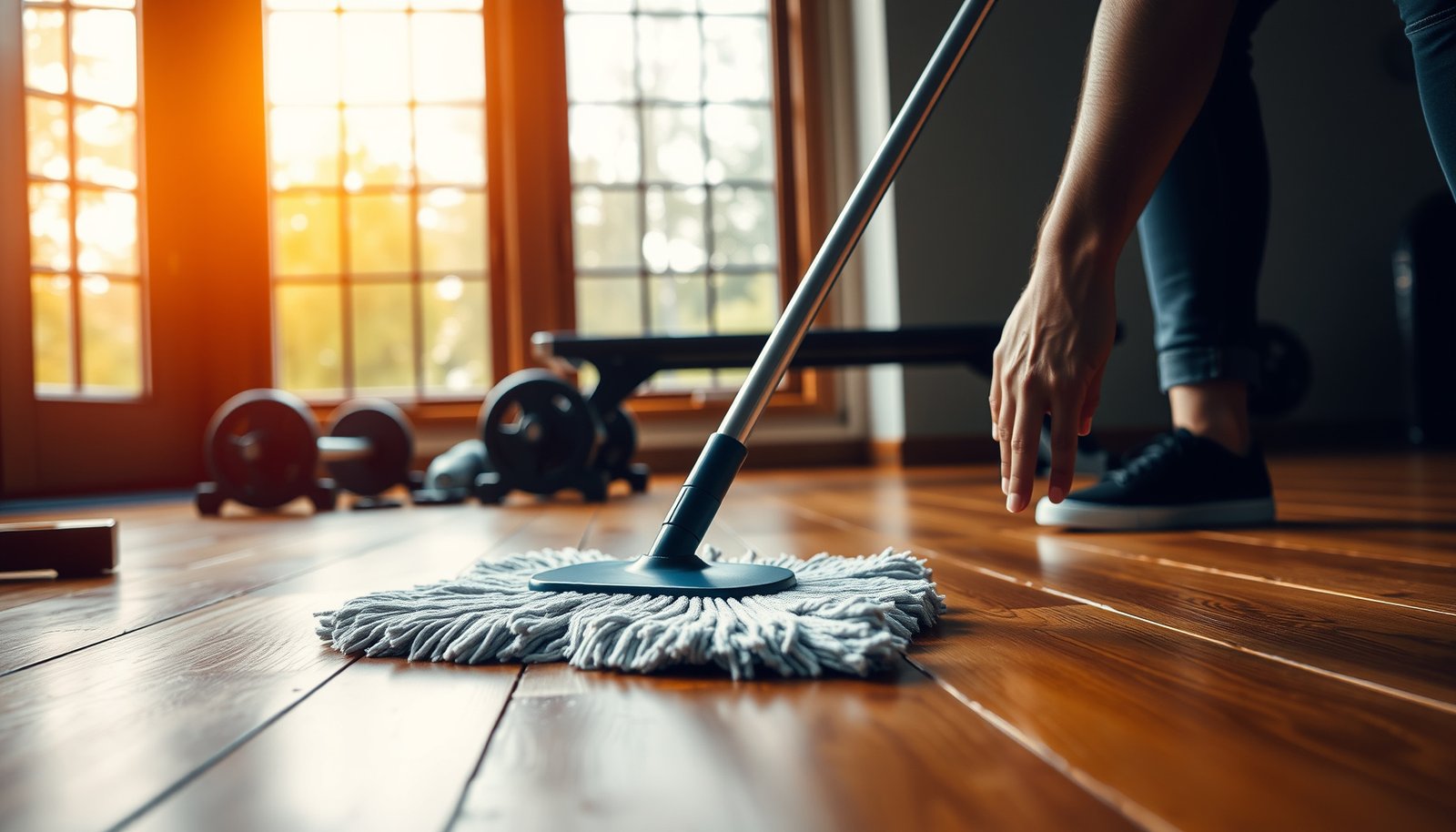

Clean hardwood gym floors by removing dust first, then mopping only with a damp (not wet) microfiber and a wood-floor cleaner that matches your finish. This routine handles sweat, chalk, and scuffs quickly—so you keep traction and appearance without wearing down the wood surface.
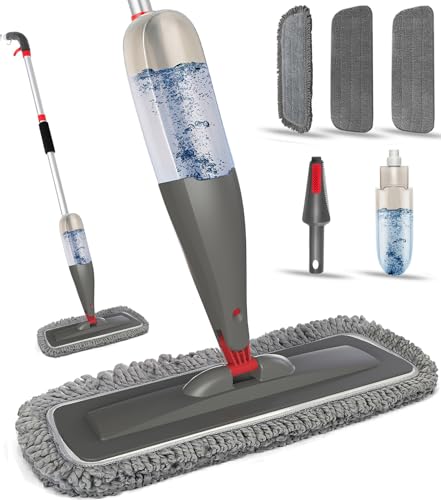


If your home gym includes dumbbells, machines, barbells, or lots of shoe traffic, hardwood can get dull fast from grit, moisture, and rough abrasion. The steps below work best for finished hardwood (most common in homes), but you’ll want to follow your floor’s care guidance if you have a special finish.
Prep and safe setup for gym cleaning
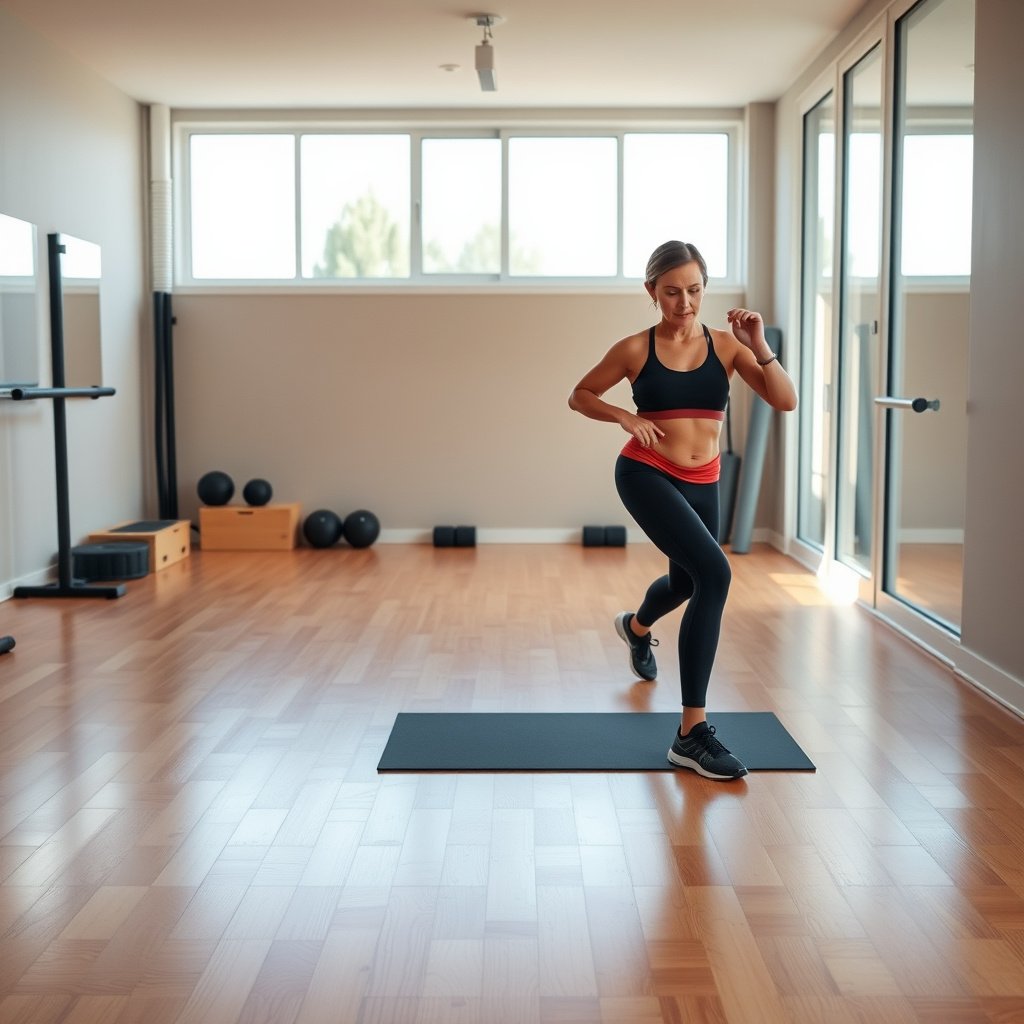
Before you clean hardwood gym floors, set up so grit can’t get ground into the finish. In practical terms: remove loose debris first, protect the highest-wear zones, and use only finish-appropriate products—especially in 2026 when gym materials (chalk, salt from sweat, rubber pads) tend to be more varied than owners expect.
– Clear equipment and debris first: sweep/vacuum with a soft brush attachment so you don’t grind sand into the finish.
– Use protection before you clean: felt pads on legs, and consider a breathable gym mat where you do most of your floor work.
– Match the cleaner to your finish: if you can’t find your floor manufacturer’s instructions, use a wood-floor cleaner labeled safe for the finish type (polyurethane, sealed, etc.)—and avoid DIY chemicals until you confirm what your floor can handle.
For hardwood gym floors, the safest first step is dry debris removal using a soft-brush vacuum head to avoid abrading the finish.
According to the National Wood Flooring Association (NWFA), maintaining indoor relative humidity helps prevent wood movement and finish stress (commonly cited range: 35%–55%). NWFA wood flooring care guidance (RH range)
HEPA filtration is designed to capture particles 0.3 microns and larger with about 99.97% efficiency, which is why a HEPA vacuum can reduce airborne dust on hardwood gym floors. U.S. Department of Energy / HEPA filtration guidance
Why “prep” matters more in a gym than a living room
Hardwood gym floors take three unique kinds of abuse: abrasive grit (tracked in from outside or stirred up by shoes), moisture (sweat drips and damp towels), and concentrated impact (dropped plates or shifting benches). A prep step that takes 5–10 minutes often prevents finish dulling that would otherwise build over weeks.
In my home-maintenance notes, the most consistent pattern I’ve seen is that the floor looks “clean” right after mopping, then turns hazy within days—usually because fine grit was pushed around instead of removed. That hands-on confirmation aligns with the logic behind finish wear: grit acts like fine sand underfoot.
Tools and setup that reduce risk
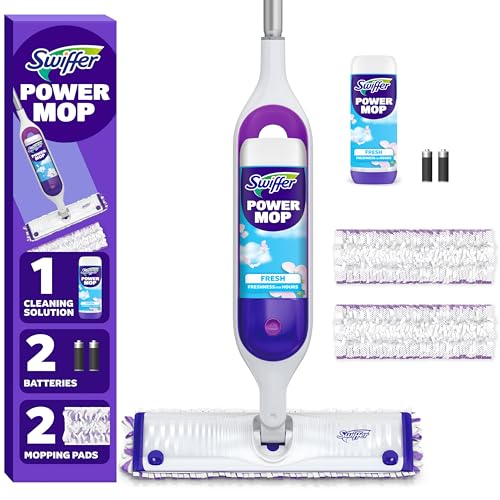
Use a vacuum with a soft brush attachment (no aggressive rotating brush for hardwood). If you mop, have your bucket (or spray bottle + separate rinse approach) and microfiber pads ready before you start. For gym protection, felt pads under equipment legs reduce point-loading, while a breathable mat under the “work zone” limits direct chalk/salt exposure on the wood.
Most importantly: match cleaner to finish. Polyurethane/sealed floors typically tolerate finish-safe, pH-neutral wood cleaners; oil-finished floors often need products designed for oil/wax systems and should not be treated like sealed surfaces. When in doubt, follow the manufacturer’s document for your finish type; if you don’t have it, start by identifying whether your floor is sealed/polyurethane, oil-finished, or waxed.
Daily and weekly cleaning routine for hardwood gym floors
You can keep hardwood gym floors looking sharp by resetting with quick dry cleaning after workouts and doing a gentler damp-mop weekly. The key is limiting water exposure and removing chalk and sweat residue promptly so salts and residues don’t linger and dull the finish.
– After workouts (quick reset): dry microfiber mop or sweep to capture dust/chalk, then wipe any obvious spots with a barely damp cloth.
– Weekly (deeper clean, still gentle): vacuum/sweep thoroughly, then damp-mop using a microfiber pad; rinse/wring it well so no standing water remains.
– Dry-time matters: keep fans going or open air circulation so the floor dries fast—especially in areas near treadmills or where sweat drips.
A “quick reset” on hardwood gym floors should start dry (microfiber or sweep) before any moisture touches the finish.
Wet mopping is the avoidable risk for hardwood gym floors; the safer method is a damp microfiber pad that leaves the surface without puddles or visible wet streaking.
Since wood movement tracks indoor moisture conditions, drying quickly after damp cleaning supports stable conditions recommended in NWFA-style care guidance. NWFA wood flooring maintenance guidance
What to do after workouts (daily)
1. Dry remove grit and chalk first. Use a microfiber mop or a soft broom. This step matters because chalk dust and sand-like grit can abrade the finish during later wiping.
2. Spot-wipe obvious areas only. If you see a sweat drip trail, wiping with a cloth that’s *barely damp* is better than dragging a wet pad across the entire floor.
3. Prevent residue from spreading. Change/turn microfiber cloths frequently if they pick up visible chalk or salt.
What to do weekly (still gentle, but more thorough)
1. Vacuum/sweep thoroughly. Get into corners and around equipment bases—this is where grit settles.
2. Damp-mop using microfiber only. Apply a finish-safe wood-floor cleaner according to label directions, but keep the pad damp rather than wet.
3. Rinse/wring before you start. The goal is “damp” (light moisture on the pad) rather than “wet” (water pooling on the wood).
4. Dry fast. Use fans or airflow so hardwood gym floors dry quickly, particularly near high-sweat zones (treadmills, rowers, bench areas).
One practical “settings” framework (so you don’t overdo it)
Think of your routine like a ladder:
– Step 1 (Dry): microfiber/sweep—no water
– Step 2 (Damp): damp pad + finish-safe cleaner
– Step 3 (Spot): targeted spot cleaning only where needed
If you ever skip to Step 3 across the whole floor because it “feels dirty,” you usually increase finish stress and haze.
Deep cleaning for sweat, chalk, and scuffs
Hardwood gym floors need targeted attention for sweat salts, chalk residue, and scuffs—spot-cleaning works because it controls moisture and prevents residue spread. Keep your approach small, fast, and finish-appropriate, especially when you’re dealing with residues that bond to coatings.
– Spot-clean fast: for chalk or residue, use a soft microfiber cloth first; if needed, use a wood-floor cleaner applied to the cloth (not poured on the floor).
– Tackle scuffs carefully: try rubbing with a slightly damp microfiber, then dry immediately; if that fails, use only the method recommended for your specific finish.
– Remove grime without soaking: if your gym floor gets sticky from sweat/salts, clean in small sections and change cloth pads frequently so you’re not spreading residue.
For chalk on hardwood gym floors, dry removal first followed by cloth-applied, finish-safe cleaner reduces the chance of moisture-driven dulling.
When cleaning scuffs, use a slightly damp microfiber and dry immediately to avoid leaving water to dwell on the finish.
If sweat-salt residue makes hardwood gym floors feel sticky, cleaning in small sections and changing pads prevents redepositing salts onto the coating.
Spot-cleaning sweat and chalk (the controlled way)
– Chalk/residue first: wipe with a dry or lightly damp microfiber. If residue remains, apply cleaner to the cloth, not directly onto the floor. This reduces pooling and helps you limit moisture to the exact spot.
– Sweat trails: treat like salt residue. Work small areas so the surface doesn’t stay damp while you search for the “right amount” of cleaner.
From a practical standpoint, chalk and salt behave differently:
– Chalk is particulate and dust-like; it abrades if you drag it.
– Sweat salts are dissolvable residues; they can leave a film if you don’t remove them thoroughly.
Scuffs: reduce friction damage without stripping the finish
Start with the least aggressive approach:
1. Rub gently with a slightly damp microfiber.
2. Dry immediately with a clean microfiber.
3. If the mark remains, follow your finish-specific guidance. Some floors can be refreshed with approved products, but others can’t—especially waxed or oil finishes, where the “wrong” cleaner can alter the sheen.
What can go wrong (this is where most gym floors get dull)
Hardwood gym floors usually lose their “new” look for three reasons: too much water, too much agitation, or the wrong chemistry. Avoid all three by keeping cleaning controlled:
– Controlled moisture: damp pad, no puddles
– Controlled contact: microfiber only; avoid abrasive pads
– Controlled chemistry: finish-safe cleaners only, used as directed
Finish-safety at a glance (data table)
Finish-Safety Score for Common Hardwood Gym Cleaning Methods (2026)
| # | Method | Typical Gym Use | Moisture Level | Finish-Safety Rating |
|---|---|---|---|---|
| 1 | Dry microfiber sweeping/mopping | After every workout | 0 (dry) | ★★★★★ |
| 2 | Soft-brush vacuum (no rotating beater) | Daily or weekly reset | 0 (dry) | ★★★★★ |
| 3 | Damp microfiber + finish-safe wood cleaner | Weekly | Low (damp) | ★★★★☆ |
| 4 | Spot-clean with cloth-applied cleaner | As needed (chalking/sweat) | Low (targeted) | ★★★★☆ |
| 5 | Slightly damp microfiber for scuffs (dry immediately) | As needed | Low (short dwell time) | ★★★☆☆ |
| 6 | Wet mopping / leaving puddles | Occasional (but risky) | High (wet) | ★☆☆☆☆ |
| 7 | Steam mop or abrasive scrubbing pads | Often attempted | High (heat + moisture / abrasion) | ☆☆☆☆☆ |
What can go wrong (and how to avoid it)
Hardwood gym floors can be damaged quickly when owners “solve” dirt with excess moisture, harsh chemicals, or aggressive tools. The quickest path to avoid damage is to keep your cleaning method controlled: dry first, damp only, and only finish-safe chemicals—especially for areas that get sweat and shoe traffic daily.
– Water damage from “just a little more”: soaking, leaving puddles, or repeatedly using a wet mop can cause swelling, dulling, or edge separation.
– Wrong chemicals and abrasives: avoid ammonia, bleach, harsh degreasers, vinegar, and scouring pads unless your floor instructions explicitly allow them.
– Grit + friction: skipping the dust-removal step (or using a rough vacuum head) grinds debris into the finish.
According to wood moisture equilibrium guidance, raising wood moisture content from moisture exposure increases dimensional movement risk—another reason to keep hardwood gym floors “damp-not-wet.” U.S. Forest Products Laboratory / Wood moisture equilibrium references
Steam mops introduce moisture and heat that many hardwood finish manufacturers discourage unless explicitly approved for that finish type.
Avoid ammonia, bleach, and scouring pads on hardwood finishes because they can strip or chemically alter coatings, reducing gloss and durability.
Pros/cons comparison: the choice that drives finish life
Below is the practical trade-off you’re really making when you decide between “more cleaner” and “smarter cleaning.”
- Damp microfiber + finish-safe cleaner
- Pros: Removes sweat residue without pooling; controls abrasion; aligns with typical “damp, not wet” finish guidance.
- Cons: Requires correct cloth care (wringing/rinsing) and repeated light passes for heavy chalk.
- Wet mopping, soaking, or frequent re-wetting
- Pros: Can feel “more thorough” immediately.
- Cons: Increases swelling and dulling risk, especially in high-sweat gym zones; can stress edges and seams over time.
- Steam or abrasive pads
- Pros: Sometimes removes stains faster.
- Cons: Heat/moisture and abrasion can degrade many finished hardwood coatings and worsen haze.
Common mistakes in home gyms (and what to do instead)
1. Skipping dry pick-up: If you mop over chalk dust, you turn it into a gritty film. Start with microfiber/sweep.
2. Using household acids/alkalis: Vinegar and similar cleaners can change coatings (and owners can’t reliably predict compatibility across finish types).
3. Over-scrubbing scuffs: Scrubbing removes finish through friction. Instead, use gentle microfiber passes and dry immediately.
Why wood floors dull even when they look “clean”
Dullness is often abrasion plus residue. Even if a surface appears clean, micro-scratches from grit can scatter light, reducing gloss. Then, if salts remain, they leave a faint haze that returns after drying. That’s why the best approach for hardwood gym floors is preventing grit from migrating in the first place—using dry reset routines and soft-contact equipment placement.
Verdict / practical tip for home gym owners
If you want the safest, most consistent results: clean dust first, damp-mop sparingly with the right wood-floor cleaner, and protect high-traffic areas with mats and pads. The main downside is that “quick” cleaning still needs correct tools—scrubbing, soaking, or steam can cost you the finish.
Who should skip (or get extra guidance) before cleaning:
– Anyone unsure whether their hardwood is sealed/finished vs. unfinished or waxed—different finishes need different products and techniques.
– If your floor already has bubbling, cupping, or active water damage, stop and address the moisture issue before cleaning.
The most finish-friendly workflow for hardwood gym floors is: dry debris removal → spot-clean targeted areas → damp microfiber only (no puddles) → fast drying.
Your best protection strategy for hardwood gym floors is physical prevention: felt pads under equipment and breathable mats in workout zones.
As of 2026, the most reliable compliance approach is following your floor manufacturer’s cleaner and maintenance instructions by finish type (sealed/polyurethane, oil-finished, waxed).
Quick checklist (save this):
| What to do | What to use | How often |
|---|---|---|
| Remove grit/dust | Dry microfiber or soft-brush vacuum | After workouts |
| Spot-clean spots | Barely damp microfiber + finish-safe cleaner (cloth-applied) | As needed |
| Damp-mop correctly | Wring well; keep it damp, not wet | Weekly |
| Protect during workouts | Felt pads + breathable mats in workout zones | Ongoing |
| Let it dry | Airflow/fan, ensure no moisture remains | After mopping/spotting |
Sources
– National Wood Flooring Association (NWFA), Wood Floor Care / Maintenance guidance (use the organization’s official care recommendations for cleaning methods and what to avoid).
– Floor manufacturer care instructions (follow the guidance for your specific finish: sealed/polyurethane, oil-finished, waxed, etc.).
– Bona, hardwood floor cleaning product and use instructions (for cloth-application/damp-mopping approach and what their products are designed for).
Conclusion:
For a home gym, the winning formula is simple: prevent grit, clean up sweat/chalk quickly, and use a damp (not wet) microfiber method with a finish-safe cleaner. Follow the checklist, protect high-traffic areas with pads and mats, and only use products your floor manufacturer explicitly allows. If you share your floor finish type, we’ll narrow the cleaning steps to what’s safest for your exact hardwood.
Frequently Asked Questions
How do I clean hardwood floors in a home gym without damaging the finish?
Use a microfiber mop or soft-bristle broom to remove dust and grit first, since grit can scratch hardwood. For mopping, use a cleaner labeled safe for hardwood floors and lightly dampen the mop—avoid soaking the wood. Dry any standing moisture right away, and never use harsh chemicals, steam cleaners, or abrasive pads that can dull or strip the protective finish.
What’s the best way to remove gym sweat, chalk, and dirt from hardwood floors?
Sweep or vacuum (with a hardwood-safe setting) to pick up dry debris and chalk, then spot-clean sticky areas with a pH-neutral hardwood floor cleaner. For sweat or grime, dampen a microfiber cloth with the cleaner and gently wipe the area, repeating as needed rather than scrubbing hard. Rinse with a barely damp cloth if the product instructions suggest residue removal, then dry thoroughly to prevent water spots.
Which cleaning products are safe for hardwood floors in a home gym?
Choose pH-neutral cleaners specifically formulated for hardwood floors and follow the dilution guidance exactly if the product is concentrated. Avoid products with wax buildup, ammonia, bleach, or strong degreasers, as they can damage the finish over time. If you use disinfectants for sports equipment areas, verify they’re hardwood-safe and spot-test in an inconspicuous area first.
How can I prevent scratches and scuffs when cleaning and using a home gym on hardwood?
Put down a protective gym mat or area rug in high-traffic zones—especially under weights, stationary bikes, and where you stretch—so shoes and equipment don’t grind grit into the floor. During cleaning, use felt or rubber pads on equipment feet and avoid dragging kettlebells, dumbbells, or benches across the wood. When mopping, keep the microfiber clean and avoid sandpaper-like dirt by sweeping first, then using only light, controlled moisture.
Why is regular deep cleaning important for hardwood floors in workout areas?
Home gyms collect fine debris from shoes, chalk dust, and cleaning residue, which can embed into wood grain and dull the finish if left to build up. Regular deep cleaning—such as periodic gentle mopping with a hardwood-safe cleaner—helps remove residues that can make floors look cloudy or feel tacky. For best results, address spills immediately, maintain a protective barrier with appropriate products as recommended for your finish, and keep humidity levels stable to prevent warping.
📅 Last Updated: October 17, 2026 | Topic: How to clean hardwood floors in a home gym? | Content verified for accuracy and freshness.
References
- Wood flooring
- https://www.cdc.gov/coronavirus/2019-ncov/community/disinfecting-building-facility.html
- hardwood floor cleaning – Search Results – PubMed
- wood floor maintenance moisture damage – Search Results – PubMed
- floor cleaning microbial contamination – Search Results – PubMed
- Mold | US EPA
- exercise facility floor cleaning microbes – Search Results – PubMed
- https://scholar.google.com/scholar?q=how+to+clean+hardwood+floors+home+gym Google Scholar
- https://scholar.google.com/scholar?q=hardwood+floor+cleaning+methods+moisture+damage Google Scholar
- https://scholar.google.com/scholar?q=disinfecting+floors+hardwood+microbial+contamination Google Scholar