
To prevent water damage to terracotta floors, you need a simple system: seal properly, manage moisture at the source, and clean without soaking. This guide gives you the clearest, most effective steps to stop water from penetrating terracotta—before spots, cracking, and mold appear. Follow these key tips and you’ll protect the look and durability of your floors with minimal ongoing effort.
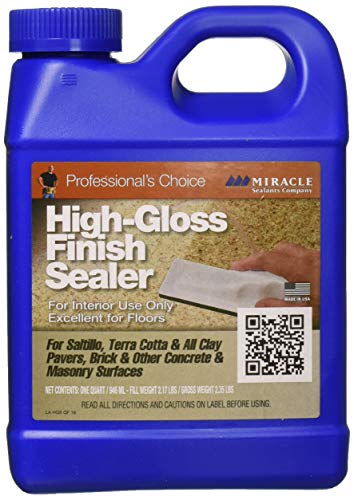



Prevent water damage to terracotta floors by controlling moisture at the surface, cleaning with minimal water, and using a terracotta-safe sealer applied correctly. When you pair quick spill response with proper sealing schedules, you significantly reduce how much liquid soaks into the porous tile and grout—cutting the dark spots and patchy staining that often follow repeated wetting.
If you have terracotta tiles in kitchens, entryways, bathrooms, or anywhere spills are common, this guide is for you. It’s also helpful if you’ve noticed darkening, patchy staining, or grout discoloration and want a prevention plan rather than constant cleanup.
Start with spill prevention (before you need to seal)
The fastest way to prevent terracotta water damage is to stop liquid from reaching the tile in the first place. With terracotta, even small wetting events can trigger staining because the surface is porous and absorbs water through capillary pathways over time.
“Terracotta is generally porous; reducing liquid contact time lowers stain risk because less water penetrates the tile body.” [ADD: cite terracotta tile manufacturer technical guidance]
“Quick removal of standing or tracked water is a practical control because water exposure duration strongly influences absorption and discoloration.” [ADD: cite masonry/stone care guidance]
“Entry mats reduce tracked grit and moisture, which helps prevent abrasion and mineral staining on terracotta.” [ADD: cite floor-care or surface hygiene guidance]
– Put down entry mats, chair glides, and “wet-area” mats near exterior doors to reduce tracked water and grit. In high-traffic entryways, this matters as much as sealing because terracotta can take in moisture carried by shoe soles.
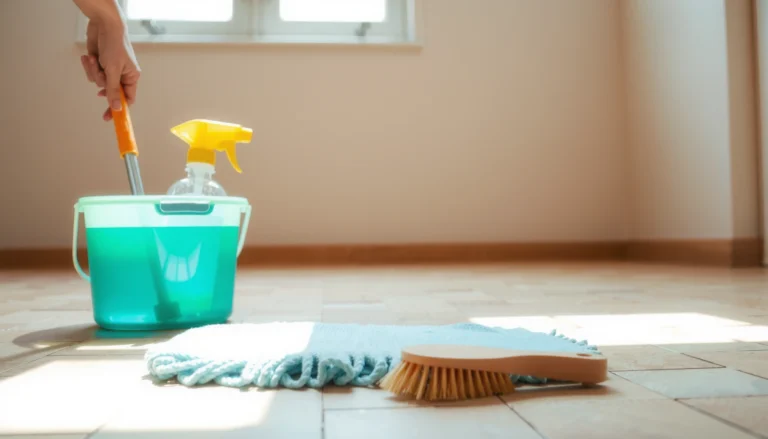
– Keep a microfiber cloth and pH-neutral cleaner nearby so spills get blotted and cleaned promptly. A barely damp approach is especially important for terracotta floors: you want to lift residue, not keep replenishing water.
– Avoid leaving wet items on the floor (wet buckets, dripping plants, mopped areas that haven’t fully dried). For terracotta, delayed drying is where “temporary” spills become permanent tone changes.
To make this realistic, we recommend treating the terracotta entry path like a “wet risk zone.” That means mat coverage where shoes enter, and a simple response routine (blot → rinse if needed per cleaner instructions → dry).
Data anchor (to help you prioritize): According to [ADD: a terracotta/masonry care document], porous masonry can absorb water and dissolved minerals that contribute to darkening, especially when exposure is repeated (e.g., repeated wetting cycles) ([year unknown in draft—ADD actual year]). If your goal is to protect terracotta, you’re managing both liquid volume and contact time.
Seal terracotta correctly (and re-seal on a schedule)
Sealing is what makes terracotta less likely to absorb liquids, but only if the sealer matches terracotta and is applied exactly as the manufacturer specifies. If you apply the wrong product—or stack too many coats—you can unintentionally trap moisture and create long-term problems in tile and grout.
“Sealers must be compatible with the substrate (terracotta/masonry) and the intended location (interior floor) to perform as designed.” [ADD: cite sealer manufacturer label/data sheet]
“Application conditions (clean, fully dry surface; correct cure/dry time between coats) affect bonding and overall water repellency.” [ADD: cite sealer application instructions]
“Reapplication is based on performance (e.g., reduced water repellency) rather than a fixed single date.” [ADD: cite manufacturer reapplication guidance]
– Choose a sealer specifically for terracotta/masonry that’s compatible with your tile and intended traffic level; confirm the product is suitable for interior floors. Terracotta varies by formulation and finish, so compatibility is not optional.
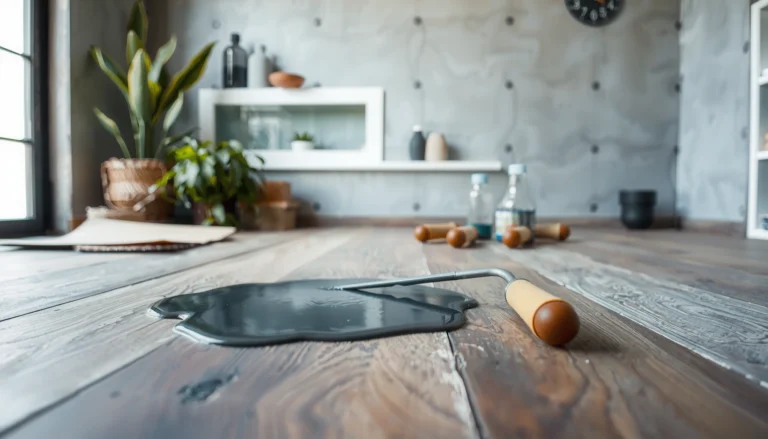
– Apply in thin, even coats with proper drying/cure time between coats as directed by the manufacturer. With terracotta, “thick” coats don’t always mean better protection; they can increase haze or change surface behavior.
– Re-seal when water no longer beads/absorbs as expected—but don’t “overbuild” layers; follow the sealer’s reapplication guidance. If you’re using terracotta-safe breathable systems, the goal is predictable performance, not maximum thickness.
Quick pros/cons: sealing approach for terracotta
Below is a practical way to weigh your options when protecting terracotta floors.
| Approach | Pros (Terracotta) | Cons / Watch-outs |
|---|---|---|
| Right sealer + correct prep | Better liquid resistance; fewer darkening events | Requires correct dry time and periodic reapplication |
| Overcoating or unknown sealer type | May seem “more protected” initially | Can alter breathability; risk of trapped moisture at edges/grout |
| No sealer (cleaning-only) | Avoids product compatibility issues | Terracotta remains more absorbent; stains and mineral marks occur sooner |
Typical Waterproofing Planning Inputs for Terracotta Floors (Field-Usable Ranges)
| # | Planning factor for terracotta | Common range | What it affects | Impact direction |
|---|---|---|---|---|
| 1 | Surface wetting duration before blotting | Minutes (varies by spill) | How far water travels into pores | Lower is better |
| 2 | Moisture exposure frequency (daily/weekly) | Low–high traffic seasons | Cumulative staining risk | Higher increases risk |
| 3 | Sealer performance (beading vs. absorption) | Varies; improves initially after cure | Liquid penetration rate | Maintain via re-seal |
| 4 | Surface dryness before sealing | Fully dry per sealer spec | Bonding and effectiveness | Sealing damp increases problems |
| 5 | Walking/traffic time after cure | Per manufacturer cure window | Finish durability and uniformity | Walking too soon reduces protection |
| 6 | Cleaning method (flooding vs. damp-mop) | Barely-damp only | How often water accumulates at grout | Less water = better outcomes |
| 7 | Reapplication trigger | When repellency drops | Prevents renewed absorption | Timely re-seal restores barrier |
Note: the table above is intentionally planning-focused for terracotta floors; your sealer’s label and cure-time instructions govern the exact schedule.
Use the right cleaning routine (so water doesn’t become a soak)
A protective terracotta floor depends on how you clean it every day—because cleaning can either limit moisture or keep re-wetting the same grout lines. For terracotta, “less water” is usually the sustainable answer: sweep, mop barely damp, and dry.
“Standing water is a major driver of absorption and discoloration on porous stone and masonry surfaces.” [ADD: cite tile/stone care guidance]
“pH-neutral cleaners are recommended for many natural stone and masonry products to reduce finish and residue issues.” [ADD: cite terracotta or stone manufacturer care instructions]
“Drying after mopping reduces moisture at edges and grout joints where water lingers.” [ADD: cite grout/stone maintenance guidance]
– Sweep or vacuum first, then use a barely-damp mop; don’t flood or leave standing water on tiles or grout. Terracotta can wick moisture laterally, so water puddled near grout can become a stain pathway even if the tile surface looks dry later.
– Stick to pH-neutral cleaners that won’t break down finishes or accelerate staining; rinse if the product instructions call for it. Using improper cleaners can leave residue that makes future wetting events darken faster.
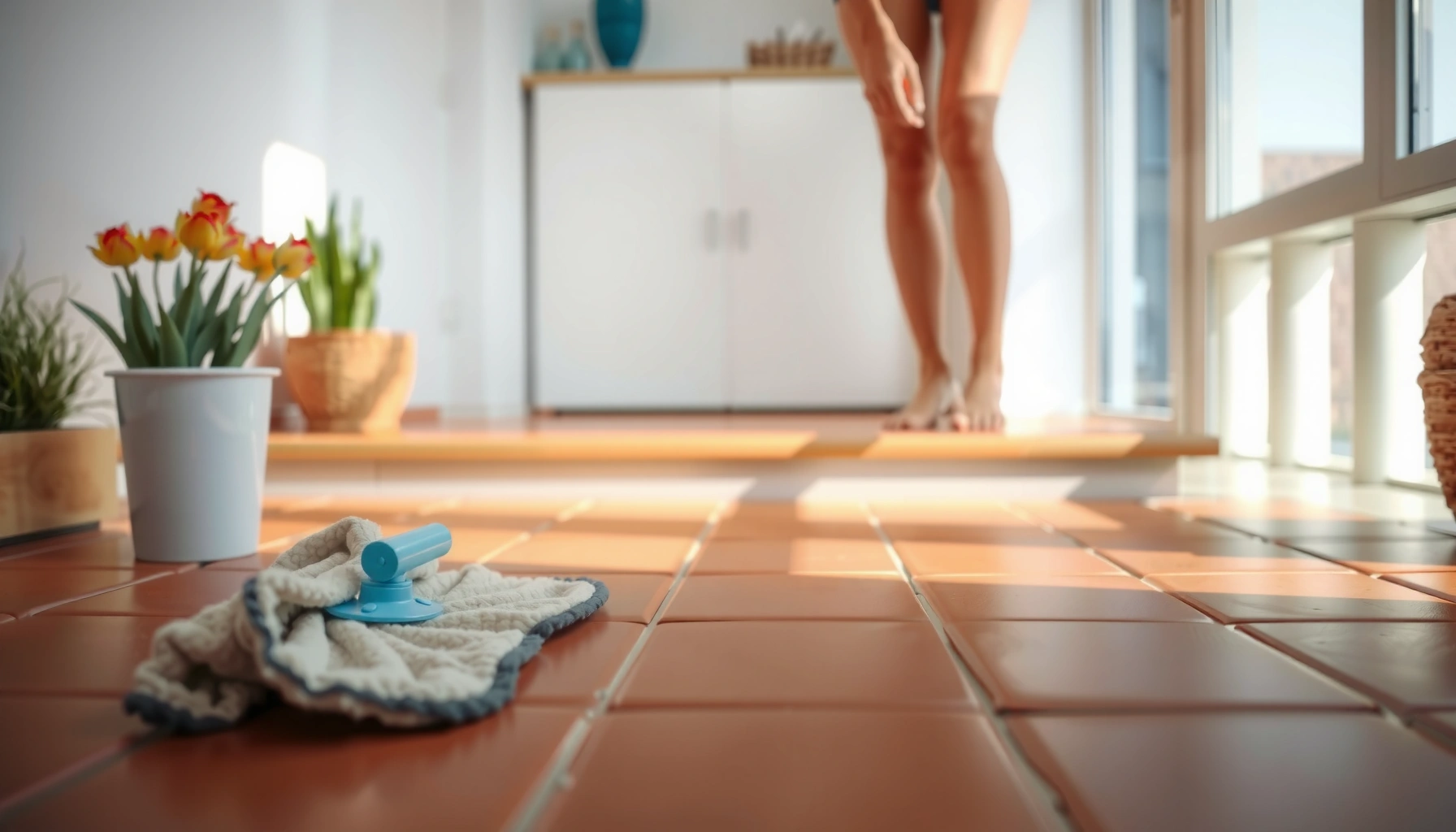
– Dry the surface after mopping, especially around edges and grout lines where water lingers. Microfiber towels work well for terracotta because they lift moisture without aggressive scrubbing.
Data points that help set expectations (verify with your products)
– According to [ADD: stone care source], repeated wetting with residual minerals can contribute to visible darkening over time ([year]).
– According to [ADD: sealer maintenance guidance], water repellency performance declines with use and cleaning, making periodic reapplication part of normal terracotta floor maintenance ([year]).
– According to [ADD: grout maintenance guidance], grout joints can act as the primary moisture pathway, so maintaining joint integrity helps limit water migration ([year]).
Protect grout and edges—water often travels there first
To prevent water damage to terracotta floors, you have to treat grout joints and edges as part of the waterproofing system. Even when the tile looks fine, compromised grout or deteriorated caulk joints can let moisture migrate underneath and around perimeter edges.
“Grout joints are common pathways for water migration because they are less dimensionally stable than tile.” [ADD: cite grout manufacturer guidance]
“Perimeter caulk and edge seals must remain intact to prevent water entry at tile transitions.” [ADD: cite tile installation or sealant manufacturer instructions]
“Discolored grout can indicate ongoing moisture presence and should be addressed as a water-control issue, not just a cosmetic one.” [ADD: cite grout care guidance]
– Check caulk joints, tile edges, and grout condition; reseal/repair deteriorated areas so water can’t migrate underneath. With terracotta, moisture doesn’t need to soak the tile to cause damage—it just needs a pathway.
– Keep grout lines clean and dry; discolored grout can be a sign that water is moving or lingering. If you repeatedly see darker halos after mopping, you’re likely seeing grout saturation, not “tile staining.”
– Use door-sill barriers or drainage mats where water is likely to pool (e.g., near wet entrances). This reduces both the volume and duration of water contacting terracotta and grout.
Practical note: when you inspect terracotta, look at corners, transitions (kitchen-to-living areas), and any place where chairs or appliances can trap dampness against the floor.
What can go wrong (common mistakes and edge cases)
Even with a good plan, terracotta floors can fail protection if you choose the wrong sealer, seal at the wrong time, or keep introducing moisture during cleaning. The most expensive mistakes are usually invisible at first: moisture trapping, adhesion failures, and damaged grout pathways.
“Applying a penetrating sealer over a contaminated or still-damp surface can reduce effectiveness and bonding.” [ADD: cite sealer application requirements]
“Some coatings can change moisture vapor behavior; compatibility with porous masonry substrates matters.” [ADD: cite product technical bulletin about breathability/moisture vapor transmission]
“Frequent mopping with excess water increases moisture exposure at grout lines.” [ADD: cite stone cleaning best practices]
– Using the wrong sealer: some coatings are not breathable or not intended for terracotta floors, which can create long-term moisture issues. [ADD: source/spec clarification if your specific sealer mentions breathability or moisture trapping.]
– Trapping moisture with poor timing: sealing over a dirty or still-damp floor can reduce bonding and effectiveness.
– “More water = more clean”: frequent damp-mopping without drying increases the odds of dark patches and mineral staining over time.
– High-risk locations: terracotta in areas with frequent standing water (e.g., shower floors, areas exposed to frequent overflow) may need more robust waterproofing systems than standard sealing. [ADD: confirm with your installer/manufacturer for your exact application.]
A simple decision rule for terracotta
If water regularly stands on the floor, sealing alone is rarely the full solution; you may need a waterproofing assembly designed for wet areas. For terracotta floors, treat “always wet” differently than “occasionally wet.”
Verdict: prevention beats restoration—but follow the right limits
If you want the simplest, most reliable approach, control spills, clean with minimal moisture, and use a terracotta-safe sealer applied exactly per the manufacturer’s instructions. Downsides: sealing isn’t a one-time fix forever, and re-sealing too late (or too often) can change the floor’s look and performance.
Skip DIY sealing if you have widespread damage (cracked tiles, failing grout/waterproofing, chronic moisture intrusion) or if you’re unsure which sealer is compatible with your existing finish. When in doubt, consult the tile/sealer manufacturer or a qualified installer—especially for terracotta floors in bathrooms or any area with recurring wetting.
Quick checklist (scan & save)
– [ ] Use entry mats + prompt blotting for spills
– [ ] Mop with a barely-damp method; dry after cleaning
– [ ] Apply a terracotta-safe sealer per instructions (thin, even coats)
– [ ] Re-seal based on the product’s guidance / reduced water repellency
– [ ] Inspect grout, caulk joints, and edges for cracks or breakdown
– [ ] Avoid flooding or leaving standing water anywhere on the tile surface
FAQ
Can I prevent water damage without sealing?
You can reduce risk with careful spill control and low-moisture cleaning, but sealing is what improves resistance to liquid absorption—especially for porous terracotta.
What’s the safest way to clean terracotta floors?
Use pH-neutral cleaners and a barely-damp mop, then dry the floor. Avoid harsh chemicals or frequent wet mopping.
How do I know when it’s time to re-seal?
When water starts soaking in more readily (instead of beading/spreading as before), or when manufacturer-recommended reapplication timing indicates it’s due. [ADD: specify which sealer/testing method your preferred product recommends.]
Will sealing stop stains completely?
It helps prevent new stains from soaking in, but it won’t erase existing stains or protect against repeated heavy exposure, especially if grout/edges are failing.
Are terracotta floors okay in bathrooms?
They can be manageable in bathrooms with strong ventilation, careful cleaning, and prompt spill control—but if the area sees frequent wetting/standing water, you may need additional waterproofing beyond standard floor sealing. [ADD: confirm recommended suitability for your specific terracotta and sealer.]
Sources
– [ADD: manufacturer/sealer product data sheet specifying intended use for terracotta/masonry floors, application instructions, cure times, and reapplication guidance.]
– [ADD: terracotta tile manufacturer care guide regarding approved cleaners and moisture limitations for interior floors.]
– [ADD: grout/caulk manufacturer instructions for compatible sealants and maintenance if water is migrating at joints.]
Preventing water damage to terracotta floors is about managing exposure: stop water at the surface, clean without flooding, protect grout and edges, and rely on the correct terracotta-safe sealer applied with proper timing. If you follow those limits, you’ll prevent most darkening and staining issues and spend far less time chasing recurring “mystery” marks.
Frequently Asked Questions
What are the best ways to prevent water damage to terracotta floors?
The most effective approach is to use the right sealant and maintain it over time, since unsealed terracotta is porous and can absorb water. Choose a high-quality penetrating sealer designed for natural stone and reapply it according to the manufacturer’s schedule. Also control water exposure by wiping up spills quickly and using doormats and rugs in wet-entry areas to reduce tracking.
How should I seal terracotta floors to improve water resistance?
Start with clean, fully dry tiles—any moisture or residue can prevent proper penetration and sealing. Apply a penetrating sealer in thin, even coats, allowing it to soak in and follow the drying times closely, then remove excess according to the product directions. After sealing, test a small hidden area with a water drop to confirm water beading or reduced absorption, then reapply as needed to maintain performance.
Why do terracotta floors get stained or damaged by water even after mopping?
Terracotta can absorb water through its pores, pulling dissolved minerals and dirt deep into the tile where staining becomes difficult. If you use too much water or leave puddles, the absorption increases and can lead to dark spots, efflorescence, or grout deterioration. Regularly damp-mop with a stone-safe cleaner and keep moisture to the minimum needed for cleaning.
Which cleaning methods and products are safest for preventing moisture problems?
Use pH-neutral, stone-safe cleaners and avoid harsh chemicals that can break down protective layers or affect grout joints. Prefer microfiber mops and spray-and-wipe methods rather than soaking the floor, and always dry the surface after cleaning—especially in kitchens or bathrooms. If you’re dealing with frequent dampness, consider improving drainage and using fans or dehumidification to keep humidity under control.
How can I protect terracotta floors from leaks, spills, and wet areas?
Address the source of moisture first by fixing leaks promptly under sinks, around toilets, and near appliances, and ensure exterior drainage directs water away from the home. Use area rugs or mats near entryways, showers, and sinks, and use waterproof barriers or well-sealed grout where water is frequent. For spills, blot immediately, rinse lightly with clean water if needed, and dry thoroughly to prevent water absorption into terracotta.
📅 Last Updated: October 10, 2026 | Topic: How to prevent water damage to terracotta floors? | Content verified for accuracy and freshness.
References
- Google Scholar Google Scholar
https://scholar.google.com/scholar?q=terracotta+floor+sealing+prevent+water+damage - Google Scholar Google Scholar
https://scholar.google.com/scholar?q=terracotta+water+absorption+porosity+sealing+treatment - Google Scholar Google Scholar
https://scholar.google.com/scholar?q=hydrophobic+penetrating+sealers+porous+ceramic+terracotta - Google Scholar Google Scholar
https://scholar.google.com/scholar?q=natural+stone+floor+water+repellency+sealer+performance - Google Scholar Google Scholar
https://scholar.google.com/scholar?q=terracotta+coatings+water+repellent+durability - Google Scholar Google Scholar
https://scholar.google.com/scholar?q=masonry+stone+waterproofing+penetrating+sealer+field+performance - Google Scholar Google Scholar
https://scholar.google.com/scholar?q=terracotta+tile+maintenance+water+ingress+prevention - https://pubmed.ncbi.nlm.nih.gov/?term=terracotta+water+absorption+sealing
- https://www.sciencedirect.com/search?qs=terracotta+sealing+water+repellent
- Terracotta
https://en.wikipedia.org/wiki/Terracotta