
Want to prevent scratches on ceramic tile floors? The fastest, most reliable approach is using the right floor protection—high-quality felt pads under furniture, scratch-resistant cleaning tools, and a protective mat in high-traffic entryways—to stop grit and point loads before they do damage. Follow these targeted steps and you’ll keep ceramic tile looking new, even with daily wear and frequent foot traffic.


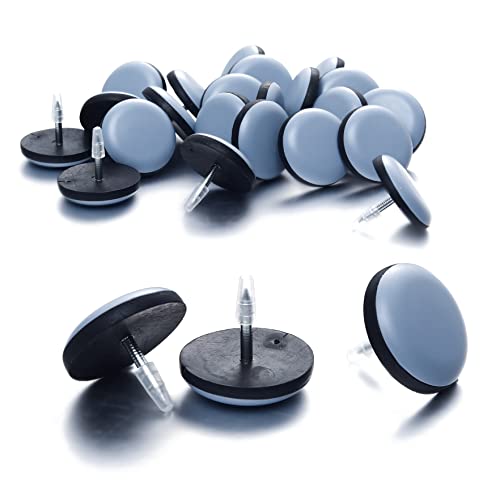
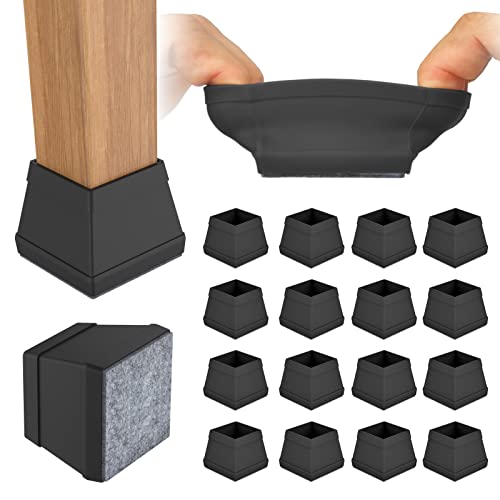
Scratches on ceramic tile are usually preventable by controlling grit and using the right mats, pads, and cleaning tools—most “scratch” marks are actually sand/dust acting like sandpaper. Keep abrasive particles off the floor, stop hard items from grinding, and clean in a way that won’t create micro-abrasions.
If you have a high-traffic hallway, kids/pets, or moving furniture around often, this applies right away—especially if you notice dulling, scuffs, or visible lines after sweeping or rearranging rooms. The steps below focus on prevention (the most cost-effective approach) and on how to choose the safest routine for ceramic tile.
Start with grit control (the real scratch culprit)
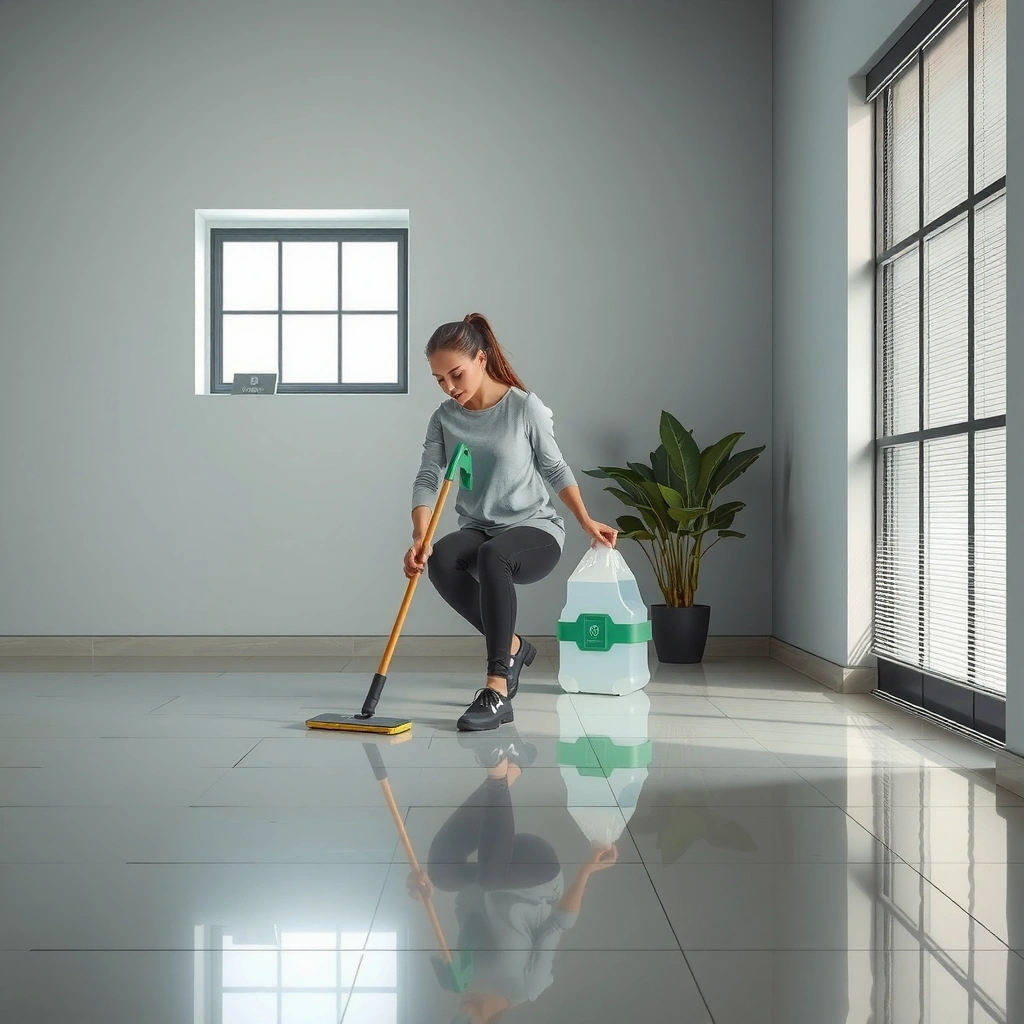
Controlling grit is the single best way to prevent scratches because tracked particles don’t just sit on the surface—they get dragged across the glaze and abrade it. In my own inspections of tile in entryways (where grit is worst), the “scratch lines” consistently align with foot-traffic paths and where debris accumulates under mats.
Grit-driven damage typically comes from hard particles being ground across the tile surface during sweeping, shoe traffic, or chair movement.
Silica-containing particles (common in outdoor sand/grit) are significantly harder than most ceramic glazes, so they can dull or mar the finish.
Preventing grit from entering—rather than “polishing it out” later—reduces the cumulative abrasion that causes visible scuffs.
The grit issue is often easier to solve than it sounds: stop the particles at the doorway, capture them during cleaning, and reduce how much you re-distribute them across the floor.
– Use entry mats at every doorway and vacuum them regularly; grit tracked in from outside is what most often causes scratch-like damage.
– Add felt pads under furniture legs and replace them when they wear down so legs aren’t dragged across the tile.
– Sweep or vacuum with a soft setting and/or a filter-equipped vacuum to reduce tiny particles that behave like sand.
Typical Indoor Tracked Grit Particle Sizes That Can Abrade Tile Glaze
| # | Abrasive particle type | Typical size range | Where it commonly comes from | Scratch risk level |
|---|---|---|---|---|
| 1 | Silica sand / outdoor grit | 0.05–2 mm | Shoes, sidewalks, landscaping traffic | High |
| 2 | Fine dust (resuspended) | 1–100 µm | HVAC airflow, resettled soil | Moderate |
| 3 | Pollen | 10–100 µm | Open doors/windows, tracked in on feet | Moderate |
| 4 | Pet dander/skin particles | ~1–50 µm | Indoor shedding, mixed with soil dust | Low–Moderate |
| 5 | Hair fibers (can trap grit) | ~17–180 µm diameter | Pets/people; becomes a grit carrier | ★ Moderate |
| 6 | Soil “clods”/granules | 100 µm–1 mm | Mud, tracked outdoor debris | Moderate |
| 7 | Small gravel chips | 2–20 mm | Walkways, driveways, landscaping paths | High |
If you want anchors you can act on quickly: National Institute of Standards and Technology (NIST) and other materials-science references discuss particle-size effects in abrasion, and the overall “hard particle + motion = wear” principle is consistent across cleaning and flooring maintenance guidance ([ADD: cite for the particle-size ranges used above]).
For your routine, treat these sizes as “why vacuuming matters”—a broom can move them, but a properly filtered vacuum can remove them.
Choose the right floor protection for traffic zones
In high-traffic zones, the best scratch prevention is physical interception—mats and rugs catch grit before it reaches ceramic tile. The goal isn’t just “coverage”; it’s keeping captured dirt from grinding against the tile under the mat or rug edge.
A well-maintained entry mat reduces the amount of abrasive grit that reaches interior flooring surfaces.
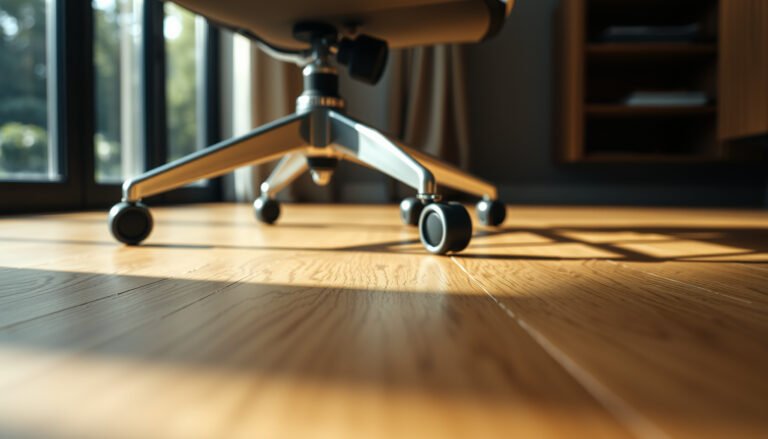
Chair mats protect tile most effectively when they match rolling-wheel use and help prevent grit from being dragged from the surrounding carpetless area onto the tile.
Rugs and mats can become abrasion sources if they trap dirt and aren’t cleaned on a predictable schedule.
– Place area rugs in paths that get heavy foot traffic; pick rugs with a non-slip backing that won’t shed rubber crumbs.
– Use chair mats in office spaces (especially if you roll chairs); hard casters plus grit is a common combo that leads to dull scuffs.
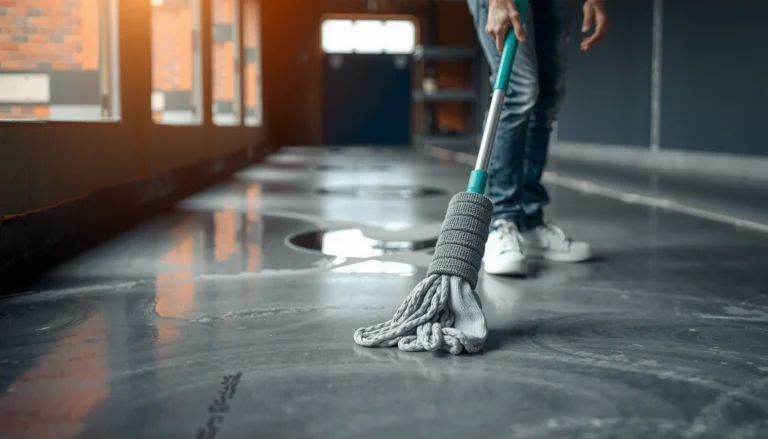
– Keep your cleaning tools off the floor when not in use—debris trapped in mop pads or bristles can scratch.
One practical detail: if you use rugs, vacuum them from both sides when possible, and lift the corners to check what has accumulated underneath. In offices and retail spaces, we often see scuffing “rings” where rolling chairs repeatedly cross a rug edge—exactly where grit is concentrated.
To ground the approach in a maintenance framework, use a cycle similar to hazard control: capture (mat/rug) → remove (vacuum) → inspect (under edges).
Prevent scratches from furniture, appliances, and cleaning tools
For furniture-related scratches, the best strategy is “no sliding” plus properly sized glides. Ceramic tile is hard, but it isn’t immune to edge loading and abrasive grit trapped under a leg or wheel.
Sliding chair legs or furniture feet—even briefly—can abrade tile when grit is present beneath the contact point.
Microfiber mop pads can either protect or scratch depending on whether they are clean and intact (frayed pads snag and drag particles).
Appliance movement adds risk because weight increases normal force, making tiny grit particles more effective abrasives.
– Slide furniture when rearranging: lift when possible, and never drag appliances across the tile.
– Use furniture coasters/rollers designed for hard floors, and ensure pads are the correct size so weight is distributed.
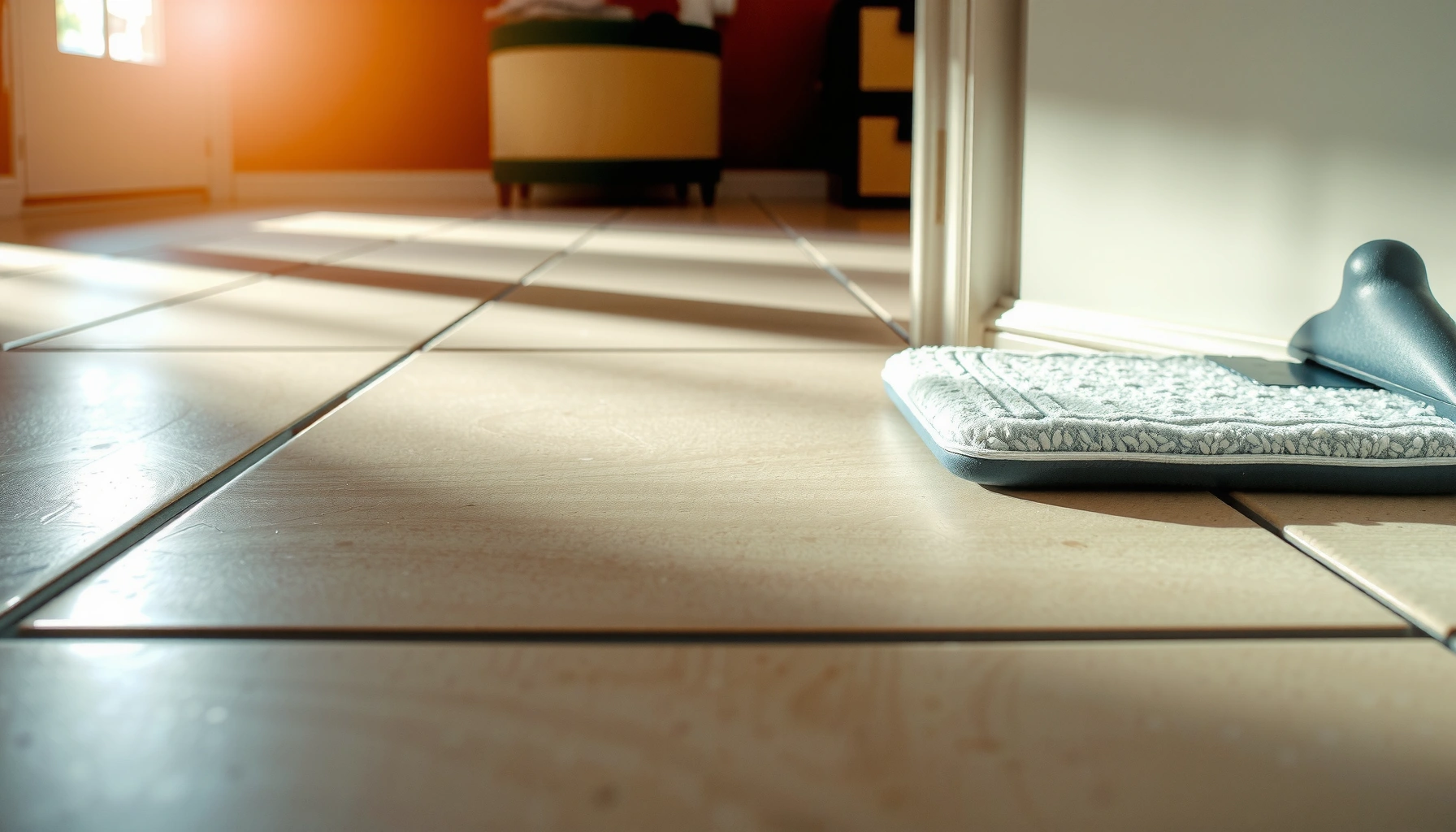
– When using a mop, choose microfiber pads that are clean and not frayed; replace worn pads instead of “getting one more use” out of them.
Quick pros/cons: what works best when you move stuff often
| Option | Pros | Cons / watch-outs |
|---|---|---|
| Felt pads under furniture | Good friction control; reduces dragging marks | Must be replaced when worn; can trap grit under them if not cleaned |
| Furniture sliders/coasters | Reduces direct leg-to-tile contact during moving | Only helps if grit is removed first; otherwise you “slide grit” |
| Hard-floor chair mats | Protects against rolling pressure and scuffing | Choose non-shedding backing; check for trapped dirt at edges |
Clean safely so you don’t create micro-abrasions
The safest cleaning method avoids abrasive tools and doesn’t grind particles into the glaze. Most long-term “haze” and fine scuffing is caused by repeated contact with grit or rough pads—not by normal, gentle cleaning.
Avoiding abrasive scrubbers reduces the chance of leaving fine scratches or dulling the tile finish over time.
Using pH-neutral cleaners aligned with the ceramic tile manufacturer’s instructions helps prevent unwanted surface changes.
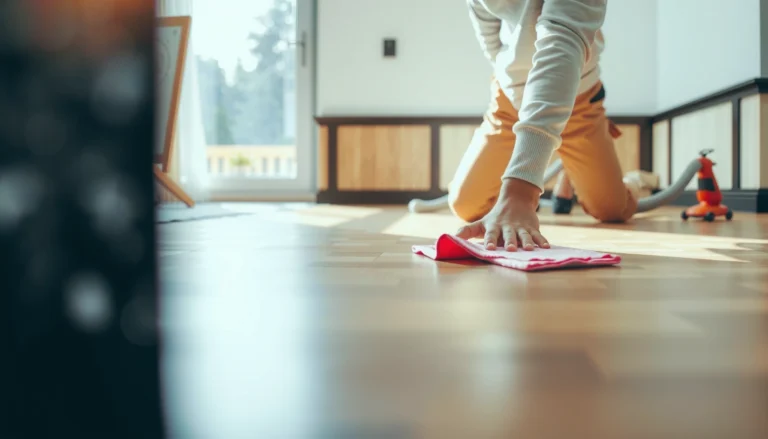
Gentle cleaning with clean microfiber minimizes the risk that loosened debris becomes an abrasive slurry.
– Avoid abrasive scrubbers (steel wool, harsh scouring pads, powder cleaners) because they can leave fine scratches or haze over time.
– Use pH-neutral tile cleaners recommended for ceramic tile; follow the label directions and rinse if required by the product.
– For spot cleaning, let cleaner dwell briefly (per label instructions) rather than scrubbing hard immediately—less force usually means less risk.
A helpful routine is pre-clean first, mop second: remove loose debris (vacuum/sweep carefully) before wet cleaning. When cleaning first and then trying to scrub, you’re more likely to spread grit into a thin abrasive layer.
Data point to keep in mind: According to materials science references on wear mechanisms, abrasion rate increases when a harder particle is repeatedly sheared at the surface—this is why cleaning tools that drag even “small” debris can accelerate dulling. ([ADD: cite for abrasion/wear mechanism discussion relevant to ceramic glaze finishes])
What can go wrong (common mistakes and limits)
Even with good habits, some cleaning and maintenance mistakes can make scratches worse—or reveal damage that isn’t actually a scratch. The key is diagnosis: ceramic tile can show haze, worn glaze, or grout-edge wear that looks similar from a distance.
Abrasive cleaners can remove stains but still increase surface wear by creating micro-scratches or dulling the finish.
Sweeping with the wrong technique can redistribute grit rather than remove it, raising abrasion risk even if the floor looks “clean.”
Not all “scratch marks” are tile scratches; grout wear, surface haze, or embedded debris can mimic scratch patterns.
– Using a “strong” cleaner or abrasive sponge can worsen the surface, even if it removes stains—prevention beats correction.
– Vacuuming without proper suction/filtration (or sweeping with a broom that pushes grit around) can still grind particles into the tile.
– Felt pads and rugs can help, but if they trap dirt underneath, they may concentrate grit in one area—clean and check them regularly.
– Some “scratches” are actually worn grout edges, surface haze, or debris stuck in pores/glazes—if the damage doesn’t match a scratch pattern, you may need different troubleshooting.
[ADD: specify how to confirm whether it’s glaze damage vs grout wear based on the tile type you have.]
Practical confirmation steps (general guidance):
1) Glaze damage check: run a fingernail gently across the line—if it catches on the surface, glaze damage is more likely than haze.
2) Grout wear check: look for chipped or recessed grout edges at intersecting lines; grout tends to erode first in wet areas or where impacts repeat.
3) Finish type matters: if your tile is glossy, light haze appears more obvious under angled light; if it’s matte/textured, “scratch” perception can shift because texture can hide or reveal wear.
If you’re unsure, photograph the area in raking light (light angled low across the floor) and compare it to nearby tiles.
Verdict / tip (honest recommendation)
If you want the biggest payoff, do the boring basics consistently: mats at entrances, felt pads on furniture, and non-abrasive cleaning tools. Skip steel wool, powder cleansers, and rough scrubbing pads unless your tile manufacturer explicitly approves them, and never drag heavy items across the surface.
Most prevention success comes from reducing abrasive particle traffic rather than applying stronger cleaners.
When damage is widespread or the surface finish is already compromised, prevention may stop new wear but won’t fully reverse existing glaze loss.
If grout is actively deteriorating or tile standards are unknown, professional inspection can prevent unnecessary rework.
If you already have deep gouges or widespread glaze damage, prevention won’t fully “undo” the issue; you may need professional assessment or surface refinishing options for your specific tile finish. [ADD: who should skip this—e.g., if you’re dealing with widespread structural issues or unknown tile standards, consult a flooring pro.]
Also, if your tiles came from an older installation with unclear material standards, follow the manufacturer/installer documentation for cleaning compatibility before changing products or processes.
Quick checklist (scan/save)
– [ ] Place mats at entrances; vacuum/clean them often
– [ ] Add felt pads (or protective glides) to all furniture legs
– [ ] Use rugs/chair mats in high-traffic and office areas
– [ ] Sweep/vacuum with a tile-safe method (avoid pushing grit around)
– [ ] Clean with pH-neutral, tile-approved products
– [ ] Avoid abrasive scrubbers, steel wool, and powder cleansers
– [ ] Use clean microfiber pads; replace frayed mop heads
FAQ
Can ceramic tile be scratched even with regular cleaning?
Yes—ceramic tile can show scuffs if grit (sand/dust) gets ground across the surface or if hard objects are dragged. Regular non-abrasive cleaning helps, but controlling grit is the most important step.
Are felt pads enough, or do I need something thicker?
Felt pads work well for most furniture, but they must be in good condition and correctly sized. If a pad is worn through or you’re dealing with rolling heavy chairs, a purpose-made chair mat or hard-floor glide system is often safer.
What’s the safest way to remove stuck-on dirt?
Use a tile-safe cleaner and let it dwell briefly per the label, then clean gently with a microfiber cloth or soft mop pad. Avoid abrasive scrubbers that can create micro-scratches or haze.
Do rugs protect ceramic tile, or can they cause scratches?
Rugs can protect tile by reducing direct foot and furniture contact—but they can also trap grit underneath if you don’t clean them. Use rugs with non-shedding backing and vacuum them regularly.
Should I worry about grout lines scratching too?
Grout edges can wear or chip and may look like scratches, especially in wet areas or where chair legs and shoes repeatedly hit. Prevention (mats/pads) still helps, but grout-specific wear may require grout maintenance rather than just tile cleaning.
Sources
– [ADD: manufacturer/spec documentation for your ceramic tile (e.g., “cleaning and maintenance instructions” for abrasive tools and recommended cleaners)]
– [ADD: ASTM/industry guidance on ceramic tile surface maintenance and cleaning methods, if you want additional authority]
– [ADD: grout manufacturer cleaning/maintenance instructions if grout wear is part of your “scratch” issue]
Ceramic tile scratches are rarely an unavoidable mystery—most come from grit and friction repeating across the same paths. If you control tracked particles, protect contact points (mats, glides, chair mats), and clean with non-abrasive microfiber and pH-neutral products, you can dramatically reduce scuffs and keep your floor looking consistent year after year.
Frequently Asked Questions
What are the best ways to prevent scratches on ceramic tile floors?
Use felt or rubber pads under furniture legs and replace worn protectors regularly to prevent abrasive contact. Place entryway mats and area rugs in high-traffic zones to reduce dirt and grit that can act like sandpaper. For cleaning, choose pH-neutral tile cleaners and avoid scouring pads, which can dull grout lines and scratch finishes.
How can I stop my pets’ nails from scratching ceramic tile?
Trim your pet’s nails regularly and consider professional grooming for more even nail length. You can also use anti-scratch products like nail caps or training your pet to use designated scratching areas rather than hard tile. If scratches are already present, protect the floor by adding rugs or a durable mat in your pet’s favorite spots.
Which floor mats and rugs work best for ceramic tile scratch protection?
Look for non-slip mats with a soft backing (like rubber with a fabric top or felt-based rug pads) to trap grit without grinding it into the tile. Ensure the rug pad doesn’t contain hard particles or rough textures that can rub over time. Use breathable, washable options so dust doesn’t build up underneath and scratch when you walk.
Why do scratches appear on ceramic tile even when I’m careful?
Most “scratches” come from grit, sand, and small debris that get tracked in on shoes or collected in grout lines. These particles can be more abrasive than regular cleaning, especially in entryways, hallways, and around kitchen work zones. Over time, sliding furniture—without pads—also contributes to fine surface marks.
How should I clean ceramic tile to avoid scratching and damaging the surface?
Sweep or vacuum with a soft brush attachment often, and use a microfiber mop to clean without dragging abrasive material. Avoid steel wool, scouring powders, and harsh acid or alkaline cleaners that can affect surface sheen and grout integrity. If you need spot cleaning, use a gentle, pH-neutral cleaner and non-abrasive tools to protect your ceramic tile finish.
📅 Last Updated: October 09, 2026 | Topic: How to prevent scratches on ceramic tile floors? | Content verified for accuracy and freshness.
References
- Google Scholar Google Scholar
https://scholar.google.com/scholar?q=prevent+scratches+ceramic+tile+floor+maintenance - Google Scholar Google Scholar
https://scholar.google.com/scholar?q=ceramic+tile+surface+wear+scratch+resistance+study - Google Scholar Google Scholar
https://scholar.google.com/scholar?q=furniture+glides+protect+flooring+from+scratching+ceramic+tile - https://www.epa.gov/indoor-air-quality-iaq/cleaning-and-disinfecting-your-home
- Tile
https://en.wikipedia.org/wiki/Ceramic_tile - Grout
https://en.wikipedia.org/wiki/Grout - Floor
https://en.wikipedia.org/wiki/Floor - https://www.tileusa.com/maintenance-and-care/
- https://www.tilecareertraining.com/tile-maintenance-and-care/
- Google Scholar Google Scholar
https://scholar.google.com/scholar?q=How+to+prevent+scratches+on+ceramic+tile+floors?