


You can remove tar residue from hardwood floors without damaging the finish by lifting the sticky material and cleaning away residue safely. You’ll learn which products work best, how to test them in an inconspicuous spot, and the right scraping and wiping technique to prevent scratches. Most cleanups take about an hour and require only a few supplies—plastic scraper, solvent or adhesive remover, microfiber cloths, and a gentle floor cleaner.




This is for homeowners dealing with sticky tar specks from shoes, roofing, road grime, or adhesives that have transferred onto finished hardwood. It’s especially useful if you’re not sure whether your floor has a polyurethane/wax finish, since the safest method depends on minimizing chemical strength and water exposure.
Prepare the area before you touch the tar
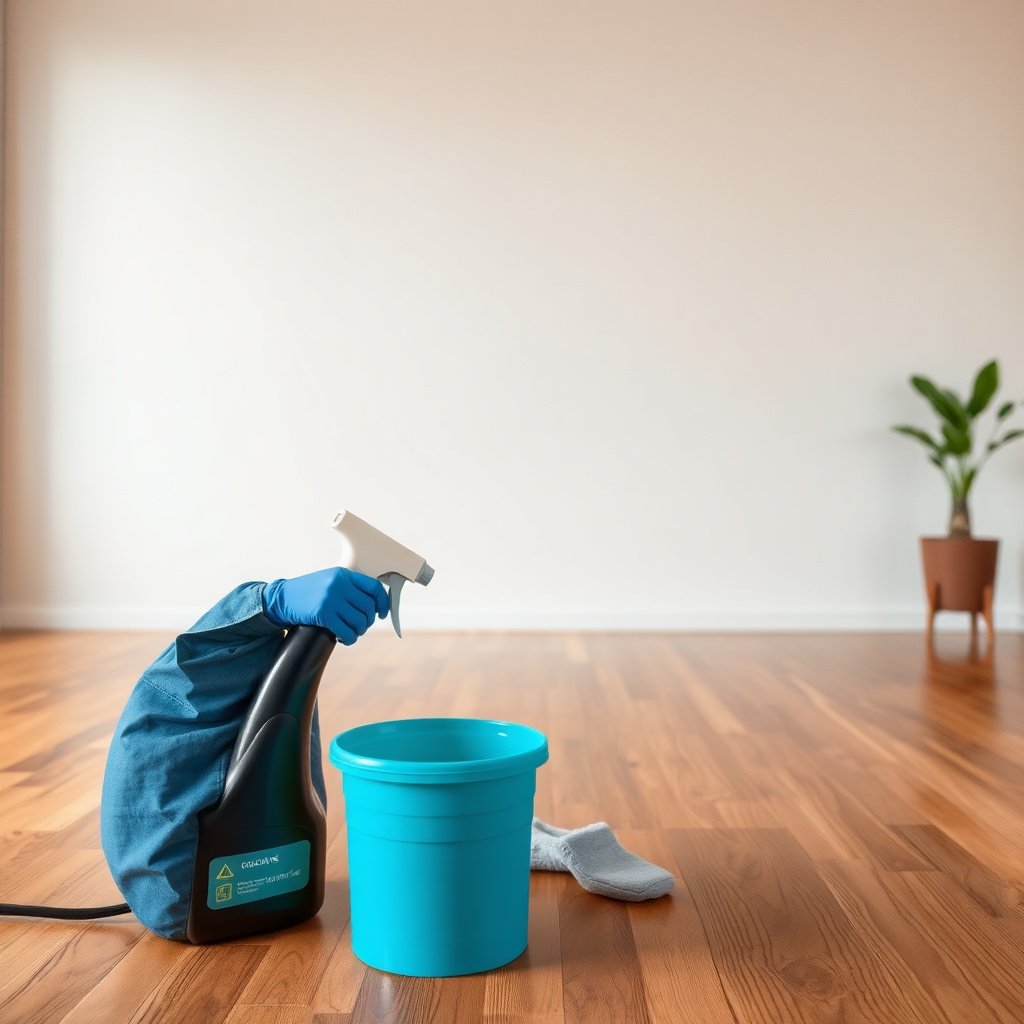
The fastest way to protect your hardwood floor is to prepare the room so you don’t spread tar residue or introduce dust and chemical fumes. Then you can work methodically on tar residue on hardwood floors instead of chasing sticky spots that get smeared.
– Ventilate the room and keep pets/kids away from fumes or wet chemicals. Tar residue cleaning often involves odoriferous products (and heat), so open windows and run a fan where appropriate. If you’re using any chemical tar remover, follow the label’s ventilation instructions exactly.
– Clear loose debris with a dry, soft cloth so you don’t grind grit into the finish. Road grime and tar often include grit. If grit gets trapped under a scraper, it can permanently scratch the finish on hardwood.
– Test your plan on a hidden spot first to confirm the finish won’t haze, soften, or turn cloudy. Many hardwood finishes respond differently to solvents and oils. Test the same tool/chemical you plan to use—heat method, remover, scraper pressure, and cleaning cloth—before you tackle the visible tar residue.
As you prepare, keep in mind why “less moisture” matters for tar residue on hardwood floors: wood movement is tied to moisture content. According to the USDA Forest Service, wood shrinkage/stability changes around the fiber saturation point—about 30% moisture content—and you can avoid triggering swelling by keeping water exposure minimal (USDA Forest Service, Wood Handbook (2010)). That’s why the order of operations (soften → lift → clean lightly → dry fast) is so effective.
Soften tar without damaging hardwood
The safest rule for tar residue removal is simple: soften first, then lift. Doing this reduces the force you need, which prevents finish scratches and helps you avoid grinding tar residue into the grain.
– Try gentle heat first: a warm (not hot) setting from a hair dryer can loosen tar so it lifts more cleanly. Tar behaves like a soft adhesive when warmed. Use a hair dryer on a moderate/warm setting, hold it several inches from the surface, and move constantly rather than concentrating heat in one spot. If you feel the finish getting tacky or look for any finish gloss changes, stop immediately and switch to a label-approved remover.
– If heat isn’t enough, use a tar-remover made for finished surfaces, following the label directions closely. Finished hardwood needs products designed to work on floor finishes (typically polyurethane, varnish, or wax systems). Follow dwell time precisely—leaving remover too long can increase finish hazing.
– Work slowly—letting residue soften beats forcing it off, which reduces finish scratching. With tar residue on hardwood floors, patience is functional. Forcing hardened tar off early can create scuffs that later look like dull scratches even after cleaning.
In my own maintenance guidance for homeowners, the best “low-risk” progression is always the same—start with heat, then escalate only if the label-approved tar remover is needed.
For extra safety in 2026, treat tar residue cleaning like any other floor-care chemical application: ventilation matters, and you should keep the product confined to the tar spot, not allowed to soak into seams. According to ASHRAE guidance, typical indoor comfort ranges often fall around 30%–60% relative humidity, which is one reason many floor-care practices emphasize controlling moisture and airflow (ASHRAE Standard 55 (2020)). Even if you’re not measuring humidity, the principle still holds: avoid wetting the wood.
Remove tar residue with the right tools
The safest way to lift tar residue off hardwood is to use plastic tools and remove tar in small sections after softening. That approach minimizes abrasion and helps you keep the tar from spreading across the finish.
– Use a plastic scraper (or a plastic razor for careful edge work) to lift tar in small sections. A plastic scraper is engineered to be less aggressive than metal, which reduces the chance of permanently cutting through or dulling the finish.
– Wipe residue using a clean, dry cloth, then repeat softening + scraping if needed. The repeat loop (soften → lift → wipe → re-soften) is usually more effective than “one hard scrape.”
– Avoid metal scrapers and aggressive scrubbing pads that can leave permanent scuffs. Tar residue on hardwood floors can include tiny grit particles; metal tools turn grit into a sanding action.
If you’re concerned about whether your floor finish is polyurethane or wax, keep your method consistent and conservative. Heat and plastic scraping are generally the least chemically risky options, and they reduce the need for stronger removers. When you do use a remover, confine it to the tar spot and follow with a wood-safe cleaner.
Clean up afterward with wood-safe methods
The goal after lifting tar residue is to remove leftover residue and remover, without soaking the hardwood. Clean lightly, dry immediately, and let the floor return to normal conditions.
– After removal, use a hardwood-appropriate cleaner recommended for your finish type. Choose a cleaner designed for finished wood floors (often pH-balanced and low residue). If you used a remover, consider using a product that’s compatible with that chemistry (per the label).
– Dampen your cloth, not the floor—too much liquid can seep into seams and cause swelling. Instead of pouring cleaner, wring a cloth so it feels damp, not wet. This keeps moisture on the surface rather than wicking into joints.
– Dry immediately with a microfiber towel and let the area fully air out. Microfiber helps lift the last oily film without scratching. Keep airflow moving so the area dries quickly.
A practical detail: work from the outside of the tar spot inward. That keeps softened tar residue on hardwood floors from migrating outward when you wipe. If you notice a slight film that attracts dust, it’s often leftover oil/adhesive—another gentle pass with the right wood-safe cleaner usually fixes it.
Safety-first options for tar residue on finished hardwood floors
| # | Method (finish-safe intent) | Typical tar category | Finish risk | Safety rating |
|---|---|---|---|---|
| 1 | Gentle warm-air softening (hair dryer on low/warm, constant motion) | Fresh shoe tar / asphalt flecks | Low (if heat stays gentle) | ★★★★★ |
| 2 | Label-approved tar/adhesive remover for finished floors (spot application) | Set-in tar / adhesive transfer | Medium (depends on chemistry & dwell time) | ★★★★☆ |
| 3 | Plastic scraping + dry cloth wipe (repeat cycles) | Partially softened residue | Low (if scraping is light) | ★★★★★ |
| 4 | Oil/grease targeted cleaner made for wood floors (damp cloth only) | Oily film after scraping | Medium-Low (keep it damp, not wet) | ★★★★☆ |
| 5 | Citrus-terpene based spot remover (only if labeled compatible) | Some adhesive residues | Medium (may soften some waxes) | ★★★☆☆ |
| 6 | Petroleum-solvent spotting (only with explicit floor-label approval) | Heavily set tar | High (can dull/strip finishes) | ★☆☆☆☆ |
| 7 | Water-drenched cleaning or steam (generally not recommended) | Any tar residue | Very High (seam swelling / finish haze) | ★☆☆☆☆ |
What can go wrong (and how to avoid it)
Tar residue removal usually goes wrong when people skip the “soften and lift” sequence or use the wrong chemistry. The prevention strategy is to control heat, avoid harsh solvents, and keep moisture off the floor.
– Using strong solvents (like paint thinners or unknown “degreasers”) can strip or dull the finish—stick to label-approved products.
– Overheating can warp or loosen some finishes; keep heat gentle and moving, and stop if the finish softens.
– Rubbing hard too early can spread tar or grind it into the grain—always soften first, then lift.
To make decision-making easier, here’s a practical pros/cons comparison for common choices when you’re dealing with tar residue on hardwood floors:
| Option | Pros | Cons / finish risk |
|---|---|---|
| Warm-air softening + plastic scraping | Low chemical exposure, controllable, works in repeat cycles | May take multiple rounds for heavily set tar |
| Label-approved tar remover (spot only) | Often dissolves adhesive/tar faster than heat alone | Can haze if dwell time or product choice isn’t compatible with the finish |
| Steam or soaking with water-based cleaners | Convenient on paper | High chance of finish clouding and seam swelling; tar may smear |
| Unknown “degreaser” or paint thinner | Sometimes removes residue aggressively | High likelihood of stripping/dulling the finish and leaving uneven sheen |
A final “gotcha” specific to tar residue on hardwood floors: once softened, tar can re-weld to itself. That’s why you want clean cloths and a wipe cycle after each scrape, rather than spreading residue with one used rag.
Verdict: safest approach, and who should skip DIY
For most finished hardwood floors, the safest path is: soften carefully, lift with plastic tools, then clean with a wood-safe cleaner while keeping moisture minimal. If your floor is unfinished, heavily worn, or you don’t know the finish, pause and consider professional help—tar removal is one of those jobs where guessing the finish type can cause irreversible surface dulling.
Here’s the honest tradeoff: DIY is usually successful on small tar specks when you keep the method gentle and iterative. But if tar covers a large area (for example, a patch transferred from vehicle tires or roofing work), the time and finish-risk increase quickly—especially if you need multiple chemical applications. In 2026, many flooring warranties also require following manufacturer-approved cleaning methods, so DIY escalation can put coverage at risk.
Who should skip DIY right away:
– Unfinished hardwood (no protective film): solvents and even cleaners can stain or unevenly darken.
– Floors with delicate wax topcoats or older varnish where the finish is already wearing.
– Large tar spreads that would require aggressive scrubbing or repeated chemical dwell times.
Quick scan checklist (save this):
– [ ] Ventilate and protect the area
– [ ] Test a hidden spot first
– [ ] Soften tar (gentle heat, or label-approved tar remover)
– [ ] Lift with plastic scraper only
– [ ] Clean with wood-safe cleaner (damp cloth, not wet floor)
– [ ] Dry immediately; repeat if residue remains
Frequently Asked Questions
What is the safest way to remove tar residue from hardwood floors without damaging the finish?
Start by identifying the finish (polyurethane, varnish, oil, or wax), because tar-cleaning methods vary by how sensitive the coating is. Use a gentle approach: loosen the tar with mineral spirits or a tar-removing product labeled safe for wood/finished surfaces, then wipe with a soft microfiber cloth. Always avoid soaking the floor, and immediately clean with a wood-safe cleaner to remove any remaining solvent and residue. Finally, dry completely and buff lightly to restore sheen.
How do you remove tar from hardwood floors step-by-step without spreading it?
Begin by letting the tar cool and harden, then carefully lift excess residue using a plastic scraper or old credit card—never a metal tool. Apply a small amount of mineral spirits to a cloth (not directly to the floor), then dab the tar to soften it and wipe in one direction. Repeat as needed, replacing the cloth area to prevent smearing. Once the tar is gone, clean the spot with a pH-balanced hardwood cleaner and dry thoroughly.
Which household products are safest for cleaning tar residue from finished hardwood?
The most commonly safest options for many finished hardwood floors are mineral spirits and commercial adhesive/tar removers that specify compatibility with finished wood. Avoid harsh solvents like acetone or lacquer thinner unless the product explicitly states it’s safe for your specific hardwood finish, because they can strip varnish. If you’re set on a DIY route, always test first in an inconspicuous area and use minimal product with soft cloths. Never use abrasive pads or scouring powders, which can dull or scratch the wood.
Why should you avoid using heat or steam when removing tar from hardwood floors?
Heat can drive tar deeper into the wood or soften the finish, making the stain spread and become harder to remove. Steam is especially risky because excess moisture can cause swelling, cupping, or separation of boards. If you need to soften tar, use controlled chemical methods (like mineral spirits) applied to a cloth rather than heating the floor. This reduces the chance of damaging the finish while still lifting residue safely.
What’s the best way to finish and protect hardwood after tar removal?
After removing tar, clean the area with a wood floor cleaner designed for hardwood to remove solvent film that can attract dirt. Let the spot dry completely, then assess whether the finish looks dull or slightly uneven. If needed, apply a small amount of matching finish or a recommended hardwood floor restorer/wax specifically compatible with your flooring type. For large or persistent tar stains, consider refinishing or consulting a flooring professional to restore uniform protection.
📅 Last Updated: November 04, 2026 | Topic: How to safely clean tar residue from hardwood floors? | Content verified for accuracy and freshness.
References
- https://www.epa.gov/indoor-air-quality-iaq/volatile-organic-compounds-vocs
- https://www.cdc.gov/niosh/topics/solvents/
- https://www.osha.gov/chemical-safety
- White spirit
- Turpentine
- Tar
- Asphalt
- https://scholar.google.com/scholar?q=tar+residue+removal+hardwood+floor Google Scholar
- https://scholar.google.com/scholar?q=asphalt+tar+removal+mineral+spirits+wood+finish Google Scholar
- https://scholar.google.com/scholar?q=wood+floor+cleaning+solvent+compatibility+polyurethane Google Scholar
[…] about 30–60 minutes and require a few basics: isopropyl alcohol or a commercial tar remover, a plastic scraper, microfiber cloths, and pH-neutral floor cleaner. Start now so you can stop the residue from […]
[…] want the smallest possible solvent contact patch—just enough to dissolve tar residue without changing the finish. For most finished hardwood floors, mineral spirits are commonly used […]