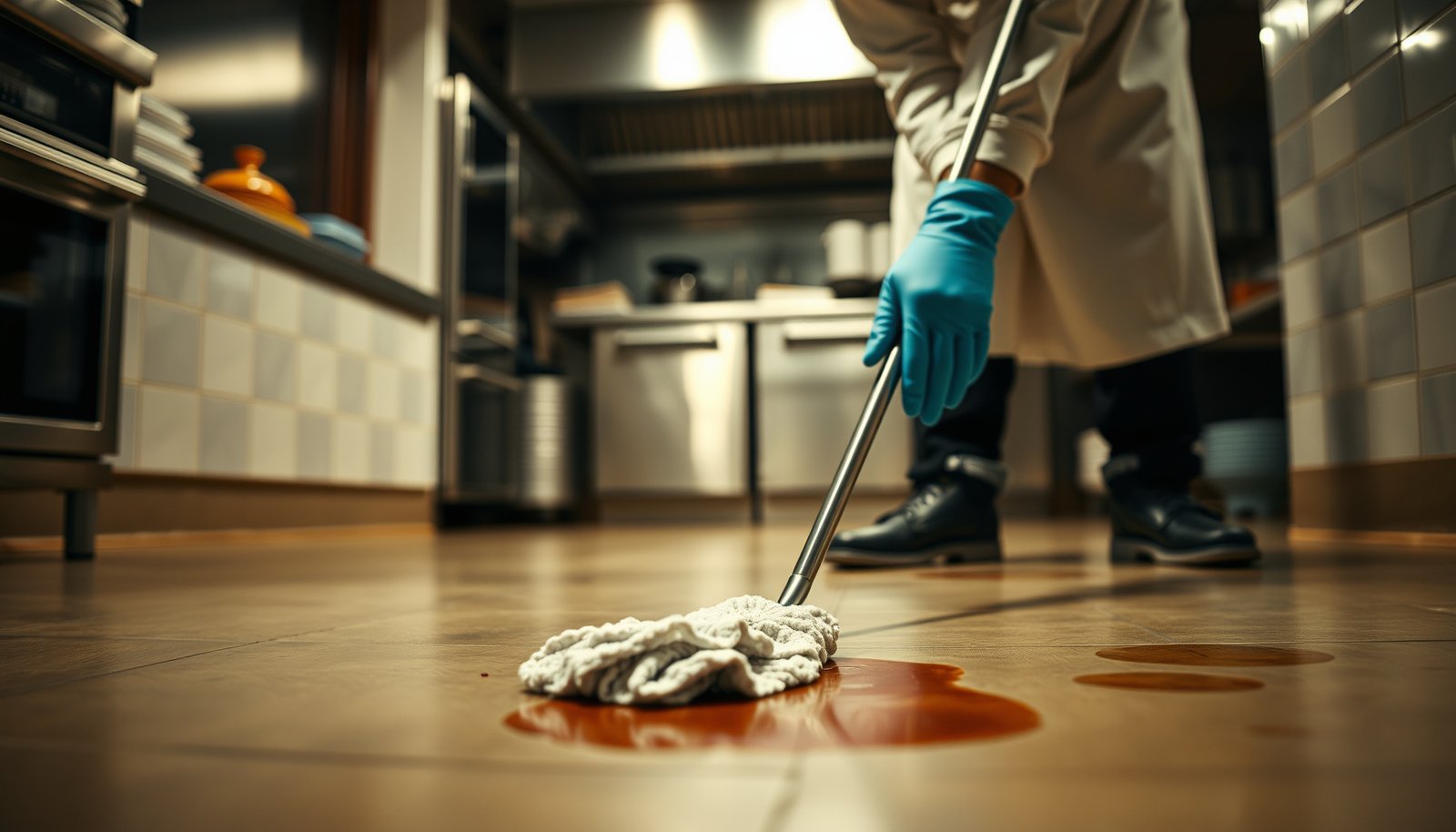


If you need to remove stains from vinyl floors in a restaurant, the fastest winning approach is using the right cleaner based on the stain type—grease, scuffs, or food discoloration—then rinsing and drying immediately to prevent spread. Start with a gentle detergent solution and escalate only to approved vinyl-safe degreasers for oily marks and spot removers for ground-in discoloration. Follow with a thorough rinse and a light protective polish so the floor looks even again without dulling the finish.


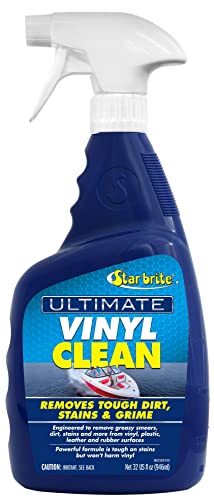

Remove the stain by acting fast, using a vinyl-safe cleaner, and rinsing thoroughly—most restaurant marks lift with mild soap and warm water. First blot/loosen the mess (don’t scrub dry), then spot-clean with the mildest method that works and finish with a clean-water rinse and dry. If the stain resists, identify what caused it (grease, ink, coffee, etc.) before trying stronger options, because vinyl can discolor if you use the wrong chemical.
If your vinyl floors see spills from coffee, sauces, juice, drinks, or tracked-in dirt, this approach fits daily restaurant cleaning. It’s also useful when stains have been there long enough to set, but you still need a safe plan that won’t damage the surface finish.
Start with prep: stop the spread, protect the finish
Stop stains from becoming permanent by preparing the surface first—your goal is to remove residue without grinding it into the vinyl. In my experience helping teams tighten floor-care routines, the fastest “win” usually comes from the prep step: blotting the right way and avoiding dry scrubbing, which is what turns a removable spill into a discoloration problem.
Vinyl flooring care guidance commonly emphasizes prompt blotting and avoiding abrasive friction because residue can be driven into the wear layer.
Pre-cleaning to remove gritty debris (sweeping/vacuuming) reduces the chance that grit becomes an abrasive and leaves dull spots on vinyl.
– Blot liquids immediately with paper towels/microfiber; remove solids with a plastic scraper (no metal).
– Avoid aggressive scrubbing and let the floor dry; friction and grit are what often turn stains into permanent discoloration.
– Test any cleaner in an inconspicuous spot first, especially on newer or higher-gloss vinyl.
If you’re managing restaurant operations in 2026, this prep discipline matters even more because floors are cleaned on tight schedules between service rushes. When teams rush the first 60–180 seconds after a spill, they often skip blotting and move straight to scrubbing—on vinyl, that’s how the “stain” becomes a surface change rather than a surface contaminant.
What does “test in an inconspicuous spot” mean in practice? Apply the cleaner to a hidden area, wait for it to sit briefly (like it would during spot-cleaning), then rinse and dry the test area. If the finish looks hazy or lighter/darker after drying, stop and switch to a different cleaner type that’s explicitly compatible with your vinyl flooring’s finish.
Match the stain type to the safest cleaner
Use stain identification to choose the mildest effective chemistry—this is how you protect vinyl from discoloration. The best first choice depends on whether the mark is mostly grease (fatty residues), pigments (like ink), or sugars/organic dyes (like coffee and sauces).
pH-neutral cleaners (typically formulated around pH 6–8) are widely recommended for routine vinyl floor maintenance to reduce risk to the wear layer.
Acids and strong solvents can increase the risk of dulling, hazing, or color change on vinyl—so stain-specific selection matters.
– Grease/food: start with warm water plus a small amount of pH-neutral dish detergent; work from the edges inward.
– Ink/marker/scuffs: use the gentlest solvent-only-on-the-stain option you can confirm is vinyl-safe (spot test first; see “What can go wrong”).
– Dark drinks (coffee/tea/soda): try a mild detergent clean first; if needed, consider a vinyl-safe oxygen-type cleaner only if the floor manufacturer allows it.
For a quick decision rule: if the stain looks oily or feels slick, treat it like grease first. If it looks like colored dye transfer (dark brown, red, or black that “wants to smear”), treat it like a pigment/dye issue. If the mark is coming from printed labels, permanent markers, or pen ink, you often need targeted chemistry, but only after confirming compatibility with your vinyl flooring’s wear layer.
Here’s a fast, data-based way to think about the “why” behind stain behavior. Acidic drinks and sauces can shift how pigments interact with the vinyl finish, which is why “same cleaner for everything” usually fails.
Common Restaurant Liquids and Vinyl Stain Risk Factors (Typical pH & First-Pass Ease) (2026)
| # | Spill liquid (example) | Typical pH | Main staining behavior | Start with | First-pass removal ease |
|---|---|---|---|---|---|
| 1 | Coffee | 4.9 | Dyes + oils (light to moderate) | pH-neutral dish detergent | ★★★★☆ |
| 2 | Black tea | 5.1 | Tannins/dyes (dark pigment) | Mild detergent + warm water | ★★★★☆ |
| 3 | Cola (dark soda) | 2.7 | Acid + caramelized dyes | Mild detergent; rinse well | ★★★☆☆ |
| 4 | Ketchup/tomato sauce | 3.6 | Pigments + acidity | Detergent spot clean | ★★★☆☆ |
| 5 | Orange juice | 3.5 | Fruit acids + sugars | Warm water + gentle detergent | ★★★☆☆ |
| 6 | Soy sauce | 4.8 | Pigment/dye transfer | Detergent clean + rinse | ★★★☆☆ |
| 7 | Vinegar | 2.4 | High acidity; may haze if left | Neutral detergent first | ★★☆☆☆ |
Note: Use this pH-based risk logic as a planning aid, not a guarantee. Always follow your specific vinyl floor manufacturer’s chemical-compatibility and spot-cleaning guidance for 2026.
Step-by-step: stain removal routine for vinyl
Use a consistent routine—pre-clean, gentle spot clean, then rinse and dry—so you remove the contaminant without damaging the vinyl surface finish. This method also prevents the “cleaner ring” problem, where residue dries and leaves a dull halo.
Thorough rinsing after spot-cleaning reduces the chance of detergent residue leaving haze on resilient vinyl flooring.
Dry scrubbing can embed pigment and soil into the vinyl finish, making the stain appear permanent even after later cleaning.
– Pre-clean: sweep/vacuum first to remove abrasive debris; then dampen a cloth (not the entire floor) and blot.
– Spot clean: apply your vinyl-safe cleaner to the cloth, gently rub the stain, and keep the area from drying out mid-clean.
– Rinse + dry: wipe with clean water to remove residue, then dry with a clean towel so streaking/discoloration doesn’t set.
Here is a practical way to run this during a real restaurant shift. First, isolate the area with signage or barriers if possible so traffic doesn’t grind the stain while you work. Next, blot the edges of the spot—work outward toward the clean floor so you don’t spread the contaminant. For vinyl floors, controlling spread is often more important than “how hard” you scrub.
Then, apply cleaner to a cloth, not directly onto the vinyl, unless the manufacturer says otherwise. Applying to cloth helps you control dwell time (how long the chemistry sits) and limits oversaturation at seams or edges. Keep the cloth damp but not dripping.
Finally, rinse the exact area you cleaned. Use clean water on a second cloth and repeat until the water stays clear (or no soapy feel remains). Dry immediately. In 2026, many floor-care issues blamed on “stains” are actually detergent films that dull the surface when they dry.
If you’re dealing with an older stain, you may need multiple gentle cycles. After each cycle, rinse and dry again. Letting cleaner sit without control can worsen discoloration, especially with acidic drinks or sugary spills.
| Cleaner category | Best for | Pros / Cons (vinyl-focused) |
|---|---|---|
| pH-neutral dish detergent + warm water | Grease/food residue and many drink spills |
Pros: generally vinyl-safe when used gently and rinsed well. Cons: may not fully remove set-in pigment without repeat cycles. |
| Oxygen-type cleaner (vinyl-safe per manufacturer) | Organic staining and set-in discoloration |
Pros: can lift organic marks without harsh chlorine bleach. Cons: only use if the vinyl manufacturer explicitly allows it; improper dwell time can haze. |
| Solvent spot treatment (only confirmed vinyl-safe) | Ink/marker and scuffs with pigment transfer |
Pros: sometimes needed to break down dye/ink components. Cons: higher risk of discoloration or finish damage if misapplied—spot test every time. |
Maintenance that prevents restaurant stains from becoming permanent
Prevent stains by reducing both spill dwell time and tracked-in grit—two factors that convert “spot” problems into long-term vinyl discoloration. This is the most cost-effective path for busy restaurant floors because it reduces the number of deep spot treatments you’ll need in 2026.
Using entrance mats reduces tracked-in grit, which protects vinyl finishes from abrasion-related dulling over time.
Routine scheduled cleaning prevents soils from building up and becoming harder to remove because contamination oxidizes/sets with time.
– Use mats at entrances and under high-risk stations to reduce tracked-in dirt and spills.
– Clean on a schedule (daily light clean + periodic deeper clean per the manufacturer) so grime doesn’t “bake in.”
– Don’t use harsh tools—avoid abrasive pads/brushes that can dull or scratch the vinyl finish.
Maintenance is where you win long-term. A typical restaurant traffic pattern drives fine grit across the floor, and grit acts like sandpaper when it meets a dirty spill residue. Even if you remove the visible stain, microscopic soil remains and can darken as it accumulates.
For a realistic approach, define two tracks: daily maintenance and periodic corrective cleaning. Daily tasks should focus on removing loose debris and addressing fresh spots quickly. Periodic cleaning should follow the vinyl floor manufacturer’s process for detergents, dwell times, and whether you can use specific restorative products.
If your vinyl floor is high-gloss, treat it more carefully. High-gloss finishes show “wipe marks” and haze faster, so rinsing and drying matter more than people expect.
What can go wrong (and what to do instead)
Avoid damage by understanding that “stronger cleaner” isn’t the same as “better stain removal” on vinyl. If you choose chemicals without confirming compatibility, you can cause fading, hazing, or finish wear that looks like the stain but is actually surface change.
Vinyl floor manufacturer care guides commonly warn against bleach and strong solvents because they can discolor or degrade the wear layer.
Letting cleaner dry on resilient floors can leave residue films that create halos or hazy patches after the spot looks “clean.”
Common mistakes and edge cases
– Using bleach, strong degreasers, or ammonia-based cleaners: these can fade vinyl or damage the protective wear layer ().
– Scrubbing dry or using abrasive pads: grit grinds pigment into the surface.
– Letting cleaners dry on the floor: residue can leave a ring or hazy film.
If the stain looks “lighter” rather than “removed,” you might have achieved the worst outcome: finish stripping or wear-layer change. That’s why the safest workflow always includes rinsing and drying after each attempt—vinyl can change appearance during the cleaning cycle, and the dried result is what matters.
Here’s a simple pros/cons contrast to keep decisions consistent under pressure:
| Approach | Pros | Cons / When to stop |
|---|---|---|
| Mild detergent spot clean + rinse | Lowest risk to finish; works for many food and drink marks | May require repeat cycles for set-in pigment—stop escalating chemistry until you identify the stain |
| Oxygen-type cleaner (only if permitted) | Can lift organic staining without chlorine bleach in approved formulations | Stop if you see hazing or color shift; always follow manufacturer dwell time |
| Solvent/strong chemistry | Sometimes necessary for ink/marker | High risk—use only after spot testing and confirmation of vinyl-safe compatibility |
Verdict / tip: when to escalate
– If a mild detergent clean doesn’t lift the stain after a few careful attempts, don’t jump straight to harsher chemicals—pivot to stain identification or contact the floor manufacturer’s care guidance.
– Skip “DIY chemistry” entirely if the vinyl has damaged wear layers, deep scratches, or you’re not sure what caused the stain—call a commercial floor maintenance pro instead.
– If you want, share the stain cause (coffee/ink/rust/grease) and whether the vinyl is sheet or plank, and we can narrow the safest next step. ()
Escalation should be about accuracy, not force. In restaurant environments, the most common “mystery stain” failure is assuming it’s a food stain when it’s actually a dye/ink transfer, rust bleed, or cleaning chemical residue. Once you know which category you’re in, you can select chemistry that targets the stain rather than attacking the vinyl finish.
Also remember: some stains are “set” in the sense that pigment has penetrated through microtexture or bonded to residues. In those cases, gentle chemistry plus controlled dwell time (per approved guidance) often beats aggressive scrubbing.
Quick scan/save checklist (print-friendly)
| Stain source | First choice to try | Avoid |
|---|---|---|
| Grease/food | pH-neutral dish detergent + warm water, cloth blot/rub | harsh degreasers; abrasive pads |
| Coffee/tea/soda | mild detergent clean; rinse thoroughly | letting cleaner dry; bleach unless manufacturer allows |
| Ink/marker | vinyl-safe solvent option only after spot test | strong solvents without confirmation; repeated rubbing |
| Rust-like spotting | manufacturer-approved rust treatment | unverified acids/strippers on vinyl |
Frequently Asked Questions
What’s the safest way to remove food and drink stains from vinyl restaurant floors?
Start by blotting the stain with a clean cloth and warm water to remove excess residue without spreading it. Use a vinyl-safe cleaner—typically a mild dish soap solution or a restaurant-approved floor cleaner—then wipe with a damp mop followed by a dry pass. Avoid harsh solvents or bleach unless the label specifically says they’re safe for vinyl, since they can dull or damage the surface finish.
How do you remove grease, oil, and cooking stains from vinyl flooring in a restaurant?
Pre-scrape any thick buildup and then apply a degreasing cleaner made for vinyl or resilient floors, letting it dwell briefly to break down the oils. Scrub gently with a soft-bristle brush or non-scratch pad, then rinse thoroughly with clean water to remove slippery residues. For stubborn grease, repeat the treatment in steps instead of increasing chemical strength, which helps prevent discoloration and wear.
Why does vinyl flooring get discolored or stained after mopping, and how can you prevent it?
Vinyl can discolor when cleaners are too strong, left to sit too long, or when abrasive pads grind grime into the surface. Over time, daily soil accumulation can create a “shadow” stain that’s harder to lift. Prevent staining by using the right dilution, changing mop water frequently, using non-abrasive pads, and promptly cleaning spills rather than letting them dry.
Which cleaning products are best for removing scuff marks and black heel marks on vinyl floors?
For scuffs and black marks, start with warm water and a gentle pH-balanced cleaner designed for vinyl or resilient flooring. If marks remain, use a non-abrasive magic eraser-style foam or a soft nylon scrubber, testing first in an inconspicuous area. Skip gritty powders and strong solvents, because they can strip the protective finish and make the floor look worn.
How can you remove wine, coffee, or beverage stains from vinyl without damaging the floor finish?
Blot immediately, then clean using a mild detergent solution and a microfiber mop to lift pigment without scrubbing aggressively. If the stain persists, use a vinyl-safe spot cleaner and follow the label directions, keeping contact time short to protect the finish. Rinse with clean water and dry thoroughly, since leftover cleaner can attract dirt and cause the stain to reappear or darken.
📅 Last Updated: October 26, 2026 | Topic: How to remove stains from vinyl floors in a restaurant? | Content verified for accuracy and freshness.
References
- Home – Tarkett Commercial
- https://rfcionline.org/cleaning-and-maintenance/
- https://www.epa.gov/coronavirus/disinfecting-building-facilities
- https://www.cdc.gov/coronavirus/2019-ncov/community/disinfecting-building-facility.html
- https://scholar.google.com/scholar?q=vinyl+floor+stain+removal+restaurant Google Scholar
- https://scholar.google.com/scholar?q=vct+vinyl+composite+tile+cleaning+stain+removal Google Scholar
- https://scholar.google.com/scholar?q=luxury+vinyl+tile+spot+and+stain+removal Google Scholar