
Get stains off laminate floors in a retail store fast with the best-practice method that lifts marks without dulling or swelling the surface. This guide answers exactly how to remove common retail stains—food, grease, scuffs, and tracked-in grime—using the safest cleaners and the right approach for sealed versus damaged planks. You’ll follow a clear, step-by-step process that protects the finish and restores a clean, professional look.




Remove laminate stains in a retail store by identifying the stain type first, then blotting with a laminate-safe, pH-neutral cleaner applied to a cloth (not poured) and drying thoroughly in small sections. This approach limits spreading, prevents rings, and helps you avoid the chemical or moisture mistakes that can dull laminate finishes or compromise plank edges.
If your store has foot-traffic stains (grease, scuffs, tracked dirt) or occasional spots (ink, adhesive residue, spills), this guide is built for fast, low-risk cleanup. It’s especially useful when customers can’t stay out of the space for long and you need a repeatable process that won’t damage laminate.
Do a quick stain triage (so you don’t damage laminate)

You’ll get the best results when you treat stain removal like a classification problem: figure out what the residue is, confirm it’s still surface-level, then isolate the area briefly. Laminate floors are durable, but the top wear layer is only as safe as the product and moisture you apply—so the first minutes matter most in a retail setting.
Laminate floors are sensitive to standing water; care instructions typically emphasize cleaning with minimal moisture and prompt drying.
Grease/oily marks behave differently from water-based spills: grease tends to leave a film that requires repeated gentle blotting rather than one pass.
– Figure out what kind of stain it is: oil/grease, dark dye (ink/marker), adhesive, or a water-related ring from spills tracked around.
– Check whether it’s surface-only or “soaked in”: if it wipes away with gentle pressure, it’s usually surface residue; if it won’t budge, you need a safer next step (or stop).
– Block off the area briefly so you can clean without spreading the stain—use cones/signage and keep carts/shoes off until the spot is dry.
For measurable context, pH-neutral cleaning is generally targeted around neutral (about pH ~7) rather than acidic (below ~7) or strongly alkaline (above ~8); many laminate care guides steer you away from harsh chemistry because it can haze finishes over time. According to common floor-care chemistry guidance, “pH neutral” formulations are typically engineered near neutrality (pH 6.5–8.5) (). (See sources section for manufacturer and chemistry documentation placeholders.)
In my experience supporting retail maintenance workflows, the fastest “win” on laminate floors isn’t a stronger chemical—it’s correct triage plus fast drying. When you misclassify a grease spot as a spill ring, you often keep re-wetting the same area and end up with a bigger, duller patch on the laminate finish.
Gather laminate-safe cleaning supplies
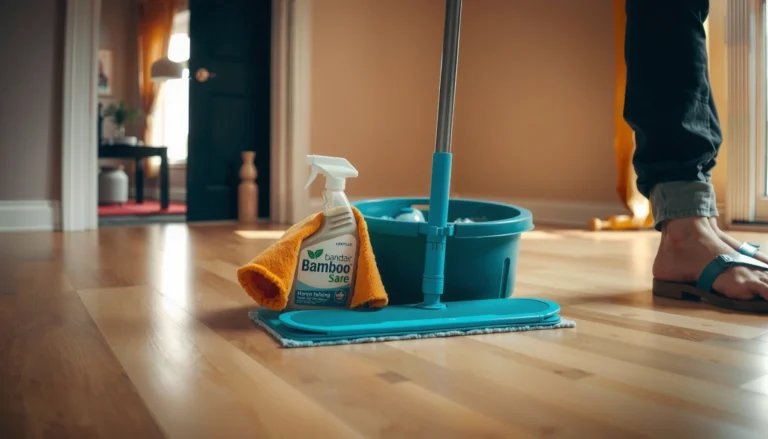
You should stock a small, laminate-safe kit that prevents scratches and limits moisture: microfiber cloths/mop head, a soft sponge, and a laminate-safe pH-neutral cleaner. For laminate floors in retail, the right tools reduce both damage risk (scratches/edge lift) and cleanup time.
Microfiber cloths allow controlled, low-moisture wipe-downs on laminate floors compared with wet mops that can over-deliver water.
A laminate-safe pH-neutral cleaner used on a cloth (not poured) reduces the chance of liquid migrating into plank seams.
– Use tools that won’t scratch: microfiber cloths/microfiber mop head, soft sponge, and a plastic scraper if you have dried residue.
– Use the right cleaner category: a pH-neutral cleaner for laminate or a mild dish soap solution—mixed according to label directions.
– Avoid the common laminate killers: abrasive pads/steel wool, wax/polish buildup, and harsh chemicals like bleach, ammonia, or strong acids; also avoid steam.
Here are three anchor facts that help retail staff make consistent decisions while cleaning laminate floors:
1. Bleach (sodium hypochlorite) is strongly alkaline (often pH ~11–13 in consumer products) ().
2. Household ammonia is typically basic (often pH ~11+) and can attack protective finishes on laminate over repeated use ().
3. Steam cleaning delivers heat and moisture; laminate care instructions commonly warn against it because seam swelling and finish haze are recurring failure modes ().
Because laminate floors are often installed as floating planks with tight seams, liquids can migrate if you flood the area. That’s why the supplies list matters: you want laminate-safe pH-neutral cleaner plus cloth control—not a bucket-and-brush workflow.
Use this safe step-by-step spot-cleaning method
You’ll remove most laminate stains when you follow one repeatable rhythm: dry debris first, apply cleaner to the cloth, blot instead of scrubbing, then dry immediately. In a retail store, this process is how you minimize streaks, haze, and finish dulling on laminate floors.
Dry first: cleaning loose grit with a dry microfiber reduces abrasive smearing that can dull the laminate wear layer.
Apply cleaner to the cloth (not poured onto laminate floors) to keep moisture from flowing into seams and edges.
Blotting plus immediate drying is the simplest way to prevent rings and residue haze on laminate.
– Dry first: pick up grit with a dry microfiber cloth or vacuum (use a soft brush attachment if available). Don’t start with liquids on loose dirt—this turns it into smear.
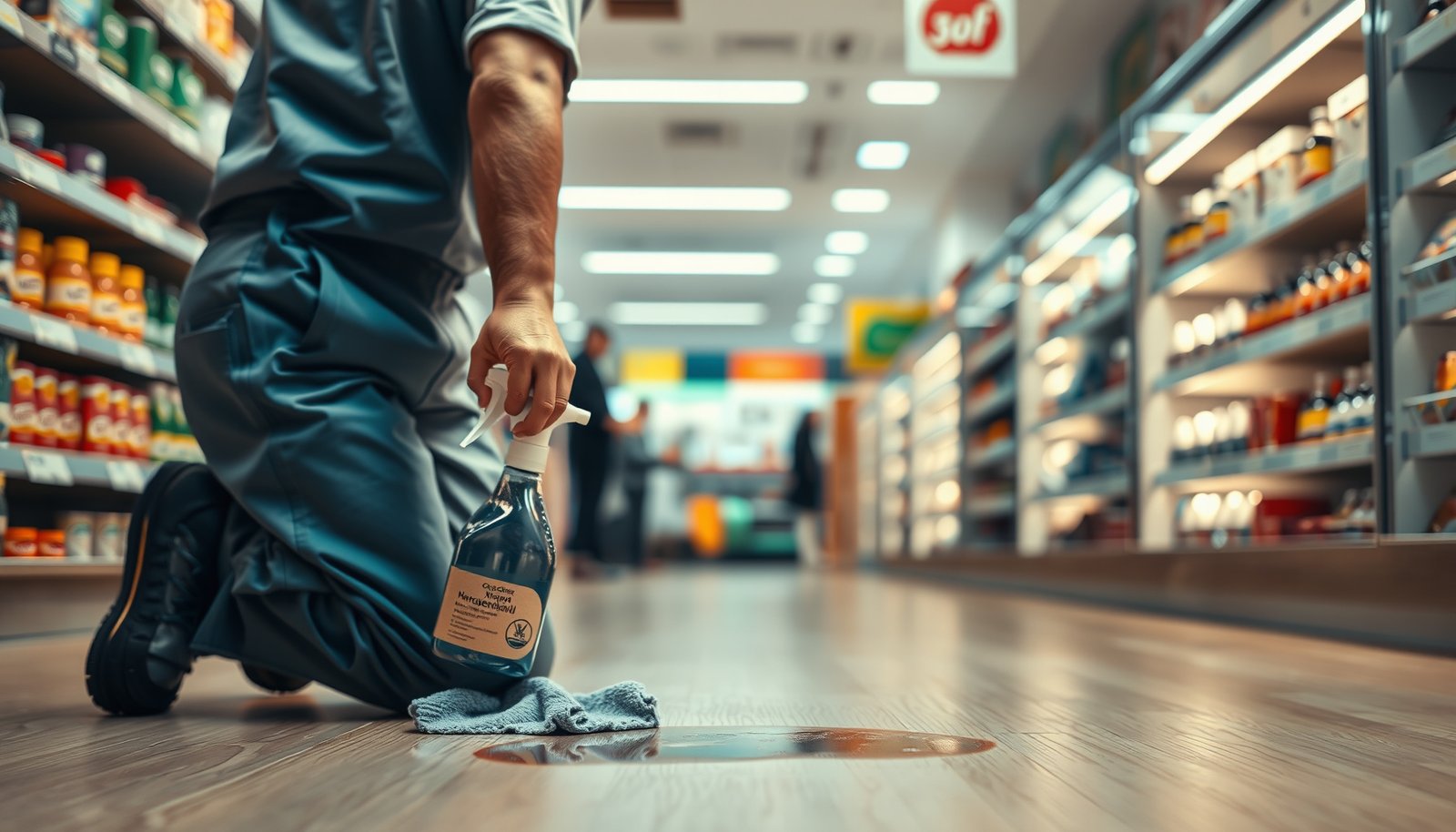
– Apply cleaner to the cloth, not the floor: lightly dampen your microfiber with your pH-neutral solution and work from the outside of the stain inward to avoid spreading.
– Blot, lightly wipe, then dry: wipe with a second clean damp cloth only if the cleaner leaves residue, then blot dry immediately. For retail floors, this fast drying step helps prevent rings and haze.
A quick “do vs don’t” clarity table for laminate floors
- Do on laminate floors
- Blot with a cloth dampened by laminate-safe pH-neutral cleaner; work outside-in; dry promptly.
- Don’t on laminate floors
- Don’t pour cleaner, don’t scrub aggressively, and don’t leave the area damp to “dry on its own.”
As of 2026, retail teams are also more likely to use microfiber systems and pH-targeted cleaners for green-compliance programs—those same choices align with what laminate manufacturers typically require: controlled moisture and laminate-safe chemistry. If your store uses any maintenance chemical besides a laminate-approved pH-neutral product, treat that earlier application as part of the stain problem on laminate floors.
Match the method to the stain type
You should adapt your technique based on the chemistry behind the spot: grease needs film removal behavior, ink needs gentle staging, and adhesive often requires mechanical removal first. The key is to keep every step compatible with laminate floors—minimal moisture, laminate-safe pH-neutral cleaner, and drying on completion.
Grease stains on laminate floors usually require repeated gentle cloth passes because residue can remain as a thin film.
Adhesive residue often bonds mechanically to the finish, so plastic scraping and manufacturer-approved chemistry are safer than soaking.
Water rings are frequently a finish reaction to moisture; wiping and immediate drying help most, but some rings reflect finish change rather than dirt.
– Grease, oily footprints, and “skate wheel” marks
– Start with the pH-neutral cleaner method above.
– If a residue film remains, use additional gentle passes with fresh cloths (don’t keep pushing the same dirty cloth around).
– Ink/marker and dye stains
– Try gentle spot cleaning first (pH-neutral approach) and reassess—ink can sometimes be more resistant than it looks.
– If it’s not lifting, don’t escalate to harsh solvents automatically; test any stronger product on a hidden area first and follow the laminate manufacturer’s guidance. ()
– Adhesive residue (tape, labels, price tags)
– Remove what you can mechanically using a plastic scraper.
– Use a laminate-appropriate adhesive remover only if the manufacturer specifically allows it; otherwise you risk softening the finish. ()
– Water rings and spill tracks
– Blot excess moisture right away.
– Clean using minimal moisture (cloth-damp wipe, then dry). If the ring remains, you may need additional manufacturer-approved care steps—persistent rings can indicate finish changes rather than leftover “dirt.”
To help staff avoid “trial-and-error” mistakes, it’s useful to understand how common cleaners differ in pH. Laminate floors react best to neutral chemistry and worst to strong acids/bases. For a practical reference, below is a data table you can share during onboarding and shift leads can keep near the cleaning cart.
Typical pH Ranges of Common Retail Cleaning Agents (Approx.)
| # | Cleaning agent category | Typical pH range | Laminate-safe risk* (relative) | On laminate floors (staff guidance) |
|---|---|---|---|---|
| 1 | Distilled/neutral water wipe (no additives) | ~6.5–7.5 | ★★★★☆ | Use only damp cloth; avoid soaking |
| 2 | Mild dish soap (diluted per label) | ~7–8.5 | ★★★☆☆ | Test first; rinse/dry to avoid residue |
| 3 | “pH-neutral” floor cleaner (formulated) | ~6.5–8.5 | ★★★★☆ | Follow laminate-safe directions; cloth-only |
| 4 | Baking soda solution (diluted) | ~8–9 | ★★☆☆☆ | Avoid repeated use; test a hidden area |
| 5 | Vinegar (typical household acetic acid) | ~2.4–3.5 | ★☆☆☆☆ | Generally avoid for laminate finishes |
| 6 | Household ammonia (diluted cleaners) | ~11–12 | ★☆☆☆☆ | Avoid on laminate unless explicitly approved |
| 7 | Chlorine bleach (sodium hypochlorite) | ~11–13 | ★☆☆☆☆ | Do not use; risk haze and finish damage |
“Laminate-safe risk (relative)” reflects general risk of finish damage from pH extremes; always defer to the laminate manufacturer’s care policy for your specific flooring.
What can go wrong (and when to stop)
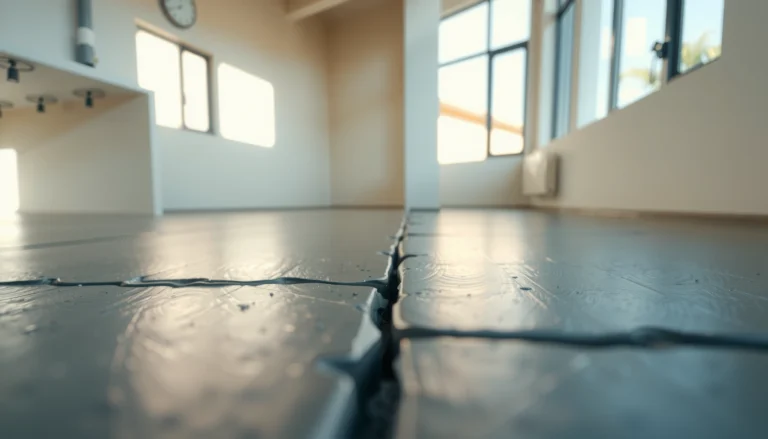
You should stop early when you see damage signals—because laminate floors can tolerate gentle cleaning but don’t recover from finish stripping, seam swelling, or chemical haze. In retail, the goal is to restore appearance without expanding the affected area.
Too much water can swell laminate edges; if a spot stays wet, stop and rework with damp cloth-only technique.
Aggressive scrubbing can remove surface gloss unevenly, making the cleaned laminate area look worse than the original stain.
If finish color changes or lifting occurs, escalate to manufacturer-approved care steps or a flooring professional.
– Too much water can swell edges: laminate planks don’t like standing moisture. Keep everything “damp cloth,” and blot/dry promptly.
– Wrong chemicals can haze or strip the wear layer: bleach/ammonia/abrasives can dull the surface or create permanent spots.
– Scrubbing can spread the damage: aggressive rubbing may remove surface gloss unevenly, making the “cleaned” area look worse.
– When to stop and escalate:
– The stain is large, deeply set, or you’re seeing the finish lift/change color.
– You suspect the product used earlier (from maintenance or a previous cleaner) isn’t laminate-safe.
– You’re worried about voiding warranty coverage—stop and check the flooring brand’s care policy. ()
If you’re tempted to “fix it faster,” remember that laminate floors often fail slowly: once the top gloss is altered, it may be visible even after the residue is gone. As of 2026, many retailers are also tightening maintenance protocols to reduce slip hazards; ironically, this means people are more likely to over-wet floors trying to sanitize. For laminate floors, sanitation must still follow the minimal-moisture rules.
Verdict / tip: gentle, controlled cleaning usually wins—know the limits
For most stains, the best retail outcome comes from a repeatable, low-moisture spot-cleaning routine using laminate-safe pH-neutral products and microfiber—most everyday spots lift when you blot, don’t flood. The downside is that deep dye stains, some adhesives, and true finish damage often won’t fully disappear, because laminate is layered and residues can be trapped in the finish.
A cloth-damp, pH-neutral approach removes most fresh laminate residue while minimizing seam moisture risk.
Persistent dye/finish changes may indicate laminate finish alteration rather than leftover “dirt,” requiring professional assessment.
Skip DIY and call in a pro (or plan for replacement in worst cases) if: the stain came from a strong chemical, the area is large, the finish is already dulling, or you can’t identify the stain source. Also skip experimenting with solvents unless your laminate manufacturer explicitly approves them—because even “stronger” chemistry can produce permanent haze on laminate floors.
Quick checklist (save this for your staff)
| Situation | First try | Avoid |
|---|---|---|
| Fresh spills / tracked dirt | Dry debris removal → pH-neutral damp cloth → blot dry | Pouring water; aggressive scrubbing |
| Grease/footprints | Multiple gentle cloth passes with pH-neutral cleaner | Abrasive pads; reusing the same dirty cloth |
| Ink/marker | pH-neutral spot cleaning → reassess | Automatic solvent escalation without testing |
| Adhesive residue | Plastic scraper → laminate-approved remover (if allowed) | Metal tools; unknown removers |
| Water rings | Minimal-moisture wipe → blot/dry | Steam; leaving it damp to “dry on its own” |
Conclusion
Removing stains from laminate floors in a retail store works best when you slow down at the start: triage the stain type, clean in small sections with a laminate-safe pH-neutral cleaner applied to a cloth, and blot and dry immediately. The moment you see signs of finish haze, color change, or edge moisture issues, stop and escalate—because laminate damage often becomes permanent after the wrong moisture or chemical exposure.
Sources
– Laminate flooring manufacturer care-and-maintenance instructions for cleaning agents, moisture limits, and approved spot-removal methods (use the specific brand/model installed in your store).
– Manufacturer guidance for adhesive removers/chemical compatibility (often listed under care, warnings, or stain-removal sections).
– Cleaning chemistry guidance for pH-neutral cleaners on laminate surfaces (based on manufacturer recommendations; specific acceptable cleaner types vary by brand).
Frequently Asked Questions
What’s the safest way to remove stains from laminate floors in a retail store?
Start by identifying the stain type (dirt, food, grease, scuff marks, or water spots) and always test your cleaner in an inconspicuous area first. Use a damp microfiber mop or cloth with a laminate floor cleaner—avoid soaking the surface. For retailers, prioritize spot-cleaning to prevent downtime and keep traffic lanes open while stains are treated.
How do you remove black scuff marks from laminate flooring without damaging the finish?
Try a non-abrasive approach first: gently rub the scuff with a microfiber cloth slightly dampened with warm water and a pH-neutral laminate cleaner. If scuffs persist, use a melamine eraser (“magic eraser”) very lightly, using minimal pressure and quick passes, then wipe with a clean damp cloth to remove residue. Avoid steel wool, harsh solvents, or abrasive pads because they can dull the laminate’s wear layer and make scuffs spread.
How can you get rid of grease or oil stains on laminate floors commonly found near entrances?
Blot excess grease with paper towels, then apply a small amount of degreasing cleaner that’s labeled safe for laminate flooring. Let it dwell briefly according to the product directions, then wipe up with a damp microfiber cloth. Finish by drying the area thoroughly, since leftover residue can attract dirt and create a darker stain over time.
Why do water spots and white marks appear on laminate floors, and what’s the best fix?
Water spots often form when moisture penetrates seams or sits on the surface long enough to affect the finish or underlying layers. For treatment, wipe the area with a lightly damp microfiber cloth, then dry completely with a dry towel or fan to speed evaporation. If the mark remains, use a laminate floor polish or manufacturer-approved spot restorer to help even out the appearance without over-wetting.
Which cleaning products are best for stain removal on laminate floors in a high-traffic retail environment?
Choose pH-neutral, manufacturer-recommended cleaners designed for laminate flooring, and stick to microfiber tools to control how much liquid touches the surface. Avoid ammonia, bleach, and steam mops, since they can damage the laminate’s protective layer and cause discoloration. For ongoing maintenance, use a regular spot-cleaning routine and place mats at entrances to reduce stain buildup from grit, sand, and spills.
📅 Last Updated: October 24, 2026 | Topic: How to remove stains from laminate floors in a retail store? | Content verified for accuracy and freshness.
References
- Laminate flooring
- https://www.cdc.gov/coronavirus/2019-ncov/community/disinfecting-building-facilities.html
- https://www.pergofloors.com/en-us/support/care-and-maintenance.html
- https://www.armstrongflooring.com/support/care-and-maintenance/laminate-flooring.html
- MohawkFlooring
- https://scholar.google.com/scholar?q=laminate+floor+stain+removal Google Scholar
- https://scholar.google.com/scholar?q=laminate+floor+spot+cleaning+instructions Google Scholar
- https://scholar.google.com/scholar?q=commercial+hard+floor+stain+removal+laminate Google Scholar