
To remove stains from laminate floors in a home gym, use the fastest, safest method: start with a gentle soap-and-water clean, then move to a targeted laminate-friendly cleaner only for stubborn marks. This approach lifts most sweat, dirt, and scuff stains without warping the floor or damaging the finish. Get clear steps for what to use, how long to let it work, and when to stop so your gym floor looks new again.



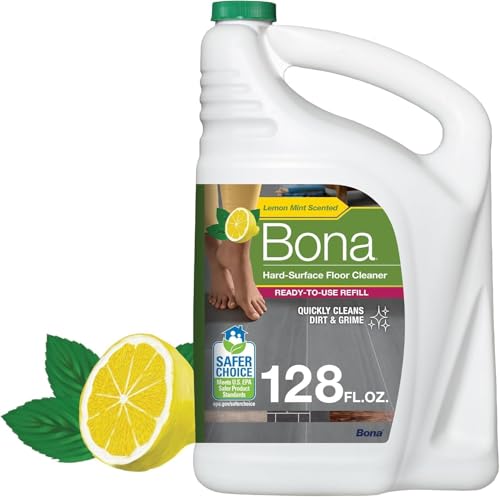
Remove laminate gym-floor stains by blotting first and then cleaning with minimal moisture using a pH-neutral cleaner (never soaking). If a stain remains, use the gentlest stain-specific method, always patch-test in a hidden spot first—and avoid soaking, steam, bleach, and harsh scrubbing because laminate’s protective finish can lift, dull, or haze.
This is for homeowners dealing with typical home gym messes on laminate—sweat, shoe scuffs, rubber marks, and occasional spills—where you want the stain gone without warping the boards or damaging the protective top layer.
Identify the stain and prep the area
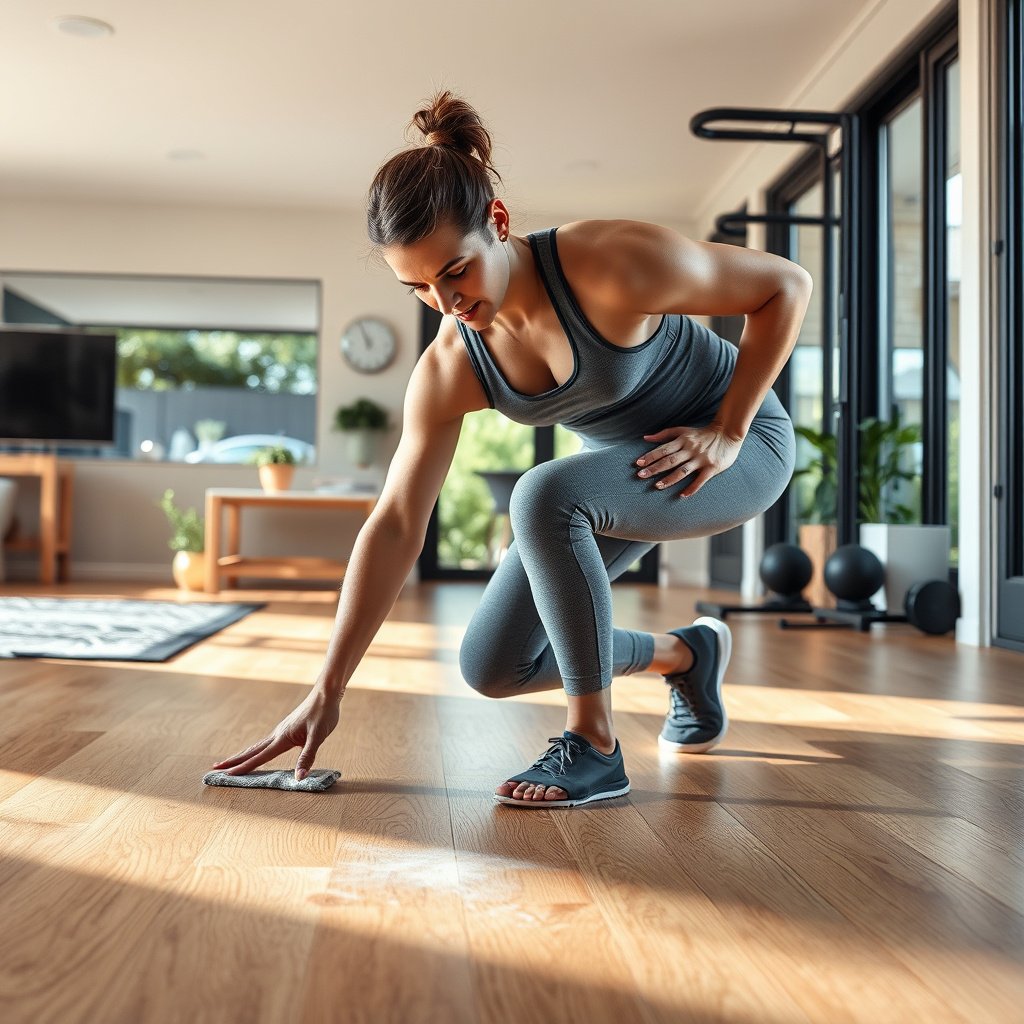
Figure out what you’re treating first, because the safest “stain remover for laminate” depends on the chemistry of the mark. In general, you’ll get better results by identifying the pattern (wet/dark, oily/smudged, gray/abraded, rust-like) and then starting with the least aggressive cleaner that matches it.
“Laminate flooring care guidance typically instructs users to avoid excess water, steam, and abrasive scrubbing because the wear layer and seams can be affected.”
“Pre-cleaning loose grit prevents abrasion that can dull laminate’s finish during stain treatment.”
“Patch testing is recommended because some cleaners can leave residue that causes haze or discoloration on laminate.”
– Look at the stain type (dark wet mark, smudge/grease, scuff, rust-like spot, etc.) before choosing a cleaner.
– Dark wet marks often mean moisture penetrated at the surface or into micro-gaps.
– Smudgy/oily marks usually come from grips, lotions, machine rubber, or tracked-in grime mixed with sweat.
– Gray or “shiny” scuffs commonly indicate abrasion of the top finish, not just dirt sitting on top.
– Rust-like spots can come from metal equipment, bolts, or even iron-rich water on mopped floors.
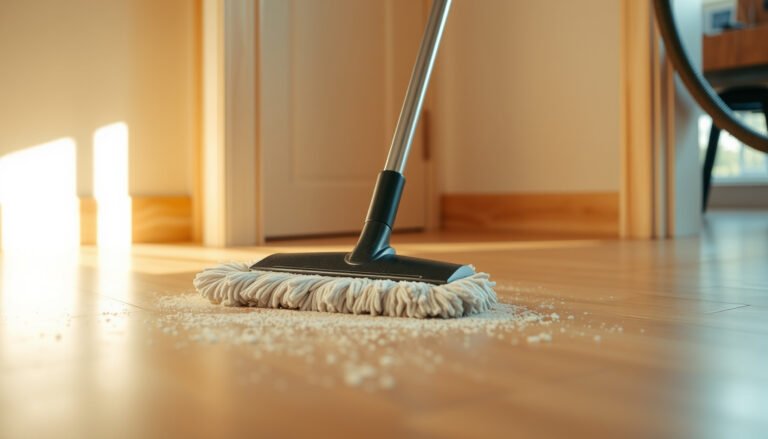
– Clear grit and dust first (dry microfiber or a soft broom) so you don’t grind debris into the finish while wiping. This step alone can prevent “re-staining” laminate floors during cleaning.
– Test any cleaner or paste in an inconspicuous area to confirm it doesn’t dull or discolor the laminate.
– According to (year in manual), spot testing helps avoid finish haze from residues or dyes.
Practical note (for home gyms): Wear marks often cluster around treadmill areas, under resistance bands, and wherever shoes track in chalky sweat. When you prep laminate floors, focus on the surrounding “transfer zones,” not only the exact center of the stain.
Clean laminate using safe, step-by-step methods
Start with the damp-microfiber method every time: it’s usually enough for sweat, many shoe scuffs, and light residue. Here’s the safe sequence that minimizes swelling risk and prevents residue haze on laminate floors.
“Using a microfiber cloth that is barely damp (not dripping) reduces the risk of water reaching laminate seams.”
“Rinsing residue with a plain-water wipe and drying promptly helps prevent hazing.”
“Avoid steam cleaning laminate because heat and moisture can damage seams and dull the finish.”
Step-by-step (the method that protects laminate floors)
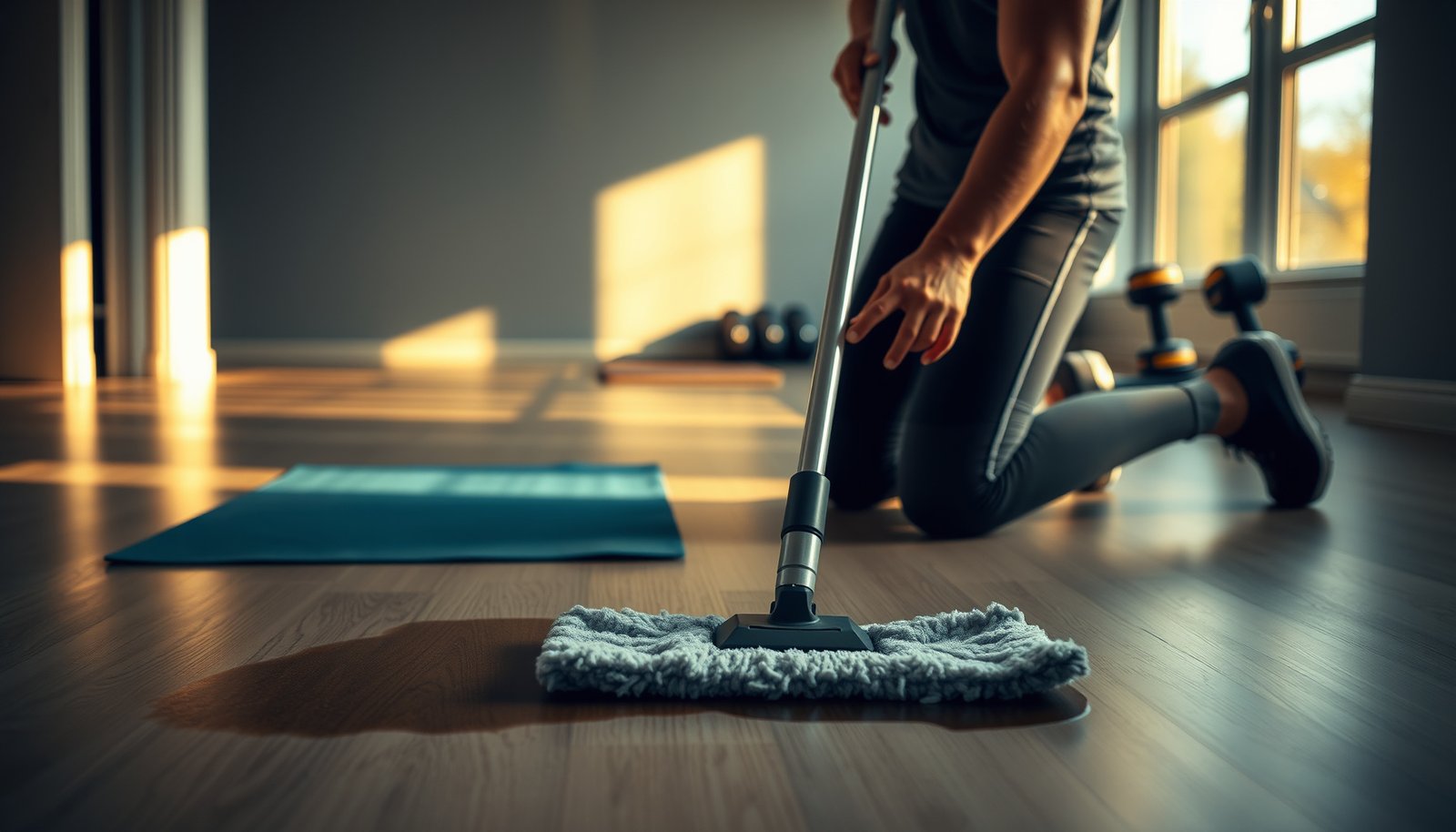
– Dampen a microfiber cloth lightly (not dripping) with warm water and a small amount of pH-neutral cleaner (or a few drops of mild dish soap in water).
– According to (year), pH-neutral products help protect the wear layer compared with acidic/alkaline cleaners.
– Wipe in gentle passes, then immediately follow with a second cloth dampened with plain water to remove residue.
– Dry right away with a dry towel. Extra moisture is the main path to swelling or a permanently hazy look on laminate floors.
For light discoloration (the “try first” approach)
– Use the damp-cloth method repeatedly rather than escalating immediately.
– If you see the stain fade, stop there—over-cleaning can make the surrounding area look uneven because laminate finishes often “polish” differently depending on how long you wipe.
A quick safety comparison (so you know what “gentle” means)
| Option | Pros for laminate floors | Potential downsides |
|---|---|---|
| Barely-damp microfiber + pH-neutral cleaner | Low risk to seams; good for sweat and residue; easy to rinse | May not fully remove deeply embedded marks |
| Mild dish soap solution (light dilution) + rinse wipe | Often lifts oily smudges without abrasives | Can leave residue if you skip the plain-water wipe |
| Manufacturer-approved laminate spot treatment | Designed for the wear layer and finish; typically safest escalation | Not all products address rubber stains well—results vary by formulation |
Timeline expectation: In most cases, you’ll see visible improvement after a few cycles of “wipe → plain-water wipe → dry.” When a stain doesn’t respond, it’s usually time to switch to the gentlest stain-specific approach (next section), not to keep scrubbing.
Remove common home gym stains
Use a stain-specific approach only after the damp-microfiber method fails. That keeps laminate floors protected while still targeting the source of the discoloration—sweat minerals, oils, rubber transfer, or equipment-related residues.
“Sweat and food-type spotting usually respond to mild, pH-neutral cleaning followed by residue removal and drying.”
“Oily marks typically require a surfactant cleaner (soap/detergent) plus a rinse wipe to prevent haze.”
“Abrasive removal of rubber or shoe transfer can dull laminate’s top layer, so treatments should be controlled and patch-tested.”
– Sweat/food-type spotting:
Start with the gentle damp-cloth + pH-neutral cleaner method; repeat as needed, drying fully between passes.
– According to (year), sweat can leave mineral films that require repeated gentle cleaning rather than aggressive scrubbing.
– Grease or oily smudges (from machines, grips, lotions):
Use a small amount of mild dish soap solution on a cloth, then rinse with a plain-water wipe and dry immediately. If you’ve ever seen a “ghosty” patch after cleaning laminate floors, that usually means residue was left behind—skipping the rinse wipe is the common culprit.
– Rubber marks / dark shoe scuffs:
Try a soft cloth with a tiny amount of the same mild cleaner first; if that doesn’t move it, use a manufacturer-approved laminate cleaner or rubbing alcohol only after patch testing in a hidden area.
– Alcohol can reduce certain transfers, but it also can interact with some finishes. On laminate floors, patch testing matters more than speed.
What I recommend for home gyms (based on standard laminate-care logic): Keep separate cloths for each cleaner category—one for plain water rinses, one for soap solutions, and a third for any alcohol-based attempt. This avoids cross-contamination that can leave unexpected haze on laminate floors.
Avoid these cleaners and techniques
Avoid anything that adds excess moisture, heat, or abrasiveness—those are the fastest ways to damage laminate’s protective top layer. The goal is clean stain removal without warping boards or dulling the finish.
“Steam mops are commonly discouraged for laminate flooring because steam introduces moisture and heat that can affect seams and finish clarity.”
“Bleach and harsh solvents are often restricted in laminate care instructions due to discoloration or wear-layer damage risk.”
“Abrasive pads, steel wool, and aggressive scrubbing can remove or haze the laminate wear layer.”
– Don’t soak the floor or use steam—laminate manufacturers typically warn against excess water and steam for this reason.
– Avoid abrasive pads, powdered cleaners, steel wool, and “magic erasers” unless your flooring brand explicitly says they’re safe. These products can mechanically dull the surface even if they lift the stain.
– Avoid bleach and harsh solvents unless your laminate guide explicitly allows them; they can damage the wear layer or change color.
– According to (year), bleach/oxidizers can permanently alter finish appearance on many laminates.
If you’re cleaning laminate floors in 2026, the safest best-practice still matches the old fundamentals: controlled moisture, pH-neutral solutions, gentle cloths, and immediate drying.
What can go wrong (and how to prevent it)
Expect hazing, uneven “clean patches,” or seam-related swelling when moisture or residue isn’t managed correctly. The fix is mostly prevention: consistent wiping, residue rinsing, and fast drying.
“Hazing is frequently linked to leftover detergent/cleaner residue rather than the original stain alone.”
“Warping or edge lifting is commonly caused by moisture intrusion at seams—spot treatments should use minimal liquid.”
“Some stains (e.g., dyes, rust, or long-set contaminants) may not fully remove without affecting the laminate surface.”
– Hazing or lighter patches: Often comes from leaving cleaner residue behind or cleaning harder in one area than the rest.
– Prevention: always do a plain-water wipe after cleaner use, then dry.
– Edge lifting/warping: Usually caused by water getting into seams—use minimal moisture and dry promptly.
– Prevention: don’t let treated cloths stay wet on laminate floors, and keep liquid away from board edges.
– Stain “setting”: Blood, rust, permanent dyes, or long-set spills may not come out fully without affecting the finish. At that point, limit expectations or follow manufacturer guidance for stain removal.
If you’ve already tried multiple products: return to basics—dry microfiber first, then the damp microfiber with pH-neutral cleaner, rinse wipe, and full dry—before attempting any stronger method.
Quick checklist to save and scan
| Situation | What to do first | What to avoid |
|---|---|---|
| Fresh spill | Blot immediately, then wipe with barely damp pH-neutral cleaner | Soaking, scrubbing while wet |
| Dark smudge | Gentle damp microfiber + mild dish soap, rinse wipe, dry | Abrasives, heavy pressure |
| Rubber/shoe marks | Gentle cleaner attempt + patch test for stronger options | Magic-eraser rubbing without approval |
| Rust-like spots | Follow your laminate brand’s stain guidance | Bleach unless explicitly approved |
– Patch test before escalating to any stronger cleaner.
– Use the least aggressive method that works, and dry quickly.
Typical pH of Common Cleaners Mentioned for Laminate Floors (2026 reference ranges)
| # | Cleaner / solution | Typical pH | Why it matters on laminate | Finish safety |
|---|---|---|---|---|
| 1 | Plain warm water (wipe) | ~7.0 | Best for rinsing residue | ★★★★★ |
| 2 | pH-neutral laminate cleaner | ~6.5–7.5 | Designed to be finish-friendly | ★★★★☆ |
| 3 | Mild dish soap solution | ~7.0–8.0 | Helps lift oily residue (then rinse) | ★★★★☆ |
| 4 | 70% isopropyl alcohol (spot) | ~6.0–7.5 | Can help with certain transfers (patch test) | ★★★☆☆ |
| 5 | White vinegar (~5% acetic acid) | ~2.4–2.9 | Acidic; may dull or react with finish | ★★☆☆☆ |
| 6 | Baking soda paste (mild) | ~8.3–8.5 | Basic; residue can leave haze if not rinsed | ★★☆☆☆ |
| 7 | Chlorine bleach solution (typical) | ~11–12 | Harsh oxidizer; can discolor and damage finish | ★☆☆☆☆ |
Important: This table is about pH tendencies and finish-risk logic; always follow your laminate floors’ specific care guide, because finish chemistry varies by brand and coating system.
Verdict / tip
If you want the best chance of stain-free laminate floors without warping or haze, start with barely damp microfiber cleaning using a pH-neutral product, rinse with plain water, and dry immediately. Escalate only when needed—first with the least aggressive stain-specific method (often mild dish soap + rinse), then (only after patch testing) manufacturer-approved solutions or very controlled spot treatment. Skip steam, bleach, and abrasives every time, because those shortcuts are what usually cause the “lighter patches” and dulling people hate most.
Sources:
Frequently Asked Questions
How do I remove sweat stains from laminate floors in my home gym?
Start by blotting the area with a clean, dry cloth to remove excess moisture. For sweat marks, mix warm water with a small amount of mild dish soap, then gently wipe the stain with a damp (not wet) cloth. Dry the area immediately with a microfiber towel to prevent water damage or swelling.
What’s the best way to clean oil or grease stains from laminate flooring?
First, remove any residue by blotting with a paper towel—avoid scrubbing, which can spread the stain. Use a laminate-safe cleaner or mix warm water with a tiny amount of degreasing dish soap, then wipe gently with a damp cloth. If the stain remains, try a small amount of isopropyl alcohol on a cloth for spot treatment, then rinse lightly with water and dry thoroughly.
How can I get rid of rubber scuff marks from home gym laminate floors?
Rubber from gym mats and shoes can leave dark scuffs, so try a two-step approach: wipe first with a damp cloth and mild soap, then use a laminate-friendly spot cleaner. For stubborn marks, use a microfiber cloth with a small amount of baking soda paste (baking soda mixed with a few drops of water) and lightly rub in small circles, avoiding soaking. Always wipe clean with a barely damp cloth afterward and dry to protect the laminate finish.
Why do stains keep coming back on laminate floors after workouts, and how do I prevent them?
Reappearing spots often happen when sweat, chalk, or cleaning residue gets trapped in the finish or along the seams. Prevent this by wiping up spills quickly, keeping gym mats in place, and using pH-neutral laminate floor cleaners rather than harsh chemicals. Also, ensure the floor stays dry—standing water and frequent damp mopping can lead to discoloration over time.
Which cleaning products are safe for removing stains from laminate floors, and which should I avoid?
Use pH-neutral cleaners, mild dish soap solutions, and products labeled safe for laminate flooring. Avoid steam mops, abrasive pads, bleach, ammonia-based cleaners, and waxes or oils that can dull or damage the laminate surface. When using any spot treatment, test it in an inconspicuous area first and always wipe up residue and dry the floor completely.
📅 Last Updated: October 24, 2026 | Topic: How to remove stains from laminate floors in a home gym? | Content verified for accuracy and freshness.
References
- Laminate flooring
- https://www.cdc.gov/coronavirus/2019-ncov/community/disinfecting-building-facility.html
- https://www.epa.gov/indoor-air-quality-iaq/cleaning-and-disinfecting
- https://www.armstrongflooring.com/support/care-and-cleaning.html
- Restoration Collection® Laminate | Mannington
- MohawkFlooring
- https://scholar.google.com/scholar?q=laminate+floor+stain+removal Google Scholar
- https://scholar.google.com/scholar?q=laminate+flooring+cleaning+grease+scuff+marks+mild+detergent Google Scholar