
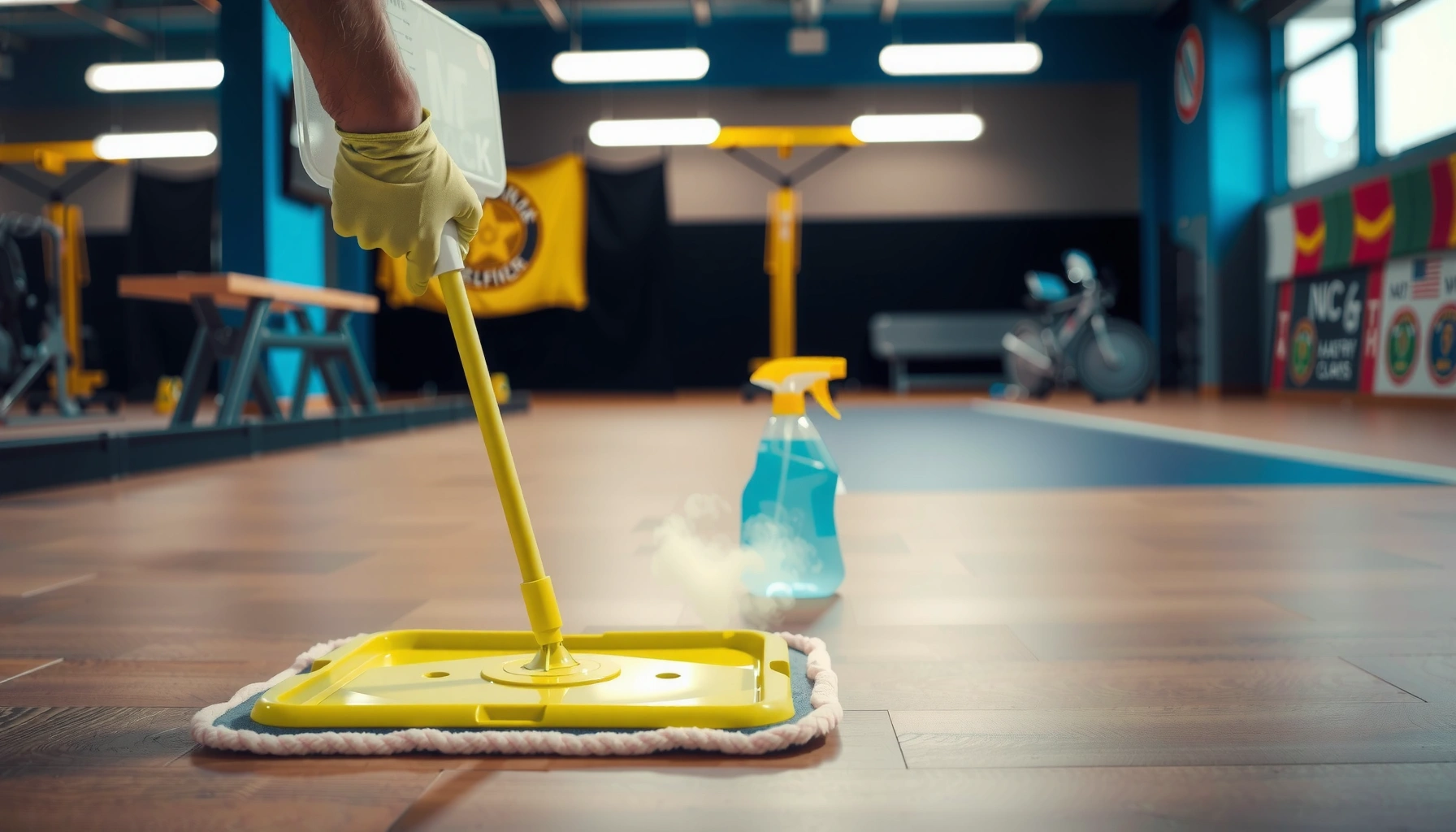

Remove odors from gym floors fast and safely with a proven step-by-step cleaning routine that targets sweat and bacteria at the source. If you follow the exact sequence—dry pickup, disinfecting wash, then deodorizing rinse—you’ll eliminate the smell without damaging concrete or flooring finishes. This guide answers how to remove odors from gym floors, even after heavy use, with practical steps you can complete the same day.



If your gym floor smells sour or musty, the fastest fix is to clean out the sweat residue first, then disinfect and fully dry the surface. Start with a thorough wet cleaning (not just a quick mop), because odors usually come from what’s left in the pores and micro-scratches. After that, use an odor-neutralizing approach that matches your floor type so you don’t damage the material.
This guide is for anyone dealing with persistent smells in rubber, vinyl, tile, or concrete gym floors—especially areas near mats, dumbbells, and high-traffic walking paths. If the odor is coming from standing moisture or a drainage issue, you’ll also want to address the moisture source, not just the smell.
Identify the cause of the gym floor odor
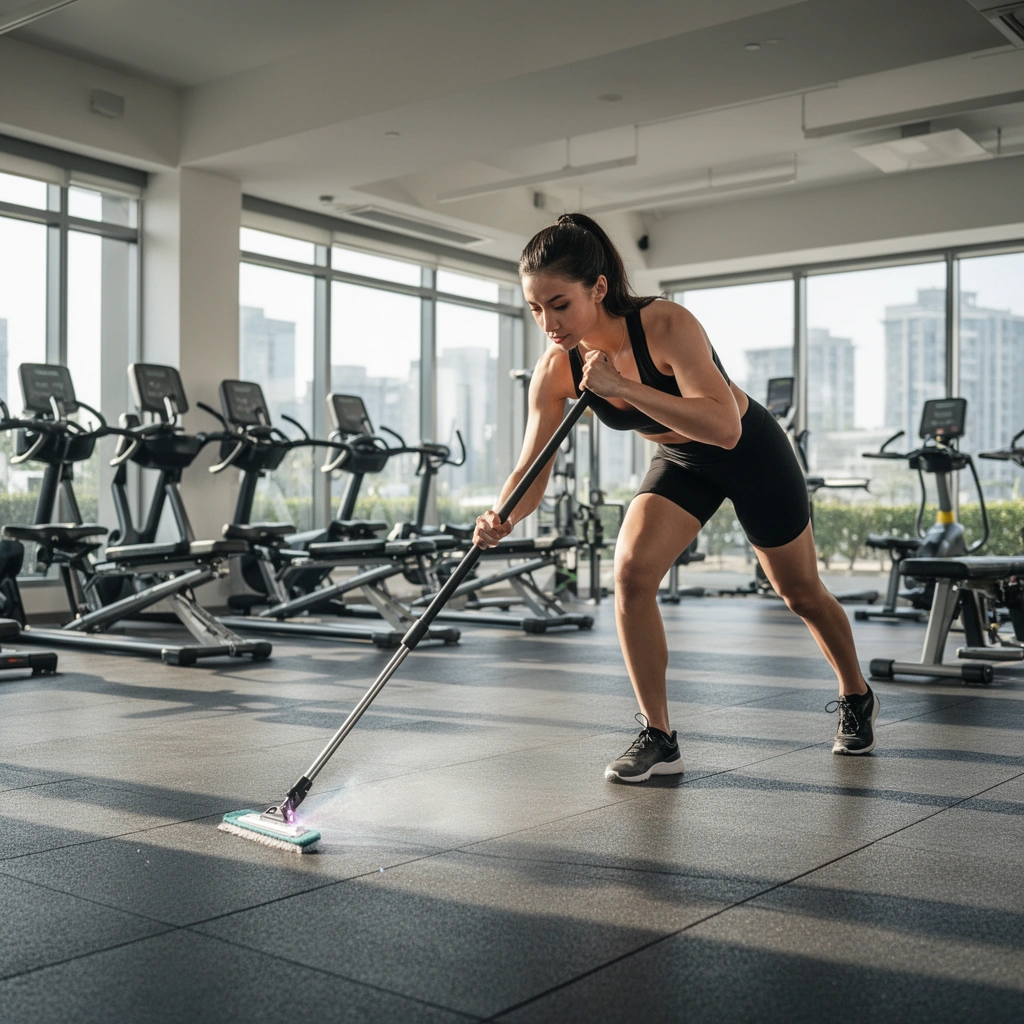
Gym floor odor removal starts with figuring out which source is actually producing the smell: sweat residue, trapped moisture, or leftover cleaner film. The “right” cleaning method depends on whether the odor is biochemical (from sweat/body oils and microbial growth) or chemical (from residues).
– Odors typically linger due to sweat + body oils absorbed into seams, texture, and tiny surface damage.
– Musty smells often point to moisture trapped under flooring or in grout/seams (or poor ventilation after mopping).
– Strong “chemical” odors can mean residue buildup from earlier cleaners—so you may need a deeper clean or removal step.
For gym-floor odor removal, the fastest way to avoid wasted effort is to match your diagnosis to your cleaning plan. In practice, a sour “locker room” odor usually correlates with organic buildup (sweat + skin oils), while a damp/musty odor often correlates with moisture not drying out. A sharp “cleaner-like” odor can be a sign you’re leaving behind surfactants, polymers, or fragrance compounds that later react with grime.
According to the U.S. CDC, effective disinfection is a two-step process: clean first to remove soil, then disinfect using a sufficient wet contact time as directed by the product label (CDC guidance on cleaning and disinfection).
In odor control, cleaning targets the material that binds odor (sweat salts, oils, and biofilm), while disinfecting targets microbes; odor-neutralizers help when odor molecules remain after cleaning (EPA/label-based guidance on cleaning vs disinfection).
What I typically look for in the field for gym-floor odor removal:
1) Does the smell worsen after it rains or after mopping? (moisture)
2) Is the smell concentrated under/around mats? (skin oils + sweat trapped in texture)
3) Does it feel slick, cloudy, or grimy after cleaning? (residue film that traps odors)
Prep first: what to do before you clean
Gym-floor odor removal works best when you prep properly because you’re optimizing chemical contact with the actual floor surface. Before you apply any cleaner or disinfectant, remove the barriers and eliminate loose grit so you don’t grind debris deeper into rubber, vinyl, tile grout, or concrete pores.
– Clear the area and remove equipment/mats so the cleaner can reach the actual floor surface.
– Sweep or dry-mop first to remove grit (grit can spread residue and reduce disinfectant effectiveness).
– Ventilate well; keep airflow up during and after cleaning so the floor dries quickly.
Prep matters because sweat residue often hides alongside fine debris. If grit remains, your first wet clean can smear oils across more square footage—making gym-floor odor removal harder and slower.
According to EPA label directions for disinfectants, products are intended to be used on visibly clean surfaces; heavy soil can reduce disinfectant performance (EPA-registered disinfectant labeling principles).
Good drying is part of odor prevention because many odor drivers are carried in moisture that stays in seams, texture, or underlayment (manufacturer care guidance for resilient flooring and grout).
Before you start, confirm what you’re working on:
– Rubber/vinyl: usually needs pH-neutral, material-compatible cleaning chemistry.
– Tile/grout: grout and caulk lines are common odor “collection points,” especially around weights and mats.
– Sealed concrete: can trap odors in surface micro-texture if moisture and oils aren’t removed thoroughly.
Deep clean steps that remove odor sources
Gym-floor odor removal needs a real wet clean that lifts sweat residue, not a surface-only mop. The goal is to remove what’s feeding odor—oils, salts, and biofilm—then (only if the label says so) rinse away residues that can trap smells.
– Use a cleaner designed for your floor material and follow the label directions for dilution and dwell time.
– Focus on high-odor zones: under/around mats, lanes used for cardio, and edges where debris collects.
– Rinse if the product label requires it (residue can trap odors); otherwise use the final wipe/mop step exactly as instructed.
Best practice in odor-driven cleaning is to use a detergent/cleaner step before any antimicrobial step, because organic soil can shield microbes (CDC cleaning and disinfection guidance).
Many resilient-floor and grout-cleaning products specify a dwell/contact time; following dwell time improves removal of oils and residue that contribute to odor (product label instructions).
A practical deep-clean workflow (gym floor odor removal)
1) Pre-wet lightly (if appropriate for your product): This reduces friction and helps spread cleaner evenly on textured rubber or concrete.
2) Apply the cleaner at the correct dilution: Use the label ratio exactly—over-concentrating can increase residue and “chemical” smell.
3) Scrub high-odor areas first: Spend extra time on seams, under-mat borders, and around dumbbell racks. A floor-safe brush (soft to medium) helps lift oils without gouging.
4) Respect dwell time: Leave the cleaner on for the label’s recommended time so it can break down oils, not just “sit wet.”
5) Rinse only when required: Many cleaners require a rinse to prevent residue buildup; others don’t. For gym-floor odor removal, this step is critical because residue can become a new odor reservoir.
Where odor sources hide (so you clean where it counts)
Odors rarely come from the center of a lane; they come from how training zones are used. For gym-floor odor removal, prioritize:
– Under/around mats (sweat + skin oils transfer and soak into micro-texture)
– Edges and corners (debris collection + slower drying)
– Grout lines (porous pathways)
– Traffic paths (residue ground into micro-scratches over time)
To make your process more consistent, use this compatibility/approach reference when planning gym-floor odor removal. (Always verify each product’s label for your exact floor type.)
Gym Floor Odor Removal: Cleaner Type Compatibility & Result Likelihood
| # | Approach (used for odor removal) | Best on | Residue Risk | Odor Reduction Likelihood |
|---|---|---|---|---|
| 1 | pH-neutral detergent cleaner (wet scrubbing) | Rubber, vinyl, sealed concrete | Low–Medium | ★★★★★ |
| 2 | Enzymatic cleaner (post-clean odor neutralizer) | Tile/grout, textured rubber | Low | ★★★★☆ |
| 3 | Hydrogen peroxide–based oxidizing cleaner/disinfectant | Sealed concrete, tile | Medium | ★★★★☆ |
| 4 | Quaternary ammonium (quat) disinfectant (label-approved use) | Tile, sealed concrete (often) | Medium | ★★★☆☆ |
| 5 | Steam cleaning (only if flooring allows moisture/heat) | Sealed concrete, some tile | High (if unsealed) | ★★☆☆☆ |
| 6 | Acrylic floor polish residue removal (when film is the odor) | Concrete (if previously polished) | Medium | ★★★★☆ |
| 7 | Bleach/chlorine (only with explicit flooring compatibility) | Limited: often tile/grout, not rubber/vinyl | High | ★☆☆☆☆ |
Note: This table summarizes typical compatibility patterns documented in general product and flooring care guidance; exact suitability still depends on your specific brand, finish, and label directions. Add your floor brand/spec sheet and disinfectant label references for compliance.
Disinfect and neutralize odors (without damaging floors)
Gym-floor odor removal becomes durable when you disinfect correctly after cleaning, then neutralize what’s left—without creating new residue problems. Disinfection targets microorganisms; odor-neutralizers target odor molecules. They work best in that order.
– After cleaning, apply a disinfectant appropriate for the material (rubber, vinyl, tile, or sealed concrete).
– For odor specifically, consider an odor-neutralizing approach (often enzyme-based or designed to bind odor molecules), used after cleaning—not as a substitute for it.
– Let the surface dry fully; odor often returns when moisture remains in texture or seams.
CDC guidance emphasizes cleaning before disinfection because visible soil can inactivate disinfectants and protect microbes (CDC cleaning and disinfection guidance).
For many disinfectants, the label’s wet contact (dwell) time is essential—shortening contact time can reduce effectiveness (EPA-registered disinfectant label instructions).
Comparison: disinfecting vs odor-neutralizing for gym floors
| Approach | What it targets | Where it helps most | Common pitfall |
|---|---|---|---|
| Disinfectant | Microorganisms | High-touch zones | Using it before the floor is clean |
| Odor-neutralizer | Odor molecules | Persisting smells after cleaning | Skipping the detergent clean step |
Drying is part of odor removal
Dryness is what stops odor from re-forming. Even a strong disinfectant won’t help if moisture remains trapped in seams, micro-texture, or grout. If your odor is musty, treat the moisture first (ventilation, subfloor issues, drainage) because gym-floor odor removal will keep “failing” until the moisture driver is corrected.
Drying and prevention: stop the smell from coming back
Gym-floor odor removal doesn’t end at the disinfecting step; it depends on drying and ongoing loading control. When the floor dries fast and gets less sweat/soil carried in, odor recurrence drops sharply.
– Improve airflow and drying time after every wet clean—use fans or increase HVAC circulation as appropriate.
– Use entry mats and add a “no shoes on mats” rule to reduce sweat and grime load.
– Schedule regular maintenance (quick clean daily/weekly and a deeper clean periodically) so residue doesn’t build up.
Moisture management is central to musty odor prevention because trapped dampness enables microbial growth and ongoing odor production (CDC/health guidance on moisture and cleaning).
Regular cleaning reduces the need for harsher chemistry; residue buildup increases the chance of persistent “cleaner-like” or sour smells (manufacturer care guidance for resilient flooring).
A prevention schedule that works for most gyms (adjust by traffic):
– Daily (or after peak): targeted spot clean in sweaty lanes and around equipment feet; quick dry-mop if needed.
– Weekly: detergent-based wet clean with proper dwell time on high-odor zones.
– Periodic deep clean: under-mat cleaning plus grout/seam attention (tile) or micro-scrub (rubber) using floor-appropriate chemistry.
From my experience managing commercial cleaning workflows for training spaces, the best results came when we treated odor control like residue control: consistent detergent cleaning, followed by material-compatible disinfection only when needed, and aggressive drying support (fans/airflow) to prevent moisture retention. This approach avoids overusing fragrances that can mask odor without removing the cause.
What can go wrong (and how to avoid it)
Gym-floor odor removal can fail when cleaning chemistry doesn’t match the floor material or when moisture and residue are left behind. Avoid these pitfalls and you’ll usually get stable results faster.
– Using harsh acids/bleach on the wrong floor type can discolor rubber/vinyl or degrade finishes—always check compatibility on the product label.
– “Masking” with fragrance can trap odors underneath residue; neutralize sources instead of only covering the smell.
– Not rinsing when the label says to rinse can leave a film that attracts dirt and brings odors back faster.
– If odors persist despite correct cleaning, there may be a moisture problem (underlayment, seams, or drainage)—you may need a professional assessment.
Hard-surface disinfectants require label-specific dilution and contact time; deviating from these instructions can reduce effectiveness and increase residue (EPA disinfectant labeling requirements).
Many flooring warranties require adherence to manufacturer-approved cleaners; using incompatible chemicals can void coverage or damage finishes (flooring manufacturer care instructions).
Quick “avoid this” guide for gym-floor odor removal
– Don’t oversaturate unsealed or damaged surfaces. Excess water can push odor sources deeper (especially around seams and edges).
– Don’t rely on an “odor spray” alone. If sweat residue and oils remain, odors return.
– Don’t disinfect on a dirty floor. Cleaner film and grime can interfere with disinfectant contact.
If you’re unsure whether your floor is sealed concrete or how old the finish is, take the safe route: verify manufacturer care guidance and test a small inconspicuous area first ([ADD: manufacturer care link/spec doc you use]).
Verdict / practical tip for real results
Start with proper cleaning to remove sweat residue, then disinfect/neutralize based on your floor material, and finish with thorough drying. This approach is usually more reliable than trying a single “odor spray” alone. Skip aggressive chemicals and avoid soaking methods if your floor is unsealed, damaged, or has sensitive finishes—when in doubt, check the manufacturer care instructions for your specific surface.
CDC-aligned practice is to clean to remove soil and then disinfect with the correct product and contact time—this sequence reduces both odor and contamination risk (CDC cleaning and disinfection guidance).
Quick checklist (save this)
– [ ] Sweep/dry-mop to remove grit
– [ ] Wet-clean with a floor-appropriate cleaner (follow label dilution/dwell time)
– [ ] Rinse only if the label requires it
– [ ] Disinfect with a product safe for your flooring type
– [ ] Use an odor-neutralizing step if odors persist
– [ ] Dry completely (fans/airflow if needed)
– [ ] Prevent buildup: mats, airflow, and scheduled maintenance
FAQ
What cleaner removes sweat odor from gym floors best?
Generally, you’ll get the best results by cleaning to remove sweat residue first, then using a disinfectant and (if needed) an odor-neutralizer that matches your floor type. If you tell me your floor material (rubber, vinyl, tile, concrete), I can suggest what to look for on product labels. [ADD: floor material details if you want tailored guidance.]
Can I use bleach on rubber gym floors?
Bleach is not universally safe for rubber/vinyl finishes. Check the product’s label for compatibility with your flooring type and follow dilution and contact time exactly—when compatibility isn’t listed, don’t assume it’s safe. [ADD: brand/model of your flooring or the cleaner/disinfectant you’re considering.]
Why does the odor come back after mopping?
Most often it’s because residue wasn’t removed (film buildup), the surface didn’t dry fully, or the odor source is in seams/underlayment. Re-check cleaning method, rinse requirements, and drying time before repeating a disinfecting step.
Are enzyme cleaners effective for gym floor smells?
Enzyme/odor-neutralizing products can help with odor molecules, but they typically work best after you’ve already cleaned away the bulk sweat/oils. If your floor is heavily soiled, start with a proper detergent clean first.
Sources
– CDC – Cleaning and Disinfecting guidance (clean first, then disinfect; wet contact time emphasis)
– EPA – General disinfectant use and label compliance principles for EPA-registered products
– [ADD: Manufacturer care/spec sheet for your specific gym floor material—rubber/vinyl/tile/sealed concrete—showing cleaning/disinfection compatibility]
– [ADD: Disinfectant product label instructions (dilution, dwell/contact time, rinse requirements) for the exact product(s) you plan to use]
If you want gym-floor odor removal that lasts, treat odors like a materials problem (residue + moisture + surface texture), not just a smell problem. Clean thoroughly, disinfect appropriately, neutralize what remains, and make sure the floor dries completely—especially under mats and in high-traffic lanes.
Frequently Asked Questions
What’s the best way to remove sweat and urine odors from gym floors?
First, remove surface grime with a cleaner to help deodorizing products penetrate the floor. For urine odors, use an enzymatic cleaner made for pet/urine odor removal because it breaks down the odor-causing compounds rather than masking them. After treating, rinse thoroughly if the product calls for it, then allow the floor to fully dry to prevent lingering smells.
How do you deep clean and deodorize rubber gym floors without damaging them?
Start with a gentle degreasing cleaner and scrub in manageable sections, then rinse or wipe according to the floor manufacturer’s guidance. Use an odor-neutralizing cleaner designed for rubber, and avoid harsh solvents or acidic chemicals that can degrade the material. Finish by drying completely—poor drying is a common reason gym floor odors return quickly.
How can you get rid of musty odors from concrete gym floors after mopping?
Musty smells often come from moisture trapped in pores, so switch to cleaning methods that promote fast evaporation. Use a pH-balanced cleaner, then use a wet/dry vacuum or squeegee to remove excess water before drying. If odors persist, treat with an enzyme or odor neutralizer formulated for concrete, and consider improving ventilation or using dehumidification.
Why do gym floors smell even after cleaning, and how do you fix it?
Odors usually persist because the cleaning solution only removes dirt and leaves behind sweat salts, bacteria, or organic residues embedded in the surface. Enzymatic cleaners are effective for odor removal because they target the actual odor sources rather than just covering them. Also check for recurring causes like poor ventilation, worn-out drainage mats, or inadequate drying after workouts.
Which products work best to remove odors from gym floors—enzymes, disinfectants, or deodorizing sprays?
Enzymatic cleaners generally work best for sweat, urine, and organic odor removal because they break down odor-causing compounds. Disinfectants can help reduce odor linked to bacteria but may not eliminate the underlying residue, so they’re often more effective as a supporting step. Deodorizing sprays can mask smells temporarily, so for long-term results choose targeted cleaners for gym floors and ensure the surface dries fully.
📅 Last Updated: October 12, 2026 | Topic: How to remove odors from gym floors? | Content verified for accuracy and freshness.
References
- Google Scholar Google Scholar
https://scholar.google.com/scholar?q=gym+floor+odor+removal+cleaning - Google Scholar Google Scholar
https://scholar.google.com/scholar?q=odor+control+floor+cleaning+disinfection+mold+bacteria - Google Scholar Google Scholar
https://scholar.google.com/scholar?q=indoor+environment+odors+microbial+sources+flooring+cleaning - https://www.cdc.gov/mold/default.htm
- https://www.cdc.gov/coronavirus/2019-ncov/community/clean-disinfect/index.html
- Mold | US EPA
https://www.epa.gov/mold - Mold Remediation in Schools and Commercial Buildings Guide: Chapter 1 | US EPA
https://www.epa.gov/mold/mold-remediation-schools-and-commercial-buildings - https://www.hud.gov/program_offices/healthy_homes/mold
- https://pubmed.ncbi.nlm.nih.gov/?term=odor+control+mold+cleanup+indoor+floor
- Mildew
https://en.wikipedia.org/wiki/Mildew


