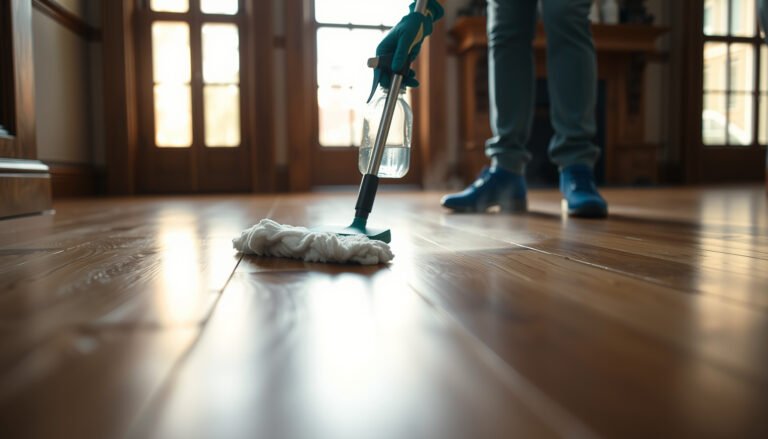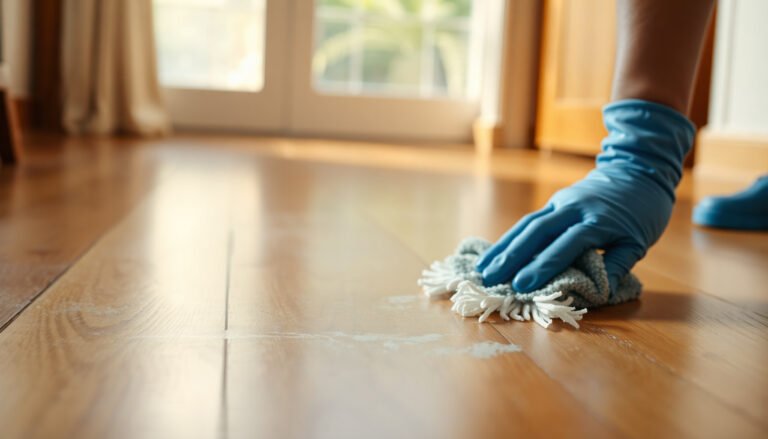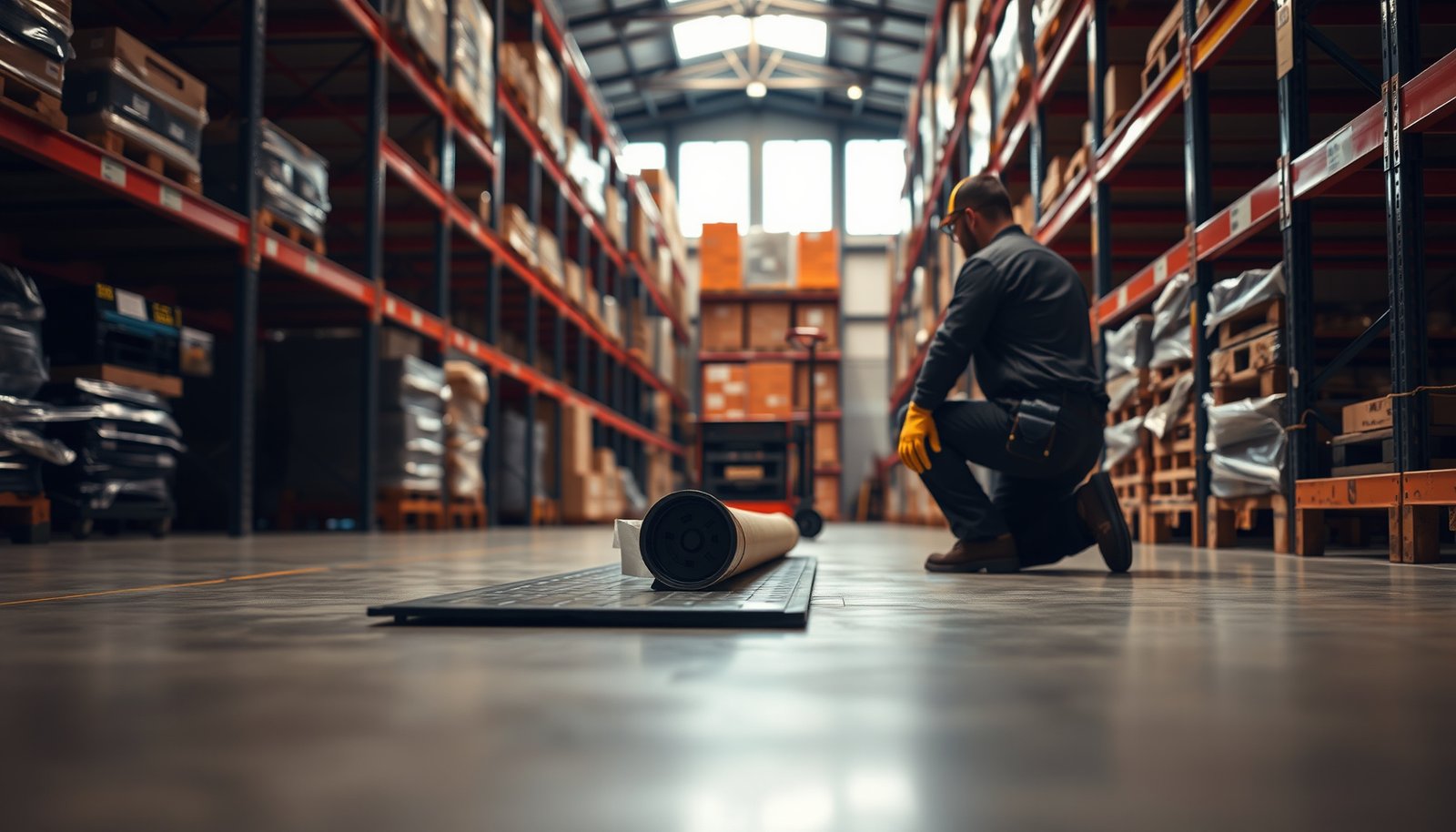

Protecting vinyl floors in a warehouse comes down to the right surface protection: use heavy-duty floor mats at entrances, add protective pads under racking and pallets, and keep wheels and drag marks in check with routine cleaning. If you follow these practical steps consistently, you’ll prevent the most common damage—scratches, dents, and wear from grit and traffic—before it becomes expensive replacement. This guide shows the quickest, highest-impact actions that keep your vinyl flooring looking and performing like new.
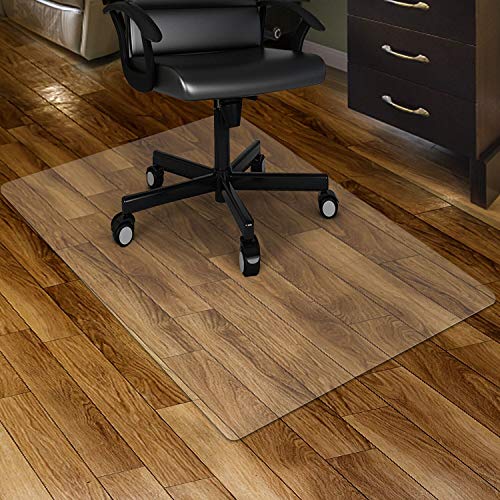

Protecting vinyl warehouse floors comes down to preventing moisture intrusion, minimizing abrasion, and controlling what lands on the surface. The most reliable approach is a layered program: heavy entrance matting, strict spill/moisture handling, manufacturer-approved cleaning, and equipment/caster protection—then inspect seams and transitions regularly so early lifting doesn’t become a failure.
This is for warehouse managers, facilities teams, and contractors responsible for long-running commercial vinyl (sheet vinyl or vinyl tile/LVT) where carts, pallets, forklifts, and frequent cleaning are part of daily operations. If your floor sees heavy rolling loads or frequent wet mopping, the steps below will matter even more.
Start with the right prevention at entrances and high-traffic zones
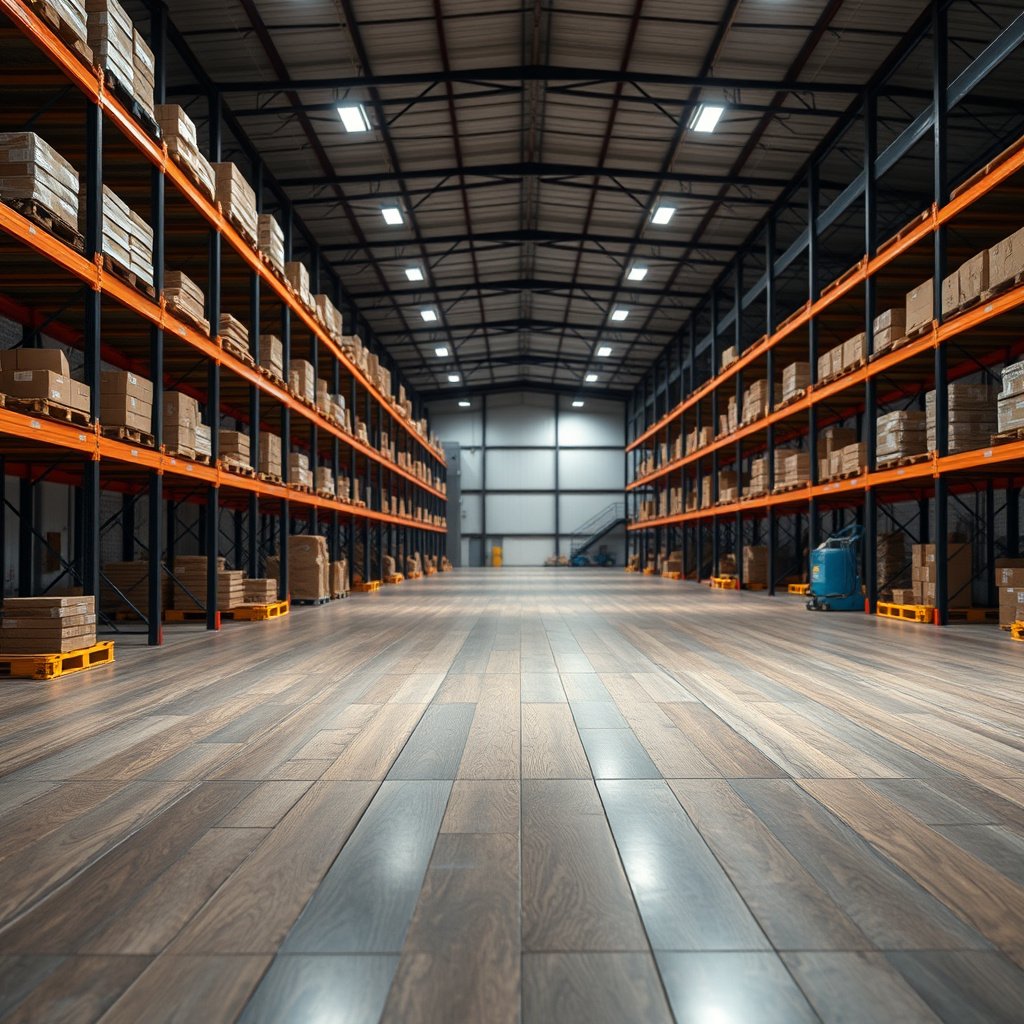
Protect vinyl warehouse floors by stopping grit (sand/gravel) and water before they track inside. In most warehouses, abrasion starts at entrances and spreads outward, so your first upgrades should happen where traffic first touches down.
Entry mat systems are designed to capture abrasive particles before they reach the main traffic lanes on resilient/vinyl floors.
A flat, secure mat reduces “roll-over” behavior that can lift vinyl edges or abrade surface finishes under wheels.
– Put heavy-duty entrance mats or grates at doors to capture grit (sand/gravel) that causes abrasion and dulling.
– Consider additional wear zones where forklifts, dock traffic, and pallet staging happen, so you’re protecting the vinyl where damage is most likely.
– Ensure the matting sits flat and doesn’t create edges that vehicles roll over repeatedly (those edges can lift or abrade coverings).
H3: How to choose matting that actually protects vinyl warehouse floors
For vinyl warehouse floors, prioritize designs that do three things consistently: scrape soil, absorb moisture, and stay flat. For heavy rolling loads, avoid loose runners or mats that curl—those create concentrated impact lines that accelerate wear.
Also coordinate mat layout with your traffic pattern:
– If forklifts cross at one predictable path, place matting only where wheels follow the route (rather than forcing everyone to “step onto” the same boundary line).
– If pallet staging changes by shift, use door-front matting plus “secondary capture” mats where pallets repeatedly enter/exit.
H3: What we look for in audits (so you know what “good” looks like)
When facilities teams reduce tracked debris, vinyl warehouse floors usually show it quickly—dull areas stop expanding and scuff patterns become narrower and easier to clean.
Control moisture, spills, and cleaning chemistry
Protect vinyl warehouse floors by keeping liquids off the surface and ensuring cleaning chemistry matches the vinyl manufacturer’s requirements. Moisture control isn’t only about avoiding puddles—it’s also about preventing water from migrating into seams, edges, and floor transitions.
Moisture management for resilient floors starts with immediate spill response and avoiding oversaturation near edges and transitions.
Cleaning products should be used only as the vinyl manufacturer specifies, because some cleaners can affect finishes and adhesion layers.
– Keep water off the surface: wipe spills immediately, and avoid letting liquids sit in seams, edges, or around floor transitions.
– Use cleaning products that match the vinyl manufacturer’s requirements (some “strong degreasers” or solvent-based cleaners can damage finishes or adhesion layers).
– Use a damp-cleaning approach rather than soaking; if you use a mop, wring it thoroughly and change water frequently to avoid spreading grit.
H3: Damp cleaning vs. wet cleaning—what to standardize for vinyl warehouse floors
The operational goal is simple: remove contaminants without leaving standing water. That means you standardize both technique and chemistry, then train it like a safety process.
| Method | Pros | Cons (watch-outs) |
|---|---|---|
| Damp mopping with manufacturer-approved cleaner | Targets residue without flooding seams | Requires correct dilution and frequent mop changes to avoid grit transfer |
| Wet mopping / oversaturating edges | May look “cleaner” immediately | Can drive moisture into joints/transitions and accelerate edge or seam failure |
| Soaking/allowing detergents to dwell unattended | Can break down heavy grime | Higher risk of finish hazing and moisture migration if not controlled |
H3: Chemical compatibility matters more than people expect
Vinyl warehouse floors are sensitive to the “why” behind cleaning products. Even when a cleaner removes grease, it may also:
– haze the finish layer,
– loosen adhesion at edges,
– or leave residues that attract more dirt and grit.
According to OSHA’s general housekeeping rule for workplaces (29 CFR 1910.22), floors must be kept in a clean and sanitary condition (current regulation text). OSHA 29 CFR 1910.22 This is why your chemical program should be treated like a controlled process, not a grab-bag of janitorial products.
Protect from scratches and scuffs caused by equipment
Protect vinyl warehouse floors by eliminating predictable wheel/caster abrasion and preventing gouges from dragging or misalignment. When you manage rolling contact points (wheels, casters, racks, pallet jacks), you reduce both visible scuffing and the hidden micro-wear that dulls finishes over time.
Non-marking wheels and properly maintained casters reduce scuff marks and surface abrasion on resilient/vinyl floors.
Point-loading from small wheels or damaged casters increases pressure and can accelerate wear around the contact patch.
– Use floor-friendly wheel and caster policies: specify non-marking wheels where possible and repair or replace damaged casters promptly.
– Add felt or protective pads under rolling racks and workstations, and ensure pads are sized/installed correctly to reduce point-loading.
– For forklifts and pallet jacks, verify tire condition and alignment practices per your equipment maintenance program to limit dragging and gouging.
H3: Establish a simple equipment inspection trigger for vinyl warehouse floors
Instead of relying on “someone will notice,” tie inspections to operational triggers:
– After forklift maintenance or tire replacement,
– after any reported “dragging” event,
– and after major workflow changes (new racks, different staging layout).
This keeps vinyl warehouse floors from inheriting damage patterns that continue until someone fixes the equipment—not just the symptoms.
Use floor maintenance routines that match vinyl requirements
Protect vinyl warehouse floors with routines that control grit daily and avoid finish-damaging methods. The goal is predictable removal (dry first, then controlled damp cleaning) followed by chemistry that the vinyl manufacturer explicitly supports.
Regular dry sweeping/spot cleaning removes abrasive debris before it becomes embedded wear on resilient/vinyl surfaces.
Many vinyl floors require manufacturer-approved cleaners; the wrong detergent or pad can dull or haze the finish layer.
– Follow a consistent schedule: regular dry sweeping/spot cleaning to remove abrasive debris, followed by the manufacturer-approved cleaner for damp cleaning.
– If your vinyl has a finish layer that can be renewed, reapply only what the manufacturer specifies—some “wax” or coatings are incompatible with certain vinyl constructions.
– Keep daily cleanup tools vinyl-safe: avoid abrasive scrub pads unless the floor spec explicitly allows them.
H3: What maintenance should look like in a “real” warehouse day
For vinyl warehouse floors, the daily plan usually breaks down into:
1) Dry soil control (sweep/vacuum/spot remove grit that can scratch),
2) Targeted damp cleaning for residue or sticky zones,
3) Fast spill response with wipe-and-dry execution.
As of current warehouse practice, moisture-related floor problems often start where cleaning routines oversaturate edges and transitions. ASTM test standards for concrete moisture reporting use defined units—moisture vapor emission rate is reported as pounds per 1,000 square feet per 24 hours in ASTM F1869, and in-situ relative humidity is reported as % RH in ASTM F2170. ASTM F1869 ASTM F2170 Those testing frameworks reflect why “how much water” matters—not just whether a cleaner “works.”
Warehouse Vinyl Floor Protection Priorities (Built from this article’s failure-mode logic)
| # | Protection control | Damage mechanism | Where it matters most | Priority |
|---|---|---|---|---|
| 1 | Heavy entrance matting (flat + maintained) | Tracked grit abrasion | Main dock/doorways | ★★★★★ |
| 2 | Immediate spill wipe + drying at edges | Moisture intrusion into seams | Loading lanes + transitions | ★★★★★ |
| 3 | Manufacturer-approved cleaner + damp method | Finish haze + residue buildup | Daily cleaning routes | ★★★★☆ |
| 4 | Non-marking wheels + caster policy | Scuffs + micro-scratches | Pick paths + work cells | ★★★★☆ |
| 5 | Protective pads under racks/workstations | Point-loading + denting | Stationary equipment zones | ★★★☆☆ |
| 6 | Impact protection at loading/unloading | Edge lifting from impacts | Dock transitions + corners | ★★★☆☆ |
| 7 | Scheduled seam/edge inspections + fixes | Localized failure spreading | Perimeter + doorways | ★★★☆☆ |
Manage heavy loads and transitions that can stress vinyl seams
Protect vinyl warehouse floors by reducing impact stress and controlling where stresses concentrate—especially at doors, ramps, drains, and floor transitions. Seams fail when the system “moves” (temperature/traffic/impact) and moisture finds a pathway.
Door tracks, ramps, drains, and transitions are frequent failure points because they concentrate both mechanical stress and moisture exposure.
Regular seam and edge inspections catch lifting/bubbling early, when repair is typically simpler than full-area remediation.
– Reduce impacts from loading/unloading: consider bumpers/impact protection and route vehicles to minimize sudden turns or drops of palletized loads.
– Pay extra attention to door tracks, ramps, drains, and transitions—these areas often concentrate stress and allow moisture to creep underneath if not sealed properly.
– Inspect seams, edges, and perimeter areas regularly; early lifting or bubbling is easier to address before it spreads.
H3: Route planning is floor protection for vinyl warehouse floors
If you’re still running “unwritten routes,” you’re letting impact damage happen randomly. A basic route plan can reduce sudden pivoting near transitions and keep forklift traffic aligned with your most durable wear paths.
Also watch how loads are handled:
– Drops during staging often create localized seam stress even if the surface looks intact initially.
– Repeated tight turns near a doorway concentrate pressure and can start edge lifting.
H3: Seal and inspect transitions using the original floor logic
Vinyl warehouse floors often fail where different materials meet (transition strips, sealants, door thresholds). Follow the same assumptions your installation used:
– If your floor relies on specific seam/edge sealing, don’t “improvise” a new maintenance product without checking compatibility.
– If transitions are loose, fix them quickly—movement at transitions is a seam-lifting trigger.
What can go wrong (and when to adjust your plan)
Protect vinyl warehouse floors by avoiding the most common failure patterns: wrong chemicals, oversaturation, bad mat installation, and ignoring early seam problems. When something already looks like failure (lifting, cupping, widespread finish breakdown), maintenance alone may not restore performance.
Wrong cleaning chemicals can dull or haze vinyl finishes and may interfere with floor adhesion layers in resilient floor systems.
Oversaturating edges and seams can cause long-term failure even if the floor looks clean right after mopping.
– Using the wrong cleaner: solvent-based products, certain disinfectants, or abrasive pads can dull the finish, haze the surface, or damage the vinyl—always check manufacturer guidance before switching chemicals.
– Over-wetting during mopping: excessive water can travel to seams/edges and cause long-term failure, especially where floors meet walls or door openings.
– Matting that traps moisture or introduces edges: if mats aren’t maintained or don’t lay flat, they can hold grit, keep the surface wet, or create trip/roll points.
– “Too much polish” or incompatible coatings: adding coatings that aren’t recommended can make future cleaning harder and can reduce surface performance.
– If the vinyl is already failing (lifting, widespread cupping, or seam separation), maintenance alone won’t solve it—at that point, you’ll need repair or replacement.
H3: A practical decision rule—when to escalate beyond maintenance
Vinyl warehouse floors are worth continuing on a protective routine when damage is localized and superficial (surface scuffs, minor dulling, small edge wear). You should escalate when:
– seams show consistent lifting along a line,
– bubbling spreads after cleaning,
– or the floor has widespread changes in flatness (cupping).
At that point, you shift from “protecting the surface” to addressing the underlying failure driver (subfloor moisture imbalance, installation-related issues, or systemic chemical incompatibility).
Verdict / tip: what to do first, and who should skip this approach
If your vinyl floor is still intact, start with the highest-leverage changes: entrance matting + strict moisture control + equipment/caster protection + manufacturer-approved cleaning. That combination prevents most warehouse-wear patterns—tracked grit abrasion, moisture-related seam damage, and equipment scuffs.
Skip a “DIY protection plan” (and instead involve your flooring contractor or the vinyl manufacturer) if you see active seam separation, bubbling, or widespread finish failure. Also pause and verify chemical compatibility if you plan to change cleaning/disinfection products, because vinyl performance can depend heavily on the floor’s specific construction and finish.
Quick checklist to scan and save
– [ ] Entrance matting installed and maintained (flat, secure, no curling edges)
– [ ] Spills cleaned immediately; no soaking around seams/perimeters
– [ ] Cleaning uses manufacturer-approved products and damp (not wet) methods
– [ ] Non-marking/non-damaging wheel and caster policy in place
– [ ] Pads on carts/racks; damaged wheels/casters replaced fast
– [ ] High-impact routes and door transitions protected (bumpers/impact control)
– [ ] Regular inspections of seams, edges, and transitions
Sources
– ASTM F1869 (Standard Test Method for Measuring Moisture Vapor Emission Rate of Concrete Subfloor Using Anhydrous Calcium Chloride)
– ASTM F2170 (Standard Test Method for Determining Relative Humidity in Concrete Floor Slabs Using in situ probes)
– OSHA 29 CFR 1910.22 (General requirements for walking-working surfaces and housekeeping)
The fastest way to protect vinyl warehouse floors is to treat protection as a system—keep grit out at entrances, keep moisture off at seams and transitions, use only approved damp-cleaning methods, and eliminate equipment-induced scuffs before they become permanent wear. When you combine those controls and inspect early warning areas consistently, you extend floor life without relying on risky “quick fixes.”
Frequently Asked Questions
What are the best ways to protect vinyl floors in a warehouse?
Use a combination of physical barriers and good floor maintenance to prevent damage from impact, abrasion, and moisture. Place heavy-duty floor mats or entry mats at dock doors to catch grit and water, and use felt or rubber casters on carts and pallet jacks to reduce scuffing. Keep traffic paths consistent and use protective floor film or wear layers in high-traffic zones for extra vinyl floor protection.
How do I prevent scratching and scuff marks on warehouse vinyl flooring?
Start by controlling debris: use door mats and regular sweeping or vacuuming to remove sand, dust, and small grit that act like sandpaper. Ensure forklift tires and pallet jack wheels are in good condition and use appropriate wheel materials where feasible. For existing scuffs, consider protective floor coatings or replace/patch damaged areas early to stop wear from spreading under the vinyl surface.
How can I protect vinyl warehouse floors from water damage and spills?
Vinyl floors can be sensitive at seams and edges, so focus on spill containment and fast cleanup. Use spill kits and train staff to blot and remove liquids promptly rather than letting water sit, especially near drains, wash areas, or loading bays. If your warehouse has frequent wet cleaning, use compatible cleaning products and avoid excessive water that can seep into joints; also ensure proper floor flatness to prevent pooling.
Which cleaning methods and products are safest for warehouse vinyl floors?
Use a pH-neutral cleaner compatible with vinyl flooring and follow the manufacturer’s dilution and dwell-time instructions. For routine maintenance, dry sweeping or dust mopping followed by a damp mop is usually safer than soaking, which can increase the risk of moisture intrusion. Avoid harsh chemicals, abrasive pads, and steam mops unless explicitly approved for your specific vinyl type, since they can dull the finish and shorten the vinyl floor lifespan.
Why is using floor mats, carts, and traffic control important for vinyl floors in warehouses?
Warehouse traffic concentrates loads and debris where protection matters most, so matting and equipment management prevent premature wear on vinyl floors. Entry mats trap dirt and moisture at doorways, while protective pads and wheels reduce friction and impact during daily handling. Clear traffic lanes and controlled turning points also help limit gouges and scuffing, keeping your warehouse vinyl flooring looking better and lasting longer.
📅 Last Updated: October 26, 2026 | Topic: How to protect vinyl floors in a warehouse? | Content verified for accuracy and freshness.
References
- Vinyl flooring
- https://www.cdc.gov/niosh/topics/slips/
- 1910.22 – General requirements. | Occupational Safety and Health Administration
- https://www.epa.gov/coronavirus/cleaning-and-disinfecting
- https://www.cdc.gov/coronavirus/2019-ncov/community/organizations/cleaning-disinfection.html
- https://scholar.google.com/scholar?q=warehouse+floor+protection+resilient+flooring+maintenance Google Scholar
- https://scholar.google.com/scholar?q=protect+vinyl+flooring+from+industrial+traffic+forklift+damage Google Scholar
- https://scholar.google.com/scholar?q=cleaning+and+disinfection+practices+for+resilient+vinyl+flooring Google Scholar