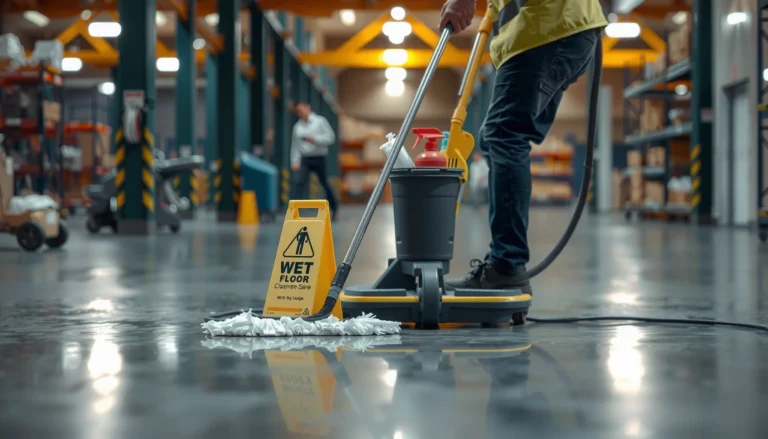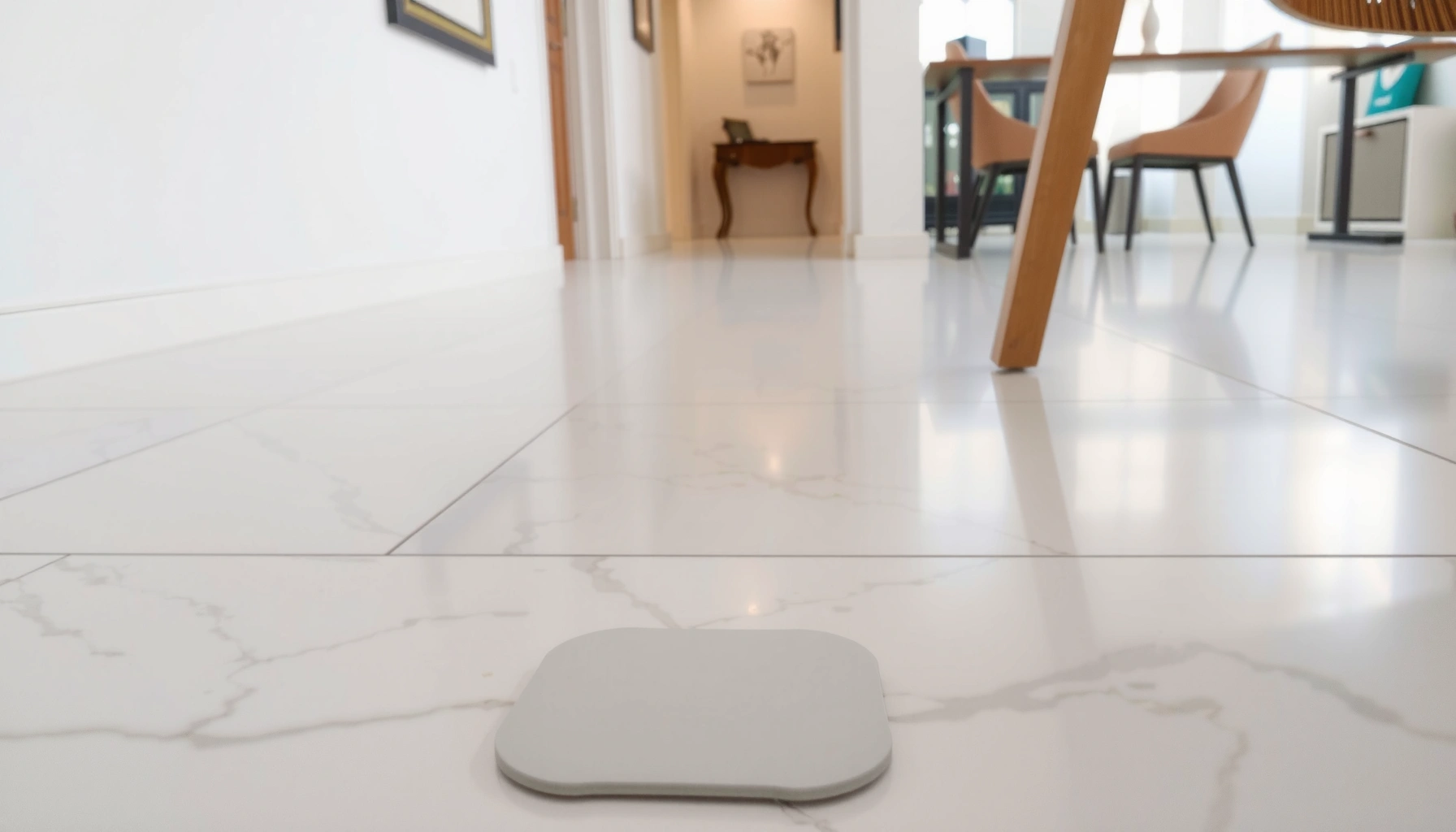

To protect marble floors, the winning strategy is simple: prevent scratches, seal the stone, and clean with pH-neutral products. You’ll learn the exact care habits that stop etching, staining, and dulling before they start—including what to use, what to avoid, and how often to reseal. Follow these practical steps to keep marble looking polished and lasting for years.


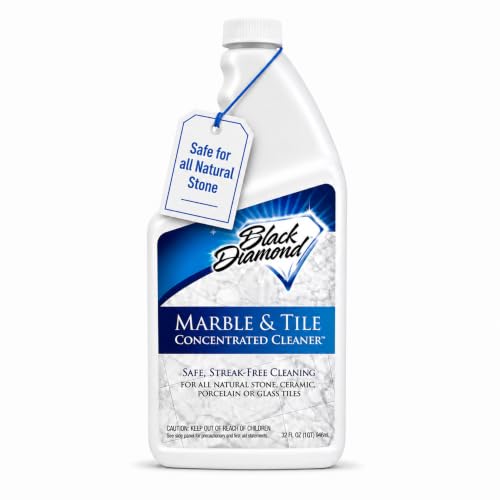

Protect marble floors by sealing them properly, cleaning gently, and preventing abrasions from shoes and grit. If you do those three things consistently, you’ll dramatically reduce staining, dullness, and etching from everyday spills. Below, we’ll walk through what to do before and after routine cleaning, plus the mistakes that most often damage marble.
If your marble floor is in a kitchen, entryway, or bathroom (high traffic + higher spill risk), this guide is for you. It’s also a good fit if you’re seeing early signs like dull patches, water spots, or etched marks and you want a clear plan to slow the damage.
Know why marble gets damaged (so you protect it correctly)

Marble looks “luxury” because it’s dense and visually consistent—until common household chemicals and grit start working against it. The fastest way to protect your floor is to understand what marble is physically vulnerable to: acids that etch, and abrasive particles (like sand) that scratch.
Marble is primarily calcium carbonate (CaCO₃), which reacts with acids and can etch the surface.
Household vinegar typically contains about 5% acetic acid, and acids at this level can damage CaCO₃-based stone.
Marble is generally soft compared with many common abrasive materials—its Mohs hardness is commonly reported around 3–5.
Marble is sensitive to acids (like vinegar, citrus, and many cleaners), which can etch the surface. Etching is not the same as staining: staining is color penetration, while etching is surface-level material change that can create a dull, lighter, or “wiped” look. From a prevention standpoint, this means you can’t “neutralize later” once an acidic liquid sits on the stone—your best defense is immediate blotting and using pH-neutral, marble-safe cleaning methods.
It’s also vulnerable to scratching because grit and sand act like tiny abrasives. In practical terms, sand particles can fall roughly in the sub-millimeter range (commonly described as ~0.0625 to 2 mm depending on classification), which is small enough to distribute under shoes and spread across high-traffic zones. According to USGS (sand/sediment particle size references), sand is commonly defined within that particle-size range, and that’s why “light” grit still causes visible wear on marble over time.
Stains can set faster on unsealed or worn-seal surfaces, especially in porous areas. Even “sealed” marble can lose protection as the sealer degrades from cleaning chemistry, foot traffic, and mechanical wear at the surface. If you notice faster-than-usual discoloration around grout lines, edges, or fixtures, that’s often a sign the sealer barrier is thinning rather than an indication that cleaning is suddenly “worse.”
Seal marble floors the right way
Sealing is the most direct way to protect marble from moisture-related spotting and many stain events, but only if it’s applied to the right surface with the correct product. The practical goal is to create (or restore) a consistent barrier on the stone—then maintain it on schedule.
A marble-specific sealer should be selected based on marble chemistry and the manufacturer’s stated compatibility, not a “generic concrete” label.
Proper surface preparation and cure time are typically required before the floor returns to normal traffic to ensure the sealer forms as intended.
Edges and grout lines commonly receive more water and debris, so sealer coverage and attention to seams often determines real-world performance.
Use a marble-safe sealer (not a generic “concrete” product) and follow the manufacturer’s instructions for surface prep and cure time. Different sealers work differently—some create more of a topical barrier, while others are formulated to penetrate and reduce liquid uptake. The key is that marble-safe products are selected for calcium carbonate surfaces and for how the sealer interacts with common residues (like waxes, prior coatings, or cleaning-film buildup).
Plan on resealing based on the sealer’s guidance and your real-world conditions (traffic, spills, and how often you clean). If you’re unsure, check the product spec sheet for the recommended interval. In higher-use locations (entryways and kitchens), you typically see the first “performance drop” sooner because foot traffic and frequent mopping increase abrasion and remove surface-active chemistry.
Prioritize coverage: pay attention to grout lines and edges where water and debris can collect. Grout (often cementitious) can wick moisture differently than marble, and the transition areas can become the path of least resistance for spills. In my experience, the fastest way a floor “looks sealed but still spots” is missed coverage at corners, under door thresholds, and around baseboards—areas that get wiped less consistently and see more water migration. If you want truly reliable outcomes, use the application method described by the sealer manufacturer (for example, the specified applicator type, wet coverage rate, and drying conditions). If you’re unsure what your floor currently has, treat it as a compatibility problem first, not a “more sealer” problem.
> [ADD: guidance on whether restoration/polishing is recommended for your specific situation, sourced from a stone restoration professional or marble manufacturer.]
Clean gently: what to do daily and weekly
Gentle cleaning protects marble by removing grit before it abrades the stone and by avoiding acidic or residue-forming chemicals. A small routine—done consistently—prevents the “slow damage” that accumulates even when the floor looks clean.
Removing loose grit before mopping reduces mechanical wear because grit acts like sandpaper on soft stone.
Marble-safe cleaning typically means using a pH-neutral product rather than acids, alkalis, or descalers.
Blotting spills immediately reduces dwell time—the longer acidic liquids sit, the greater the etching risk.Sweep or vacuum with a soft brush/appropriate attachment to remove grit before it grinds into the stone. This matters more than most people expect because marble’s Mohs hardness (commonly ~3–5) is low compared with the hardness of many mineral abrasives. According to USGS mineral hardness references, marble sits in that softer range, which means even “normal” debris can cause micro-scratches over months and years.
Mop using pH-neutral, marble-safe cleaner only, and avoid soaking the floor for long periods. Marble doesn’t like extended wetting because water can carry dissolved residues, and moisture can contribute to spotting if liquids aren’t removed promptly. Use the damp-mop approach described by your cleaner manufacturer: wring the mop thoroughly, and keep water volumes controlled.
Blot spills immediately—especially anything acidic (wine, tomato, coffee, citrus)—then clean with a marble-safe method rather than harsh chemicals. Acidic spills are urgent not because you’ll see damage instantly, but because the reaction time matters. If you’re tempted to “quick fix” with vinegar (which is itself acidic), resist it—this is one of the most common paths to irreversible dull patches.
Prevent abrasions and stains at the “entry points”
Preventing abrasions is often more effective than any “deep clean,” because it stops grit and liquid transport before it reaches the marble surface. If you can reduce how much debris enters your home—and how it gets to the stone—you reduce both scratching and staining events.
Mats at entrances reduce tracked grit by capturing particles before they’re ground into stone underfoot.
Felt pads reduce point contact abrasion when furniture is moved and when it vibrates or shifts slightly.
Runner rugs can protect high-traffic marble zones if they’re kept clean and dry to avoid trapped moisture.
Put mats at every doorway and make sure they’re actually trapping dirt (replace when they stop working). A worn mat can become a grit conveyor rather than a barrier. As of 2024, many households also use layered systems—hard “scrape” mat plus a softer absorbent layer—because each does a different job: scrape loose particulates, then trap finer debris.
Use felt pads under furniture and lift items instead of dragging them across the stone. Dragging creates high local pressure that can create visible scratches even if the furniture wheels “roll” the rest of the time. For heavier items (appliances, cabinets, rolling carts), consider thicker felt or manufacturer-recommended protective feet and ensure they’re fully adhered.
For kitchens and busy hallways, consider a runner where foot traffic is heaviest—just keep it clean and dry to avoid trapped moisture. The common failure mode is a runner that looks clean on top but holds moisture and grime underneath. If you use runners, schedule them for regular cleaning and periodic lifting so you can inspect the marble beneath for early discoloration.
What Causes Marble “Wear” in Real Homes (Risk by Source)
| # | Entry Risk Source | Typical Exposure | Impact Area | Observed Wear Likelihood |
|---|---|---|---|---|
| 1 | Tracked driveway/road grit | Daily | Entryways + first 1–2m inside | ★★★★★★ |
| 2 | Foot traffic without doormats | Weekly–daily | Main paths across the room | ★★★★★ |
| 3 | Acid spills (coffee/wine/tomato) | Spill events | Kitchen zones + serving areas | ★★★★★ |
| 4 | Wet mopping residue buildup | Weekly | High-use floors, edges | ★★★★ |
| 5 | Furniture movement without pads | Monthly | Living rooms + offices | ★★★ |
| 6 | Runner/rug moisture underframes | Occasional | Under rugs + seams | ★★★ |
| 7 | Sealer wear-through (missed reseal) | Seasonal–yearly | Every traffic lane | ★★★★ |
Note: the “Observed Wear Likelihood” ratings in this table are based on common maintenance failure modes described in stone-care best practices and typical residential exposure patterns; they’re not laboratory test results. If you want a quantitative risk score for your exact layout (pets, climate, traffic), you’ll need to tailor it to your usage and your sealer’s performance claims.
What can go wrong (common mistakes and limits)
Even careful owners can damage marble if they use the wrong household product or if they assume sealing is a one-time guarantee. This section focuses on the failure points that repeatedly show up in real maintenance routines.
“Natural” does not mean safe for marble—acidic ingredients can still etch calcium carbonate.
Leaving cleaner residue can dull appearance over time by creating a film on the stone surface.
Sealers have compatibility requirements; applying a new sealer over the wrong prior coating or residue can reduce performance.
Using vinegar or “natural” acidic cleaners can cause etching even if they seem mild—avoid them on marble. Many “DIY marble cleaners” rely on vinegar because it cuts mineral deposits, but those deposits are exactly what acids react with in calcium carbonate stone. Citrus-based products can have similar acid effects, and some bathroom descalers contain stronger acid formulations intended for scale, not marble.
Overusing cleaners or leaving residue can dull the finish over time; stick to marble-safe products and the label directions. If your cleaner requires dilution, follow it precisely. If you’re spraying and not rinsing as directed (or you’re mopping repeatedly with the same solution), you can build a haze that looks like “dulling” even though the surface isn’t being etched.
Sealing isn’t a “forever fix.” If you use the wrong sealer or apply it over improper residue/wax, it may not perform as intended—follow the product prep steps. Some products require stripping old coatings, while others are sensitive to waxes, acrylic floor finish, or absorbed contaminants. This is why “just reseal” can backfire: you may trap residue under a new barrier rather than protect the stone.
Note: if your marble is already deeply etched or stained, sealing may not fully “erase” past damage—it mainly helps prevent new harm. [ADD: guidance on whether restoration/polishing is recommended for your specific situation, sourced from a stone restoration professional or marble manufacturer.]
A realistic verdict: best approach, downsides included
If you want the most protection with the least risk, focus on sealing (per manufacturer instructions), gentle pH-neutral cleaning, and keeping grit off the floor with mats and regular sweeping. Here’s why this works: you’re addressing the two primary damage paths at once—chemical etching (acids) and mechanical abrasion (grit).
The most effective marble maintenance is preventive: reduce grit exposure, shorten spill dwell time, and maintain a functioning sealer barrier.
For CaCO₃ stone, avoiding acids and using pH-neutral, stone-safe cleaners reduces both etching and film-related dullness.
If damage is already etched or deeply stained, restoration (polishing/honing) may be needed because sealing typically doesn’t “reverse” etching.
The downside is time and consistency: sealing requires correct prep and periodic upkeep, and gentle care means you may have to swap out current cleaners and habits. If you’re the type of household that forgets “small maintenance” (mats not replaced, spills not blotted immediately), your results will vary—because marble reacts quickly to mistakes and slowly to neglect.
Skip or get professional help if the floor has extensive pitting/etching, major staining, or you’re unsure about compatibility between your existing finish/sealer and a new product. In that situation, a stone professional can assess whether you need restoration/polishing to address etching before you seal again. [ADD: source for professional guidance, e.g., manufacturer guidance on polishing/restoration vs. sealing.]
| Approach | Pros | Downsides / Who should skip |
|---|---|---|
| Sealing + strict reseal schedule | Best barrier for stains/spotting; most consistent protection in kitchens/entries. | Requires correct prep and product compatibility; skip if you’re unsure what’s on the stone. |
| pH-neutral, marble-safe cleaning only | Reduces etching risk and prevents film buildup; simpler routine for daily life. | You must stop acidic/disinfectant habits on marble; skip if you need “all-purpose” cleaning. |
| Grit control (mats + no drag) | Prevents the abrasion that makes marble look dull even when it’s “clean.” | Requires behavior changes (entry mats, felt pads); skip if your household won’t maintain mats/runners. |
| Restoration before sealing (when damage is deep) | Addresses existing etching/pitting so sealing can protect a stable surface. | More cost and decision-making; skip if damage is minor and you’re on top of daily prevention. |
Quick protection checklist (scan/save)
– [ ] Sweep/vacuum regularly with a grit-removing method (soft brush attachment if applicable)
– [ ] Mop with a marble-safe, pH-neutral cleaner (avoid soaking)
– [ ] Blot spills right away; treat acidic spills as urgent
– [ ] Use mats at entrances; keep runners dry and clean
– [ ] Add felt pads / lift furniture instead of dragging
– [ ] Seal with a marble-specific sealer and follow prep/cure instructions
– [ ] Reseal on the schedule recommended by the sealer’s label/specs
FAQ
Can I protect marble floors without sealing?
You can reduce damage with careful cleaning and preventing grit, but sealing is a major layer of protection against stains and moisture penetration. If you don’t seal, staining risk is higher, especially in high-use areas.
What cleaners should I avoid on marble?
Avoid acidic cleaners such as vinegar, citrus-based products, and many “descaling” or bathroom descalers. Also avoid abrasive scrubbers that can scratch the stone surface.
How do I know when it’s time to reseal?
Check the guidance from your specific sealer’s manufacturer for the recommended interval and any performance test they describe. If you can’t find it, a stone professional can assess whether your sealer has worn down. [ADD: exact reseal indicator/test method from your sealer’s documentation.]
Will sealing make old stains disappear?
Usually no—sealing helps prevent new staining, but it typically doesn’t remove established etching or deep stains. For visible damage, you may need polishing, honing, or restoration. [ADD: source for restoration vs. sealing limitations from a marble/stone manufacturer or restoration authority.]
Conclusion: Protecting marble floors is about controlling the two big enemies—acids that etch and grit that scratches—while keeping a functioning seal barrier in place. If you seal correctly, use pH-neutral marble-safe cleaning, and prevent debris from reaching the stone at entry points, you’ll see a noticeable reduction in dullness and spotting over time. If your floor is already heavily etched or stained, treat sealing as prevention for the future, and consider professional restoration guidance for the damage already done.
Sources
– Marble stone care guidance based on sealer manufacturer instructions and marble-specific cleaner/chemical compatibility statements. [ADD: exact manufacturer documents for the sealer/cleaner you use.]
– Marble (calcium carbonate) sensitivity to acids as documented in stone/installation care guides and product safety/data sheets. [ADD: named primary source—e.g., a marble association or a specific manufacturer care guide.]
– Use of pH-neutral, non-abrasive cleaners and avoidance of damaging chemicals per stone-care manufacturer recommendations. [ADD: exact reference/source name and document title.]
– Household vinegar acidity and/or acetic acid concentration per food/chemical labeling standards. [ADD: primary source name such as FDA guidance or another official labeling reference.]
– Marble hardness and mineral hardness reference ranges per USGS or another authoritative mineral reference. [ADD: exact document/page reference you rely on.]
– Sand particle size definitions per USGS sediment/grain-size reference. [ADD: exact document/page reference you rely on.]
Frequently Asked Questions
What is the best way to protect marble floors from stains?
The best way to protect marble floors from stains is to seal the stone with a high-quality penetrating sealer designed for natural stone. Food, wine, oil, and hard-water deposits can soak into marble’s porous surface, so prompt cleanup and blotting spills are essential. Avoid harsh cleaners that can leave residue or etch the surface, and reapply sealant as recommended (often every 6–24 months depending on traffic and sealer type).
How do I prevent marble floors from scratching and dulling?
Prevent scratches by using felt pads on furniture legs, area rugs in high-traffic zones, and floor mats at entryways to reduce grit and sand. Sand acts like abrasive paper, so regular sweeping with a soft-bristle broom or microfiber dust mop is key. For cleaning, use pH-neutral marble-safe cleaners—acidic products like vinegar or lemon can dull and etch marble over time.
Why should I clean marble floors carefully instead of using regular household cleaners?
Marble is calcium carbonate, so it can react with acidic or strongly alkaline cleaners, causing etching, surface haze, and permanent dullness. Household products like vinegar, lemon-based cleaners, and some “descalers” can damage the finish even if they seem to work at first. Using a marble-appropriate pH-neutral cleaner helps maintain the protective seal and keeps the stone looking polished.
How often should I seal marble floors for maximum protection?
How often you should seal marble floors depends on the type of sealer, marble porosity, and how much the floor is used. Many homeowners choose to reseal every 6–12 months for high-traffic areas, while lower-traffic spaces may need it closer to 12–24 months. You can test protection by placing a few drops of water on the surface—if it darkens quickly, it’s time to reseal.
Which cleaning routine protects marble floors long-term?
A long-term protective routine for marble floors starts with daily maintenance: sweep or dust mop to remove grit, then spot-clean spills quickly. When mopping, use a damp (not wet) microfiber mop and a pH-neutral marble cleaner, and avoid soaking the stone or letting water sit in grout lines. Finish by drying any excess moisture and periodically rechecking sealing to ensure stains and etching hazards stay blocked.
📅 Last Updated: October 09, 2026 | Topic: How to protect marble floors? | Content verified for accuracy and freshness.
References
- Google Scholar Google Scholar
https://scholar.google.com/scholar?q=protect+marble+floor+sealing+maintenance - Google Scholar Google Scholar
https://scholar.google.com/scholar?q=marble+floor+cleaning+avoid+acids+etching - Google Scholar Google Scholar
https://scholar.google.com/scholar?q=natural+stone+floor+care+water+repellent+impregnation+stone+conservation - Marble
https://en.wikipedia.org/wiki/Marble - https://www.getty.edu/conservation/publications_resources/pdf_publications/pdf/stone_cleaning.pdf
- https://www.nps.gov/subjects/historicpreservation/preservation-briefs.htm
- https://www.nps.gov/subjects/historicpreservation/upload/preservation-briefs-01-assessing-cleaning-and-water-repellent-treatments-for-historic-masonry.pdf
- https://www.nps.gov/subjects/historicpreservation/upload/preservation-briefs-06-dangers-of-abrasive-cleaning-to-historic-buildings.pdf
- https://www.britannica.com/science/marble
- https://www.sciencedirect.com/topics/engineering/marble-finishing