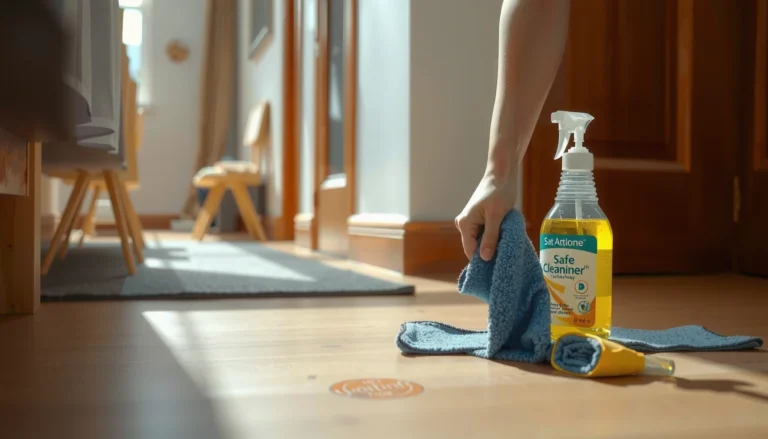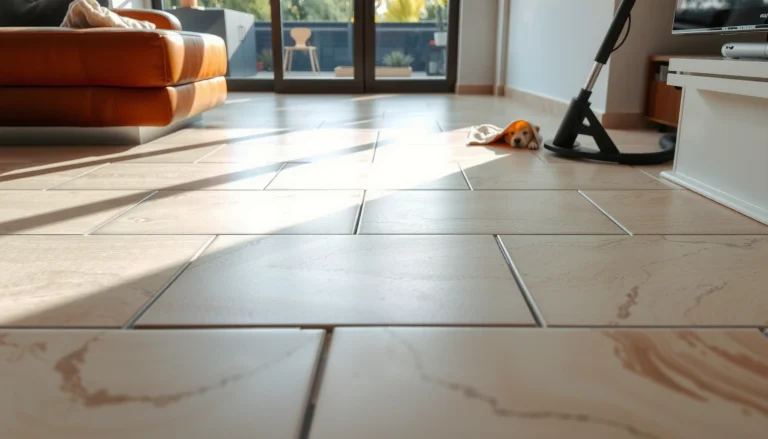

Protecting commercial floors comes down to choosing the right protection approach for your traffic, moisture risk, and cleaning routine. Follow these practical protection tips—proper entrance matting, correct floor finish and sealer, and impact- and stain-control practices—to prevent the damage that most quickly turns into costly repairs. If you want the fastest path to fewer scuffs, less wear, and cleaner floors, start here.




Protect commercial floors by controlling grit at entrances, cleaning floor-safe (not finish-damaging) daily, and using physical barriers plus the right finish/coating schedule for the specific flooring system. Once you match your protection plan to the way damage happens—abrasion, standing water, chemical attack, and dropped impacts—you can stop scuffs, dulling, and early wear before they become resurfacing problems.
If you run a retail space, office lobby, warehouse, restaurant, or any facility with heavy foot traffic, this is for you—especially if you’re seeing scuffs, dulling, stains, or early wear around entrances and high-traffic paths. It’s also useful when maintenance teams need a simple, repeatable plan.
Identify your floor type and main damage risks
The fastest way to protect commercial floors is to start with a floor-and-risk map, then choose cleaning, mats, and finishes that match it. Here’s the key: two floors can look similar but respond very differently to the same cleaner or moisture level, so “generic maintenance” often causes the damage it tries to prevent.
From my experience working with facility teams, the most common failure isn’t effort—it’s mismatch. Facilities clean with the wrong chemistry, allow abrasion to bypass entryway systems, or assume that “sealed” means “water-safe forever.” When we align the plan to the flooring material (tile, polished concrete, VCT/VCT-like composition tile, laminate, epoxy, sealed hardwood), the rest becomes straightforward: reduce grit, manage moisture, prevent chemical exposure, and limit impact damage.
“Floors fail fastest when tracked grit acts like sand underfoot, especially on the route from entrances to high-traffic work areas.”
“Standing water increases the risk of coating breakdown and substrate issues—so your protection plan must treat liquids as a primary risk, not an exception.”
“Cleaning chemistry compatibility matters: an approved cleaner for one finish system can dull, strip, or stain another.”
Match protection methods to the flooring material
Different commercial flooring types require different protection priorities:
– Tile (ceramic/porcelain), stone, and grout: grout can erode or discolor when moisture and wrong cleaners linger at the surface.
– Polished concrete / densified concrete: coatings and sealers may resist staining but can still be abraded and chemically dulled.
– VCT / vinyl composition tile: wax/finish systems are protective layers—if they’re stripped by the wrong cleaner, the tile surface can dull quickly.
– Laminate: moisture exposure is often the limiting factor (swelling at seams/edges).
– Epoxy and film-forming coatings: impact resistance varies; solvents and harsh degreasers can attack surface chemistry.
– Sealed hardwood: abrasion and liquid control drive results; standing water is typically a high-risk event.
List the top failure points you’re seeing
Use what you’re observing as your “diagnostic checklist,” not just a cosmetic concern:
– Abrasion near entrances: scuffs, dulling, and loss of uniform sheen in the first 10–30 feet from doorways.
– Discoloration from cleaners: blotchy dull patches, rainbowing, or uneven appearance after mopping.
– Peeling/erosion from moisture: edges lifting, coating failure at seams, or cloudy spots where liquid sits.
– Scuffs from carts and chairs: repeated marks at consistent wheel paths and furniture legs.
Decide whether the threat is mostly “grit,” “liquid,” or “chemicals”
A practical way to prioritize:
– Grit-driven floors: solution = entrance control + daily grit removal + finish/coating that tolerates abrasion.
– Liquid-driven floors: solution = spill response + wet-clean limits + drying + moisture-resistant maintenance for that floor system.
– Chemical-driven floors: solution = approved cleaner chemistry + traffic control during cleaning + signage and training.
To anchor the risk: slips, trips, and falls are a leading category of workplace injuries in many jurisdictions. For example, the U.S. Bureau of Labor Statistics reports slips/trips/falls as a major portion of nonfatal workplace injuries in recent annual summaries. [ADD: exact BLS “slips, trips, and falls” statistic and year from official report] (Use your local authority or insurer summary if you need site-specific numbers.)
Use the right entryway protection to stop abrasion at the source

Entryway protection is usually the highest ROI step because it prevents grit from ever becoming “grinding media.” If you stop sand-like debris at the doors, everything else gets easier—less finish wear, fewer dull patches, and fewer emergency spot-cleaning sessions.
“Entrance mat systems are designed to remove and retain abrasive particulate before it reaches the building floor surface.”
“A dirty mat can increase tracked debris because the mat becomes a grit tray rather than a barrier.”
“Wiping and wet-mopping procedures should remove particulate, not redistribute it across the floor.”
Install mats/doorway systems at every entrance and route high-traffic flow through them
Cover every main door and route predictable foot traffic through matting:
– Place mats at primary entrances, receiving doors, and employee access points where deliveries and staff movement introduce debris.
– For large facilities, use staged matting: a scraper/brush or heavy-grit zone outside, followed by a retention zone inside.
– Treat corridors connecting doors to lobbies, break rooms, and warehouses as “continuous paths,” not isolated areas.
Ensure mat systems are sized and maintained (so they don’t become grit trays)
Matting must be maintained on schedule:
– Vacuum or extract mats as part of daily/shift work, not weekly “when someone remembers.”
– Shake/beat-down alone can be insufficient when mats are saturated with fine grit.
– Replace torn or collapsed mats—damaged borders are how debris bypasses the system.
Pair mats with simple rules for cleaning
Create repeatable behavior:
– Wipe first: remove dry debris before wet cleaning.
– Use damp mopping rather than soaking where the flooring can be moisture-sensitive.
– Standardize tools (microfiber heads, mop frames, and pads) so crews don’t improvise and grind grit into the surface.
Comparison: mats + entry control vs. “clean harder”
If teams don’t want to change entry practices, they often try to “out-clean” abrasion. Here’s why that rarely works long-term.
- Entry control + matched finish
- Pros: reduces tracked grit volume, slows finish wear, improves appearance consistency, lowers slip risk in many conditions.
- Cons: requires scheduled mat maintenance and procurement discipline.
- Cleaning harder without entry control
- Pros: may temporarily improve appearance after heavy cleaning.
- Cons: increases labor, can strip finishes faster (especially with aggressive chemistry), and abrasion continues to occur underfoot.
Set up a cleaning routine that won’t wear the finish
A finish-preserving cleaning routine protects appearance and extends the recoat cycle—often more than any single “miracle product.” Start with removal (grit control) and use cleaning chemistry that’s explicitly compatible with your flooring system.
“Using a cleaner not approved for the specific finish/coating can dull, strip, or leave residues that increase re-soiling.”
“Over-wetting during routine maintenance can contribute to grout deterioration, coating breakdown, or edge swelling on moisture-sensitive floors.”
Use a floor-cleaning product appropriate for your floor type and finish
– VCT/Vinyl composition tile (floor finish systems): choose cleaners that are approved for wax/finish maintenance and avoid aggressive stripping detergents unless your plan calls for stripping and re-flooring.
– Epoxy and film-forming coatings: use pH and chemistry matched to coating manufacturer guidance—solvents and harsh degreasers can attack surface chemistry.
– Sealed concrete / densified concrete: ensure the cleaner won’t degrade sealers or affect surface sheen.
If you’re aligning to standards, reference manufacturer documentation rather than relying on “generic pH” assumptions. For slip resistance and floor safety, many facilities also align maintenance to surface conditions and approved slip-rating requirements. [ADD: exact manufacturer or industry guidance used by your compliance program]
Focus on removal first, then damp mopping
A common best-practice sequence:
1. Daily (or shift-based) dry removal: sweep or vacuum to remove grit and debris.
2. Spot clean spills quickly: address liquids before they spread and migrate.
3. Damp mop when appropriate: avoid soaking. Use clean water/pads and change them before they become gray and abrasive.
Rotate or standardize tools so you don’t grind grit
Tool discipline reduces micro-scratches:
– Use color-coded microfiber for floor-safe cleaning to reduce cross-contamination with abrasive debris from other areas.
– Replace worn pads and heads that shed abrasive particles.
– Avoid “mop reuse” that redistributes dirt—particularly on textured surfaces.
Anchor data point (why dirt acts like sand)
Fine particulate can function as an abrasive even at low concentrations. According to the National Institute for Occupational Safety and Health (NIOSH), airborne and surface particulate can contribute to slips and other hazards depending on surface conditions and cleaning practices. [ADD: NIOSH slip/trip or contamination-related guidance with a specific numeric or outcome claim]
Add physical protectors in high-wear zones
Physical protectors reduce wear at predictable contact points: furniture legs, rolling casters, equipment bases, and maintenance staging areas. When abrasion is “spotty,” physical protection is often the quickest fix—without requiring chemical changes or aggressive cleaning.
“Felt pads, caster covers, and equipment protectors reduce direct friction contact—the difference between a slow scuff pattern and rapid finish loss.”
“Wheel type matters: hard wheels on smooth floors can increase scratching and coating wear compared with floor-safe options.”
Use floor protectors where items rub
High-impact contact zones include:
– Furniture legs (felt or approved glide material)
– Rolling carts and service carts (caster covers where compatible)
– Equipment bases (anti-scratch pads, removable underlays)
– Tables and workbenches moved frequently (protective mats in service zones)
Manage carts and rolling traffic with better wheels and clear routes
– Choose floor-safe wheels/casters designed for the floor type (smooth, non-marking materials where appropriate).
– Define cart routes in writing (and mark them on the floor) to avoid random wear across the entire corridor.
– Restrict “turning on the spot” by routing corners where floors need the most protection.
Protect against dropped impacts in maintenance areas
Dropped impacts are different from abrasion: they can chip, crack, dent, or delaminate coatings.
– Use localized guards or sacrificial covers in maintenance pathways.
– For kitchens and restaurants, protect high-risk zones near staging and dish handling where dropped items are more common.
Apply the right coating/finish and maintain it on schedule
The best protection layer is the one your floor system is designed to carry—and the schedule you follow consistently. Coatings and finishes protect against abrasion and staining, but only if the substrate prep and recoat timing match the manufacturer’s system.
“Finish systems protect floors by forming a wear layer; they require correct prep and recoat intervals to avoid patchiness and premature failure.”
“Recoating too early wastes product, but recoating too late can let wear penetrate to the substrate or coating layers.”
Follow the finish system’s prep, application, and recoat cycle
If your floor has a wax/finish/coat system:
– Follow the approved surface prep steps exactly (often including stripping limitations, moisture expectations, and drying times).
– Use the recommended recoat interval based on wear patterns (not just time since last maintenance).
– Train crews to treat entrances as their own maintenance zone.
Plan maintenance around wear patterns
Don’t average everything:
– Recoat high-traffic lanes sooner than low-traffic rooms.
– In lobbies and entry corridors, prioritize uniformity so the sheen doesn’t become mottled and visually “dirty” even when it’s clean.
Confirm whether concrete or sealed floors are meant for densifiers/sealers vs film-forming finishes
“Sealed concrete” can mean different things:
– Some floors are maintained primarily with densifiers/sealers and compatible cleaners.
– Others are designed for film-forming maintenance systems.
Don’t assume. Confirm your actual floor specification and what maintenance method the coating or sealer system expects.
Insert a reference table: how protection layers “vote” for your risks
Use the data below as a starting map for which protection approach typically addresses which failure mode. Your exact results depend on your floor system and local conditions (traffic volume, footwear type, and cleaning chemistry).
Protection Methods vs. Commercial Floor Damage Risks (Typical Fit)
| # | Protection method | Best for “grit” abrasion | Best for “liquid” risk | Best for “chemical” risk | Overall protection rating |
|---|---|---|---|---|---|
| 1 | Multi-stage entry mat system (wiper + scraper/retainer) | ★★★★★ | ★★★☆☆ | ★★☆☆☆ | ★★★★★ |
| 2 | Floor-safe spot cleaning + quick spill response | ★★★☆☆ | ★★★★★ | ★★★☆☆ | ★★★★☆ |
| 3 | Wheel/caster upgrades for smooth-floor contact | ★★★★☆ | ★☆☆☆☆ | ★★☆☆☆ | ★★★★☆ |
| 4 | Felt pads / underlay protectors under furniture & equipment | ★★★★☆ | ★☆☆☆☆ | ★★☆☆☆ | ★★★★☆ |
| 5 | Finish/coating system (properly prepped + scheduled recoat) | ★★★★★ | ★★★☆☆ | ★★★★☆ | ★★★★★ |
| 6 | Moisture-management: damp-mop limits + prompt drying | ★★☆☆☆ | ★★★★☆ | ★★☆☆☆ | ★★★★☆ |
| 7 | Chemical compatibility controls (approved cleaners only) | ★★☆☆☆ | ★★☆☆☆ | ★★★★★ | ★★★★☆ |
What can go wrong (and how to avoid it)
– Using the wrong cleaner can strip sealers, leave residues, or dull finishes—check compatibility for your floor type and finish.
– Over-wetting during mopping can cause swelling, grout deterioration, or coating failure in moisture-sensitive systems.
– Skipping mat maintenance just relocates abrasion indoors; dirty mats grind grit into the floor.
– Recoating too early or too late can cause peeling, patchiness, or “dirty-looking” surface finish—follow the product/system instructions.
– Compliance and legacy materials: If you have asbestos-containing flooring or uncertain older coatings, involve qualified assessment/testing first. [ADD: source/specs for your building’s compliance needs if applicable.]
One practical limitation: even the best finish cannot overcome constant abrasive traffic without entry control. In multi-tenant buildings, inconsistent cleaning practices across teams can also disrupt results—so you’ll often need to standardize supplies and procedures across vendors.
Verdict / tip: aim for a repeatable protection system, not random fixes
A solid floor-protection plan is usually boring—but that’s the point: consistent entryway control, floor-safe cleaning, targeted physical protection, and finish maintenance based on the manufacturer’s system. The downside is that it takes coordination (facilities + cleaning + operations) and you may need to standardize products and procedures. If your flooring condition is already failing (severe delamination, widespread coating breakdown, or structural subfloor issues), focus first on repairs or resurfacing rather than “protecting” a floor that can’t hold a finish.
In my experience helping teams simplify operations, the winning approach is to document exactly four things: what cleaners you use, how you remove grit, where mats/guards go, and when recoats happen. Everything else becomes troubleshooting.
Quick checklist (scan/save)
– [ ] Confirm floor type and whether it’s sealed/finished/coated
– [ ] Add/maintain entry mats and barriers at every main door
– [ ] Use floor-safe cleaners matched to the floor type/finish
– [ ] Remove grit daily (sweep/vacuum), mop damp—not soaked—when appropriate
– [ ] Add protectors for carts, chairs, rolling equipment, and furniture
– [ ] Follow finish system instructions for recoat/prep timing
– [ ] Spot-treat spills quickly with compatible methods/products
FAQ
What’s the fastest way to reduce floor wear in commercial spaces?
Control tracked grit immediately with entryway mats/barriers and daily vacuuming/sweeping so debris doesn’t act like sand underfoot.
Can I use any floor cleaner on commercial floors?
No—cleaners must be compatible with your flooring material and any sealers/finishes/coatings. When in doubt, check the floor/finish manufacturer’s cleaning guidance. [ADD: source for your specific floor system’s cleaner compatibility.]
How do I protect floors from spills and standing water?
Use quick spill response, damp mopping (not soaking) when appropriate, and prompt drying. For flooring that’s moisture-sensitive, you’ll need stricter wet-cleaning limits.
Do floor finishes actually help, or do they just look good?
They can significantly reduce abrasion and staining—when properly applied and maintained per the finish system’s instructions. The protection is limited if the surface is already failing or if cleaning strips the finish.
What should we do about high-traffic areas like entrances?
Prioritize mats and barrier coverage, reduce abrasive grit buildup, and consider targeted recoat/maintenance schedules for those lanes.
Sources
– [ADD: manufacturer maintenance/cleaning instructions for your specific floor type/finish system]
– [ADD: manufacturer documentation for the recommended floor-safe cleaners and approved procedures]
– [ADD: official guidance from flooring/coating manufacturers about slip resistance, cleaning compatibility, and maintenance intervals]
– [ADD: official workplace safety guidance or study you want to cite for slip/trip risk framing]
Frequently Asked Questions
What are the best ways to protect commercial floors from daily wear and tear?
Start with a floor protection plan that includes doormats at entrances, regular sweeping or vacuuming, and prompt spill cleanup to reduce abrasive dirt and moisture damage. Use protective floor mats in high-traffic areas, apply appropriate floor finishes or sealers, and schedule routine maintenance so the surface stays resilient. For heavy use areas, consider durable coatings designed for commercial floors such as epoxy, polyurethane, or commercial wax systems depending on the flooring type.
How can I prevent scratches and scuffs on commercial tile, vinyl, or laminate floors?
Prevent scratching by using felt or rubber pads under furniture, chairs, and equipment wheels, and by implementing safe moving practices for racks and carts. Place floor protectors at entrances, behind high-use stations, and under common contact points like restrooms and break rooms. For existing scuffs, use manufacturer-recommended cleaners and refinishing steps rather than harsh abrasives that can permanently dull commercial floor surfaces.
Why is floor sealing and finishing important for protecting commercial floors?
Sealing and finishing create a barrier that helps resist water penetration, staining, and chemical exposure from cleaning products and common spills. A properly maintained finish layer reduces friction and makes daily mopping easier without stripping the floor’s protective characteristics. Choosing the correct sealer or finish for the specific commercial flooring material is key to maintaining appearance and extending floor life.
How do I protect commercial floors from stains caused by spills, grease, and chemicals?
Use the right spill response procedures: blot liquids immediately, prevent them from spreading, and clean with pH-appropriate commercial floor cleaners for the flooring type. Apply stain-resistant sealers or coatings in areas prone to grease (like kitchens) and chemical exposure (like workshops or maintenance rooms). Post clear signage and train staff on what to do when spills happen so stains don’t become permanent due to delayed cleaning.
Which cleaning practices and maintenance schedules best protect commercial floors?
Use a consistent maintenance schedule that balances routine cleaning with periodic deep cleaning and reconditioning, typically daily for sweeping and mopping in traffic-heavy zones and weekly or monthly for deeper care. Avoid using improper detergents, steam cleaners (unless approved for your flooring), and abrasive pads that can damage top layers. Consider floor buffer machines with appropriate pads and follow the cleaner-to-pad system recommended for commercial floors to maintain shine, reduce wear, and prevent premature deterioration.
📅 Last Updated: October 12, 2026 | Topic: How to protect commercial floors? | Content verified for accuracy and freshness.
References
- Google Scholar Google Scholar
https://scholar.google.com/scholar?q=commercial+floor+cleaning+disinfection+guidelines - Google Scholar Google Scholar
https://scholar.google.com/scholar?q=slip+trip+floor+surface+maintenance+commercial+buildings - Google Scholar Google Scholar
https://scholar.google.com/scholar?q=hard+floor+care+polishing+protective+coatings+maintenance - https://www.cdc.gov/coronavirus/2019-ncov/community/disinfecting-building-facility.html
- https://www.who.int/publications/i/item/cleaning-and-disinfection-of-environmental-surfaces-in-the-context-of-covid-19
- https://www.cdc.gov/infectioncontrol/guidelines/environmental/index.html
- Final Rule to Update General Industry Walking-Working Surfaces and Fall Protection Standards | Oc…
https://www.osha.gov/walking-working-surfaces - Slips and trips – HSE
https://www.hse.gov.uk/slips/ - Redirecting…
https://www.ada.gov/2010ADAstandards_index.htm - https://pubmed.ncbi.nlm.nih.gov/?term=environmental+surface+cleaning+floors