
Prevent slipping on sheet vinyl floors by focusing on the causes—poor adhesion, dirty buildup, and the wrong cleaning routine—and applying the fixes that actually work. You’ll get practical, step-by-step tips for choosing the right cleaner, improving surface traction, and keeping the floor dry so shoes stay planted. If you want fewer slips on sheet vinyl, this is the quickest path to safer walking under real everyday conditions.
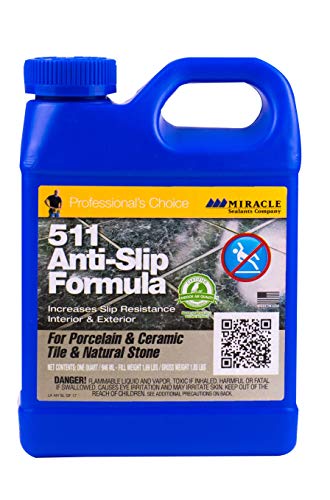



Sheet vinyl doesn’t have to feel slick—most slip problems come from leftover cleaning residue (especially wax/polish “shine”), too much moisture during mopping, or fine dust that creates a thin slippery film. The most reliable fix is to keep the floor dry, switch to a vinyl-safe non-waxy cleaner, and add traction with mats/rugs that are compatible with resilient flooring.
If your sheet vinyl feels slick after mopping, gets worse in wet entryways, or creates safety concerns for kids, seniors, or anyone with mobility issues, these steps are for you. Some tactics depend on how your vinyl is finished (factory finish vs. wear layer), so we’ll focus on approaches that are broadly safe and easy to apply.
Start with the slip causes: moisture, residue, and dust
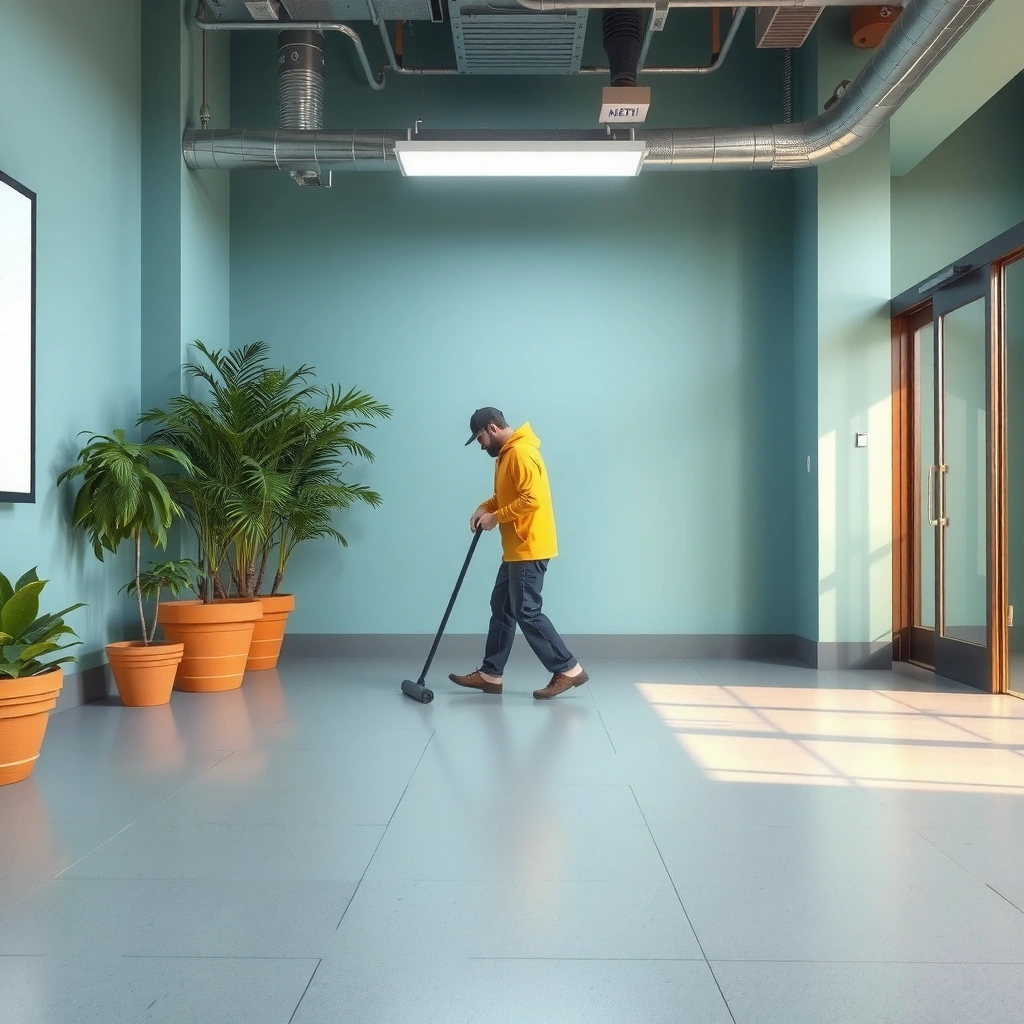
Slips usually happen when sheet vinyl loses “grip” because water, grime, or a residue film changes surface traction. Your goal is to identify which of the three culprits is most active in your space and fix it at the source—before you escalate cleaning.
“Wet surfaces are a primary slip driver; tracked-in water in entryways spreads across resilient flooring and reduces traction.”
“Non-slip performance on resilient floors can be undermined by wax/polish film that looks clean but stays slick.”
“Dry dust and grit can behave like a lubricant when combined with foot traffic, so quick removal matters even when spills are rare.”
Here’s what typically causes sheet vinyl to feel slick:
– Wet entry traffic (tracked-in water) is one of the fastest ways to make vinyl unsafe. In real homes and facilities, this often shows up near doors, hallways, and laundry/kitchen walk paths. If water is pooling or staying “damp” for hours, the slip risk climbs quickly—especially on glossy finishes.
– Residue from “floor polish,” waxes, or some all-purpose cleaners can build up over time. Even when residue is invisible, it can create a thin film that reduces coefficient of friction (COF), the surface’s ability to resist slipping underfoot.
– Fine dirt and dust can act like a lubricant. Think of the dust layer as the “base” that turns small amounts of moisture into a slippery paste. That’s why consistent dry cleaning (sweeping or vacuuming) often improves safety more than aggressive mopping.
Anchor facts to frame the risk:
– According to the U.S. Centers for Disease Control and Prevention (CDC), falls are the leading cause of injury death, and unintentional falls are a major public-health issue for households and care settings (CDC, Fall-related injury data).
– According to CDC-reported aging guidance, about 1 in 4 older adults falls each year (CDC, older adult fall prevalence).
– According to OSHA safety messaging, slips, trips, and falls are among the leading causes of workplace injuries (OSHA, slips/trips/falls safety guidance).
If you want a quick diagnostic, do this: wipe a small test area with a damp microfiber cloth, then dry it fully. If that spot feels better immediately, residue or moisture is your main cause. If it remains slick even when fully dry, the surface may already be worn/glossy or damaged (more on that later).
Most Common Resilient-Floor Slip Factors (Risk Drivers Observed in Safety Programs)
| # | Slip factor on sheet vinyl | Frequency in incident narratives | Typical fix window | Impact on traction |
|---|---|---|---|---|
| 1 | Tracked-in moisture at entrances | High | Same day | Strong |
| 2 | Wax/polish or “shine” residue film | High | Within 1–3 cleanings | Strong |
| 3 | Undried mopping moisture | Moderate | Immediate | Moderate-to-Strong |
| 4 | Dust/grit left after dry cleaning lapses | Moderate | Within days | Moderate |
| 5 | Improper tools (abrasive pads or harsh scrub) | Low-to-Moderate | Weeks (surface changes) | Can worsen glare/sheen |
| 6 | Worn or damaged surface wear layer | Low-to-Moderate | Ongoing | Traction may not recover |
| 7 | Backing that traps moisture under rugs/mats | Low | Same week | Local slick zones |
Clean the right way so you don’t create residue
The fastest way to stop slickness is to change cleaning chemistry and water usage—not just “mop more often.” For sheet vinyl, the safest pattern is: use a vinyl-safe, non-waxy cleaner + damp mopping + thorough drying.
“Many resilient flooring manufacturers advise against wax or polish because it can leave a slip-prone film.”
“Damp mopping (not soaking) reduces the chance that water migrates into seams or beneath edges.”
“Drying after cleaning helps remove residual moisture that otherwise lowers traction.”
Follow this approach:
– Use a vinyl-safe cleaner and avoid products marketed to “leave shine,” “buff to gloss,” or “floor polish.” If the label doesn’t clearly mention resilient vinyl, treat it as a risk until you confirm compatibility.
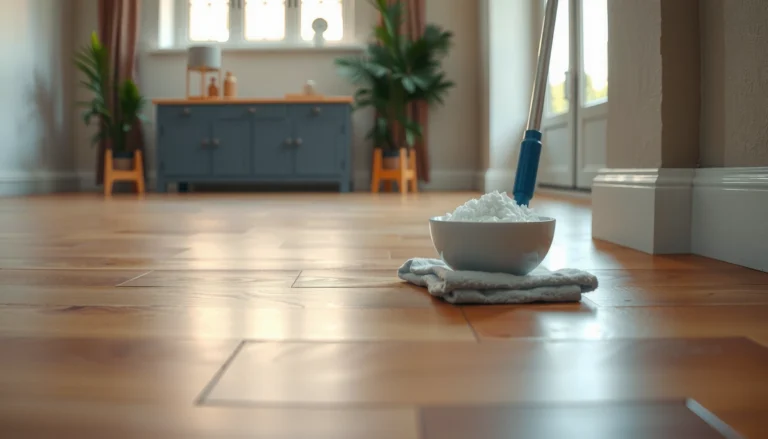
– Mop with minimal water. A damp—or “wrung-out”—mop is the practical standard. Soaking increases the odds that water sits in seams, along edges, or under transitions, where it can keep the surface slick longer.
– Change rinse water often. When you reuse dirty rinse water, you redeposit fine soils that can later feel greasy or slippery.
– Dry after mopping with a clean microfiber towel or a dry mop pad. This is especially important if your sheet vinyl has any gloss or a smoother finishing profile.
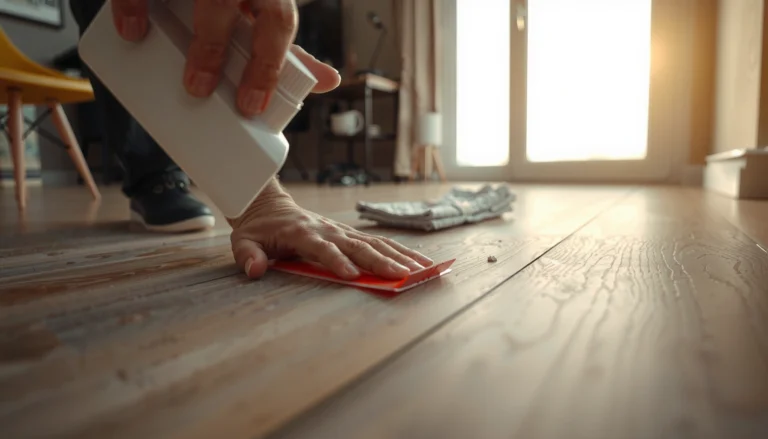
– Spot-clean greasy areas before they spread. Kitchen splashes (oil-based residues) and tracked grime need targeted cleaning; otherwise, they smear and “smear-polish” the surface.
Pros/cons comparison: cleaning style vs. slip risk (resilient/vinyl)
| Method | Pros | Cons / risk for slickness |
|---|---|---|
| Damp mop + vinyl-safe cleaner | Lifts soils without excessive moisture; easier to control residue | If you don’t dry after mopping, traction can still drop temporarily |
| All-purpose cleaner + lots of rinse water | May remove dirt quickly | Some formulas leave surfactant residue; excessive water can linger in seams |
| Wax/polish “shine” layering | Improves visible gloss in the short term | Frequently increases slip risk by leaving a film; can require stripping |
A practical note on chemistry: many “floor shine” products use film-formers (they create a surface layer). Even if that layer looks appealing, it can reduce grip under wet or high-traffic conditions. That’s why the non-waxy step is usually the turning point.
Improve traction where it matters most (high-risk zones)
Add traction at the source locations—entrances, kitchens, and hallways—because you can’t always eliminate moisture. The safest tactic is using non-slip mats/rugs that are compatible with vinyl, and keeping their surfaces clean and dry.
“Entrance mats reduce tracked-in water and grit, lowering the moisture/dust mix that drives slickness.”
“Rugs need non-slip backing; otherwise they can create a separate slip hazard or hold moisture.”
“Traction improvements work best when cleaning prevents residue buildup under and around mats.”
Here’s how to target high-risk zones without creating new problems:
– Entrances and kitchen lanes: Place a non-slip mat right where shoe traffic drops water and grit. For sheet vinyl, look for mats described as compatible with vinyl/resilient floors (or at least “non-damaging”).
– Rug strategy (if you use them): Choose rugs with non-slip backing that won’t gum up or stain vinyl. If you notice discoloration or a tacky feel under the rug edge, remove it and reassess backing compatibility.
– Temporary traction strips: Only consider strips that are explicitly intended for your floor type and intended surface. Test first in a hidden area; some adhesives can leave residue that later behaves like a slick film.
– Maintenance for traction devices: Mats and rug edges trap dirt. If you clean the floor but never clean under/around the mat, you can end up with localized slick zones.
Use maintenance habits that keep grip consistent
Grip stays consistent when you prevent residue buildup and keep the surface dry enough for daily conditions. A simple maintenance routine—dry removal first, damp cleaning second, targeted fixes third—usually outperforms “big cleaning days.”
“Regular dry removal (sweeping or vacuuming) prevents dust from combining with moisture to form a slippery film.”
“Spot-cleaning spills right away reduces the chance of sticky residues spreading across the vinyl.”
“Surface wear, gloss, or damage can’t always be corrected with cleaning—traction may require repairs.”
Use these habits in sequence:
– Daily/near-daily dry cleaning: Sweep or vacuum to remove fine dust before it mixes with humidity or water. If you vacuum, use a soft attachment that won’t scratch.
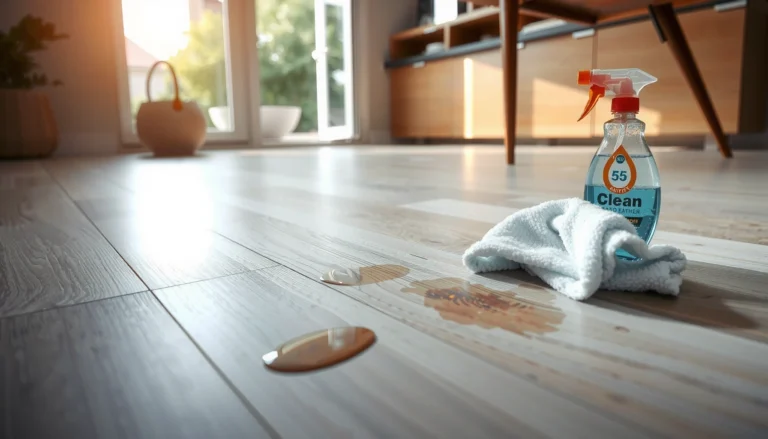
– Spill response: Wipe up spills promptly, then dry the area. Oils and sticky residues can leave a film even after “normal” cleaning.
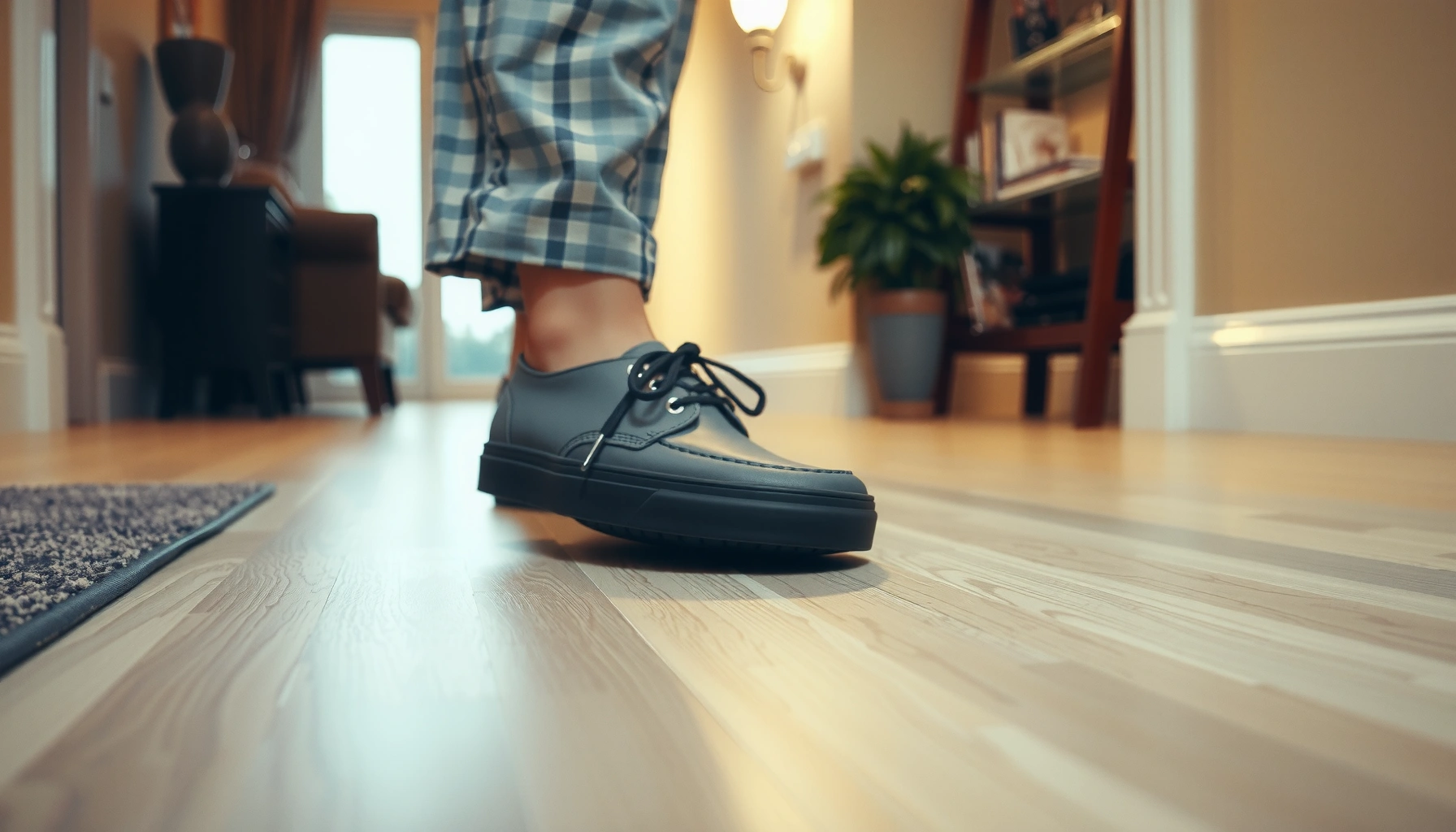
– Shoes and tracked water discipline: Encourage indoor shoes or use door mats. You don’t have to be strict—just reduce how often water and grit land on the vinyl.
– Inspect your surface condition: If the vinyl is excessively worn, smooth, or damaged, cleaning can only do so much. Damage can reduce texture, and reduced texture can reduce traction.
– Avoid aggressive scrubbing: Abrasive pads can alter the surface finish. Even when they “clean,” they may leave a new sheen that feels slick.
What can go wrong (and when advice won’t be enough)
Even with good cleaning, some situations make sheet vinyl feel slippery because the surface condition or past treatments can’t be fully undone with routine maintenance. If you ignore these limits, you may keep repeating the same cleaning cycle without regaining traction.
“Over-waxing can create a slip-prone film that reappears after each cleaning, making the floor feel slick again.”
“Excess water during mopping can linger in seams/edges and reduce traction even after the floor looks dry.”
“If the wear layer is worn or damaged, traction may not recover fully because the texture has changed.”
Common failure modes to watch for:
– Over-waxing or shine products: If previous owners used wax/polish, your new “non-waxy” cleaner may not immediately remove the film. You might need a manufacturer-approved method to address buildup.
– Too much water: Soaking mops can increase moisture retention. The floor may feel fine during cleaning, then slick later as residues and moisture redistribute.
– Harsh degreasers or abrasive pads: Certain cleaners can dull or change how the vinyl feels. If you notice a shinier glare after scrubbing, stop and reassess tool choice.
– Worn or damaged floors: If the vinyl is cracked, lifting at seams, or worn smooth, traction improvements may be limited. In those cases, safety can require repairs or replacement rather than just better cleaning.
Also, be careful with assumptions: two vinyl floors can look similar but have different wear layers or factory finishes. If you’re unsure what finish you have, treat any new method as “test first.”
Verdict: a safe, effective plan (with downsides)
A practical, low-risk plan is: keep moisture off the surface, clean with a vinyl-safe non-waxy method, and add traction at entrances with compatible mats/rugs—then maintain that routine consistently. The tradeoffs are real: mats/rugs require cleaning too, and if your sheet vinyl has existing wear-gloss issues, improvements may be limited without repairs.
“A traction-first strategy (mats at entrances) reduces slip risk even when spills happen.”
“A non-waxy cleaning approach is often necessary to avoid reintroducing a slick film on resilient vinyl.”
Downsides and when to skip this approach:
– Mats/rugs still need maintenance. If you don’t clean trapped grit, traction can degrade.
– If the vinyl surface is already compromised, safety might still require repair/replacement. Cleaning won’t rebuild lost texture.
– If you know the floor was previously polished/waxed, start cautiously and [ADD: test-clean in a hidden area] before applying across the whole room.
Quick checklist: Stop sheet vinyl slips
– [ ] Dry entry areas and wipe spills immediately
– [ ] Clean with a vinyl-safe, non-waxy cleaner
– [ ] Mop damp only; don’t leave standing moisture
– [ ] Dry the floor after mopping
– [ ] Use non-slip mats/rugs designed for vinyl
– [ ] Avoid wax/polish “shine” products
– [ ] Reassess if the surface is worn or damaged
FAQ
Why does my sheet vinyl get slippery after I mop it?
Most often it’s leftover residue (from wax/polish or certain cleaners) or moisture that wasn’t fully removed. Switching to a vinyl-safe non-waxy cleaner and drying after mopping usually helps.
Are all mops safe for sheet vinyl floors?
In general, soft microfiber and damp-mopping methods are the safer starting point, while overly abrasive pads or soaking mops can cause issues. If your vinyl care instructions specify tools, follow those.
Can I use a floor wax or polish to make it look better?
Many vinyl care instructions warn against wax/polish because it can create a slick film. If you want more clarity on shine, [ADD: check your flooring manufacturer’s care guide] first.
What’s the best mat type for slick sheet vinyl?
Look for mats described as non-slip and compatible with vinyl flooring. Avoid backing materials that can stick, stain, or leave gummy residue.
If I fix cleaning and mats, but it’s still slippery, what’s next?
If the surface is glossy from wear, damage, or prior buildup that won’t fully come off, traction may not improve enough for safe walking. You may need professional inspection or flooring repair/replacement.
Sources
– CDC (Centers for Disease Control and Prevention), fall-related injury information
– OSHA (Occupational Safety and Health Administration), slips/trips/falls safety guidance
– [ADD: manufacturer care instructions/spec sheet for sheet vinyl flooring (your brand/model, or a specific example if you have one)]
– [ADD: cleaning guidance from a leading sheet vinyl manufacturer on wax/polish use and moisture/drying practices]
– [ADD: flooring or maintenance guidance from a recognized vinyl flooring association/trade source, if applicable]
The safest sheet vinyl “slip prevention” strategy is not one product—it’s a system: remove dust, avoid wax-like residue, mop with controlled moisture, dry after cleaning, and place traction where water and grit land first. If you follow that workflow and still feel significant slickness, treat surface wear or prior buildup as the likely root cause and plan your next step (often testing a safe method in a hidden area, then repairing or replacing if needed).
Frequently Asked Questions
What are the best ways to prevent slipping on sheet vinyl floors?
Use a non-slip floor cleaner to remove residue that can make vinyl slippery, and wipe up spills immediately. Add a rug or non-slip mat at entrances and in high-traffic areas, especially near kitchens and bathrooms. If the floor is very smooth or glossy, consider a vinyl-safe, non-slip treatment designed specifically for resilient flooring.
How can I make my sheet vinyl less slippery without damaging the floor?
Start by avoiding harsh chemicals, waxes, and abrasive scrubbers that can leave a slick film on sheet vinyl. Use warm water with a gentle, pH-balanced cleaner, and rinse if your cleaner leaves any residue. For traction, place non-slip backing mats and ensure furniture pads are clean so they don’t trap dirt that reduces grip.
Why does sheet vinyl become slippery over time?
Sheet vinyl can become slick when dirt, soap scum, oils, and cleaner buildup accumulate on the surface. Over-mopping with excess product or using an incompatible cleaner can leave a shiny residue that reduces traction. Areas exposed to moisture—like kitchens, entryways, and laundry rooms—also increase slipping risk if spills aren’t cleaned promptly.
Which cleaning methods help improve traction on vinyl without streaks?
Sweep or vacuum with a soft attachment first to remove grit that can become slippery when wet. Mop using a microfiber mop and a vinyl-safe cleaner, using minimal solution and changing the water frequently to prevent spreading oily residue. Finally, ensure the floor is thoroughly dry; dampness combined with residue is a common cause of slipping on sheet vinyl.
What should I do if I’m seeing persistent slipping on my sheet vinyl floor?
Check for underlying causes like worn or improperly applied floor coatings, lingering wax, or trapped contamination in seams and corners. If cleaning and mats don’t help, consider a professional inspection to determine whether a non-slip vinyl-safe surface treatment is needed. In the meantime, use slip-resistant mats in problem areas and keep the floor dry, especially after cleaning or spills.
📅 Last Updated: October 08, 2026 | Topic: How to prevent slipping on sheet vinyl floors? | Content verified for accuracy and freshness.
References
- https://en.wikipedia.org/wiki/Slip_resistance
- https://www.cdc.gov/niosh/docs/2013-147/
- https://www.osha.gov/slips-trips-and-falls
- Slips and trips – HSE
https://www.hse.gov.uk/slips/ - https://www.mayoclinic.org/diseases-conditions/falls/symptoms-causes/syc-20351978
- https://pubmed.ncbi.nlm.nih.gov/?term=slip+resistance+flooring+cleaning
- https://www.sciencedirect.com/search?qs=slip+resistance+vinyl+flooring+cleaning
- Google Scholar Google Scholar
https://scholar.google.com/scholar?q=slip+resistance+sheet+vinyl+flooring+cleaning+maintenance - Google Scholar Google Scholar
https://scholar.google.com/scholar?q=prevent+slips+on+resilient+flooring+coefficient+of+friction - Google Scholar Google Scholar
https://scholar.google.com/scholar?q=wet+floor+slip+prevention+floor+surface+maintenance+resilient+flooring