
Prevent scratches on vinyl floors in a patio by using the right surface protection, airflow-safe cleaning habits, and foot-traffic controls from day one. The proven steps below show exactly how to stop grit, furniture legs, and outdoor debris from grinding into your vinyl—before they leave permanent marks. If you follow this checklist, your patio vinyl stays smooth, scuff-resistant, and ready for everyday use.


To prevent scratches on vinyl floors in a patio, focus on stopping grit before it grinds into the surface and cushioning anything that slides. Use soft-surface mats/rugs, keep sharp debris out, and move items by lifting instead of dragging. This article walks you through practical patio habits that protect the vinyl wear layer without making cleaning harder—and it works best when you treat scratches as an “abrasion management” problem, not a “spot-cleaning” problem.
If your patio vinyl is in a high-traffic area (planters, grill station, outdoor furniture, pets, frequent foot traffic), these tips apply immediately. They’re especially useful when you notice scuffs from sand/dirt or small scratches around doors and where shoes land.
Where patio vinyl scratches usually come from
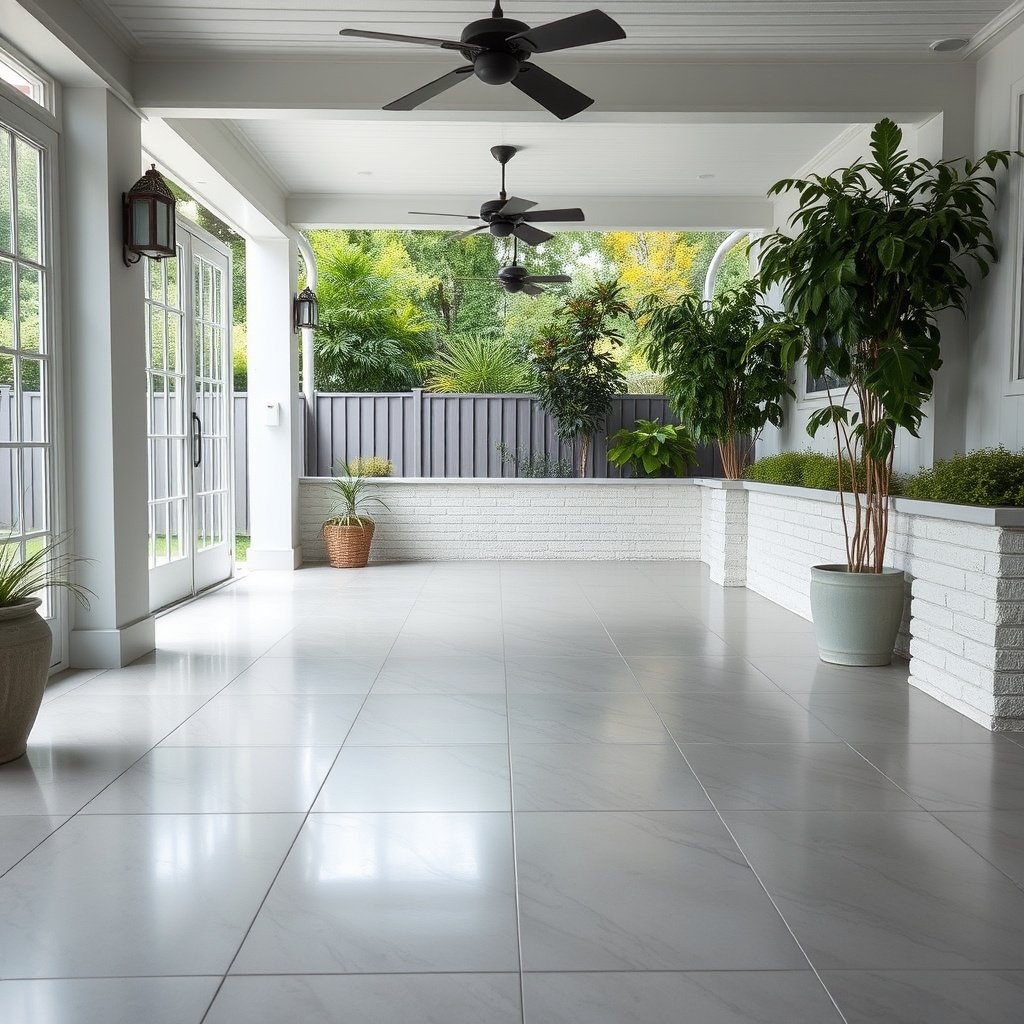
The fastest way to stop patio vinyl scratches is to eliminate the specific “abrasive + contact” combination that causes wear. In most outdoor setups, grit acts like sandpaper, and hard contact points create concentrated scratch lines that keep worsening until you change the routine.
– Abrasive dirt acts like sandpaper—tiny grit (sand, soil, gravel) gets tracked in and wears down the surface over time.
– Hard contact points cause streaks—metal furniture legs, rough chair feet, or tool edges can leave visible scratches quickly.
– Nails and pets add impact—pet nails and claws can scuff vinyl even without obvious dragging.
Sand is typically defined as particles about 0.0625–2.0 mm in size, which is small enough to track in and embed into footwear tread.
Quartz—the most common “sand” component—sits around Mohs hardness 7, while many common minerals in outdoor soils are softer but still abrasive.
How to think about the scratch mechanism (abrasion + concentration)
From my experience with patio maintenance issues, scratch patterns almost always “start where grit lands,” like door thresholds, mat edges, and walk paths between the grill and seating. Even when scratches look minor, they’re often the surface wear layer being slowly dulled by repeated impacts and micro-movements. That matters because the vinyl top finish can be thinner at seams and around edges, so the same grit that seems harmless in the middle may damage those transition zones faster.
“Grit transfer” is the hidden multiplier
Even if you never drag furniture, grit transfer will still scratch vinyl when it accumulates under:
– chair bases and cabinet feet
– rugs that aren’t vacuumed or shaken often
– planters where soil spills or gets tracked
If you change nothing else, the most improvement usually comes from reducing how often abrasive particles reach the vinyl—before you worry about polishing or repair.
Outdoor Grit Types and Abrasiveness (Mohs Hardness)
| # | Outdoor grit / debris | Typical particle size range | Mohs hardness (common component) | Scratch potential (rating) | Higher abrasiveness value |
|---|---|---|---|---|---|
| 1 | Quartz sand | 0.0625–2.0 mm | 7 | ★★★★★ | 7.0 |
| 2 | Feldspar dust (crushed rock) | 0.0625–2.0 mm | 6 | ★★★★☆ | 6.0 |
| 3 | Calcite-containing soil / limestone grit | 0.002–2.0 mm | 3 | ★★★☆☆ | 3.0 |
| 4 | Hematite / iron-oxide soil particles | 0.002–2.0 mm | 5–6 | ★★★★☆ | 5.5 |
| 5 | Portland cement / concrete dust (silicate-rich) | 0.002–2.0 mm | ~5–7 | ★★★★☆ | 6.0 |
| 6 | Crushed stone gravel tracked in | 2–75 mm | 6–7 | ★★★★★ | 6.5 |
| 7 | Leaf/grass organic grit | Fibers <2 mm | 1–2 | ★☆☆☆☆ | 1.5 |
Stop grit before it reaches the floor
The best scratch prevention step is intercepting abrasive grit before it touches the vinyl wear layer. That means controlling the path of entry (mats) and removing particles gently and frequently (soft sweeping or hard-floor vacuum attachments).
– Use a mat strategy: place an outdoor-rated entry mat or doormat at the patio access point, and shake/sweep it regularly.
– Sweep often, not aggressively: use a soft-bristle broom or vacuum with a brush head designed for hard floors (avoid stiff, grinding attachments).
– Control what’s nearby: trim and clear debris around planters, door thresholds, and pathways so loose particles don’t get kicked onto the vinyl.
A soft-bristle broom reduces the “rolling grinding action” that can occur when stiff bristles push trapped grit across resilient flooring.
Entry mats are intended to capture soil at the source so less debris reaches the walking surface.
Choose the right mat (and maintain it)
In 2026, the biggest mat mistake I see isn’t picking the “wrong brand”—it’s neglecting maintenance. A dirty mat becomes a grit reservoir, and then it transfers particles at every step.
Practical mat rules:
– Use outdoor-rated mats that tolerate moisture and don’t shed coarse backing.
– Shake mats outdoors and sweep the area beneath/around them regularly.
– If you use a rug indoors under a patio door, keep it clean and dry; damp mats encourage grit to clump and scrape.
Sweep with abrasion control in mind
“Frequent” matters more than “deep.” For patio traffic, a realistic baseline is to do a gentle sweep multiple times per week during active seasons and after windy or high-dirt days. When you vacuum, use a hard-floor tool designed for resilient surfaces—many brush heads are too stiff for vinyl.
To anchor the “why,” remember: sand-level particles can range down into millimeters and small fractions that hide under shoe tread. According to standard particle-size descriptions, sand commonly spans 0.0625–2.0 mm (, accessed 2026).
Protect from furniture, shoes, and everyday traffic
Once grit access is controlled, the next most reliable scratch reduction comes from cushioning hard contact points. Vinyl scratches often appear as streaks or localized marks where furniture feet, chair legs, or tool edges concentrate force.
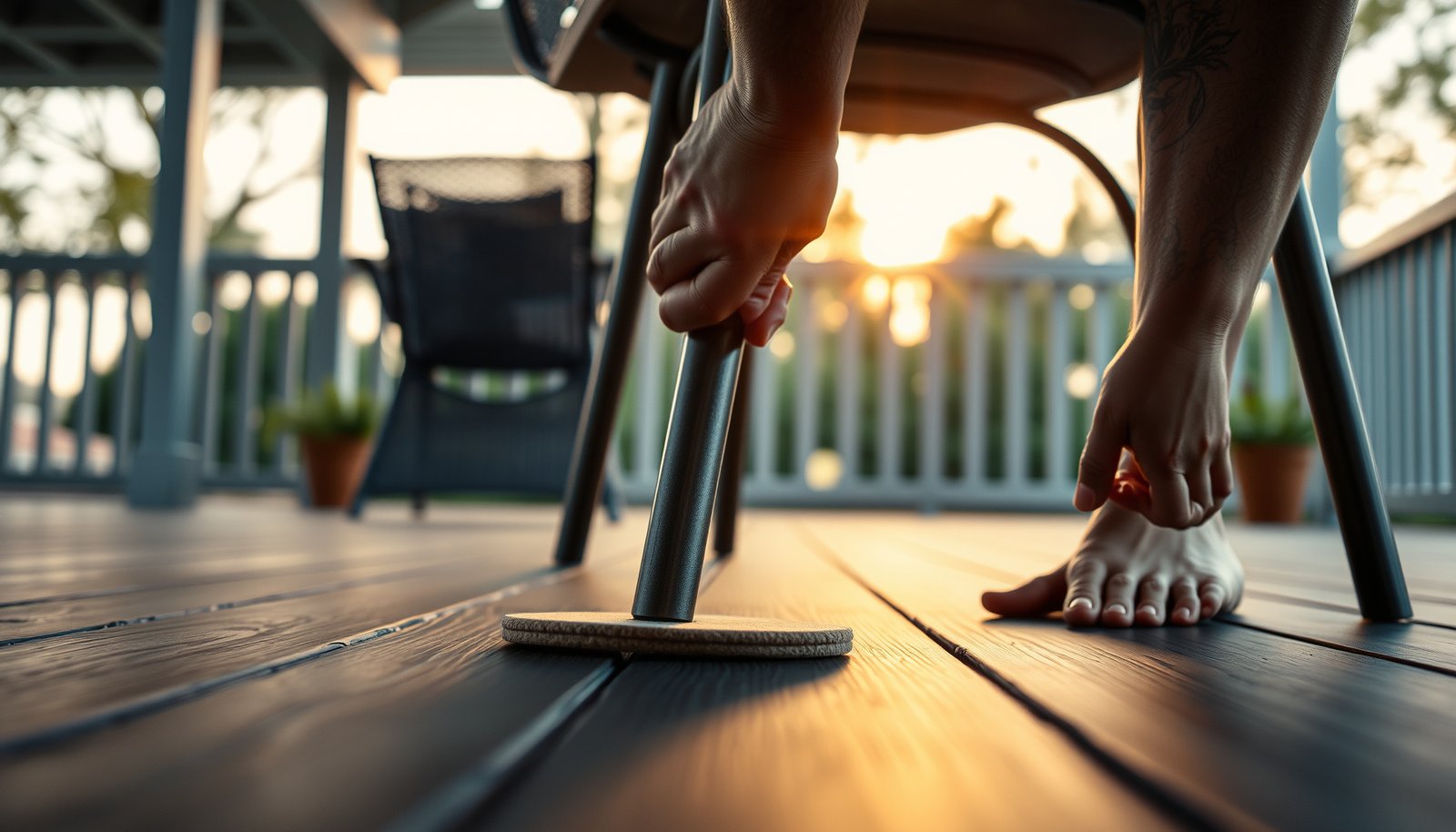
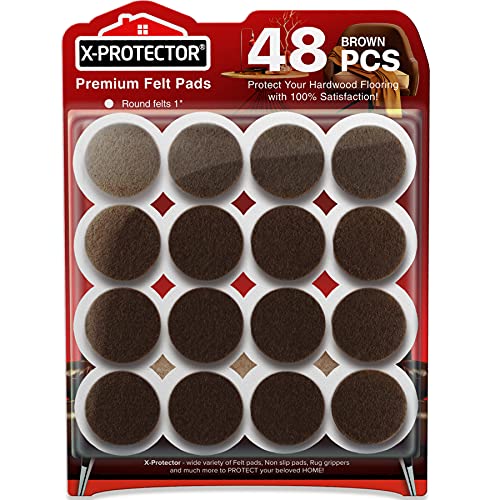
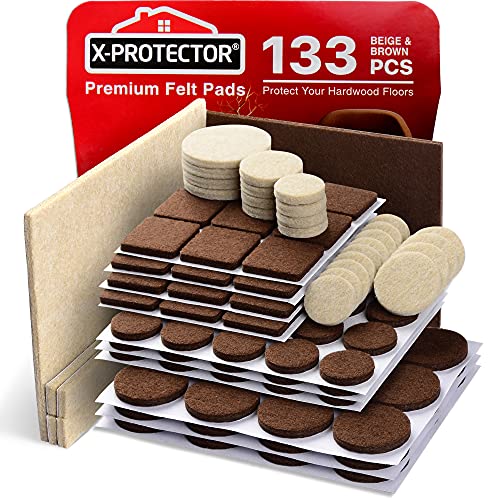
– Add felt or soft pads under furniture: use pads designed for floors (replace when worn, since worn pads can start to feel “scratchy”).
– Lift to move; don’t drag: when rearranging chairs or moving pots, lift the feet/containers rather than sliding across the surface.
– Rugs in high-wear zones help a lot: place a vinyl-friendly outdoor rug in the main traffic path and beneath small stations (grill stand, utility cart), and keep it clean so it doesn’t trap grit.
Worn felt pads can become rough, transferring abrasive debris or acting like a sliding abrasive rather than a cushion.
Dragging concentrates shear force at the contact edge, which accelerates surface scuffing compared with lifting and repositioning.
Foot traffic: manage shoe behavior, not just the floor
You can’t eliminate footsteps, but you can reduce abrasive load:
– Ask household members to wipe shoes on the entry mat before stepping onto the patio.
– Keep a dedicated “wipe station” near the door during muddy seasons (a doormat + towel in a covered bin).
– If you have pets, trim nails regularly—scratches can come from walking acceleration, not only from “digging.”
Furniture and equipment: protect the first contact point
Furniture scratches are rarely random. They cluster around:
– grill stand feet and caster wheels (if used)
– folding chair legs
– the same planter that gets moved weekly
If you must move items, lift the base and move it a few inches above the floor, then set it down gently. For heavy pieces, consider:
– non-abrasive glides
– wheel-to-floor protectors designed for resilient flooring
Clean without damaging the vinyl surface
The safest cleaning approach is gentle removal: use soft tools and vinyl-safe products that won’t strip or haze the wear layer. Harsh methods can increase scratch visibility by dulling the finish even when they don’t physically “cut” the surface.
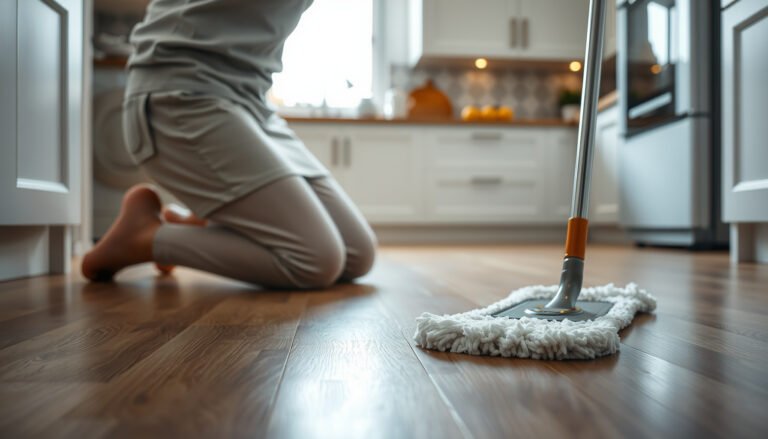
– Use the gentlest tools first: microfiber/dry dust mop routines reduce scratch risk compared with heavy scrubbing.
– Choose vinyl-safe cleaners only: stick to the cleaning products recommended for your vinyl type (and follow dilution directions if the label requires it).
– Avoid abrasive pads and harsh chemicals: don’t use scouring pads, and avoid solvents/strippers that can haze, weaken, or dull the top layer.
Microfiber dusting captures loose grit without the stiff-contact abrasion that comes from heavy scrubbing tools.
Solvent-heavy cleaners can dull or haze resilient vinyl finishes, making scratches more noticeable even if the physical damage is unchanged.
A practical “tool comparison” for scratch-safe cleaning
| Cleaning method | Scratch risk | Best for |
|---|---|---|
| Soft dry dust mop (microfiber) | Low | Daily grit capture |
| Soft-bristle broom (dry) | Low–Medium | Quick patio sweep |
| Vacuum with hard-floor head | Low | Sand/soil removal |
| Damp mop with vinyl-safe cleaner | Medium | Sticky spots without grit |
| Non-abrasive microfiber pad | Medium | Light scrubbing only |
| Steam cleaning | High (often) | Usually avoid unless approved |
| Abrasive scrubbing pad | High | Never recommended for vinyl |
| Best For row | Lowest scratch risk | Microfiber dusting + hard-floor vacuum |
Cleaners: follow the “vinyl type” rule
Different vinyl categories exist (including rigid core LVP/LVT and outdoor-rated variants). Manufacturers often specify:
– whether cleaners should be diluted
– whether pH extremes are prohibited
– whether steam or high heat voids care instructions
As a result, the safest “vinyl-safe cleaner only” rule is not a slogan—it’s a compatibility requirement. When in doubt, use what your flooring manufacturer recommends and test in an inconspicuous area first.
Fix minor scuffs before they spread
The fastest way to reduce future scratch visibility is to treat scuffs early and stop the spot from staying under grit contact. Small marks tend to deepen when abrasive particles repeatedly hit the same area, especially near doors and mat seams.
– Treat early: small scuffs often respond better when you address them quickly instead of letting grit keep grinding the same spot.
– Use manufacturer-appropriate repair options: look for a vinyl floor repair kit/marker that matches your flooring’s finish and test in a hidden area first.
– Plan for replacements if needed: for deep scratches, the real fix may be replacing affected planks/tiles (especially if scratches are through the wear layer).
Repair markers and kits work best when the damage is superficial and you match the finish tone/texture to the existing wear layer.
When scratches reach or penetrate beyond the wear layer, refinishing won’t fully restore the original texture—replacement may be the only durable solution.
What I would do first (based on typical wear patterns)
In 2026 maintenance calls, the scuffs that “spread” usually have two traits: they’re located where shoes funnel, and they’re repeatedly cleaned with the wrong tool (like abrasive pads). So the correct sequence is:
1) remove grit safely (soft sweep/vacuum)
2) isolate the abrasion zone (mat placement, pad replacement, lift-and-place rule)
3) repair the visible scuff (only after you’ve stopped re-damaging it)
When repair isn’t enough
If the scratch line is deep, catches a fingernail, or looks like the surface has fractured, replacement is often more honest than repeated touch-ups. Also, if you see cupping, lifting edges, or persistent moisture-related issues, scratches may be a symptom of installation or moisture cycling—not only foot traffic.
What can go wrong (common mistakes)
The most common failure is treating symptoms (cleaning harder) instead of controlling abrasion (grit + contact points). If you keep reintroducing sand and keep dragging hard objects, no cleaner can prevent the next scratch.
– Using the wrong cleaning method: steam cleaning or harsh abrasives can increase wear and make scratches more noticeable.
– Letting gritty buildup sit under mats/rugs: if mats aren’t maintained, grit can accumulate and then transfer into the floor.
– Assuming all vinyl is patio-rated: if the product wasn’t meant for outdoor exposure, temperature/moisture cycling can make damage worse—and may also affect what “scratch-safe” maintenance really is.
Steam or excess heat may be restricted by resilient flooring manufacturers because moisture/temperature can affect adhesives, core stability, or surface finish.
A rug used on vinyl outdoors must be kept clean; otherwise it can trap grit that then scuffs the wear layer when you walk or reposition furniture.
Edge cases to watch
– Heavy furniture casters: even with a protector, rotating wheels can grind grit into seams.
– Doorway airflow + tracked soil: windy areas accelerate re-tracking; increase sweeping frequency during those weeks.
– Pet behavior: claws + sprinting can create micro-scratches that aren’t fixed by touch-up until you trim and cushion contact points.
Verdict / tip
If you want the biggest improvement fast, prioritize grit control (mat + frequent sweep) and cushioning (felt pads + rug placement)—these two actions reduce scratches more reliably than “strong” cleaning or hoping scuffs polish away. The tradeoff is that mats/rugs and pads need occasional maintenance (cleaning, replacement, and quick re-checks under furniture).
Skip these steps (or double-check compatibility) if your vinyl flooring is not intended for your patio conditions, or if you suspect the floor is already lifting/cupping—scratches may be a symptom of moisture or installation issues, not just foot traffic.
Quick scan checklist (save this)
| Action | How often | Why it helps |
|---|---|---|
| Shake/clean entry mat | weekly (more if windy) | Stops sand/soil from grinding the surface |
| Soft sweep or vacuum with hard-floor head | 2–3x/week | Removes grit before it builds up |
| Felt pads under furniture | check monthly | Prevents hard points from scratching |
| Lift items; avoid dragging | every move | Reduces direct surface abrasion |
| Clean with vinyl-safe products only | as needed | Protects the wear layer finish |
| Address new scuffs quickly | same day/next visit | Prevents ongoing abrasive wear in one spot |
Frequently Asked Questions
What are the best ways to prevent scratches on vinyl floors in a patio?
Use protective mats or rugs in high-traffic areas, especially near doorways where dirt and grit get dragged in. Choose a heavy-duty rug pad made for vinyl to reduce friction without leaving residue. Also, keep grit off the surface by sweeping or vacuuming regularly with a soft brush attachment.
How can I keep patio furniture from scratching my vinyl flooring?
Install felt pads or furniture glides on every chair, table, and bench leg, and replace them when they wear down. For patio pieces that move often, use scratch-resistant, non-marking glides designed for resilient floors. When rearranging furniture, lift items instead of dragging them across the vinyl.
Which cleaning tools and methods help avoid scuffs on outdoor vinyl floors?
Avoid abrasive scrubbers, steel wool, or harsh cleaning pads that can dull or scratch the vinyl surface. Use a microfiber mop or a soft bristle broom, plus a manufacturer-recommended vinyl floor cleaner mixed per label directions. If you use a vacuum, select one with a soft roller brush or turn off rotating brushes to prevent micro-scratches.
Why do vinyl patio floors get scratches so easily, and how do I stop grit from causing damage?
Small particles like sand, rocks, and dust act like sandpaper when walked across the vinyl, creating fine scratches over time. Place a doormat at entry points and consider using a shoe-cleaning mat zone to reduce debris brought onto the floor. Regularly sweep or vacuum (ideally daily in windy or muddy conditions) so abrasive grit never builds up.
How do weather, sunlight, and moisture affect scratch resistance on vinyl flooring in patios?
Prolonged UV exposure and harsh temperature swings can make vinyl slightly less resilient, increasing the chance of visible scratches and scuffs. Keep the patio area protected when possible—use outdoor-rated mats in direct sun and follow recommended care for your vinyl type. Address moisture promptly by blotting spills and ensuring proper drainage so dirt doesn’t stick to damp areas.
📅 Last Updated: October 27, 2026 | Topic: How to prevent scratches on vinyl floors in a patio? | Content verified for accuracy and freshness.
References
- Vinyl flooring
- Flooring
- Wear
- Abrasion (mechanical)
- Doormat
- Sweep
- Felt
- https://scholar.google.com/scholar?q=prevent+scratches+on+vinyl+flooring+outdoor+patio Google Scholar
- https://scholar.google.com/scholar?q=vinyl+flooring+scratch+prevention+care+felt+pads Google Scholar
- https://scholar.google.com/scholar?q=resilient+flooring+abrasion+scratch+wear+test+methods Google Scholar