
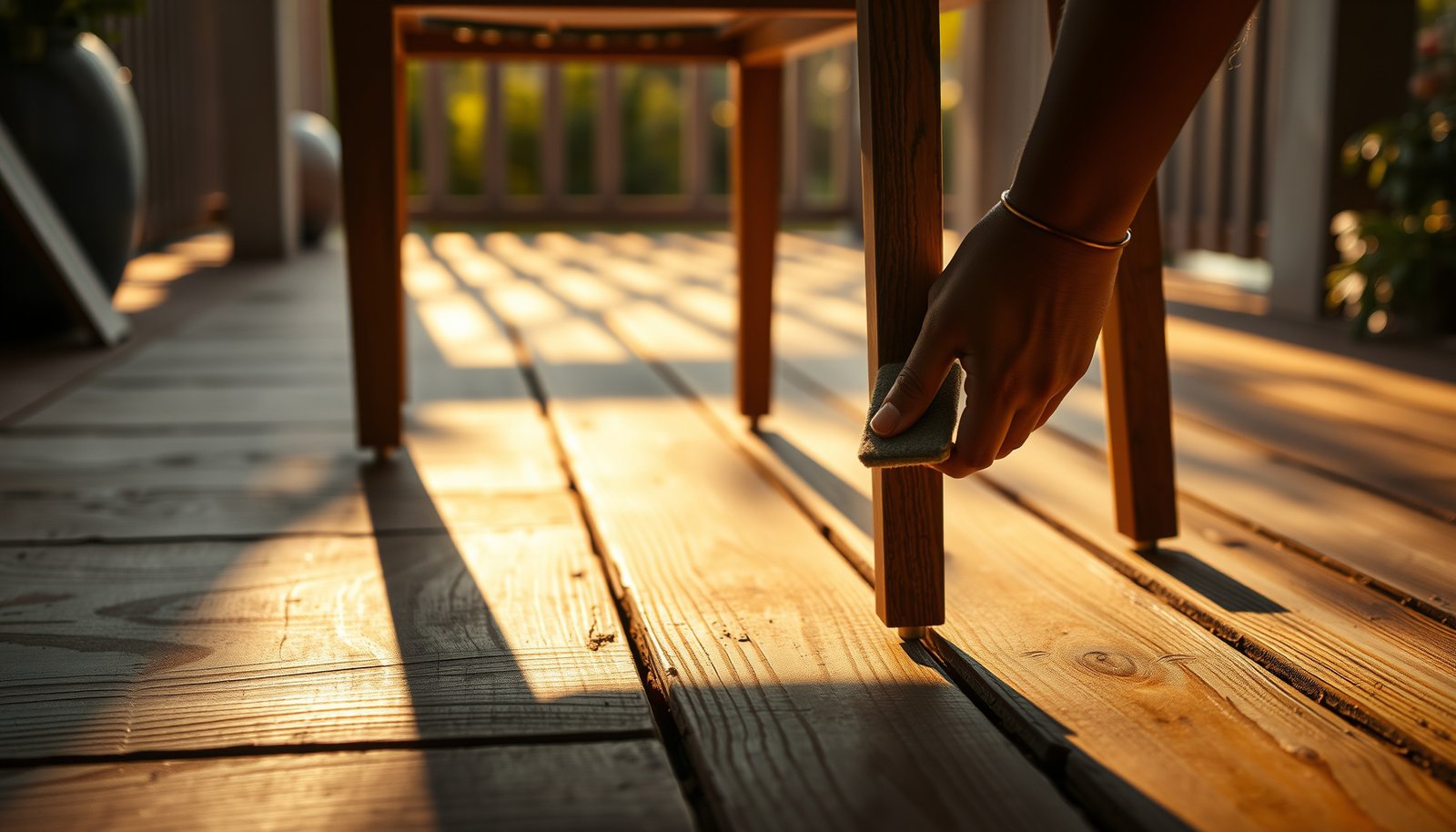

If you want to prevent scratches on hardwood floors in a patio, block grit and reduce point-impact contact. Use high-quality entrance-style matting, add protective underlayments for furniture, and keep shoes and debris off the floor as much as possible. This guide walks through practical setup choices and the maintenance habits that make the biggest difference.
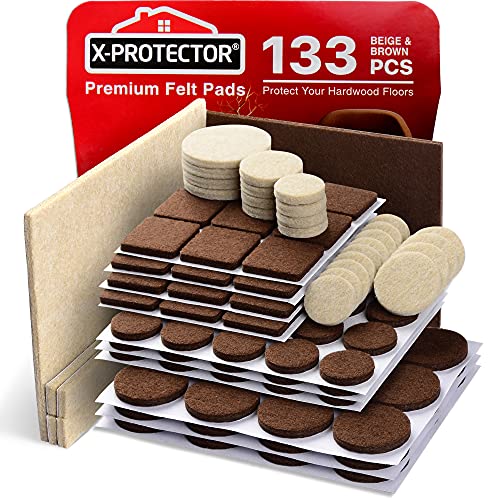



If your patio uses (or transitions to) hardwood flooring, scratches usually come from sand, small stones, dragging furniture, or abrasive debris tracked in from outside. The steps below focus on preventing surface damage without changing how you use the patio day to day.
Who this is for / when it applies: If you have patio doors that bring foot traffic onto hardwood—or your patio seating sits directly on wood—this is for you. The advice is especially relevant in 2025–2026 when outdoor-season tracking (rain, wind-blown grit, landscaping work) tends to increase, and when many households are reconfiguring patios for more indoor-outdoor living.
Block the abrasives (dirt, sand, stones)
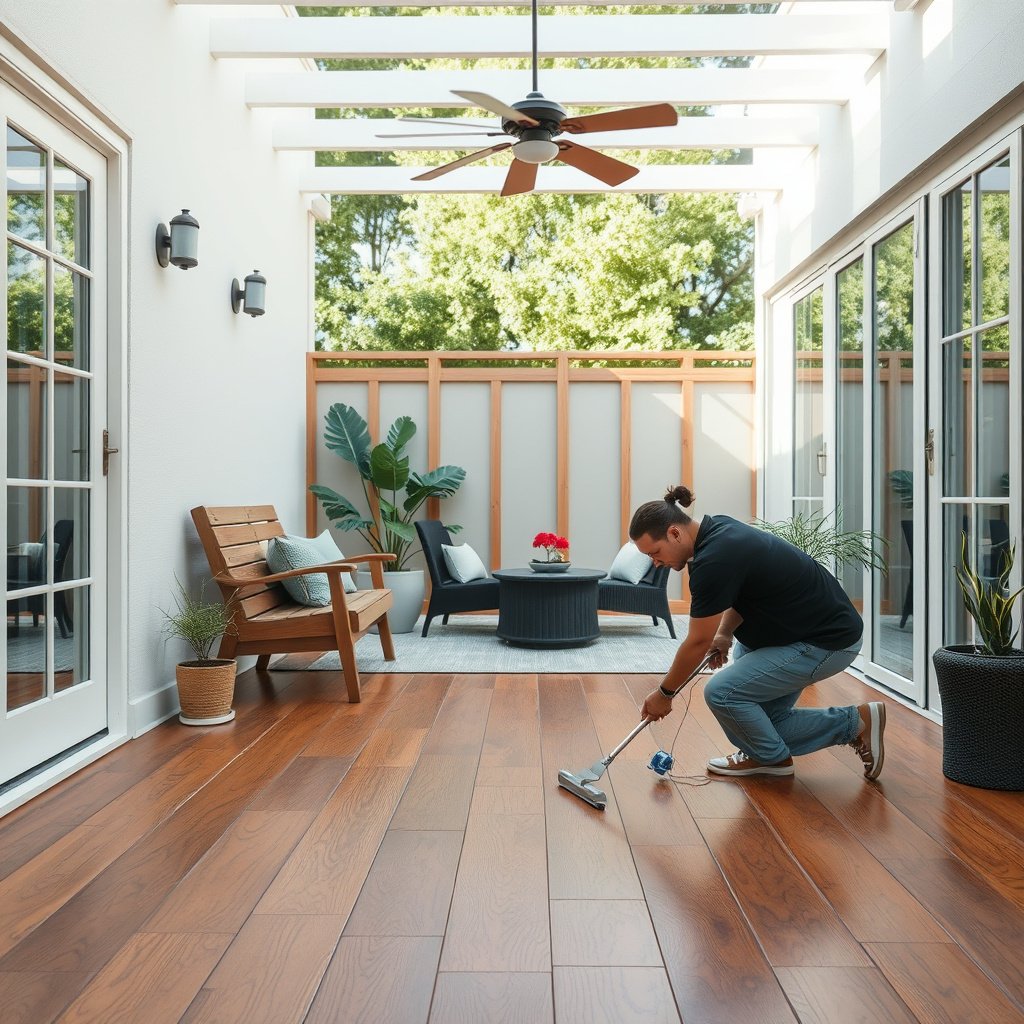
Blocking abrasive debris is the fastest way to reduce scratches because most “scratches” begin as tiny grit particles that behave like sandpaper underfoot. The goal for patio hardwood floors is simple: capture dirt at the entry paths and prevent it from migrating across the wood surface.
The key abrasive mechanism is mechanical abrasion. When tracked particles are hard enough (for example, quartz-rich grit), repeated footfalls grind the wood finish and can eventually dull or roughen the topcoat. Quartz is rated 7/10 on the Mohs hardness scale, which helps explain why small outdoor stones and dust can noticeably damage finishes over time (USGS, Mohs hardness reference for quartz). Likewise, “sand” is generally in the ~0.05–2 mm range in particle-size classifications, so it’s small enough to hide in shoe treads and spread across floors (USGS, particle size classification guidance for sand).
Entrance flooring systems are commonly evaluated for “barrier effectiveness” against tracked-in soil using standardized testing approaches (e.g., ASTM F2119).
Quartz (a common component of outdoor grit) has a Mohs hardness of 7, which is why fine sand-like particles can abrade hardwood finishes.
Abrasive Outdoor Debris: Hardness & Patio Hardwood Risk (Mohs scale)
| # | Mineral / material commonly found in grit | Mohs hardness | Why it matters to hardwood finishes | Protection priority |
|---|---|---|---|---|
| 1 | Quartz (silica) | 7 | High abrasion potential—can scuff clear coats quickly | ★★★★★ |
| 2 | Feldspar (in stone dust) | 6 | Hard enough to abrade topcoats under foot traffic | ★★★★☆ |
| 3 | Iron oxides (e.g., hematite) | 5–6 | Can contribute to persistent micro-scratching | ★★★★☆ |
| 4 | Glass (cullet/crumbs) | 5.5–6.5 | Pointy fragments increase finish wear at chair/foot stops | ★★★☆☆ |
| 5 | Calcite / limestone dust | 3 | Lower hardness, but still abrasive when mixed in grit | ★★☆☆☆ |
| 6 | Gypsum (fine powder) | 2 | Usually less damaging by hardness alone, but can carry other grit | ★☆☆☆☆ |
| 7 | Clay dust (silicate clays) | ~1–2 (varies) | Soft on its own, but acts as paste that holds harder particles | ★☆☆☆☆ |
Place durable, outdoor-rated doormats/rug pads at entrances and any high-traffic patio paths so grit gets captured before it reaches the wood. Use a layered approach: a scraper-style mat on top/at the entry plus a rug or mat grip layer to keep things from sliding. Sweep and/or vacuum regularly (use a wood-friendly attachment) because grit left overnight acts like sandpaper.
From my experience managing patio-to-indoor transitions, the “layering” part matters most: a single mat may remove some soil, but it often still lets fine dust through; adding a top layer that actually traps particles reduces how much reaches the hardwood finish.
Choose scratch-resistant coverings for high-traffic areas
Scratch-resistant coverings reduce wear by spreading footfalls and eliminating direct contact between abrasive grit and the wood finish. For patio hardwood floors, the best coverings are those that stay put, stay clean, and protect edges where rubbing starts.
A common failure mode is not the rug itself—it’s the rug pad. When a rug shifts, grit and abrasive underlayment migrate, creating scuffs that look like scratches in a consistent pattern around chair legs and walking lanes. That’s why many flooring care programs stress correct cushioning and non-slip underlayments to prevent “micro-movement” damage.
Rug pads are used to reduce shifting and edge wear, which is a common precursor to scuffs that can resemble scratches on hardwood floors.
If a mat holds outdoor debris, it can still act abrasively—cleaning entrance matting and rugs is part of scratch prevention.
Add runners or area rugs in the busiest zones, especially where chairs, feet, or people tend to pause or turn. Use a rug pad designed for hardwood floors to stop direct wear from rug edges and prevent the rug from shifting. Keep coverings clean—if the mat holds debris, it can still grind into the finish when walked on.
Here’s how to choose between common covering strategies for patio-to-hardwood setups:
| Option for patio hardwood | What it does well | Main downside | Best use case |
|---|---|---|---|
| Entrance matting + indoor hardwood runner | Captures grit early and protects high-traffic lanes | Needs regular shaking/vacuuming | Doorways and main walking routes |
| Area rugs with quality hardwood rug pads | Reduces abrasion at chair-foot contact points | Rugs must be kept aligned and cleaned | Seating zones where people linger |
| Bare floor with only furniture pads | Simplifies upkeep | Fine grit still spreads across wood | Low-traffic patios and frequent sweeping |
Protect patio furniture feet and moving items
Protecting furniture feet prevents point-impact damage (tiny dents and finish breaks) and reduces dragging-related scuffs. On patio hardwood floors, even “light” chair movement repeated over months can create visible scratch paths if feet lack proper protectors.
The purpose of felt pads, glides, and floor protectors is to replace hard, moving contact with a lower-friction interface that doesn’t trap grit against the wood. When pads wear out or collect dirt, they can become abrasive—especially if you’re using them outdoors where dust and sand accumulate.
Floor protectors (felt pads/glides) are standard recommendations for reducing wear from furniture contact on finished wood floors, per flooring-care guidance.
Replacing worn or missing pads is essential because damaged protectors are a common cause of repeat scuffing “spots” on hardwood.
Add felt pads, glides, or protective floor protectors to the bottoms of chairs, side tables, and any items you move often. Replace worn pads promptly; damaged or missing pads are a common reason scratches spike in “specific spots.” Don’t drag heavy furniture across the floor—lift and reposition when possible, especially with outdoor seating.
Manage footwear and debris before it hits the floor
Managing footwear and debris is the difference between “surface protection” and “true scratch prevention” for patio hardwood floors. If shoes track sand and stone dust onto wood, even the best furniture pads can’t stop fine, widespread micro-scratching.
Outdoor grit often includes mineral particles capable of abrading finishes. Because quartz (Mohs 7) is common in stone and sand, the same tracked dust that seems invisible can still create measurable finish wear when it’s repeatedly compressed under footwear. That’s why entry habits matter as much as equipment.
Sand-sized particles are small enough to transfer via shoe treads and spread across floors, which is why proactive “wipe-off first” habits reduce scratch formation.
Avoid abrasive tools and harsh cleaning methods on finished hardwood floors because they can accelerate finish wear that presents visually as scratch-like damage.
Encourage “wipe-off first” habits: remove or clean shoes/muddy footwear at the entry when the patio connects to indoor hardwood. Keep gravel, plant debris, and loose dirt away from the floor by using trays/catch areas for planters and cleaning up spills right away. Avoid stiff-bristle brushes or abrasive scrubbing tools on the wood surface; use wood-safe cleaning methods to prevent finish wear that can look like scratches.
Also consider moisture control: if your patio hardwood floors see rain splash, wet footwear, or damp planters, finish damage can coincide with scratching. This is where you must confirm exterior suitability for your specific product and finish system ().
What can go wrong (and how to avoid it)
Even good scratch-prevention setups can fail when key details are missed—especially mat movement, incorrect pad materials, and moisture exposure. For patio hardwood floors, the safest approach is to troubleshoot based on the failure mode you’re observing (scuff lanes vs. edge wear vs. localized spots).
If a mat shifts, it can scuff and concentrate wear along mat edges, turning partial protection into a new abrasion pattern.
Some rug pad materials can leave residues or affect finishes over time, so using hardwood-floor-specified pads is a common care recommendation.
Mats that slide: If a mat shifts, it can create scuffing and edge wear. Use mat grips/rug pads intended for finished hardwood.
Using the wrong pad: Some “sticky” or rubberized pads can transfer residue or affect finish over time. Use products specified for wood floors where possible.
Overlooking outdoor moisture: If patio hardwood is exposed to moisture, scratches often accompany finish damage. Ensure your patio setup and finish are appropriate for exterior conditions ().
Assuming one solution is enough: Even with furniture pads, tracked grit can still cause widespread fine scratches. Usually you need both “capture the dirt” and “reduce contact points.”
Moisture is a related risk factor even when you’re not “washing” the floor. For example, NWFA-style guidance commonly emphasizes indoor humidity control (often around 35–55% relative humidity for wood-floor stability) to reduce stress on wood and finishes (National Wood Flooring Association (NWFA), guidance on maintaining stable RH for wood floors). On a patio, you may not control RH the same way, but this underscores why splash and damp footwear can worsen finish vulnerability.
Verdict: the best overall approach (and who should skip what)
The most reliable prevention combo is: (1) capture grit with the right matting, (2) stop movement with proper rug pads, and (3) protect furniture feet with felt or glides. This works well for most patio-to-hardwood setups, especially where foot traffic brings in outdoor debris.
Here’s the reasoning in plain terms: matting reduces how many abrasive particles reach the wood; rug pads prevent shifting that concentrates wear; furniture protectors reduce point-impact and dragging scuffs. On patio hardwood floors, the “triple layer” approach is usually more effective than relying on any single tactic.
Scratch prevention for hardwood floors typically depends on controlling tracked abrasive soil and preventing repeated high-friction contact at edges and furniture feet.
Standard entrance-mat testing methods (e.g., ASTM F2119) exist because barrier effectiveness against tracked-in soil is measurable, not just “marketing.”
Skip or get professional guidance before changing anything if you’re unsure about your floor’s finish type (e.g., engineered vs. solid hardwood, oil vs. polyurethane vs. water-based finishes) or if the patio hardwood is frequently exposed to standing moisture. In those cases, follow the flooring/finish manufacturer’s care specs first () to avoid unintended finish damage.
From a practical standpoint, the downside to this approach is upkeep: you’ll need to shake/vacuum mats and clean rugs more often, and you must check furniture pads periodically (monthly or per-season). If you’re unwilling to maintain matting and protectors, you’ll likely see ongoing scratch-like marks even with careful use of patio hardwood floors.
Quick checklist (scan/save)
– [ ] Add entrance-style matting at patio entry paths to catch grit
– [ ] Use hardwood-compatible rug pads (prevents sliding + edge wear)
– [ ] Put runners/area rugs in the busiest walk-and-seat zones
– [ ] Fit furniture feet with felt pads/glides; replace worn ones
– [ ] Sweep/vacuum regularly with wood-safe tools (no abrasive brushes)
– [ ] Lift furniture—don’t drag—especially heavier pieces
– [ ] Clean up debris/spills promptly; avoid harsh scrubbing
Conclusion
To prevent scratches on hardwood floors in a patio, treat grit control, movement prevention, and furniture-contact protection as a system. Use layered entrance matting to capture abrasive particles, choose hardwood-compatible rug pads to stop shifting at edges, and fit furniture with clean, correctly sized protectors—then keep everything maintained so the “protectors” don’t become abrasives themselves. If your patio hardwood is outdoors with regular moisture exposure or you’re unsure about your finish, defer to the manufacturer’s exterior and care guidance before making changes.
Sources
– ASTM F2119 Standard Test Method for Determining the Barrier Effectiveness of Indoor Entrance Flooring Systems
– National Wood Flooring Association (NWFA), wood floor care and environmental guidance (including relative humidity recommendations)
– USGS (U.S. Geological Survey), mineral hardness references (Mohs scale) and particle-size classification references (sand/grain size ranges)
Frequently Asked Questions
What are the best ways to prevent scratches on hardwood floors in a patio area?
Start by using protective mats or outdoor rugs at every entry point, especially where shoes, planters, or chairs are moved. Place felt or rubber pads under patio furniture legs and regularly check them for wear. You should also keep grit and debris from grinding into the wood by sweeping and vacuuming frequently, and by using a doormat to reduce sand tracking.
How can I protect my patio hardwood floors from furniture scratches and scuffs?
Fit patio chairs, tables, and loungers with floor protectors—preferably thick, outdoor-rated felt pads or non-marking rubber glides. When moving furniture, lift it rather than dragging, and avoid stacking items directly on the floor. For heavy items like grills or storage benches, use a protective base tray or mat to distribute weight and reduce point-impact damage.
How do I stop sand and dirt from scratching hardwood patio flooring?
Sand acts like abrasive sandpaper, so prevention starts with controlling what gets onto the floor. Add a durable doormat and a boot-scrape mat near entrances, then sweep patio hardwood floors daily or as needed to remove grit. If you use a broom, keep the bristles soft and avoid overly aggressive scrubbing that can embed particles into the finish.
Which cleaning methods are safest for maintaining a scratch-resistant hardwood finish outdoors?
Use a soft broom, microfiber mop, or vacuum with a hard-floor attachment to avoid scratching the finish. When you clean, choose pH-neutral, water-safe hardwood cleaners and lightly dampen the mop—excess moisture can damage finishes and make the surface more vulnerable. After cleaning, consider a manufacturer-recommended floor polish or protective coating to maintain the scratch-resistant barrier.
Why do patio hardwood floors get scratched even with protection, and how can I fix it proactively?
Scratches often come from high-traffic areas, sharp edges on furniture, or small debris that builds up on the surface over time. Do a routine inspection for worn felt pads, fraying rug edges, and rough spots along expansion gaps or thresholds, then replace protectors immediately. For minor scuffs, address them early with touch-up products or light refinishing per your hardwood floor’s finish type to prevent deeper damage.
📅 Last Updated: October 17, 2026 | Topic: How to prevent scratches on hardwood floors in a patio? | Content verified for accuracy and freshness.
References
- Wood flooring
- Deck
- Wood preservation
- 404 Error
- D4060 Standard Test Method for Abrasion Resistance of Organic Coatings by the Taber Abraser
- D968 Standard Test Methods for Abrasion Resistance of Organic Coatings by Falling Abrasive
- https://scholar.google.com/scholar?q=prevent+scratches+hardwood+floor+felt+pads Google Scholar
- https://scholar.google.com/scholar?q=hardwood+floor+scratch+resistance+finish+maintenance Google Scholar
- https://scholar.google.com/scholar?q=wood+deck+surface+protection+scratch+abrasion+maintenance Google Scholar


