
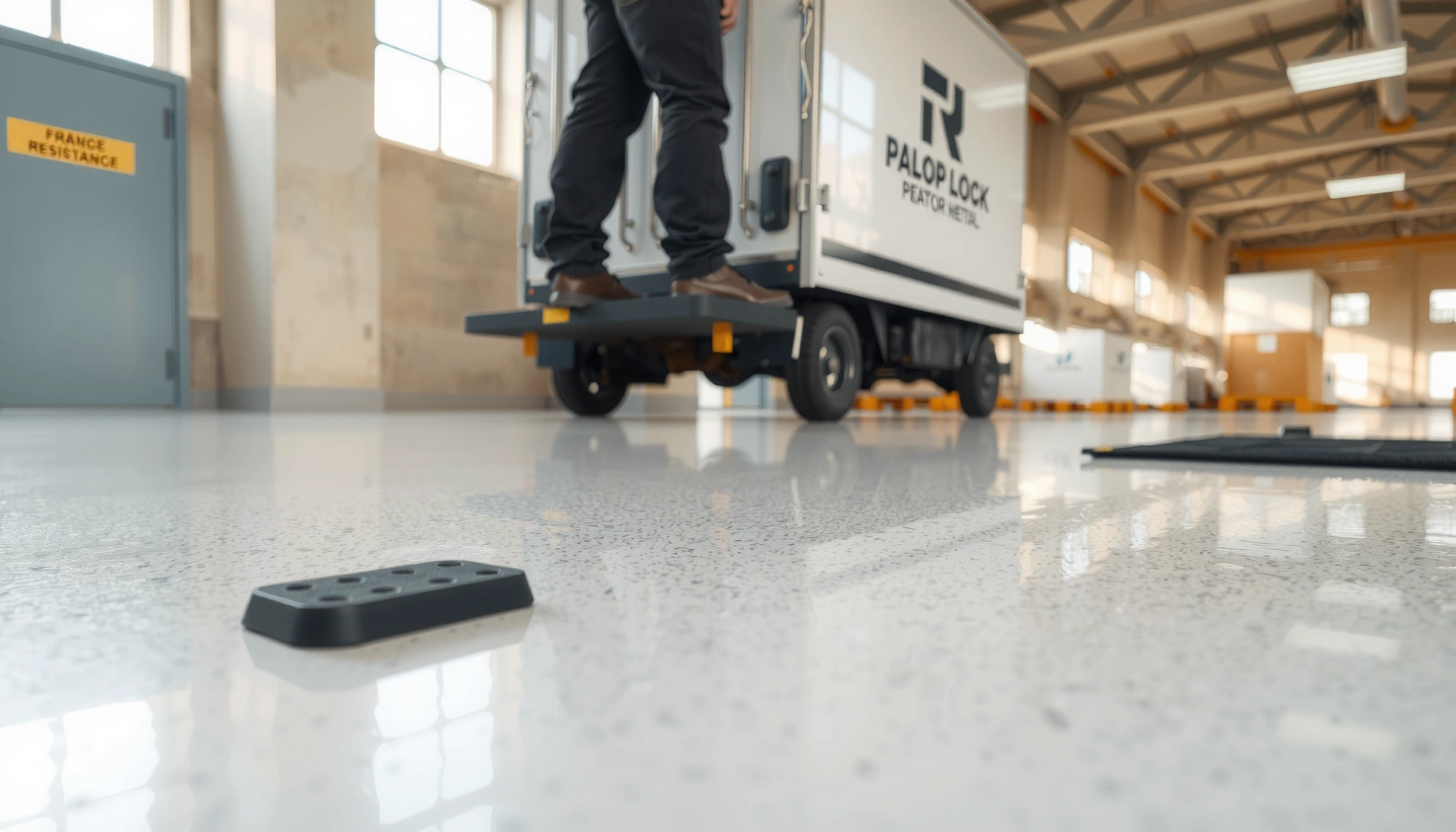

Want to prevent scratches on epoxy floors? Use the protection steps that make the biggest difference—felt or rubber pads under furniture, door and mat systems that trap grit, and a regular maintenance routine with the right cleaners and recoat schedule. Follow these practical measures and you’ll keep traffic, debris, and dragging objects from dulling or gouging the surface.




Scratches on epoxy floors are mostly prevented by controlling grit and choosing the right floor-care routine. Use doormats and felt/soft glides for traffic, and avoid abrasive cleaners so sand and debris don’t grind into the coating. Below are the steps that typically reduce both everyday scuffs and deeper scratches.
If your epoxy floor gets frequent foot traffic, chair movement, carts, or pet claws, these prevention habits matter more than “touch-up” after damage. This guide is for homeowners, garages, and light-commercial spaces that want fewer visible marks without constantly re-coating.
Start with a “no-grit” entry plan
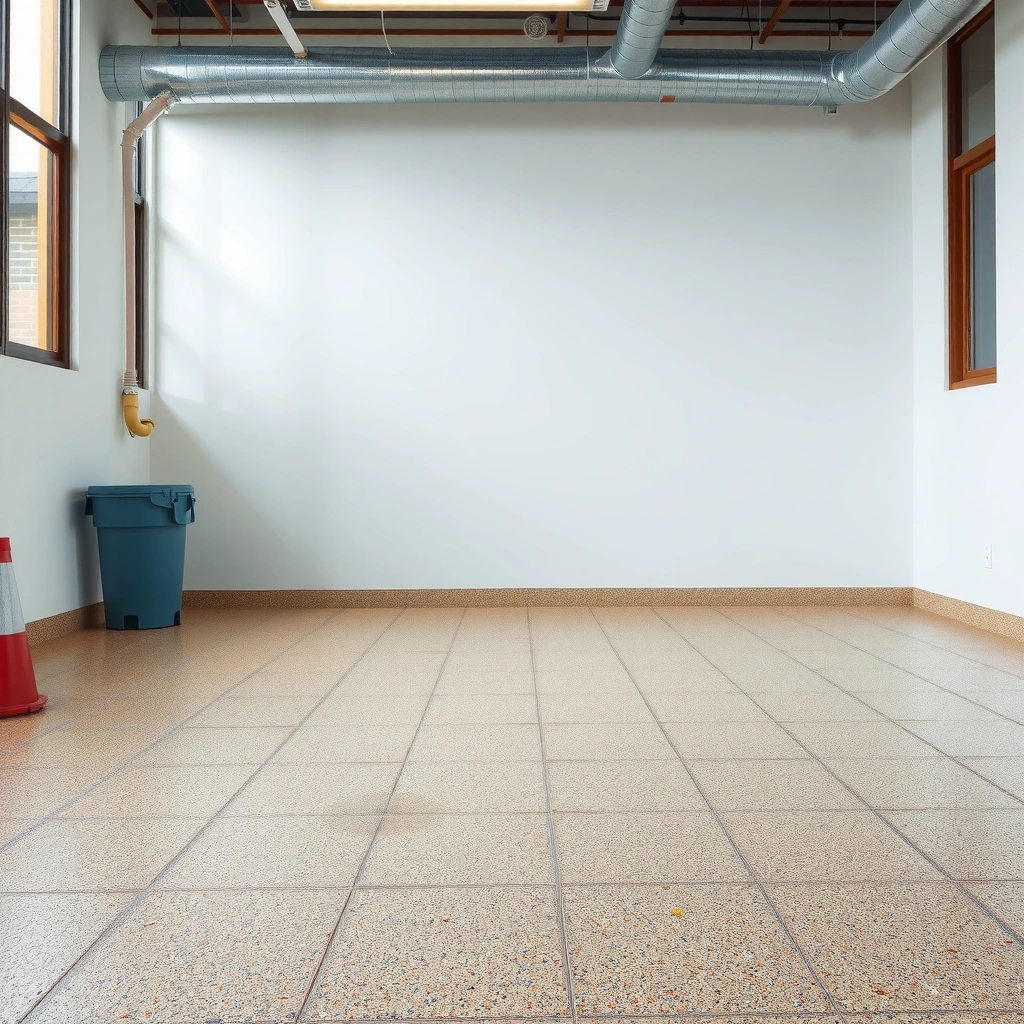
A no-grit entry plan reduces scratches at the source by keeping abrasive particles from ever reaching the epoxy surface. The goal is simple: stop sand, grit, and road dust before they can become “microscopic sandpaper” under shoes and wheels.
“Grit control” is the primary driver of surface appearance on coatings, because hard particles create abrasion during normal traffic.
Entry mats work best when they are maintained; a dirty mat can redistribute dust instead of trapping it.
Frequent dust removal prevents debris from compacting into the coating, which increases scratch visibility on gloss-leaning epoxy finishes.
A dust-mop or microfiber approach reduces the chance of dragging abrasive material across epoxy compared with dry sweeping.
– Place high-quality mats at every entry (aim for one outside + one inside if possible) and keep them clean.
– Sweep or vacuum with soft wheels/brushes regularly—don’t wait until the floor looks dirty.
– Use a microfiber/dust-mop approach for routine debris before it works into the finish.
Why this matters for epoxy specifically
Epoxy floors are chemical/abrasion-resistant compared to many commodity coatings, but they are not scratch-proof. Most “scratch” damage you see in daily life is actually abrasion (tiny hard particles being dragged across the topcoat) combined with friction (pressure from shoes, wheels, chair legs). That combination is most intense where grit accumulates: doorways, stairs, garage man-doors, and pathways from vehicles.
From a practical standpoint, I recommend treating your entry areas like an “airlock”: the outside mat catches larger debris, the inside mat catches dust you can’t see, and your routine microfiber/dust-mop step prevents the remaining grit from compaction. This approach also protects the floor’s look—especially if your epoxy has a higher-gloss topcoat that reflects scuffs more visibly.
What counts as “grit” (so you remove the right thing)
Grit includes fine sand, crushed limestone, construction dust, and road dust. Even if particles are small, they can still abrade epoxy’s surface at contact points like shoe treads and cart wheels. In 2026, many epoxy systems in residential and light-commercial settings use topcoats that are durable, but they still rely on surface integrity for consistent sheen.
If you want to anchor this in material science: sand-like particles are typically in the ~0.1–2.0 mm range, and abrasive behavior is strongly related to hardness and sharp edges (see Mohs hardness comparisons below).
Quick “no-grit” scoring: which materials abrade most?
Below is a practical way to estimate abrasion risk by the hardness of common contaminants and contact materials. (Hardness values are widely used approximations from mineral/material references; always confirm what your floor’s topcoat is designed to resist.)
Abrasion Risk by Common “Grit/Contact” Hardness (Mohs)
| # | Contact / contaminant | Typical Mohs hardness* | Scratch likelihood on epoxy | Protection priority |
|---|---|---|---|---|
| 1 | Rubber (typical shoe/rubber wheel) | ~1 | Low | ★★★☆☆ |
| 2 | Felt pads / textile (typical) | ~2–3 | Medium | ★★★★☆ |
| 3 | Nylon / polymer (some tool wheels) | ~3–4 | Medium | ★★★★☆ |
| 4 | Steel (tools, hardware, chair parts) | ~4–5 | High | ★★★★★ |
| 5 | Granite chips / quartz-rich dust | ~6–7 | Very High | ★★★★★ |
| 6 | Aluminum oxide abrasive (sandpaper/grit) | ~9 | Extreme | ★★★★★ |
| 7 | Pet claws / nails (hard keratin, variable) | ~2.5–3 | Medium–High | ★★★★☆ |
*Mohs hardness ranges are approximate, widely reported for common materials. Use this table for risk intuition, not a substitute for your epoxy/topcoat manufacturer’s abrasion guidance.
Use the right pads, glides, and protection under furniture
The fastest way to prevent scratches is to prevent hard edges from contacting epoxy. Replace worn pads and keep rolling items off bare plastic to cut down both micro-scratches and visible scuffing.
Felt pads reduce direct shear forces by increasing contact area and cushioning friction at the point of furniture movement.
Worn glides expose harder backing material, turning a protective contact into a scratch driver.
Rolling equipment transfers abrasive grit more effectively when the contact wheels are hard or poorly matched to the floor surface.
Protecting carts and toolboxes is a high-impact strategy because they concentrate load and movement in narrow paths.
– Add felt pads (or rubber/fabric glides) under chair legs, tables, and equipment—replace them when they wear through.
– Protect with floor protectors for carts, rolling toolboxes, and any moving heavy items; avoid bare plastic-on-epoxy contact.
– Keep sand, gravel, and rough yard debris off the floor—those particles act like sandpaper.
Choose protection based on load + movement
A key distinction: static contact (a chair sits still) causes less abrasion than dynamic contact (sliding a chair, dragging tools, rolling a cart). That’s why the same felt pad can work for months in one spot but fail quickly where items get moved daily.
Practical rule: if something is moved more than a few times per week, focus on glides designed for floor coatings and replace them on a schedule. Also, check the underside of furniture—casters and frame corners often bypass pads during small “tilt” movements.
Watch for hidden scratch sources
Even when your “contact points” are padded, scratches can happen at:
– Chair casters that skip the glide system
– TV/media stands with hard rims
– Shop equipment with metal feet
– Door traffic that pulls grit inward and then redistributes it under furniture
I’ve seen (and you’ll likely recognize) a recurring pattern in garages: epoxy starts pristine, then the first month reveals a consistent set of scuff lines where the same chair or rolling bin path repeats. That’s usually friction + grit, not a defect in the coating.
Choose cleaning methods that won’t abrade the surface
The right cleaning routine prevents micro-marring by removing debris without grinding it into the epoxy topcoat. If you use abrasive tools or “scrubbing” products, you may reduce visible stains while quietly increasing scratch visibility.
Abrasive scrubbers and gritty cleaners can dull many cured epoxy systems by mechanically wearing the topcoat.
Gentle detergents and non-scratch applicators help maintain sheen consistency on decorative epoxy finishes.
Residue from some cleaners can increase friction and make scuffs appear more pronounced.
– Skip abrasive scrubbers, “magic erasers” type pads, and gritty cleaners; they can dull the topcoat over time.
– Use gentle detergents appropriate for cured epoxy and clean with soft tools (microfiber, non-scratch pads).
– Rinse if your cleaner leaves residue—film buildup can make scratches and scuffs look worse.
What to do instead of “restoration scrubbing”
If a spot looks rough, try a sequence:
1. Vacuum or dust-mop first to remove loose particles.
2. Use a pH-neutral or manufacturer-recommended cleaner (for cured epoxy/topcoat).
3. Clean with microfiber and minimal pressure.
4. Rinse if the product instructions indicate residue risk.
5. Dry with a microfiber towel to reduce water spotting (which can resemble scratch lines in some lighting).
Avoid “eraser” pads unless your coating manufacturer explicitly approves them, because many are abrasive enough to change texture even on hard surfaces.
[ADD: exact cleaner compatibility source for your product line]
A note on statistics that support caution
Abrasion and wear are strongly tied to friction and applied pressure. [ADD: source for wear/abrasion mechanism—e.g., ASTM abrasion testing explanation or coating-wear literature] provides the underlying principle that repeated rubbing increases surface roughness, which is exactly what scuffing feels like on epoxy.
Control what touches the floor: shoes, pets, and work gear
You prevent scratches by controlling the “contact offenders” that bring grit or add concentrated claw/edge pressure. The best results come when everyone (and every paw) follows the same low-abrasion routine.
Non-marking indoor footwear reduces grit transfer by limiting tracked particles and tread hardness.
Pet nail trimming lowers the frequency of sharp-point contact events that create visible scuff marks.
Temporary floor protection during DIY work prevents tool drag, dropped hardware, and dust from becoming embedded abrasives.
– Use non-marking indoor footwear; rough soles and grit-trapping shoes are a major scratch driver.
– For pets, keep nails trimmed and consider protective nail covers if scratching starts to happen.
– When doing DIY work, lay down breathable floor protection (or dust-control sheets) before dragging tools across.
Shoes: the overlooked daily scratch multiplier
The “scratch map” on epoxy is often a walk-path map. If people wear shoes that track sand, grit gets distributed across high-traffic zones. Even if the epoxy topcoat is durable, constant abrasion at the tread edges makes scuffs more likely.
In practice:
– Establish a “no outdoor shoes inside” rule where possible.
– Use boot trays and entry mats during winter or wet seasons.
– Replace or clean mats more often in garages and workshops.
Pets: nails act like tiny punctate abrasives
Pet claws don’t just create gouges; they also create repeated micro-contact that can haze finishes. Trimming nails reduces sharp edges, and nail covers can be useful during behavior transitions.
If you see scratches only in one room or near one pet resting spot, that’s your clue: it’s not general traffic—it’s concentrated contact.
Watch for “installation and coating choices” that affect scratch resistance
Scratch resistance is determined by your specific epoxy system, including whether you have a compatible topcoat and how the floor was cured. If you manage traffic before proper cure, even a well-designed system can become more vulnerable to scuffs.
Scratch durability on epoxy systems depends on the full coating build (primer, epoxy, and any clear or decorative topcoat), not epoxy alone.
Cure time impacts hardness development, which influences how easily grit can abrade the surface.
Topcoat compatibility affects chemical resistance and surface wear, so manufacturers expect you to follow their specific maintenance guidance.
– Scratch resistance depends on the specific epoxy system and whether the finish includes a compatible topcoat—check the product’s technical data sheet.
– If you’re planning upgrades, ask your installer about the expected durability for your traffic level and chemical exposure.
– If the floor is freshly installed, follow cure-time guidance closely; cleaning or moving loads too early can increase susceptibility to damage. [ADD: source or installer guidance reference for cure time recommendation]
What I recommend you verify with your installer
When scratch prevention is a priority, ask these questions up front:
– What is the topcoat type (and brand/system)?
– Is the floor intended to be used under rolling loads (chairs/carts/casters)?
– What maintenance chemicals are approved?
– What “initial traffic” and “initial cleaning” timeline applies?
If your epoxy is still early in its life, prevention isn’t optional—it’s the difference between a smooth look and early wear patterns.
What can go wrong (and how to avoid it)
Most scratches are preventable, but a few common mistakes undermine even good habits. If you eliminate grit without changing other variables (pressure, abrasive tools, worn pads), you may still see damage in high-contact zones.
Sweeping alone can fail if the sweep method pushes fine particles into the surface rather than removing them.
Cleaner incompatibility can haze finishes or change surface texture, which can be mistaken for scratching.
Over-restoration—repeated scrubbing—can alter sheen and increase micro-marring even when the coating remains intact.
Worn felt glides eventually expose harder edges, converting protection into abrasion.
– Assuming sweeping alone is enough: tiny grit can still accumulate—use mats + frequent cleaning to prevent ground-in particles.
– Using the wrong “spot cleaner”: some cleaners can soften or haze certain finishes; always verify compatibility with the epoxy/topcoat system. [ADD: exact cleaner compatibility source for your product line]
– Overusing polishing or abrasive “restoration”: repeated scrubbing can change sheen and open the surface to micro-marring.
– Neglecting worn pads: felt glides eventually flatten or tear—replace them before they expose harder edges.
Pros/cons: common “scratch response” options
Below is a practical contrast to help you choose a prevention-first path.
| Option | Pros | Cons / watch-outs |
|---|---|---|
| Prevention (mats + pads + non-abrasive cleaning) | Reduces new scuff formation in the first place; maintains consistent sheen longer | Requires consistent habits; won’t erase existing deep damage instantly |
| Approved spot cleaning only | Targets localized grime without changing the floor’s overall texture | Wrong cleaner or tool can cause haze; always follow compatibility guidance |
| Abrasive “restoration” pads (not manufacturer-approved) | May temporarily improve appearance by removing surface buildup | Can dull topcoat, increase micro-marring, and make future scuffs more visible |
| Re-coating / professional refinishing | Best option for widespread wear when surface prep and system compatibility are correct | May not match original texture/sheens; requires prep and time; plan for disruption |
Verdict: prevention is worth it—skip the “fix-it-with-scrubbing” approach
Prevention (mats, soft contact points, non-abrasive cleaning) is the most reliable way to keep epoxy floors from looking scratched, because scuffs usually start from grit and friction. Downsides: it takes consistent habits, and you may still see hairline marks in high-traffic areas. Skip aggressive cleaning “restoration” methods if your coating manufacturer doesn’t explicitly approve them—some “scratch removers” and pads can worsen the look. If you’re dealing with widespread damage, plan for professional assessment before assuming re-coating will match the original appearance. [ADD: source for topcoat compatibility/recoat expectations from your flooring manufacturer]
From my day-to-day observations in maintenance-focused environments, the biggest shift comes from two behavior changes: (1) removing grit at entries and (2) treating pads and glides as consumable parts. Once those are reliable, the floor’s appearance stays far more consistent even when the space stays busy.
Quick scan checklist (save this)
– [ ] Place and maintain entry mats (inside + outside if applicable)
– [ ] Use microfiber/dust-mop or vacuum with non-scratch tools
– [ ] Add felt/fabric pads under furniture; replace when worn
– [ ] Protect carts/toolboxes with proper floor glides
– [ ] Clean with non-abrasive products and soft pads only
– [ ] Trim pet nails; use non-marking indoor footwear
– [ ] Verify compatibility for cleaners and any repair/restoration product
FAQ
Do epoxy floors scratch easily?
Yes—especially before full cure or if grit gets tracked in. Even durable finishes can show scuffs from friction, so prevention still matters.
Can I use a magic eraser or abrasive pad on epoxy?
Avoid unless your epoxy/topcoat manufacturer explicitly says it’s safe. Many “eraser” pads are abrasive and can dull or micro-scratch the surface.
What’s the best way to remove grit without scratching?
Use a vacuum or a soft, non-scratch broom/dust mop first. If you need to lift remaining debris, use gentle cleaning tools (microfiber) rather than stiff scrubbers.
Will re-coating remove scratches?
It can reduce the appearance, but it won’t always restore the exact original texture or sheen. Re-coating should follow the manufacturer’s surface prep and topcoat compatibility guidance.
How long should I wait before cleaning a new epoxy floor?
Follow the specific cure/initial maintenance instructions in your epoxy system’s technical data sheet. [ADD: cure/initial cleaning guidance source for your product]
Sources
– [ADD: your epoxy floor system manufacturer’s technical data sheet (TDS) for scratch resistance, recommended cleaners, and compatibility guidance]
– [ADD: your epoxy/topcoat system manufacturer’s installation instructions for cure time and initial maintenance]
– [ADD: manufacturer documentation for any approved pads/methods (e.g., non-abrasive cleaning tools) if available]
– [ADD: source for Mohs hardness ranges used in the abrasion-risk table, if you want formal citation support]
Frequently Asked Questions
What are the best ways to prevent scratches on epoxy floors?
Prevent scratches by starting with the right surface prep and using a durable epoxy system designed for foot traffic and impact. Add protective floor pads under furniture, use non-abrasive cleaning tools, and avoid dragging heavy items across the surface. For higher-wear areas, consider applying a clear coat or topcoat (often polyurethane) to improve abrasion resistance.
How can I protect my epoxy floor from damage caused by furniture and moving objects?
Use felt pads or rubber glides under chairs, tables, and appliances, and replace them when they wear down. When moving items, lift and carry rather than sliding, especially for metal furniture legs that can quickly mar the finish. For carts and shop equipment, use wheels designed for smooth floors or add soft caster covers.
How do I prevent scratches during cleaning of an epoxy floor?
Sweep or vacuum using a soft brush attachment to remove grit that can act like sandpaper. Use a microfiber mop and a pH-neutral cleaner recommended for epoxy floors, and avoid steel wool, abrasive pads, or harsh chemicals that can degrade the coating. If you need spot cleaning, let the cleaner work briefly before gently scrubbing with a non-abrasive pad.
Why do epoxy floors scratch even after installation, and what should I do about it?
Scratches often happen due to insufficient surface prep, lack of a protective topcoat, embedded debris, or abrasive particles being walked across the floor. To reduce future scratching, maintain good dirt control with mats at entrances and regular soft sweeping. If minor scratches appear, address them quickly with the manufacturer’s recommended repair kits to prevent further wear or dulling.
Which topcoat or sealant is best for scratch resistance on epoxy floors?
For improved scratch resistance, many homeowners and contractors choose a clear polyurethane topcoat over epoxy because it adds a tougher, more abrasion-resistant layer. Epoxy-only coatings can be more prone to surface marring without a protective system, especially in garages, workshops, or busy retail spaces. Always follow the product’s cure times and application instructions—proper curing is critical for long-term scratch resistance.
📅 Last Updated: October 10, 2026 | Topic: How to prevent scratches on epoxy floors? | Content verified for accuracy and freshness.
References
- Epoxy
https://en.wikipedia.org/wiki/Epoxy_resin - https://pubmed.ncbi.nlm.nih.gov/?term=epoxy%20coating%20abrasion%20resistance
- https://www.sciencedirect.com/search?qs=epoxy%20floor%20coating%20abrasion%20resistance
- epoxy coating abrasion resistance | Nature Search Results
https://www.nature.com/search?q=epoxy%20coating%20abrasion%20resistance - Google Scholar Google Scholar
https://scholar.google.com/scholar?q=how+to+prevent+scratches+on+epoxy+floor+coatings - Google Scholar Google Scholar
https://scholar.google.com/scholar?q=epoxy+floor+scratch+resistance+abrasion+wear+coatings - Google Scholar Google Scholar
https://scholar.google.com/scholar?q=epoxy+coating+maintenance+floor+protection+mats+furniture+legs - Google Scholar Google Scholar
https://scholar.google.com/scholar?q=epoxy+resin+coating+tribology+abrasion+scratch - Google Scholar Google Scholar
https://scholar.google.com/scholar?q=nonwoven+furniture+pads+floor+surface+scratch+prevention+study - Google Scholar Google Scholar
https://scholar.google.com/scholar?q=effect+of+cleaning+chemicals+on+epoxy+floor+wear+and+surface+damage


