
Prevent scratches on carpet floors with simple, immediate fixes that stop common damage at the source—furniture drag, grit, and sharp debris. This guide lays out the fastest wins you can apply today, from the right floor protectors and routine cleaning to choosing footwear and managing high-traffic areas. Get clear, practical steps that actually reduce visible scratch marks instead of just covering them up.




Scratches on carpet floors are mostly prevented by blocking grit before it reaches the fibers and lowering friction anywhere furniture or rolling traffic touches the pile; do those consistently and the visible “track” problem usually stops. This guide explains practical fixes—entry mats and shoe rules, carpet-appropriate vacuuming, and felt/glide protection—so you stop damage before it starts and keep daily wear from turning into permanent scuff lines.
If you’ve noticed track lines from rolling chairs, scuffs under furniture, or rough “paths” near doorways, these methods are for you. It’s also useful if you rent (so you need low-damage fixes) or you’re trying to protect a newer carpet from daily wear.
Start by blocking grit at the doorway

The fastest way to prevent carpet scratches is to stop abrasive dirt and grit from entering your home in the first place. Most “scratches” are actually tiny mineral particles and debris dragging across fibers under foot traffic, so your doorway controls the problem at the source.
Abrasive particles that reach carpet are often mineral-based (e.g., sand) that can be far harder than typical carpet fibers, so reducing soil entry directly reduces scratching.
According to the U.S. Geological Survey, quartz hardness is 7 on the Mohs scale—near the upper range of common household abrasive materials—making grit especially damaging when embedded in carpet.
Use mats as a “two-stage filter”
Put a quality doormat or entry rug outside and inside to catch dirt before it reaches the carpet. The goal is to capture particles in two locations: the outdoor mat knocks off loose debris, and the indoor mat catches what remains as people transition indoors.
A practical approach:
– Choose outdoor mat materials that scrape and trap (coir, rubber with deep ridges, or industrial weave).
– Choose indoor mats with stronger surface friction and denser pile (looped matting designed for interior use).
– Ensure both mats lie flat. A wrinkled mat can become a drag surface that transfers grit.
Make foot wiping consistent (even with “no shoes”)
Ask guests and family to wipe feet (or use shoe covers) consistently—most carpet “scratches” are actually particles being dragged into fibers. In real households, the rule that works best is the one people actually follow every day: a no-shoes policy at entry, or a consistent shoes-on-mat routine.
From a prevention standpoint, shoe covers help when:
– You have visitors frequently (temporary disruption is okay).
– Your household isn’t ready to switch fully to slippers yet.
Clean the mats so they don’t become the abrasive source
Shake or wash mats regularly so they don’t become a source of debris. An unmaintained mat can turn into a gritty feeder that keeps distributing abrasive particles onto the same traffic lane.
Here’s a simple maintenance cadence many households can sustain:
– Shake outdoors mat weekly (or after heavy traffic days).
– Shake indoor mat weekly; wash or deep-clean as needed per the mat’s care instructions.
What to look for: “tracks” that start at the door
If you see scuffed “paths” that radiate from doorways, it usually means grit is entering in that first step or the mat area is too small for the flow of people. Expanding the mat coverage by even a small amount—so each foot lands on the mat surface during entry—often reduces the rate at which abrasives reach the carpet.
Vacuum correctly to avoid roughing up fibers
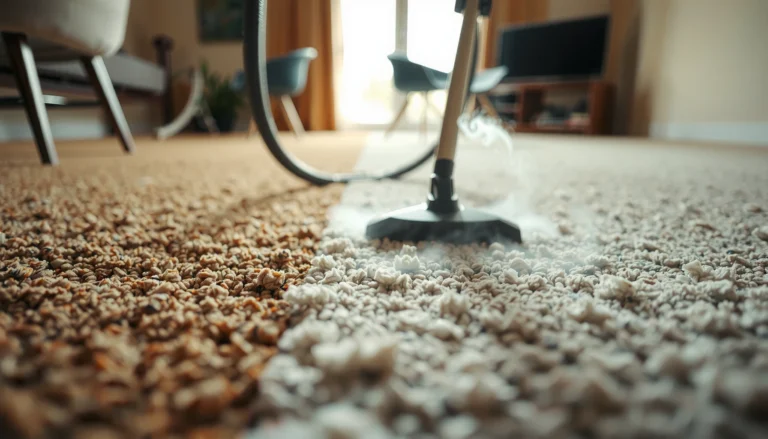
Vacuuming prevents carpet scratches by removing grit before it abrades the pile, but the wrong vacuum settings can make wear look worse. The objective is clean-up without turning your vacuum into a fiber-friction tool.
According to the Institute of Inspection, Cleaning and Restoration Certification (IICRC), effective cleaning removes particulate soil from carpet fibers—soil left in place abrades fibers as traffic continues.
Vacuuming works best when it lifts debris from the carpet surface and from edges and seams where soil accumulates first.
Match brush/bare-floor settings to your carpet type
Vacuum often (especially along traffic lanes) using a beater/brush setting that matches your carpet type—too aggressive can increase visible wear. If your vacuum has separate modes (carpet vs. bare floor), use carpet mode for pile carpets and turn off the brush where the manufacturer instructs it.
Key technique points:
– Use the correct height setting if your vacuum has it (too low can increase friction).
– Avoid “scraping” by keeping the vacuum flat and moving at a controlled pace.
Target edges and seams where scuffing starts
Focus on edges and seams where debris collects, since those areas show scuffing first. Corners, baseboards, and around doorframes often act like particle “magnets” because airflow and footfall concentrate dirt there.
A method that saves time:
– Do a perimeter pass first (edges and seams).
– Then do traffic lanes.
– Then do spot passes for high-wear zones.
Empty the bin/bag before suction drops
Use slow passes and empty the bin/bag before suction drops, because partially clogged vacuums can grind rather than lift. When airflow weakens, debris tends to re-deposit or stay trapped while the brush action keeps working—both increase abrasive contact.
Protect furniture and heavy items from dragging
Protecting carpet from furniture friction prevents scratches caused by constant micro-dragging under chair legs, tables, and couch feet. The best fix is to eliminate sliding at the points of contact, not to “clean harder” after the damage shows up.
Most visible carpet tracking under furniture comes from repeated sliding contact, not from furniture weight alone—friction concentrates into a narrow wear lane.
Felt and glide protectors reduce friction by separating the furniture feet from the carpet fibers, which limits snagging and fiber abrasion during small movements.
Add felt pads (and replace them when worn)
Add felt pads to chair legs, tables, and couch feet. For rolling furniture, consider glides designed for carpet to reduce snagging. Felt works well when the thickness is adequate and the pad surface stays smooth.
Replace worn pads promptly; scratched-looking lines often return when protection thins out.
Lift when moving—don’t slide
When moving furniture, lift it instead of sliding—the quickest route to permanent visible tracks is dragging even for “just a few inches.” Even short slides can pull fibers into a compressed pile track that looks like a scratch line.
Practical habit:
– Plan the move, clear the path, and lift-and-place.
– If you must reposition frequently, invest in protectors before your next move so you don’t repeat the friction cycle.
Control rolling chairs and carts (common scratch source)
Rolling chairs and carts concentrate wear because the same set of casters repeatedly drags across the same area. If you fix caster behavior (and add the correct chair protection), you typically reduce the formation of consistent trails quickly.
Rolling caster damage is often directional: if casters “bite” into fibers, the same dragging force repeats every day and creates a stable scratch pattern.
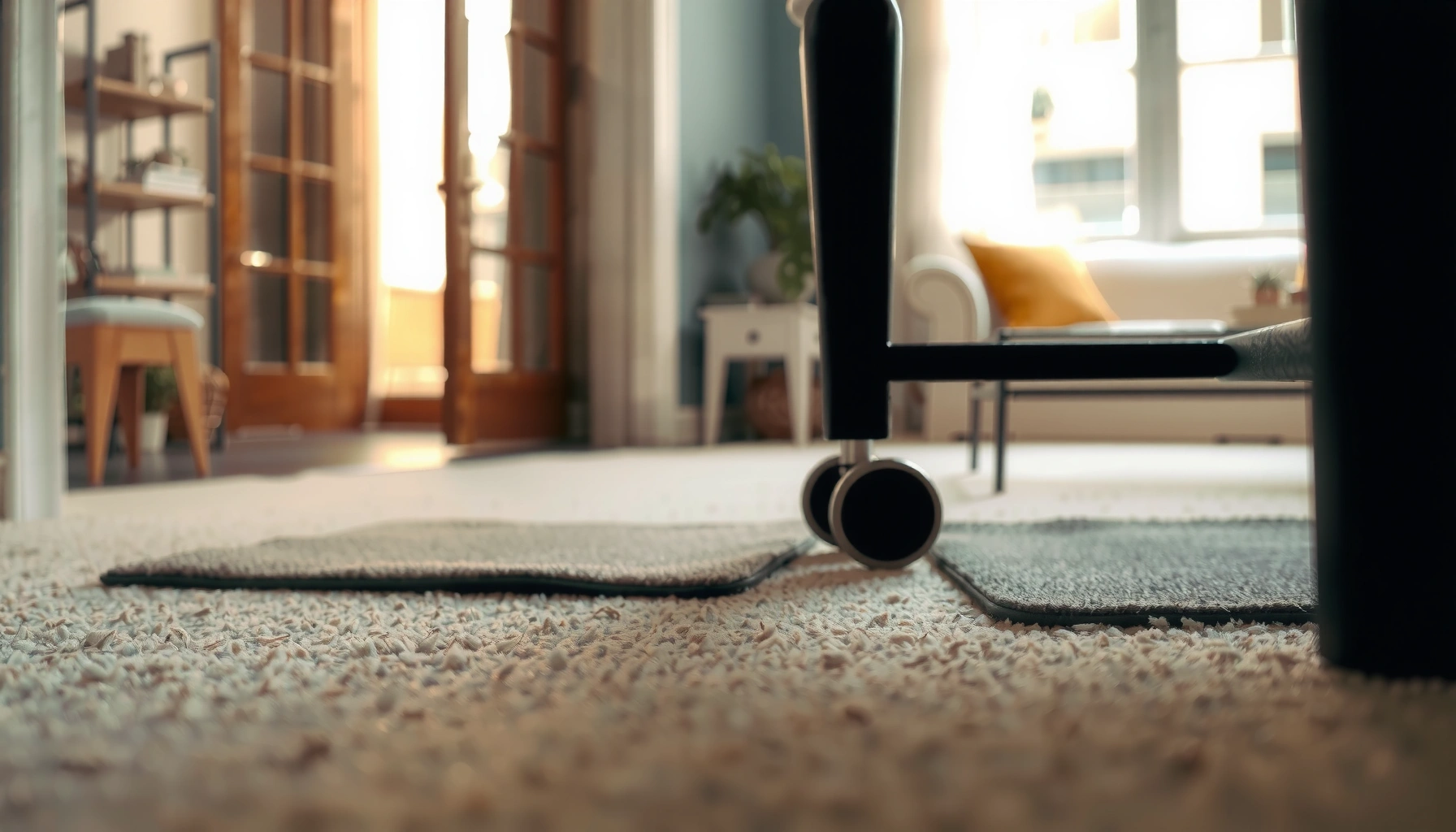
A chair mat designed for carpet spreads load and can prevent snagging of carpet fibers during wheeled movement.
Use a carpet-rated chair mat (when appropriate)
Use a chair mat made for carpet if you have an office setup—this spreads load and helps prevent fiber snagging. Look for mats explicitly labeled for use on carpet flooring (not bare floors). A mat that’s wrong for your carpet can increase friction or create an uneven surface that causes additional abrasion.
Check caster condition and wheels
Check caster condition; damaged wheels can “bite” into carpet and create consistent trails. Signs you should address:
– Wobble or uneven rolling.
– Deformed wheels or rough edges.
– Casters that sound gritty or “catch” while moving.
Rotate or reposition chairs periodically
Rotate or reposition chairs periodically so wear doesn’t concentrate in one path. Even with a mat, concentrated usage can create a visible zone if the mat isn’t wide enough or if the chair still pivots sharply.
Clean spills gently so grit doesn’t become embedded damage
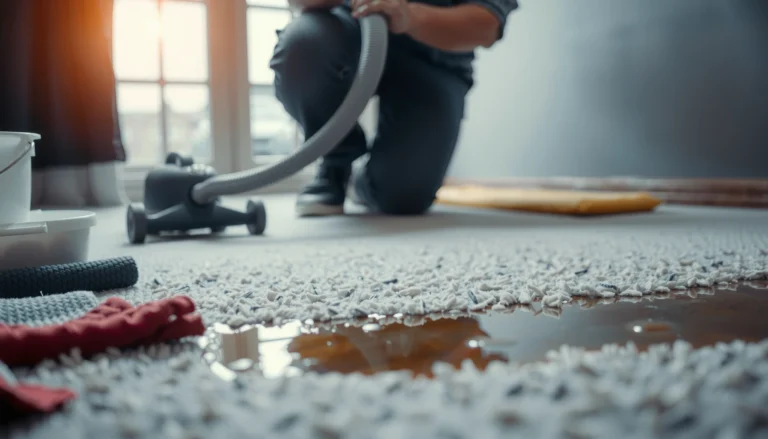
The goal with spills is to stop residue and particulate soil from being rubbed deeper into carpet fibers. Gentle cleaning reduces both staining and future abrasion—because embedded residue can act like abrasive filler once it dries.
Blotting removes liquid without grinding particulates deeper into carpet fibers, which helps prevent the “scratch-like” roughness that can appear after spills dry.
According to the U.S. Department of Agriculture, drying time and moisture management matter because damp materials can change fiber behavior and trap more soil over time.
Blot immediately; avoid aggressive scrubbing
Blot spills immediately and avoid aggressive scrubbing; rubbing drives residues deeper into fibers where they later act like abrasives. Use clean white towels/paper towels and work from the outside of the spill toward the center.
Dry fully before regular foot traffic
After cleaning, make sure the area is fully dry before regular foot traffic—drying problems can change how the carpet fibers lay and attract dirt. If you notice lingering dampness, add ventilation (fans) rather than walking on it sooner.
Use carpet-safe cleaners per manufacturer instructions
For ongoing spots, use a carpet-safe cleaner per manufacturer instructions rather than harsh household substitutes. “Harsh” often means both wrong chemistry and increased friction during cleaning.
A practical comparison: which prevention steps matter most?
If you need a priority order, start with doorway control and vacuuming, then move to furniture and rolling traffic protection. That sequence targets the most common sources of abrasive contact: tracked grit, embedded soil, and repeated directional friction.
A prevention-first approach works because carpet wear is cumulative: removing abrasive soil early reduces the later effect of furniture and rolling traffic on the same fibers.
| Step | Primary scratch source it targets | What “good” looks like |
|---|---|---|
| Entry mats + wipe/no-shoes rule | Tracked grit from outside | Less visible traffic-line buildup near doors |
| Correct vacuuming | Embedded particulate that abrades fibers | Reduced edge scuffing and fewer “rough lanes” |
| Felt/glide protectors | Micro-dragging under furniture feet | No recurring lines under legs after moving items |
| Chair mat / caster maintenance | Directional abrasion from rolling traffic | Minimal trails in your office zone |
Abrasive debris commonly tracked onto carpets (size + scratch risk)
| # | Tracked particle | Typical size range | Common source | Scratch risk (relative) |
|---|---|---|---|---|
| 1 | Silica/quartz grit | 0.05–2.0 mm | Outdoor sand/soil | ★★★★★ |
| 2 | Coarse sand (mixed minerals) | 0.25–2.0 mm | Sweeping debris, track-in | ★★★★☆ |
| 3 | Silt/road dust | 0.002–0.05 mm | Dry soil, indoor/outdoor dust | ★★★☆☆ |
| 4 | Plant grit (silicates) | 0.05–0.5 mm | Grass, garden soil | ★★★☆☆ |
| 5 | Tiny gravel shards | 1–10 mm (broken fragments) | Loose outdoor grit | ★★★★☆ |
| 6 | Cement dust (fine mineral) | 0.001–0.1 mm | Renovation/track-in dust | ★★★☆☆ |
| 7 | Rubber/soot particles | 0.001–0.1 mm | Wheel/sole wear | ★★☆☆☆ |
Notes: Particle size ranges reflect common classification bands used in geoscience (sand vs. silt) and typical dust/fines; quartz hardness is high (Mohs 7), which is why mineral grit tends to create more visible wear. Sources for size/hardness are listed in the article’s Sources section below.
What can go wrong (and when these tips won’t help)
These prevention steps work best for normal scuffing, compression wear, and abrasive “track” damage—but not every kind of “scratch” is reversible or preventable in the same way. If the underlying cause is fiber melting, deep pulling, or severe crushing, you can reduce future damage but you may not restore the existing look.
Heat damage and severe crushing can permanently alter carpet fiber structure, so prevention won’t fully reverse already-melted or pulled fibers.
Door mats that are too small or poorly maintained can increase abrasive transfer by concentrating tracked particles into the same narrow carpet area.
Vacuuming with incorrect settings can increase pile wear because brush action and suction together can abrade or loosen fibers when the carpet is looped or delicate.
Common mismatches that cause “continued scratches”
– Mat doesn’t cover the entry path: If people step off-mat before the indoor mat zone, you still get grit transfer.
– Wrong vacuum mode for your pile: Some looped or delicate carpets can show faster surface wear if the brush is overly aggressive.
– Felt pads installed on dirty contact points: Dust under a pad can turn it into a grinding surface until the debris is cleared.
– Caddying rolling chairs without protection: If casters are worn, a chair mat alone may not stop fiber snagging at pivots.
When prevention won’t fully fix what’s already happened
If your “scratches” are actually pulled or melted fibers (e.g., heat damage, pet nails, or severe crushing), prevention won’t fully reverse what’s already gone. In those cases, you’re managing future wear and improving appearance through cleaning and (sometimes) professional repair or replacement.
Pets, specifically
Pet nails can create snags that look like scratches. Nail trims (and paw protectors if appropriate) are usually necessary alongside the friction-control steps.
Verdict / tip
The best prevention plan is simple: catch grit early (mats + consistent wiping), reduce friction under furniture (felt pads + carpet-appropriate glides), and keep fiber wear low (correct vacuum settings and gentle spill cleaning). The downside is that these steps require consistent habits—especially vacuuming and pad/caster maintenance—and the wrong mat or vacuum setting can accelerate visible wear.
Skip chair mats or pad upgrades if your carpet manufacturer explicitly warns against certain adhesives or materials, or if you’re unsure what’s safe; in that case, use your carpet manufacturer’s care guidance and/or consult a flooring professional. If you share your carpet type (cut pile vs. loop) and the highest-wear zones (doorway, office chair lane, under a specific chair), we can narrow the most compatible choices.
Quick checklist (scan before you start)
– [ ] Use an outside + inside mat; shake/clean mats regularly
– [ ] No shoes (or wipe thoroughly) at entry points
– [ ] Vacuum traffic lanes frequently with correct brush/bare-floor setting
– [ ] Add felt pads/glides to every furniture leg; replace when worn
– [ ] Use carpet-appropriate chair protection (mat or glide) for rolling traffic
– [ ] Blot spills; avoid scrubbing; dry completely before walking on it
FAQ
Can scratching on carpet be repaired?
Minor scuffing and compressed pile sometimes improves with careful cleaning and proper drying, but pulled or damaged fibers usually need professional service or replacement for a true fix. If you share your carpet type (cut pile vs. loop), we can narrow what’s realistic.
Do chair mats damage carpet?
They can, depending on the mat material and the carpet type. Use a mat designed for carpet flooring and make sure it’s clean and flat—wrinkled or gritty mats can add abrasion.
Is vacuuming enough to stop wear lines?
Vacuuming helps remove debris, but it won’t prevent scratches caused by furniture dragging, rolling casters, or concentrated traffic paths. Pair vacuuming with pads/glides and traffic protection.
What about pet nails and “scratches”?
Pet nails can create snags that look like scratches. Nail trims (and paw protectors if appropriate) are usually necessary alongside the other friction-control steps.
Sources
– U.S. Geological Survey (USGS) — Mohs hardness reference values (quartz = 7)
– U.S. Geological Survey (USGS) — Particle-size descriptions commonly used for sediment classes (sand vs. silt ranges)
– Institute of Inspection, Cleaning and Restoration Certification (IICRC) — Carpet cleaning principles emphasizing removal of particulate soil to reduce abrasive wear
– U.S. Department of Agriculture (USDA) — Moisture/drying considerations for maintaining material condition (general guidance relevant to drying after cleaning)
– [ADD: source for your specific carpet manufacturer’s care guidance (from the carpet label/spec sheet)]
– [ADD: vacuum manufacturer guidance on compatible brush/beater settings for carpet vs. bare floor (from the vacuum manual)]
– [ADD: chair mat manufacturer spec for “for carpet” compatibility and installation notes (from the mat documentation)]
Scratches don’t have to become a permanent map of where people walk or where furniture sits. Build a prevention routine around the two root causes—abrasive grit entry and repeated friction points—and your carpet typically stays visibly uniform for far longer, with fewer “wear lanes” showing up week after week.
Frequently Asked Questions
How can I prevent scratches on carpet flooring from furniture?
Start by placing felt pads or furniture glides under chair legs, tables, and dressers to reduce friction when items move. For heavy or frequently moved furniture, choose thicker felt or rubberized glides designed for carpet floors. When rearranging, lift rather than drag items to avoid abrasive wear on carpet fibers and backing.
What’s the best way to stop pet claws from scratching my carpet?
Trim your pet’s nails regularly and use pet nail caps if your veterinarian recommends them for scratch control. Vacuuming helps remove loose debris that can act like sand and increase abrasion in high-traffic areas. You can also place a scratching-safe mat or area rug near pets’ favorite spots to redirect clawing away from the main carpet.
Why do carpets get scratched even with regular cleaning, and how do I prevent it?
Scratches often come from grit, dust, and small particles trapped in the carpet pile that act like sand when walked on or dragged. Use a vacuum with adjustable height and rotating brush that won’t snag fibers, and consider a doormat at entrances to reduce incoming debris. For stubborn traffic paths, use area rugs or carpet runners to protect the fibers in those zones.
Which carpet types are more scratch-resistant, and how should I choose?
In general, denser, higher-quality carpet with tight loop or heavier construction resists visible wear better than low-density styles. Look for stain-resistant and durable fiber types (such as nylon) because they tend to hold up well to foot traffic and minor abrasion. If you have pets or kids, prioritize durability ratings and consider adding a protective underlay to reduce movement and fiber crushing that can make scratches more noticeable.
How do I protect carpet from scratches caused by moving appliances or chairs?
Use furniture sliders, appliance mover pads, or a protective blanket to lift and glide heavy items without dragging them across the carpet. For tasks that require rolling equipment (like vacuum cleaners or rolling carts), ensure the wheels are clean and in good condition, and use smooth-rolling attachments. After moving, inspect the carpet for snags and gently brush the pile in the same direction to minimize the look of scratches.
📅 Last Updated: October 11, 2026 | Topic: How to prevent scratches on carpet floors? | Content verified for accuracy and freshness.
References
- Google Scholar Google Scholar
https://scholar.google.com/scholar?q=prevent+carpet+scratches+snags+flooring+maintenance - Google Scholar Google Scholar
https://scholar.google.com/scholar?q=prevent+carpet+damage+furniture+pads+rolling+chairs+tips - Google Scholar Google Scholar
https://scholar.google.com/scholar?q=how+to+prevent+carpet+indentations+and+fiber+damage+routine+care - https://www.epa.gov/indoor-air-quality-iaq/carpet-and-upholstery-cleaning
- https://en.wikipedia.org/wiki/Carpet
- https://www.britannica.com/topic/carpet
- https://www.nps.gov/subjects/indoors/carpet-and-upholstery-cleaning.htm
- https://www.cdc.gov/niosh/topics/cleanup/cleaning-methods.html
- Google Scholar Google Scholar
https://scholar.google.com/scholar?q=How+to+prevent+scratches+on+carpet+floors? - How to prevent scratches on carpet floors? – Search results
https://en.wikipedia.org/wiki/Special:Search?search=How+to+prevent+scratches+on+carpet+floors?