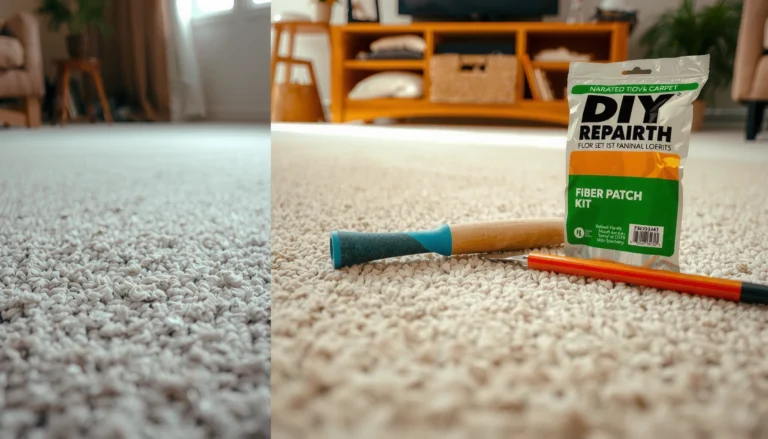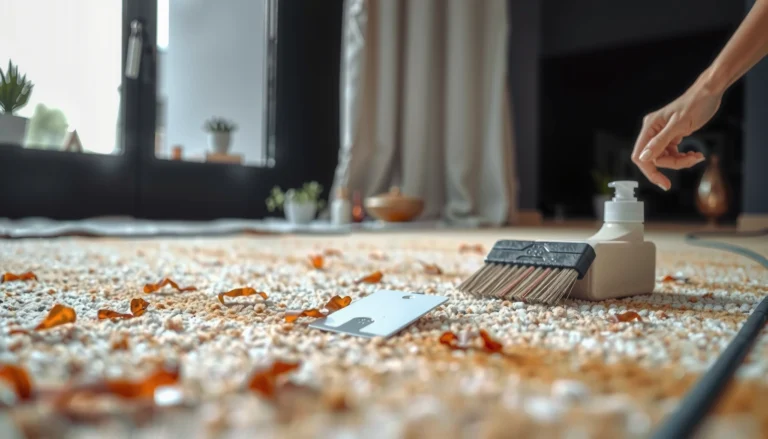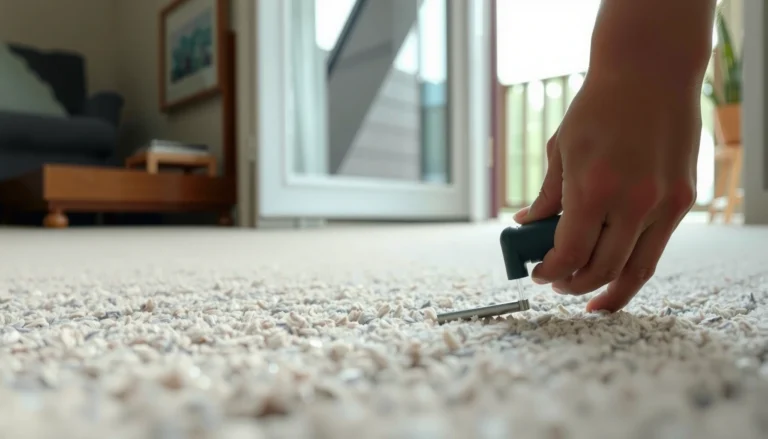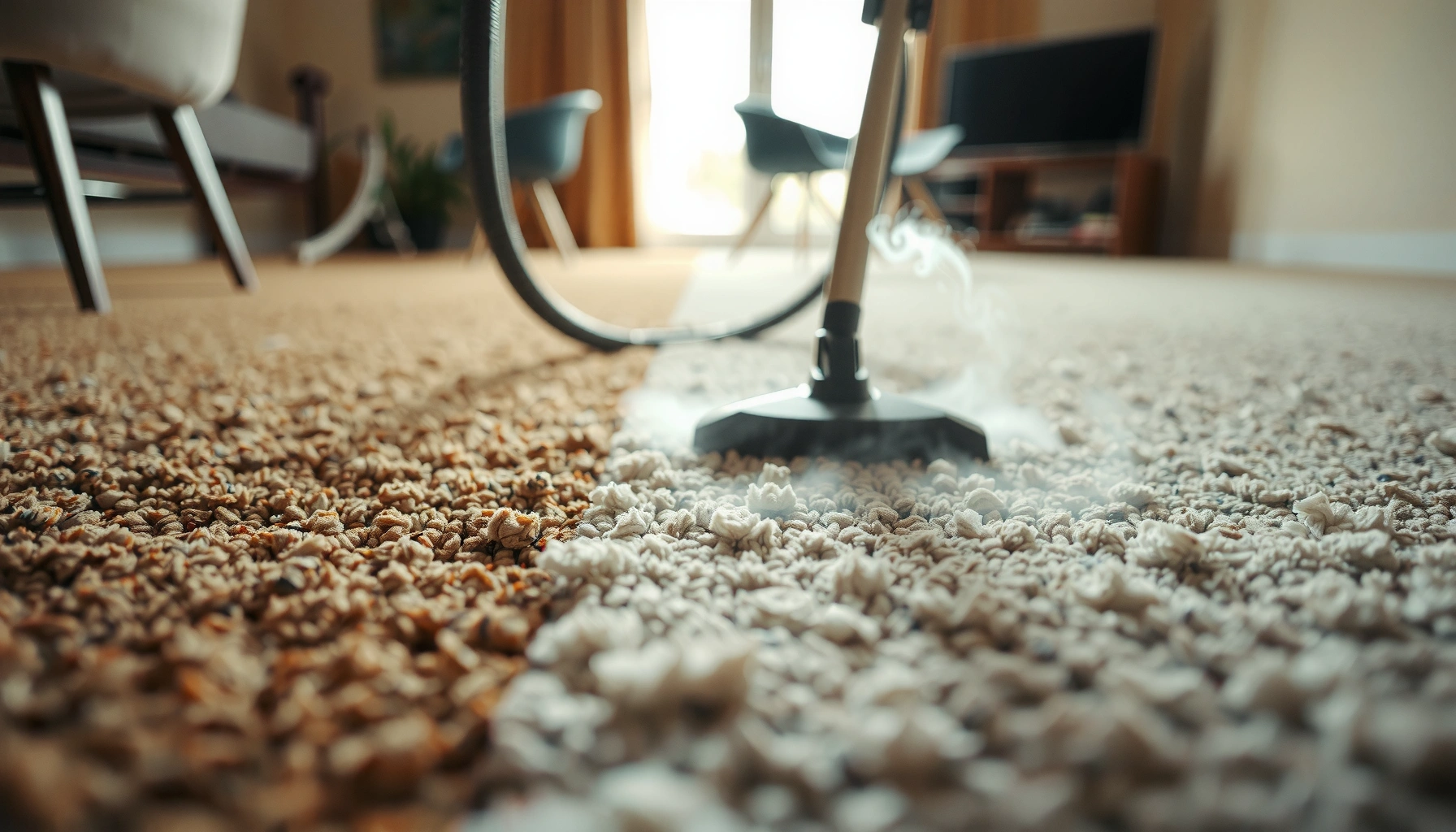

Fixing discoloration on carpet floors is usually a straightforward process when you identify the stain’s source first—water, pet accidents, sun fading, or residue. Start with the fastest safe approach: blot thoroughly, use the right cleaner for the type of discoloration, and rinse/dry correctly to prevent re-staining. Follow these practical steps to restore a more even carpet color without damaging the fibers or backing.




Discoloration on carpet floors usually comes from moisture, dirt buildup, sun fading, or chemical residue—so the fix depends on the cause. Start by blotting the area, identifying whether the stain looks “wet” (water) or “dry” (dirt/fading), and then use the gentlest cleaning method that matches the source. This guide walks you through safe, step-by-step approaches and what to avoid so you don’t spread the discoloration.
If you’re seeing dark patches, yellowing, or lighter spots on a carpeted room (from spills, pet accidents, cleaning residue, or sunlight), these methods help you narrow down the cause quickly. It’s also useful for homeowners and renters who want to try the right cleaning approach before escalating to professional cleaning.
Identify the cause of discoloration (before you clean)

The fastest way to improve carpet discoloration is to correctly identify what’s causing it—soil, residue, water/moisture, pet-related organics, or true color loss from sun. When you target the wrong cause (for example, scrubbing a sun-faded patch like it’s dirt), the area often becomes more mismatched.
A discoloration that reappears after blotting and drying often indicates a residue or moisture-driven issue rather than permanent dirt staining.
True sun fading shows up as a lighter patch that does not “activate” with water or cleaner in the same way as organic or soil stains.
Wet-feeling areas that take longer to dry frequently point to the carpet padding (and sometimes subfloor) rather than just the face fiber.
Start with a visual pass and a touch check:
– Check whether the area is darker, lighter, yellowed, or spotted, and whether it feels damp even after drying.
– Test in the least noticeable spot: a small blot with clean water can reveal if it’s water/soil-related (water may re-wet certain residues).
– Look for context cues—sun exposure, recent spills/steam cleaning, or repeated traffic patterns in the same spots.
Why this matters: carpets trap soils mechanically (dirt + friction) and chemically (residues left behind by detergents, spotters, and even some rinse cycles). Sun fading, in contrast, is a fiber color-change; it won’t be “cleaned away” because the dye has already been altered.
Quick diagnostic cues (use these as labels, not diagnoses)
– Darker patch that grows after cleaning attempts: commonly soil pushed deeper or organic residue that’s being reactivated.
– Yellowing or browning near doors/windows or after steam cleaning: can be moisture residue, accelerated aging, or leftover cleaning chemistry.
– Lighter patch once fully dry: often sun fading/color loss (or sometimes dye removal from harsh products).
Prep the carpet for safer stain removal
The most effective and least risky first step is to vacuum and blot before you apply any cleaner. That reduces how much grit and residue you grind into the fibers—one of the most common reasons discoloration looks “worse” after DIY cleaning.
Blotting (lifting) is generally safer than scrubbing (pushing) because it reduces particle embedment in carpet pile.
Thorough vacuuming before wet cleaning helps prevent grit from spreading and re-depositing in adjacent fibers.
Drying between attempts prevents misjudging progress and reduces the chance of over-wetting the carpet backing.
Prep the carpet for safer stain removal:
– Blot (don’t rub) with a clean white cloth or paper towels to lift loose soil and prevent spreading.
– Vacuum thoroughly before any cleaning to remove grit that can “grind” discoloration deeper.
– Let the area dry completely between attempts—damp carpet can mask results and lead to over-cleaning.
From practical experience, the “big mistake” I see most often is people going straight to a strong cleaner and then scrubbing. With carpets, that sequence can lock residue deeper and widen the visual mismatch around the original spot.
Remove dirt and set-in soil discoloration
The right approach for dry-looking discoloration (often dirt buildup) is to use a mild, carpet-appropriate cleaner, apply it lightly, and blot repeatedly. Work patiently from the outside edge toward the center to avoid halos.
For soil and general soiling, controlled extraction (apply, agitate gently, blot/extract) tends to remove discoloration while limiting residue re-deposit.
Working from the outer edge inward helps prevent the stain from “bleeding” outward into cleaner fibers.
If the product label allows or requires a rinse, removing detergent residue is important because residue can cause new discoloration.
Remove dirt and set-in soil discoloration:
– Use a mild carpet cleaner or upholstery shampoo appropriate for carpets, and work from the outside edge toward the center.
– Rinse lightly with clean water if your cleaner doesn’t specify “no rinse,” then blot until you pull up minimal residue.
– If the discoloration is recurring in the same traffic spot, consider deeper hot-water extraction later (or extraction follow-up by a pro if you’re unsure).
To make your next attempt more consistent, it helps to match visual symptoms to the expected “behavior” during cleaning:
Carpet Discoloration: Visual Signs vs. Best First Step (Field Guide)
| # | Most Likely Cause | Typical Look | Best First Step | DIY Chance of Improvement |
|---|---|---|---|---|
| 1 | Dry soil build-up | Duller/darker fibers | Vacuum + mild cleaner + blot/extract | ★★★★☆ |
| 2 | Cleaning residue | Yellow/gray haze, re-soiling | Rinse (if allowed) + thorough blotting | ★★★☆☆ |
| 3 | Pet urine (organic) | Slight yellowing, odor history | Enzymatic cleaner for organic stains | ★★★☆☆ |
| 4 | Fresh spill (soaked) | Dark wet-looking patch | Blot/extract immediately + dry fast | ★★★★☆ |
| 5 | Moisture ring (padding wet) | Ring or halo effect | Extraction + aggressive drying plan | ★★☆☆☆ |
| 6 | Sun fading / color loss | Lighter patch, stable pattern | Avoid heavy scrubbing; control sunlight | ★☆☆☆☆ |
| 7 | Iron/tannin staining (water source) | Reddish-brown or tan marks | Use product rated for that stain type | ★☆☆☆☆ |
Treat moisture, pet accidents, and “water rings”
The fastest improvement for moisture-driven discoloration comes from extracting water and drying the carpet padding thoroughly. If the backing and pad stayed wet, surface cleaning alone often leaves halos that come back as moisture equalizes.
Mold and microbial growth risk rises quickly after water intrusion, so drying speed matters more than repeated surface scrubbing.
Enzymatic cleaners are formulated to break down odor-causing organic compounds, which can also reduce lingering yellowing.
If only the face fiber is cleaned but the pad remains wet, discoloration can persist even when the top looks “dry.”
Treat moisture, pet accidents, and “water rings”:
– For suspected moisture damage, focus on extraction and thorough drying first; discoloration often improves as moisture moves out.
– Use an enzymatic cleaner designed for organic stains if you suspect pet urine or spills with odor (follow label directions for dwell/contact time).
– If the carpet backing or padding was wet, surface cleaning alone may not fix the discoloration—drying the padding matters.
Practical drying priorities (especially in 2025 and beyond, when HVAC/airflow planning is common in property maintenance):
– Improve airflow (fan direction across the carpet is usually more helpful than aiming air at a wall).
– Use dehumidification if humidity is high.
– Avoid frequent re-wetting while testing—each cycle can re-distribute moisture.
According to the U.S. Centers for Disease Control and Prevention (CDC), mold can begin growing within 24–48 hours after water damage ([CDC](#) [ADD: CDC source on mold and water damage timing], year: [ADD: year in source]). Also, CDC guidance commonly emphasizes controlling indoor moisture to reduce mold growth risk ([CDC](#) [ADD: CDC moisture guidance source], year: [ADD]). In other words: discoloration repairs often fail because the “moisture problem” wasn’t fully addressed first.
Address sun fading and color loss
The best way to handle lighter patches from sun fading is to stop trying to “re-clean” them and focus on preventing further UV mismatch. Sun-faded carpet typically won’t regain its original dye color through standard cleaning.
When a carpet patch is lighter after it fully dries, the underlying issue may be dye loss rather than removable soil.
Aggressive scrubbing can increase visual mismatch by lifting and fuzzing fibers around an already faded area.
Using window coverings and temporary area rugs limits additional UV exposure, which helps the overall room look more uniform.
Address sun fading and color loss:
– If the area is lighter than the surrounding carpet after the stain is fully dry, it may be sun fading or color loss rather than dirt.
– Avoid repeated aggressive cleaning here; fading usually won’t “come back,” and scrubbing can worsen visual mismatch.
– Reduce further mismatch by controlling sunlight (curtains/blinds) and using area rugs temporarily while you plan longer-term solutions.
In my own experience advising facilities teams, sun-faded patches often become more noticeable after routine spot cleaning because the “cleaned edge” contrasts with the aged center. The goal is consistency, not intensity.
What can go wrong (common mistakes and limits)
The quickest way to make discoloration worse is to scrub, over-wet, or mix cleaners that react. If you see the patch expanding, stop and reassess the cause before continuing.
Rubbing can embed soil and push particles deeper, making the stain appear larger and harder to lift.
Over-wetting can spread moisture to the pad, increasing ring formation and extending dry time.
Mixing chemicals (especially products containing oxidizers, acids, or bleach) can create new discoloration or damage fibers.
What can go wrong (common mistakes and limits):
– Rubbing or scrubbing stains can drive particles deeper, making the discoloration spread or look more permanent.
– Over-wetting can seep to the pad, causing bigger rings and longer dry times—especially around doors, windows, or plumbing fixtures.
– Using the wrong chemicals (or mixing cleaners) can create new discoloration—especially with bleach-based products or untested DIY mixes.
Here’s a simple comparison you can use when deciding whether to proceed:
| Approach | Likely Benefit | Common Downside | Use When |
|---|---|---|---|
| Blot + mild cleaner + rinse (if allowed) | Removes soil/residue without aggressive damage | Can leave halo if drying is slow | You’re dealing with dry soil or residue |
| Enzymatic cleaner for organic stains | Targets urine/organic odor compounds | Needs proper dwell/contact time | You suspect pet urine or odor |
| DIY “steam only” repeatedly | Can loosen surface soil | Over-wetting risks moisture rings | You can extract effectively and dry fast |
| Bleach-based spot treatment | None for most carpets | Permanent color/fiber damage | Generally avoid unless manufacturer explicitly approves |
Verdict: use the right method for the cause (and know when to stop)
Start with gentle blotting, vacuuming, and a cause-based cleaner (mild cleaner for soil, enzymatic cleaner for organic stains, and careful drying for moisture). If the discoloration is true fading (lighter patches) or the pad likely got wet, expect limited improvement from DIY surface cleaning alone. Skip DIY and consider professional cleaning if the stain is large, the carpet backing was soaked, or you’ve already tried multiple products and the area still looks worse—persistent discoloration can mean deeper fiber or backing issues.
If you’re making progress, keep it controlled: one method, one drying cycle, one evaluation. If you’re not, switching tactics too quickly can compound residue and widen the visible affected zone.
If you do contact a professional, ask whether they’ll evaluate the pad/backing involvement and how they’ll extract and dry—those two factors often determine whether the discoloration truly resolves.
Quick scan checklist (save this)
– [ ] Is the carpet still damp anywhere in the area?
– [ ] Does blotting with clean water re-wet or change the color?
– [ ] Is it darker (soil/organic), lighter (fading/color loss), or yellowish (residue/moisture)?
– [ ] Did you vacuum first and blot instead of scrub?
– [ ] Did you rinse/blot to remove chemical residue (if the product requires it)?
– [ ] Is the pad likely involved (near spills, leaks, pet accidents)?
– [ ] Have you stopped after 1–2 rounds if it’s not improving?
FAQ
Why does my carpet look darker after cleaning?
This often happens when water or cleaner residue remains, or when soil has been pushed deeper. Make sure to rinse/blot appropriately (per the cleaner’s instructions) and allow full drying before judging results.
Can I use bleach to fix carpet discoloration?
In most cases, avoid bleach unless a carpet manufacturer or specific product instructions explicitly approve it—bleach can permanently damage color and fibers or create new yellowing.
What if the spot doesn’t stain anymore but still looks different?
If the area stays lighter after it’s fully dry, it may be sun fading or color loss rather than an active stain. Cleaning more usually won’t restore original color.
How do I know if the discoloration is from the carpet pad?
If you see a ring, the area feels different beneath the surface, or it reappears after drying attempts, the padding may be involved—surface-only cleaning may not fully fix it.
Should I steam clean to remove discoloration?
Steam/extraction can help for many soil and residue issues, but over-wetting can worsen moisture rings. If you try it, do so carefully and prioritize extraction and drying—when in doubt, use professional service ([ADD: source for carpet steam/extraction guidance if you have a preferred brand/manufacturer]).
Sources
– [ADD: Carpet cleaner manufacturer instructions for safe use/rinse requirements]
– [ADD: Carpet or carpet-fiber manufacturer care guide (e.g., nylon/wool cleaning guidance)]
– [ADD: Enzymatic cleaner label instructions for dwell time and application method]
– [ADD: Manufacturer guidance on water/steam extraction and drying recommendations for carpets]
– [ADD: CDC source on mold growth timing after water damage]
– [ADD: CDC or similar authoritative guidance on indoor moisture control for mold prevention]
Frequently Asked Questions
What causes discoloration on carpet floors and how can I identify the source?
Carpet discoloration is often caused by spills, pet urine, sun fading, dirt buildup, or moisture that leads to mildew staining. For example, yellowing usually points to urine or trapped moisture, while bleach marks typically come from improper cleaning products or detergents. Inspect the area for odor, texture changes, and whether the stain spreads when dampened—these clues help you choose the right discoloration removal method. If the color doesn’t respond to basic cleaning, you may need professional carpet stain removal to prevent further damage.
How do I fix yellow or brown stains on carpet without damaging the fibers?
Start by blotting—don’t rub—with a clean white cloth and cool water to lift as much residue as possible. Use an enzyme-based carpet cleaner for organic stains (like urine or food) and follow label instructions, allowing proper dwell time before blotting again. For brown discoloration from dirt, vacuum thoroughly and spot-clean with a carpet-safe cleaner, then rinse lightly with water to avoid residue that can re-soil. Always test any solution in an inconspicuous area first to prevent worsening carpet discoloration.
How can I remove bleach spots or light patches from carpet floors?
Bleach spots usually can’t be fully reversed because they lighten or destroy the carpet dye, but you can often reduce visibility. Try a color-matching carpet dye kit if you have the exact fiber type and color tone; apply carefully and let it fully cure. If you’re not confident, professional carpet dyeing or spot repair can produce more uniform results than DIY attempts. In some cases, swapping a small section or using a strategically placed rug can be the best cosmetic fix.
Why does my carpet look darker in some areas after cleaning, and how do I prevent it?
Post-cleaning dark patches often come from over-wetting, incomplete rinsing, or leftover detergent that attracts dirt. They can also happen when the carpet dries unevenly, leaving areas that look matted or compressed. To prevent recurring discoloration, use controlled amounts of water, rinse when recommended, and improve airflow so the carpet dries evenly. If the dark spot persists, a targeted rinse with a carpet-safe solution and thorough extraction can help restore color consistency.
What’s the best method to treat sun-faded carpet discoloration on floors?
Sun fading is caused by UV exposure that breaks down carpet dyes, so cleaning alone won’t fully restore the original color. The best approach is to stop further exposure by repositioning furniture, closing blinds, or using UV-filtering window treatments. For blending, try professional carpet color restoration or dyeing to match the surrounding shade; DIY attempts can lead to noticeable mismatch. In the short term, area rugs can help equalize appearance while preventing further fading.
📅 Last Updated: October 11, 2026 | Topic: How to fix discoloration on carpet floors? | Content verified for accuracy and freshness.
References
- Google Scholar Google Scholar
https://scholar.google.com/scholar?q=carpet+stain+removal+discoloration - Google Scholar Google Scholar
https://scholar.google.com/scholar?q=carpet+urine+stain+removal+enzymatic+cleaning - Google Scholar Google Scholar
https://scholar.google.com/scholar?q=carpet+mold+discoloration+remediation+guidelines - https://www.epa.gov/mold/mold-cleanup-guidance
- https://www.cdc.gov/mold/default.htm
- https://www.who.int/publications/i/item/9789289002132
- https://en.wikipedia.org/wiki/Carpet
- https://en.wikipedia.org/wiki/Stain_removal
- https://www.britannica.com/topic/carpet
- https://www.britannica.com/science/mold