


If you need safer hardwood floors in a retail store, the fastest path to fewer slip-and-fall risks is upgrading the surface with a commercial-grade anti-slip finish and maintaining it with a tight cleaning routine. This approach wins because it improves traction where customers actually walk while keeping the floor durable under high foot traffic. You’ll get practical, store-ready steps for reducing hazards without sacrificing the look of real wood.



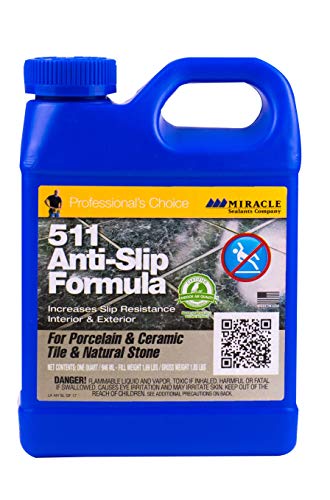
Make hardwood floors safer in a retail store by improving traction, preventing moisture/film buildup, and responding to spills fast. This article will walk you through the highest-impact changes—cleaning choices, finish/traction considerations, and maintenance routines—that reduce slip and trip risk without harming your flooring. As of 2026, the most effective programs focus on day-to-day process control (not one-time “fixes”) so hardwood stays stable under real retail traffic.
This is especially useful if your store sees frequent foot traffic, entryway wetness (rain/snow), or spills from samples/demos, and you want practical, ongoing safety steps rather than one-time fixes.
Identify the slip and trip risks hiding in “normal” wear
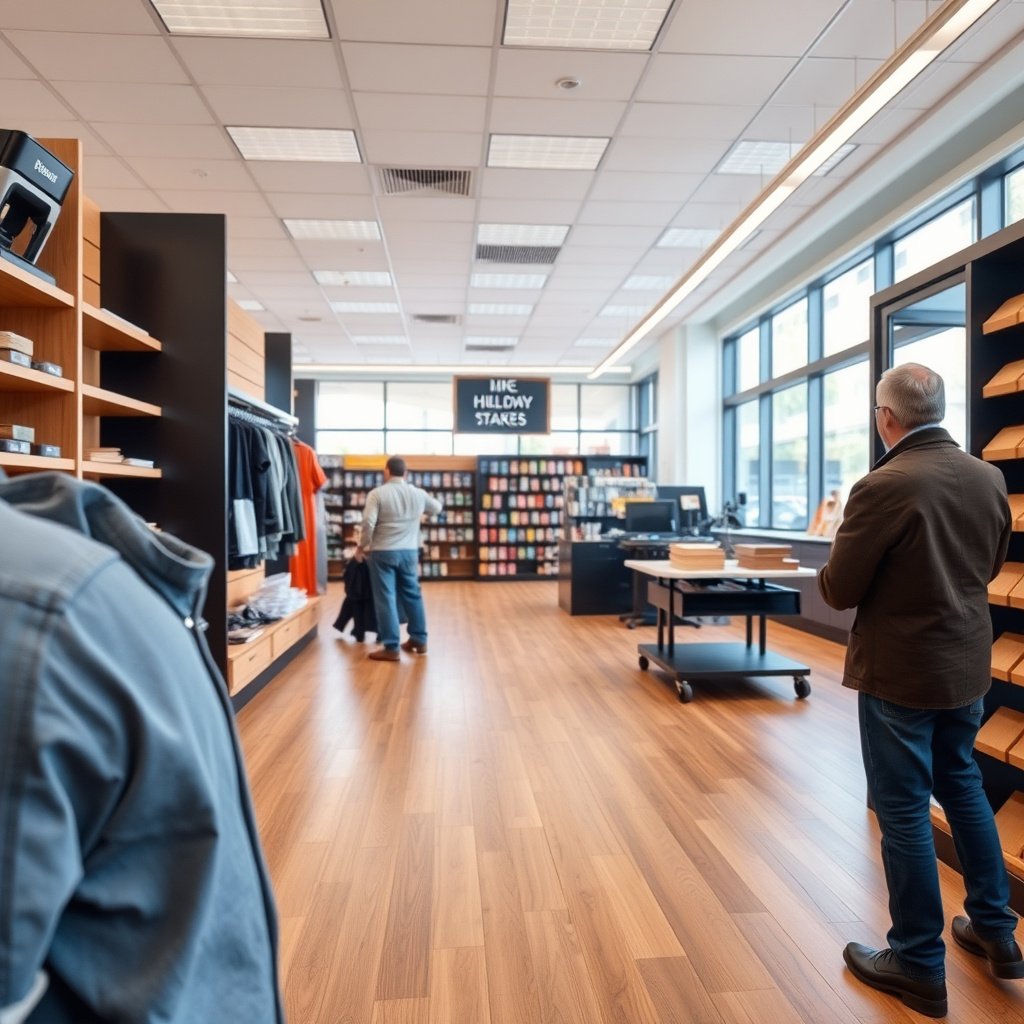
Start with an audit that targets where hardwood loses friction first and where surfaces become uneven second. Slip and trip incidents in retail are rarely “mystery events”—they usually come from predictable wear patterns, contaminated high-traffic lanes, and transitions that are even slightly out of plane.
What to look for on the floor (not just in the middle bays)
Walk your store like a customer: from door to entry lane to checkout, then loop back around displays. Identify “hot zones” where hardwood is dull, unusually shiny, or visibly darker—these are often finish-worn areas where traction changes. Small debris (dust, grit, packaging fragments) can embed in the surface and behave like microscopic sandpaper until it gets damp, then turns into a slick mix.
Also inspect where hardwood meets tile, carpet, rubber, or thresholds. Even a minor raised edge, gap, or rocking transition can become the trip point that keeps recurring, even if the hardwood field looks “fine.” Because retail layouts often channel traffic, the same cart path may repeatedly contaminate the same hardwood strip—so confirm where footfall concentrates.
OSHA requires employers to keep walking-working surfaces “clean and dry…where feasible,” which directly supports auditing and correcting contaminated hardwood areas before they become slick.
ADA guidance for accessible routes expects level changes and slopes to remain within specific limits, so thresholds and transition lips are a predictable source of trip risk.
Quick measurement checks that catch problems early
Use simple retail-safe checks:
– High/low transitions: Press a 4-ft straightedge across the hardwood-to-tile/carpet seam and note any gap you can slide a thin card into.
– Sheen inconsistency mapping: Take photos of “shiny” vs “dull” zones after cleaning. Finish wear often shows up as inconsistent gloss.
– Moisture tracking patterns: Mark where meltwater runs on rainy/snow days. Those lanes often need different mat coverage and faster spot response than the rest of the floor.
According to the 2010 ADA Standards for Accessible Design, accessible routes have a maximum running slope of 1:20 (5%) and maximum cross slope of 1:48 (~2.08%)—excess slope and uneven transitions can increase fall risk even when the main floor area is intact (2010 ADA Standards for Accessible Design).
Improve traction (finish and surface choices matter)
The safest traction strategy is to restore (or maintain) the floor’s intended coefficient of friction by choosing a compatible finish system and avoiding residue-forming chemicals. In retail, “looks cleaner” does not automatically mean “safer”—many slick problems happen because products leave a film or because worn finish exposes the wrong surface condition.
Choose the right finish profile for commercial traffic
If your store is planning refinishing, prioritize a low-gloss, high-traction finish meant for commercial foot traffic. High gloss can reflect contamination and often correlates with finish wear patterns that become slippery when wet. If you’re reapplying anything, confirm it matches the existing system (water-based vs oil/solvent-based, penetrating vs film-forming). Compatibility is not optional—finish layers that don’t bond can create hazing or uneven wear, which changes traction.
If your facility uses “traction additives” or treatments, treat them like a controlled change. Get documentation from the manufacturer showing:
– what base finish types it’s compatible with,
– whether it’s designed for wet and dirty retail environments,
– and how it behaves under retail cleaning chemicals.
Traction depends on the finish system and surface condition—if a cleaner leaves a residue film, measured slip resistance can drop even when the floor appears clean.
For walking surfaces, OSHA’s general cleanliness and dryness requirement aligns with traction-focused housekeeping: less contamination generally means less loss of slip resistance.
Use only cleaning products that match your finish
Hardwood finishes vary widely. Some systems tolerate only certain pH ranges and chemical families; others can be damaged (or left hazy) by common janitorial chemicals. When in doubt, use the approved cleaner list or documented care instructions from the floor/finish manufacturer rather than “universal” products.
Practical approach for retail:
– Keep one primary, finish-compatible cleaner (with the label dilution you enforce).
– Train staff that residue is a safety issue, not an aesthetic issue—if the floor feels slick after mopping, stop and correct the product/dilution first.
– Avoid waxes or polishes that are not explicitly intended for your finish type and commercial traffic.
Comparison: residue-prone vs finish-compatible cleaning approaches
The fastest way to reduce slickness is to standardize what hits the floor.
Seven standard retail entry mat size options (coverage math)
| # | Mat category | Size (in) | Area (sq ft) | Traction-support score |
|---|---|---|---|---|
| 1 | Compact entry wipe | 24×36 | 6.0 | ★★★☆☆ (3/10) |
| 2 | Single-lane entry mat | 30×48 | 10.0 | ★★★★☆ (4/10) |
| 3 | Primary door coverage | 36×60 | 15.0 | ★★★★★☆☆ (5/10) |
| 4 | Two-lane mat runner | 48×72 | 24.0 | ★★★★★☆ (7/10) |
| 5 | Broad tracking control | 48×96 | 32.0 | ★★★★★★☆ (8/10) |
| 6 | High-traffic entrance | 60×120 | 50.0 | ★★★★★★★ (9/10) |
| 7 | Full coverage entry bay | 72×120 | 60.0 | ★★★★★★★ ★ (10/10) |
How to use this safely: larger coverage generally increases the chance that tracked moisture and grit are interrupted before reaching hardwood, but mats must also be cleaned and replaced when they’re saturated or curled. For any mat, confirm it doesn’t create new trip edges at the perimeter.
Control moisture and residues that turn hardwood into a slip hazard
Moisture control is the most direct lever for preventing slip events because water (and the residues it carries) reduces friction fast. For hardwood, the goal is to stop wetting at the entrance, keep cleaning methods consistent, and treat spills as a time-sensitive safety issue—not a “later” chore.Build a “dry entry” process, not just a mat
A mat strategy works when it’s oversized to your actual traffic lane and maintained. In retail, the most common failure modes are mats that are:
– undersized relative to walking paths,
– dirty enough that they push grit and water onto the hardwood,
– or uneven/rolled at edges (creating a trip point).
Create an entry routine:
1. Place mats to cover the primary tracked path from door to first indoor destination.
2. Schedule mat cleaning so the mat stays absorbent and grippy (especially after rain/snow days).
3. Assign staff to remove visible moisture tracking immediately when it appears on hardwood.
According to OSHA 29 CFR 1910.22, floors should be kept clean and dry “as far as feasible,” and this is the policy foundation for dry-entry housekeeping programs in workplaces.
Prevent film buildup from cleaning
Hardwood becomes a slip hazard when residue accumulates—often from overuse of cleaners, repeated mopping without adequate removal, or incompatible chemicals that leave a film. Instead of increasing cleaning frequency blindly, standardize:
– the cleaner concentration/dilution,
– the mop type,
– and the “dry-back” time before reopening high-traffic areas.
If your store uses a microfiber system, maintain the pads: dirty pads can re-deposit contaminants and increase film. Consistency beats improvisation—retail teams often improve safety by using a single, documented method for the entire store.
Residue films can persist even after visible soil is removed, so a “slick after mopping” complaint is a signal to adjust products and methods immediately.
OSHA’s general requirement to keep floors clean and dry supports faster moisture removal and restricted access during wet-cleaning periods.
Train spill response with a fast, repeatable sequence
Spills from demos and samples are different from routine cleaning: they’re usually localized, concentrated, and sometimes oily. Standardize response:
– Contain (stop spread with an appropriate barrier),
– Clean promptly using finish-compatible methods,
– Restrict traffic until fully dry.
Make “restriction” part of the procedure. Even a cleaned hardwood patch can remain slick during the drying window if staff rush customers back too soon.
Tighten maintenance so hazards don’t return
The fastest way to stop recurring slips is to schedule maintenance based on where the floor is failing, not just when it looks “old.” Hardwood safety degrades when finish thickness thins in high-traffic zones, transitions lift slightly, or small unevenness accumulates over time.
Inspect the same problem points every cycle
Use a checklist that focuses on failure indicators:
– Edge lifting or deteriorating transition strips
– Finish thinning that shows as dull patches or inconsistent sheen
– Gaps at door thresholds and between material transitions
– Uneven wear around high-traffic displays and checkout lanes
According to the 2010 ADA Standards for Accessible Design, changes in level on accessible routes must comply with requirements that limit hazardous edges and unevenness (for example, thresholds and edge beveling are regulated), which is why transitions should be part of your maintenance program.
Fix the cause, not only the surface symptom
A common retail mistake is to refinish over issues like:
– ongoing rain/snow tracking,
– wrong cleaning chemicals creating film,
– or moisture intrusion at seams.
Instead, tie your repair/refinish scope to root causes:
– If tracking is the driver, adjust mat coverage and response times before refinishing.
– If cleaning residue is the driver, correct product compatibility and dilution.
– If finish wear is the driver, restore appropriate commercial traction and ensure curing times are respected.
Recurring slip complaints often persist after refinishing when entry tracking and cleaning residue patterns remain unchanged.
Smoother, properly aligned transitions reduce trip risk because the “step-up/step-down” sensation disappears when thresholds and edge strips are flush.
What can go wrong (and how to avoid it)
More safety actions can sometimes make floors more slippery if they introduce residue or change surface chemistry without compatibility checks. The goal is controlled improvements—especially for hardwood—because finish systems are sensitive to chemical and mechanical change.
Common mistakes in retail hardwood safety programs
1. “More cleaning” without method change: Over-cleaning can increase residue and leave a slick film, especially when the wrong cleaner is used or dilution is inconsistent.
2. Applying traction treatments blindly: Additives and sealers can interact with existing finishes, causing hazing, uneven wear, or changed friction behavior under wet conditions.
3. Ignoring transitions: Thresholds and edge strips are frequent trip points even when the main hardwood area looks uniform.
Cleaning compatibility matters because many hardwood finish systems respond differently to chemical families; using the wrong product can reduce slip resistance even if the floor looks better.
Transition gaps and raised edges are mechanical hazards that refinishing the hardwood field alone may not fix.
A practical “do this first” logic
When you’re deciding where to start, prioritize actions in this order:
– Moisture control (mats + faster drying + spill response),
– Cleaning compatibility (correct cleaner + correct dilution + consistent method),
– Traction restoration (refinish with the right sheen/finish system if needed),
– Mechanical fixes (threshold/edge/flatness corrections).
If you do steps out of order—like adding traction treatments while tracking continues—you can mask symptoms while increasing costs and risk.
Verdict / tip: start with process changes, then plan surface upgrades
If your current issue is repeat slipping, begin with cleaning compatibility + moisture control + faster spill response—those usually deliver the quickest safety gains. If you’re already dealing with widespread wear, sheen changes, or damaged finish, plan a contractor-led refinishing/repair so traction and smoothness are restored correctly.
Skip aggressive DIY treatments (especially sealers/additives) if you don’t know your existing finish type—doing it wrong can raise risk instead of lowering it. For a retail manager, the safest plan is a documented workflow your team can repeat consistently every shift (as opposed to a “special project” that depends on one person).
OSHA’s walking-working surface expectations align with an operational approach: keep floors clean and dry and address hazards before they result in slips or falls.
When accessible-route transitions and thresholds are maintained flush and intact, trip risk decreases even if the hardwood finish visually “looks OK.”
Quick reality check: if your store’s problem is mostly localized to the entrance or one demo station, start there. If the entire hardwood field feels different in sheen/texture, you likely need traction restoration through refinishing and proper curing—not just adjusted cleaning.
Quick safety checklist (scan/save)
| Area to check | What to do today | Trigger to escalate |
|---|---|---|
| Entrances | Ensure mats are clean, positioned, and replaced as needed | Visible tracking after rain/snow |
| Cleaning | Use finish-compatible products and follow label directions | Floors feel “slick” after mopping |
| Spills | Contain → clean → restrict until fully dry | Spills sit longer than staff can control |
| Transitions | Verify thresholds/edge strips are flush and intact | Any raised edge, gaps, or rocking |
| High-traffic wear | Inspect finish thinning/dull/shiny patches | Same spot causes issues weekly |
Frequently Asked Questions
What are the best ways to make hardwood floors safer for customers in a retail store?
Start by reducing slip risk with high-traction, low-profile floor finishes and using correctly rated mats at entrances where water, dust, and debris accumulate. Ensure transitions between hardwood and other flooring types are smooth with beveled thresholds or flush reducers to prevent trips. Regularly clean and maintain the floors so they stay free of grit that can make hardwood floors slippery, especially in high-traffic areas.
How can I reduce slip and fall hazards on hardwood floors in a retail environment?
Implement a consistent cleaning program using pH-neutral cleaners that won’t leave residue and increase slipperiness, and address spills immediately with absorbent methods. Add slip-resistant rugs or entrance matting, and consider applying a commercial-grade anti-slip coating where appropriate for wood floors (without changing the appearance). Also train staff on safe floor-wet-work practices, such as cordoning off areas during mopping and using caution signs.
Why do hardwood floors become more dangerous in retail stores, even when they look clean?
Hardwood floors can become hazardous due to surface wear, micro-scratches, and buildup from improper cleaners that leave a film. High foot traffic can track in moisture and fine debris, creating a slick combination—especially near entrances, restrooms, and fitting rooms. Uneven boards, loose planks, or worn finish can further increase trip and fall risk.
Which safety upgrades should I prioritize for hardwood floors in high-traffic retail areas?
Prioritize entrance mat systems with strong scraping action and adequate drainage, plus slip-resistant finish upgrades in problem zones like entryways and checkout lanes. Next, inspect for any gaps, lifted edges, or uneven sections and repair them promptly—trip hazards are often worse than slipping in busy layouts. Finally, maintain clear markings for aisles and use durable, low-profile floor transitions where hardwood meets tile, carpet, or rubber flooring.
How do I maintain hardwood floors safely so they stay slip-resistant and trip-free?
Use a preventive maintenance plan that includes routine sweeping or dust mopping, timely spot cleaning, and periodic deep cleaning with products designed for finished wood floors. Inspect regularly for worn finish areas, scratches, and loose boards, and recoat or refinish as needed to maintain traction. Keep furniture legs and store fixtures clean and free of abrasive debris, and adjust traffic flow during renovations to reduce hazards while the floor is drying.
📅 Last Updated: October 17, 2026 | Topic: How to make hardwood floors safer in a retail store? | Content verified for accuracy and freshness.
References
- eCFR :: 29 CFR 1910.22 — General requirements.
- https://www.osha.gov/slips-trips-and-falls
- https://www.cdc.gov/niosh/topics/slips/
- Redirecting…
- About Older Adult Fall Prevention | Older Adult Fall Prevention | CDC
- Falls
- slip resistance floor surface cleaning – Search Results – PubMed
- https://scholar.google.com/scholar?q=hardwood+floor+slip+resistance+retail+store+maintenance Google Scholar
- https://scholar.google.com/scholar?q=slip+trip+fall+prevention+floor+surfaces+coefficient+of+friction Google Scholar
- https://scholar.google.com/scholar?q=hardwood+floor+finishes+non-slip+coatings+coefficient+of+friction Google Scholar

[…] moisture and cleaning routine. Prioritize retail-rated construction (often engineered hardwood), a finish system meant for heavy use, and an installation plan that prevents gaps, movement, and early […]