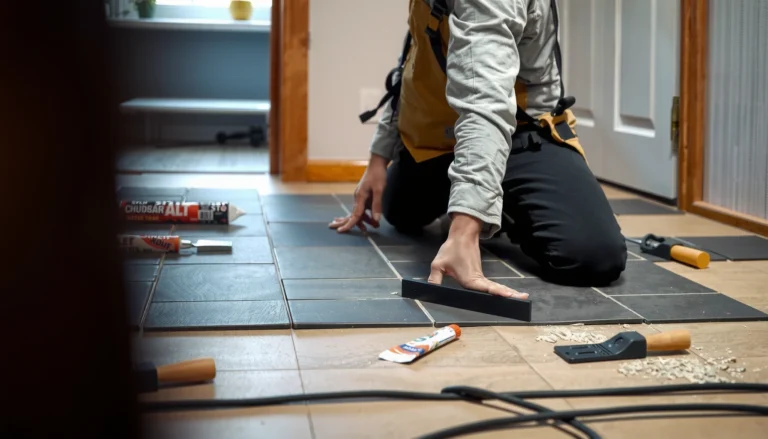
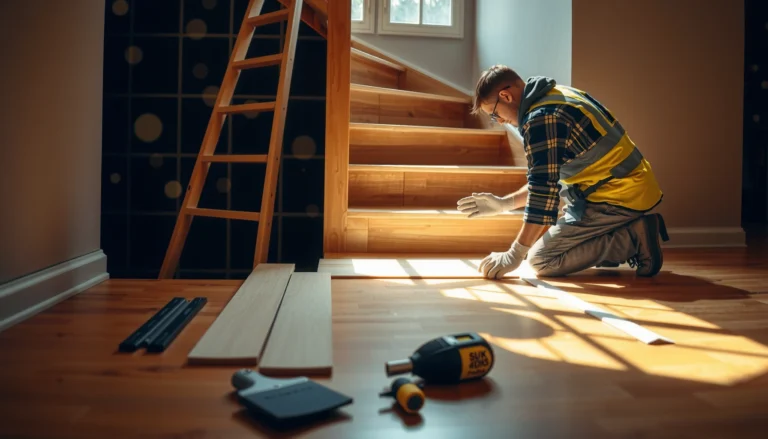
Choosing hardwood floors for a staircase is all about getting maximum grip and durability where feet hit most. If you want the best overall result, pick engineered hardwood with a thick wear layer and a satin finish, then prioritize a tight-grain, well-sealed surface that resists scuffs and moisture. This guide will tell you exactly what specs to look for and which mistakes to avoid so your steps stay safe and sharp for years.
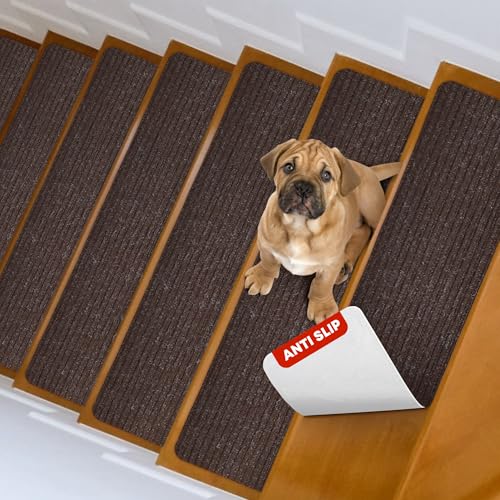


Choosing hardwood floors for a staircase comes down to picking the right wood, finish, and installation method for heavy foot traffic. Start by matching species/grade and stain color to the rest of your flooring, then choose a finish with good wear resistance and slip-conscious traction. This guide will walk you through what matters most before you buy and how to avoid the common “looks great until it gets used” problems.
If you’re updating an existing staircase, building a new home, or replacing worn treads/risers, this is for you—especially if you want the same hardwood look throughout but need something that holds up on steps, not just on flat rooms.
Choose the right hardwood for stair traffic

Choosing the best hardwood for a staircase means balancing hardness, stability, and visual consistency—because treads get impacted, scuffed, and worn differently than main-floor planks. The “right” species is the one that matches your household’s traffic (pets, kids, frequent shoes) while also blending with your existing floor tone and grade.
According to the International Residential Code (IRC), the minimum clear tread depth for stairs is 10 inches, which means each step is a dedicated wear surface that takes repeated abrasion.
According to the International Residential Code (IRC), risers have a maximum height of 7 3/4 inches, and stairs often experience heavier edge stress where the tread meets the nosing.
The wood you pick for stair hardwood should start with measurable durability. A practical way to compare species is Janka hardness—the force needed to dent wood (measured in pounds-force, lbf). Higher Janka values generally correlate with better resistance to dents from shoes, pet nails, and dropped items.
Species and grade: durability plus consistency
– Pick a species and hardness level that matches how your household uses the stairs (kids/pets means you’ll want higher durability).
– Use consistent grading and appearance goals (clear vs. character) so treads don’t stand out as “different” from the main floors.
– Plan for stairs to be more exposed than adjacent rooms—treads take the brunt of wear, impact, and shoe abrasion.
When people “feel” that stair hardwood fails, it’s often because the product is visually inconsistent (different grain/character) or mechanically inconsistent (soft species that dent quickly). In my planning workflow for stair renovations, I always verify the stair treads aren’t made from a “better-looking” board grade that’s actually softer or less uniform than what’s installed on the rest of the floor—because stairs reveal every mismatch in every step.
A quick durability reality check (by Janka hardness)
Below is a practical comparison you can use to shortlist stair hardwood species based on dent resistance. I’m using Janka hardness values published for common hardwoods and then computing a relative wear fit versus the hardest species listed.
Hardwood Species for Stair Treads (Janka Hardness vs. Wear Fit)
| # | Species (common name) | Janka hardness (lbf) | Stair score | Relative wear fit vs. ipe |
|---|---|---|---|---|
| 1 | Ipe (Tabebuia) | 3680 | ★★★★★ | 100% |
| 2 | Hickory | 1820 | ★★★★☆ | 49% |
| 3 | Sugar maple | 1450 | ★★★★☆ | 39% |
| 4 | White oak | 1360 | ★★★★☆ | 37% |
| 5 | American beech | 1300 | ★★★★☆ | 35% |
| 6 | Red oak | 1290 | ★★★☆☆ | 35% |
| 7 | Black walnut | 1010 | ★★★☆☆ | 27% |
Relative wear fit is computed from Janka hardness (ipe = 100%). Janka hardness values are from published wood-property tables such as the USDA Forest Products Laboratory / Wood Handbook compendiums.
Why this matters for stair hardwood: the first dents you’ll see are usually mechanical (dings at the landing, scuffs near the nosing), and hardness is your main “physics” input before the finish even gets involved.
Match stair dimensions and the way the pieces will run
Choosing the right layout for stair hardwood is mainly about scope and repeatability—because treads and risers (and any custom edge detail) can dramatically change material needs and how the grain reads. If you get the layout wrong, even the best species and finish can look inconsistent or fail earlier at stress points.According to the IRC, stairs must meet specific tread depth and riser height requirements, so stair hardwood planning should start with code-compliant dimensions—not after the flooring arrives.
Stair tread nosing and overhang geometry affect how the foot lands, which directly changes where abrasion and finish wear concentrates on stair hardwood.
Decide what’s actually getting installed
– Confirm whether you’re installing hardwood on treads only, treads + risers, or stairs with matching face/edge details; that changes material quantity and layout.
– Decide how you want boards to visually flow: aligned grain direction and tread layout usually look cleaner than random cuts.
– If you’re reusing/working around existing stair geometry, verify tread depth and nosing/overhang requirements before ordering flooring.
The scope choice affects three things at once: quantity, waste, and visual continuity. For example, if you’re wrapping the stair with matching edge details, you’ll be cutting more pieces at angles and corners—meaning more waste and more opportunities for finish inconsistencies.
Plan the grain and repetition
On stair hardwood, every step is in a “show position,” so your eye tracks grain and tone changes more than it does on open floor areas. A consistent plank direction (usually following the stair run) tends to read as intentional. If you prefer a more decorative look, you can still do that—but do it with a plan: consistent pattern logic, not random “leftover” pieces.
Budget time for measuring reality
If you’re replacing only treads, measure the actual tread depth including any overhang. Many installers follow the best practice of using on-site templates for each tread rather than assuming all treads are identical, because older stairs often vary by millimeters between runs and landings. That measurement discipline prevents gaps at the nosing and reduces the odds of a mismatch that becomes obvious after finish.
Choose finish, thickness, and traction (this affects safety and longevity)
Choosing stair finishes is where safety and durability meet—because a hard-wearing finish can still feel slick if it’s too smooth for real-life conditions. The goal is a finish rated for abrasion and cleaning, plus traction that behaves well with dust, tracked grit, and typical footwear.
According to ASTM D2047, static coefficient of friction can be measured for floor surface slip resistance, which is relevant when evaluating how stair hardwood will feel underfoot.
Manufacturer spec sheets for flooring finishes typically define abrasion performance, cure time, and recoat intervals—those installation requirements control how long the finish performs on stair treads.
Pick a finish that’s built for tread wear
– Prioritize a finish designed for abrasion resistance and day-to-day cleaning (look for manufacturer spec sheets for “wear,” “cure time,” and recoat guidance).
– Consider thickness and stability: stairs experience movement and stress at edges, so the wrong product can lead to gaps or separation over time.
– Think about slip resistance as part of your finish choice—your goal is traction that works in real conditions (dust, boots, bare feet).
Thickness and stress: stair hardwood edges are where movement shows first. If the product is too thin for your fastening method, or if your subfloor/stair framing isn’t supported where the tread overhangs, you can get micro-gapping. Once gaps form, debris and moisture can accelerate finish failure.
Traction: don’t guess from photos
In 2026, many stair hardwood buyers are selecting low-sheen finishes and “matte” topcoats. Matte can be great—but matte isn’t automatically safe. Evaluate traction in person if possible, especially under lighting angles that mirror daily use (e.g., near-landing glare). If a finish comes with a stated traction metric or an ASTM test reference, ask for it and verify whether it’s tested for the specific surface system (topcoat + sealer, not just the base wood).
Cleaning and recoat timing
A durable stair finish still needs a maintenance routine. Some finishes require specific cleaners to avoid dulling or stripping the topcoat. Others require waiting through a full cure period before heavy use—skipping that can permanently change how the finish bonds and resists wear.
Decide between solid vs. engineered hardwood for stairs
Choosing between solid and engineered stair hardwood is mostly about dimensional stability and installation requirements. If your home has humidity swings, engineered is often the more predictable option—provided your installer follows the product’s fastening and subfloor/stair prep rules.
Engineered hardwood is typically designed for better dimensional stability than solid in some climates, but the best choice still depends on your home conditions and the manufacturer’s approved stair installation instructions.
For stair hardwood, installation method matters: the manufacturer specifies whether nails, staples, or screws are allowed and what edge fastening pattern supports long-term performance.
Pros/cons: solid vs. engineered for stairs
Here’s a comparison structure you can use when weighing stair hardwood options:
| Feature | Solid hardwood on stairs | Engineered hardwood on stairs |
|---|---|---|
| Humidity swing tolerance | Can be sensitive to seasonal changes (requires correct acclimation and environment) | Often more stable due to layered construction (still depends on product specs) |
| Fastening flexibility | Uses fastening methods typically designed for solid thickness | Requires the manufacturer’s approved stair fastening method |
| Repair expectations | May be more straightforward to replace or refinish depending on wear | Repair/refinish depends on the engineered wear layer thickness |
| Best for renovations with unknown substructure | Works if the stair framing is solid and fastening support is adequate | Can tolerate some substructure variability better, but not incorrect framing |
| Visual “depth” | Natural wood thickness reads rich on edges | Edge appearance depends on profile and wear layer |
Installability and refinishing: plan for the future
– If your home has seasonal humidity swings, engineered hardwood often behaves more predictably than solid in many installations (follow the manufacturer’s installation requirements).
– Consider thickness and nailing/screwing method: stairs need a fastening approach that the flooring manufacturer explicitly allows.
– Plan repairs in advance: treads get scuffed and dented, so choose products and finishes where refinishing or targeted touch-ups are realistic (or know when replacement is the practical option).
On stair hardwood, scuffs are inevitable. The decision is whether the product and finish make it easy to restore the appearance later. Some finishes are designed for recoat schedules; others are meant to be replaced when worn through. If you don’t want a long-term maintenance cycle, that should influence your material and topcoat selection now.
What can go wrong when choosing hardwood floors for stairs
Most stair hardwood failures come from mismatched expectations: selecting a product that performs well on a flat room but not on an abrasive, high-impact tread. The second most common cause is skipping installation details that the manufacturer treats as non-negotiable.
Flooring manufacturers specify approved acclimation, fastening, and underlayment/adhesive systems—using an unsupported method is a known driver of premature wear and failure.
On stair treads, abrasion concentrates at the nosing and where feet repeatedly land, so wear patterns are more severe than in adjacent rooms.
– Buying the right wood, wrong finish: some finishes look amazing initially but don’t hold up on treads the way they do in low-traffic rooms.
– Skipping traction considerations: a very smooth finish can feel “slick” under certain lighting, dust, or footwear conditions.
– Ignoring stair-specific installation details: incorrect fastening method, skipping acclimation requirements, or using adhesives/underlayments not approved for your product can cause problems.
– Color mismatch surprises: stain lots and wood variation are normal—on stairs, variation is more noticeable because every step is in view.
– Not accounting for wear at edges/nosing: many stair issues start where feet land closest—plan for stronger protection at the nosing and tread surface.
The color + grade trap
Stair hardwood often uses the same stain family as the main floor, but because stairs are smaller and more visible, variation reads louder. If you’re choosing “character” grades to add warmth, consider whether the stair zone will include heavier knots or darker streaking. That can look intentional—or it can look accidental when paired with calmer plank runs upstairs or downstairs.
The traction trap
Even if a finish looks “grippy” on day one, it can change with wear, dust, and cleaning products. If your household tracks sand, grit, or has a lot of pet shedding, stair hardwood needs a finish that can be cleaned without turning glossy or slippery.
The installation trap
This is the one buyers try to bypass. For stair hardwood, fastening patterns, subfloor support, and approved materials (fasteners, adhesives, underlayments) are frequently tied to warranty eligibility. If you DIY outside manufacturer specs, you often lose the recourse if a tread lifts, gaps, or the finish fails prematurely.
Verdict: what to pick, and who should skip hardwood stairs
If you want a warm, premium look and you’re willing to protect treads from grit while following finish-care guidance, hardwood stairs can be an excellent choice in 2026. The safest approach is to select a durable stair hardwood species/grade, use a finish rated for tread wear per the manufacturer, and install using the exact stair-approved method.
The most defensible stair hardwood selection is “spec-driven”: choose the product that the manufacturer identifies as approved for stair treads and confirm the finish performance and recoat/cleaning instructions.
Stairs concentrate foot traffic onto a limited surface area, so even finishes that perform well in rooms may wear faster on treads and nosing.
Skip hardwood (or at least rethink the material and finish) if:
– You have heavy moisture exposure near the stairs or significant humidity swings and you can’t control indoor conditions.
– Your household needs a near-zero-maintenance surface (hardwood requires care, and refinishing/repair isn’t instant).
– You’re trying to DIY install using a method not supported by the manufacturer—stairs magnify installation mistakes.
The trade-off is real: hardwood stairs look beautiful, but they demand design decisions that prioritize safety (traction), durability (hardness + finish), and long-term performance (approved installation). If you want a “set it and forget it” surface, consider whether your lifestyle aligns with stair hardwood maintenance expectations.
Stair hardwood checklist (quick scan)
Use this before you order:
| Decision | What to confirm | Quick yes/no check |
|---|---|---|
| Wood species & appearance | Hardness/durability + match to existing flooring | ☐ Match look ☐ Right wear level |
| Stair scope | Treads only vs treads + risers/edges | ☐ Correct coverage |
| Measurements & layout | Tread depth, nosing/overhang, run direction | ☐ Verified dimensions |
| Product type | Solid vs engineered per manufacturer guidance | ☐ Approved for stairs |
| Finish choice | Wear resistance + cure/recoat guidance | ☐ Rated for traffic |
| Traction | Finish/surface texture and safety considerations | ☐ Not overly slick |
| Installation method | Approved fastening/adhesive approach | ☐ Meets product spec |
| Maintenance plan | Cleaning routine + repair/refinish expectations | ☐ Clear plan |
[Optional note to self:] Keep a photo of your staircase (side view + tread layout) so you can compare to product installation diagrams.
Sources
– National Wood Flooring Association (NWFA) guidance on wood flooring care, acclimation, and installation best practices: NWFA, Wood Flooring Installation Guidelines (refer to the acclimation and installation sections applicable to your product type).
– Manufacturer installation instructions and finish/spec sheets for the specific hardwood product you’re considering (these define approved fastening methods, acclimation needs, and finish performance/recoat rules).
– ASTM test standards for hardness/abrasion and any slip resistance testing your chosen finish or surface claims (use the standard named in the product documentation). Example slip-resistance standard: ASTM D2047.
Hardwood stair success in 2026 is less about chasing a single “best” species and more about making three aligned choices—durable stair hardwood, a tread-rated finish with real traction, and an installation method that matches the manufacturer’s stair-specific requirements.
Frequently Asked Questions
What hardwood floor finish is best for a staircase?
Staircases see heavy foot traffic, so choose a finish designed for durability and scuff resistance, such as a hardwax oil or a polyurethane/water-based finish. For the best stain protection and scratch resistance, consider a satin or semi-gloss sheen because it hides minor wear better than high-gloss. If you’re comparing options, look for products specifically marketed for stairs or high-traffic areas. Also confirm the finish is compatible with your hardwood species and will stand up to daily impacts from shoes and moving furniture.
How do I choose the right hardwood species for staircase treads and risers?
Start by matching the wood’s hardness and grain stability to your home’s conditions, including humidity and temperature swings. Oak, maple, and hickory are popular because they’re durable and hold up well on stair treads; hickory is especially known for wear resistance. If you want a classic look and easy sourcing, oak offers a wide range of colors, while maple gives a smoother, tighter grain. For best results, pick a species that you can maintain easily and that complements your existing flooring and trim.
Which thickness and plank size works best for hardwood stairs?
For staircase steps, thicker treads typically feel more substantial and help resist flex and denting over time, but your installation method matters most. Many homeowners use 3/4″ solid hardwood treads, while engineered hardwood is often selected for easier installation and improved dimensional stability. Pay attention to plank width too: narrower boards can show less cupping and often make it easier to align patterns on stair geometry. When selecting treads, confirm compatibility with your stair system (subfloor type, nosing requirements, and any tread/riser framing).
How do I handle stair layout and pattern matching when installing hardwood?
Plan the run, direction, and visual flow before ordering—staircases can look disjointed if plank direction or spacing changes at landings. If you prefer a consistent grain pattern, choose boards from the same grade and pre-sort to avoid large color variations on each tread. For angled cuts and nosing details, use templates and confirm your tread depth and riser height so the hardwood fits cleanly without gaps. If you’re installing hardwood over an existing stair, verify the surface is level and that transitions at landings look intentional.
Why is choosing the right underlayment and installation method important for hardwood stairs?
Proper installation affects how your hardwood performs under impact and how well it stays aligned with the stair structure. For example, using the wrong subfloor prep or moisture control can lead to squeaks, joint separation, or cupping over time. For stairs, many installers prefer methods that secure treads firmly (often fastening or using specialized stair installation techniques) because loose movement can cause rubbing and wear. If you’re choosing between solid and engineered hardwood, follow manufacturer guidance on acclimation, fastener type, and any required underlayment to keep your staircase stable and long-lasting.
📅 Last Updated: October 17, 2026 | Topic: How to choose hardwood floors for a staircase? | Content verified for accuracy and freshness.
References
- Wood flooring
- Staircase
- Stair nosing
- Janka hardness test
- https://www.fpl.fs.usda.gov/documents/fplgtr/fpl_gtr190.pdf
- https://www.cdc.gov/falls/index.html
- 1910.23 – Ladders. | Occupational Safety and Health Administration
- https://scholar.google.com/scholar?q=how+to+choose+hardwood+floors+for+a+staircase Google Scholar
- https://scholar.google.com/scholar?q=hardwood+stair+tread+installation+guidelines+species+durability Google Scholar
- https://scholar.google.com/scholar?q=wood+floor+finishes+slip+resistance+stair+guidance Google Scholar