


Need to make engineered wood floors safer on an outdoor walkway? If you want the clearest path to fewer risks from moisture and movement, follow the best-practice upgrades that create a sealed, well-drained, properly supported install. This guide answers what to change—subfloor preparation, underlayment and vapor control, sealing, and traffic-resistant finishing—so your engineered wood can hold up outside longer and with less hassle.




If you want engineered wood floors to be safer on an outdoor walkway, start by using only the versions explicitly rated for outdoor/wet exposure—and then add proper moisture control plus a slip-resistant surface. The biggest safety risk outdoors is often not the wood itself, but water damage that causes lifting edges, gaps, and slick finishes. This guide walks you through the practical upgrades that reduce both slip and trip hazards, with an emphasis on what actually goes wrong in outdoor engineered wood flooring systems as of 2026.
This advice fits homeowners who are dealing with an outdoor walkway where the surface gets rain, humidity, or morning dew—and especially anyone whose current engineered wood wasn’t originally intended for exterior exposure. It’s also helpful if you’re planning a retrofit and want a realistic checklist before you proceed.
Verify your engineered wood is actually rated for outdoor use

Your first safety step is to confirm the engineered wood floors (and the approved installation system) are explicitly warranted for outdoor or wet-area exposure. If the manufacturer doesn’t say it, you should treat the product as indoor-only—because outdoor moisture doesn’t just wet the top surface; it reaches the assembly where failures begin.
“If it doesn’t specify exterior use or wet-area warranties in the installation instructions, treat the engineered wood as indoor-only for safety planning.”
“For outdoor performance, the manufacturer’s approved topcoat/finish and core construction must be designed to tolerate moisture cycling—not just incidental splashes.”
“Outdoor failures often come from the full floor system (subfloor, underlayment, barriers, fasteners), so the installation method must match the spec.”
What to check in the documentation (not just on the box)
Engineered wood floors can look similar across SKUs, but outdoor suitability depends on written specs. Start with the manufacturer’s installation guide and look for language such as “exterior use,” “outdoor exposure,” “wet area,” or explicit warranty coverage for those conditions. If nothing like that appears, assume the product won’t maintain dimensional stability outdoors.
Repeat this check for the finish/topcoat system. Outdoor-rated engineered wood floors typically specify a finish intended to resist water intrusion and maintain abrasion resistance while wet (important for traction). Also confirm the core construction (for example, moisture-tolerant plywood layers vs. less stable cores) is covered by the warranty.
Match the plank to the subfloor method
Engineered wood floors are installed over different outdoor-capable assemblies—such as framed deck systems, sleeper systems, mortar beds (less common for wood), or other specified bases. Your installation method must match the manufacturer’s approved layering and fastening details, because outdoor engineered wood failures frequently begin at the underside, not the surface. In practical terms: even a correctly rated plank can fail if the assembly can’t control moisture or if it prevents required airflow/drainage.
Three anchor facts to keep the risk in perspective
– According to the Forest Products Laboratory, wood dimensional change accelerates once moisture content shifts toward the fiber saturation point (~30% moisture content), a key threshold in how wood swells and shrinks under wetting/drying ([Forest Products Laboratory, *Wood Handbook*]).
– According to the ADA Standards for Accessible Design (2010), running slopes on accessible walking surfaces are limited to 1:20 (5%) and cross slopes to 1:48 (~2.08%), which matters outdoors because poor leveling and drainage can create uneven, trip-prone surfaces. (ADA Standards for Accessible Design, 2010)
– According to ANSI A137.1, a common wet traction target used in flooring safety testing is a DCOF (wet) of 0.42 or greater for interior/exterior wet areas on ceramic tile—while not “engineered wood-specific,” it’s a useful benchmark when selecting slip-resistant top treatments. (ANSI A137.1)
Build the right moisture barrier and base for safer walking
To make engineered wood floors safer outdoors, you need to control moisture at the assembly level—subbase, barrier/underlayment, and drainage detailing—so water can’t pool under the boards or soak upward. Outdoor slip and trip hazards often come from moisture-driven cupping and edge lifting that you can feel underfoot.
“A moisture barrier system is only ‘safe’ if it matches the installation method and allows the assembly to manage water instead of trapping it.”
“Trapped moisture is a primary driver of warping and uneven engineered wood floors, which directly increases toe-catching and slip risk.”
“Avoid direct contact between wood flooring systems and soil; outdoor moisture control starts at the base.”
Pick an exterior-appropriate base that doesn’t hold water
Your engineered wood floors need a base designed to stay stable under rainfall, freeze-thaw (where applicable), and seasonal humidity swings. Use an exterior-appropriate subbase that prevents cupping, delamination, and underside rot, and avoid direct contact with soil. If the walkway can’t drain, you don’t truly have “outdoor engineered wood floors”—you have a moisture chamber.
A practical approach for safety is to design for:
– Slope/drainage so water sheds instead of ponding.
– Airflow where the system requires it to dry after dew/rain.
– No soft spots: settled or washed-out subbase creates ridges that become trip edges.
Use the manufacturer-approved barrier/underlayment system (for your method)
Follow the manufacturer’s layering instructions exactly. Outdoor engineered wood floors often specify a specific moisture barrier/underlayment and fastening or separation details. If you improvise with materials not approved for your system, you may reduce initial leaks but still trap moisture in the wrong place—leading to long-term lifting and instability.
Comparison: two moisture-control approaches and their tradeoffs
Below is a parseable comparison of moisture approaches frequently discussed for outdoor flooring systems. The “best” choice depends on what your engineered wood floors manufacturer explicitly approves.
| Moisture-control approach | What it does | Pros (safety upside) | Cons (failure mode) |
|---|---|---|---|
| Vented drainage-capable exterior deck/sleeper assembly | Encourages drying by allowing airflow and water runoff | Reduces warping/unevenness that causes toe-catching | If airflow is blocked, underside can stay wet longer |
| Low-perm membranes intended to limit vapor/liq. intrusion | Slows moisture movement into the flooring | Helps when water is driven upward by humidity/rain | If you create an “airtight trap,” moisture can accumulate and lift edges |
Improve traction (reduce slips before you worry about appearance)
Your traction goal is simple: when engineered wood floors get wet, the surface must stay resistive to slipping and resist algae buildup that makes walkways slick. Don’t rely on gloss or generic “waterproofing”—traction needs an exterior-rated, slip-resistant surface treatment designed to work after wet/dry cycling.
“A highly glossy topcoat can become slip-prone when wet; traction-rated finishes are designed to maintain grip under moisture.”
“Add traction at transitions and entries because water films commonly form where people slow down or change direction.”
“Outdoor cleaning should follow manufacturer guidance, since some cleaners can strip traction or leave contaminants that reduce grip.”
Choose (or refinish with) an outdoor-rated slip-resistant surface finish
If your engineered wood floors are outdoor-rated, the safest route is to use the finish system the manufacturer specifies or approves. Avoid highly glossy coatings that can reflect light and also increase the likelihood of a slick film when wet.
If refinishing is part of your plan, treat it as a safety project, not a cosmetics project. Any change in finish texture can alter wet traction. Test in a less visible section first (and per the layout requirement, use ).
Use traction strips/tape on high-risk zones
Even the best finish can struggle in persistent wet zones. Consider anti-slip strips/tape or a textured outdoor-rated treatment at:
– entries where people step in from wet shoes,
– transitions between driveway and walkway,
– areas directly exposed to roof runoff.
Control algae and debris without destroying traction
Algae is a major outdoor slip risk because it creates a slippery biofilm. Use a cleaning approach that maintains traction rather than stripping it—start from the product’s recommended cleaner and frequency. As of 2026, more maintenance-compatible outdoor cleaning products often emphasize pH-balanced formulas to reduce residue buildup (always verify on your exact flooring system first).
Wood Moisture Pressure vs. Slip/Trip Risk on Outdoor Walkways
| # | Outdoor Air RH at 70°F | Approx. Wood EMC* | Moisture-Related Stability Risk | Safety Impact Rating |
|---|---|---|---|---|
| 1 | 30% RH | ~7.2% | Lower swelling potential | ★★★★☆ |
| 2 | 40% RH | ~9.0% | Moderate seasonal movement | ★★★★☆ |
| 3 | 50% RH | ~10.8% | Higher lift risk at edges | ★★★☆☆ |
| 4 | 60% RH | ~12.6% | Cupping risk increases | ★★★☆☆ |
| 5 | 70% RH | ~14.4% | Unevenness becomes noticeable | ★★☆☆☆ |
| 6 | 80% RH | ~16.5% | Edge swelling and residue carryover | ★☆☆☆☆ |
| 7 | 90% RH | ~18.6% | High movement without strong control | ☆☆☆☆☆ |
EMC (Equilibrium Moisture Content) shown as an approximate wood moisture equilibrium at 70°F; outdoor humidity swings are what drive moisture cycling in engineered wood floors.
Seal joints and protect edges without trapping water
Your safety objective here is to prevent engineered wood floors from becoming toe-catching when edges lift—by sealing the right joints and transitions while still allowing the system to move and breathe. Outdoor sealing failures often create hidden water pathways or moisture traps that worsen lifting over time.
“Expansion gaps are safety-critical: forcing engineered wood floors ‘tight’ can buckle boards and create raised trip edges.”
“Seal end joints and transitions per the flooring system spec to reduce swelling around vulnerable edges.”
“Water that bypasses flashing and thresholds is the fastest route to hidden underside moisture.”
Seal seams where water intrusion triggers edge swelling
Seal end joints, seams, and vulnerable transitions using sealants/coatings approved for your engineered wood floors system. The goal is to prevent swelling around edges that can eventually lift boards. Pay extra attention to:
– ends where planks meet,
– areas near doorways,
– transitions to other materials (stone, concrete, metal trims).
Keep required expansion gaps—don’t eliminate movement
Engineered wood floors must be able to move with humidity and temperature. Maintain required perimeter expansion gaps and do not fill them with rigid caulk unless the manufacturer explicitly allows it. A common outdoor hazard is buckling from inadequate expansion space, producing sudden raised ridges underfoot.
Detail thresholds/step noses and flashing correctly
Where the walkway meets doors, walls, or other materials, water often finds the weakest seam first. Use properly detailed thresholds/step noses and durable flashing so water sheds away from the flooring system rather than traveling underneath it. If water bypasses your sealant, it can still reach the underside and undermine the assembly—turning an initially “sealed” walkway into a long-term lifting and slip risk.
What can go wrong (and how it creates real safety problems)
Even with outdoor-rated engineered wood floors, the walkway can become unsafe if the system is assembled or maintained incorrectly. Most problems trace back to moisture trapped or un-managed, uneven support, or traction that fails when wet.
“Indoor-only engineered wood outdoors can delaminate or lift, and those raised edges become toe-catching trip hazards.”
“Over-sealing can trap moisture under engineered wood floors, accelerating warping and underside failure.”
“Uneven outdoor support causes predictable slip and trip patterns: shoes catch edges, and traction drops when the surface becomes contaminated.”
Common failure modes to watch
– Indoor-only engineered wood outdoors: even if it “looks fine” at first, moisture exposure can lead to delamination, raised boards, and slick surfaces—turning into both trip and slip risk.
– Over-sealing the wrong places: sealing everything airtight can trap moisture under the flooring, which accelerates warping and lifting.
– Uneven support: outdoor subbases settle, wash out, or fail to drain properly; once engineered wood floors aren’t flat, shoes catch edges and traction drops.
– Incompatible coatings: using a finish that isn’t rated for exterior exposure can cause peeling or a slick film—especially after repeated wet/dry cycles.
– No maintenance plan: outdoor engineered wood floors need periodic checks for lifting seams, worn traction, and failing sealant at edges.
Verdict / tip (what I’d do—and who should skip this)
If your engineered wood floors are not explicitly rated for outdoor walkway use, the safest move is to switch materials (or cover the wood with an appropriate exterior surface system designed for wet areas) rather than trying to “make indoor flooring safe.” If you do have exterior-rated engineered wood and you follow the manufacturer’s installation details, the safest improvements usually come from: (1) correct moisture/drainage setup, and (2) ensuring the surface stays slip-resistant when wet.
“The safest retrofit path is to work within the manufacturer’s approved outdoor installation and coating/traction guidance—not to retrofit ‘by guess.’”
“In outdoor walkway safety, correct moisture control usually prevents both the trip hazard (edge lift) and the slip hazard (slick degradation/biofilm).”
“If you can’t inspect and maintain the walkway regularly, engineered wood floors may not be the safest long-term choice for exterior exposure.”
Downsides to expect: you may need ongoing maintenance (re-checking edges, resealing joints if the system requires it, and replacing traction treatments over time). Also, safety upgrades like anti-slip strips can change how the walkway feels underfoot—so it’s smart to test your traction plan in the least visible section first ().
Skip this approach if:
– You can’t verify exterior ratings from the manufacturer’s documentation, or
– You don’t have a way to control drainage/moisture at the subbase level, or
– You’re unwilling to inspect the walkway regularly for lifting seams and worn slip resistance.
Quick checklist + scannable table
Use this before you commit to installation or retrofits:
| Area to check | Do this | Why it helps safety |
|---|---|---|
| Product rating | Confirm engineered wood is rated/warranted for outdoor exposure | Prevents moisture-driven lifting and delamination |
| Subbase & drainage | Ensure proper slope and no standing water under/around the system | Reduces warping and uneven boards |
| Moisture barrier | Use the manufacturer-approved barrier/underlayment for your method | Limits moisture intrusion that causes failures |
| Traction | Use exterior slip-resistant finish or add traction strips | Reduces slips when wet |
| Seams & edges | Seal joints/transitions per specs and keep movement gaps | Prevents raised edges and toe-catching |
| Maintenance | Plan regular inspections and cleaning that won’t remove traction | Keeps the walkway safer over time |
Sources
– Manufacturer installation instructions/spec sheets for the specific engineered wood product (including exterior/wet-use rating, approved underlayment/moisture barrier, and sealant requirements).
– Manufacturer guidance for exterior finish/coating use and surface traction/maintenance (if you apply a topcoat or traction treatment).
– Accessibility and exterior walking-surface guidance from applicable local building codes and/or ANSI/ADA references (for general safety expectations regarding walking surfaces).
– Forest Products Laboratory, Wood Handbook—Wood as an Engineering Material (wood moisture behavior and fiber saturation concepts).
– ADA Standards for Accessible Design (2010) (maximum running/cross slope guidance for walking surfaces).
– ANSI A137.1 (wet DCOF traction requirement used as a wet-traction benchmark in flooring safety contexts).
A safer outdoor engineered wood walkway comes down to one principle: you’re managing moisture and traction together, not just “protecting the surface.” If you verify outdoor ratings, build a drainage-and-barrier assembly that prevents underside wetting, and keep traction effective when wet, you reduce both the slip hazard and the trip hazard that typically shows up when edges lift or surfaces become slick—especially as outdoor conditions keep cycling through rain and dew in 2026.
Frequently Asked Questions
What makes engineered wood floors unsafe on outdoor walkways?
Engineered wood is designed for controlled indoor humidity, so outdoor exposure can cause swelling, cupping, warping, and joint separation. Water intrusion through the edges, fasteners, or seams is a common safety risk because it can create trip hazards and slippery surfaces during wet weather. UV exposure can also degrade finishes, leaving the surface less protective and more prone to damage.
How can I waterproof engineered wood floors for an outdoor walkway?
Start by installing over a properly sloped substrate so water drains away instead of pooling at the seams. Use a high-quality exterior-rated underlayment or protective membrane, and seal all joints/edges with a manufacturer-approved waterproof sealant. Choose a durable exterior finish or outdoor coating system, then recoat as recommended to maintain water resistance and reduce the chance of slippery wear.
How should I install engineered wood outdoors to reduce trip hazards and moisture issues?
Use a stable, level foundation with a slight slope (typically about 1/8 in per foot) to manage runoff and prevent standing water. Leave required expansion gaps, avoid direct contact with standing moisture, and follow proper fastening methods for exterior conditions to prevent movement. Regularly inspect and maintain transitions at door thresholds and between different materials to keep the walkway smooth and safe.
Which finishes and coatings are best for making engineered wood floors safer outdoors?
Look for exterior-grade coatings specifically labeled for wood flooring in wet conditions, ideally with UV resistance and water-repellent properties. Consider slip-resistant topcoats or add traction to the finish so the surface stays grippy when the walkway gets wet. Always verify compatibility with engineered wood layers and test a small area first to confirm adhesion and durability.
Why does slip resistance matter when using engineered wood on outdoor walkways, and what can I do?
Wet engineered wood surfaces can become slick as the finish wears or as algae/mildew forms, increasing fall risk on outdoor walkways. Improve safety by selecting a slip-resistant coating, keeping the surface clean of debris and organic growth, and ensuring proper drainage so it doesn’t stay damp. For added protection, use doormats at entry points and consider periodic reapplication of protective finish to maintain traction and water resistance.
📅 Last Updated: October 20, 2026 | Topic: How to make engineered wood floors safer in a outdoor walkway? | Content verified for accuracy and freshness.
References
- https://www.cdc.gov/niosh/topics/slips/
- https://www.epa.gov/mold
- https://www.cdc.gov/mold/default.htm
- https://www.ada.gov/2010ADAstandards/2010ADAstandards.pdf
- https://www.fpl.fs.usda.gov/documnts/fplgtr/fpl_gtr190.pdf
- WHO guidelines for indoor air quality dampness and mould – Search Results – PubMed
- Wood-decay fungus
- https://scholar.google.com/scholar?q=engineered+wood+floor+outdoor+moisture+safety+sealant Google Scholar
- https://scholar.google.com/scholar?q=outdoor+wood+deck+slip+resistance+coating+maintenance Google Scholar
- https://scholar.google.com/scholar?q=moisture+intrusion+mold+health+effects+dampness+wood+materials Google Scholar
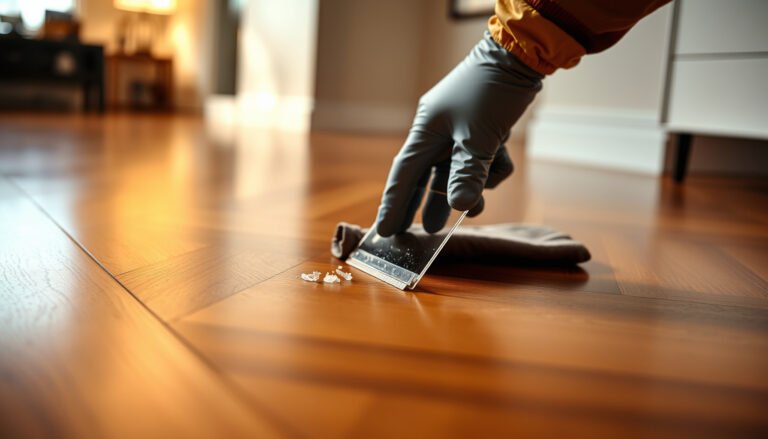
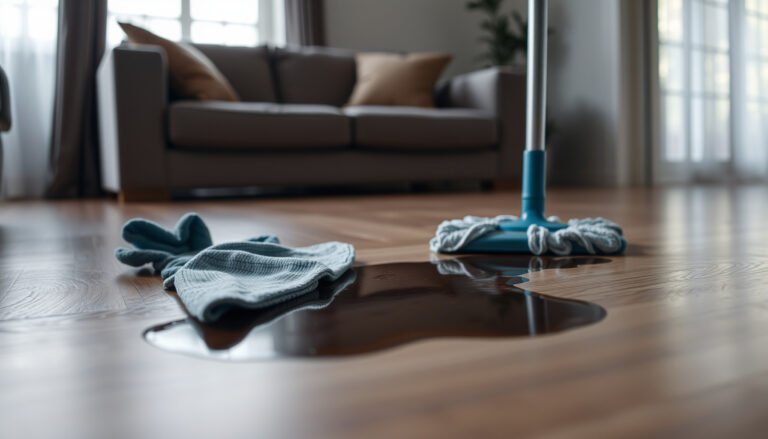
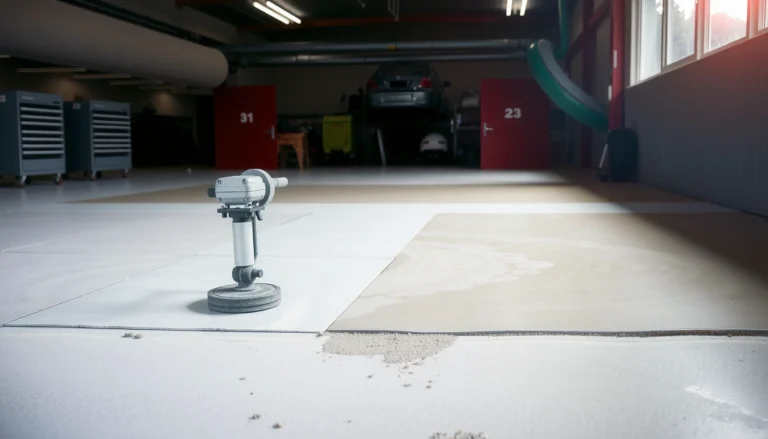
[…] can ruin the next floor install. Treat underlayment removal and residue cleanup as a controlled subfloor preparation step, not […]