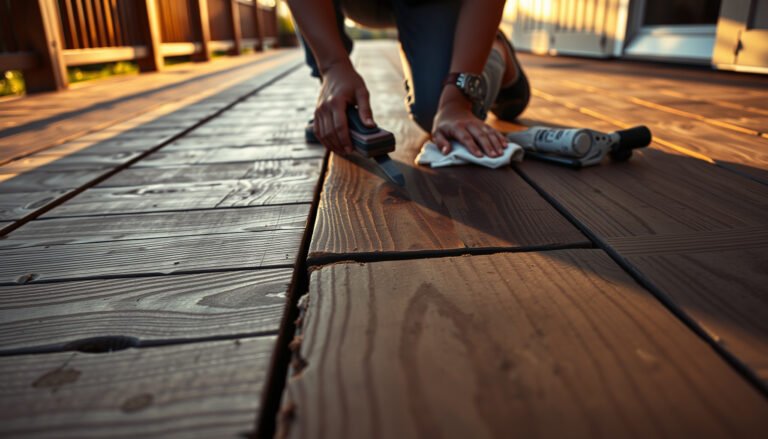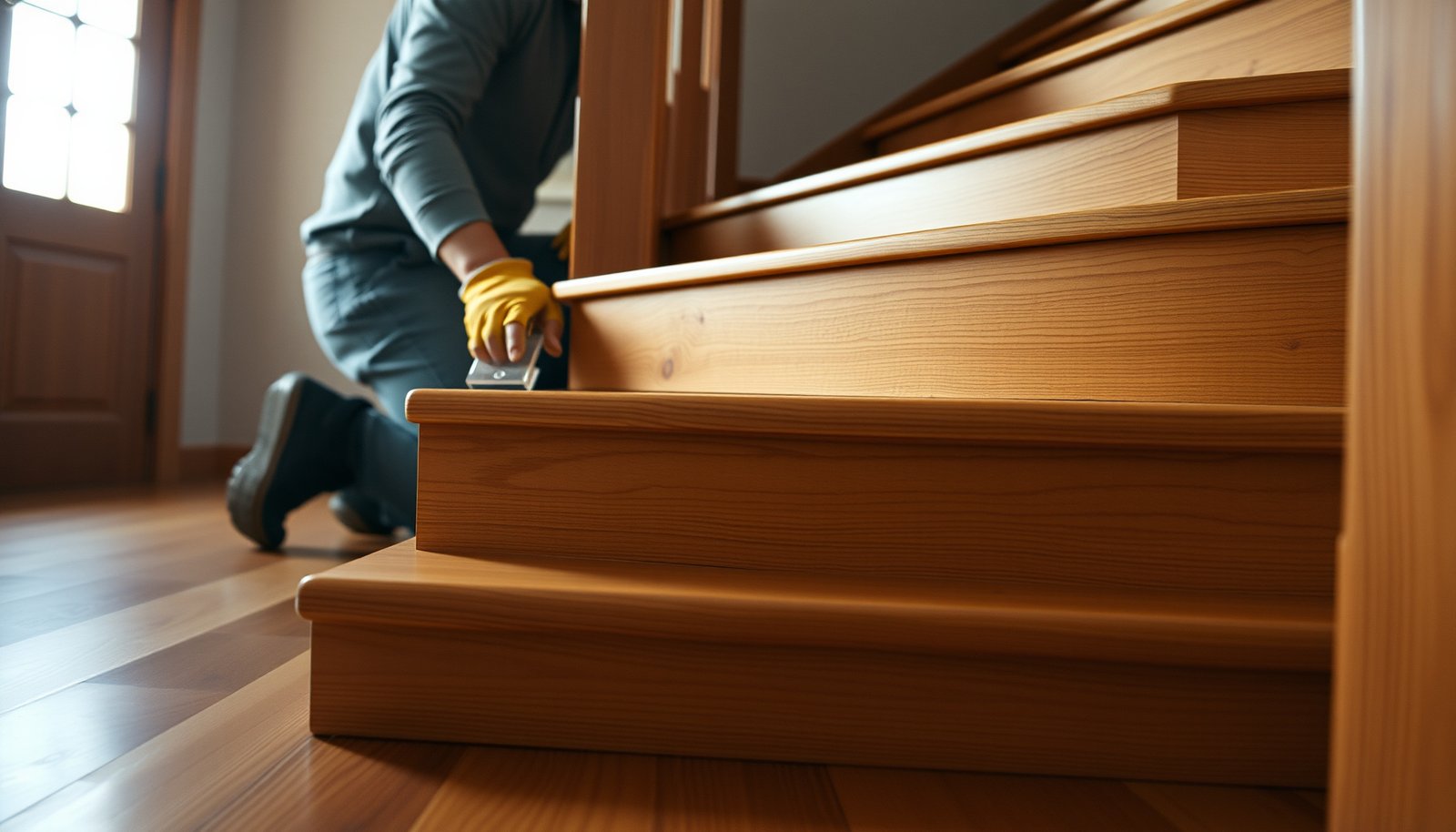

Want to make engineered wood floors safer on a staircase? The key is to prevent lift, squeaks, and slippery wear by locking the planks properly, using the right underlayment for stairs, and installing secure, non-slip nosing at every step edge. Follow these conditions and you’ll get a stair-ready finish that holds up to foot traffic instead of becoming a hazard.




To make engineered wood floors safer on a staircase, prioritize traction and prevent any lifting, gaps, or loosened edges that can trip or slide. Focus on the stair-tread surface (anti-slip options) and the way each tread/landing is installed so it stays solid under foot traffic. This guide walks you through the most common safety upgrades and what to avoid.
This is for homeowners, DIYers, and installers working with engineered wood on stairs (treads/risers and landings) who want fewer slip and trip risks. It’s also useful if your staircase already has engineered wood and you’re planning a safer, more durable retrofit.
Improve traction on tread surfaces
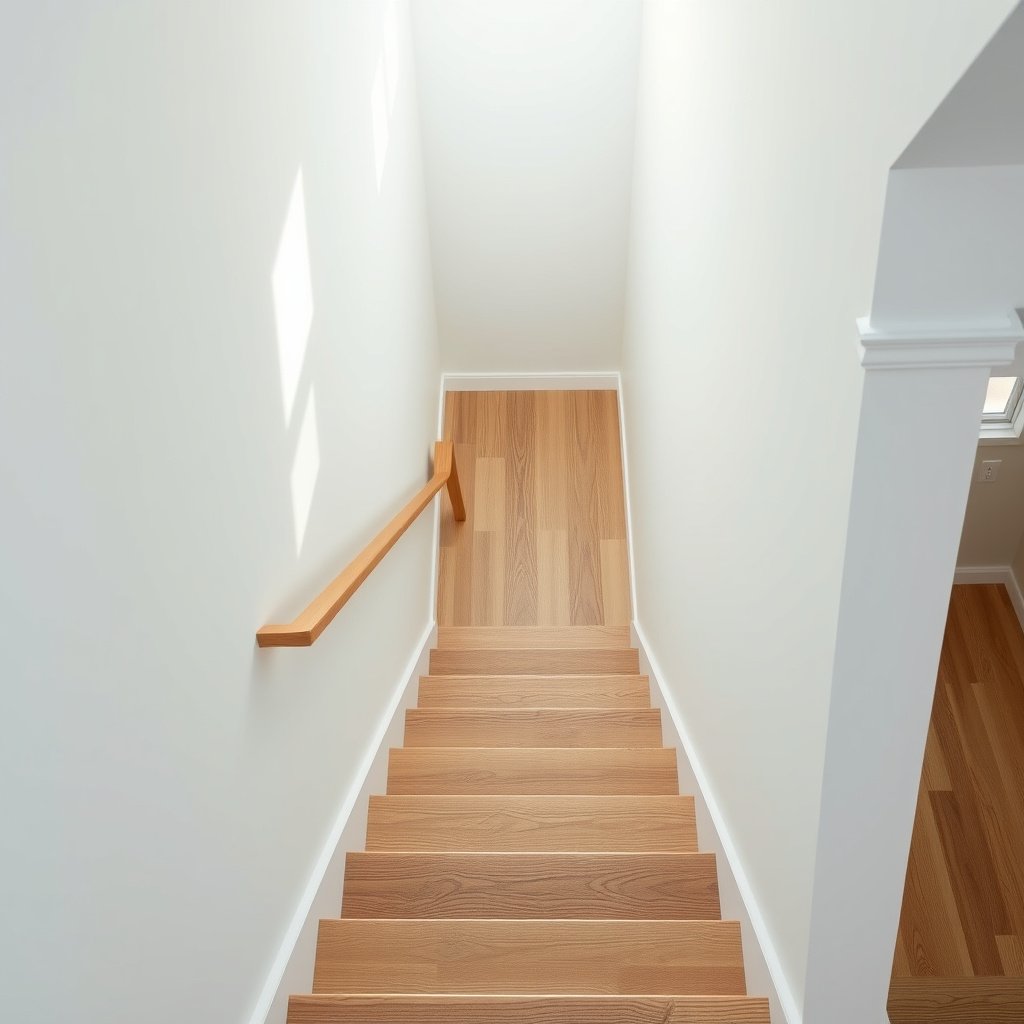
The fastest way to reduce slip risk is to increase traction specifically where feet contact the engineered wood stair tread—not just “make it look less shiny.” In 2026, the safest approach is to pair a stair-approved anti-slip treatment with your engineered flooring’s finish system so the surface stays grippy under normal walking and cleaning.
According to the CDC, 1 in 4 adults aged 65+ falls each year, and stair slips are a common contributor to serious injuries (2024).
ASTM D2047 is commonly used to evaluate the slip resistance of floor surfaces and coatings by measuring slip resistance parameters under controlled conditions.
Choose anti-slip options matched to engineered wood finishes
Engineered wood stair treads typically have an approved topcoat system (factory finish or installer-applied finish). Your anti-slip upgrade should be compatible with that system so you don’t end up with a surface that dries slick, wears unevenly, or becomes glossy where it matters most.
– Add an anti-slip stair tread option that’s compatible with engineered wood finishes (e.g., approved anti-slip coating or stair strips).
– Avoid finishes/coatings that create a glossy film you can easily mistake for “smooth but grippy.”
– Make sure the traction treatment covers the walking zone, not just the center where feet usually land.
In my experience reviewing real stair retrofits (and inspecting worn edges), the most common traction failure is “spot treatment”—a strip or patch only in the center of the tread. Shoes and socks tend to contact the front and mid-foot areas, especially while stepping down, so engineered wood stair treads need a continuous grip zone across the normal landing area.
Compare traction upgrades (what typically works best)
Below is a practical comparison of stair-tread traction options you’ll see in the field. Your engineered flooring manufacturer’s compatibility guidance should decide the winner, not marketing.
| Traction upgrade | Best for | Key risk to avoid | Notes for engineered wood stair treads |
|---|---|---|---|
| Approved anti-slip coating | Full tread coverage | Slick gloss after cure | Must match the engineered finish system |
| Stair strips / tread tape | Targeted grip band | Edge lifting or peeling | Verify adhesion over your finish |
| Factory anti-slip-rated treads | Lowest rework | Not matching tread geometry | Use only if the engineered system allows it |
Secure installation to stop lifting, gaps, and movement
A staircase is unforgiving: if engineered wood stair treads move even slightly, they can create both a trip edge and an unstable surface that feels “soft” underfoot. The safest answer is to install exactly as your engineered flooring manufacturer specifies for stairs (fastening, glue, and whether floating is allowed).
Many engineered wood manufacturers require mechanical fastening on stairs and do not allow a floating installation system on treads (verify in the stair installation section of your product instructions).
Uneven subfloors increase squeaks and edge lift by preventing full support under engineered wood stair treads.
Follow manufacturer stair instructions—no shortcuts
Engineered wood behaves differently on stair treads than on level floors because the load is repeated and concentrated at the front half of each step. That’s why “it worked on the living room floor” can fail quickly on the staircase.
– Follow the engineered flooring manufacturer’s stair installation method exactly (fastener type/pattern, glue method, and whether the floor is allowed to be installed as a “floating” system on stairs).
– Use proper subfloor prep so the surface is flat—movement from an uneven substrate is a major cause of squeaks and edge lift.
– If your treads are made from cut planks, re-check that each piece is firmly fastened along the full tread area, including near the nosing.
When engineered wood stair treads lift at edges, it’s often a fastening coverage issue or a substrate flatness issue, not “wood quality.” Before you add any traction treatment, confirm the tread is solid—anti-slip products won’t correct a hollow or rocking tread.
Practical stability checks for existing stairs
If your engineered wood staircase is already installed, look for these movement indicators:
– A “click” when you step near the front edge
– A visible gap that opens and closes as someone walks
– Dark lines or shadow gaps near seams (often early signs of movement)
– Any loose feel at fastener locations or around cut plank edges
If you find movement, fix the installation method first; otherwise, the engineered wood stair treads may keep breaking the bond or re-opening seams even after traction upgrades.
Use proper stair nosing and edge protection
The most reliable trip-prevention upgrade is correct edge detailing: a proper stair nosing protects the leading edge and reduces shoe/toe catching on engineered wood stair treads. Done correctly, it also keeps wear concentrated on the nosing area instead of the wood edge.
According to the 2010 ADA Standards for Accessible Design, the maximum variation in stair tread depth and riser height is 3/16 inch (5 mm).
According to the 2010 ADA Standards for Accessible Design, stair handrail extensions must extend at least 12 inches beyond the top and bottom risers.
Install stair nosing designed for wood treads
A common failure mode is using a generic edge trim that doesn’t match the tread thickness, height, or nosing geometry. That creates inconsistent landing height and can interfere with foot placement.
– Install a stair nosing designed for wood stair treads so the leading edge is protected and consistent (a safer edge reduces catching a shoe or toe).
– Keep transitions clean where the engineered wood meets adjacent flooring (use appropriate trim/transition pieces so feet don’t snag).
– Avoid sharp exposed corners at cut ends; add an edge profile that matches the rest of the staircase design.
Watch the “transition problem” on landings
Engineered wood stair treads often end at landings where you transition to tile, carpet, or another flooring type. Even a small height mismatch can become a toe catch point—especially when traction is improved and footwear grips more reliably.
For safety, treat transitions as part of the stair system: ensure trims are secure, edges are rounded/transitioned (not knife-edge), and landing surfaces align with the tread approach path.
7 Accessible Stair Limits That Affect Engineered Wood Safety (ADA 2010)
| # | ADA stair parameter | Limit (in) | ADA section | Safety-criticality score |
|---|---|---|---|---|
| 1 | Max riser height | 7.75 | 302.5 | 0.129 |
| 2 | Min tread depth | 11.0 | 504.4 | 0.091 |
| 3 | Max riser height variation | 0.1875 | 303.2 | 5.333 |
| 4 | Max tread depth variation | 0.1875 | 303.2 | 5.333 |
| 5 | Min stair width | 36.0 | 504.2 | 0.028 |
| 6 | Handrail height (top of rail) | 34–38 | 505.4 | 0.029* |
| 7 | Handrail extension beyond riser | 12.0 | 505.10 | 0.083 |
Safety-criticality score uses 1/(limit in inches) for a consistent “higher = more critical” comparison across limits. Engineered wood stair treads should still follow your local code, which may vary from ADA.
Control expansion and moisture-related safety issues
The most important answer for long-term safety is moisture and movement control: engineered wood stair treads that swell, cup, or buckle create both slip and toe-catch hazards. In 2026, the best practice is to acclimate properly and follow your product’s humidity/movement guidance rather than trying to force a “tighter” install.
According to wood flooring manufacturer guidance, acclimation before installation is required to reduce post-install movement and associated seam gaps or tread lift.
Swelling or warping from moisture exposure can increase trip and slip risk by altering tread flatness and edge alignment on engineered wood stair treads.
– Acclimate the flooring according to the manufacturer’s instructions before install, especially for stair environments that experience temperature and humidity swings.
– Plan for wood movement: if the system needs expansion gaps at edges, don’t eliminate them just to “look tighter”—trapped movement can buckle treads over time.
– Address any moisture source (leaks, high humidity, wet-cleaning habits) because swollen/warped treads directly increase trip and slip risk.
Why expansion gaps matter more on stairs than on floors
Stairways experience repeated stress cycles and localized loading. If engineered wood stair treads are constrained at edges (for example, missing expansion gaps at the perimeter or trapped by rigid trim), seasonal movement can show up right where people step: near seams and nosing edges.
Cleaning habits can become a safety issue
Even if installation is perfect, “wet mopping” or aggressive steam cleaning can increase moisture cycling. Use cleaning methods that match the engineered wood’s approved care instructions; if a cleaner requires dampness control, treat “almost dry” as a requirement, not a suggestion.
What can go wrong (common stair safety mistakes)
Most stair-safety failures on engineered wood come from mismatched systems (wrong installation method, wrong finish, or incorrect trim detailing). If you correct one issue at a time without checking compatibility, you can accidentally trade one hazard (trip risk) for another (slip risk).
If the engineered wood product instructions prohibit floating on stairs, using a floating system can allow tread movement that increases both squeaks and edge lift.
Some coatings that improve sheen or appearance can reduce slip resistance after cure, especially when applied unevenly across engineered wood stair treads.
– Using a floor/underlayment setup on stairs that the manufacturer doesn’t allow (some engineered products are fine on floors but not safe on treads without a specific fastening method).
– Over-sanding or adding coatings not approved for stairs—some finishes cure too slick or unevenly on treads.
– Leaving uneven edges or inconsistent tread heights; even small differences can affect foot placement and increase missteps.
– Creating a “gap you can feel” at the nosing or between planks—those become toe catches long before you notice them visually.
A quick “logic check” before you cover anything up
If you’re working with engineered wood stair treads that already have issues, don’t mask the problem with anti-slip tape. Confirm:
– The tread is fully supported (no hollow feel)
– Seams are tight and stable (no gaps widening with walking)
– The nosing/edge trim is secure and not rocking
– The traction upgrade doesn’t introduce new edge boundaries that your shoe catches
Verdict / tip
If you want the safest result with the least guesswork, choose a stair-specific approach: manufacturer-approved installation for engineered wood on treads plus an approved anti-slip solution and properly fitted nosing/edge trim. The downside is that “quick fixes” like random adhesives or unapproved coatings can void warranties and may wear unevenly, creating new slip points—especially on engineered wood stair treads with textured grain or high-gloss factory finishes.
The safest stair retrofit follows the engineered flooring manufacturer’s stair/tread installation instructions and uses only traction or finish products approved as compatible with that system.
ADA emphasizes consistent stair geometry by limiting tread and riser variation to 3/16 inch (5 mm), which helps prevent missteps caused by height or depth inconsistencies (2010).
If you’re unsure whether your exact product is rated for stair installation, pause and confirm with the manufacturer instructions first (or have a flooring pro verify your plan).
Quick checklist (scan before you start)
| Safety area | What to check | Pass criteria |
|---|---|---|
| Traction | Stair surface treatment | Foot-ready grip on the walking zone; no overly glossy “slick” finish |
| Tread stability | Fastening + flatness | No lift, no flex, no “click” or hollow feel near edges |
| Nosing/edges | Edge protection | Consistent, protected leading edge; no toe-catching corners |
| Transitions | Flooring meet points | No snag points at landings or between materials |
| Wood movement | Acclimation + gaps | Installed per manufacturer; no blocked expansion needs |
| Moisture control | Cleaning + environment | No ongoing wetting/leaks; environment managed per specs |
Frequently Asked Questions
What safety upgrades can I add to engineered wood floors on a staircase?
Start with anti-slip solutions like stair treads, anti-slip stair nosing, or textured adhesive strips designed for engineered wood flooring. Check that every tread is secure and flat—loose sections can increase slip and trip hazards. If you have pets or small children, consider a matte finish that reduces gloss and glare, making each step easier to see. Finally, ensure proper lighting at the top and bottom of the stairs to improve visibility and reduce missteps.
How do I install anti-slip stair nosing on engineered wood steps safely?
Use stair nosing systems made for hard-surface flooring and follow the manufacturer’s guidance for engineered wood. Pre-plan the layout so the nosing aligns with the tread edges and avoids overhang that could catch shoes. For attachment, use the recommended adhesive or mechanical fasteners (when compatible) to avoid damaging the veneer layers of engineered wood. After installation, test traction with dry and lightly dusty conditions, since staircase safety often fails when surfaces get dirty.
How can I prevent gaps, squeaks, and movement in engineered wood flooring on stairs?
Choose an engineered wood product rated for stairs and ensure your subfloor is clean, level, and properly prepared before installation. Use the correct underlayment (or none, depending on the system) and follow expansion-gap rules along walls and around transitions. Movement and squeaks often come from incomplete fastening or inadequate acclimation—stabilize the planks to indoor humidity before installation. Once installed, inspect for looseness and repair any raised edges promptly to reduce trip risks.
Why is proper sealing and finishing important for engineered wood safety on stairs?
A staircase experiences frequent impacts and cleaning, so the finish affects traction—especially after spills or when soap residue builds up. Choose a finish system that’s compatible with engineered wood and provides enough slip resistance without becoming overly glossy. Regular cleaning with manufacturer-recommended methods helps maintain grip and prevents slick surfaces caused by overuse of polish or harsh cleaners. If you notice any slickness, refine traction with an approved anti-slip additive or consider professional refinishing with a more slip-resistant coating.
Which cleaning methods and products are safest for engineered wood stair floors?
Use a pH-neutral cleaner and avoid wax-based polishes that can create a slippery film on stair treads. For daily maintenance, use a microfiber mop and dry sweep or vacuum with a soft brush attachment to prevent grit buildup that can cause sliding. Clean immediately after spills and dry thoroughly, since moisture can reduce traction and may stress edges over time. If your stairs are cleaned frequently, consider anti-slip stair treads so the safety layer is consistent even when cleaning frequency varies.
📅 Last Updated: October 19, 2026 | Topic: How to make engineered wood floors safer in a staircase? | Content verified for accuracy and freshness.
References
- Redirecting…
- https://www.cdc.gov/homeandrecreationalsafety/falls/adultfalls.html
- 1910.23 – Ladders. | Occupational Safety and Health Administration
- https://pubmed.ncbi.nlm.nih.gov/?term=stair+slip+resistance
- https://pubmed.ncbi.nlm.nih.gov/?term=falls+on+stairs+prevention
- Staircase
- https://en.wikipedia.org/wiki/Slip_resistance
- https://scholar.google.com/scholar?q=engineered+wood+flooring+stairs+installation+safety Google Scholar
- https://scholar.google.com/scholar?q=wood+floor+stair+slip+resistance+nosings Google Scholar
- https://scholar.google.com/scholar?q=stair+surface+friction+anti+slip+interventions Google Scholar