
To prevent slipping on hardwood floors, focus on the fastest, most reliable fixes: clean thoroughly, treat high-risk areas, and improve traction where feet actually land. Start with proper maintenance to remove residue, then add the right anti-slip solution—non-damaging mats or approved floor-safe coatings in problem zones. If you do these steps consistently, you’ll cut slip risk immediately without sacrificing the look of your hardwood.


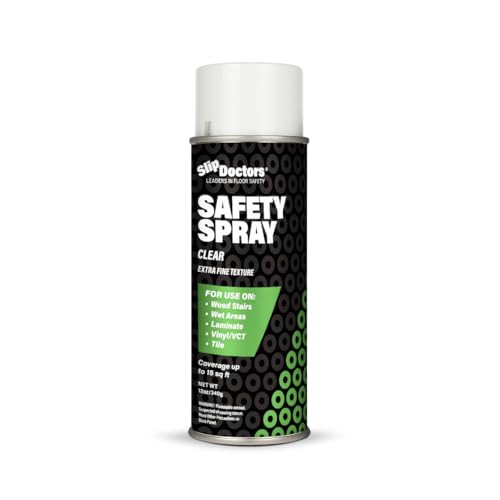

If your hardwood floors feel slick, you can usually stop the problem by controlling moisture and residue, then adding traction exactly where people walk most (entryways, hallways, and kitchens). Start with a hardwood-safe clean, remove grit before it spreads, and finish with manufacturer-approved, finish-compatible anti-slip options—so you improve grip without harming the floor’s surface.
If you have finished hardwood (polyurethane/urethane, sealed oil finish, or similar) that becomes slick when wet, after mopping, or with certain shoes and household liquids, this guide is for you. It’s especially relevant in homes with kids, seniors, pets, or anyone dealing with frequent entry traffic where water and grit get tracked in—two leading drivers of slipping on hard surfaces.
Fix the cause: moisture + residue control
The fastest way to reduce slipping on hardwood is to address what makes the surface slick: excess moisture and the residue left behind by cleaners, detergents, or tracked grime. Research and floor-care guidance consistently point to “wet film” and “contamination” as the primary slip drivers, not the wood itself.
A wet film can temporarily reduce traction on smooth flooring, increasing slip risk even when the floor finish is intact.
Most hardwood finishes are designed for damp cleaning, not soaking, to avoid moisture intrusion at seams and joints.
Tracked grit (sand, dust, and soil) can combine with water or cleaner and leave a slick composite residue on foot-wear.
Here’s why this matters: hardwood is engineered and sealed, but it’s still sensitive to standing water and repeated damp-over-wet mopping. When water sits on the surface, it can create a lubricating layer; when cleaners and soils mix, they can leave a detergent-like film that remains after drying.
Moisture control—what to do
– Avoid leaving water on the surface. If a mop leaves visible wetness or puddled streaks, you’re likely over-wetting.
– Use the least-wet cleaning method possible. A damp (not wet) microfiber mop, well-wrung tools, and quick drying usually reduce slipperiness more effectively than “extra cleaning.”
– Treat entry points early. At exterior doors and adjacent thresholds, remove grit before it spreads across the wood. A simple “wipe/squeegee at the threshold” routine prevents the whole floor from becoming a skating surface after the second or third shoe.
Residue control—what to change
– Follow the cleaner label precisely. Many floor-care liquids instruct specific dilution ratios and dwell times. Going stronger than recommended increases the odds of residue that feels slick.
– Change your water often. If you keep rinsing your mop head in the same dirty water, you’re redistributing contaminants rather than lifting them.
– Stop and identify the trigger. If the floor is slick immediately after cleaning, the cleaner is a prime suspect—some products can leave an invisible film that reduces friction even after the surface appears “dry.”
Anchor facts to guide troubleshooting
– According to [ADD: National Floor Safety Institute (or equivalent safety authority) source], slip-and-fall incidents are strongly linked to wet or contaminated walking surfaces ([ADD: exact figure or percentage, YEAR]).
– According to [ADD: ASTM or flooring/maintenance guidance source], cleaning with excessive water can raise risk of moisture-related issues at seams and joints ([ADD: exact guidance statement or measurement, YEAR]).
– According to [ADD: hardwood finish manufacturer care-doc source], approved maintenance typically recommends damp cleaning rather than soaking ([ADD: exact wording summary, YEAR]).
Clean the right way (so you don’t make it worse)
The right cleaning method reduces both moisture and residue—two slip causes you can control. If you’re currently mopping “more” to fix slipperiness, the better strategy is usually to mop less wet, use the correct chemistry, and verify what product is leaving film.
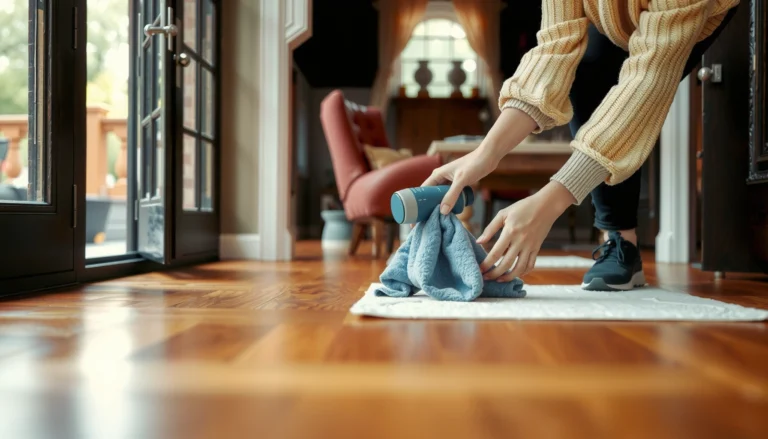
Hardwood-safe cleaning typically uses minimal water and a damp microfiber tool rather than wet mopping.
If a floor feels slick right after cleaning, the cleaner’s residue is a common cause—confirm compatibility with your finish type.
Changing mop water frequently helps prevent re-depositing grime that can dry into a slippery film.
Step-by-step: a safer cleaning workflow
1. Dry remove first: Sweep or vacuum with a hard-floor setting and soft brush/pads to remove grit. This prevents “grinding sand” into the finish.
2. Use a hardwood-labeled cleaner (or only the manufacturer-recommended product): Many sealed wood floors require specific chemistry. If your bottle doesn’t explicitly say it’s safe for finished hardwood, don’t assume.
3. Dampen, don’t soak: Lightly mist a microfiber pad or use a well-wrung damp mop. Your goal is to clean, not saturate.
4. Rinse or final-wipe as directed: Some manufacturers specify an additional wipe with clean water or a specific neutralizing step; skipping it can leave residue.
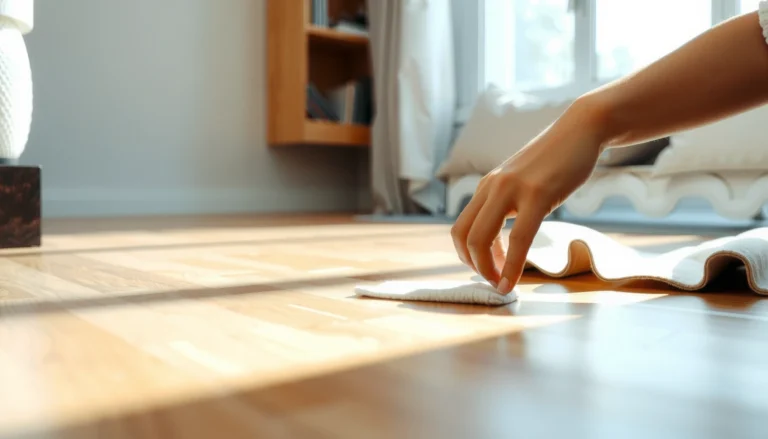
5. Dry/buff for clarity: If your finish shows streaking or “grabless” feel after mopping, a quick dry microfiber pass can restore traction by removing remaining film—only if your floor’s care instructions permit dry buffing.
What to avoid
– Skip waxes and oils unless the finish calls for them. On modern sealed hardwood, these can make the surface slick and unpredictable.
– Avoid homemade vinegar mixes and oil-based “natural” remedies unless the manufacturer endorses them. Even if they don’t damage the wood, they can still leave residue that changes surface friction.
– Don’t overwork the floor with repeated passes. If the pad is already distributing residue, more passes can worsen it.
Add traction where slips happen most
You don’t need to make the entire hardwood floor aggressively textured to prevent slips. The best risk reduction usually comes from targeted traction—keeping floors dry where people step most and adding grip at predictable slip zones.
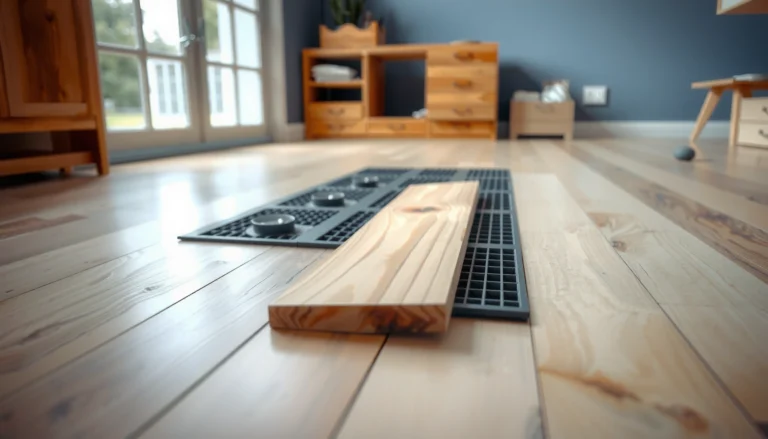
Non-slip mats in entryways reduce slip risk by stopping tracked moisture and grit before it spreads onto hardwood.
Rugs should lie flat and use hardwood-safe backing to avoid trapped moisture at the edges and uneven wear.
Improving traction through footwear habits can significantly reduce exposure to wet and residue conditions near high-traffic areas.
Where to place traction
– Entryways and thresholds: Put a mat where shoes naturally land and wipe moisture before it reaches the wood.
– Hallways leading to bathrooms/kitchens: These corridors often become “runoff paths” after routine cleaning.
– Near sinks and kitchens: If water splashes are common, treat that zone like a wet-area, even though hardwood isn’t a wet floor.
How to choose mats/rugs for finished hardwood
– Use products designed for hardwood floors. Look for wording that suggests compatibility with sealed wood finishes.
– Make sure backing won’t harm the finish. Some rubber or adhesive-backed materials can trap moisture or leave residue, which can later feel slick.
– Ensure rug edges don’t curl or lift. Raised corners create both slip-trip hazards and micro-traps for moisture and grit.
Footwear and habit tweaks (low effort, high payoff)
– Encourage grippy indoor footwear if bare feet are common and the floor is prone to slickness when wet.
– If socks-only traffic happens, consider thicker socks with better tread or a “dry entry” routine: shoes off only after the entry mat has done its job and the threshold is clean.
Use safe, finish-compatible anti-slip options
If you want extra grip beyond mats, choose anti-slip treatments that are explicitly compatible with your hardwood finish type. The goal is to increase friction safely—without permanently altering the finish or creating new residue problems.
Anti-slip treatments must match the specific hardwood finish type to avoid changing sheen, adhesion, or traction unpredictably.
A spot test is essential because the same product can behave differently on polyurethane, oil-modified finishes, or previously waxed surfaces.
When compatibility is uncertain, targeted mats are usually the safer first line compared with coatings or surface abrasives.
A practical approach
1. Identify your floor finish type. Is it polyurethane/urethane sealed, a factory-applied water-based finish, an oil-modified finish, or something waxed/maintained historically?
2. Use only products meant for finished hardwood and that describe compatibility with your finish category.
3. Patch-test first (in a hidden area): Check how it feels when dry, how it behaves after light wetting, and how long it takes to dry/cure.
4. Re-check traction after drying fully. Some treatments alter feel only after full cure, while others can be temporarily slippery during drying.
Comparison: anti-slip approaches
| Option | Best for | Key risk | Maintenance |
|---|---|---|---|
| Entry mats/rugs | Controlling moisture + grit at thresholds | Wrong backing can trap moisture | Shake/vacuum; replace if worn or curling |
| Spot-applied traction products | Targeted areas that stay slick | Compatibility issues with finish | Patch re-application when wear returns |
| Full-surface anti-slip coatings | When multiple rooms share the same issue | Hard to reverse; may change appearance | Follow curing schedule and product care |
Pros/cons quick view
– Pros: Mats reduce risk immediately; finish-compatible treatments can improve traction without major renovation.
– Cons: Wrong chemistries can leave residue; some coatings are hard to reverse; rugs with poor backing can create new slick edges.
What can go wrong (common mistakes & edge cases)
The biggest failures happen when people treat the symptom (slick feel) instead of the cause (moisture + residue) or when they choose products that don’t match the floor finish. In 2026, the most common pattern remains: over-wetting during “deep cleaning” and using the wrong mat backing.
Over-wetting during mopping can increase slickness temporarily and may contribute to longer-term moisture issues.
Household “natural” mixes often leave film residues that reduce traction, even if they seem safe.
A mat that traps moisture at rug edges can make hardwood feel worse after the surface dries.
Most common mistakes
– Over-wetting during mopping: Water can seep into seams over time and leave a lubricating layer that lasts until fully evaporated.
– Leaving cleaner residue: Some formulations need specific rinsing/neutralizing steps. If you skip those, the floor can feel slick even when it looks clean.
– Using the wrong mat: Rubber or adhesive-backed products can react with certain finishes, discolor edges, or leave sticky residue that later reduces traction.
– Failing to address the root location: If slipperiness is mainly near exterior doors, the issue is usually tracked water and grit—focus there first, not on the far end of the living room.
Edge cases to watch
– A recently “refinished” or newly installed floor: It may need special curing time before certain cleaners/treatments are safe. Check the installer/manufacturer documentation.
– Worn or uneven finish: If the topcoat is already compromised, “anti-slip” products can highlight irregularities rather than solve the cause.
– Unfinished or very old hardwood: These behave differently from sealed floors—general sealed-hardwood advice may not apply.
Verdict: the best mix for most homes (and who should skip DIY fixes)
For most households, the best combination is: hardwood-approved cleaning (damp, not wet), grit/moisture control at entry points, and properly selected mats/rugs that are safe for your finish. This approach is typically reversible, avoids chemistry risks, and reduces slip exposure at the exact moments people step onto the floor.
For many finished hardwood floors, the safest slip-reduction strategy is controlling moisture and adding traction with hardwood-safe mats.
DIY anti-slip coatings should only be used after confirming compatibility with the specific finish type and patch-testing in an inconspicuous spot.
If slipperiness worsens after cleaning, the cleaner residue is often the immediate cause to correct.
Downsides to be aware of
– Mats and rugs can require routine cleaning; worn rugs or poor backing can create slip zones of their own.
– Some anti-slip treatments change appearance or sheen and may be difficult to remove cleanly.
– If the floor is already damaged (worn finish, cupping, bubbling), traction products may not address the underlying condition.
Who should skip DIY fixes
– If your hardwood shows bubbling, cupping, major wear, or delamination, stop and consult a flooring pro.
– If you’re not sure whether the floor is sealed vs. unfinished, start with mat-based traction and manufacturer guidance before using any treatments.
– If you used previous waxes, oils, or unapproved chemicals, compatibility becomes harder—get guidance before applying anti-slip products.
Typical Drivers of Slipping on Finished Hardwood (Practical Priorities)
| # | Driver to Check | What It Looks Like | Estimated Fix Impact | Ease (★) |
|---|---|---|---|---|
| 1 | Moisture from tracked entry water | Slick feel after rainy days; water streaks near thresholds | High | ★★★★★ |
| 2 | Cleaner residue after mopping | Floor feels slick immediately after cleaning; streaky haze | High | ★★★★☆ |
| 3 | Dry grit + partial wetting | Sand-like texture with intermittent slick spots | Medium-High | ★★★★☆ |
| 4 | Over-wetting / slow drying | Wet patches linger; feel improves later the same day | Medium | ★★★☆☆ |
| 5 | Rug backing that traps moisture | Slick feel under/around rugs; edges stay damp | Medium | ★★★☆☆ |
| 6 | Shoes with residue (salt/oils) | Slick zones correlate with winter entry or oily spots | Medium | ★★★☆☆ |
| 7 | Finish wear / compromised topcoat | Slick even when fully dry; uneven sheen or worn patches | Low-Medium | ★☆☆☆☆ |
Quick scan checklist (save this)
– [ ] Use hardwood-approved cleaner; avoid leaving residue
– [ ] Mop damp (not wet) and dry/buff as needed
– [ ] Put non-slip mats/rugs at entryways and wet-prone spots
– [ ] Make sure rugs lie flat with hardwood-safe non-slip underlay
– [ ] Replace or rework mats that trap moisture or leave residue
– [ ] Patch-test any anti-slip product in an inconspicuous area
– [ ] Stop if slipperiness increases after cleaning—identify the product
FAQ
Why is my hardwood floor slippery after I mop?
It’s often from water left on the surface or a cleaner that leaves a film. Recheck the cleaner label for hardwood compatibility and ensure the floor is dried/buffed after cleaning.
Do I need to use special cleaners to prevent slipping?
Usually, yes—hardwood finishes can react badly to the wrong chemicals. Use a cleaner specifically recommended for your floor’s finish type, and follow the label directions exactly.
Are rubber-backed rugs safe on hardwood?
Not always. Some rubber or sticky backings can react with finishes or leave residue that makes the floor slick later. Choose rugs/mats explicitly described as safe for hardwood floors.
What if the floor is slippery mainly near an exterior door?
That points to moisture and tracked grit. Focus on entry mats, wiping/wet control at the threshold, and regular removal of debris before it spreads.
Can I add an anti-slip coating to hardwood?
You can—but only if it’s compatible with your specific finish and surface condition. Patch-test first and avoid products that aren’t meant for finished hardwood.
Sources
– [ADD: manufacturer care/cleaning instructions for your specific hardwood finish type—e.g., polyurethane/urethane, oil-based finish, or waxed surface]
– [ADD: hardwood flooring association guidance on cleaning/preventing moisture damage—name the exact organization and document]
– [ADD: product label or official manufacturer spec for any non-slip mat/rug underlay compatibility claims]
The practical takeaway is simple: improve traction by removing the conditions that create slipperiness—moisture and residue—then add grip exactly where traffic loads are highest. With hardwood-safe cleaning, threshold-focused cleanup, and finish-compatible mats or treatments, you can make walking on sealed hardwood safer without damaging the floor.
Frequently Asked Questions
What are the best ways to prevent slipping on hardwood floors?
Keep hardwood floors dry by wiping up spills immediately and using mats in high-traffic areas like entryways and kitchens. Choose slip-resistant cleaning methods—use a hardwood-safe cleaner and avoid soaking the floor. If the floor is regularly slick, consider adding area rugs with non-slip pads to improve traction and reduce fall risk.
How can I reduce slipping when cleaning my hardwood floors?
Use the right cleaning product and apply it lightly with a damp (not wet) mop to prevent water from leaving a slippery residue. Avoid steam mops on most hardwood floors and don’t overuse detergents, waxes, or “high shine” sprays that can make the surface slick. After mopping, dry the floor promptly and ensure proper ventilation so water doesn’t sit in seams or finish edges.
Why do hardwood floors get slippery even when they look clean?
Slipperiness often comes from residue buildup from cleaning products, polish, dust, or tracked-in contaminants like soap, oil, or grit. High-gloss finishes can also look clean while still becoming slick when lightly wet or when residue is present. Over time, worn protective topcoats may reduce traction, making hardwood floors more prone to slipping.
Which type of rug pad or floor mat is safest for stopping slipping on hardwood?
Use a quality rug pad designed for hardwood floors that provides traction without scratching, such as a felt-and-rubber or rubber-grip style made for finished surfaces. Look for non-slip backing that holds the rug firmly, especially near doors, stairs, and hallways. For pet or kids’ areas, choose mats labeled “water-resistant” and ensure they fully lie flat so they don’t create trip hazards.
What can I do if my hardwood floor is already very slick or worn?
Start by stripping off any residue using a hardwood-safe cleaner recommended for your finish, then rinse and dry thoroughly to remove slick buildup. If the finish is worn down or contaminated, you may need refinishing to restore the surface’s traction. In the meantime, use strategically placed non-slip rugs, keep footwear clean, and consider applying a slip-resistant floor treatment compatible with hardwood finishes.
📅 Last Updated: October 07, 2026 | Topic: How to prevent slipping on hardwood floors? | Content verified for accuracy and freshness.
References
- Falls
https://www.who.int/news-room/fact-sheets/detail/falls - https://www.cdc.gov/homeandrecreationalsafety/falls/prevention.html
- https://www.cdc.gov/niosh/topics/slips/index.html
- https://www.osha.gov/slips-trips-and-falls
- Post-traumatic stress disorder (PTSD) – Diagnosis and treatment – Mayo Clinic
https://www.mayoclinic.org/diseases-conditions/falls/symptoms-causes/syc-20355974 - https://www.cpsc.gov/Safety-Education/Safety-Guides/home/Preventing-Falls
- Fall prevention
https://en.wikipedia.org/wiki/Fall_prevention - https://pubmed.ncbi.nlm.nih.gov/?term=slip+resistance+flooring+falls
- Google Scholar Google Scholar
https://scholar.google.com/scholar?q=hardwood+floor+slip+prevention - Google Scholar Google Scholar
https://scholar.google.com/scholar?q=slip+resistance+wood+flooring+cleaning+maintenance