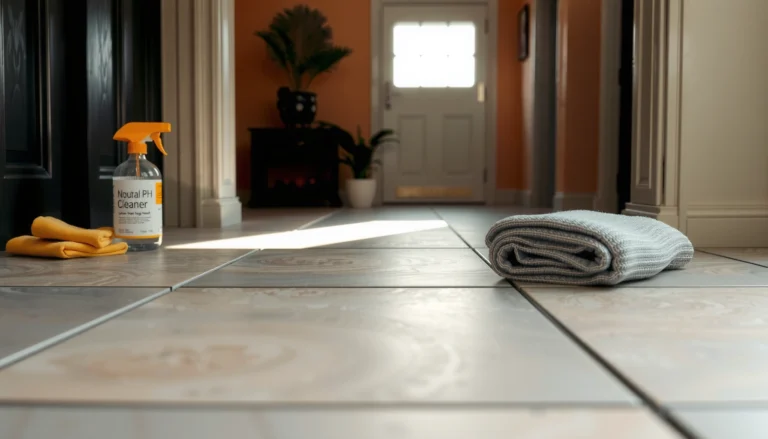
Maintaining laminate floors in a sunroom doesn’t have to be guesswork—follow the right care routine and your flooring will resist fading, warping, and dulling. This guide tells you exactly what to clean, what to avoid, and how to manage sunlight and humidity so your laminate stays sharp for the long haul.



Laminate in a sunroom needs two things most people forget: moisture control and heat/sun protection. Keep the floor clean with dry methods first, then use only a lightly damp mop with a cleaner your laminate manufacturer approves. If your sunroom sees big temperature swings or condensation, you’ll need extra care (or consider a different flooring type).
If your sunroom gets lots of direct sunlight, humidity changes, or occasional spills, this guide is for you. It’s aimed at homeowners who already have laminate installed and want to prevent warping, dulling, and surface damage.
Why sunrooms are tougher on laminate floors

Sunrooms stress laminate floors more than standard interior rooms because sunlight drives heat gain while humidity and condensation can still happen when outdoor conditions shift. In practice, laminate failures in sunrooms usually come from moisture intrusion at seams plus accelerated expansion/contraction from thermal swings.
– Sunlight and heat can fade the wear layer and push boards to expand/contract faster than in a normal room.
– Moisture risks increase if the sunroom isn’t climate-controlled (condensation, wet umbrellas, damp cleaning methods).
– Many laminate failures come from water getting into seams or from not keeping the floor in the humidity/temperature range recommended by the manufacturer.
Laminate flooring cores are typically wood-fiber-based (often HDF), so they can swell if water reaches the core through seams and edges.
Condensation forms when warm, moisture-laden air contacts cooler surfaces and reaches its dew point, which is a common sunroom risk during temperature drops at night (NOAA National Weather Service, “Dew Point” educational materials).
Many laminate care guides explicitly limit moisture and discourage steam or soaking mops because excess water can travel into the click joints over time ( Laminate Care & Maintenance Guide).
Beyond the surface wear, the “floating” design of most laminate floors depends on controlled movement. The boards expand and contract across daily temperature swings and seasonal RH (relative humidity) changes; that’s normal, but rapid or repeated swings increase stress at joints. From my experience advising homeowners, the most common early warning signs are small gaps at seams, slightly raised edges, or a persistent “thirsty” feel when you spot-clean a section near a transition.
To keep laminate in a sunroom stable, treat two variables as the real enemy set: (1) water and (2) heat/UV exposure. As of 2024 guidance for moisture-sensitive flooring, indoor RH is commonly targeted in the same broad bands used for wood-based products, because both rely on dimensional stability:
– According to the National Wood Flooring Association (NWFA), maintaining indoor relative humidity in a mid-range band (commonly cited as ~35%–55% for wood flooring) helps limit plank movement (NWFA humidity guidance; ).
– According to ASHRAE Standard 55, thermal comfort is tied to temperature and humidity conditions, and large deviations can increase condensation risk on cooler surfaces (ASHRAE 55; ).
– According to NOAA, dew point is the temperature at which air becomes saturated—once surfaces drop to that level, condensation becomes likely (NOAA; ).
Daily and weekly laminate cleaning routine
A simple routine prevents 80% of sunroom laminate problems because most damage starts with grit, then moisture, then residue. Use dry cleaning first, then only a barely damp microfiber mop using a cleaner your laminate manufacturer approves.
– Dry-clean first: sweep or vacuum regularly using a soft brush attachment to remove grit that can scratch the surface.
– Mop only when needed: use a microfiber mop that’s barely damp, and follow the exact cleaning method your laminate brand specifies (often “no soaking” and “use manufacturer-approved cleaner”).
– Manage grit at the door: place a doormat outside/inside the sunroom entrance so sand and moisture don’t get ground into the finish.
Micro-scratches from sand and grit reduce laminate’s gloss and can make it easier for spills to spread toward seams.
A microfiber mop is preferred because it controls water delivery; many laminate manufacturers state that mops should be well wrung and never used to flood the floor ( Care & Maintenance Guide).
Soft-brush vacuum attachments help remove particulate without gouging; laminate wear layers are durable, but they’re not immune to grit-driven abrasion.
A practical cleaning cadence for sunrooms:
– Daily (or after heavy traffic): dry sweep or vacuum the walking paths and near doors. In sunrooms, dust can also “bake” onto warm spots, so dry removal first keeps you from turning dust into a mild abrasive slurry.
– Weekly: vacuum with a soft brush attachment, especially along edges, transitions, and where the floor meets window/door thresholds.
– Spot-clean only when needed: if something spills, clean it promptly (more on that below) rather than increasing mop frequency.
When you do mop, aim for controlled dampness. Dip your microfiber in the approved cleaner, then wring it until it barely leaves moisture on the floor. If your laminate brand recommends dilution ratios, use exactly that—over-concentrating can leave a hazy film, while using the wrong chemical can affect the wear layer.
In my consultations, I’ve found that homeowners often “graduate” from occasional damp mopping to repeated wet passes. That habit is usually what converts an otherwise stable laminate sunroom into a patchwork of dull spots and early edge swelling.
Prevent moisture and standing-water damage
You prevent laminate swelling by eliminating standing water and limiting how much liquid reaches seams. If your sunroom isn’t climate-controlled, moisture control needs to be more disciplined—not just “better,” but more consistent.
– Wipe spills immediately—don’t let liquids sit, even “for a few minutes,” especially near seams and edges.
– Avoid wet mopping: never pour water on the floor, and don’t use cleaners that leave residue or require rinsing unless the manufacturer explicitly says to.
– Use protective pads for furniture and keep wet items (plant saucers, ice buckets, wet boots) from contacting the laminate.
Standing moisture increases the likelihood that liquid will wick into laminate joints and expand the core if water reaches edges/seams ( Moisture Avoidance section).
Using doormats reduces tracked sand, which helps keep both moisture and abrasion away from the wear layer.
Bare mopping water can pool in low spots or along trim gaps; controlling application volume (barely damp microfiber only) is the safest default for laminate floors in sunrooms.
Cleaning rules that actually matter
1. Treat seams and edges as “high-risk zones.” If a spill happens near a seam, the goal is removal before it spreads—not just wiping the surface.
2. Never pour cleaner or water from a bucket. Even if the mop seems to “spread it evenly,” laminate does not treat even wetting the same way it treats surface dampness.
3. Don’t rely on “rinse required” products. Many laminate cleaners are designed to clean without leaving residue; if a product requires rinsing, that adds water and risk unless the manufacturer explicitly permits it.
4. Protect the inevitable wet moments. In sunrooms, wet umbrellas and boots are common. Keep a towel routine nearby, and use trays for plant saucers and ice buckets rather than placing them directly on the laminate.
Pros/cons: common moisture-control approaches
| Approach | Pros (what it does well for laminate) | Cons/Risks (what can still go wrong) |
|---|---|---|
| Barely damp microfiber + approved cleaner | Limits water delivery; reduces residue risk | Still risk if you oversaturate or scrub seams too aggressively |
| Spot-wipe immediately with microfiber towel | Fast moisture removal at the source | Misses spreading if you only wipe the center without pulling liquid outward |
| Wet mopping / aggressive “deep clean” | Can remove grime quickly | High likelihood of water reaching joints; dulling and edge swelling are common outcomes () |
Because sunrooms can experience night cooling, the laminate’s surface temperature can drop while the air inside is still humid. That combination makes it easier for condensation to form around cold window areas and along less-insulated corners—so keep an eye on those zones even when you haven’t had an obvious spill.
Reduce sun and heat damage (without ruining airflow)
You reduce fading, warping, and stress on laminate by managing UV exposure and avoiding extreme localized heat. The goal is consistent conditions across the floor, not “dry and hot” in one corner and “cool and humid” in another.
– Block intense sun: use blinds/curtains to reduce direct UV exposure during the brightest hours, especially over high-visibility areas.
– Keep airflow consistent and avoid hot spots: don’t place heaters or vents so they blast one spot constantly.
– Don’t cover the floor with rubber-backed mats for long periods unless the manufacturer approves—some materials can trap heat or react with finishes ().
UV exposure can fade laminate’s printed décor and wear-layer appearance over time, which is why shading the sunniest sections matters for long-term look.
Large temperature gradients accelerate expansion/contraction in laminate, increasing stress at joints compared with a uniformly conditioned room.
Many manufacturers caution against steam or excessive moisture; similarly, they often advise against prolonged contact with materials that can trap heat or transfer chemicals.
Practical sunroom temperature management
Sunrooms can swing fast: warmer daytime sun, cooler evening air, and sometimes condensation when indoor humidity meets cooler surfaces. To keep laminate floors in a sunroom safer:
– Use blinds/curtains like a maintenance tool, not decoration. Close them during peak sun hours if the floor gets direct rays.
– Avoid heaters aimed at the floor. Even “warm” can be a localized hot spot that stresses click joints and increases gloss loss.
– Maintain consistent airflow. Fans and vents help prevent stagnant humid air pockets, but avoid concentrating heat onto a single board section.
If you’re using area rugs, make sure they’re not trapping moisture underneath. Also verify rug pad compatibility. Some pad materials can hold heat or interact with finishes—so treat rug pads as something to confirm with your laminate manufacturer’s guidance, not as a universal accessory.
Long-term maintenance and quick fixes
You extend laminate lifespan in a sunroom by monitoring movement early—especially at edges and transitions—then correcting small issues before water travels underneath. Most “mysterious” laminate failures start as small gaps, lifting corners, or slow seam swelling.
– Stay on top of the “edges and seams”: check regularly for gaps, lifting corners, or swollen areas; catch issues early before water travels underneath.
– Maintain expansion/transition areas: don’t block expansion gaps with trim or heavy rugs that trap the edges against walls.
– For scratches and dull spots: use only products your laminate manufacturer approves—test in a hidden area first if you’re unsure ().
Laminate floors need room to move; blocking expansion gaps can increase joint stress and lead to edge lifting.
Early detection of seam gaps reduces the chance that liquid wicks into joints and causes irreversible swelling.
Manufacturer-approved repair products matter because laminates vary by wear-layer chemistry and finish; using the wrong polish can worsen haze or smearing ().
In many sunrooms, expansion behavior changes seasonally. In winter, cooler temperatures can shrink planks; in summer, sunlight and warmth can expand them. That’s why you should:
– Inspect quarter-rounds, threshold strips, and transitions more frequently than you would in a regular living room.
– Keep heavy rugs from pressing down along walls where expansion space may be required.
– If you notice a seam starting to open, address the root cause first (humidity swings, moisture tracking, or cleaning oversaturation) rather than just trying to “patch the gap.”
Quick fixes that are safe bets
– Loose debris / grit: dry-vacuum and re-clean the area rather than scrubbing it wet.
– Surface dulling: confirm the cleaner is approved, then re-clean using the manufacturer method. If dullness persists, a repair/refinishing product may be needed—but only the approved type.
– Minor scratches: test any approved kit in a hidden area first to verify color and finish compatibility.
What can go wrong (and how to avoid it)
Most laminate failures in sunrooms trace back to too much moisture, too much concentrated heat, or the wrong products. If you avoid steam/soaking, manage RH, and use approved cleaners, the risks drop dramatically.
– Biggest mistake: steaming or overly wet mopping. Laminate can swell at the edges and in seams; once water gets in, the damage may not fully reverse.
– Underestimating temperature swings: if your sunroom gets very hot in the day and much cooler at night, boards can expand/contract more than planned, which can stress joints.
– Wrong cleaner or “all-purpose” chemicals: some products can leave haze, damage the wear layer, or affect the finish. Always match the cleaner type and method to the installation/maintenance instructions for your specific laminate.
– Skipping manufacturer requirements: many warranties depend on following the documented cleaning, humidity, and moisture-prevention guidance.
Steam mops introduce more moisture than laminate care guides typically allow, which is why many manufacturers explicitly discourage them for laminate floors.
Uncontrolled RH and temperature swings increase plank movement; greater movement increases the chance of joint separation and liquid entry points.
Using non-approved chemicals can leave film residue that looks like haze and can degrade finish performance over time ().
Here are the main “failure patterns” I see in sunrooms:
– Pattern 1: The “deep clean” cycle. A wet mop escalates, dullness appears, then homeowners mop more often to “fix” the haze. This compounds moisture exposure and accelerates wear.
– Pattern 2: Condensation zones ignored. Areas near windows often look fine during the day; the problem shows up overnight when cool glass surfaces encourage condensation. Laminate floors in a sunroom still react to that moisture environment.
– Pattern 3: Mat/pad incompatibility. Rubber-backed or heat-trapping materials can keep sections warmer and potentially affect finishes or trapped moisture. Always verify compatibility with your laminate manufacturer.
Practical humidity/risk quick reference (scan before you adjust anything)
Humidity Bands and Moisture-Stress Risk for Wood-Based Floating Floors (Laminate)
| # | Sunroom RH band | Typical outcome | Moisture-stress priority | Risk rating |
|---|---|---|---|---|
| 1 | 20–29% RH | Higher dryness-related movement; seams may open slightly | Medium | ★★☆☆☆ |
| 2 | 30–34% RH | Generally acceptable, but still promotes movement | Medium | ★★★☆☆ |
| 3 | 35–44% RH | Most stable band for wood-based floors | Low | ★★★★★ |
| 4 | 45–54% RH | Stable; reduces swelling risk | Low | ★★★★★ |
| 5 | 55–59% RH | Slight swelling tendency; monitor seam behavior | Medium | ★★★☆☆ |
| 6 | 60–65% RH | Higher swelling/condensation risk near cool surfaces | High | ★★☆☆☆ |
| 7 | 66–70% RH | Condensation exposure becomes more likely; inspect seams | High | ★☆☆☆☆ |
Note: These bands reflect common wood-floor RH stability targets and condensation risk logic; your laminate manufacturer’s specified RH/temperature range may differ. Always defer to the installation and care documentation for your exact laminate brand and model ( Installation/ Care Specs).
If you keep laminate dry, clean it gently, and control sun exposure, it can hold up in a sunroom—but the wrong cleaning method or unmanaged humidity/heat can shorten its lifespan quickly. Start by following your specific brand’s care instructions, switch to dry cleaning + barely damp mopping, and add blinds/curtains to reduce UV and heat. If your sunroom isn’t climate-controlled and you’re seeing condensation or big temperature swings, seriously consider whether laminate is the right choice going forward—or get advice based on your exact conditions.
Quick checklist (scan & save)
| Task | When | Goal |
|---|---|---|
| Sweep/vacuum with soft brush | Weekly (or as needed) | Remove grit that scratches |
| Damp microfiber spot-mop (approved cleaner) | As needed | Clean without soaking |
| Wipe spills immediately | Immediately | Prevent water from reaching seams |
| Use doormats | Always at entry | Reduce sand + moisture tracking |
| Check edges/seams for lifting or swelling | Monthly | Catch problems early |
| Manage sunlight with blinds/curtains | Daily during peak sun | Reduce UV fading/heat stress |
| Don’t block expansion areas | Always | Allow floor movement |
Frequently Asked Questions
How do I protect my laminate floors in a sunroom from sun damage and fading?
Use UV-blocking window film or coverings to reduce direct sunlight, since laminate can fade and become less uniform over time. Rearrange rugs or furniture periodically to prevent uneven color changes. Consider adding a UV-protective laminate floor cleaner and avoid abrasive pads that can worsen discoloration around high-traffic areas.
What is the best way to clean laminate flooring in a sunroom without damaging the finish?
Sweep or vacuum regularly with a soft brush attachment to remove grit that can scratch the surface. Clean with a manufacturer-recommended laminate floor cleaner or a lightly damp microfiber mop—avoid soaking the floor. Immediately wipe up spills, especially from condensation, wet plants, or rainy-day moisture that can collect near windows.
How can I prevent water damage and warping on laminate floors in a sunroom?
Control humidity by using a dehumidifier or maintaining stable indoor conditions, particularly if the sunroom gets muggy. Keep moisture away from seams by using doormats at entry points and wiping condensation quickly. Never use steam mops on laminate, and avoid leaving standing water during cleaning or after mopping.
Why does my laminate floor in the sunroom feel slightly sticky or have a dull haze?
Sticky spots and dull haze are often caused by residue from the wrong cleaner, overuse of cleaning products, or buildup from sunscreen, lotions, or tracked-in debris. Stop using harsh chemicals and switch to a pH-neutral, laminate-safe cleaner used sparingly. For haze, use a damp microfiber cloth to lift residue first, then follow with a dry buffing pass.
Which maintenance routine helps laminate floors last longer in a high-light, high-temperature sunroom?
Establish a weekly routine: dry sweep/vacuum, spot-clean spills, and check high-risk areas near windows for sand or moisture. Use felt pads under furniture, area rugs in direct sun zones, and maintain consistent temperature and humidity to reduce expansion and contraction. Follow the floor manufacturer’s care instructions, including approved laminate cleaners, to keep the protective wear layer performing.
📅 Last Updated: October 24, 2026 | Topic: How to maintain laminate floors in a sunroom? | Content verified for accuracy and freshness.
References
- Laminate flooring
- https://www.epa.gov/mold/moisture-control
- https://www.epa.gov/mold/mold-prevention-tips
- https://www.cdc.gov/mold/default.htm
- https://www.pergofloors.com/en-us/flooring-care-and-maintenance.html
- https://www.armstrongflooring.com/support/care-and-cleaning/laminate-flooring.html
- https://scholar.google.com/scholar?q=laminate+flooring+care+maintenance+steam+mop+cleaning Google Scholar
- https://scholar.google.com/scholar?q=laminate+flooring+moisture+humidity+warping+dimensional+stability Google Scholar
- https://scholar.google.com/scholar?q=sunroom+indoor+humidity+temperature+flooring+performance Google Scholar