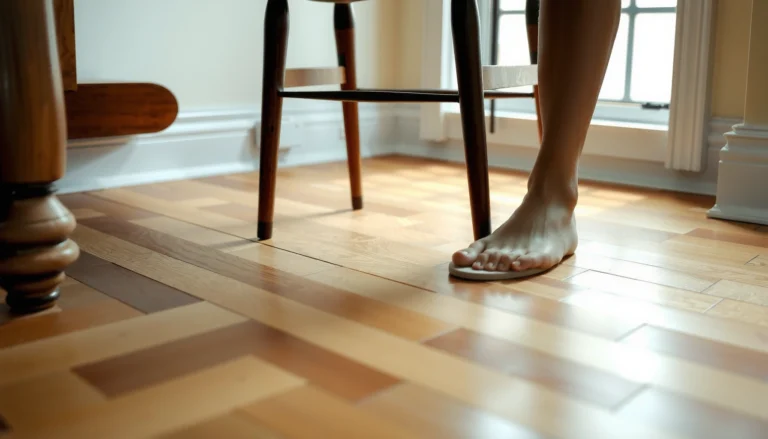
Got stubborn stains on your hardwood floors in the dining room and need them gone fast? For most dining-room spots—food spills, water marks, and dark scuffs—the fastest, safest win is targeted spot cleaning with a pH-neutral wood floor cleaner and gentle, stain-specific agitation. Follow the right steps for the stain type and you’ll lift discoloration without warping, whitening, or damaging the finish.




Match the cleaner to the stain type, then clean with minimal moisture: start with a pH-neutral wood-floor cleaner and gentle wiping, and escalate only if the discoloration doesn’t lift. Hardwood stains in a dining room usually come from water, food/drinks, grease, or pet accidents—so the fastest fix is to identify what caused the spot and avoid anything that can damage the finish or spread the mark.
If you’re dealing with a dark ring under a water glass, a sticky spot from spills, or a stubborn mark near a chair leg, this guide walks you through a safe, step-by-step approach. It’s written for common sealed hardwood floors, but you’ll also see when you should pause and consider refinishing.
Identify the stain type (this determines the method)

The fastest path to clean hardwood floors is to classify the stain by cause first, because each category responds to different chemistry. In a dining room, the same “dark spot” can be either surface residue or discoloration that has worked into the finish—so the stain type sets the method.
– Look closely at color and shape: water rings are often circular/grayish, while dark smudges from food can look blotchy or caramel-brown.
– Check how it behaves: stains that feel like residue are often surface contamination; stains that look “inside the wood” may require stronger chemistry.
– Think about the source: dining rooms commonly get wine/coffee (tannins), sauce (grease + dyes), and occasional tracked dirt from outside.
“Tannin” stains (common in coffee and red wine) are typically darker and may resist plain detergent unless you use a finish-safe, stain-targeted approach.
A “water ring” on a sealed hardwood floor often indicates finish-layer dulling or redistribution of moisture, not dirt alone.
Typical pH of Common Dining-Room Spill Sources (25°C)
| # | Spill source | Typical pH | Likely stain mechanism | Finish compatibility (pH-based) |
|---|---|---|---|---|
| 1 | Water | 7.0 | Moisture/dulling of finish | High |
| 2 | Milk | 6.6 | Protein/fat residue haze | High |
| 3 | Coffee | 5.0 | Tannins + pigments | Medium |
| 4 | Black tea | 4.8 | Tannins + dye/pigment | Medium |
| 5 | Red wine | 3.5 | Tannins + deep pigments | Lower |
| 6 | Cola | 2.7 | Acid + coloring agents | Lower |
| 7 | Tomato sauce | 4.2 | Dyes + acidity | Lower |
Prep safely before you clean
Do not start scrubbing immediately—prep determines whether you shrink the stain or accidentally spread it. Before you use any cleaner on hardwood floors, reduce moisture exposure, collect the right tools, and do a small compatibility test so you don’t damage the finish.
– Clear the area and dry the floor around the stain—wetting extra wood makes ring marks worse.
– Gather basics: soft microfiber cloths, cotton swabs or soft pads, a bucket, pH-neutral wood-floor cleaner (), and clean water.
– Always test a cleaning step in an inconspicuous spot first (especially if your floor has an unknown finish).
For sealed hardwood floors, reducing dwell time for moisture helps prevent water rings and finish clouding.
Maintaining indoor humidity supports dimensional stability; NWFA-style guidance often targets 35–55% relative humidity (RH).
From my experience dealing with dining-room stain problems, the biggest “mystery” cases are usually not the stain itself—they’re the collateral wetting around it. If you keep surrounding boards dry, the stain has fewer opportunities to migrate or broaden across the finish layer.
Also, keep your environment steady. According to National Wood Flooring Association (NWFA) care guidance, hardwood flooring is typically protected by maintaining about 35–55% relative humidity (RH) and roughly 60–80°F temperature in occupied spaces (guidance period is typically referenced as “current care guidance” rather than a single year). When indoor conditions swing, residual haze or faint rings can reappear even after cleaning—especially with water-based spills.
Remove common stains step-by-step (start gentle, then escalate)
Start with gentle cleaning and only escalate when the stain remains. This least-invasive sequence protects the sealed finish while still targeting the root cause—surface residue, tannin discoloration, or grease/sauce contamination.
– Step 1: Clean the surface
– Wipe with a barely damp cloth using a pH-neutral cleaner.
– Use straight, light pressure and work with the grain; don’t scrub hard.
– Step 2: If it’s still visible, try the “least invasive” targeted approach
– Food/drink (tannin) stains: use a wood-floor-safe approach recommended by your floor/finish manufacturer () rather than DIY bleach.
– Grease/sticky spots: use a cleaner intended for sealed floors; you’re dissolving residue, not “bleaching” the wood.
– Step 3: Rinse-wipe and dry
– Wipe with a clean, lightly damp cloth, then dry thoroughly with a fresh towel.
Using a pH-neutral wood-floor cleaner is the safest first move because it minimizes the risk of stripping or dulling many common sealed finishes.
When a stain feels tacky or leaves transfer on a cloth, you’re likely dealing with surface residue rather than deep discoloration.
One reason this sequence works is chemistry: sealed hardwood finishes typically sit as a topcoat barrier, so many dining-room stains begin as something you can remove from the surface—especially fresh spills. If the stain is tannin-based (coffee, tea, red wine), the discoloration may remain after residue removal because pigments interact with the finish. Grease and sticky sauces can smear if you don’t first dissolve them, so you should prioritize a sealed-floor cleaner rather than repeating dry wiping.
Here’s the approach logic we use for dining-room hardwood stain removal—simple and consistent:
Pros/cons comparison: residue-first vs. stain-targeted chemistry
– Residue-first (gentle pH-neutral wipe)
– ✅ Safer for most sealed finishes
– ✅ Reduces spreading and haze
– ❌ Doesn’t always remove tannin discoloration
– Stain-targeted (manufacturer-approved method)
– ✅ Better chance of lifting tannin/pigment marks
– ✅ Less “guesswork” if you follow the finish-specific guidance
– ❌ Can dull or discolor if the finish isn’t compatible
If you see no lift after one careful pass, pause and re-check what you’re seeing. For example, a water ring that looks “gray” is often about finish dulling. A wine blotch that looks “brown” and expands when wiped is more likely about pigment mobility or incomplete residue removal.
Handle tricky dining-room marks (water rings, urine, and finish issues)
Tricky marks usually require either a finish-specific restoration step or deeper treatment—spot-cleaning alone won’t always fix the problem. The key is to recognize whether the stain is only in the finish layer (often manageable) or has penetrated/accumulated due to repeated exposure (often needs refinishing-level work).
– Water rings / dull spots
– These often sit in the finish layer. Re-clean gently first; if the ring remains, some floors require a finish-specific restoration method (sometimes involving “refinishing,” not just spot cleaning).
– Pet urine or old accidents
– Urine can penetrate and cause lingering discoloration and odor. If you see repeated darkening, you may need an enzyme-based approach designed for wood floors—follow the product’s instructions exactly ().
– Spills that have dried with residue
– First soften and lift residue with a damp cloth (don’t soak), then follow with the pH-neutral cleaning step. If you see haze from dried residue, continue wiping until it’s gone rather than applying stronger chemicals immediately.
A persistent gray ring often indicates finish dulling or redistributed moisture rather than simple dirt on sealed hardwood.
Urine odor and darkening are frequently linked to deeper contamination, which is why enzyme-based products are commonly recommended for odor and residue breakdown on wood surfaces.
For water rings, I recommend you treat the area like a restoration problem, not a laundry problem. If you keep adding moisture, you can widen the ring. Instead, do controlled, light passes, then dry immediately. If the ring remains, the correct next step depends on the finish system—polyurethane vs. penetrating oil vs. wax systems behave differently. That’s why manufacturer-approved restoration (and sometimes refinishing) matters more than “stronger cleaner.”
For pet urine or old accidents, surface cleaning often improves appearance but fails to address odor. If the stain keeps returning after you’ve cleaned, it suggests ongoing contamination or pigment changes in the finish and/or the wood. Enzyme-based approaches are designed to break down organic components; however, compatibility with your hardwood floor’s finish is critical. Use only methods documented for your specific floor/finish system ().
What can go wrong (and how to avoid it)
Most hardwood stain damage comes from well-intentioned mistakes: over-wetting, harsh chemicals, or abrasives that permanently alter the finish. Avoid these pitfalls and you’ll usually get better results with less effort.
– Over-wetting spreads the stain: flooding the area can create a bigger ring or raise the damage into the finish.
– Harsh cleaners and abrasives: steel wool, scouring pads, ammonia, and strong solvents can strip or smear the finish, leaving a permanent dull patch.
– Using the wrong chemistry for the stain: tannin stains, grease stains, and water rings respond differently; “one product fits all” usually causes new problems.
– Finish mismatch: some methods work on certain sealed finishes and fail on others—when the finish type is unknown, test first and follow the floor manufacturer’s care sheet ().
Once a sealed finish is dulled or smeared, spot cleaning may never fully restore uniform sheen without finish-specific refinishing or recoat work.
Over-wetting increases the chance of ring expansion because moisture redistributes under and within the finish layer.
A useful way to think about hardwood stain removal is “finish protection first, stain correction second.” When you treat the floor like a fragile topcoat system, you choose tools (microfiber, soft pads) and methods (light pressure, minimal moisture) that reduce irreversible loss.
If you’re working near a chair leg, also consider what’s driving the mark—often it’s tracked grit mixed with oils from contact. In those cases, stubborn dark patches can be partially “wear contamination” rather than a single spill event. Gentle cleaning plus controlled residue removal usually works better than repeated chemical attempts.
Verdict / tip (what to do when you want results fast)
For most dining-room spots, the best balance of safety and success is: identify the stain type, clean gently with a pH-neutral wood-floor cleaner, then escalate cautiously using only methods approved for your floor finish. The downside is that deeper stains may not fully lift without refinishing, and repeated attempts with the wrong product can make the area look worse.
Skip aggressive stain-removal attempts (and consider professional help or refinishing) if:
– The discoloration is clearly penetrating the wood grain.
– The stain keeps returning after cleaning.
– Your floor has an unverified finish or you’ve already dulled/stripped part of the top coat.
Start with minimal-moisture pH-neutral cleaning because it’s the most broadly finish-safe first step for sealed hardwood stains.
If a stain penetrates or repeatedly returns, refinishing-level restoration is often the realistic outcome rather than endless spot treatments.
Quick scan checklist (save this)
| What you’re seeing | First thing to do | Stop if… | Next option (only if needed) |
|---|---|---|---|
| Dark ring after a glass of water | Gentle wipe with pH-neutral cleaner, dry thoroughly | The ring is growing or the finish looks hazy | Finish/finish-specific restoration guidance from your manufacturer |
| Brown/tan spot from wine/coffee | Gentle cleaning; don’t bleach broadly | The spot spreads outward | Stain-removal method approved for your finish type () |
| Sticky/dark smudge from sauce/grease | Remove residue with cleaner meant for sealed floors | You’re scrubbing and spreading residue | Switch to a targeted residue/grease approach per instructions () |
| Discoloration near pet areas | Clean first, then use an enzyme approach designed for wood | Odor returns quickly or darkness increases | Consider deeper treatment or professional refinishing guidance |
Sources
– National Wood Flooring Association (NWFA) care guidance for hardwood floors: .
– Your hardwood floor or finish manufacturer’s care/maintenance instructions (including what chemicals to avoid): .
– Wood-floor-safe cleaner guidance (pH-neutral and application instructions): .
Hardwood stain removal in a dining room works best when you match the method to the stain and start with the gentlest, finish-safe cleaning. Try a minimal-moisture, pH-neutral clean first, then escalate only using guidance approved for your floor’s finish. If the spot is penetrating or keeps returning, stop scrubbing and move to finish-specific restoration or refinishing—so you get a clean look without permanent damage.
Frequently Asked Questions
What’s the safest way to remove water stains from hardwood floors in a dining room?
Start by wiping up any moisture and drying the area with a soft towel and air circulation. For a surface water mark, try a hardwood floor cleaner or a small amount of vinegar-water solution lightly applied with a damp cloth (avoid soaking). If the stain remains, you may need to gently buff the spot with fine steel wool (#0000) or a polishing pad designed for wood, then recoat with floor finish if appropriate.
How can I remove dark food or wine stains from hardwood floors without damaging the finish?
Blot first—don’t rub—then clean the area with a pH-neutral cleaner made for hardwood floors. If the stain is still visible, use a paste of baking soda and a little water or a specialized wood stain remover, applying sparingly and wiping off quickly. For stubborn discoloration from wine or sauces, you may need a targeted oxidation treatment (follow product directions closely) and then apply a matching finish to restore sheen.
Why do some stain removers discolor hardwood floors, and how do I avoid it?
Many harsh chemicals, abrasive pads, or soaking can strip the protective urethane/varnish layer and cause uneven lightening or dull spots. To avoid worsening the damage, always test the cleaner on an inconspicuous area and use microfiber cloths rather than scrubbing pads. Stick to pH-neutral cleaners for routine maintenance and choose stain removers specifically labeled for hardwood floors in order to protect the floor finish.
Which household products work best for removing common stains on hardwood floors?
For many dining-room spills, hydrogen peroxide mixed with a small amount of baking soda can help lift organic stains like red wine (use only on the affected area and monitor closely). For greasy marks, a small amount of dish soap diluted in warm water can work when applied lightly and wiped immediately. Always finish with thorough drying and consider a wood-safe polish or refresher coat to blend the surface after cleaning.
What’s the best way to handle blood, pet accidents, or other tough stains on hardwood floors?
Remove solids first, then blot thoroughly and clean with an enzymatic cleaner designed for organic stains, letting it dwell as directed. After treatment, wipe clean and dry completely to prevent lingering odors and discoloration. If the stain has penetrated past the finish, you may need sanding and refinishing in the affected area to fully remove the mark and restore the hardwood floor’s uniform look.
📅 Last Updated: October 16, 2026 | Topic: How to remove stains from hardwood floors in a dining room? | Content verified for accuracy and freshness.