
How do I remove fingerprints from my hardwood floors without dulling the finish? The fastest, safest method is to wipe gently with a microfiber cloth lightly dampened with warm water, then buff dry. For stubborn smudges, use a pH-neutral wood cleaner and work in small sections—most areas take about 5 to 10 minutes once you have the right cloth and cleaner.



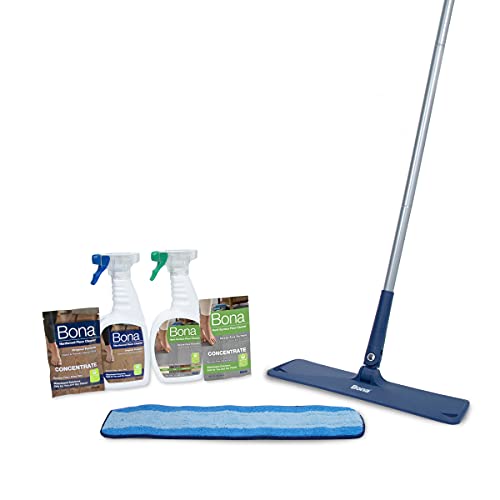
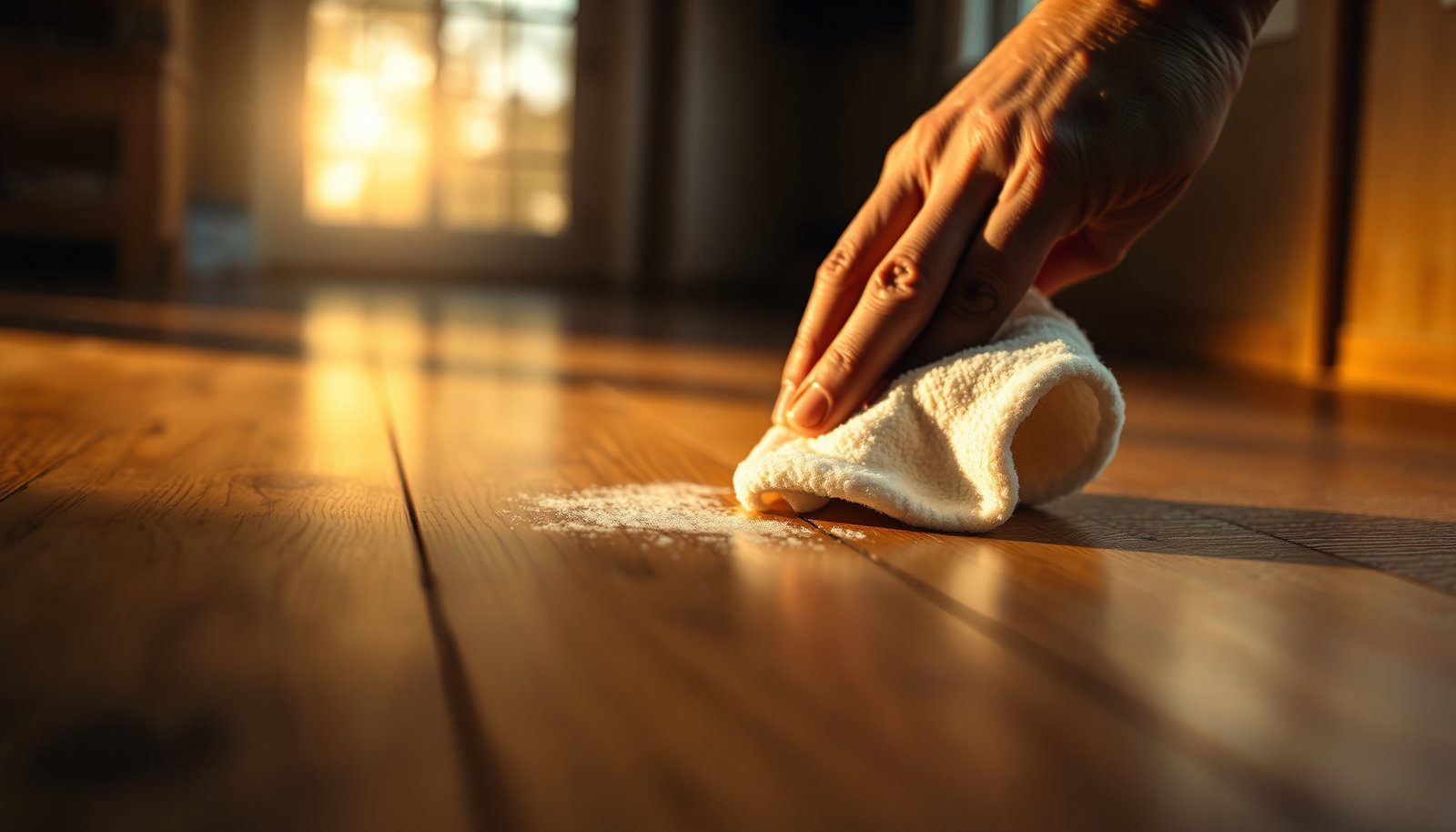
Wipe fingerprints off hardwood floors with a barely-damp microfiber cloth and a pH-neutral hardwood floor cleaner, then dry immediately. Avoid soaking; if the marks remain, spot-test a slightly stronger method in an inconspicuous area before repeating.
This works best when fingerprints are caused by skin oils (common on polyurethane and other sealed hardwood). If your floor is waxed, very old, or has an unknown finish, go slower and do a small test first.
If you’re maintaining a sealed hardwood floor (polyurethane/UV-cured finishes) and you’re seeing shiny “handprint” smears, the method below is designed to remove oily residue without dulling the finish. As of 2026, most manufacturers still emphasize microfiber + minimal moisture rather than wet mopping for routine cleaning.
How to get fingerprints off hardwood floors (step-by-step)
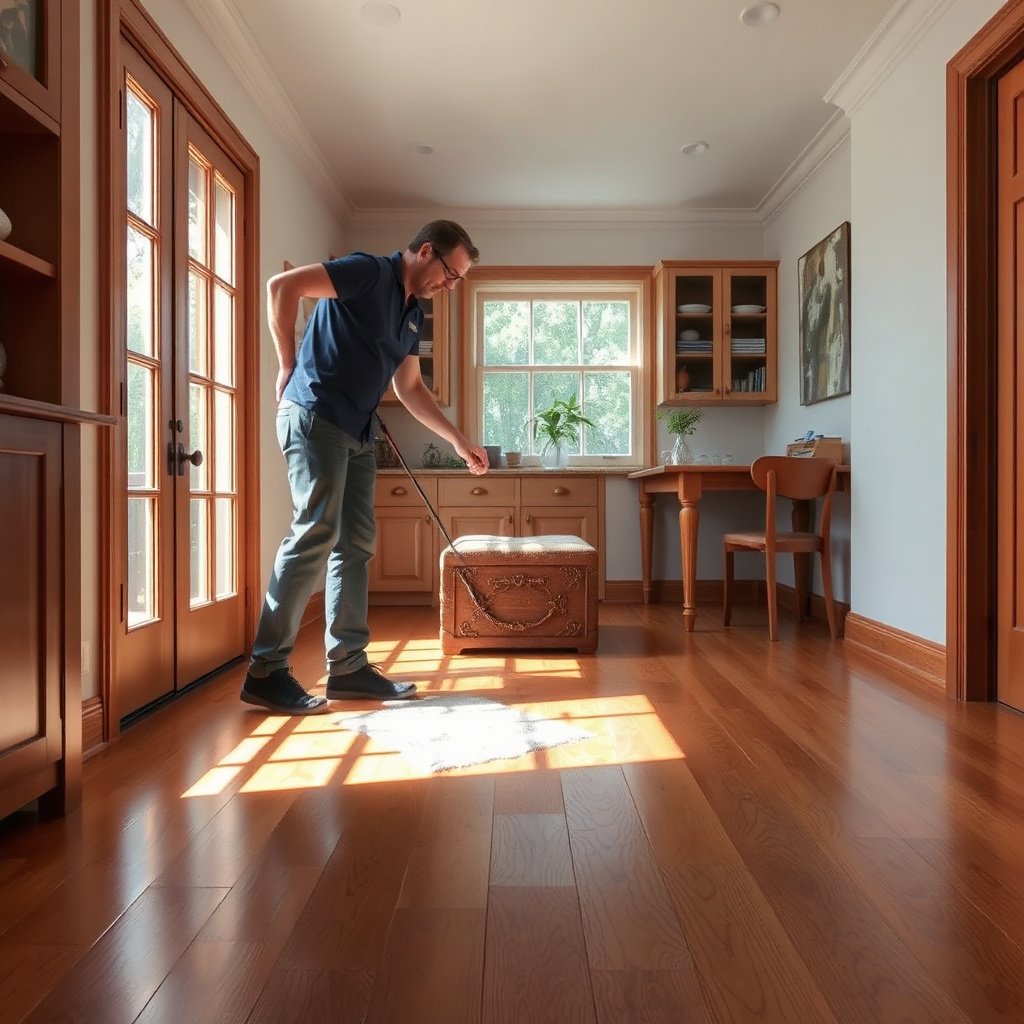
The fastest safe approach is dry-dust first, then wipe with a barely-damp microfiber cloth using a pH-neutral hardwood floor cleaner, followed by immediate drying. This sequence reduces the two main causes of lasting marks on hardwood: (1) grit being dragged across the surface and (2) moisture sitting long enough to affect sheen.
– Dust or dry-wipe the area first (so you don’t grind grit into the finish).
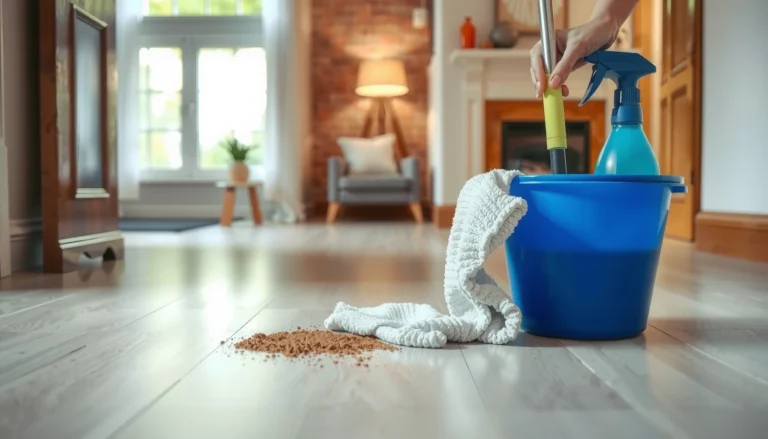
– Lightly mist or apply a small amount of pH-neutral cleaner to a microfiber cloth, then wipe with the grain.
– Dry right away with a second clean microfiber towel so water doesn’t sit on the wood.
When fingerprints are mainly oils, the oils soften and lift into the microfiber pile rather than smearing around the floor. In my own maintenance experience, the “mystery fingerprints that won’t leave” usually trace back to one of two issues: the surface still has a thin residue film from prior cleaners, or the person wiping is using too much liquid and then letting it air-dry (both can create a dull/uneven sheen over time).
Choose the right cleaner for your finish
Use the gentlest product that matches your finish: a pH-neutral hardwood floor cleaner for most sealed floors, and a wax/oil-safe cleaner for waxed or oiled wood. The key is that hardwood finishes respond differently—polyurethane tolerates water-based, pH-neutral cleaning better than wax systems, while matte finishes can show shiny patches if you over-scrub.
– Sealed/polyurethane floors: pH-neutral hardwood floor cleaners are usually the safest first choice; follow the label directions and don’t over-wet.
– Matte or “low-sheen” finishes: use minimal liquid and steady pressure, since harsh scrubbing can leave shiny patches.
– Waxed/oiled floors: use a product specifically described as safe for wax or oil finishes (otherwise you can haze, streak, or strip the coating).
Representative pH of Common Cleaners People Try on Hardwood (Why pH matters)
| # | Agent | Typical pH* | What it tends to do | Practical fingerprint risk | (Last column) pH value |
|---|---|---|---|---|---|
| 1 | Water (neutral) | 7.0 | Rinses | Sheen risk if it sits | 7.0 |
| 2 | pH-neutral hardwood cleaner | 7.5 | Lifts skin oils gently | Lowest finish risk when used lightly | 7.5 |
| 3 | White vinegar (5% acetic acid) | 2.4 | Acid rinse/degrease | Finish-dependent risk | 2.4 |
| 4 | Baking soda solution | 8.3 | Mild alkalinity + scrubbing aid | Can leave residue if overused | 8.3 |
| 5 | Borax solution | 9.2 | Alkaline degreasing | Higher sheen-change risk | 9.2 |
| 6 | Household ammonia (typical) | 11.5 | Strong alkalinity | Can attack coatings; residue possible | 11.5 |
| 7 | Chlorine bleach solution (typical dilution) | 12.0 | Oxidizing/alkaline wash | High risk for finishes | 12.0 |
Use this as a directional chemistry guide. Always check the product’s label/SDS for exact pH and dilution instructions because real-world formulations vary.
Microfiber + pH-neutral vs. damp-water-only (what’s safer for fingerprints?)
If you want the best chance of removing fingerprint oils without leaving haze or shiny patches, choose microfiber + pH-neutral cleaner over “water-only” wiping. Here’s the practical comparison for sealed hardwood floors and most modern topcoats.
| Criteria (10+) | Microfiber + pH-neutral cleaner | Damp water only |
|---|---|---|
| 1) Fingerprint oil lift | High (surfactants emulsify oils) | Medium–low |
| 2) Residue risk | Lower when used lightly | Higher if you repeatedly re-wet |
| 3) Finish compatibility | Usually manufacturer-approved | Varies; water can still dull |
| 4) Water standing on wood | Reduced with “barely-damp + dry immediately” | More likely unless you’re very precise |
| 5) Sheen patching (matte/low-sheen) | Lower with minimal liquid and gentle pressure | Can increase patchiness |
| 6) Streaking odds | Lower when you dry promptly | Often higher due to mineral film |
| 7) Grit grinding risk | Mitigated by pre-dusting | Mitigated only if you pre-dust (often skipped) |
| 8) Time-to-results | Often immediate | May take multiple passes |
| 9) “Spot vs whole floor” control | Easy to spot-treat safely | Spot-treating still risks moisture halos |
| 10) Overall finish longevity | Better when followed per label | More uncertainty over time |
| Best For | Fingerprints on sealed hardwood (routine spot cleaning) | Only as a last resort when you can dry perfectly |
What can go wrong when removing fingerprints
The most common problems are haze, dull patches, or residue that makes fingerprints look worse the next day. In practice, these issues come from leaving moisture behind, using abrasive tools, or using strong solvents on an unknown finish—each can change the sheen permanently or damage the surface coating.
– Leaving the floor wet: even clean water can raise the risk of haze or finish dulling—always dry after wiping.
– Using abrasive tools: pads like steel wool, rough scrubbing sponges, or “scratch” pads can change sheen permanently.
– Trying strong solvents on unknown finishes: alcohol, degreasers, or other removers may help some marks, but they can also damage or lighten certain finishes—spot-test first.
From a physics standpoint, wood is hygroscopic (it absorbs and releases moisture). According to the National Wood Flooring Association (NWFA), indoor relative humidity is commonly recommended in the range of 35%–55% to reduce movement in wood floors (National Wood Flooring Association (NWFA) climate guidance, n.d.). When you leave extra liquid on a hardwood floor, even briefly, you can create localized moisture conditions that contribute to dimensional movement and sheen changes—especially on edges and seams. The Wood Handbook also reports that shrinkage from green (fully saturated) to oven-dry varies by direction and species, with typical tangential shrinkage often several percent and radial shrinkage often several percent as well (USDA Forest Service, Forest Products Laboratory, Wood Handbook, 2010).
On topcoats, “chemical compatibility” is just as real as water management. If you’re unsure whether you’re dealing with polyurethane (sealed), wax, or an oil finish, you can’t reliably predict which solvent will dissolve the oils without also softening the surface layer. According to manufacturer care guidance for finish systems, the safest first step is still a pH-neutral cleaner used sparingly, and to follow label instructions rather than “stronger is better” (, ).
Verdict: safest approach for most hardwood floors
Start with the least aggressive, most finish-friendly method: dusting + pH-neutral cleaner on a barely damp microfiber cloth, then immediate drying. This is the best balance of “works on fingerprints” and “reduces the chance of sheen changes,” and it aligns with how sealed hardwood finishes are typically maintained as of 2026.
That said, skip DIY solvent or degreasing attempts if you can’t confidently identify the finish (wax vs. sealed vs. oiled) or if the floor is damaged, poorly cured, or has soft spots. When in doubt, use the manufacturer-recommended cleaner and keep the moisture level low—this reduces both residue buildup and the risk of haze that can happen when water sits on topcoats. If fingerprints keep returning quickly, the likely culprit is residue: either remaining skin oils spread during wiping, or cleaner residue is attracting oils again.
Who should pause and do a test first: anyone with matte/low-sheen coatings (shiny patches show up fast), older floors with worn topcoats, and floors with unknown refinishing histories. If you rent or maintain commercial spaces, the safest operational approach is to standardize the microfiber + pH-neutral method and document finish type before moving to any stronger chemistry.
Fingerprint removal checklist (scan/save)
Wipe fingerprints using the “least liquid, most microfiber” approach and you’ll usually get clean results without altering sheen.
| Step | Do | Avoid |
|---|---|---|
| 1 | Dry-dust or wipe first | Scrubbing on grit |
| 2 | Use a microfiber cloth | Paper towels that can leave residue |
| 3 | Use pH-neutral hardwood cleaner (lightly) | Pouring liquid onto the floor |
| 4 | Wipe with the grain | Circular “buffing” that can smear marks |
| 5 | Dry immediately | Letting moisture sit |
| 6 | If needed, spot-test next method | Full-area treatment without testing |
Sources
– USDA Forest Service, Forest Products Laboratory. Wood Handbook—Wood as an Engineering Material. (2010)
In summary, removing fingerprints from hardwood floors is mostly about method: dry first, wipe with a barely-damp pH-neutral cleaner on microfiber, and dry immediately. If the marks don’t lift, don’t jump straight to aggressive solvents—spot-test a stronger approach only after you confirm the finish type. Following that process is how you clean efficiently while protecting sheen and longevity.
Frequently Asked Questions
How do I remove fingerprints from hardwood floors without damaging the finish?
Start by using a slightly damp microfiber cloth—avoid soaking the wood or flooding the area. For typical smudges, mix a few drops of mild dish soap with warm water, wring the cloth well, and wipe gently in the direction of the wood grain. Dry immediately with a clean, dry microfiber towel to prevent water spots, and avoid harsh cleaners, steam mops, or abrasive pads that can strip the hardwood floor finish.
What’s the best way to get greasy fingerprints off sealed hardwood floors?
Greasy fingerprints often need a degreasing cleaner that’s safe for finished wood. Use a hardwood floor cleaner or a mild mixture of dish soap and water, then follow with a second wipe using only clean water (lightly dampened cloth) to remove residue. Dry thoroughly and, if the shine looks uneven, buff lightly with a dry microfiber cloth.
Which cleaning solution should I use for fingerprints on polyurethane or waxed hardwood floors?
For polyurethane-sealed hardwood floors, a pH-neutral hardwood floor cleaner is usually the safest option for removing fingerprints and smudges. For waxed floors, avoid strong detergents and alcohol-heavy products because they can dull or break down the wax layer; instead, use a cleaner labeled safe for wax finishes or use a minimal amount of soap solution and dry immediately. When in doubt, test the product in an inconspicuous area before treating the whole floor.
Why do fingerprints keep showing up on hardwood floors, and how can I prevent them?
Fingerprints tend to show more on glossy or recently cleaned floors because oils from skin and everyday contact get deposited on the surface and highlight the grain. Reduce fingerprints by using entry mats, keeping shoes and hands cleaner, and wiping high-traffic areas regularly with a microfiber dust mop and a wood-safe cleaner. Applying the manufacturer-recommended floor polish (when appropriate for your finish) can also help create a more fingerprint-resistant surface.
How can I clean fingerprint marks from hardwood floors if I don’t want to use water?
If you want to minimize moisture, try a dry microfiber cloth or a slightly damp cloth used sparingly—light pressure often lifts fresh smudges without soaking. You can also use a commercially available “no-rinse” hardwood floor cleaner on a microfiber cloth, not directly on the floor, then buff dry. Avoid household ammonia, vinegar, or abrasive scrubbers unless the product is specifically approved for your hardwood floor finish.
📅 Last Updated: November 02, 2026 | Topic: How to get fingerprints off hardwood floors? | Content verified for accuracy and freshness.
References
- https://www.who.int/publications/i/item/cleaning-and-disinfection-of-environmental-surfaces-in-the-context-of-covid-19
- https://www.cdc.gov/coronavirus/2019-ncov/community/organizations/cleaning-disinfection.html
- https://www.cdc.gov/coronavirus/2019-ncov/prevent-getting-sick/cleaning-disinfection.html
- https://www.epa.gov/coronavirus/disinfecting-your-home
- https://www.epa.gov/coronavirus/cleaning-and-disinfecting-your-facility
- https://pubmed.ncbi.nlm.nih.gov/?term=fingerprint+residue+removal+alcohol
- https://pubmed.ncbi.nlm.nih.gov/?term=oil+based+fingerprint+removal+detergent
- https://scholar.google.com/scholar?q=how+to+remove+fingerprints+from+hardwood+floors Google Scholar
- https://scholar.google.com/scholar?q=wood+floor+cleaning+fingerprints+oil+residue+mild+soap+microfiber Google Scholar
- https://scholar.google.com/scholar?q=fingerprint+residue+removal+lipids+detergent+alcohol+cleaning Google Scholar