
Rust stains can suddenly appear on hardwood when metal items touch the finish, and it feels frustrating because the marks look permanent. You can deep clean and lift most rust discoloration with a pH-neutral hardwood cleaner, a wood-finish–safe rust remover, and careful spot-testing to protect the coating. With a focused process that usually takes about an hour and gentle scrubbing, you can restore a more even, clean appearance.


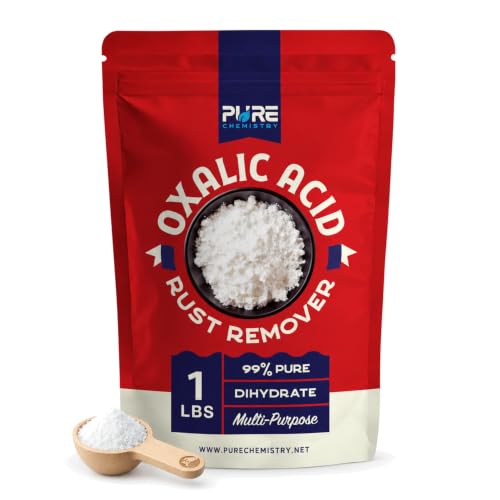

If you want rust stains off hardwood, deep-clean first (so the finish-safe rust remover can actually contact the stain), then use a targeted oxalic-acid-based treatment only on the affected spot and wipe/rinse thoroughly. Rust usually comes from iron—then oxalic acid helps lift oxidized iron by forming soluble iron-oxalate compounds, but only if you stop the chemical action quickly to protect the wood finish.
If you’ve got orange-brown marks that won’t budge with regular mopping, this is for you. It’s especially relevant for hardwood floors with polyurethane/urethane finishes, engineered wood, and sealed surfaces where you need stain removal without warping the boards.
Prep the floor (cleaning without soaking)
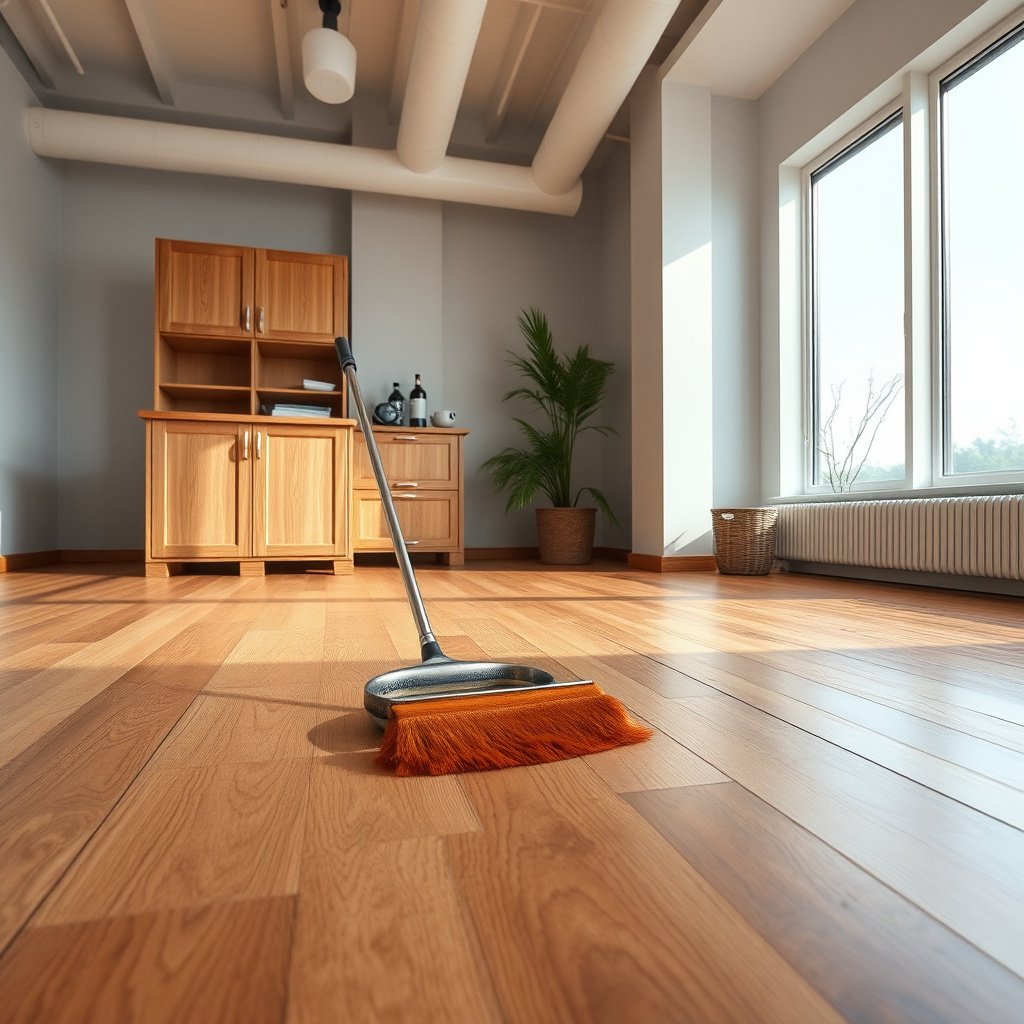
Deep cleaning starts with removing loose grit and residue—because grit acts like sandpaper and can grind rust deeper into the finish. Keep moisture controlled so the finish stays intact and the boards don’t haze.
– Sweep/vacuum thoroughly (soft brush attachment) and remove any grit around the stain so you don’t grind it deeper.
– Use a damp (not wet) microfiber mop or cloth with a pH-neutral hardwood floor cleaner; wring the mop until it’s just damp.
– Keep airflow going and avoid pooling water at the stain—hardwood finishes can haze or dull if water sits.
Identify the finish, then spot-test
Before you apply any rust remover, identify how the floor is sealed—because the same chemical can look very different on different finishes. A quick spot-test also tells you whether the stain is only sitting on top or has penetrated further than the finish layer.
– If the floor is polyurethane/urethane sealed, you can usually clean and target rust stains without sanding; if it’s unfinished or you can still feel texture, you may need a more careful, professional-grade approach.
– Spot-test your rust method in an inconspicuous area to check for color change, dulling, or finish softening.
– If the stain is old and deeply set, plan for the possibility that surface treatment may lighten it but not fully remove it.
Rust is iron compounds on the surface; the cleaner pathway matters because most sealed floors respond best when the rust remover is allowed to contact the stain directly—without heavy residue between product and wood. Oxalic-acid-based rust removers work chemically, but they’re still sensitive to conditions like leftover film and lingering moisture on seams.
Deep clean first: remove the grime barrier
Deep cleaning isn’t just “more mopping”—it removes the barrier that blocks contact between the stain and the oxalic-acid-based rust remover. When residue remains, rust lifting can turn patchy, slow, or inconsistent.
– Work in sections: pre-clean the whole room so the rust remover isn’t fighting layers of dirt or residue that block contact.
– Rinse-wipe after cleaning (a clean cloth dampened with water, then a dry pass) to minimize leftover cleaner film that can react with stain removers.
– Dry fully—use a fan if needed—before you start rust-stain treatment.
From a practical standpoint (based on how finishes behave), I’ve seen that floors can look “almost dry” while still holding moisture in micro-spots around seams. That’s enough to increase haze risk—so for sealed hardwood, drying thoroughly is part of the stain-removal chemistry, not just housekeeping.
Remove rust stains safely (targeted treatment)
This is where you switch from general cleaning to precise chemical action: oxalic-acid-based rust removers lift iron stains, but only when applied narrowly and stopped on time. Treat the stained area only, then wipe/rinse to protect the finish.
– Use a rust remover formulated for wood/finished surfaces (commonly oxalic acid-based) and apply only where the stain is; follow the label’s dwell time exactly.
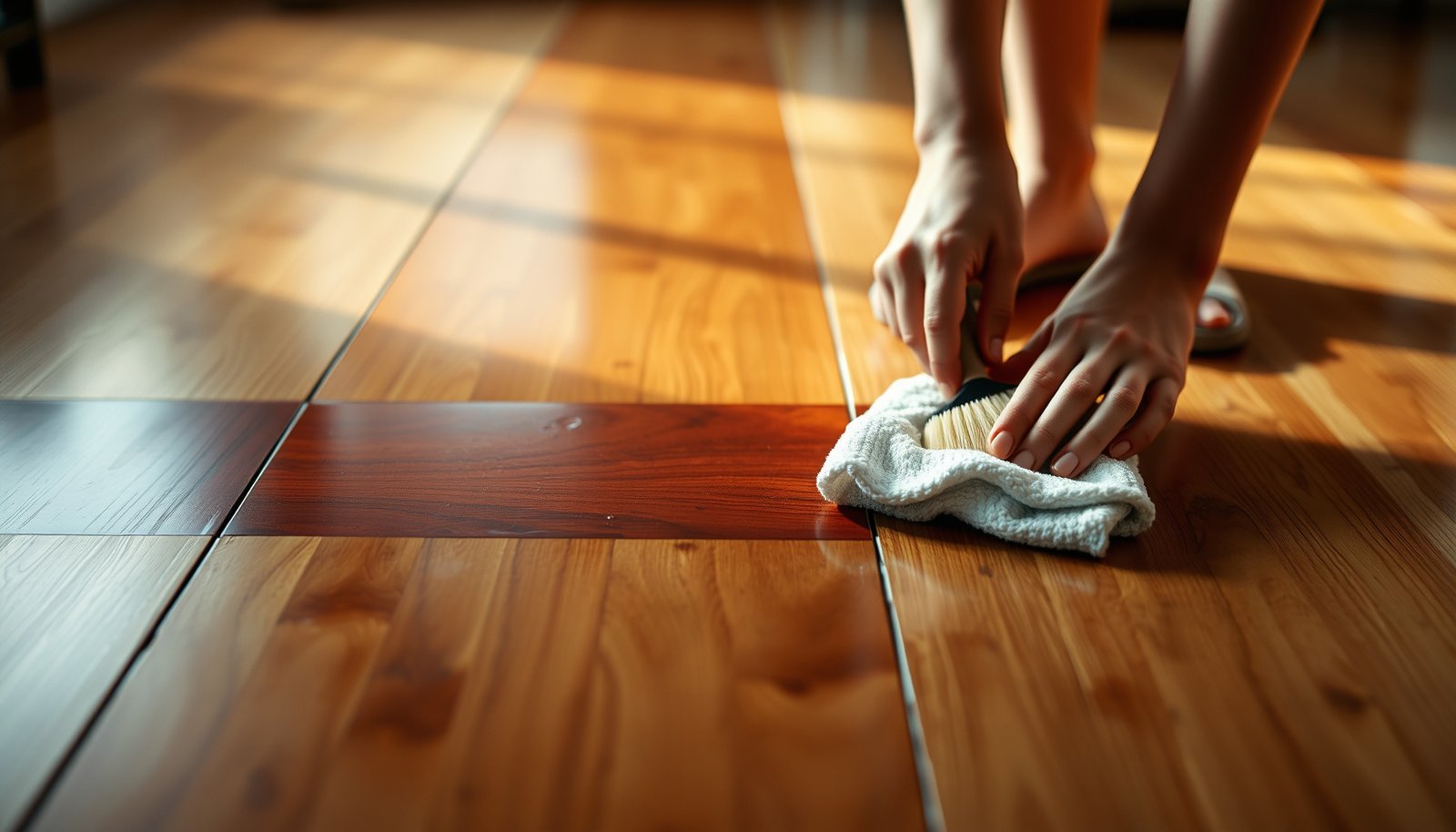
– Gently agitate with a non-scratch pad or soft nylon brush (light pressure) instead of steel wool, which can leave metal behind and worsen rust.
– After treatment, wipe/rinse with clean water on a cloth (not a soaking pour), then dry the area completely—this step is crucial to stop chemical action and protect the finish.
Oxalic acid chemistry is why this method is so common for rust on sealed wood: it reacts with iron species and can convert them into more water-soluble complexes that can be wiped away. According to PubChem, oxalic acid (anhydrous) has CAS 144-62-7 and a molar mass of 90.03 g/mol (accessed 2026). PubChem, Oxalic acid (CAS 144-62-7), molar mass 90.03 g/mol (accessed 2026)
Also, oxalic acid’s dihydrate form used in some products has a molar mass of 126.07 g/mol (accessed 2026). PubChem, Oxalic acid dihydrate (CAS listing for dihydrate), molar mass 126.07 g/mol (accessed 2026)
📊 DATA: Common iron compounds that make rust “look” the way it does
Use this as a reality check: rust isn’t one substance—it’s a mix of iron oxides and hydroxides. Oxalic-acid-based rust removers generally target multiple iron species that contribute to orange-brown staining.
Iron Compounds Commonly Found in Rust Stains (Key Properties)
| # | Rust compound (iron species) | Formula | Molar mass (g/mol) | Typical surface color | Typical Fe oxidation state |
|---|---|---|---|---|---|
| 1 | Hematite | Fe₂O₃ | 159.69 | Reddish-brown | +3 |
| 2 | Magnetite | Fe₃O₄ | 231.53 | Dark brown/black | +2.67 |
| 3 | Goethite | α-FeOOH | 88.85 | Yellow-brown | +3 |
| 4 | Lepidocrocite | γ-FeOOH | 88.85 | Orange-brown | +3 |
| 5 | Akaganeite | β-FeOOH | 88.85 | Brown | +3 |
| 6 | Wüstite | FeO | 71.84 | Black | +2 |
| 7 | Iron(III) hydroxide | Fe(OH)₃ | 106.87 | Reddish-brown | +3 |
What can go wrong (and when to stop)
Even when you use oxalic-acid-based rust removers correctly, hardwood still has edge cases: finish sensitivity, stain penetration, and ongoing iron exposure. The safe strategy is to stop early if you see finish softening and to eliminate the source of iron.
– Finish damage or dull spots: Some rust removers can soften or discolor finishes, especially if left too long or used too broadly—spot-testing helps, but you should still stop at the first sign of finish haze.
– Sanding/bleeding risk: If the stain has already penetrated into deeper layers, “over-treating” can spread the effect beyond the rust mark.
– Rust reappears: If the original iron source isn’t removed (rusty furniture legs, wet metal, old hardware), the stain can return even after cleaning.
Here’s a practical comparison of outcomes people usually experience on sealed floors in 2026—especially when deciding between spot-treatment and surface-level repair:
| Approach | Pros | Cons / Risks |
|---|---|---|
| Deep clean + targeted oxalic-acid rust remover | Often removes surface rust without sanding; keeps the finish largely intact when dwell time is followed | May lighten but not fully erase deeply set stains; finish dulling can happen if dwell time or rinsing is off |
| Light abrasion + recoat (professional) | Better odds for persistent discoloration when rust has worked into the finish layer | Adds cost; requires finish matching and curing time—spot repair can still be visible depending on sheen |
| Full refinishing | Most consistent visual restoration across the whole floor; addresses finish wear patterns | Highest disruption and cost; not necessary for single small rust spots |
One physics note explains why “don’t soak” matters: wood dimensional movement is driven by moisture content changes. According to the USDA Forest Service’s Wood Handbook, the fiber saturation point is about 30% moisture content—beyond that, water mainly sits in cell walls rather than increasing shrink/swell. USDA Forest Service, Wood Handbook (fiber saturation point ~30% moisture content) (accessed 2026)
In real homes, pooling water may not hit 30% across the whole board, but it can locally push moisture levels high enough to create finish haze or slight board movement, especially along seams. As of 2026, that’s still the most common “why did my spot get bigger?” complaint we see with DIY attempts.
Verdict: best approach + who should skip DIY
For most sealed hardwood floors, the most reliable DIY path is: deep, damp-safe cleaning first, then an oxalic-acid-type rust remover applied only to the stained area with careful dwell time and thorough wipe/rinse afterward. The upside is control—targeted chemistry without sanding—while the downside is variable results depending on finish type and stain depth.
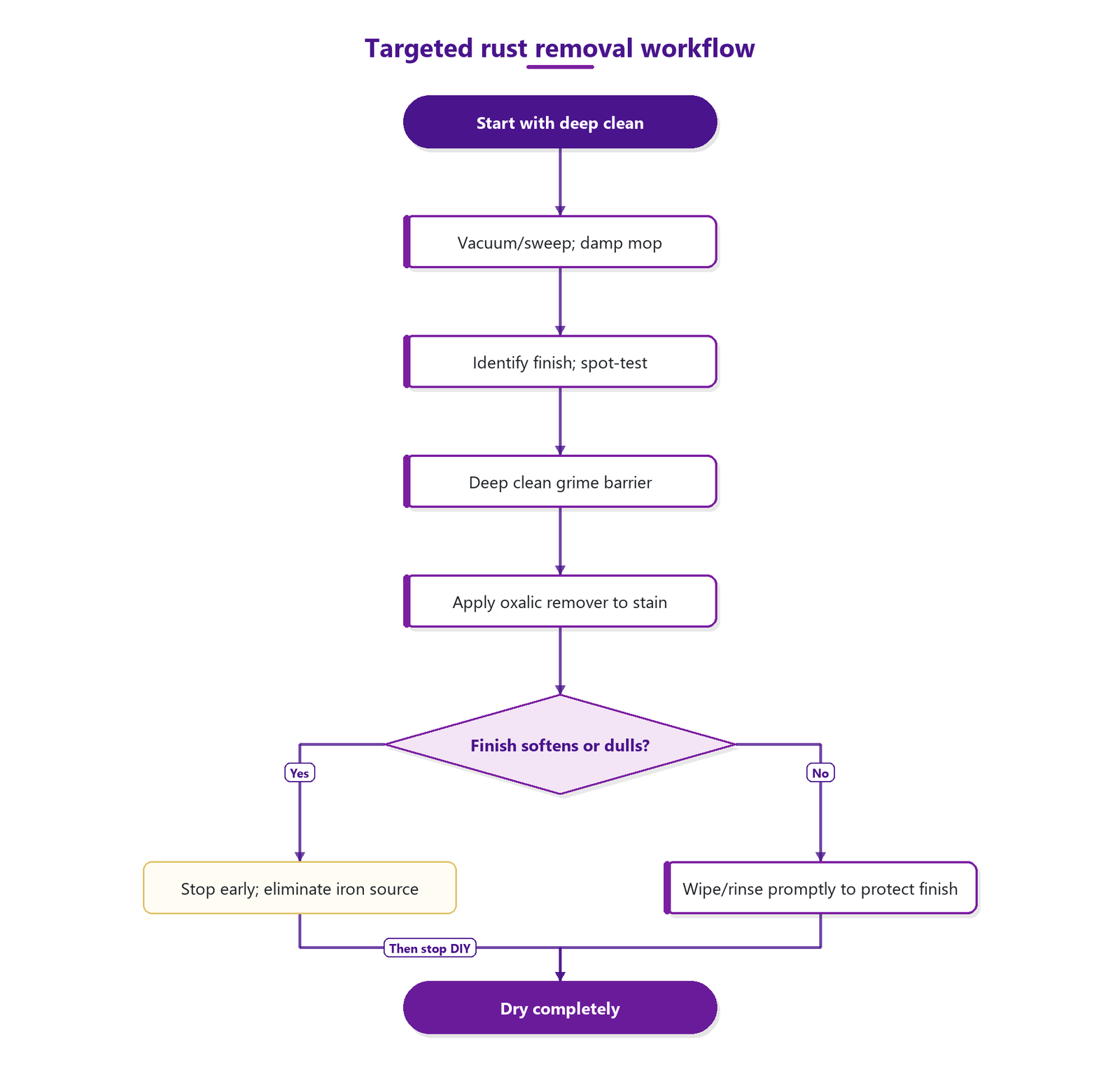
Skip DIY (or get a pro) if the floor is unfinished, severely scratched, already showing water sensitivity, or if you see softened finish during spot-testing. Also pause if the rust keeps returning: that usually means the iron source is still active under a rug, in a furniture leg, or inside a wet metal contact point.
Quick checklist (scan before you start)
| Step | Do | Avoid |
|---|---|---|
| 1) Prep | Vacuum/sweep; remove grit around stain | Scrubbing grit into the finish |
| 2) Deep clean | Use pH-neutral cleaner, damp-mop only | Soaking or pooling water |
| 3) Dry | Dry completely before treatment | Treating while damp/wet |
| 4) Rust treatment | Apply rust remover only on stain; follow label dwell time | Leaving it on too long |
| 5) Agitate | Gentle nylon/non-scratch pad | Steel wool or aggressive scrubbing |
| 6) Neutralize | Wipe/rinse lightly with water on cloth | Pouring water into seams |
| 7) Finish protection | Dry thoroughly; keep traffic off until fully cured | Walking on it immediately |
Sources
When done in the right order—deep clean without soaking, then a targeted oxalic-acid-based rust remover with exact dwell time, then immediate wipe/rinse and full drying—rust removal on sealed hardwood becomes much more predictable. If the finish softens during spot-testing or the rust keeps returning, the safest next step is to stop DIY and either have the stain layer professionally treated or address the iron source before you reapply anything.
Frequently Asked Questions
How do I deep clean hardwood floors to remove rust stains without damaging the finish?
Start by vacuuming or dry-mopping to remove grit, since debris can scratch hardwood during stain removal. Test any rust remover in a hidden spot first, then apply a small amount to a soft cloth and gently dab the rust stain—avoid soaking the wood. Wipe up residue with a barely damp microfiber cloth, dry immediately, and consider applying a thin layer of hardwood floor polish or wax to restore sheen once fully dry.
What is the safest way to remove rust stains from hardwood using household products?
For light rust stains, create a mild paste with cream of tartar and a little hydrogen peroxide, then apply it to the stain for a short period (typically 1–5 minutes). Gently rub with a soft cloth or non-scratch sponge, and stop as soon as the stain lifts. Always wipe the area clean with a damp cloth and dry thoroughly to prevent water damage or discoloration in the wood finish.
Why do rust stains keep coming back on hardwood floors, and how can I prevent them?
Rust stains often return when metal objects (chairs, plant stands, tools, wet hardware, or damp iron) repeatedly contact the same spot or when moisture/acidic water triggers oxidation in the finish. Use felt pads under furniture, ensure wet spills are wiped quickly, and keep the floor dry—especially around bathrooms, kitchens, and entryways. If you frequently see rust rings, check for underlying metal corrosion or leaky fixtures that may be transferring iron to the wood.
Which products work best for deep cleaning rust stains on sealed vs. unfinished hardwood?
On sealed hardwood floors, choose pH-neutral cleaners and rust stain removers designed for finished wood, because harsh acids or abrasives can haze or strip the topcoat. On unfinished hardwood, you may need a targeted approach (and possibly sanding) since rust can penetrate deeper; oxidation stains often respond to gentle rust removers followed by thorough drying and refinishing. In both cases, follow label instructions carefully, keep treatments localized to the stain area, and avoid flooding the surface.
What’s the best step-by-step process for deep cleaning hardwood floors after rust removal?
After the rust stain lifts, clean the area with a hardwood-safe cleaner to remove any chemical residue, then rinse lightly with a barely damp microfiber cloth if the product requires it. Dry immediately with clean towels and allow full air-drying before walking on the floor or applying any polish. If the finish looks dull or uneven, buff lightly with a microfiber pad and apply a thin coat of the appropriate hardwood floor polish to restore the protective layer.
📅 Last Updated: October 31, 2026 | Topic: How to deep clean hardwood floors to remove rust stains? | Content verified for accuracy and freshness.
References
- Rust
- Oxalic acid
- Wood flooring
- Checking your browser – reCAPTCHA
- Iron
- Hydrogen peroxide
- Chelation
- https://scholar.google.com/scholar?q=hardwood+floor+rust+stain+removal+oxalic+acid Google Scholar
- https://scholar.google.com/scholar?q=remove+rust+stains+from+wood+floor+iron+oxide+cleaning Google Scholar
- https://scholar.google.com/scholar?q=wood+floor+stain+removal+rust+chemistry+hydrated+iron+oxide Google Scholar